
Use Code: ND30 And Get 30% OFF | Get Free Delivery With No Minimum Order
-1744229570.gif "Almujtama Pharmacy logo")




Frequently bought together
Skin And Body Care > Sun Protection And Tans
Skin And Body Care > Sun Protection And Tans
Skin And Body Care > Facial Wash And Exfoliators
Skin And Body Care > Facial Wash And Exfoliators
Skin And Body Care > Moisturizers
Skin And Body Care > Moisturizers
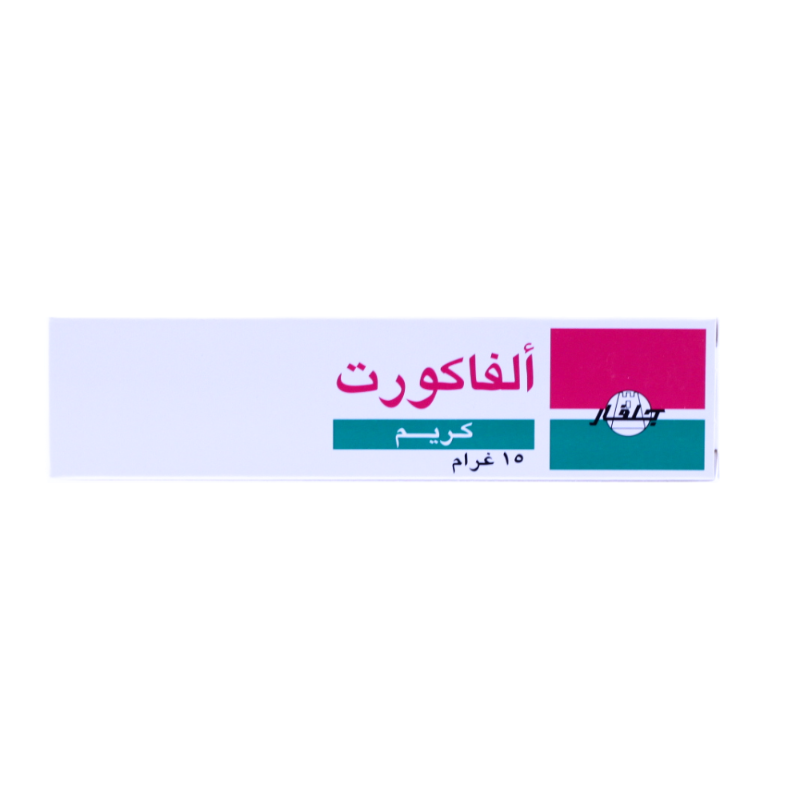
ALFACORT CREAM 15G
- Sku : I-000148
Key features
ALFACORT Cream is a topical cream containing hydrocortisone acetate 1%. Hydrocortisone acetate is a low‑potency topical corticosteroid that binds glucocorticoid receptors to reduce production of inflammatory mediators, producing anti‑inflammatory, antipruritic and vasoconstrictive effects in the skin. It is indicated for relief of inflammatory and pruritic manifestations of corticosteroid‑responsive dermatoses such as atopic and contact dermatitis, eczema, insect bite reactions and other mild inflammatory itchy skin conditions. Available OTC in a 15 g tube.- Brand: ALFACORT
- Active Ingredient: HYDROCORTISONE ACETATE
- Strength: 1%
- Dosage Form: Cream
- Pack Size: 15 g
- Route: Topical
- Prescription Status: OTC
- Therapeutic Class: Dermatological
- Pharmacological Group: Corticosteroids (Plain)
- Drug Class: Mild topical corticosteroid (Class VII/Group 7) - Hydrocortisone ester
- Manufacturer: Gulf Pharmaceutical Industries (Julphar)
- Country of Origin: United Arab Emirates
- SFDA Registration No.: 509234136
- Shelf Life: 36 months
- Storage: store below 25°c
- Skin Condition: Eczema, Dermatitis, Insect Bites, Skin Rashes
- Steroid Potency: Mild
Frequently bought together
Skin And Body Care > Sun Protection And Tans
Skin And Body Care > Sun Protection And Tans
Skin And Body Care > Facial Wash And Exfoliators
Skin And Body Care > Facial Wash And Exfoliators
Skin And Body Care > Moisturizers
Skin And Body Care > Moisturizers
Indications
Approved Uses
Relief of inflammatory and pruritic manifestations of corticosteroid-responsive dermatoses (e.g., eczema and dermatitis, including contact/atopic forms; insect bite reactions; and other mild inflammatory itchy skin conditions).
Dosage & Administration
Dosing by Condition
Apply a thin layer to affected areas 1-2 times daily (up to 3-4 times daily short-term if needed) and taper/stop when controlled; limit duration especially on face/flexures and in children, and seek medical advice if not improving within ~7 days.
Initial Dose
Apply a thin layer to the affected area 2-3 times daily.
Maximum Dose
Apply a thin layer 1-2 times daily; OTC self-treatment should not exceed 7 days unless advised by a clinician
Children's Dosage
Use with caution. Apply sparingly 1-2 times daily for the shortest possible duration. A course should not normally exceed 7 days. Not recommended for children under 2 years without medical advice.
Dose Adjustment Notes
Use the smallest effective amount for the shortest duration; avoid prolonged use on large areas and avoid occlusive dressings unless directed; reduce frequency/stop as symptoms improve.
How to Take
Clean (wash) and dry the affected area, then apply a thin layer of ALFACORT (hydrocortisone acetate 1%) cream and rub in gently; wash hands after use unless treating the hands; avoid contact with eyes/mouth and avoid applying to broken or infected skin unless advised by a clinician.
Side Effects
Common Side Effects
Application-site burning/stinging, itching, irritation/redness, and dryness; with prolonged or extensive use: skin thinning (atrophy), hypopigmentation, and folliculitis.
Side Effect Frequency
Common: application-site burning/stinging, itching, irritation, dryness/erythema. Uncommon: folliculitis, acneiform eruption, perioral dermatitis, contact dermatitis, hypopigmentation, hypertrichosis. Rare/with prolonged or extensive use (especially under occlusion or on thin skin): skin atrophy, striae, telangiectasia, secondary infection, and systemic effects such as HPA-axis suppression/Cushingoid features; ocular effects (e.g., blurred vision, glaucoma/cataract) are rare and mainly associated with periocular use or significant systemic absorption.
Safety & Warnings
Contraindications
Hypersensitivity to hydrocortisone acetate or excipients; untreated bacterial, fungal, or viral skin infections; rosacea; perioral dermatitis; acne vulgaris
Warnings & Precautions
External use only; avoid eyes/mucosa and avoid periocular use unless directed; do not use on untreated infections or broken skin; avoid occlusion unless directed; use sparingly on face/flexures/genitals and limit duration; stop and seek advice if irritation, worsening, or no improvement within 7 days
Age Restriction
Children <2 years: use only on a doctor’s advice/supervision
Driving Warning
Safe
Drug Interactions
Drug Interactions
No clinically significant interactions expected with standard topical use; avoid concurrent use of other corticosteroid products on the same/large areas and use caution with strong CYP3A4 inhibitors if extensive/occlusive use (systemic absorption) occurs
Food Interaction
No restriction
Alcohol Interaction
Safe
Special Populations
Pregnancy
Caution
Breastfeeding
Caution
Children
Use with caution. Apply sparingly 1-2 times daily for the shortest possible duration. A course should not normally exceed 7 days. Not recommended for children under 2 years without medical advice.
Elderly
Use with caution; elderly patients have thinner, more fragile skin with increased risk of atrophy and systemic absorption. Use the lowest effective amount for the shortest duration
Kidney Impairment
No dose adjustment needed (topical use)
Storage & Patient Advice
Missed Dose
Apply when remembered; if it is close to the next application, skip the missed dose and continue the regular schedule-do not apply extra to make up for it.
Stopping the Medicine
May stop when controlled after short courses; if used for prolonged periods, on large areas, or under occlusion, taper frequency to reduce rebound/flare risk
Overdose
Acute topical overdose is unlikely; chronic excessive use (large areas/occlusion/prolonged) can cause local atrophy/striae and systemic effects (HPA-axis suppression/Cushingoid features); if ingested, seek medical advice/poison center-manage supportively
Patient Counseling
Apply a thin layer only to affected skin; avoid eyes/mouth and wash hands after use; do not use on broken/infected skin or under occlusion unless advised; use the shortest duration and stop/taper when controlled; seek medical advice if worsening or not improved within ~7 days, and use extra caution/short courses on face/flexures and in children.
Monitoring Requirements
No routine monitoring for short-term OTC use; if prolonged use, large-area application, use on face/flexures, occlusion, or pediatric use: monitor for skin atrophy/striae/telangiectasia, secondary infection, and rare systemic effects (HPA-axis suppression).
Pharmacology
Mechanism of Action
Hydrocortisone acetate (a low-potency topical corticosteroid) binds intracellular glucocorticoid receptors to downregulate pro-inflammatory gene transcription and mediators (e.g., prostaglandins/leukotrienes), producing anti-inflammatory, antipruritic, and vasoconstrictive effects in skin.
Bioavailability
Percutaneous absorption is generally low for hydrocortisone acetate 1% cream when used as directed, but it is highly variable by body site and skin condition; absorption increases with thin skin (e.g., face/genitals), damaged/inflamed skin, large surface area use, prolonged use, and occlusion.
Metabolism
The absorbed fraction is metabolized primarily in the liver (and to some extent in peripheral tissues) via reduction and subsequent conjugation (glucuronide/sulfate) to inactive metabolites.
Protein Binding
For systemically absorbed hydrocortisone: high protein binding, typically >90% (mainly to corticosteroid-binding globulin/transcortin and albumin).
Product Information
Available Dosage Forms
Cream
Composition per Dose
Each gram of cream: 10 mg hydrocortisone acetate (equivalent to 1% w/w)
Generic Availability
Yes
OTC Alternatives
Other OTC low-potency topical corticosteroids such as hydrocortisone 1% cream/ointment (generic equivalents) and hydrocortisone 0.5% preparations.
Skin Condition
Eczema, Dermatitis, Insect Bites, Skin Rashes
Steroid Potency
Mild
Reviewed by Al Mujtama Pharmacy Medical Review Team. Last reviewed 17-05-2026
Similar Products
Medications > Cholesterol Medications
Medications > Painkillers and Antipyretics
Medications > Dermatology Medications
Medications > Sexual Health
Medications > Painkillers and Antipyretics
Medications > Painkillers and Antipyretics
Medications > Painkillers and Antipyretics
Medications > Diabetes Medications
Medications > Diabetes Medications
Medications > Sexual Health
