
Use Code: ND30 And Get 30% OFF | Get Free Delivery With No Minimum Order
-1744229570.gif "Almujtama Pharmacy logo")
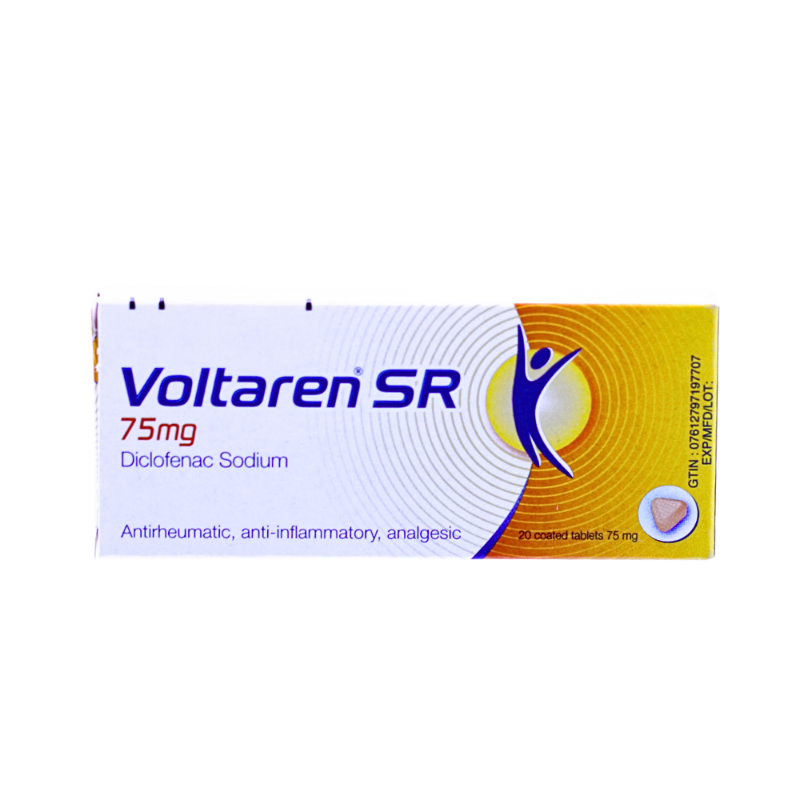




Frequently bought together
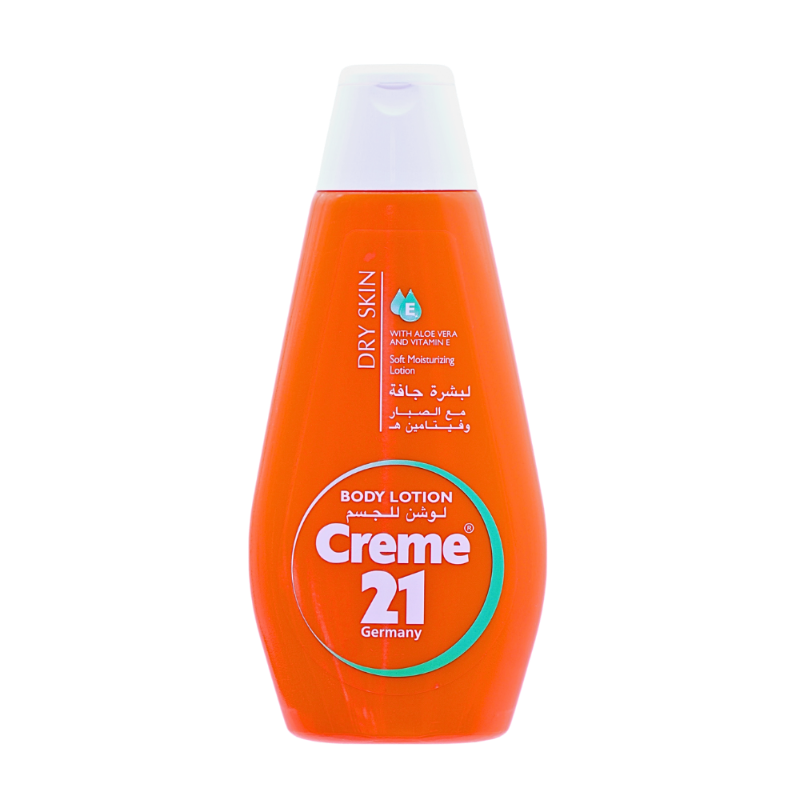
Skin And Body Care > Moisturizers
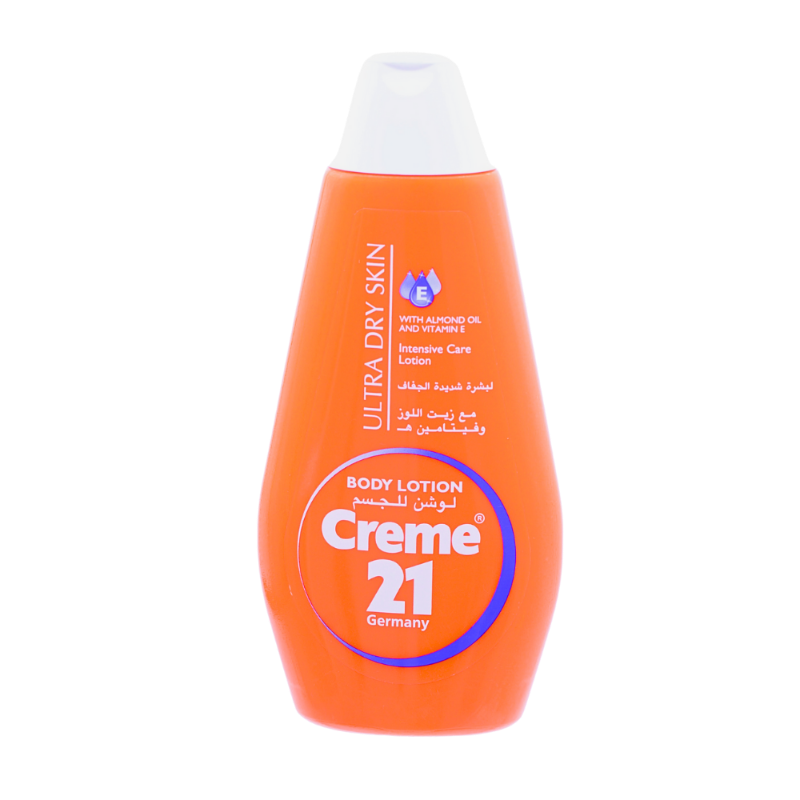
Skin And Body Care > Moisturizers
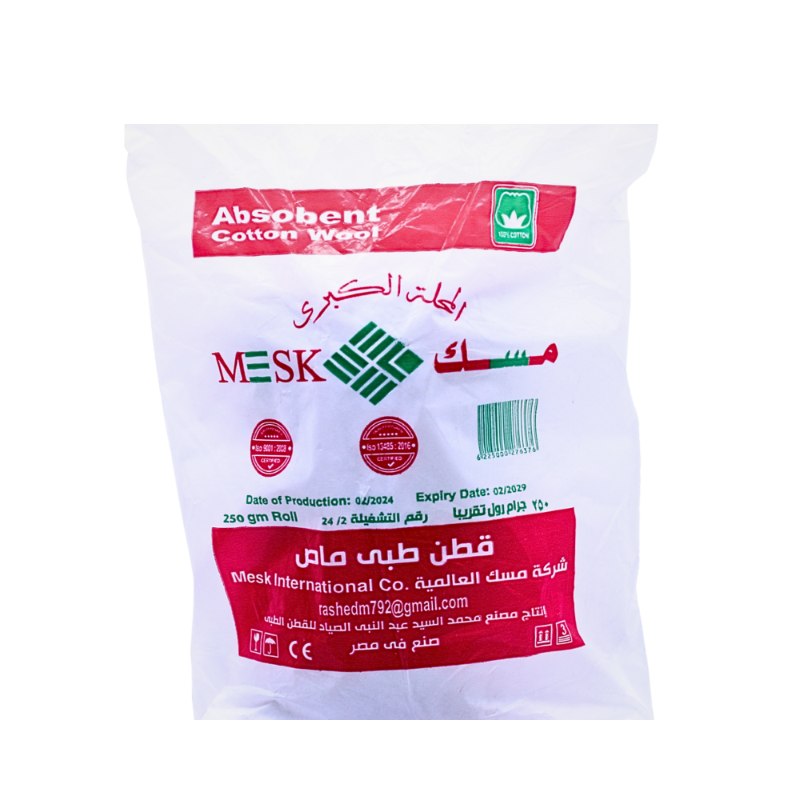
Health Care & Wellness > Medical Supplies
Health Care & Wellness > Medical Supplies
Vitamins & Supplements > Vitamins and Minerals
Vitamins & Supplements > Vitamins and Minerals
VOLTAREN SR 75/MG 20/TAB
- Sku : I-006747
Key features
VOLTAREN 75MG 20TAB is a prolonged‑release tablet formulation containing diclofenac sodium 75 mg as the active ingredient. It works by reversibly inhibiting cyclooxygenase enzymes (COX‑1 and COX‑2), reducing prostaglandin synthesis to relieve inflammation, pain and fever. It is indicated for symptomatic treatment of inflammatory and degenerative rheumatic conditions such as rheumatoid arthritis, osteoarthritis and ankylosing spondylitis, and for short‑term management of acute musculoskeletal, post‑operative/dental pain and primary dysmenorrhea. Supplied as prolonged‑release tablets in a 20‑tablet pack; prescription only.- Brand: VOLTAREN
- Active Ingredient: DICLOFENAC SODIUM 75mg
- Strength: 75mg
- Dosage Form: Prolonged-release tablet
- Pack Size: 20 Tablets
- Route: Oral use
- Prescription Status: Prescription
- Therapeutic Class: Analgesic
- Pharmacological Group: Acetic Acid Derivatives (NSAIDs)
- Drug Class: Nonsteroidal anti‑inflammatory drug (NSAID); non‑selective COX inhibitor; acetic acid (phenylacetic acid) derivative.
- Manufacturer: NOVARTIS
- Country of Origin: Italy
- SFDA Registration No.: 128-9-16
- Shelf Life: 36 months
- Storage: do not store above 30°c
- Pain Type: Joint, Muscular, General
- Nsaid: Yes
- Opioid: No
Frequently bought together
Skin And Body Care > Moisturizers
Skin And Body Care > Moisturizers
Health Care & Wellness > Medical Supplies
Health Care & Wellness > Medical Supplies
Vitamins & Supplements > Vitamins and Minerals
Vitamins & Supplements > Vitamins and Minerals
Indications
Approved Uses
Symptomatic treatment of inflammatory and degenerative rheumatic diseases such as rheumatoid arthritis, osteoarthritis, and ankylosing spondylitis; and short‑term treatment of pain and inflammation (e.g., acute musculoskeletal pain, post‑operative/dental pain) and primary dysmenorrhea.
Dosage & Administration
Dosing by Condition
Osteoarthritis/Rheumatoid arthritis/Ankylosing spondylitis: 75 mg SR once daily; may increase to 75 mg SR twice daily if needed (maximum 150 mg/day).
Initial Dose
75mg once or twice daily
Maintenance Dose
75mg SR once or twice daily
Maximum Dose
150 mg/day for osteoarthritis; 225 mg/day for rheumatoid arthritis.
Dose Adjustment Notes
Use the lowest effective dose for the shortest duration. In hepatic impairment, start at the lowest effective dose and monitor liver function; avoid use in severe hepatic impairment. In renal impairment, avoid in severe renal failure and monitor renal function/volume status in at‑risk patients (elderly, dehydration, HF, CKD). Elderly: consider lower starting dose and close monitoring.
How to Take
Swallow the 75 mg prolonged‑release tablet whole with water; do not crush, chew, or split. Preferably take with or after food (or milk) to reduce gastrointestinal irritation.
Side Effects
Common Side Effects
Dyspepsia/indigestion, abdominal pain, nausea, diarrhea, constipation, flatulence (gas/bloating), headache, dizziness; may also cause elevations in liver enzymes.
Side Effect Frequency
Common (1-10%): GI symptoms (e.g., nausea, dyspepsia/abdominal pain, diarrhea), headache, dizziness; Uncommon (0.1-1%): rash/pruritus, edema, elevated transaminases; Rare/very rare: GI ulceration/bleeding/perforation, hepatitis/severe hepatic reactions, renal impairment, severe hypersensitivity (incl. anaphylaxis), severe cutaneous adverse reactions, and thrombotic CV events (e.g., MI, stroke).
Safety & Warnings
Contraindications
Known hypersensitivity to diclofenac or excipients; history of asthma/urticaria or other allergic-type reactions after aspirin or other NSAIDs (AERD); active GI bleeding or active peptic ulcer; use for perioperative pain in the setting of CABG surgery; third trimester of pregnancy.
Warnings & Precautions
CV risk (use lowest effective dose/shortest duration; caution in CVD/risk factors); GI risk (ulcer/bleed can occur without warning; higher risk in elderly/prior ulcer/anticoagulants-consider gastroprotection when indicated); renal toxicity/AKI risk (caution in CKD, dehydration, HF; monitor renal function); hepatotoxicity (check LFTs if prolonged therapy or symptoms); fluid retention/HTN/HF exacerbation; hypersensitivity/AERD risk; serious skin reactions; may mask fever/inflammation and signs of infection.
Drug Interactions
Drug Interactions
Anticoagulants (e.g., warfarin/DOACs) and antiplatelets (including aspirin) ↑ bleeding; SSRIs/SNRIs ↑ GI bleeding; other NSAIDs and systemic corticosteroids ↑ GI toxicity; ACE inhibitors/ARBs and diuretics ("triple whammy") ↓ antihypertensive effect and ↑ AKI risk; lithium ↑ lithium levels; methotrexate ↑ MTX toxicity; cyclosporine/tacrolimus ↑ nephrotoxicity; digoxin ↑ digoxin levels.
Interaction Severity
MAJOR: anticoagulants/antiplatelets (e.g., warfarin, DOACs; increased bleeding), other NSAIDs/aspirin (additive GI/renal toxicity), systemic corticosteroids or SSRIs/SNRIs (increased GI bleeding risk), methotrexate (increased toxicity), lithium (increased levels/toxicity). MODERATE: ACE inhibitors/ARBs and diuretics (reduced antihypertensive/diuretic effect; increased AKI risk-"triple whammy"), cyclosporine/tacrolimus (nephrotoxicity), digoxin (possible increased levels). MINOR: antacids may slightly affect absorption rate.
Food Interaction
Take with food
Alcohol Interaction
Avoid
Special Populations
Pregnancy
Contraindicated in third trimester; avoid in first and second trimesters.
Elderly
Use the lowest effective dose; increased risk of GI bleeding, cardiovascular events, and renal impairment. Monitor renal function, blood pressure, and GI symptoms closely.
Kidney Impairment
No formal dose adjustment for mild-moderate renal impairment, but use with caution and monitor renal function; avoid in advanced renal disease/severe impairment (e.g., eGFR/CrCl <30 mL/min) unless benefits outweigh risks.
Liver Impairment
No specific dose adjustment defined for mild-moderate hepatic impairment, but use with caution and monitor LFTs; avoid/contraindicated in severe hepatic impairment or active liver disease.
Storage & Patient Advice
Missed Dose
Take as soon as remembered; skip if near next scheduled dose. Do not double the dose.
Overdose
Symptoms: nausea, vomiting, epigastric/abdominal pain, GI bleeding, dizziness, drowsiness, headache; severe cases may include hypotension, acute kidney injury, metabolic acidosis, respiratory depression, and seizures/coma. Management: urgent medical evaluation; supportive care (airway/breathing/circulation), consider activated charcoal if recent ingestion, treat seizures, monitor renal/hepatic function and GI bleeding; no specific antidote.
Patient Counseling
Swallow whole with water; do not crush/chew/split; take with or after food. Use the lowest effective dose and do not exceed 150 mg/day unless directed. Avoid combining with other NSAIDs/aspirin unless advised; limit alcohol. Seek urgent care for black stools/vomiting blood, severe abdominal pain, chest pain/shortness of breath, sudden weakness/slurred speech, or swelling/rapid weight gain. Inform clinician about history of ulcer/bleeding, heart disease, kidney/liver disease, asthma/NSAID allergy, and all anticoagulants/SSRIs/diuretics/ACEI/ARB. Avoid in the 3rd trimester of pregnancy.
Monitoring Requirements
If used beyond short courses: monitor blood pressure and signs of edema/heart failure; renal function (SCr/eGFR) especially in at‑risk patients; liver function tests (transaminases) during prolonged therapy; CBC if long‑term; and monitor for GI bleeding/ulcer symptoms.
Pharmacology
Mechanism of Action
Reversibly inhibits cyclooxygenase enzymes (COX‑1 and COX‑2), decreasing prostaglandin synthesis and thereby reducing inflammation, pain, and fever.
Duration of Effect
Approximately 12 hours per dose (prolonged‑release), supporting once‑daily to twice‑daily dosing depending on symptom control.
Half-Life
1.2-2 hours.
Metabolism
Extensive hepatic metabolism primarily via CYP2C9; minor contribution from other CYPs (e.g., CYP3A4) with subsequent conjugation (glucuronidation/sulfation).
Protein Binding
>99%, primarily to albumin.
Product Information
Available Dosage Forms
Delayed-release tablets, prolonged-release tablets, topical gel, topical solution, eye drops, injection.
Composition per Dose
Each prolonged-release tablet: 75mg diclofenac sodium
Generic Availability
Yes
OTC Alternatives
Paracetamol (acetaminophen) and ibuprofen are common OTC oral alternatives for mild-moderate pain; naproxen may be OTC in some countries/markets. Topical diclofenac gel is an OTC alternative in some jurisdictions but availability varies.
Pain Type
Joint, Muscular, General
Nsaid
Yes
Opioid
No
Reviewed by Al Mujtama Pharmacy Medical Review Team. Last reviewed 27-07-2026
Similar Products
Medications > Contraceptives and Hormonal Medications

Medications > Dermatology Medications
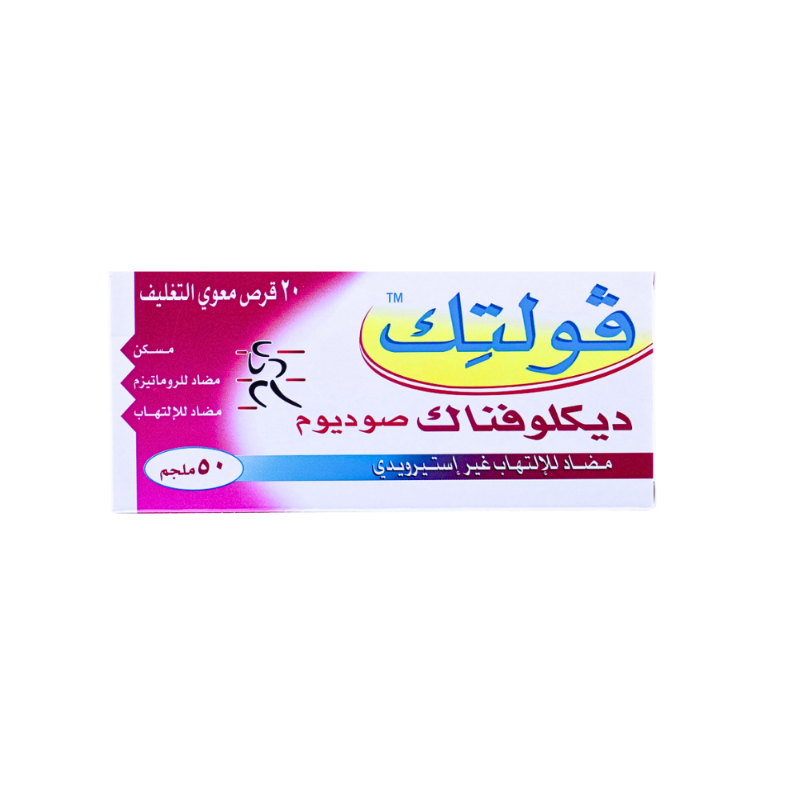
Medications > Painkillers and Antipyretics
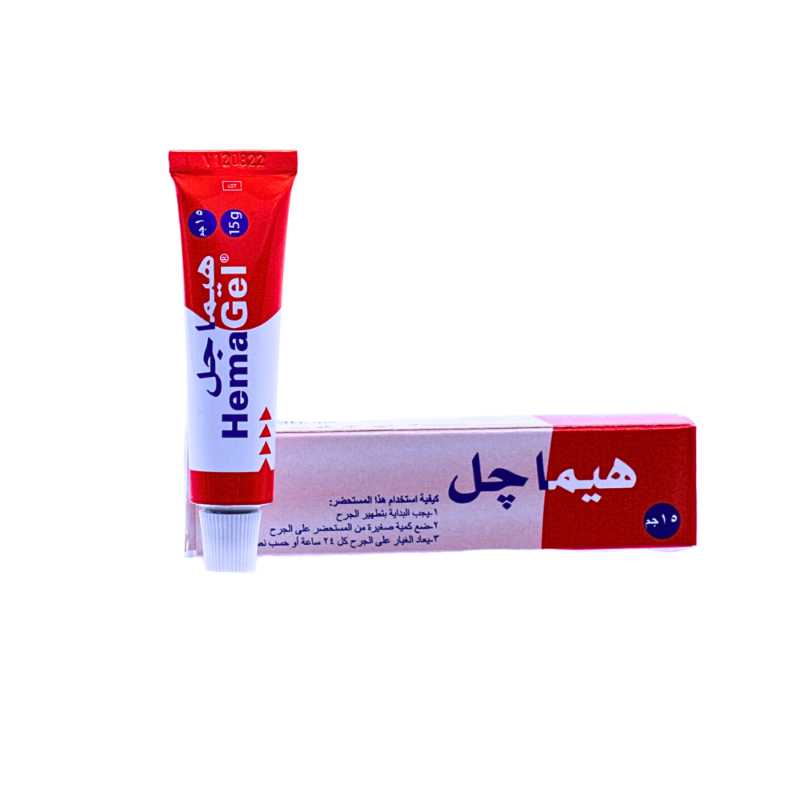
Medications > Dermatology Medications
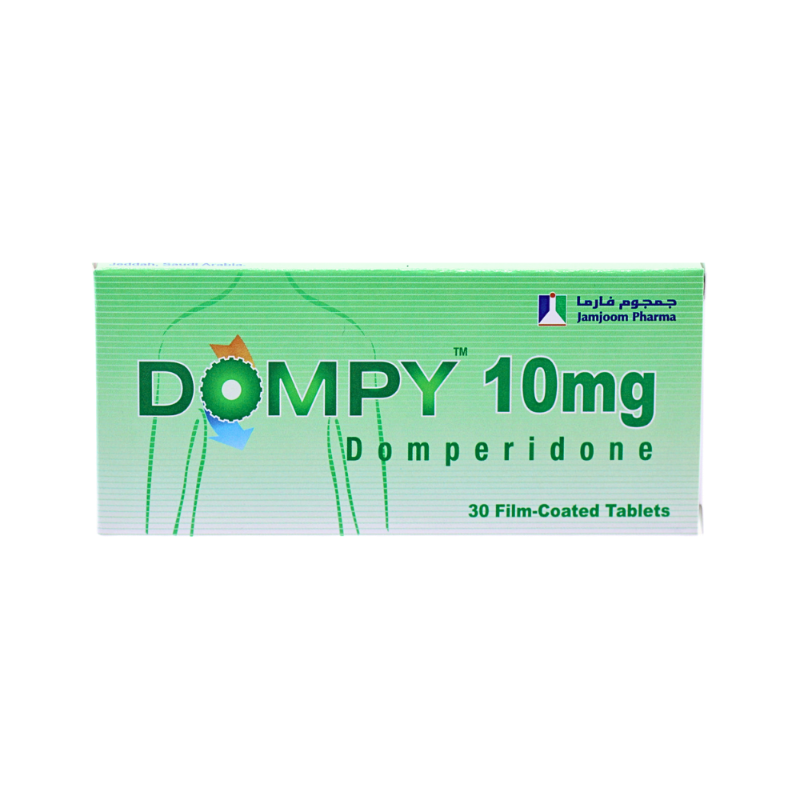
Medications > Gastrointestinal Medications
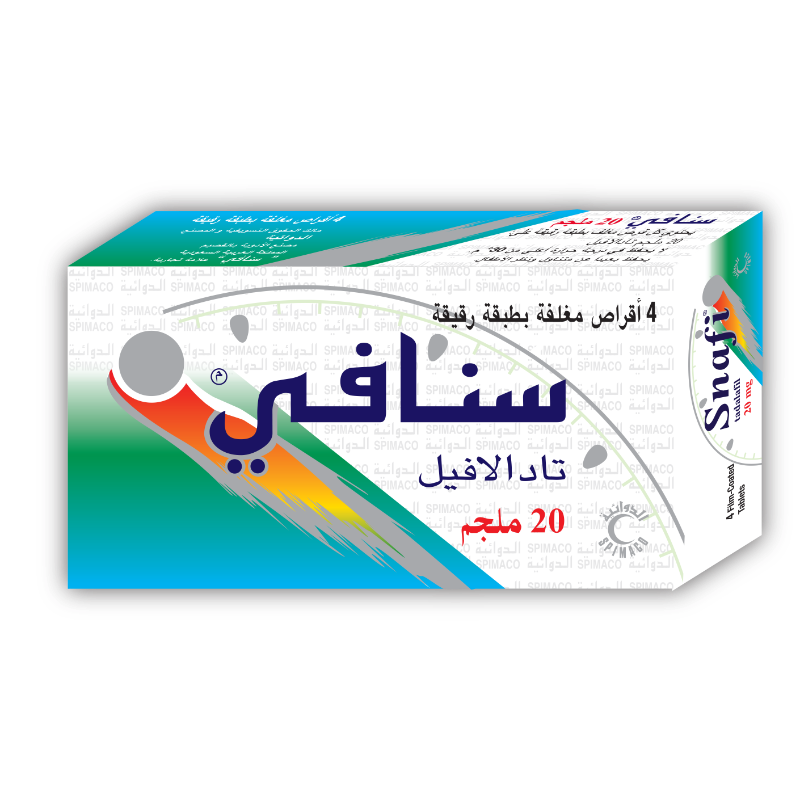
Medications > Sexual Health
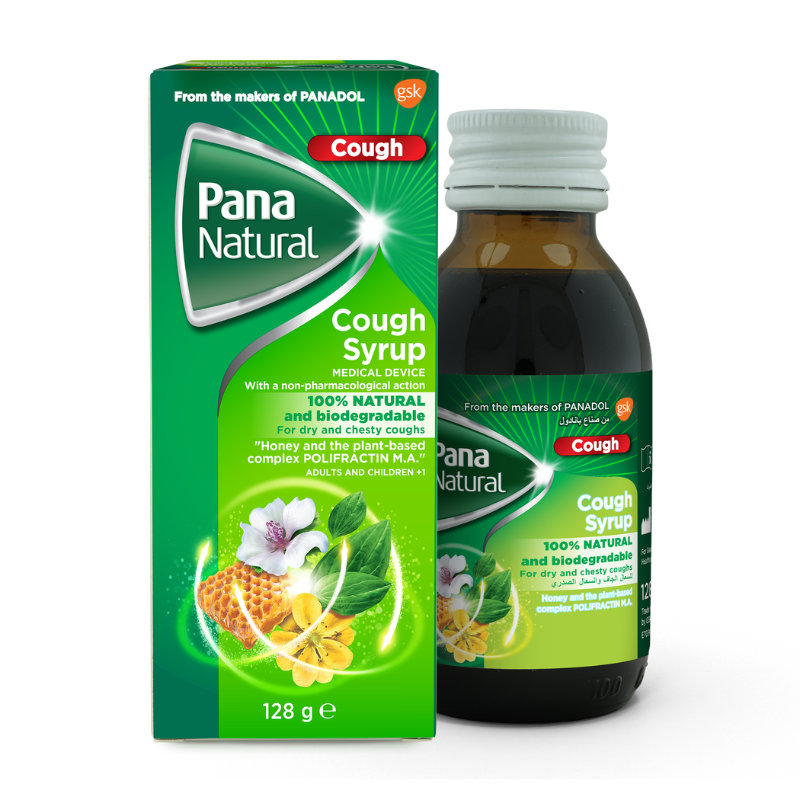
Medications > Cold, Cough, and Allergy Medications
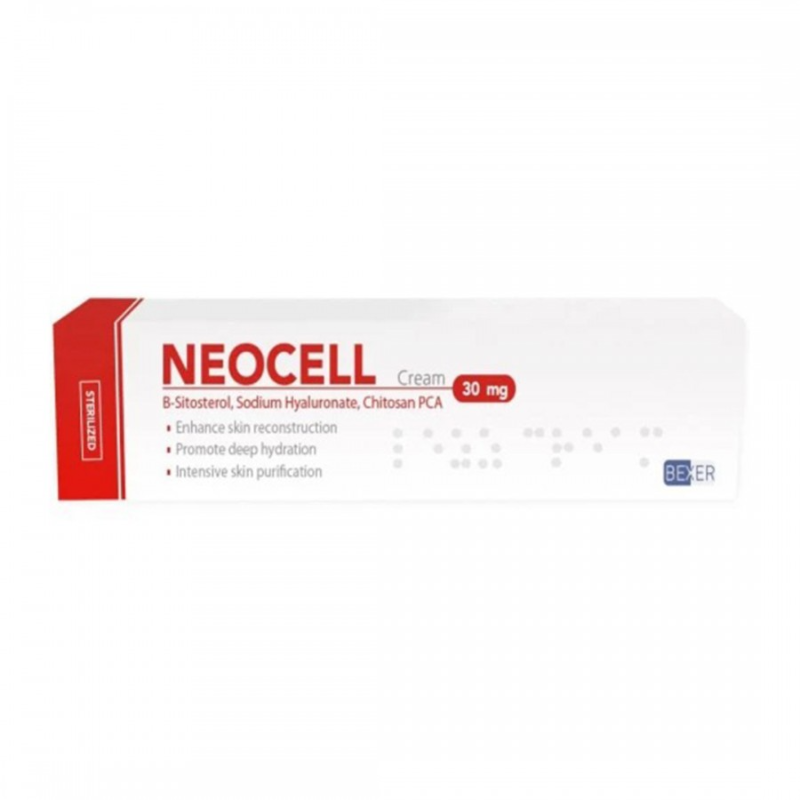
Medications > Dermatology Medications

Medications > Painkillers and Antipyretics
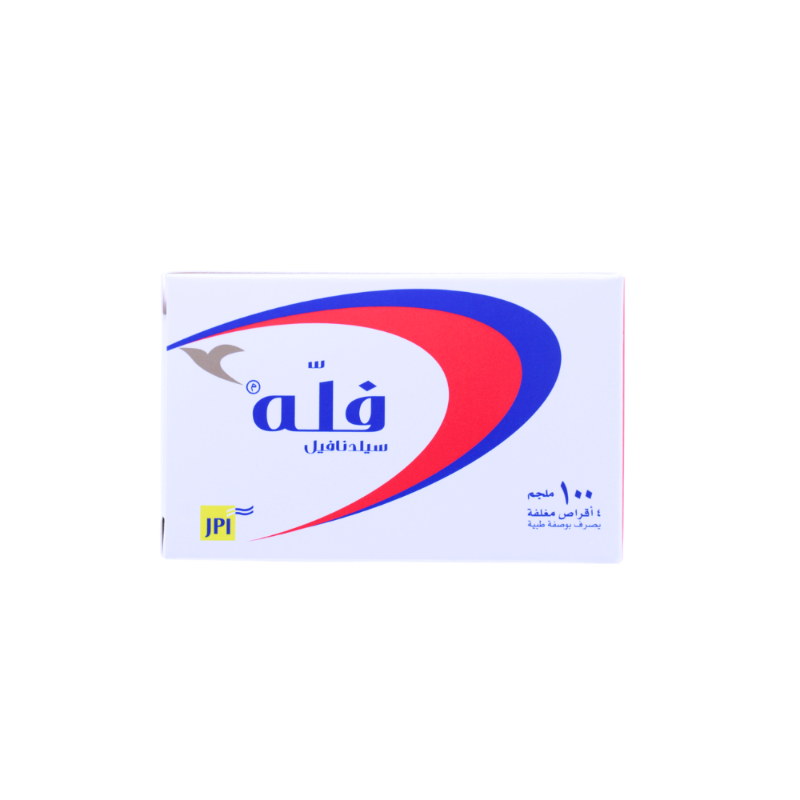
Medications > Sexual Health
