
Use Code: ND30 And Get 30% OFF | Get Free Delivery With No Minimum Order
-1744229570.gif "Almujtama Pharmacy logo")




Frequently bought together
Skin And Body Care > Moisturizers
Skin And Body Care > Moisturizers
Health Care & Wellness > Medical Supplies
Health Care & Wellness > Medical Supplies
Vitamins & Supplements > Vitamins and Minerals
Vitamins & Supplements > Vitamins and Minerals
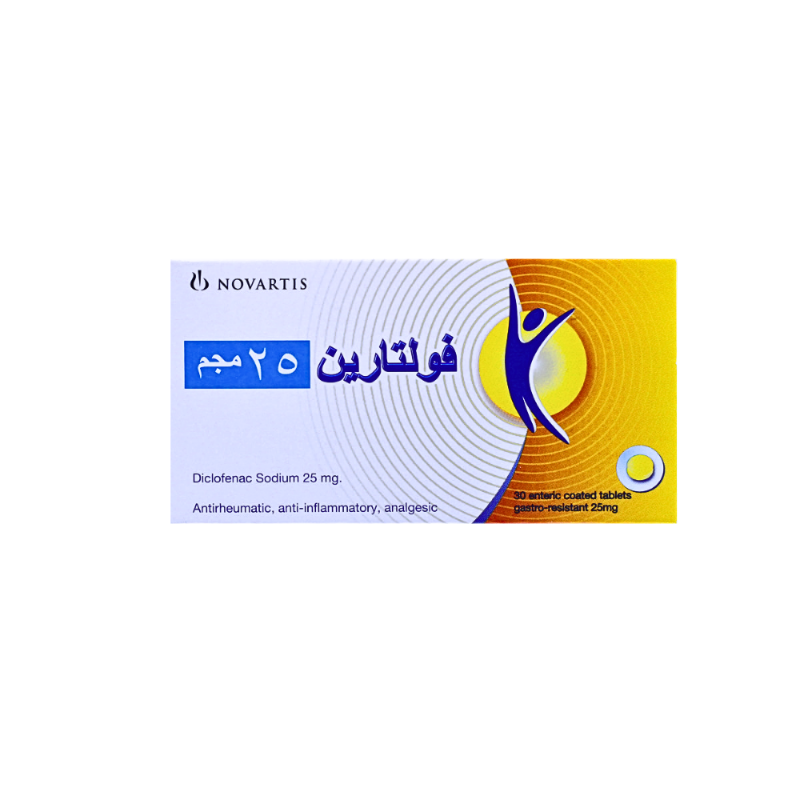
VOLTAREN 25MG 30TAB
- Sku : I-006744
Key features
VOLTAREN 25MG 30TAB is a prescription oral tablet containing diclofenac sodium 25 mg. It works by reversibly inhibiting COX‑1 and COX‑2, reducing prostaglandin synthesis to alleviate inflammation, pain and fever. It is commonly used for conditions such as rheumatoid arthritis, osteoarthritis, ankylosing spondylitis and acute pain including primary dysmenorrhea. Available by prescription in a pack of 30 tablets.- Brand: VOLTAREN
- Active Ingredient: DICLOFENAC SODIUM
- Strength: 25mg
- Dosage Form: Tablet
- Pack Size: 30 Tablets
- Route: Oral use
- Prescription Status: Prescription
- Therapeutic Class: Analgesic
- Pharmacological Group: Acetic Acid Derivatives (NSAIDs)
- Drug Class: NSAID; acetic‑acid (phenylacetic acid) derivative (ATC M01AB05).
- Manufacturer: NOVARTIS Saglik Gida ve Tarm
- Country of Origin: Turkey
- SFDA Registration No.: 125-9-16
- Shelf Life: 24 months
- Storage: store below 30°c
- Pain Type: Joint, Muscular, General
- Nsaid: Yes
- Opioid: No
Frequently bought together
Skin And Body Care > Moisturizers
Skin And Body Care > Moisturizers
Health Care & Wellness > Medical Supplies
Health Care & Wellness > Medical Supplies
Vitamins & Supplements > Vitamins and Minerals
Vitamins & Supplements > Vitamins and Minerals
Indications
Approved Uses
Indications depend on local label, but for oral immediate‑release diclofenac they commonly include rheumatoid arthritis, osteoarthritis, ankylosing spondylitis, and acute pain including primary dysmenorrhea; migraine is not a standard approved indication for diclofenac tablets (more commonly for diclofenac potassium sachet/tablet in some markets).
Off-Label Uses
Off‑label examples: acute migraine treatment (more commonly with diclofenac potassium formulations), renal colic, and other acute pain states as part of multimodal analgesia; gout is generally an on‑label/commonly accepted NSAID use in many settings but is label‑dependent.
Dosage & Administration
Dosing by Condition
Typical adult oral diclofenac sodium IR dosing: OA 100-150 mg/day in divided doses; RA 150-200 mg/day in divided doses; AS 100-125 mg/day in divided doses; acute pain/primary dysmenorrhea often 50 mg 2-3 times daily (some regimens use an initial 100 mg then 50 mg doses).
Initial Dose
50 mg two to three times daily (100-150 mg/day) for osteoarthritis; 50 mg three to four times daily (150-200 mg/day) for rheumatoid arthritis.
Maintenance Dose
For osteoarthritis: 100-150 mg/day in divided doses; for rheumatoid arthritis: 150-200 mg/day in divided doses; for ankylosing spondylitis: 100-125 mg/day in divided doses.
Maximum Dose
150 mg/day for osteoarthritis; 200 mg/day for rheumatoid arthritis.
Children's Dosage
Not investigated in pediatric patients; not recommended.
Dose Adjustment Notes
Use the lowest effective dose for the shortest duration; use caution and consider lower starting doses in the elderly; avoid/use with extreme caution in severe renal impairment, severe hepatic impairment, or advanced heart failure; reassess based on response and tolerability.
How to Take
Swallow the tablet with water, preferably with/after food to reduce GI upset; do not crush/chew if the specific product is enteric‑coated or modified‑release (this SFDA product is an immediate‑release oral tablet).
Side Effects
Common Side Effects
Common: dyspepsia/indigestion, abdominal pain, nausea, diarrhea (± constipation/flatulence), headache, dizziness; rash can occur; liver enzyme elevations may occur (more relevant with longer use).
Safety & Warnings
Contraindications
Known hypersensitivity to diclofenac or other NSAIDs; history of asthma/urticaria or other allergic-type reactions after aspirin/NSAIDs (aspirin-exacerbated respiratory disease); treatment of peri-operative pain in the setting of CABG surgery; active gastrointestinal bleeding or active peptic ulcer disease; pregnancy (contraindicated in the third trimester due to risk of premature closure of the fetal ductus arteriosus and other fetal/neonatal complications).
Warnings & Precautions
Use the lowest effective dose for the shortest duration; increased risk of CV thrombotic events (higher in patients with CV disease/risk factors); increased risk of serious GI bleeding/ulceration/perforation (higher in elderly and prior ulcer/GI bleed); monitor for hepatotoxicity (check LFTs if symptoms or prolonged use); monitor renal function in at-risk patients (CKD, dehydration, elderly, ACEi/ARB/diuretic use); may cause/worsen hypertension, edema, and heart failure; avoid in aspirin-sensitive asthma; may cause serious skin reactions and hypersensitivity; may mask fever/inflammation; avoid in late pregnancy (especially 3rd trimester due to fetal ductus arteriosus/oligohydramnios risk).
Drug Interactions
Drug Interactions
Major/clinically important: other NSAIDs (additive toxicity), anticoagulants (e.g., warfarin) and antiplatelets (e.g., aspirin/clopidogrel) (↑ bleeding), SSRIs/SNRIs and systemic corticosteroids (↑ GI bleeding). Other important: ACE inhibitors/ARBs and diuretics (↓ antihypertensive/diuretic effect; ↑ AKI risk-"triple whammy"), lithium (↑ levels), methotrexate (↑ toxicity), cyclosporine/tacrolimus (↑ nephrotoxicity).
Interaction Severity
MAJOR/clinically significant: anticoagulants/antiplatelets (e.g., warfarin), other NSAIDs/aspirin, high‑dose methotrexate; MODERATE: ACEi/ARBs, diuretics, lithium, cyclosporine/tacrolimus, SSRIs/SNRIs, systemic corticosteroids; other interactions may exist depending on patient risk factors.
Food Interaction
Take with food
Special Populations
Pregnancy
Avoid use starting at 30 weeks of pregnancy (third trimester); earlier use may be considered with caution if benefits outweigh risks.
Children
Not investigated in pediatric patients; not recommended.
Elderly
Use the lowest effective dose; start at 25 mg 2-3 times daily; monitor renal function, blood pressure, and GI tolerance closely; increased risk of adverse events
Kidney Impairment
No formal dose adjustment for mild-moderate renal impairment, but use with caution and monitor renal function; avoid use in advanced/severe renal impairment (e.g., CrCl <30 mL/min) or worsening renal disease.
Liver Impairment
No specific dose adjustment is defined; use with caution in hepatic impairment, use the lowest effective dose, and monitor liver function; avoid/contraindicated in severe hepatic impairment or active liver disease.
Storage & Patient Advice
Overdose
Symptoms: nausea, vomiting, epigastric/abdominal pain, dizziness, headache, drowsiness; severe cases may include GI bleeding, hypotension, acute renal failure, hepatotoxicity, respiratory depression, and seizures. Management: seek urgent care/poison center; supportive/symptomatic treatment; consider activated charcoal if early after ingestion; no specific antidote.
Patient Counseling
Take with/after food and water; use the lowest effective dose for the shortest time; avoid combining with other NSAIDs unless advised; seek urgent care for GI bleeding (black stools/vomiting blood), severe abdominal pain, chest pain/shortness of breath, sudden weakness, or swelling/rapid weight gain; limit alcohol; inform clinician about ulcers, CV disease, hypertension, kidney/liver disease, anticoagulants, and pregnancy (avoid in 3rd trimester).
Monitoring Requirements
If used beyond short courses or in high‑risk patients: monitor blood pressure/edema, renal function (SCr/eGFR), liver enzymes, and CBC; monitor for GI bleeding and cardiovascular symptoms clinically.
Pharmacology
Mechanism of Action
Reversible inhibition of COX‑1 and COX‑2, decreasing prostaglandin synthesis to reduce inflammation, pain, and fever.
Onset of Action
30-60 minutes.
Duration of Effect
Approximately 6-8 hours for immediate‑release oral diclofenac (clinical analgesic effect).
Half-Life
1.2-2 hours.
Bioavailability
Approximately 50% due to first-pass metabolism.
Metabolism
Extensive hepatic metabolism primarily via CYP2C9, with minor contribution from other CYPs (e.g., CYP3A4), producing hydroxylated metabolites that undergo glucuronidation and sulfation.
Excretion
Primarily renal excretion as metabolites (~60-70%), with the remainder excreted via bile/feces (~30-40%).
Protein Binding
>99%, primarily to albumin.
Product Information
Available Dosage Forms
For diclofenac (active ingredient) globally: oral immediate‑release tablets/capsules, enteric‑coated tablets, extended‑release tablets, suppositories, injection, topical gel/solution/patch, and ophthalmic drops; this specific SFDA product is an oral tablet (25 mg).
Composition per Dose
Each tablet: 25 mg diclofenac sodium
Generic Availability
Yes
OTC Alternatives
OTC alternatives for mild-moderate pain/fever: paracetamol (acetaminophen), ibuprofen, and (where available OTC) naproxen sodium.
Pain Type
Joint, Muscular, General
Nsaid
Yes
Opioid
No
Reviewed by Al Mujtama Pharmacy Medical Review Team. Last reviewed 30-06-2026
Similar Products
Medications > Cholesterol Medications
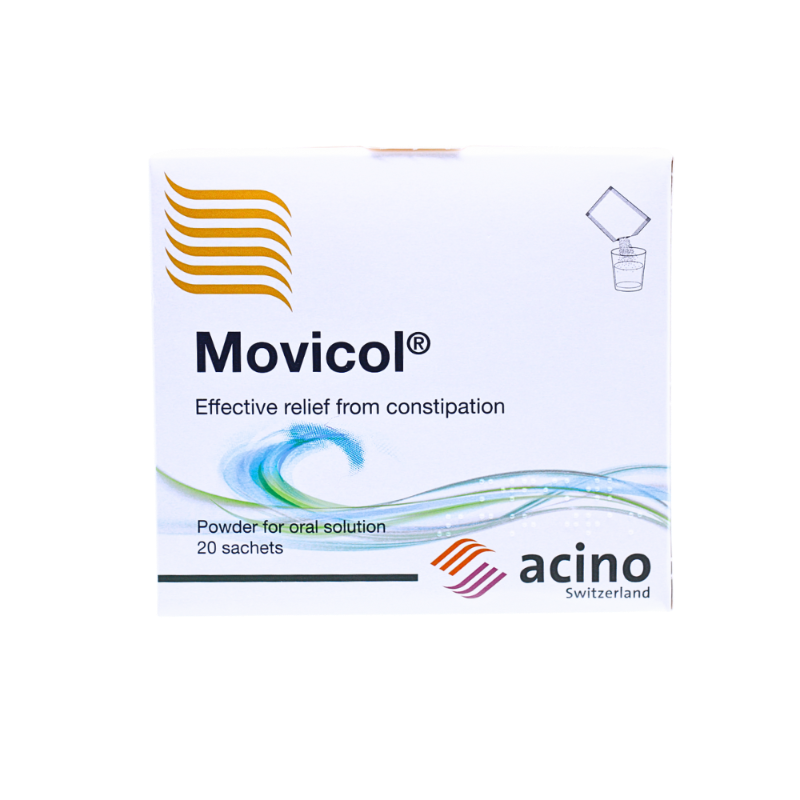
Medications > Gastrointestinal Medications
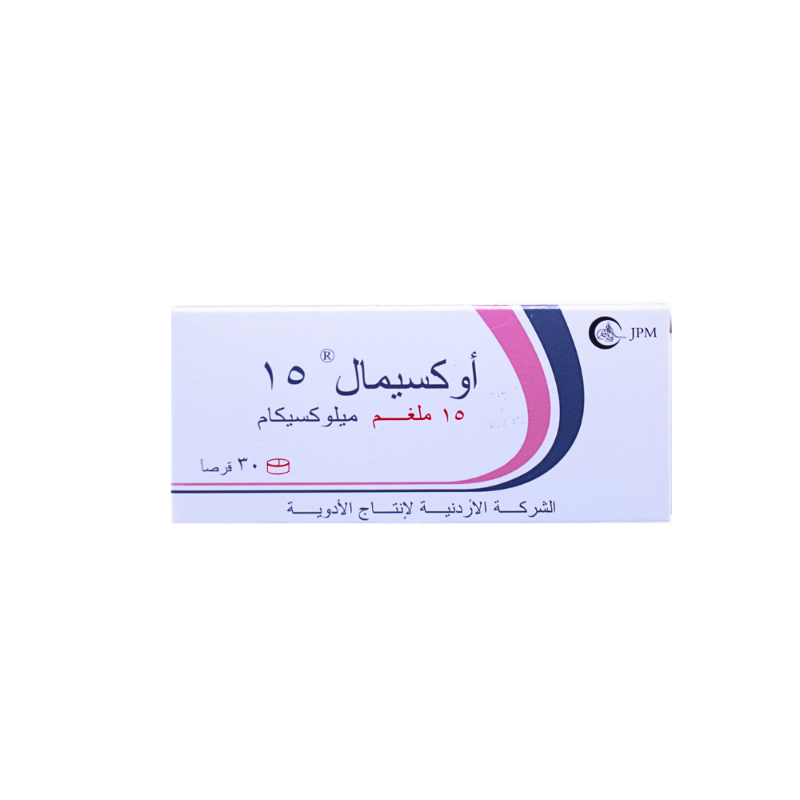
Medications > Painkillers and Antipyretics
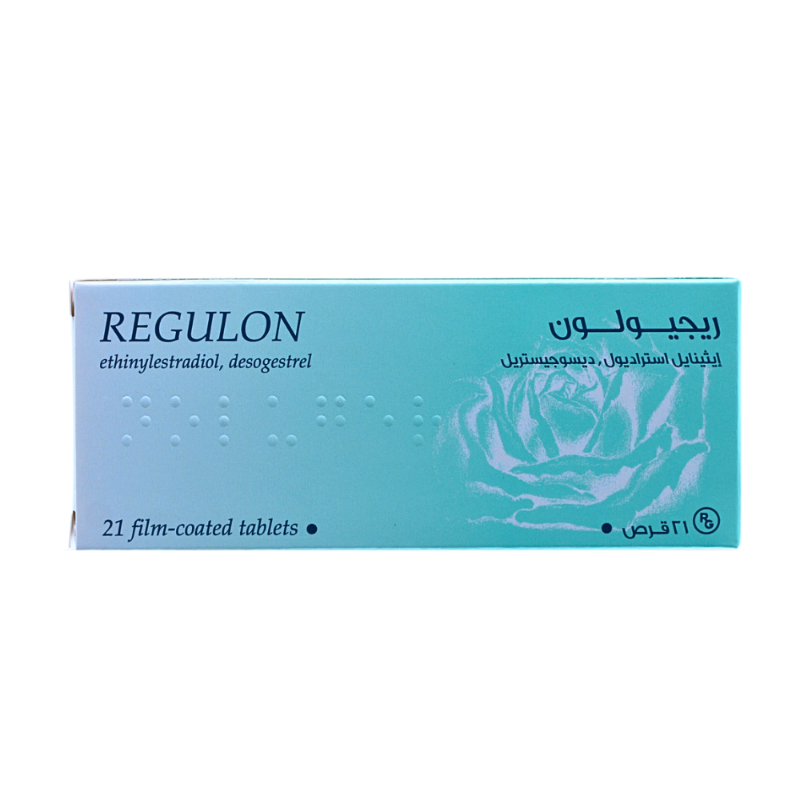
Medications > Contraceptives and Hormonal Medications
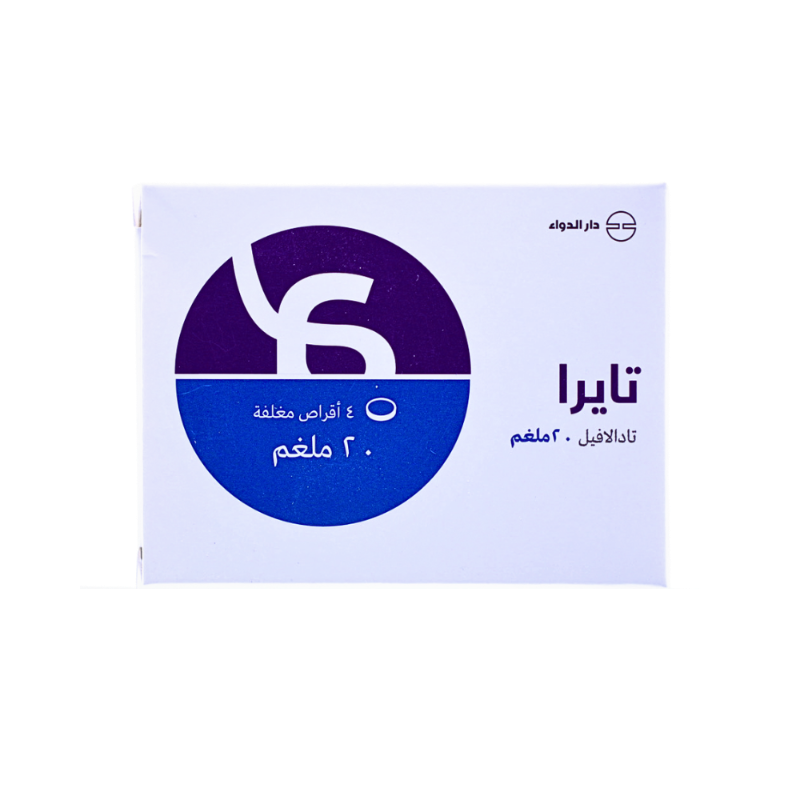
Medications > Sexual Health
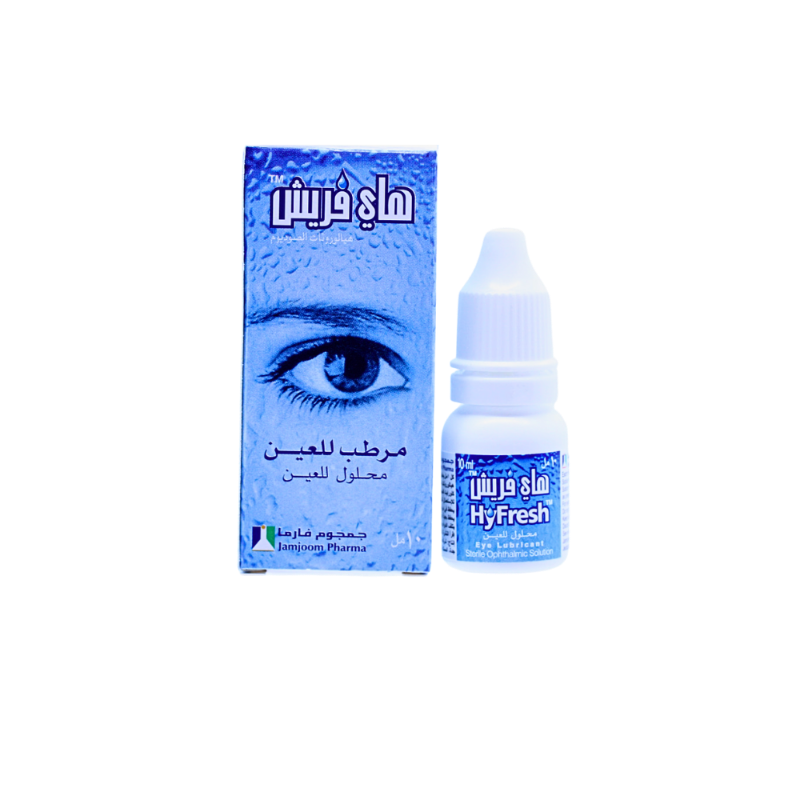
Medications > Eye and Ear Medications
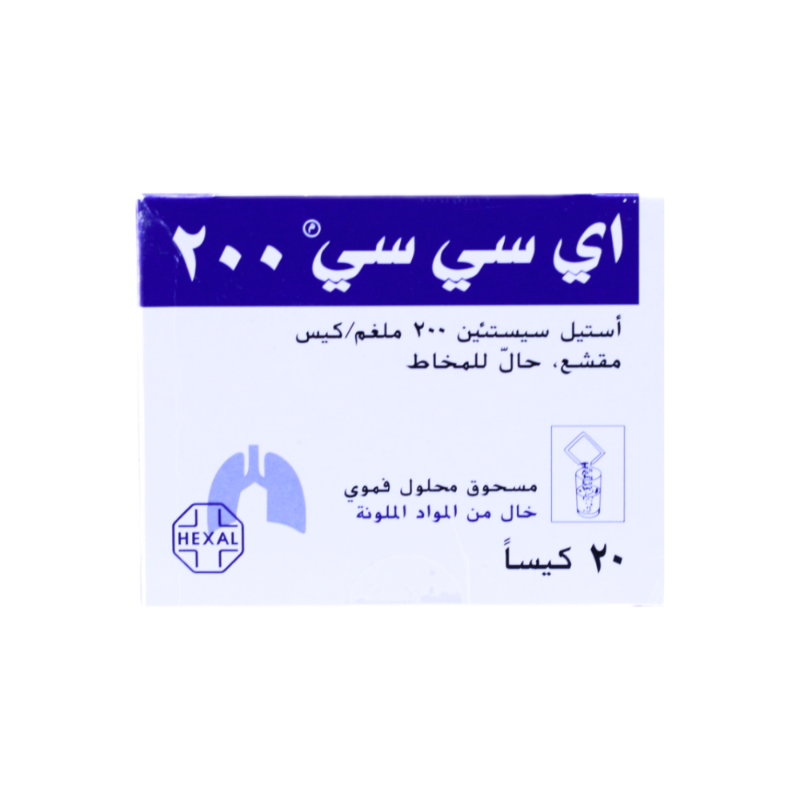
Medications > Cold, Cough, and Allergy Medications
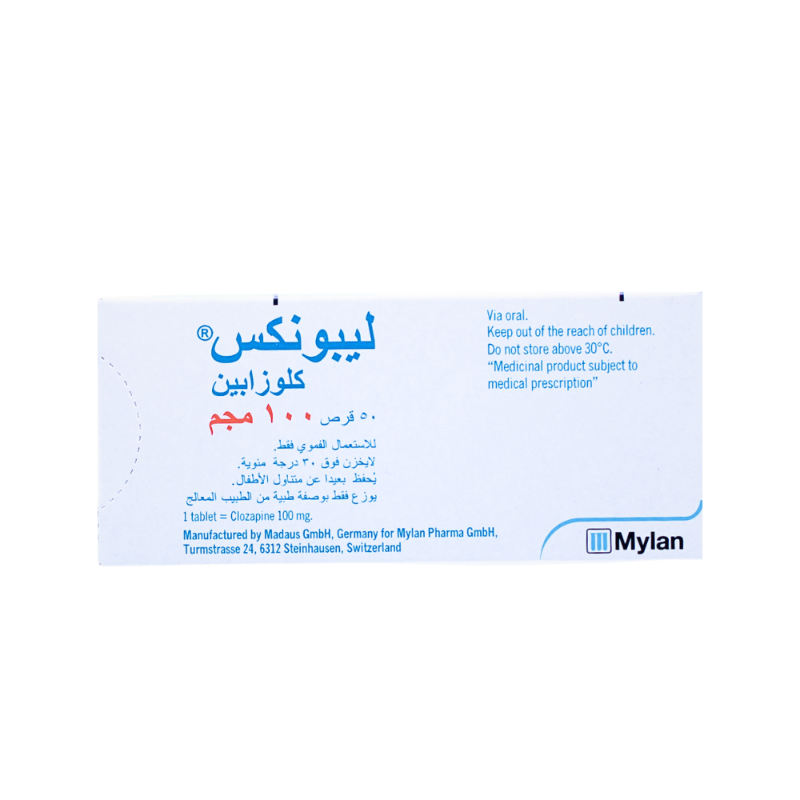
Medications > Psychiatric Medications
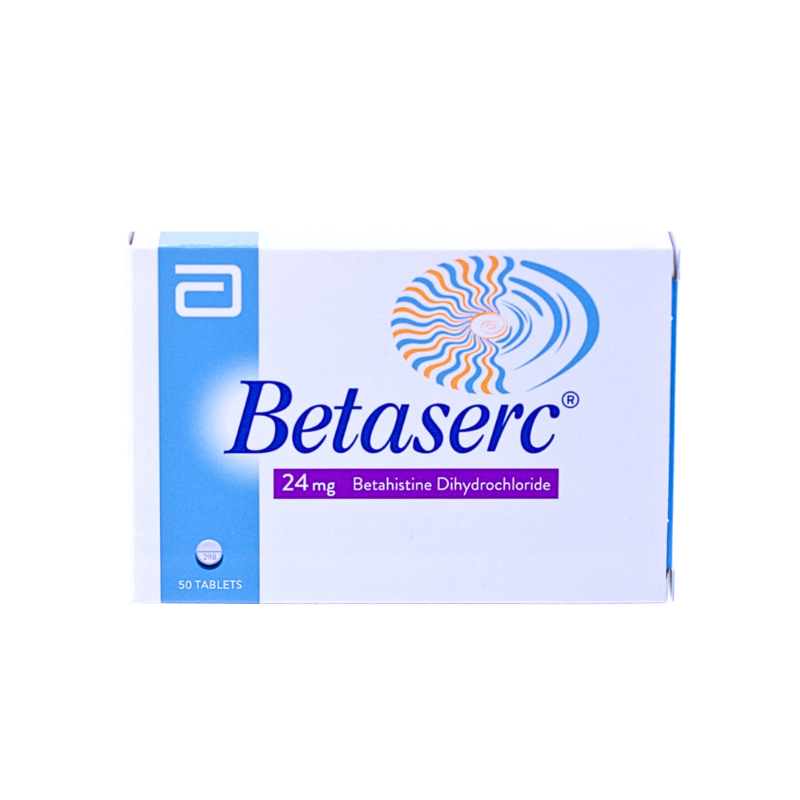
Medications > Other Medicines
Medications > Eye and Ear Medications
