
Use Code: ND30 And Get 30% OFF | Get Free Delivery With No Minimum Order
-1744229570.gif "Almujtama Pharmacy logo")
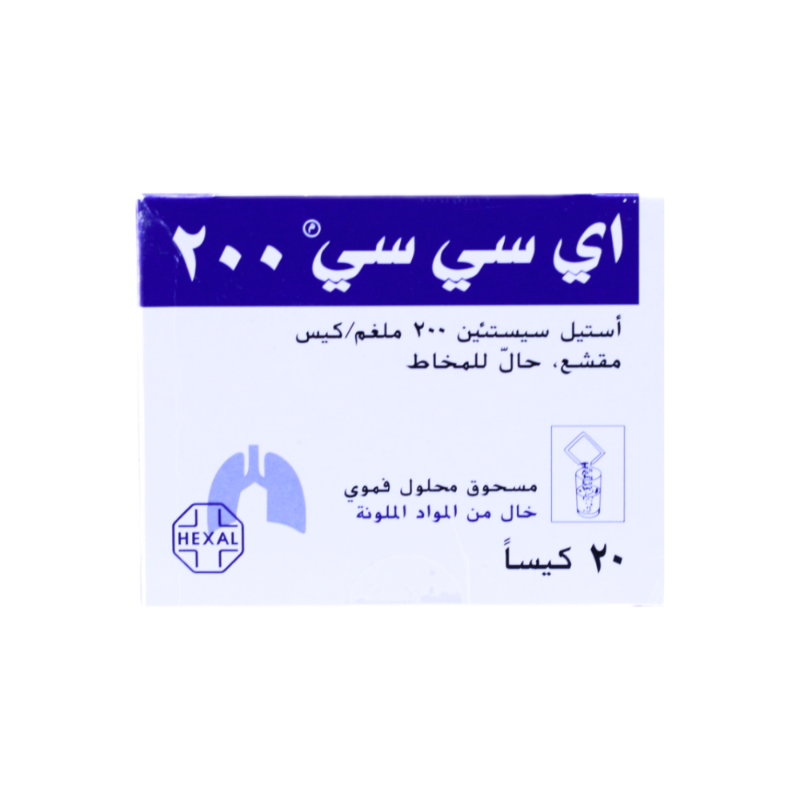




Frequently bought together
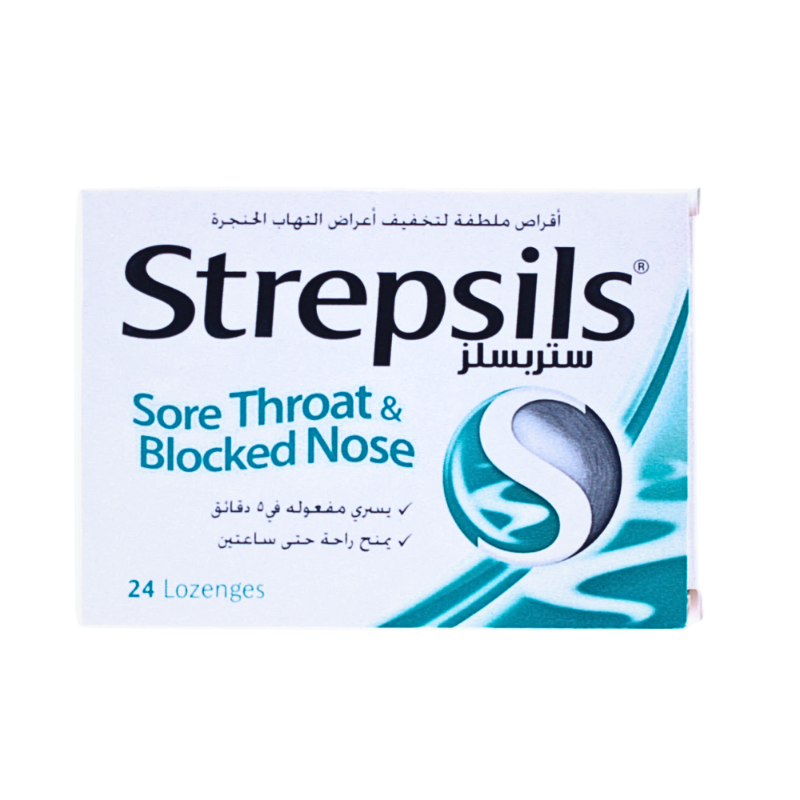
Oral & Dental Care > Throat & Oral Care
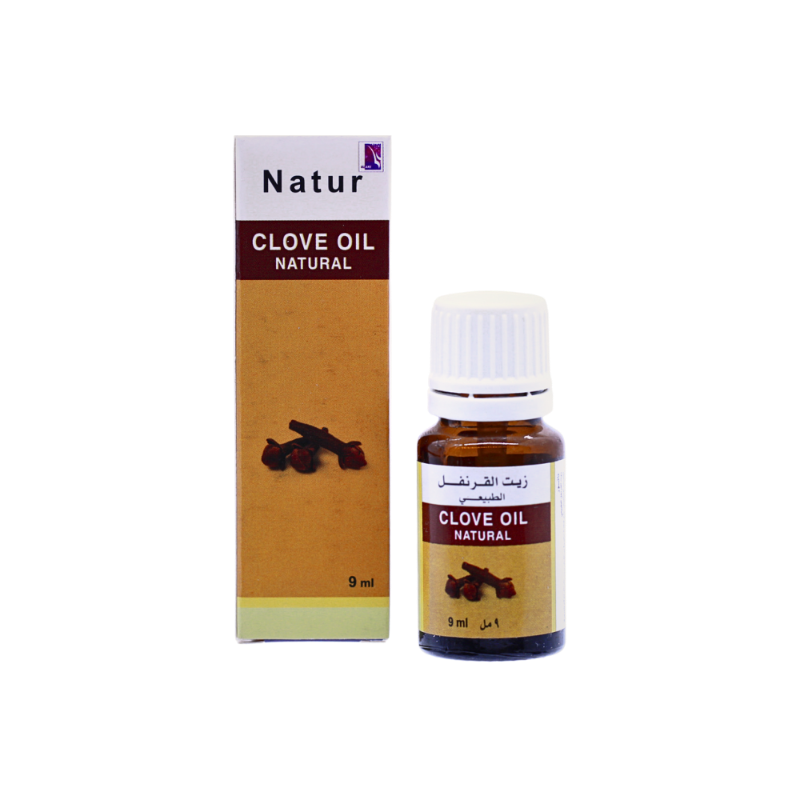
Oral & Dental Care > Throat & Oral Care
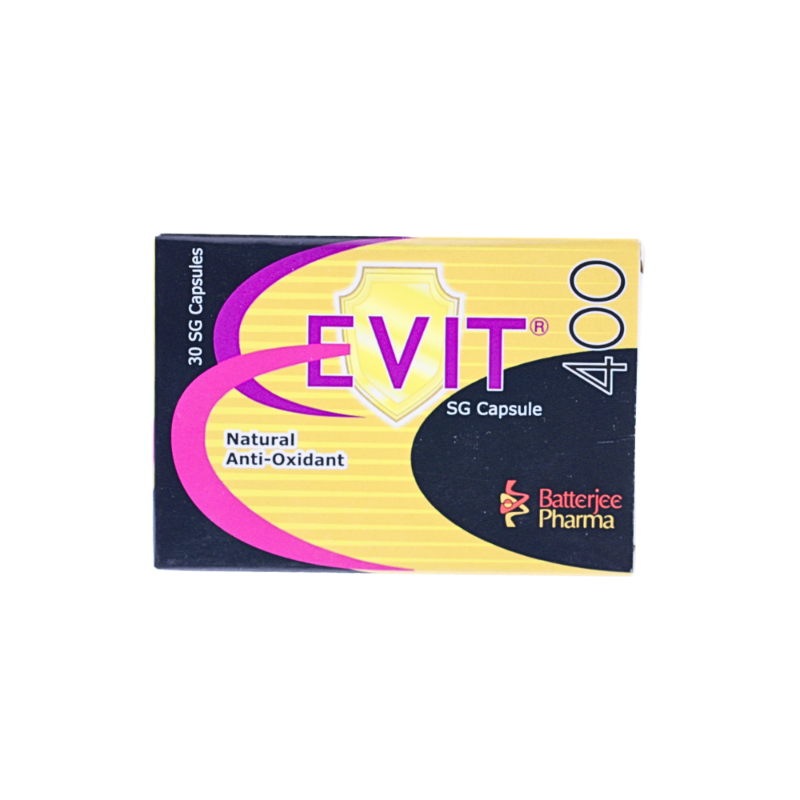
Vitamins & Supplements > Vitamins and Minerals
Vitamins & Supplements > Vitamins and Minerals
Vitamins & Supplements > Vitamins and Minerals
ACC 200/MG POWDER SACHET 20/SACHET
- Sku : I-032141
Key features
ACC LONG 200 mg powder sachets contain acetylcysteine as the active ingredient. It acts as a mucolytic by cleaving disulfide bonds in mucoproteins to reduce mucus viscosity and aid expectoration, and also functions as a glutathione precursor with antioxidant activity. Indicated for mucolytic therapy in respiratory conditions characterised by thick or viscous mucus, including acute and chronic bronchitis, COPD with mucus retention, tracheobronchitis, bronchiectasis and cystic fibrosis. Available over the counter as powder for oral solution in packs of 20 sachets.- Brand: ACC LONG
- Active Ingredient: ACETYLCYSTEINE
- Strength: 200mg
- Dosage Form: Powder for oral solution
- Pack Size: 20 Vials
- Route: Oral use
- Prescription Status: OTC
- Therapeutic Class: Respiratory
- Pharmacological Group: Cough & Cold Preparations
- Drug Class: Mucolytic Agent / N-acetyl derivative of the amino acid cysteine
- Manufacturer: HEXAL
- Country of Origin: Germany
- SFDA Registration No.: 6-349-09
- Shelf Life: 24 months
- Storage: store below 25°c
- Symptom Target: Cough
- Sedating: No
Frequently bought together
Oral & Dental Care > Throat & Oral Care
Oral & Dental Care > Throat & Oral Care
Vitamins & Supplements > Vitamins and Minerals
Vitamins & Supplements > Vitamins and Minerals
Vitamins & Supplements > Vitamins and Minerals
Indications
Approved Uses
Mucolytic (secretolytic) therapy for respiratory tract conditions with thick/viscous mucus (e.g., acute/chronic bronchitis, COPD with mucus, tracheobronchitis, bronchiectasis, cystic fibrosis) to facilitate expectoration; not indicated as an antidote for paracetamol overdose for this oral-sachet product.
Off-Label Uses
Examples of off-label uses (product/formulation dependent): prevention of contrast-associated AKI (mixed evidence), adjunct in some chronic lung diseases (e.g., bronchiectasis/COPD phenotypes), and various psychiatric/addiction indications studied with oral NAC (e.g., trichotillomania/substance use) with variable evidence; acetaminophen overdose is not off-label overall but is indication- and formulation-specific.
Dosage & Administration
Dosing by Condition
Mucolytic dosing (oral): Adults/adolescents ≥14 years: 200 mg 2-3 times daily (or 600 mg once daily if using a 600 mg product); Children 6-14 years: 200 mg twice daily; Children 2-5 years: 100 mg 2-3 times daily (use age-appropriate formulation).
Initial Dose
200mg three times daily (adults and adolescents >14 years)
Maintenance Dose
200mg three times daily or 600mg once daily in adults
Dose Adjustment Notes
No routine dose adjustment is generally required for renal or hepatic impairment for mucolytic use; use caution in severe hepatic impairment and in patients with asthma/bronchospasm risk, and limit self-treatment duration (typically ~5-7 days for acute illness) unless advised by a clinician.
How to Take
Dissolve the contents of 1 sachet (200 mg) in a glass of water (or other cold/room‑temperature beverage) and drink immediately after dissolution; take as directed (commonly 2-3 times daily for adults depending on indication/age).
How to Prepare
Empty 1 sachet into a glass, add a sufficient amount of water (commonly ~100-200 mL), stir until fully dissolved, and drink immediately after preparation.
Side Effects
Common Side Effects
Common: gastrointestinal upset (nausea, vomiting, diarrhea, abdominal pain/dyspepsia); less common: stomatitis, headache, rash/urticaria; rare but important: bronchospasm (especially in asthma).
Safety & Warnings
Contraindications
Hypersensitivity to acetylcysteine or to any excipients in the product.
Warnings & Precautions
Use with caution in asthma/bronchospastic disease (monitor for bronchospasm); use caution in patients with peptic ulcer disease or risk of GI irritation/bleeding; ensure adequate hydration to aid mucolysis; check excipients (e.g., sodium content) in patients on sodium-restricted diets if applicable to the specific sachet formulation.
Age Restriction
Children <2 years: use only on a doctor’s advice/under medical supervision (not for routine OTC self-use).
Drug Interactions
Drug Interactions
Key interactions/administration issues: (1) Antitussives/cough suppressants-avoid routine combination due to risk of secretion retention; (2) Activated charcoal-may reduce oral absorption if co-administered; (3) Nitroglycerin-may potentiate vasodilatory effects (e.g., headache/hypotension). Antibiotics: if using oral antibiotics, separate dosing by ~2 hours as a precaution (interaction is mainly pharmaceutical/administration-related and usually low clinical significance).
Interaction Severity
MODERATE: Activated charcoal can reduce oral acetylcysteine absorption/effect-separate administration when feasible; MINOR/CAUTION: concomitant antitussives may impair mucus clearance; MINOR: nitroglycerin may have enhanced vasodilatory effects (mainly relevant with systemic NAC use).
Food Interaction
No clinically significant food restriction; may be taken with or without food (taking after food can improve GI tolerability).
Special Populations
Pregnancy
Consult Doctor
Breastfeeding
Consult Doctor
Elderly
Standard adult dosing; ensure adequate hydration
Kidney Impairment
No specific dose adjustment recommended; use with caution in severe renal impairment.
Liver Impairment
No specific dose adjustment recommended; use with caution in severe hepatic impairment.
Storage & Patient Advice
Storage Conditions
Store below 25°C. Keep in a dry place away from light. After dissolving the sachet in water, consume immediately and do not store the prepared solution
Preparation Instructions
Empty 1 sachet into a glass, add a sufficient amount of water (commonly ~100-200 mL), stir until fully dissolved, and drink immediately after preparation.
Missed Dose
Take as soon as remembered; skip if near the time of the next dose. Do not double the dose
Stopping the Medicine
Can be stopped at any time; no tapering is required.
Overdose
Oral overdose is usually benign; expected symptoms are GI upset (nausea, vomiting, diarrhea, abdominal pain). Management is supportive/symptomatic; seek medical attention for large ingestions or significant symptoms.
Patient Counseling
Dissolve the contents of 1 sachet completely in a glass of water (or other suitable liquid) and drink immediately after preparation; do not take the powder dry. Maintain adequate fluid intake to help loosen mucus. The product may have a sulfur-like odor/taste, which is normal. Use with caution in asthma and stop/seek care if wheezing, bronchospasm, or breathing difficulty occurs. Avoid combining with antitussives (cough suppressants) unless advised by a clinician because retained loosened secretions may occur. Store sachets below 25°C.
Monitoring Requirements
For OTC mucolytic use: no routine laboratory monitoring; monitor clinical response and watch for bronchospasm in asthma/COPD and for hypersensitivity or significant GI intolerance; acetaminophen-overdose monitoring (LFTs/INR/renal function) applies only when NAC is used as an antidote under medical care.
Pharmacology
Mechanism of Action
Mucolytic by cleaving disulfide bonds in mucoproteins, reducing mucus viscosity and aiding expectoration; additionally acts as a glutathione precursor/antioxidant (more clinically central in overdose/toxicology contexts).
Duration of Effect
Clinical mucolytic effect is typically supported by dosing every ~8 hours (i.e., 2-3 times daily), implying an effect duration on the order of several hours; a precise single-dose 'duration of effect' is not well-defined in labeling.
Half-Life
Terminal elimination half-life after oral dosing is approximately 5.6-6.25 hours; free (reduced) acetylcysteine has a shorter apparent half-life (~1 hour) due to rapid conversion to disulfides/metabolites.
Bioavailability
Low oral bioavailability, approximately 4-10% (often cited around ~10%) due to extensive first-pass metabolism.
Metabolism
Extensive first-pass metabolism in the intestinal wall and liver; rapidly deacetylated to cysteine and forms mixed disulfides/other sulfur-containing metabolites; not meaningfully CYP450-mediated.
Excretion
Primarily renal excretion as metabolites (inorganic sulfates and diacetylcystine); only a small fraction is excreted unchanged in urine (generally reported as <~3%).
Protein Binding
High protein binding overall (commonly reported ~66-87%), largely via disulfide linkage to plasma proteins; free fraction is lower.
Product Information
Available Dosage Forms
For this SFDA product: powder for oral solution in sachets; other acetylcysteine dosage forms may exist in general (e.g., effervescent tablets, syrup/oral solution, inhalation solution, IV injection) but are product- and market-specific and not implied by this listing.
Composition per Dose
Each sachet: 200mg acetylcysteine
Generic Availability
Yes
Symptom Target
Cough
Sedating
No
Reviewed by Al Mujtama Pharmacy Medical Review Team. Last reviewed 30-06-2026
Similar Products
Medications > Cold, Cough, and Allergy Medications
Medications > Gastrointestinal Medications
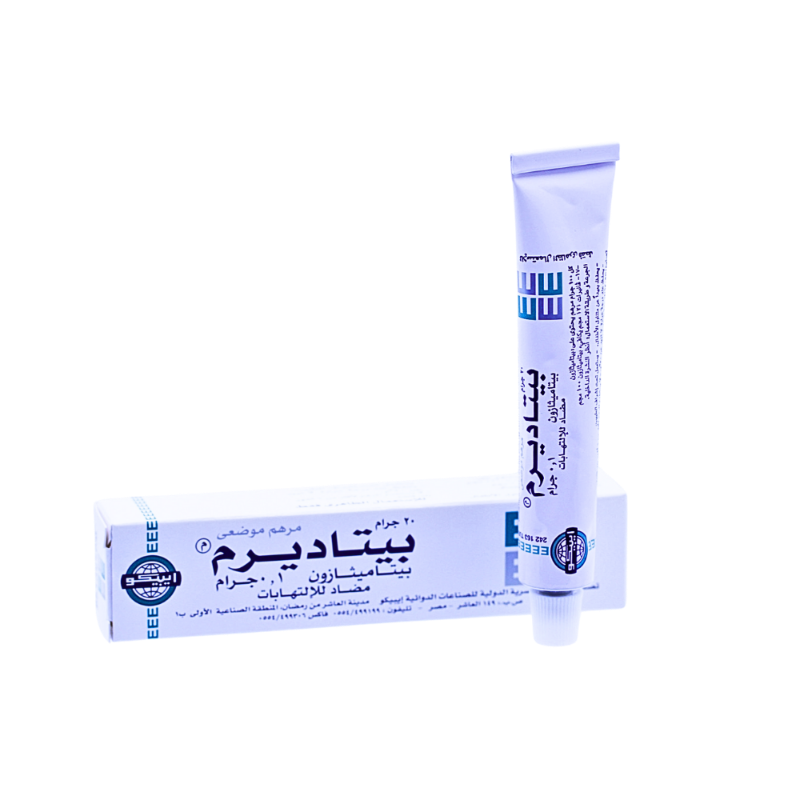
Medications > Dermatology Medications
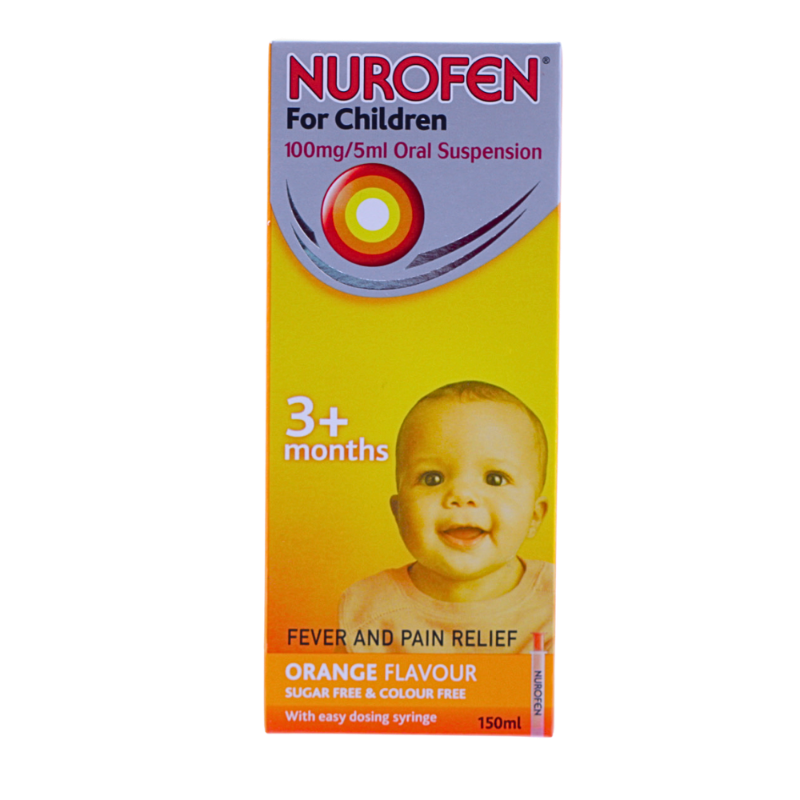
Medications > Painkillers and Antipyretics
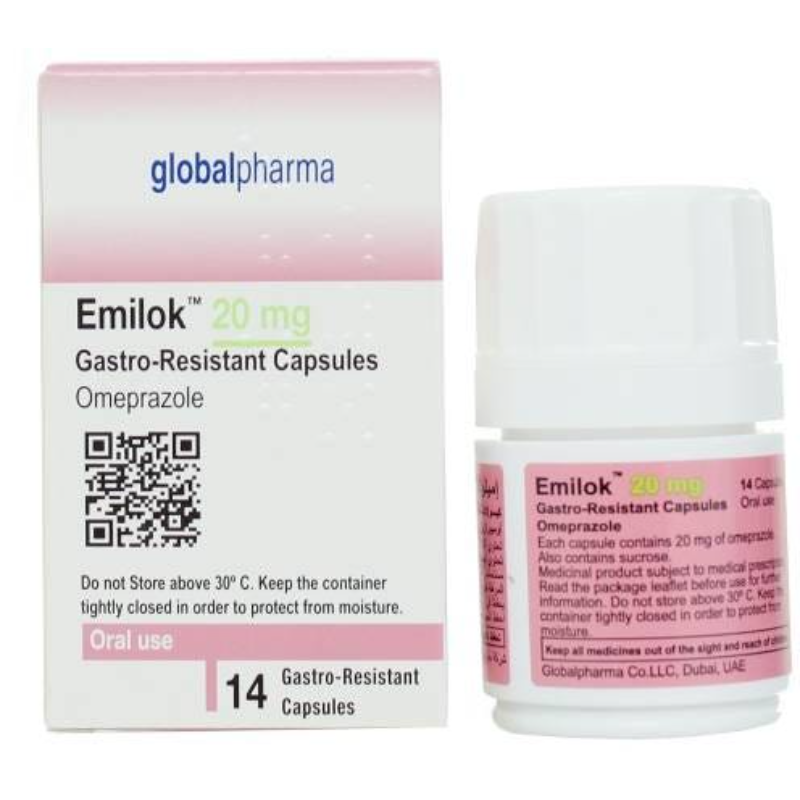
Medications > Gastrointestinal Medications
Medications > Psychiatric Medications
Medications > Psychiatric Medications
Medications > Sexual Health
Medications > Cholesterol Medications
Medications > Cold, Cough, and Allergy Medications
