
Use Code: ND30 And Get 30% OFF | Get Free Delivery With No Minimum Order
-1744229570.gif "Almujtama Pharmacy logo")




Frequently bought together
Skin And Body Care > Sun Protection And Tans
Skin And Body Care > Sun Protection And Tans
Skin And Body Care > Moisturizers
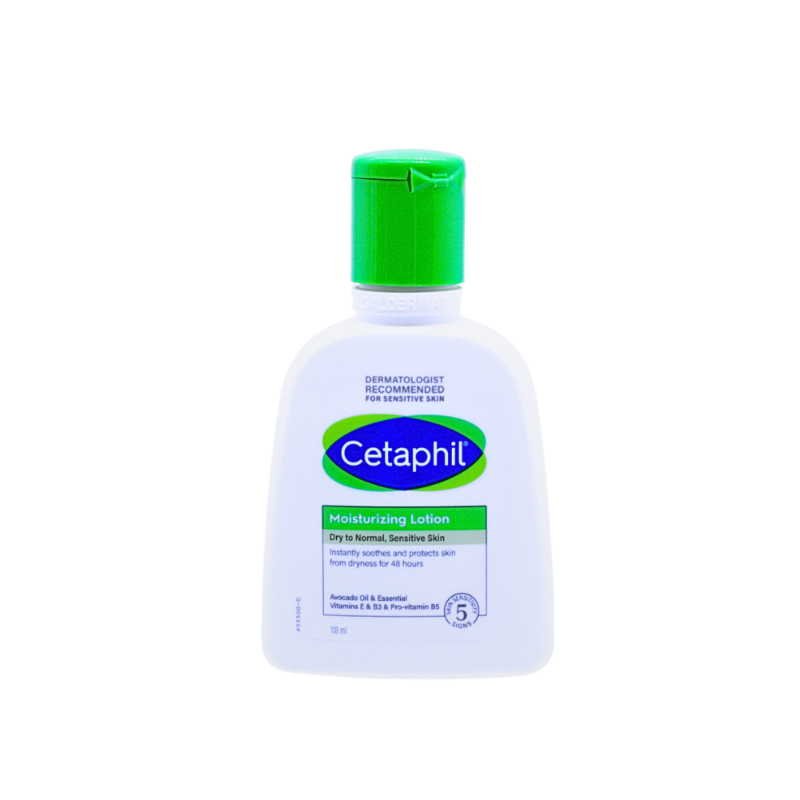
Skin And Body Care > Moisturizers
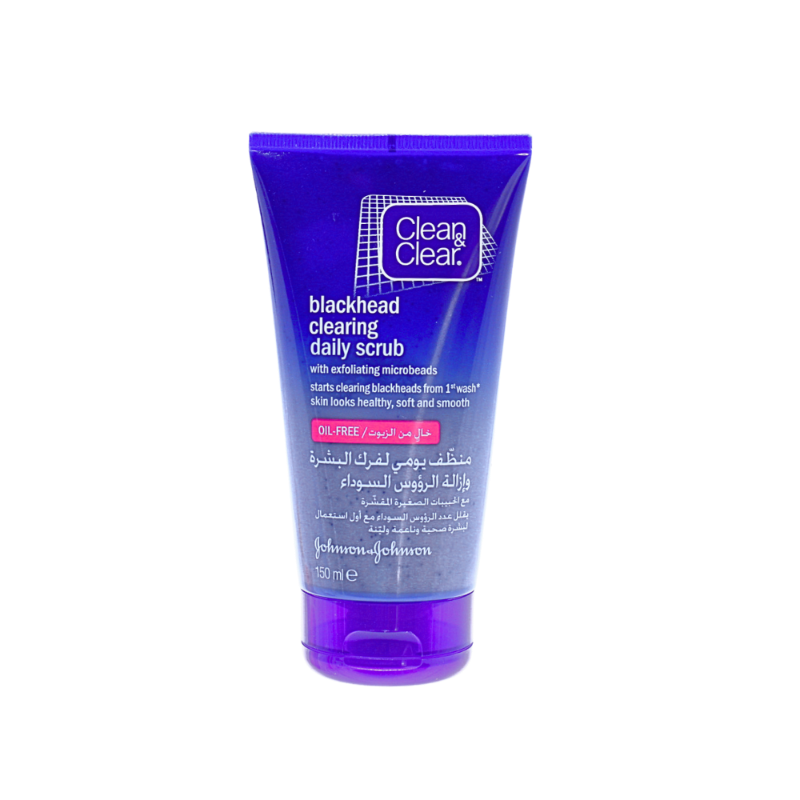
Skin And Body Care > Facial Wash And Exfoliators
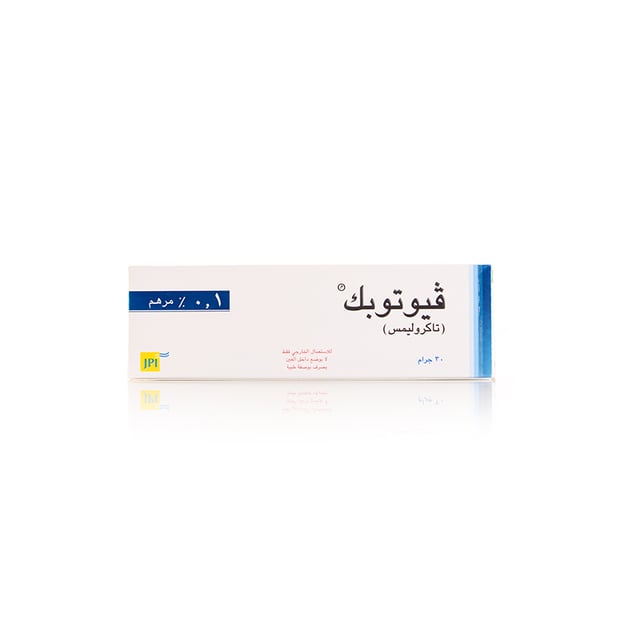
VIOTOPIC 0.1% OINTMENT 30G
- Sku : I-022209
Key features
VIOTOPIC 0.1% OINTMENT is a topical ointment containing tacrolimus 0.1% as the active ingredient. Tacrolimus binds to FKBP-12 and inhibits calcineurin, reducing T-cell activation and decreasing transcription of pro-inflammatory cytokines to produce localized immunomodulation in the skin. It is indicated for the topical treatment of inflammatory skin conditions, including atopic dermatitis. Available by prescription in a 30 g ointment.- Brand: VIOTOPIC
- Active Ingredient: TACROLIMUS
- Strength: 0.1%
- Dosage Form: Ointment
- Pack Size: 30 g
- Route: Topical
- Prescription Status: Prescription
- Therapeutic Class: Immunomodulating
- Pharmacological Group: Immunosuppressants
- Drug Class: Topical Calcineurin Inhibitor (TCI) - Macrolide Immunosuppressant
- Manufacturer: Jazeera Pharmaceutical Industries (JPI)
- Country of Origin: Saudi Arabia
- SFDA Registration No.: 2610222811
- Shelf Life: 24 months
- Storage: do not store above 25°c
- Skin Condition: Eczema
- Steroid Potency: N/A - not a corticosteroid
Frequently bought together
Skin And Body Care > Sun Protection And Tans
Skin And Body Care > Sun Protection And Tans
Skin And Body Care > Moisturizers
Skin And Body Care > Moisturizers
Skin And Body Care > Facial Wash And Exfoliators
Indications
Off-Label Uses
Common off-label dermatologic uses include vitiligo, facial/flexural psoriasis, seborrheic dermatitis, lichen planus, cutaneous lupus erythematosus, lichen sclerosus, and rosacea (selected cases).
Dosage & Administration
Initial Dose
Apply a thin layer to the affected areas twice daily.
Maintenance Dose
Apply twice daily until lesion clearance; may reduce to once daily or use intermittently (twice weekly) for maintenance
Maximum Dose
No defined maximum dose; apply a thin layer to affected areas twice daily using the minimum amount for the shortest duration; avoid use on large body surface areas and avoid occlusion.
Children's Dosage
The 0.1% strength is not recommended for children under 16 years. The 0.03% strength is approved for children aged 2 to 15 years.
Side Effects
Common Side Effects
Application-site burning/stinging, pruritus, erythema; folliculitis/acne; local skin infections (e.g., herpes simplex); facial flushing with alcohol (alcohol intolerance).
Safety & Warnings
Warnings & Precautions
Use minimum amount for shortest duration; avoid continuous long-term use; avoid sun/UV exposure on treated areas; do not apply to malignant/premalignant lesions; avoid occlusive dressings; avoid use on infected skin and in immunocompromised patients; caution in skin-barrier defects (e.g., Netherton syndrome/generalized erythroderma) due to increased absorption; avoid eyes/mucous membranes and wash hands after application.
Age Restriction
Not approved for children <2 years; tacrolimus 0.1% ointment is generally indicated for ≥16 years (0.03% is used for ages 2-15).
Driving Warning
Safe
Drug Interactions
Food Interaction
No clinically relevant food interactions for topical tacrolimus.
Special Populations
Children
The 0.1% strength is not recommended for children under 16 years. The 0.03% strength is approved for children aged 2 to 15 years.
Elderly
Standard adult dosing; no specific dose adjustment required
Liver Impairment
No routine dose adjustment for topical use; use with caution in severe hepatic impairment if extensive application or impaired skin barrier could increase systemic exposure.
Storage & Patient Advice
Patient Counseling
Apply a thin layer to affected skin twice daily (or as prescribed) and rub in gently; use the minimum amount for the shortest duration needed and stop when clear. Avoid contact with eyes, mouth, and inside the nose; wash hands after application unless treating hands. A transient burning/stinging/itching is common at the start and usually improves within days. Do not apply to infected skin; seek treatment if signs of infection occur. Do not cover with occlusive dressings/tight bandages. Minimize sun/UV exposure (including tanning beds/UV therapy); use protective clothing/sunscreen on treated areas. Alcohol may cause facial flushing, especially when applied to the face. Seek medical advice if swollen lymph nodes, unusual skin lesions, or persistent/worsening irritation occur. Keep out of reach of children.
Monitoring Requirements
No routine laboratory monitoring is required for topical use; reassess if no improvement within ~6 weeks or if worsening occurs, and monitor clinically for local infection, lymphadenopathy, or suspicious skin lesions with prolonged/intermittent long-term use.
Pharmacology
Mechanism of Action
Tacrolimus binds FKBP-12 and inhibits calcineurin, reducing T-cell activation and decreasing transcription of pro-inflammatory cytokines (e.g., IL-2 and others), producing local immunomodulation in skin.
Onset of Action
Improvement is often seen within about 1 week, with clearer benefit over 1-2 weeks (and may continue improving over several weeks).
Duration of Effect
Benefit persists while used; atopic dermatitis commonly relapses after discontinuation, and proactive twice-weekly maintenance can prolong remission and reduce flares.
Bioavailability
Minimal systemic absorption; typically <0.5% in adults with intact skin, but can be higher with extensive disease, inflamed/broken skin, occlusion, or in children.
Excretion
If systemically absorbed, elimination is primarily via biliary/fecal excretion; renal excretion is minimal.
Product Information
Composition per Dose
Each gram of ointment: 1 mg tacrolimus (0.1%) in a white petrolatum-based ointment vehicle
Skin Condition
Eczema
Steroid Potency
N/A - not a corticosteroid
Reviewed by Al Mujtama Pharmacy Medical Review Team. Last reviewed 05-08-2026
Similar Products
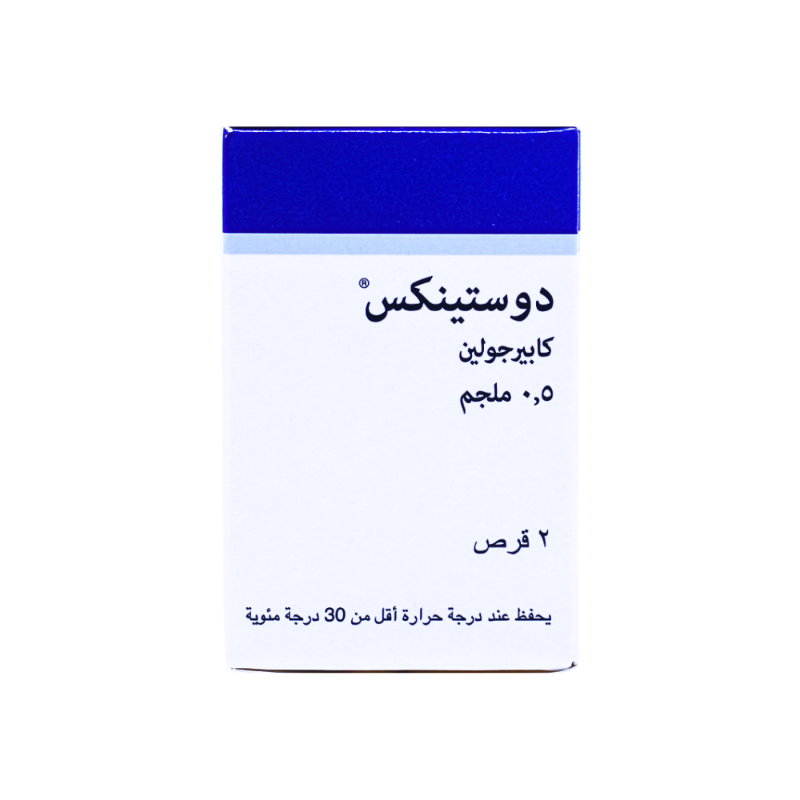
Medications > Contraceptives and Hormonal Medications
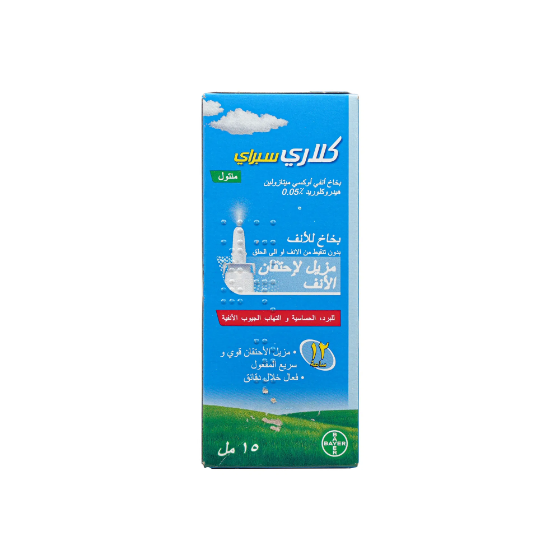
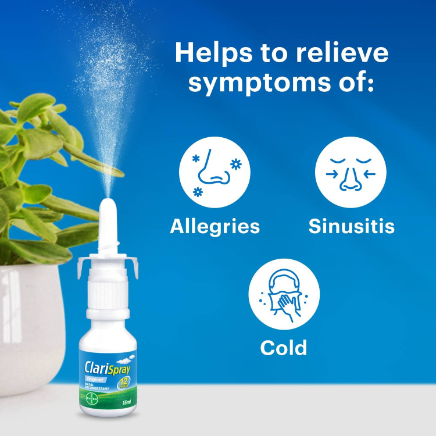
Medications > Cold, Cough, and Allergy Medications
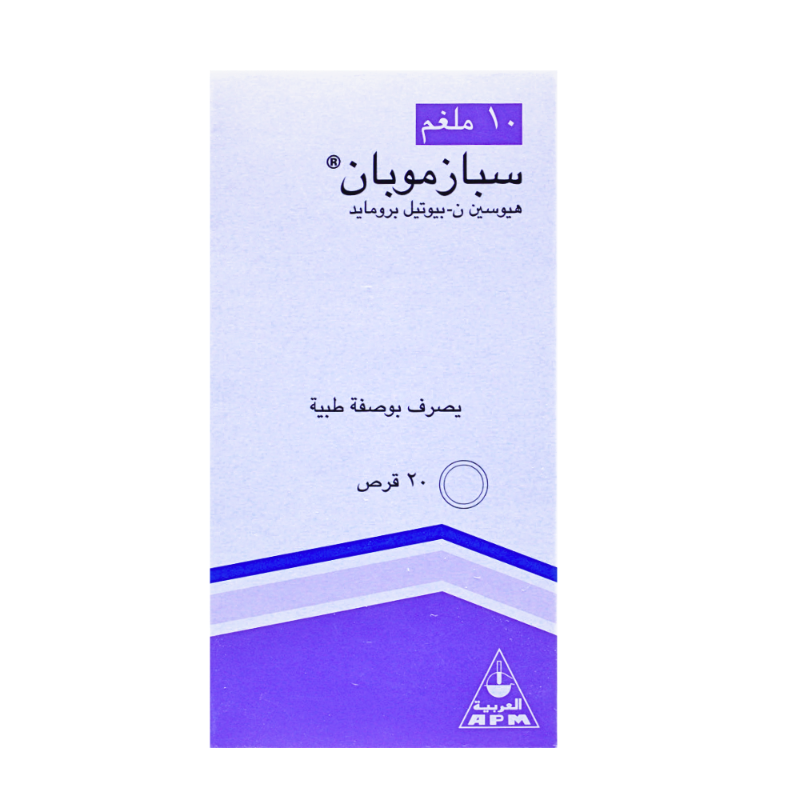
Medications > Gastrointestinal Medications
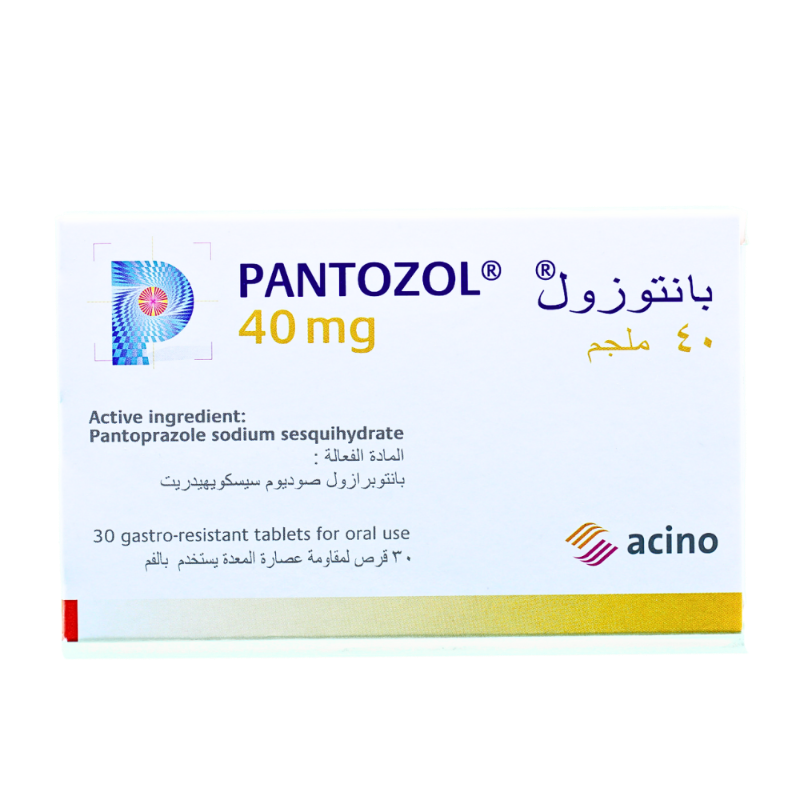
Medications > Gastrointestinal Medications
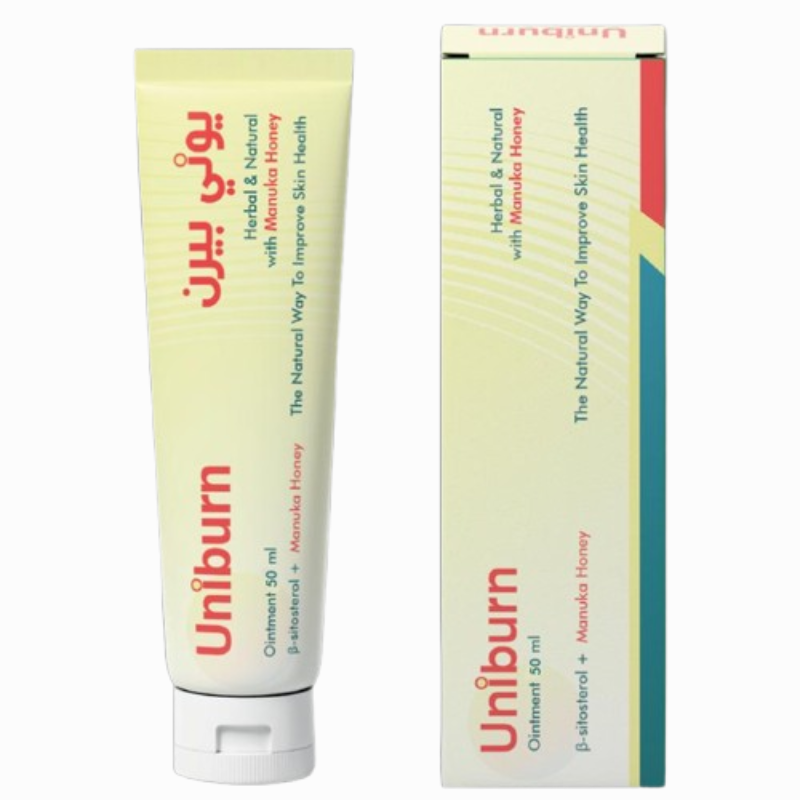
Medications > Dermatology Medications
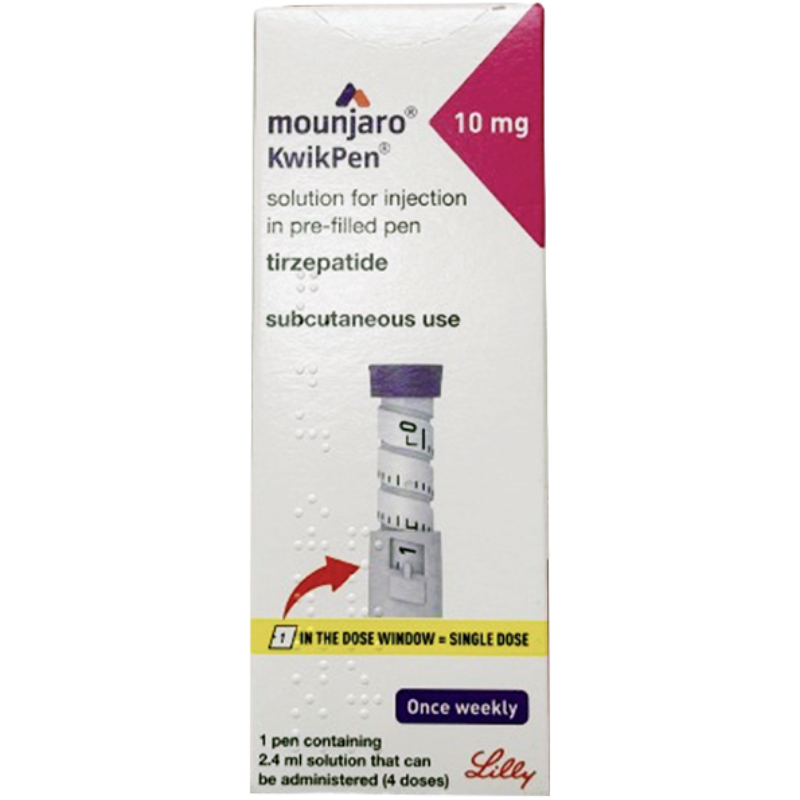
Medications > Diabetes Medications
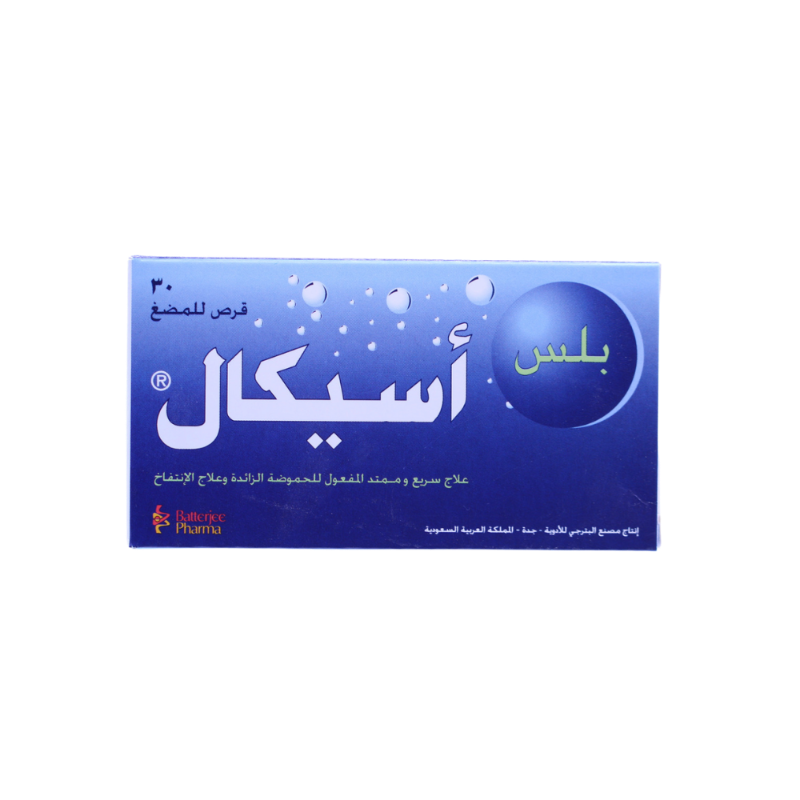
Medications > Gastrointestinal Medications
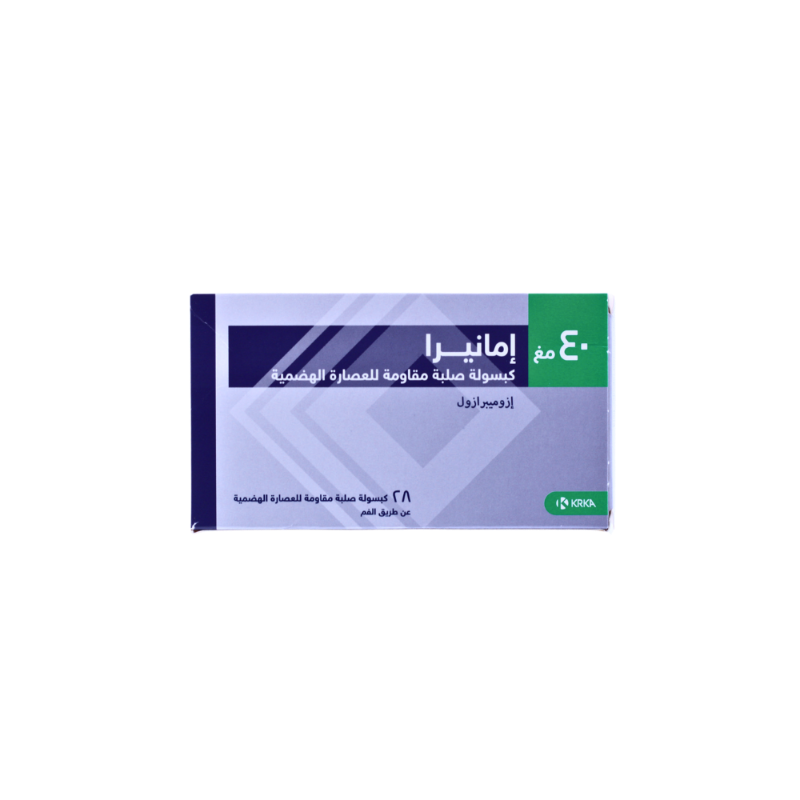
Medications > Gastrointestinal Medications
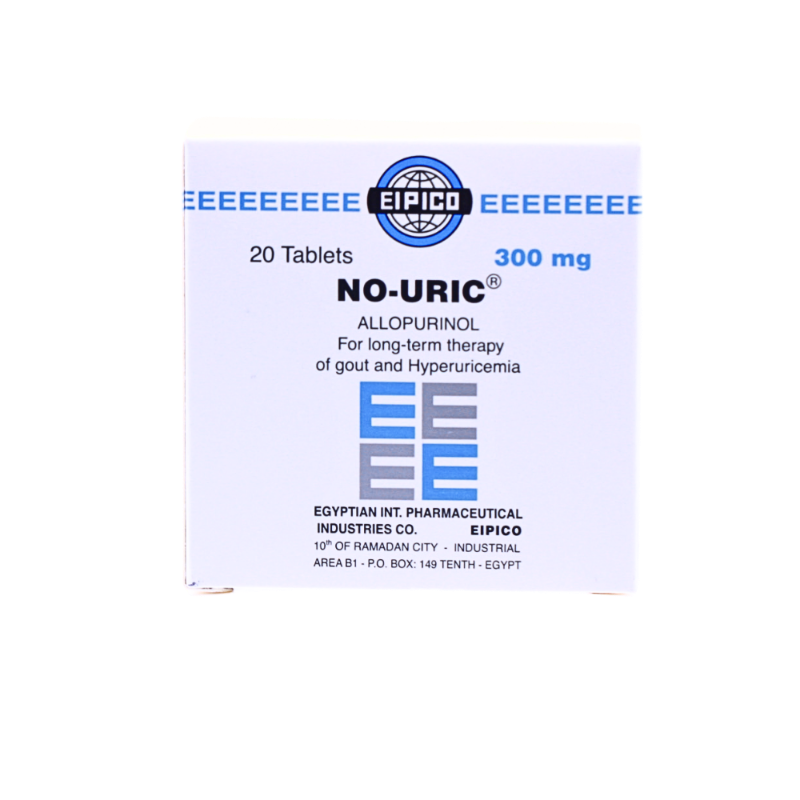
Medications > Urology Medications
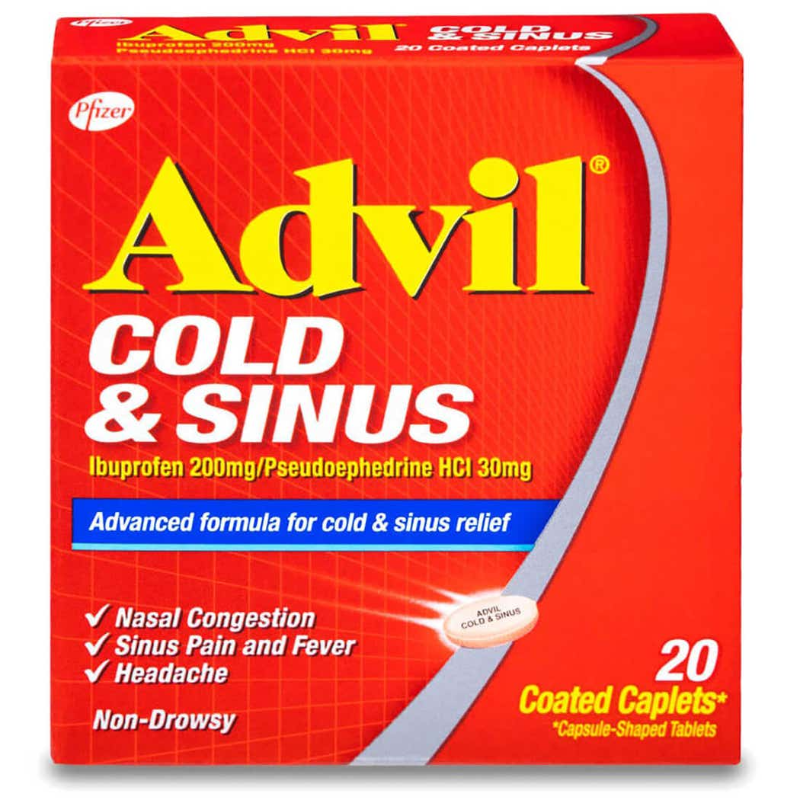
Medications > Cold, Cough, and Allergy Medications
