
Use Code: ND30 And Get 30% OFF | Get Free Delivery With No Minimum Order
-1744229570.gif "Almujtama Pharmacy logo")




Frequently bought together
Vitamins & Supplements > Vitamins and Minerals
Vitamins & Supplements > Vitamins and Minerals
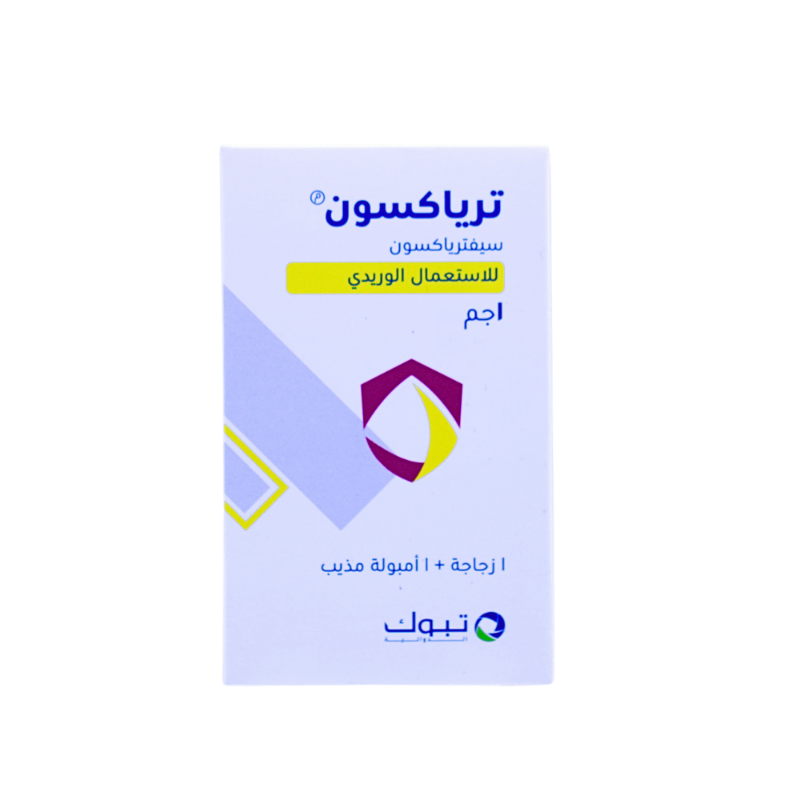
TRIAXONE (IV) 1/G 1/VIAL+1/AMP
- Sku : I-022732
Key features
Triaxone 1Gm Vial I.V +10Ml Water For Inj Sol is an intravenous solution containing the third-generation cephalosporin ceftriaxone 1 g per vial. As a beta-lactam cephalosporin, it binds penicillin‑binding proteins and inhibits the final transpeptidation step of peptidoglycan cell‑wall synthesis, resulting in bacterial cell lysis. It is used to treat a broad range of susceptible bacterial infections, including lower respiratory tract infections (including pneumonia), acute otitis media, skin and skin‑structure infections, urinary tract infections (including pyelonephritis), intra‑abdominal infections, bone and joint infections, bacterial septicemia, meningitis, gonorrhea, and perioperative prophylaxis. Supplied as an IV solution in a single‑vial pack (1 vial).- Brand: TRIAXONE
- Active Ingredient: CEFTRIAXONE 1g
- Strength: 1g
- Dosage Form: Solution
- Pack Size: 1 Vial
- Route: Intravenous use
- Prescription Status: Prescription
- Therapeutic Class: Anti-infective
- Pharmacological Group: Third-generation Cephalosporins
- Drug Class: Third-generation Cephalosporin Antibiotic
- Manufacturer: TABUK PHARMACEUTICAL MANUFACTURING CO.
- Country of Origin: Saudi Arabia
- SFDA Registration No.: 46-277-98
- Shelf Life: 30 months
- Storage: do not store above 30°c
- Spectrum: Broad-spectrum
- Antibiotic Class: Cephalosporin
Frequently bought together
Vitamins & Supplements > Vitamins and Minerals
Vitamins & Supplements > Vitamins and Minerals
Indications
Approved Uses
Treatment of susceptible infections including: lower respiratory tract infections (including pneumonia), acute bacterial otitis media, skin and skin-structure infections, urinary tract infections (including pyelonephritis), intra-abdominal infections (typically with anaerobic coverage), bone and joint infections, bacterial septicemia, meningitis, gonorrhea, and perioperative (surgical) prophylaxis; pelvic inflammatory disease is also an accepted labeled/commonly approved indication in many references.
Off-Label Uses
Common off-label/region-dependent uses include: typhoid fever, disseminated gonococcal infection, serious Salmonella/Shigella infections when susceptible, Lyme disease (IV for neuro/late disease), neurosyphilis (alternative when penicillin cannot be used), and selected endocarditis regimens (in combination, organism-dependent).
Dosage & Administration
Dosing by Condition
Adults (typical): most infections 1-2 g IV once daily (or 1 g IV q12h for some infections); severe infections up to 4 g/day. Meningitis: 2 g IV q12h (max 4 g/day). Gonorrhea (current guideline-based): ceftriaxone 500 mg IM once (<150 kg) or 1 g IM once (≥150 kg) with chlamydia coverage if not excluded (note: this product is IV-only). Surgical prophylaxis: 1-2 g IV single dose within 30-60 minutes before incision (timing per procedure/institution). Intra-abdominal infection: 1-2 g IV daily plus anaerobic coverage (e.g., metronidazole) when indicated.
Initial Dose
1g IV once daily
Maintenance Dose
1-2g IV or IM once daily. For severe infections like meningitis, 2g IV every 12 hours.
Maximum Dose
4g per day (meningitis); 2g per day for most other indications
Children's Dosage
50-75mg/kg/day IV once daily (max 2g/day for most infections); Meningitis: 100mg/kg/day divided every 12-24 hours (max 4g/day); Neonates >41 weeks corrected gestational age without hyperbilirubinemia: 20-50mg/kg/day
Dose Adjustment Notes
No dosage adjustment is usually required for renal impairment or hepatic impairment alone. If severe renal impairment and significant hepatic dysfunction coexist, limit total daily dose to a maximum of 2 g/day and monitor clinical response and adverse effects.
How to Take
IV use only for this product (ceftriaxone 1 g vial for IV reconstitution). Administer either as slow IV injection over 2-4 minutes (commonly up to 5 minutes) or as IV infusion over at least 30 minutes after reconstitution/dilution per institutional protocol. Do NOT mix or co-infuse with calcium-containing IV solutions; in neonates avoid any concomitant IV calcium and use separate lines with thorough flushing in others per policy.
How to Prepare
Reconstitute 1 g vial with 10 mL Water for Injection (as supplied); for IV infusion, further dilute in a compatible fluid (e.g., 0.9% NaCl or 5% dextrose) and administer over ~30 minutes; avoid mixing/co-infusing with calcium-containing solutions
Side Effects
Common Side Effects
Common: diarrhea, nausea/vomiting, rash/hypersensitivity reactions, injection-site reactions (pain, induration, phlebitis), and laboratory abnormalities such as elevated liver enzymes; hematologic changes (eosinophilia, thrombocytosis) can occur.
Side Effect Frequency
Common (≥1%): diarrhea, rash, injection-site reactions; laboratory changes such as eosinophilia, thrombocytosis, and transaminase elevations are also commonly reported; uncommon/rare: nausea/vomiting, headache/dizziness, biliary sludge/pseudolithiasis, hypersensitivity (including anaphylaxis), C. difficile-associated colitis, severe cutaneous reactions, hemolytic anemia, seizures
Safety & Warnings
Contraindications
Known hypersensitivity to ceftriaxone/cephalosporins; history of immediate/severe hypersensitivity to beta-lactams (e.g., anaphylaxis to penicillins) as a practical contraindication; premature neonates up to PMA 41 weeks; hyperbilirubinemic neonates; concomitant IV calcium-containing solutions in neonates ≤28 days (including calcium-containing infusions/TPN).
Warnings & Precautions
Assess for beta-lactam allergy/cross-reactivity; avoid mixing/co-infusing with calcium-containing IV solutions (especially contraindicated in neonates ≤28 days); monitor for C. difficile diarrhea; risk of biliary sludge/pseudolithiasis and renal precipitates (hydration/monitoring with prolonged/high-dose therapy); monitor CBC for hemolytic anemia; monitor INR/prothrombin time in at-risk patients (malnutrition, liver disease, prolonged therapy, anticoagulants); superinfection with prolonged use; caution in seizure disorders/renal dysfunction due to neurotoxicity risk.
Age Restriction
Contraindicated in premature neonates up to a postmenstrual age of 41 weeks and in hyperbilirubinemic neonates (especially ≤28 days); avoid/contraindicated with IV calcium in neonates ≤28 days.
Drug Interactions
Drug Interactions
MAJOR: IV calcium-containing solutions/infusions (precipitation risk; contraindicated in neonates ≤28 days; avoid Y-site mixing in all ages). MODERATE: Warfarin/other anticoagulants (↑INR/bleeding risk), probenecid (may increase levels), aminoglycosides/other nephrotoxins (additive nephrotoxicity risk-monitor). OTHER: Live oral bacterial vaccines (e.g., typhoid) may have reduced efficacy; oral contraceptive failure is not a reliable/clinically significant interaction but counsel about GI upset affecting absorption if applicable.
Interaction Severity
MAJOR: IV calcium-containing solutions (risk of precipitation; contraindicated in neonates and avoid co-infusion/ensure line separation and flushing in others). MODERATE: warfarin/vitamin K antagonists (increased INR/bleeding risk-monitor). Other clinically relevant: live oral bacterial vaccines (e.g., cholera/typhoid) may have reduced efficacy; additive nephrotoxicity is mainly a concern with aminoglycosides in general practice though ceftriaxone itself is not strongly nephrotoxic.
Food Interaction
No food restrictions (parenteral administration).
Special Populations
Children
50-75mg/kg/day IV once daily (max 2g/day for most infections); Meningitis: 100mg/kg/day divided every 12-24 hours (max 4g/day); Neonates >41 weeks corrected gestational age without hyperbilirubinemia: 20-50mg/kg/day
Kidney Impairment
No adjustment for renal impairment alone for usual dosing; if severe renal impairment coexists with significant hepatic dysfunction, do not exceed 2 g/day and monitor.
Storage & Patient Advice
Preparation Instructions
Reconstitute 1 g vial with 10 mL Water for Injection (as supplied); for IV infusion, further dilute in a compatible fluid (e.g., 0.9% NaCl or 5% dextrose) and administer over ~30 minutes; avoid mixing/co-infusing with calcium-containing solutions
Missed Dose
Because this is administered by healthcare professionals, if a scheduled dose/appointment is missed, contact the treating team promptly to reschedule; do not double doses without clinician direction.
Stopping the Medicine
Complete the full prescribed course; do not stop early unless advised by the prescriber (e.g., serious adverse reaction).
Patient Counseling
Explain it is an IV antibiotic given by healthcare professionals; stress completing the prescribed course. Seek urgent care for allergy symptoms (rash, swelling, breathing difficulty). Report severe/persistent diarrhea (possible C. difficile). Inform clinicians about all medicines, especially anticoagulants, and discuss vaccines (live oral bacterial vaccines may be less effective during antibiotics).
Monitoring Requirements
Monitor clinical response and hypersensitivity. With prolonged therapy and/or high doses: CBC, liver function tests, and renal function. Monitor INR/prothrombin time in patients on anticoagulants or with low vitamin K stores; watch for C. difficile-associated diarrhea and superinfection.
Pharmacology
Mechanism of Action
Beta-lactam cephalosporin that binds penicillin-binding proteins, inhibiting the final transpeptidation (cross-linking) step of peptidoglycan cell-wall synthesis, leading to bacterial cell lysis and death.
Onset of Action
Rapid after IV administration (clinical effect begins as therapeutic levels are achieved immediately; symptomatic improvement typically within 24-72 hours depending on infection).
Duration of Effect
Approximately 24 hours (supports once-daily dosing for many indications).
Half-Life
Approximately 5.8-8.7 hours in healthy adults (average elimination half-life approximately 4.3-4.6 hours reported in some studies)
Bioavailability
IV: 100% (by definition); IM: high/near-complete (~100%) but not strictly 100% in all references
Product Information
Available Dosage Forms
Powder for solution for injection/infusion in a vial for IV use (this SFDA-registered product includes a 10 mL water-for-injection ampoule for reconstitution).
Composition per Dose
Each vial: 1g ceftriaxone as ceftriaxone sodium, reconstituted with 10mL water for injection
Generic Availability
Yes
OTC Alternatives
No OTC alternative
Spectrum
Broad-spectrum
Antibiotic Class
Cephalosporin
Reviewed by Al Mujtama Pharmacy Medical Review Team. Last reviewed 20-07-2026
Similar Products
Medications > Dermatology Medications
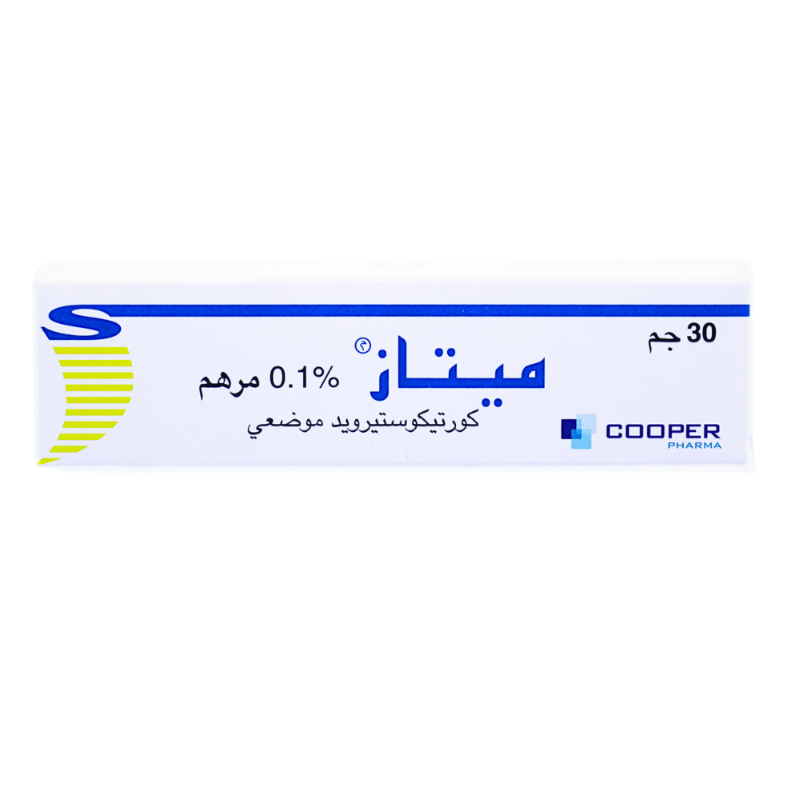
Medications > Dermatology Medications
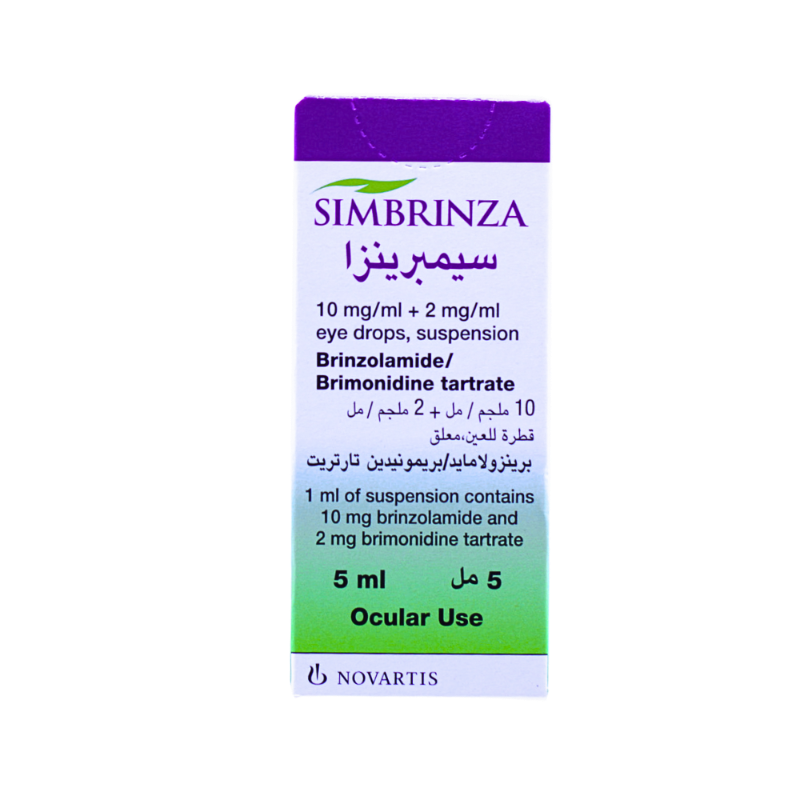
Medications > Eye and Ear Medications
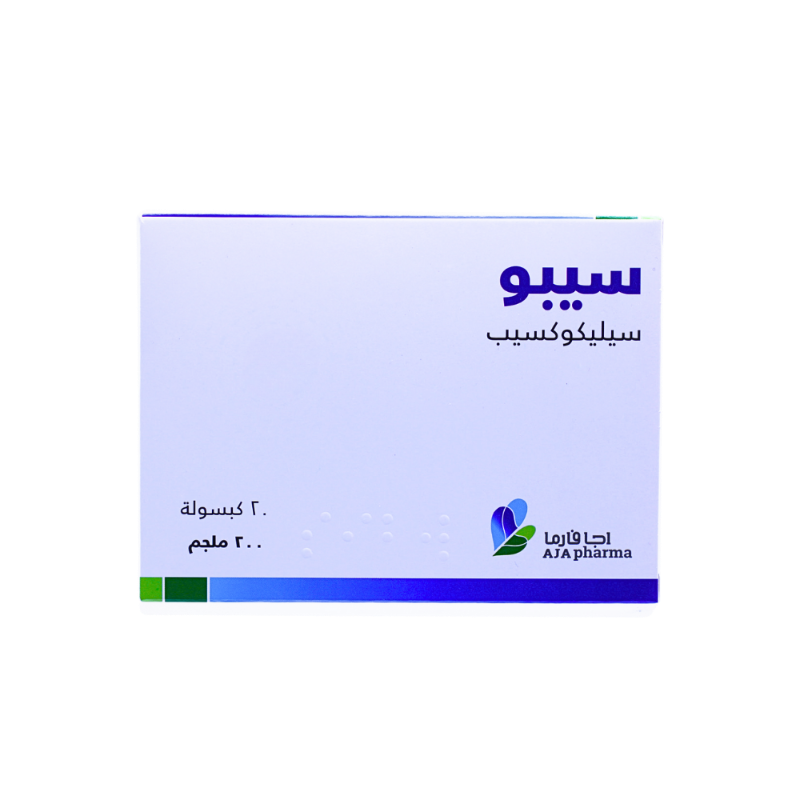
Medications > Painkillers and Antipyretics
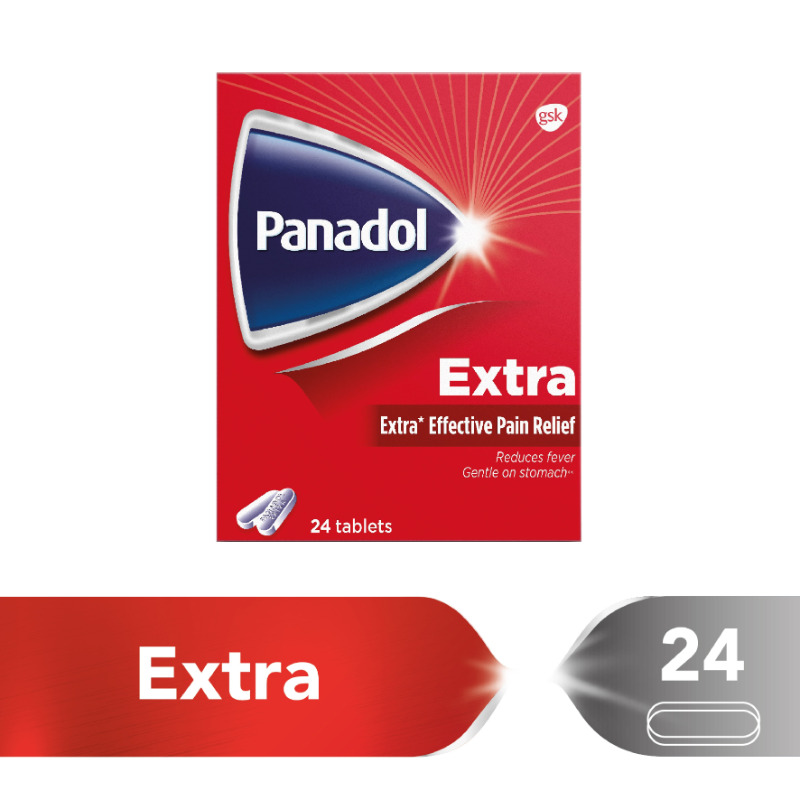
Medications > Painkillers and Antipyretics
Medications > Gastrointestinal Medications

Medications > Eye and Ear Medications
Medications > Diabetes Medications
Medications > Gastrointestinal Medications
Medications > Painkillers and Antipyretics
