
Use Code: ND30 And Get 30% OFF | Get Free Delivery With No Minimum Order
-1744229570.gif "Almujtama Pharmacy logo")




Frequently bought together
Skin And Body Care > Eye Care

Skin And Body Care > Eye Care
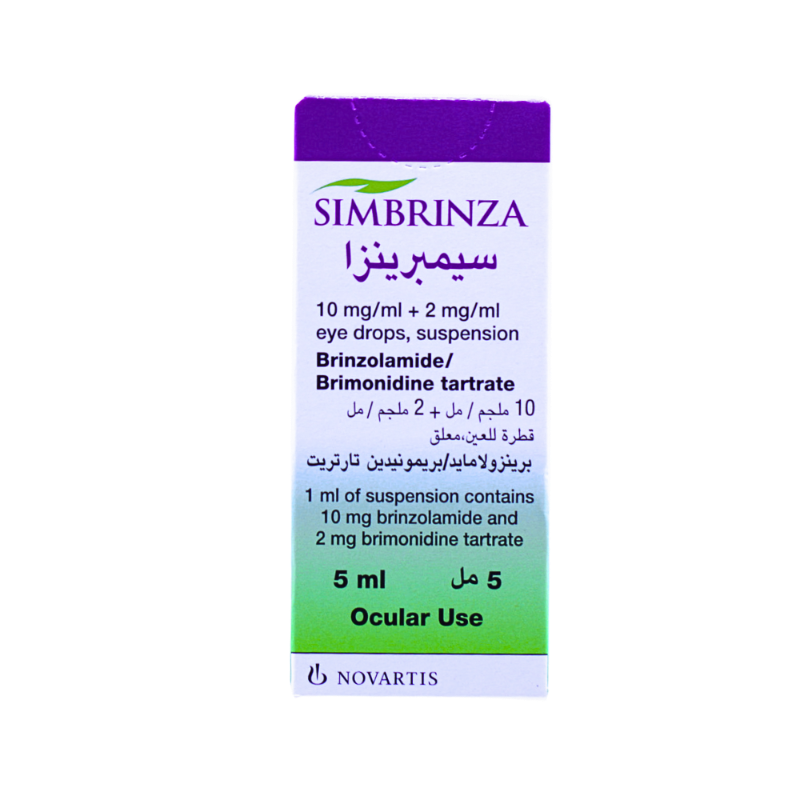
SIMBRINZA EYE DROPS 5ML
- Sku : I-028764
Key features
SIMBRINZA Eye Drops 5 mL is a topical suspension containing brimonidine tartrate 2 mg/mL and brinzolamide 10 mg/mL. Brinzolamide inhibits carbonic anhydrase in the ciliary processes to reduce aqueous humor formation, while brimonidine lowers intraocular pressure by decreasing aqueous production and increasing uveoscleral outflow. It is used for reduction of elevated intraocular pressure (IOP) in adult patients with open-angle glaucoma or ocular hypertension. Available as a 5 mL prescription-only eye drop suspension.- Brand: SIMBRINZA
- Active Ingredient: BRIMONIDINE TARTRATE 2mg/ml, BRINZOLAMIDE 10mg/ml
- Strength: 2,10mg/ml
- Dosage Form: Eye drops, suspension
- Pack Size: 5 ml
- Route: Ocular use
- Prescription Status: Prescription
- Therapeutic Class: Carbonic Anhydrase Inhibitor [EPC]
- Pharmacological Group: Carbonic Anhydrase Inhibitors [MoA]
- Drug Class: Fixed-dose combination: carbonic anhydrase inhibitor (brinzolamide) + selective alpha-2 adrenergic agonist (brimonidine tartrate).
- Manufacturer: S.A. Alcon Couvreur N.V
- Country of Origin: Belgium
- SFDA Registration No.: 2505233729
- Shelf Life: 24 months
- Storage: store below 30°c
- Target Organ: Eye
- Preservative Free: No
Frequently bought together
Skin And Body Care > Eye Care
Skin And Body Care > Eye Care
Indications
Approved Uses
Reduction of elevated intraocular pressure (IOP) in adult patients with open-angle glaucoma or ocular hypertension
Dosage & Administration
Dosing by Condition
Open-angle glaucoma / Ocular hypertension: One drop instilled into the affected eye(s) three times daily (approximately every 8 hours)
Initial Dose
One drop in the affected eye(s) three times daily.
Maintenance Dose
One drop in the affected eye(s) three times daily.
Maximum Dose
1 drop in the affected eye(s) three times daily (TID).
Children's Dosage
Not recommended for children under 2 years; safety and efficacy not established in pediatric patients.
Dose Adjustment Notes
Not recommended in severe renal impairment (CrCl <30 mL/min) or hyperchloremic acidosis; use caution in mild to moderate renal impairment and hepatic impairment. When used with other topical ophthalmic agents, separate administration by at least 5 minutes.
How to Take
Shake well before each use. Instill 1 drop in the affected eye(s) as prescribed (commonly 3 times daily). Avoid touching the dropper tip. After instillation, close the eye and apply nasolacrimal occlusion (press inner corner) for 1-2 minutes to reduce systemic absorption. Remove contact lenses before use and wait at least 15 minutes before reinserting. If using other ophthalmic products, separate by at least 5 minutes (apply eye ointments last).
How to Prepare
Shake well before each use to resuspend the suspension.
Side Effects
Common Side Effects
Common: blurred vision, ocular irritation/burning, ocular hyperemia/redness, eye allergy/itching, dysgeusia (bitter/abnormal taste), dry mouth, and headache.
Side Effect Frequency
Very common (≥10%): blurred vision, dysgeusia. Common (1-10%): ocular irritation (including eye pain/pruritus), conjunctival hyperemia, dry eye, foreign body sensation, eye discharge, headache, somnolence. Uncommon (<1%): allergic conjunctivitis/eyelid edema, corneal disorders (e.g., erosion/staining), dry mouth, dizziness, nausea, depression, hypotension/bradycardia.
Safety & Warnings
Contraindications
Hypersensitivity to brinzolamide, brimonidine, or any excipient (including sulfonamide hypersensitivity); concomitant MAO inhibitor therapy; severe renal impairment (CrCl <30 mL/min) and/or hyperchloremic acidosis; neonates and infants <2 years.
Warnings & Precautions
Sulfonamide hypersensitivity may occur; not recommended in severe renal impairment (CrCl <30 mL/min) or hyperchloremic acidosis; may cause systemic effects including hypotension, bradycardia, and CNS depression-use caution in patients with cardiovascular disease, cerebrovascular disease, depression, Raynaud’s phenomenon, or orthostatic hypotension; risk of corneal edema and erosion, particularly in patients with low endothelial cell counts.
Age Restriction
Contraindicated in children <2 years; safety and efficacy not established in pediatric patients.
Driving Warning
May Cause Drowsiness
Drug Interactions
Drug Interactions
Contraindicated with MAO inhibitors within 14 days. Use caution with antidepressants (e.g., MAOIs, TCAs), CNS depressants, antihypertensives, beta-blockers, cardiac glycosides, other IOP-lowering agents, oral carbonic anhydrase inhibitors.
Interaction Severity
Contraindicated: MAO inhibitors. Moderate: CNS depressants (additive sedation), antihypertensives/cardiac glycosides (additive hypotension/bradycardia), TCAs (may reduce brimonidine effect), other IOP-lowering agents.
Special Populations
Pregnancy
Consult Doctor
Breastfeeding
Contraindicated
Children
Not recommended for children under 2 years; safety and efficacy not established in pediatric patients.
Elderly
Standard adult dosing. No overall differences in safety or effectiveness have been observed between elderly and other adult patients.
Kidney Impairment
Not recommended in severe renal impairment (CrCl <30 mL/min) or hyperchloremic acidosis; use caution in mild to moderate renal impairment.
Liver Impairment
No established dose adjustment; use with caution in hepatic impairment.
Storage & Patient Advice
Storage Conditions
Store below 25°C; protect from light. Discard 28 days after opening.
Preparation Instructions
Shake well before each use to resuspend the suspension.
Missed Dose
Use the missed dose as soon as remembered unless it is close to the next scheduled dose; if close, skip the missed dose and resume the regular schedule-do not double doses.
Stopping the Medicine
Do not discontinue without prescriber advice; stopping may lead to loss of IOP control.
Overdose
Ocular overdose: rinse/flush the eye(s) with water or saline. Oral ingestion/systemic overdose: may cause CNS depression (somnolence), bradycardia, hypotension, and respiratory depression-seek urgent medical care; treat supportively with airway and cardiovascular monitoring.
Patient Counseling
Shake well; instill as directed without touching the tip; remove contact lenses and reinsert after 15 minutes; use nasolacrimal occlusion for 1-2 minutes; separate other eye drops by ≥5 minutes; expect possible transient blurred vision and bitter taste; use caution with driving until vision clears and with sedating medicines; report allergy/eye swelling or significant systemic symptoms (dizziness, slow pulse, faintness). Store below 30°C and discard about 4 weeks after opening.
Monitoring Requirements
Monitor intraocular pressure and optic nerve/visual fields per glaucoma care standards; monitor for ocular hypersensitivity. In at-risk patients, consider monitoring systemic effects (blood pressure/heart rate, CNS depression) and renal function if clinically indicated.
Pharmacology
Mechanism of Action
Brinzolamide inhibits carbonic anhydrase II in the ciliary processes, reducing aqueous humor formation; brimonidine (alpha-2 agonist) lowers IOP by decreasing aqueous humor production and increasing uveoscleral outflow.
Onset of Action
IOP reduction generally begins within about 1 hour, with peak effect around 2-3 hours after dosing.
Duration of Effect
Clinically, IOP-lowering effect is sustained for roughly 8-12 hours, supporting TID dosing.
Half-Life
Brinzolamide: terminal half-life ~111 days in erythrocytes (due to carbonic anhydrase binding); Brimonidine tartrate: plasma half-life ~2-3 hours.
Bioavailability
Systemic absorption can occur via nasolacrimal drainage; brinzolamide shows low systemic levels but accumulates in red blood cells; brimonidine has measurable systemic exposure after ocular dosing (reduced by nasolacrimal occlusion).
Metabolism
Brinzolamide: absorbed systemically, distributes into RBCs, metabolite N-desethyl brinzolamide formed and accumulates in RBCs; Brimonidine: extensive hepatic metabolism primarily by aldehyde oxidase.
Excretion
Brinzolamide (and metabolites) is eliminated primarily via the kidney; brimonidine and its metabolites are also primarily renally excreted.
Protein Binding
Brinzolamide: ~60% protein binding; Brimonidine: ~29% protein binding.
Product Information
Available Dosage Forms
Eye drops, suspension (ophthalmic suspension).
Composition per Dose
Each 1ml of suspension contains: 10mg Brinzolamide and 2mg Brimonidine Tartrate.
OTC Alternatives
No OTC alternative
Target Organ
Eye
Preservative Free
No
Reviewed by Al Mujtama Pharmacy Medical Review Team. Last reviewed 02-05-2026
Similar Products
Medications > Eye and Ear Medications
Medications > Psychiatric Medications
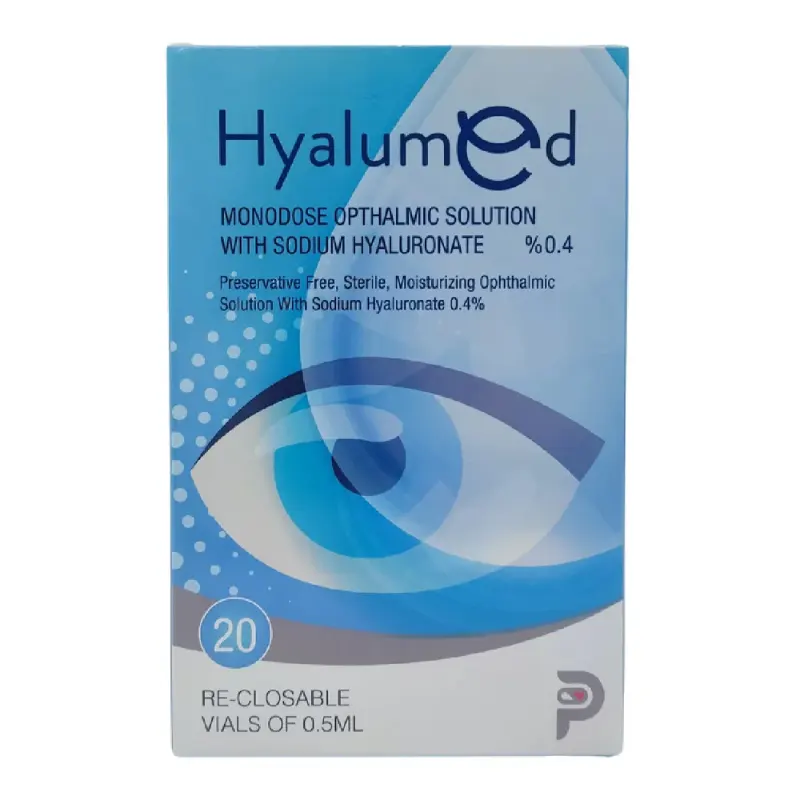
Medications > Eye and Ear Medications
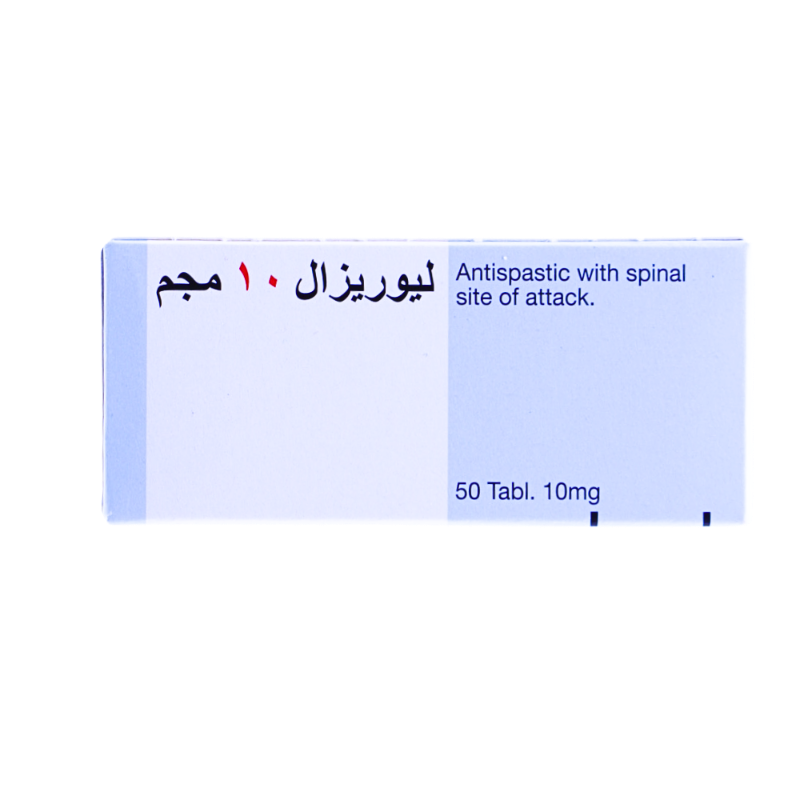
Medications > Painkillers and Antipyretics
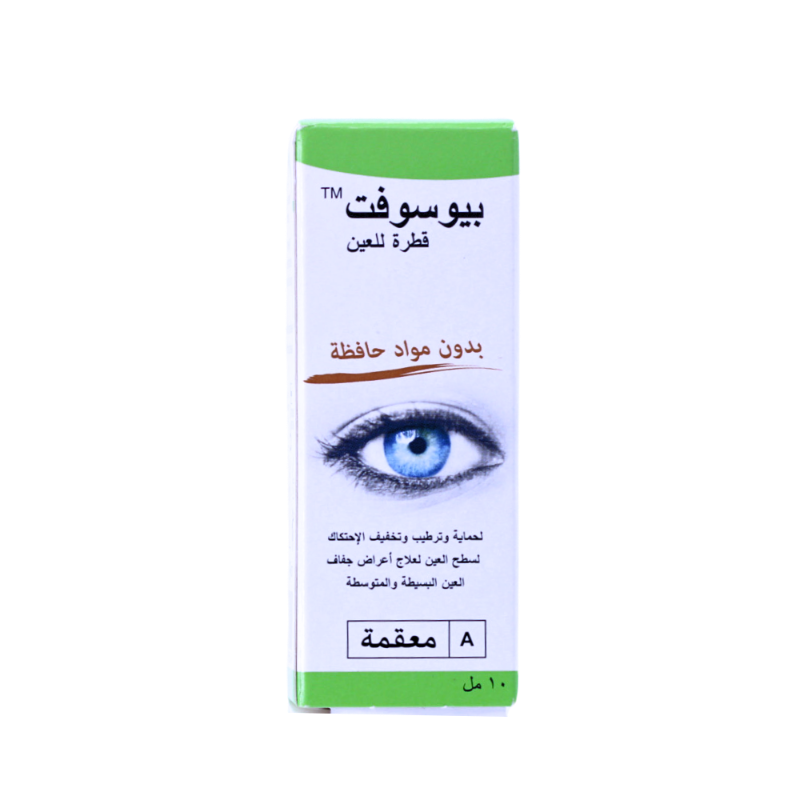
Medications > Eye and Ear Medications
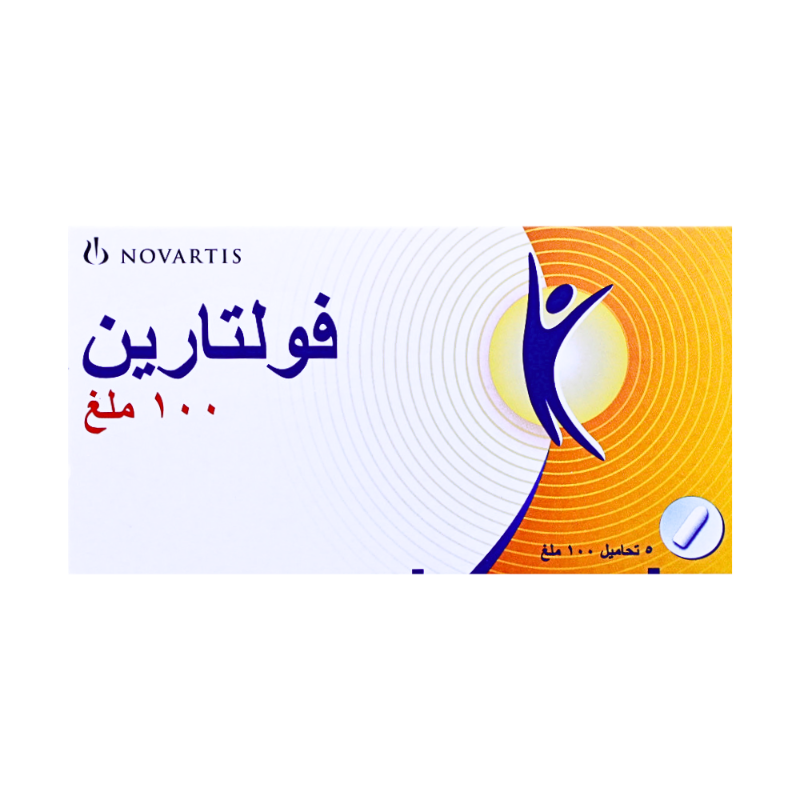
Medications > Painkillers and Antipyretics
Medications > Cold, Cough, and Allergy Medications
Medications > Psychiatric Medications
Medications > Painkillers and Antipyretics
Medications > Cholesterol Medications
