
Use Code: ND30 And Get 30% OFF | Get Free Delivery With No Minimum Order
-1744229570.gif "Almujtama Pharmacy logo")




Frequently bought together
Health Care & Wellness > Medical Supplies
Skin And Body Care > Moisturizers
Skin And Body Care > Moisturizers
Vitamins & Supplements > Vitamins and Minerals
Vitamins & Supplements > Vitamins and Minerals
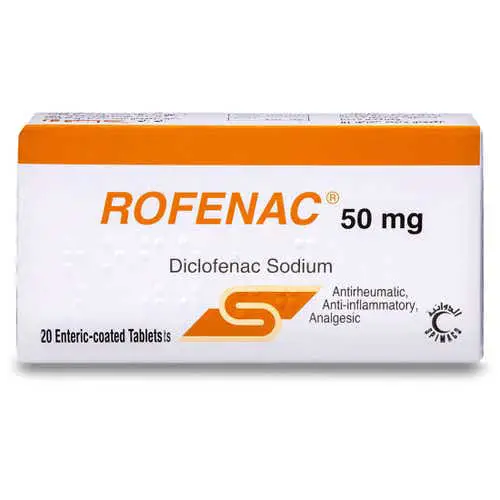
ROFENAC 50/MG TAB 20/TAB
- Sku : I-005625
Key features
ROFENAC 50 mg coated tablets contain diclofenac sodium 50 mg as the active ingredient. It reversibly inhibits COX-1 and COX-2, reducing prostaglandin synthesis to alleviate inflammation, pain, and fever. Indicated for relief of pain and inflammation in rheumatic conditions such as osteoarthritis, rheumatoid arthritis, and ankylosing spondylitis, and for short-term treatment of acute pain conditions including primary dysmenorrhea and acute migraine attacks. Available by prescription as coated tablets in a pack of 20 tablets.- Brand: ROFENAC
- Active Ingredient: DICLOFENAC SODIUM 50mg
- Strength: 50mg
- Dosage Form: Coated tablet
- Pack Size: 20 Tablets
- Route: Oral use
- Prescription Status: Prescription
- Therapeutic Class: Analgesic
- Pharmacological Group: Acetic Acid Derivatives (NSAIDs)
- Drug Class: Nonsteroidal anti-inflammatory drug (NSAID); nonselective COX inhibitor; acetic acid (phenylacetic acid) derivative.
- Manufacturer: SPIMACO
- Country of Origin: Saudi Arabia
- SFDA Registration No.: 1801221604
- Shelf Life: 36 months
- Storage: store below 25°c
- Pain Type: General/Muscular/Joint
- Nsaid: Yes
- Opioid: No
Frequently bought together
Health Care & Wellness > Medical Supplies
Skin And Body Care > Moisturizers
Skin And Body Care > Moisturizers
Vitamins & Supplements > Vitamins and Minerals
Vitamins & Supplements > Vitamins and Minerals
Indications
Approved Uses
Relief of pain and inflammation in rheumatic conditions such as osteoarthritis, rheumatoid arthritis, and ankylosing spondylitis; and short-term treatment of acute pain conditions such as primary dysmenorrhea and acute migraine attacks.
Dosage & Administration
Dosing by Condition
Osteoarthritis/Rheumatoid arthritis: 50 mg orally 2-3 times daily (max 150 mg/day). Ankylosing spondylitis: 25 mg 4 times daily or 50 mg 2-3 times daily (typical max 150 mg/day). Primary dysmenorrhea/acute pain: 50 mg up to 3 times daily (max 150 mg/day). Acute gout: 50 mg 3 times daily short term (max 150 mg/day).
Initial Dose
50mg three times a day for pain or menstrual cramps; a 100mg first dose may be used.
Maintenance Dose
50mg 2-4 times daily, maximum 150-200 mg/day depending on condition.
Maximum Dose
150mg per day.
Dose Adjustment Notes
Use the lowest effective dose for the shortest duration; use caution and consider lower starting doses in older adults; avoid in severe renal impairment and severe hepatic impairment, and use caution with dose/interval adjustments in mild-moderate impairment based on tolerability and labs.
How to Take
Swallow the coated tablet whole with a full glass of water; take with or after food (or milk) to reduce GI upset; do not crush or chew.
Side Effects
Common Side Effects
Dyspepsia/heartburn, abdominal pain, nausea, diarrhea, constipation, flatulence, headache, dizziness; less commonly elevated liver enzymes; tinnitus can occur.
Side Effect Frequency
Very common (≥10%): GI symptoms such as dyspepsia/abdominal pain, nausea (rates vary by study/label). Common (1-10%): diarrhea, constipation, flatulence, headache, dizziness/vertigo, rash/pruritus, edema/fluid retention, and increased liver enzymes. Uncommon/rare: peptic ulcer, GI bleeding/perforation, hepatotoxicity, renal impairment, hypertension/heart failure exacerbation, serious skin reactions (e.g., SJS/TEN), and cardiovascular thrombotic events.
Safety & Warnings
Contraindications
Hypersensitivity to diclofenac/other NSAIDs; history of NSAID/aspirin-induced asthma/urticaria (NSAID hypersensitivity); active GI bleeding or active peptic ulcer; peri-operative pain in CABG surgery; third trimester of pregnancy.
Warnings & Precautions
Use the lowest effective dose for the shortest duration; assess CV risk (avoid in established high CV risk when possible), monitor for GI bleeding (higher risk in elderly/history of ulcer; consider gastroprotection), monitor renal function in at-risk patients (CKD, HF, dehydration, diuretics/ACEi/ARB), monitor liver enzymes with prolonged therapy or if symptoms occur, avoid in NSAID hypersensitivity/aspirin-sensitive asthma, and avoid around CABG surgery.
Age Restriction
Not recommended for children <14 years for this 50 mg oral coated tablet unless specifically prescribed by a specialist; pediatric use depends on indication and availability of pediatric formulations.
Drug Interactions
Interaction Severity
MAJOR: Anticoagulants/antiplatelets (e.g., warfarin, DOACs, clopidogrel) and SSRIs/SNRIs (increased bleeding risk); methotrexate (increased toxicity, especially at higher doses); other NSAIDs/aspirin (additive GI/renal toxicity). MODERATE: ACE inhibitors/ARBs and diuretics (reduced antihypertensive/diuretic effect and increased AKI risk-"triple whammy"); lithium (increased levels); cyclosporine/tacrolimus (increased nephrotoxicity).
Food Interaction
Take with food
Alcohol Interaction
Avoid
Special Populations
Pregnancy
FDA Pregnancy Category D (2nd/3rd trimester); avoid in 3rd trimester
Elderly
Start at the lowest effective dose (25-50mg), use for the shortest duration, monitor renal function, blood pressure, and GI tolerability closely
Kidney Impairment
No formal dose adjustment for mild-moderate renal impairment, but use with caution and monitor renal function; avoid/not recommended in advanced renal disease (e.g., eGFR/CrCl <30 mL/min) or if renal function is deteriorating.
Liver Impairment
No specific dose adjustment is defined for mild-moderate hepatic impairment, but use the lowest effective dose with close monitoring; avoid/use contraindicated in severe hepatic impairment or active significant liver disease.
Storage & Patient Advice
Missed Dose
Take the missed dose as soon as remembered; if it is close to the next dose, skip the missed dose and resume the regular schedule; do not double doses.
Stopping the Medicine
Safe to stop anytime; no tapering required for short-term use. For long-term use, gradual dose reduction is advisable to avoid rebound symptoms
Overdose
Symptoms: nausea/vomiting, epigastric pain, GI bleeding, dizziness/drowsiness, headache; severe cases may include hypotension, metabolic acidosis, acute kidney injury, hepatotoxicity, respiratory depression, and rarely seizures. Management: supportive care, consider activated charcoal if early after ingestion, monitor renal/hepatic function; no specific antidote-urgent medical evaluation required.
Patient Counseling
Take 1 tablet (50 mg) by mouth with food or milk and a full glass of water; use the lowest effective dose for the shortest duration. Do not exceed 150 mg/day (3 tablets/day) unless specifically directed. Avoid taking with other NSAIDs (e.g., ibuprofen, naproxen) and avoid alcohol due to increased GI bleeding risk; low‑dose aspirin only if prescribed (note bleeding risk may increase). Seek urgent care for signs of GI bleeding (black/tarry stools, vomiting blood), severe abdominal pain, chest pain/shortness of breath/weakness (possible CV event), severe rash, or facial/lip swelling/wheezing (allergy). Tell your prescriber before use if you have a history of peptic ulcer/GI bleed, cardiovascular disease or risk factors (e.g., hypertension), kidney or liver disease, asthma/NSAID allergy, or if you are on anticoagulants/antiplatelets/SSRIs/steroids. Avoid use in the 3rd trimester of pregnancy; use in earlier pregnancy only if clearly needed and advised by a clinician.
Monitoring Requirements
If used beyond short term or in at-risk patients: monitor blood pressure, renal function (SCr/BUN), liver enzymes (ALT/AST), and CBC (for anemia/bleeding).
Pharmacology
Mechanism of Action
Reversibly inhibits COX-1 and COX-2, decreasing prostaglandin synthesis and thereby reducing inflammation, pain, and fever.
Onset of Action
30-60 minutes
Duration of Effect
Approximately 6-8 hours (typical for immediate-release oral diclofenac).
Half-Life
1.2-2 hours.
Metabolism
Extensive hepatic metabolism mainly via CYP2C9; minor contribution from CYP3A4 (and other CYPs), producing hydroxylated metabolites followed by glucuronidation/sulfation.
Excretion
Primarily excreted as metabolites: ~60-70% in urine and ~30-35% via bile/feces.
Protein Binding
>99% protein bound (primarily to albumin).
Product Information
Available Dosage Forms
For this SFDA product: oral coated tablet.
Composition per Dose
Each coated tablet: 50mg diclofenac sodium
Generic Availability
Yes
OTC Alternatives
Ibuprofen (OTC) and naproxen (OTC, where available) for mild-moderate pain; diclofenac topical gel may be OTC in some countries but is often prescription-only locally.
Pain Type
General/Muscular/Joint
Nsaid
Yes
Opioid
No
Reviewed by Al Mujtama Pharmacy Medical Review Team. Last reviewed 09-06-2026
Similar Products
Medications > Diabetes Medications
Medications > Cold, Cough, and Allergy Medications
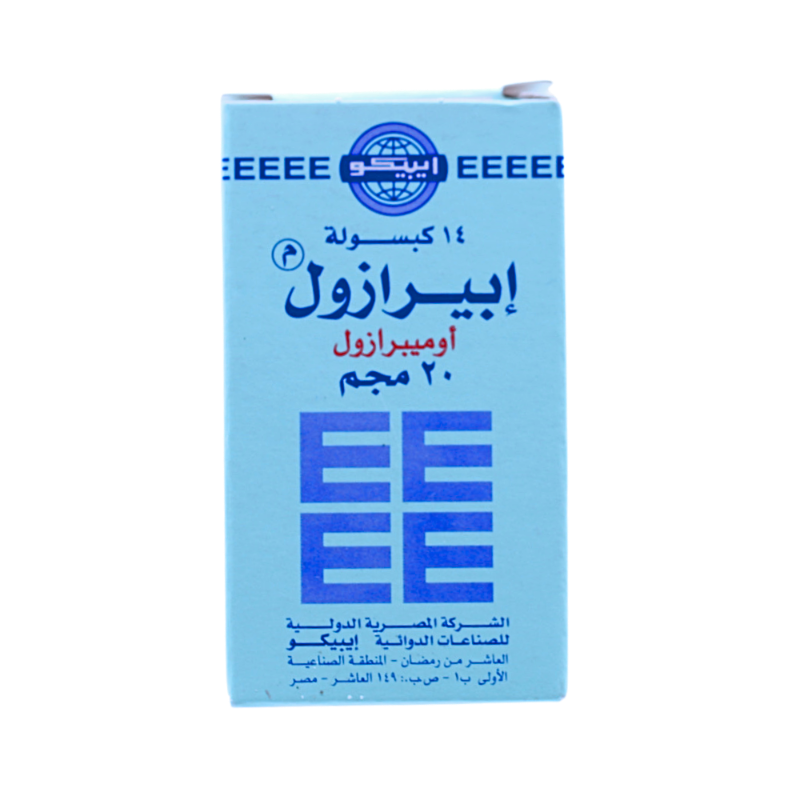
Medications > Gastrointestinal Medications
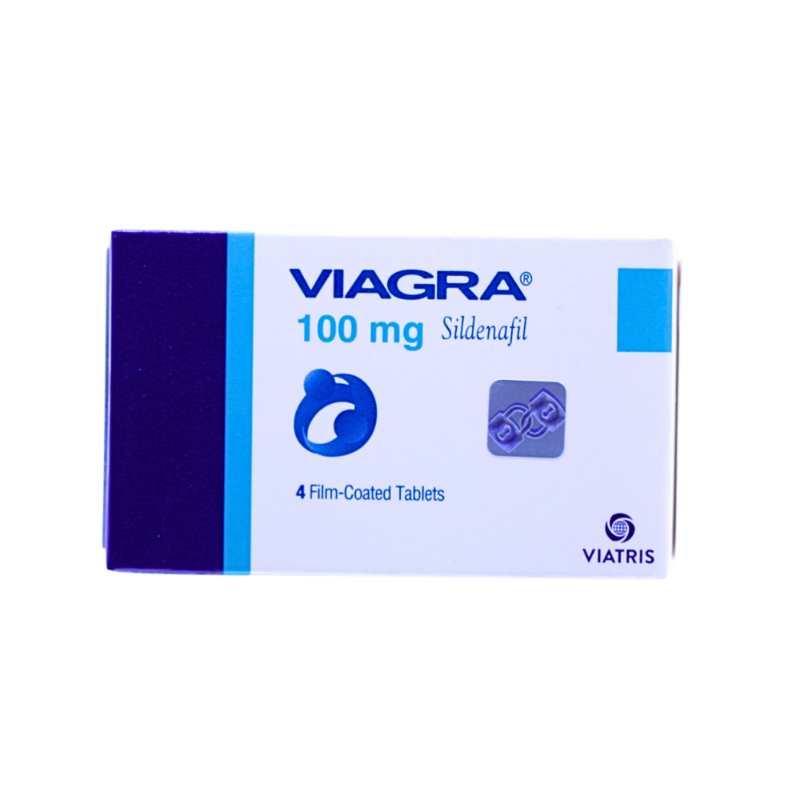
Medications > Sexual Health
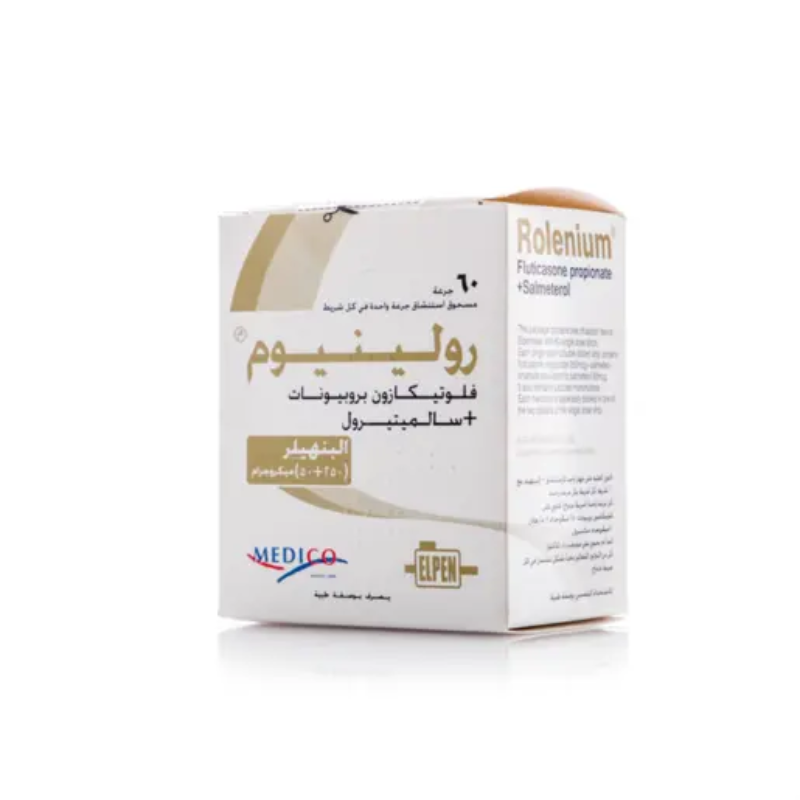
Medications > Cold, Cough, and Allergy Medications
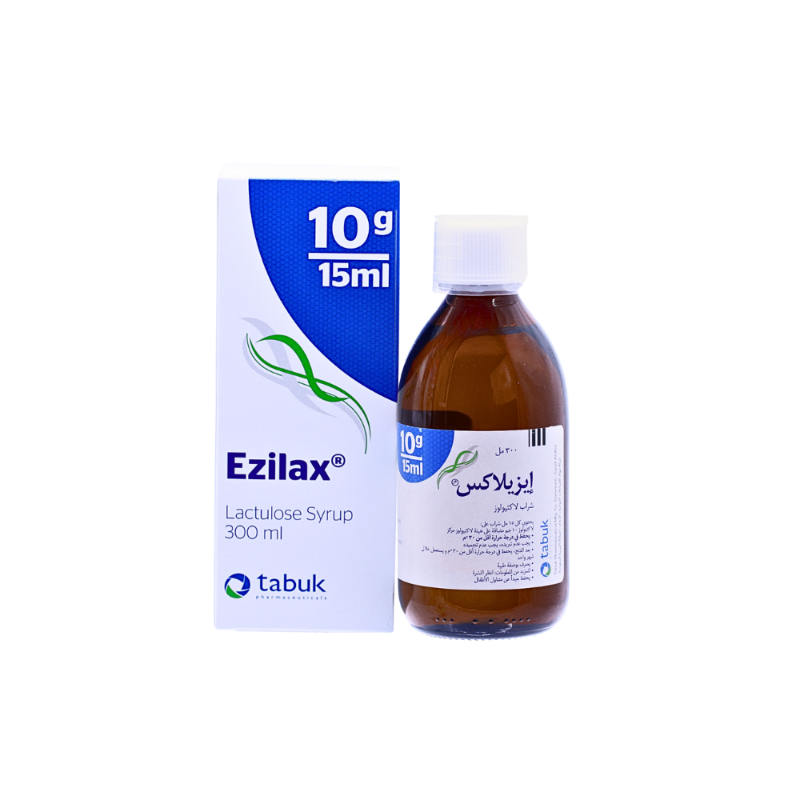
Medications > Gastrointestinal Medications
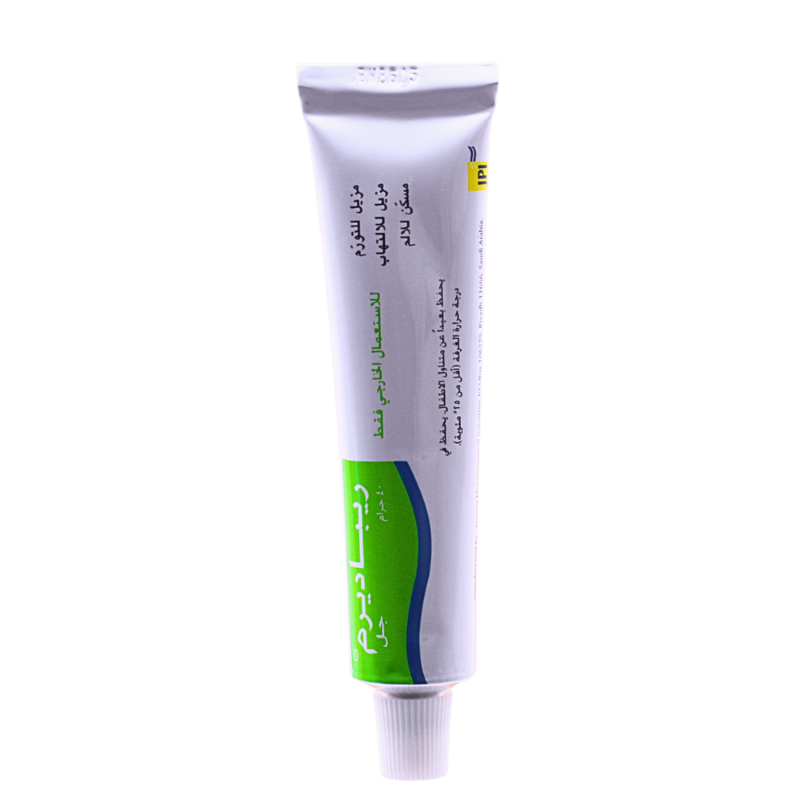
Medications > Painkillers and Antipyretics
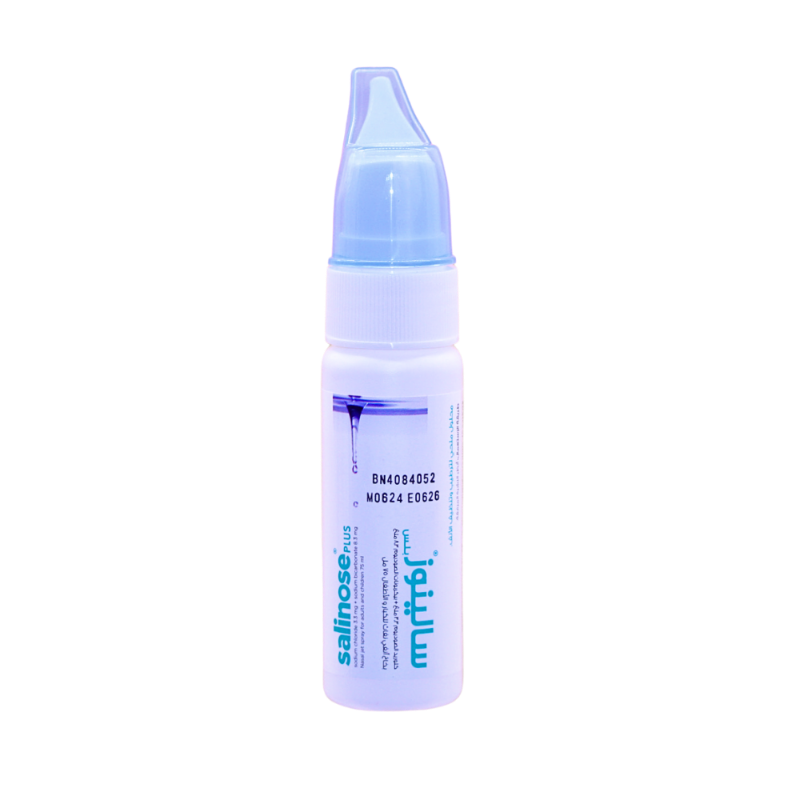
Medications > Cold, Cough, and Allergy Medications
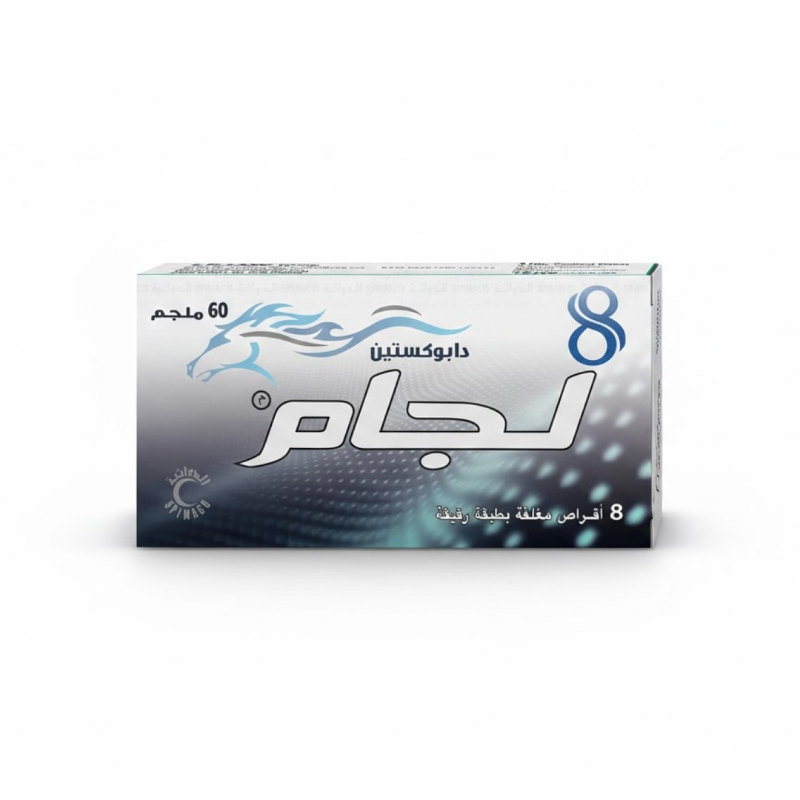
Medications > Sexual Health
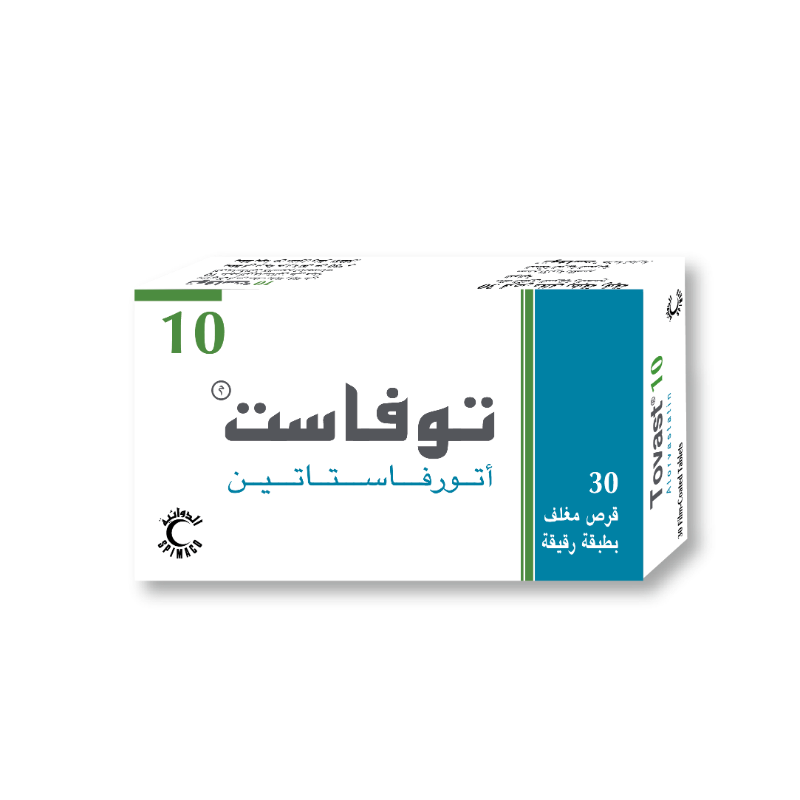
Medications > Cholesterol Medications
