
Use Code: ND30 And Get 30% OFF | Get Free Delivery With No Minimum Order
-1744229570.gif "Almujtama Pharmacy logo")




Frequently bought together
Vitamins & Supplements > Natural Supplements

Vitamins & Supplements > Natural Supplements
Vitamins & Supplements > Probiotecs
Vitamins & Supplements > Probiotecs
Vitamins & Supplements > Probiotecs
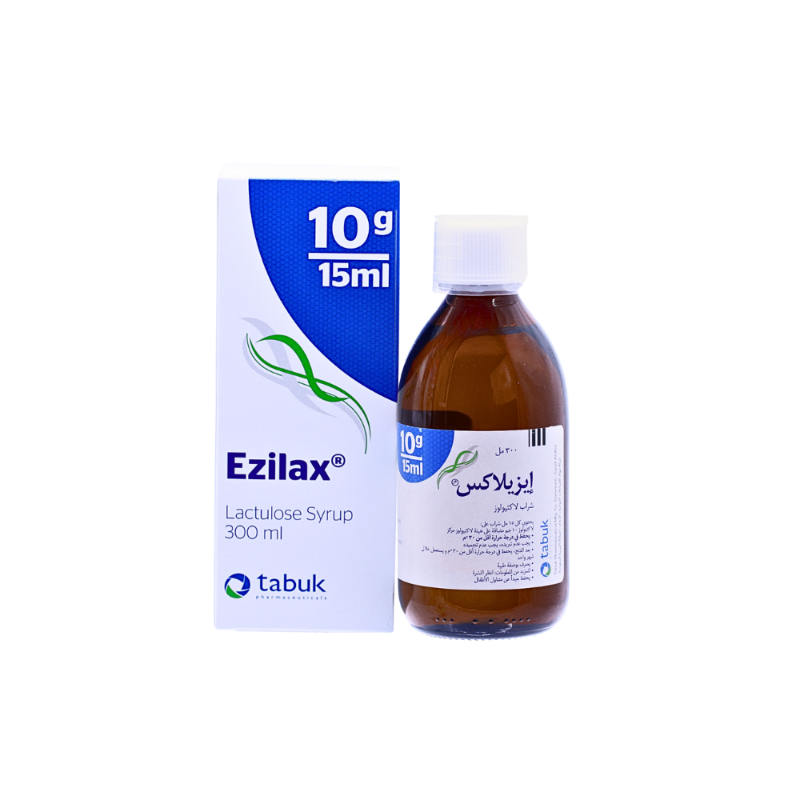
EZILAX 10/G/15/ML SYRUP 300ML
- Sku : I-002063
Key features
EZILAX 10/G/15/ML Syrup 300 mL is a syrup formulation containing the active ingredient lactulose 0.67 g/mL. As a non‑absorbable synthetic disaccharide, it is metabolized by colonic bacteria to organic acids that increase osmotic water retention and stimulate peristalsis, while the lowered colonic pH traps ammonia as ammonium and reduces intestinal ammonia absorption. It is indicated for the relief of constipation and for the prevention and treatment of portal‑systemic (hepatic) encephalopathy. Available over‑the‑counter in a 300 mL syrup pack.- Brand: EZILAX
- Active Ingredient: LACTULOSE 0.67g/ml
- Strength: 0.67g/ml
- Dosage Form: Syrup
- Pack Size: 300 ml
- Route: Oral use
- Prescription Status: OTC
- Therapeutic Class: Gastrointestinal
- Pharmacological Group: Laxatives
- Drug Class: Osmotic laxative (non-absorbable synthetic disaccharide); in hepatic encephalopathy it also functions as an ammonia-lowering agent (reduces intestinal ammonia absorption).
- Manufacturer: TABUK PHARMACEUTICAL MANUFACTURING CO.
- Country of Origin: Saudi Arabia
- SFDA Registration No.: 1501256657
- Shelf Life: 36 months
- Storage: Store below 30°C, Do not Refrigerator or Freeze.
- Gi Condition: Constipation
Frequently bought together
Vitamins & Supplements > Natural Supplements
Vitamins & Supplements > Natural Supplements
Vitamins & Supplements > Probiotecs
Vitamins & Supplements > Probiotecs
Vitamins & Supplements > Probiotecs
Indications
Approved Uses
Constipation, Prevention and treatment of portal-systemic encephalopathy (hepatic encephalopathy).
Off-Label Uses
Minimal hepatic encephalopathy (some guidelines/clinical practice), constipation in special populations (e.g., opioid-associated constipation as an alternative when other agents unsuitable), and as an adjunct in bowel regimen protocols (institution-specific).
Dosage & Administration
Dosing by Condition
Constipation (Adults): 15-30 mL once daily (or divided), adjust as needed; usual range 15-45 mL/day; may increase up to 60 mL/day if required and tolerated.
Hepatic Encephalopathy (Adults): 30-45 mL orally 3-4 times daily, titrate to 2-3 soft stools/day.
Hepatic Encephalopathy (Rectal, when oral not feasible): 300 mL lactulose mixed with 700 mL water or normal saline as a retention enema for 30-60 minutes; may repeat every 4-6 hours as needed.
Initial Dose
15ml (10g) once daily for constipation in adults
Maintenance Dose
15-30ml (10-20g) once daily, adjusted to achieve 1-2 soft stools per day
Maximum Dose
60ml (40g) per day for constipation; up to 180ml/day in divided doses for hepatic encephalopathy under medical supervision
Children's Dosage
Infants (under 1 year): 2.5ml twice daily. Children 1-5 years: 5ml twice daily. Children 6-12 years: 10ml twice daily. Adolescents 12-18 years: 15ml once or twice daily. All doses adjusted to achieve 1-2 soft stools per day.
Dose Adjustment Notes
Titrate to clinical response and reduce if diarrhea/abdominal cramping occurs; constipation: aim for 1-2 soft stools/day; hepatic encephalopathy: aim for 2-3 soft stools/day; use the lowest effective dose and monitor for dehydration/electrolyte disturbances with higher or prolonged dosing.
How to Take
Oral use: measure the dose with a calibrated measuring cup/spoon or oral syringe; may be taken with or without food and may be taken undiluted or mixed with water, juice, or milk to improve taste; may be given once daily or in 2 divided doses; maintain adequate fluid intake; if multiple daily doses are used, space them evenly.
Side Effects
Common Side Effects
Flatulence, bloating, abdominal cramps, nausea, diarrhea (dose-dependent), belching
Side Effect Frequency
Very common (>10%): flatulence (and other GI discomfort such as bloating/abdominal distension). Common (1-10%): abdominal pain/cramps, nausea, diarrhea (dose-related). Uncommon/rare: vomiting; dehydration and electrolyte disturbances (e.g., hypokalemia/hypernatremia) mainly with excessive/prolonged diarrhea or high doses.
Safety & Warnings
Contraindications
Contraindicated in: galactosemia/need for a low-galactose diet; intestinal obstruction/ileus; hypersensitivity to lactulose or excipients.
Warnings & Precautions
Use with caution in diabetes and in patients requiring low-galactose/low-lactose intake (contains sugars); avoid use if intestinal obstruction is suspected; ensure adequate fluid intake; monitor electrolytes with prolonged/high-dose use or in elderly/debilitated patients; prolonged use without medical supervision is not recommended.
Age Restriction
No specific age restriction; can be used in adults and children, but use in infants/young children should be under medical supervision (and generally any pediatric use should follow clinician-directed dosing).
Driving Warning
Safe
Drug Interactions
Drug Interactions
Key interactions/considerations: other laxatives (additive diarrhea/electrolyte loss); non-absorbable antacids may reduce colonic acidification and lessen effect in hepatic encephalopathy; non-absorbable antibiotics (e.g., neomycin/rifaximin) may reduce effect by altering colonic flora; diarrhea/accelerated transit can reduce absorption of concomitant oral drugs (notably narrow therapeutic index agents).
Interaction Severity
MODERATE: Broad-spectrum or non-absorbable antibiotics (e.g., neomycin, rifaximin) may reduce lactulose metabolism/acidification and can reduce efficacy (especially for hepatic encephalopathy). MINOR: Antacids may blunt colonic acidification. MINOR: Other laxatives can increase diarrhea/dehydration risk and complicate titration.
Food Interaction
No clinically significant food restrictions; may be taken with or without food and may be mixed with water, juice, or milk to improve palatability.
Alcohol Interaction
Safe
Special Populations
Pregnancy
Safe
Breastfeeding
Safe
Children
Infants (under 1 year): 2.5ml twice daily. Children 1-5 years: 5ml twice daily. Children 6-12 years: 10ml twice daily. Adolescents 12-18 years: 15ml once or twice daily. All doses adjusted to achieve 1-2 soft stools per day.
Elderly
Start at lower end of dose range (10-15ml once daily); monitor for dehydration and electrolyte imbalance; ensure adequate fluid intake
Kidney Impairment
No renal dose adjustment needed.
Liver Impairment
No hepatic dose adjustment required; in hepatic encephalopathy the dose is titrated to clinical response (target 2-3 soft stools/day).
Storage & Patient Advice
Storage Conditions
Store below 30°C. Do not refrigerate or freeze.
Missed Dose
Take the missed dose as soon as remembered; if it is close to the next scheduled dose, skip the missed dose and resume the regular schedule; do not double doses.
Stopping the Medicine
Can be stopped without tapering; for hepatic encephalopathy, discontinuation or major dose changes should be clinician-directed because dosing is titrated to 2-3 soft stools/day.
Overdose
Overdose/toxicity: profuse diarrhea, abdominal cramping, dehydration and electrolyte disturbances (e.g., hypokalemia, hypernatremia/hyponatremia); management is to stop/reduce lactulose and provide fluid/electrolyte replacement and supportive care, with medical evaluation if severe.
Patient Counseling
Take by mouth as directed (often once daily; may be divided). It may take 24-48 hours to work. Drink adequate fluids. You may mix the syrup with water or fruit juice to improve taste. Gas/bloating/cramps can occur at the start; reduce dose if troublesome. Do not exceed the recommended dose-stop/seek advice if severe or persistent diarrhea occurs (risk of dehydration/electrolyte imbalance). If you have diabetes, note it contains sugars. Seek medical advice before use if you have severe abdominal pain, nausea/vomiting, or suspected bowel obstruction. Storage: store below 30°C; do not refrigerate or freeze (per SFDA).
Monitoring Requirements
Monitor stool frequency/consistency and symptoms of dehydration; with prolonged use, high doses, elderly, renal impairment, or hepatic encephalopathy therapy, monitor serum electrolytes (especially potassium, sodium, bicarbonate) periodically; in hepatic encephalopathy also monitor mental status/clinical response (ammonia levels may be followed but are not required for routine titration).
Pharmacology
Mechanism of Action
Non-absorbable synthetic disaccharide that reaches the colon where bacteria metabolize it to organic acids, increasing osmotic water retention and stimulating peristalsis; the lowered colonic pH traps ammonia as ammonium and reduces ammonia absorption (benefit in hepatic encephalopathy).
Onset of Action
Constipation: typically 24-48 hours (may take up to 72 hours in some patients). Hepatic encephalopathy: clinical improvement may begin within hours to 1-2 days depending on severity and achieving target stools.
Duration of Effect
With continued dosing, effect is maintained; after stopping, bowel pattern typically returns toward baseline within ~1-2 days (variable).
Half-Life
Not clinically applicable/meaningful because systemic absorption is minimal and the effect is local in the colon.
Bioavailability
Oral systemic absorption is negligible; typically <3%.
Metabolism
Not metabolized by human enzymes; metabolized by colonic bacteria into short-chain organic acids (lactic acid, acetic acid, formic acid, CO2)
Excretion
Mostly excreted in feces after colonic bacterial metabolism; the small absorbed fraction is excreted unchanged in urine (generally within ~24 hours).
Protein Binding
Not applicable/unknown clinically due to negligible systemic absorption.
Product Information
Available Dosage Forms
For this product (EZILAX): Oral syrup (oral solution). In general lactulose is also available as oral solution/syrup and as rectal solution/enema for hepatic encephalopathy; some markets have oral packets, but that is product-specific and not implied for EZILAX.
Composition per Dose
Each 15ml: 10g lactulose (as lactulose solution 0.67g/ml)
Generic Availability
Yes
OTC Alternatives
Polyethylene glycol (macrogol/PEG), bisacodyl, senna, glycerin suppositories, and bulk-forming fiber (psyllium/ispaghula); docusate has limited efficacy but is sometimes used.
Gi Condition
Constipation
Reviewed by Al Mujtama Pharmacy Medical Review Team. Last reviewed 10-08-2026
Similar Products
Medications > Dermatology Medications
Medications > Painkillers and Antipyretics
Medications > Dermatology Medications
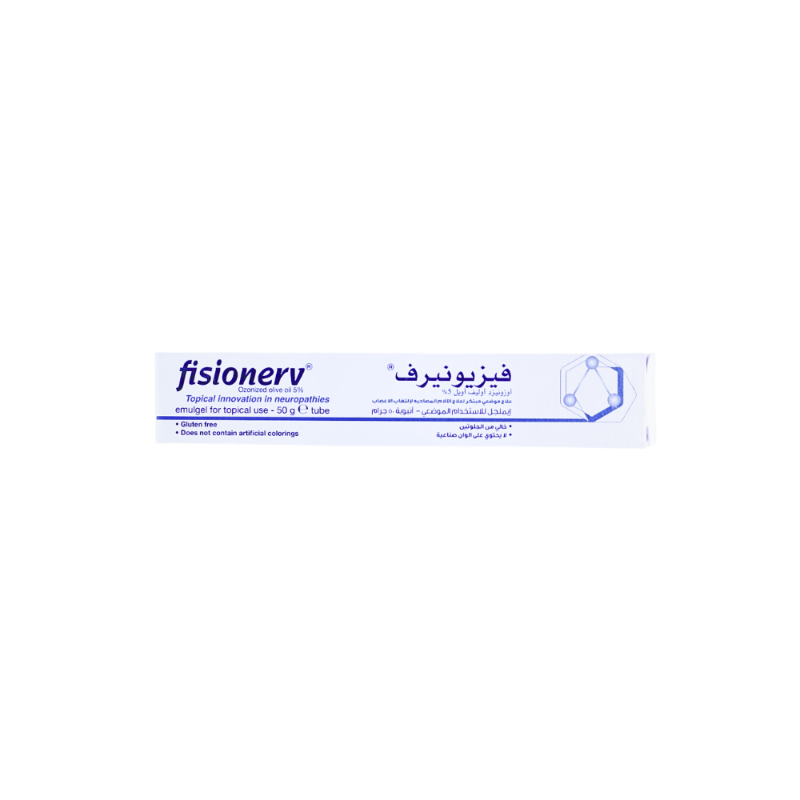
Medications > Painkillers and Antipyretics
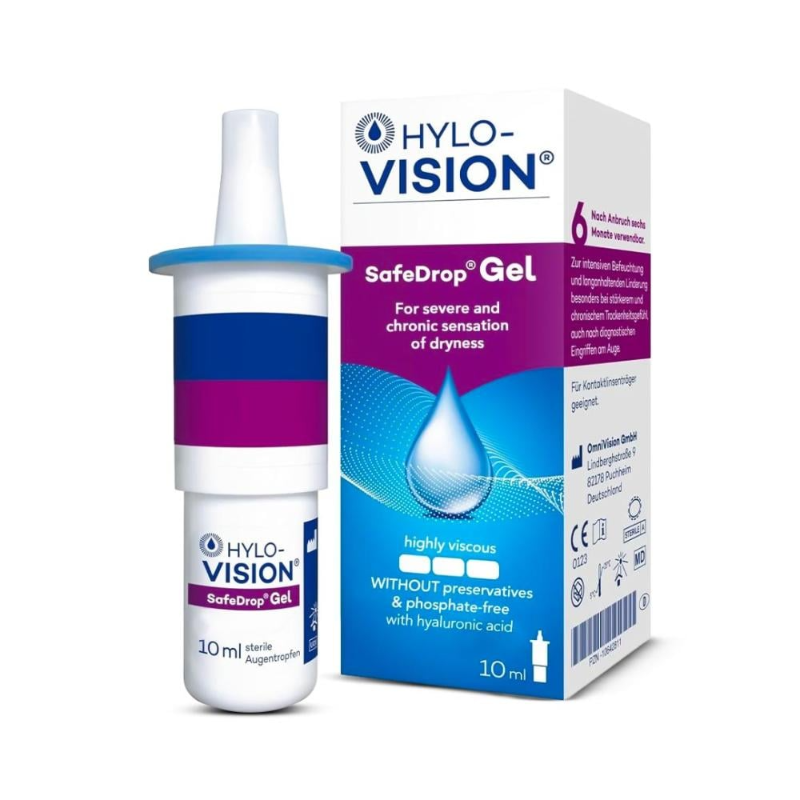
Medications > Eye and Ear Medications
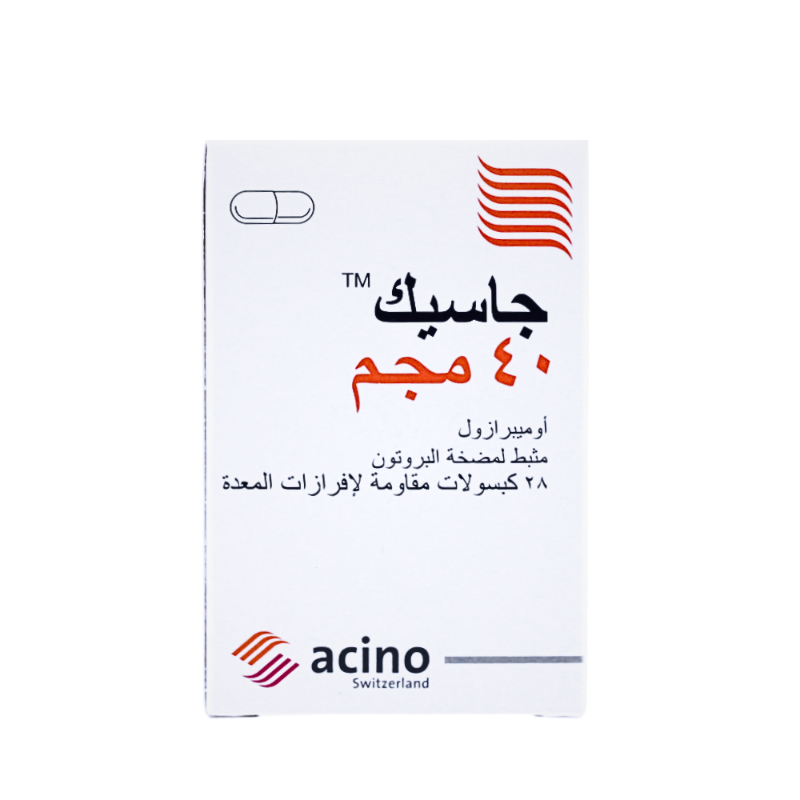
Medications > Gastrointestinal Medications
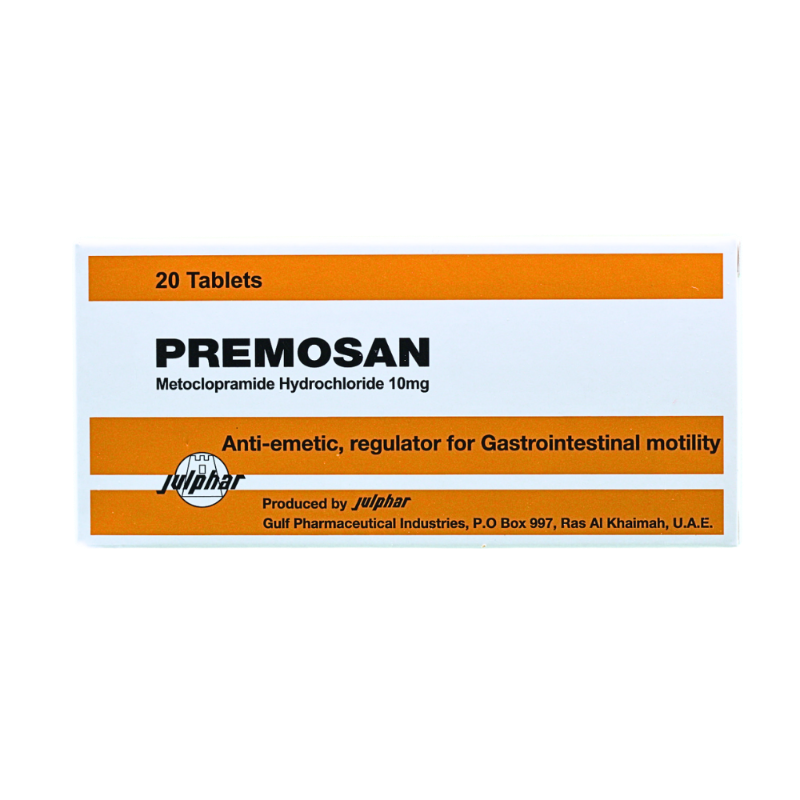
Medications > Gastrointestinal Medications
Medications > Diabetes Medications
Medications > Cold, Cough, and Allergy Medications
Medications > Dermatology Medications
