
Use Code: ND30 And Get 30% OFF | Get Free Delivery With No Minimum Order
-1744229570.gif "Almujtama Pharmacy logo")
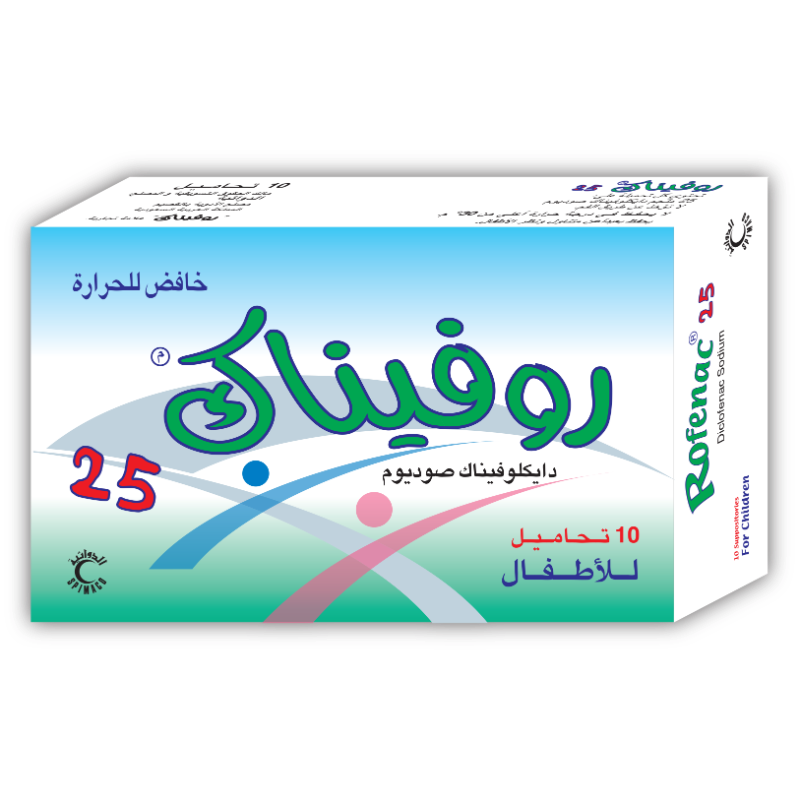




Frequently bought together
Health Care & Wellness > Medical Supplies
Health Care & Wellness > Medical Supplies
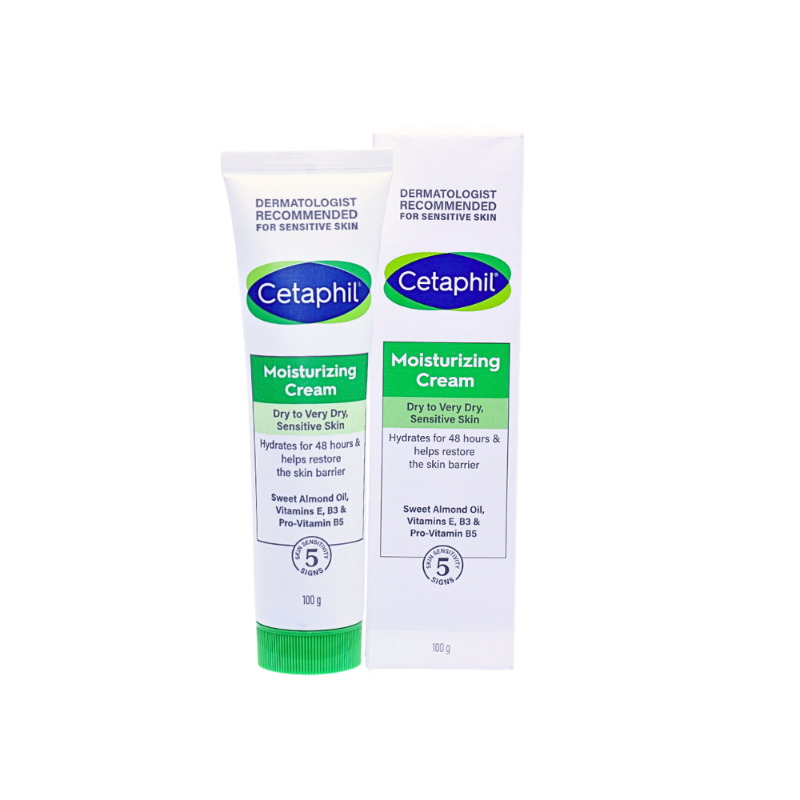
Skin And Body Care > Moisturizers
Skin And Body Care > Moisturizers
Vitamins & Supplements > Vitamins and Minerals
ROFENAC 25/MG SUPP FOR CHILDREN 10/SUPP
- Sku : I-005623
Key features
ROFENAC 25 mg suppositories for children contain the active ingredient diclofenac sodium (25 mg per suppository). It is a nonsteroidal anti-inflammatory drug that inhibits cyclooxygenase (COX‑1 and COX‑2), reducing prostaglandin synthesis to decrease inflammation, pain and fever. It is indicated for the symptomatic short-term treatment of pain and inflammation and as an antipyretic where rectal diclofenac is clinically appropriate in pediatric patients. Available by prescription in packs of 10 suppositories.- Brand: ROFENAC
- Active Ingredient: DICLOFENAC SODIUM 25mg
- Strength: 25mg
- Dosage Form: Suppository
- Pack Size: 10 Suppositories
- Route: Rectal use
- Prescription Status: Prescription
- Therapeutic Class: Analgesic
- Pharmacological Group: Acetic Acid Derivatives (NSAIDs)
- Drug Class: Nonsteroidal anti-inflammatory drug (NSAID), non-selective COX inhibitor; acetic acid (phenylacetic acid) derivative.
- Manufacturer: SPIMACO
- Country of Origin: Saudi Arabia
- SFDA Registration No.: 1008257972
- Shelf Life: 24 months
- Storage: store below 25°c
- Pain Type: General/Muscular/Joint
- Nsaid: Yes
- Opioid: No
Frequently bought together
Health Care & Wellness > Medical Supplies
Health Care & Wellness > Medical Supplies
Skin And Body Care > Moisturizers
Skin And Body Care > Moisturizers
Vitamins & Supplements > Vitamins and Minerals
Indications
Approved Uses
Symptomatic short-term treatment of pain and inflammation and as an antipyretic (fever) where rectal diclofenac is clinically appropriate; specific adult chronic arthritis indications (e.g., OA/RA/AS), dysmenorrhea, and migraine are not assumed for this pediatric 25 mg suppository without the local label.
Off-Label Uses
Off-label examples: acute renal colic analgesia; closure of patent ductus arteriosus (PDA) in neonates (diclofenac is not standard-ibuprofen/indomethacin are preferred); juvenile idiopathic arthritis is generally managed with other NSAIDs and specialist-directed regimens rather than rectal diclofenac.
Dosage & Administration
Dosing by Condition
Children (typically 1-12 years) for pain/fever: 0.5-1 mg/kg per dose rectally every 8-12 hours as needed; usual maximum 3 mg/kg/day (do not exceed adult maximums).
Initial Dose
0.5-1mg/kg per dose rectally
Maintenance Dose
0.5-1mg/kg every 8 hours as needed
Maximum Dose
Children (rectal): Max 3 mg/kg/day (as diclofenac sodium) in 2-3 divided doses; do not exceed 150 mg/day.
Children's Dosage
Children 1-12 years: 0.5-1mg/kg/dose rectally every 8 hours; maximum 3mg/kg/day. The 25mg suppository is appropriate for children approximately 15-25kg
Dose Adjustment Notes
Use the lowest effective dose for the shortest duration; avoid in severe renal impairment/advanced renal disease and use caution in hepatic impairment (consider dose reduction/monitoring); avoid in significant dehydration; pediatric use is generally for children ≥1 year (per many rectal diclofenac labels) and dosing should be weight-based.
How to Take
For rectal use only: remove from blister/unwrap, if soft chill briefly, place child on side with knees flexed, gently insert the suppository into the rectum (preferably pointed end first) until past the sphincter, then keep the child lying for a few minutes to reduce expulsion; wash hands before/after.
Side Effects
Common Side Effects
Common: gastrointestinal upset (abdominal pain, nausea, dyspepsia, diarrhea or constipation), headache/dizziness; rectal irritation/discomfort can occur with suppositories.
Side Effect Frequency
Common: GI symptoms (abdominal pain, nausea, dyspepsia, diarrhea/constipation), headache/dizziness; with rectal use, local rectal irritation can occur. Uncommon: rash/urticaria, vomiting, elevated liver enzymes, edema/fluid retention. Rare/serious: peptic ulcer/GI bleeding or perforation, severe skin reactions (e.g., SJS/TEN), anaphylaxis/bronchospasm, hepatitis, renal impairment, and thrombotic cardiovascular events.
Safety & Warnings
Contraindications
Hypersensitivity to diclofenac/other NSAIDs; history of NSAID/aspirin-induced asthma/urticaria/anaphylactoid reactions; active GI ulcer or bleeding; severe hepatic impairment; severe renal impairment/advanced renal disease; severe heart failure; peri-operative pain in CABG surgery; third trimester of pregnancy; proctitis/rectal inflammation (for rectal dosage forms).
Warnings & Precautions
Use the lowest effective dose for the shortest duration; assess CV risk (MI/stroke) and avoid in established significant CV disease when possible; monitor/avoid in heart failure, hypertension, and fluid retention; high GI risk-consider gastroprotection in high-risk patients and avoid with active ulcer/bleed; monitor renal function in at-risk patients (elderly, dehydration, CKD, ACEi/ARB+diuretic); monitor liver enzymes with prolonged use; discontinue for rash/hypersensitivity; NSAIDs may mask fever/inflammation; avoid rectal use in proctitis/rectal inflammation.
Age Restriction
Not recommended in children <6 months; used in children ≥6 months.
Drug Interactions
Drug Interactions
Clinically significant interactions include: anticoagulants (e.g., warfarin), antiplatelets (e.g., clopidogrel), other NSAIDs/aspirin, SSRIs/SNRIs (↑ bleeding); ACE inhibitors/ARBs and diuretics (↓ antihypertensive/diuretic effect, ↑ renal risk-“triple whammy”); lithium (↑ levels); methotrexate (↑ toxicity); cyclosporine/tacrolimus (↑ nephrotoxicity); digoxin (↑ levels); systemic corticosteroids (↑ GI bleeding).
Food Interaction
No restriction
Special Populations
Children
Children 1-12 years: 0.5-1mg/kg/dose rectally every 8 hours; maximum 3mg/kg/day. The 25mg suppository is appropriate for children approximately 15-25kg
Storage & Patient Advice
Missed Dose
If a dose is missed, administer when remembered unless it is close to the next scheduled dose; skip the missed dose if close to the next dose and do not double doses.
Stopping the Medicine
Safe to stop anytime; no tapering required for short-term use
Patient Counseling
Insert one suppository into the rectum as prescribed (preferably after a bowel movement); if soft, chill briefly before unwrapping, then insert pointed end and keep the child lying for a few minutes. Use the lowest effective dose for the shortest duration; do not exceed the prescribed dose and do not combine with other NSAIDs (e.g., ibuprofen) or aspirin unless directed. Seek urgent care for signs of GI bleeding (black/tarry stools, blood in vomit), severe allergic/skin reactions, breathing difficulty, or unusual bruising/bleeding; stop and contact the prescriber if significant rectal pain/bleeding occurs. Store below 25°C in the original blister.
Monitoring Requirements
If used beyond short-term: monitor blood pressure, renal function (SCr/eGFR), liver enzymes, and CBC; monitor for GI bleeding/ulcer symptoms and signs of fluid retention.
Pharmacology
Mechanism of Action
Inhibits cyclooxygenase (COX-1 and COX-2), reducing prostaglandin synthesis and thereby decreasing inflammation, pain, and fever.
Onset of Action
30-60 minutes
Duration of Effect
Approximately 6-8 hours (typical dosing interval every 8-12 hours depending on clinical need and tolerability).
Half-Life
Terminal plasma half-life is about 1-2 hours (often cited ~2 hours).
Bioavailability
Rectal diclofenac has variable systemic bioavailability, typically about 50-60% relative to parenteral dosing (and similar order of magnitude to oral, which is ~50-60% due to first-pass metabolism).
Excretion
Excretion is mainly as metabolites: ~60-70% in urine and ~30-40% via bile/feces; unchanged diclofenac is minimal.
Protein Binding
>99%, primarily to albumin.
Product Information
Available Dosage Forms
For this product: suppository (rectal) only.
Composition per Dose
Each suppository: 25mg diclofenac sodium
Generic Availability
Yes
OTC Alternatives
For children: paracetamol (acetaminophen) is the preferred OTC alternative for fever/mild pain; ibuprofen may be an OTC alternative where age/weight-appropriate and not contraindicated; naproxen and topical diclofenac are generally not appropriate substitutes for a pediatric rectal product without clinician advice.
Pain Type
General/Muscular/Joint
Nsaid
Yes
Opioid
No
Reviewed by Al Mujtama Pharmacy Medical Review Team. Last reviewed 17-08-2026
Similar Products
Medications > Eye and Ear Medications
Medications > Dermatology Medications
Medications > Painkillers and Antipyretics
Medications > Sexual Health
Medications > Diabetes Medications

Medications > Painkillers and Antipyretics
Medications > Dermatology Medications
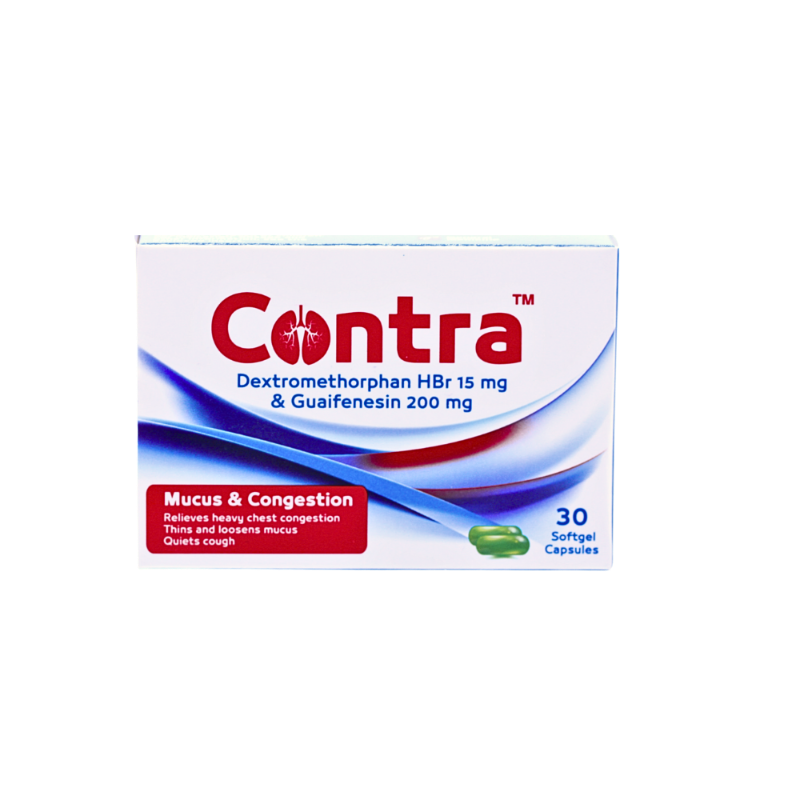
Medications > Cold, Cough, and Allergy Medications

Medications > Urology Medications

Medications > Painkillers and Antipyretics
