
Use Code: WF26 And Get 30% OFF, T&C Applay | Get Free Delivery With No Minimum Order
-1744229570.gif "Almujtama Pharmacy logo")




Frequently bought together

Oral & Dental Care > Throat & Oral Care
Vitamins & Supplements > Vitamins and Minerals
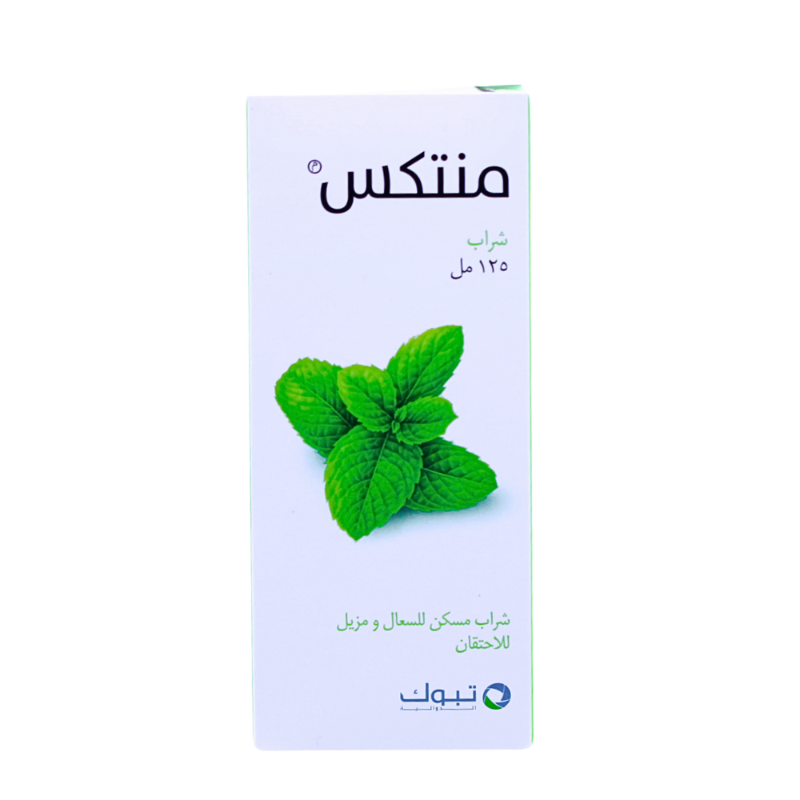
MENTEX SYRUP 125ML
- Sku : I-003806
Key features
MENTEX Syrup 125 ml is a combination syrup containing diphenhydramine hydrochloride 2.5 mg/ml, dextromethorphan hydrobromide 3 mg/ml and pseudoephedrine hydrochloride 6 mg/ml. Diphenhydramine provides H1 antihistamine effects with anticholinergic and sedative properties, dextromethorphan acts centrally to suppress the cough reflex, and pseudoephedrine produces nasal mucosal vasoconstriction to reduce congestion. It is indicated for symptomatic relief of cough and upper respiratory allergy or cold symptoms including nasal congestion, rhinorrhea, sneezing and itchy, watery eyes. Available as a 125 ml syrup, prescription only.- Brand: MENTEX
- Active Ingredient: DIPHENHYDRAMINE HYDROCHLORIDE 2.50mg/ml, DEXTROMETHORPHAN HYDROBROMIDE 3mg/ml, PSEUDOEPHEDRINE HYDROCHLORIDE 6mg/ml
- Strength: 2.50,3,6mg/ml
- Dosage Form: Syrup
- Pack Size: 125 ml
- Route: Oral use
- Prescription Status: Prescription
- Therapeutic Class: Antiallergic
- Pharmacological Group: Antihistamines
- Drug Class: Combination product: first-generation H1 antihistamine (diphenhydramine) + centrally acting non-opioid antitussive (dextromethorphan) + sympathomimetic nasal decongestant (pseudoephedrine).
- Manufacturer: TABUK PHARMACEUTICAL MANUFACTURING CO.
- Country of Origin: Saudi Arabia
- SFDA Registration No.: 2008245785
- Shelf Life: 36 months
- Storage: store below 25°c
- Symptom Target: Multi-symptom
- Sedating: Yes
Frequently bought together
Oral & Dental Care > Throat & Oral Care
Vitamins & Supplements > Vitamins and Minerals
Indications
Approved Uses
Symptomatic relief of cough and upper respiratory allergy/cold symptoms including nasal congestion, rhinorrhea, sneezing and watery/itchy eyes (e.g., common cold and allergic rhinitis/hay fever).
Off-Label Uses
No appropriate off-label uses are recommended for this combination product; diphenhydramine alone is sometimes used for short-term insomnia or motion sickness, but the presence of pseudoephedrine and dextromethorphan makes this combination unsuitable for those purposes.
Dosage & Administration
Dose Adjustment Notes
Use caution in older adults (greater anticholinergic/CNS sensitivity) and consider lower doses/avoidance; use caution in significant hepatic impairment (diphenhydramine/dextromethorphan metabolism) and in renal impairment (pseudoephedrine renal elimination), with dose/interval adjustment as clinically needed.
How to Take
Shake well before use. Measure each dose with a calibrated measuring device (oral syringe or medicine cup/spoon supplied). May be taken with or without food; take with food if stomach upset occurs. Do not exceed the prescribed dose/frequency.
Side Effects
Common Side Effects
Drowsiness/sedation, dizziness, dry mouth/nose/throat, blurred vision, nausea, constipation, urinary retention (especially in BPH), nervousness/restlessness/insomnia, headache; may increase heart rate and blood pressure and cause palpitations.
Side Effect Frequency
Common/very common: drowsiness/sedation, dizziness, dry mouth/throat, blurred vision, nausea/GI upset. Common (pseudoephedrine-related): nervousness/restlessness/insomnia, palpitations/tachycardia. Less common/rare: urinary retention (especially in BPH), hypertension, rash; paradoxical CNS excitation in children; hallucinations mainly with supratherapeutic dextromethorphan exposure.
Safety & Warnings
Contraindications
Hypersensitivity to components; concomitant use of MAO inhibitors or within 14 days; severe hypertension or severe coronary artery disease; narrow-angle glaucoma; urinary retention/prostatic hypertrophy; use in neonates/premature infants; avoid with other sympathomimetics/duplicate decongestants.
Warnings & Precautions
Avoid use with MAO inhibitors or within 14 days; caution in hypertension/cardiovascular disease, hyperthyroidism, diabetes, glaucoma, prostatic hypertrophy/urinary retention, and chronic respiratory disease; may cause sedation-avoid driving/alcohol/CNS depressants; avoid duplicate therapy with other antihistamines, decongestants, or cough suppressants; misuse/abuse risk with dextromethorphan at high doses.
Age Restriction
Not recommended in children under 6 years of age (and contraindicated under 2 years).
Drug Interactions
Drug Interactions
MAO inhibitors (contraindicated; hypertensive crisis/serotonin toxicity risk); alcohol and other CNS depressants (additive sedation/respiratory depression); other sympathomimetics/decongestants (additive cardiovascular/CNS stimulation); serotonergic drugs and CYP2D6 inhibitors (↑ dextromethorphan exposure/serotonin syndrome risk); anticholinergics/TCAs (additive anticholinergic effects); antihypertensives (pseudoephedrine may blunt effect).
Interaction Severity
MAJOR/Contraindicated: MAO inhibitors within 14 days (risk of hypertensive crisis from pseudoephedrine and potential serotonin syndrome/toxicity with dextromethorphan). MODERATE: Alcohol/other CNS depressants (additive sedation), other sympathomimetics/decongestants (additive BP/HR effects), serotonergic drugs or strong CYP2D6 inhibitors (e.g., fluoxetine/paroxetine/quinidine) increasing dextromethorphan exposure and serotonin syndrome risk, tricyclics/anticholinergics (additive anticholinergic effects).
Food Interaction
No restriction
Special Populations
Kidney Impairment
Use with caution; consider dose reduction or extended interval in moderate-to-severe renal impairment.
Storage & Patient Advice
Missed Dose
Take as soon as remembered; skip if near the time of the next dose. Do not double the dose.
Stopping the Medicine
No tapering is required for short-term symptomatic use; may stop when symptoms resolve. Do not exceed recommended duration/dose; seek medical advice if symptoms persist or if used regularly for an extended period.
Overdose
Symptoms: CNS depression or agitation, anticholinergic toxicity (dry mouth, mydriasis, hyperthermia, urinary retention), tachycardia/arrhythmias, hypertension, hallucinations, seizures, and possible respiratory depression; Management: urgent medical care, activated charcoal if appropriate, supportive care (airway/ventilation, fluids), benzodiazepines for seizures/agitation, treat hyperthermia, and consider physostigmine only in severe anticholinergic delirium under expert supervision.
Patient Counseling
May cause significant drowsiness and impaired coordination-avoid driving/operating machinery. Avoid alcohol and other sedatives. Do not use with MAO inhibitors or within 14 days of stopping them. Do not take with other cough/cold/allergy products (risk of duplicate diphenhydramine/dextromethorphan/pseudoephedrine). Use caution/seek advice if you have hypertension/heart disease, hyperthyroidism, diabetes, glaucoma, or prostate enlargement/urinary retention. Measure doses with a proper device; do not exceed prescribed dosing. Seek medical advice if symptoms persist >7 days, worsen, or are accompanied by high fever, rash, or breathing difficulty.
Monitoring Requirements
No routine lab monitoring is required, but clinically monitor for sedation/CNS impairment, anticholinergic effects (urinary retention, constipation, blurred vision), and blood pressure/heart rate in patients with hypertension, cardiovascular disease, hyperthyroidism, or when combined with other sympathomimetics.
Pharmacology
Mechanism of Action
Diphenhydramine: first-generation H1 receptor inverse agonist/antagonist with anticholinergic and sedative effects. Dextromethorphan: centrally acting antitussive that suppresses the medullary cough center (sigma-1 activity and NMDA antagonism contribute). Pseudoephedrine: indirect/direct sympathomimetic stimulating mainly alpha-adrenergic receptors (and some beta activity) causing nasal mucosal vasoconstriction and decongestion.
Duration of Effect
Approximately 4-6 hours.
Half-Life
Diphenhydramine: 4-8 hours; Dextromethorphan: 2-4 hours (extensive metabolizers), 24 hours (poor metabolizers); Pseudoephedrine: 5-8 hours
Metabolism
Diphenhydramine: extensive hepatic metabolism (primarily CYP2D6-mediated N-demethylation; additional minor pathways). Dextromethorphan: extensive hepatic metabolism mainly by CYP2D6 to dextrorphan (also CYP3A4 contributes). Pseudoephedrine: minimal metabolism; minor hepatic N-demethylation, with most eliminated unchanged.
Product Information
Available Dosage Forms
Syrup
Composition per Dose
Each 5 ml: Diphenhydramine hydrochloride 12.5 mg + Dextromethorphan hydrobromide 15 mg + Pseudoephedrine hydrochloride 30 mg
Generic Availability
Yes
OTC Alternatives
In Saudi Arabia this specific product is prescription-only per verified SFDA legal status; however, depending on local regulations, single-ingredient or other cough/cold products may be available OTC-patients should confirm with a pharmacist and avoid duplicating ingredients.
Symptom Target
Multi-symptom
Sedating
Yes
Reviewed by Al Mujtama Pharmacy Medical Review Team. Last reviewed 06-05-2026
Similar Products
Medications > Diabetes Medications
Medications > Painkillers and Antipyretics
Medications > Psychiatric Medications
Medications > Gastrointestinal Medications
Medications > Hypertesion & Cardiovascular Medications
Medications > Painkillers and Antipyretics
Medications > Contraceptives and Hormonal Medications
Medications > Gastrointestinal Medications
Medications > Cold, Cough, and Allergy Medications
Medications > Hypertesion & Cardiovascular Medications
