
Use Code: ND30 And Get 30% OFF | Get Free Delivery With No Minimum Order
-1744229570.gif "Almujtama Pharmacy logo")
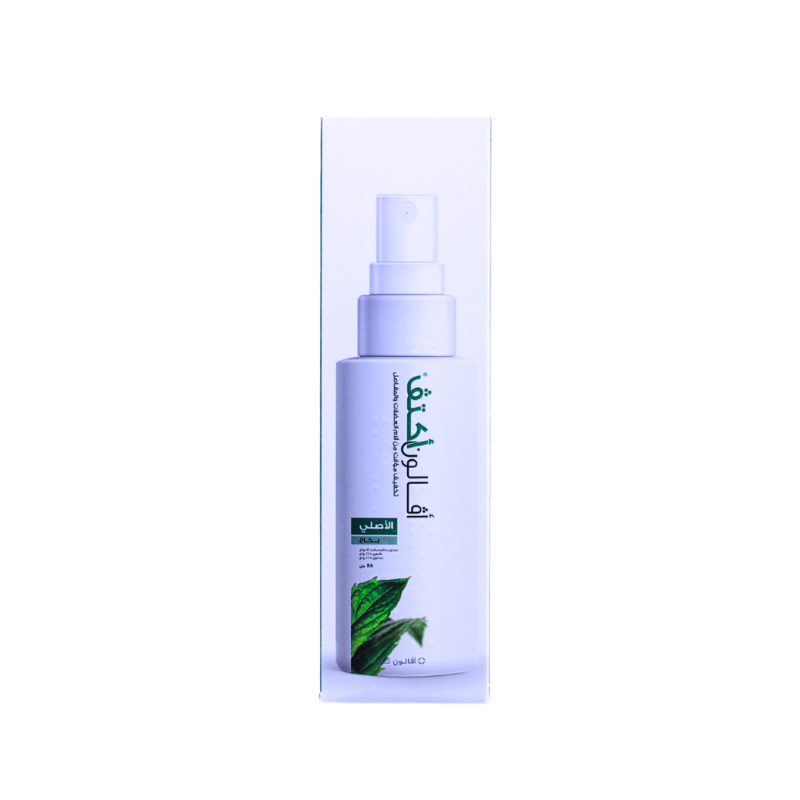




Frequently bought together
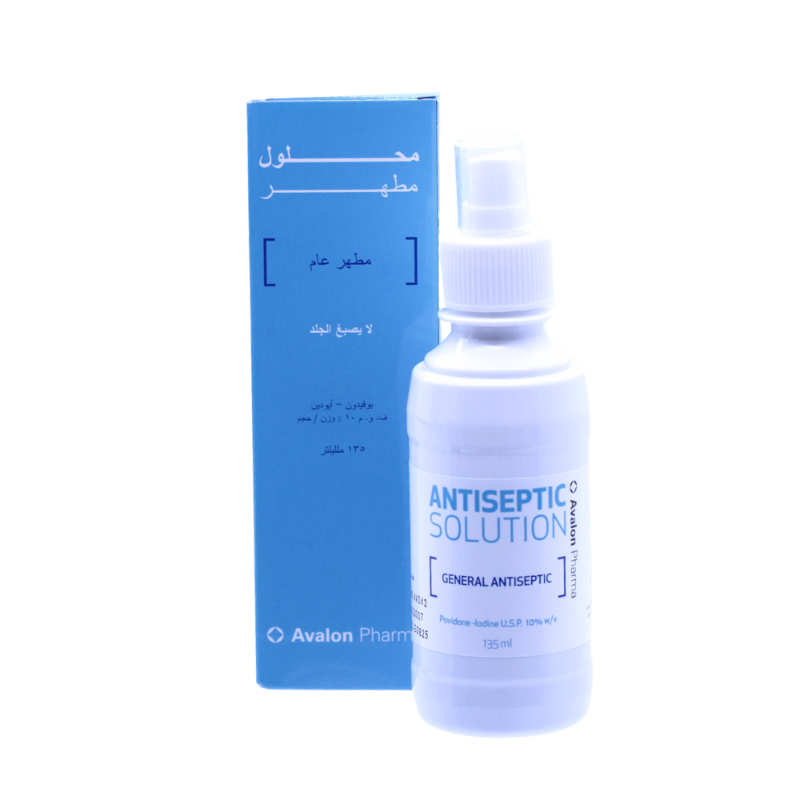
Health Care & Wellness > Medical Supplies
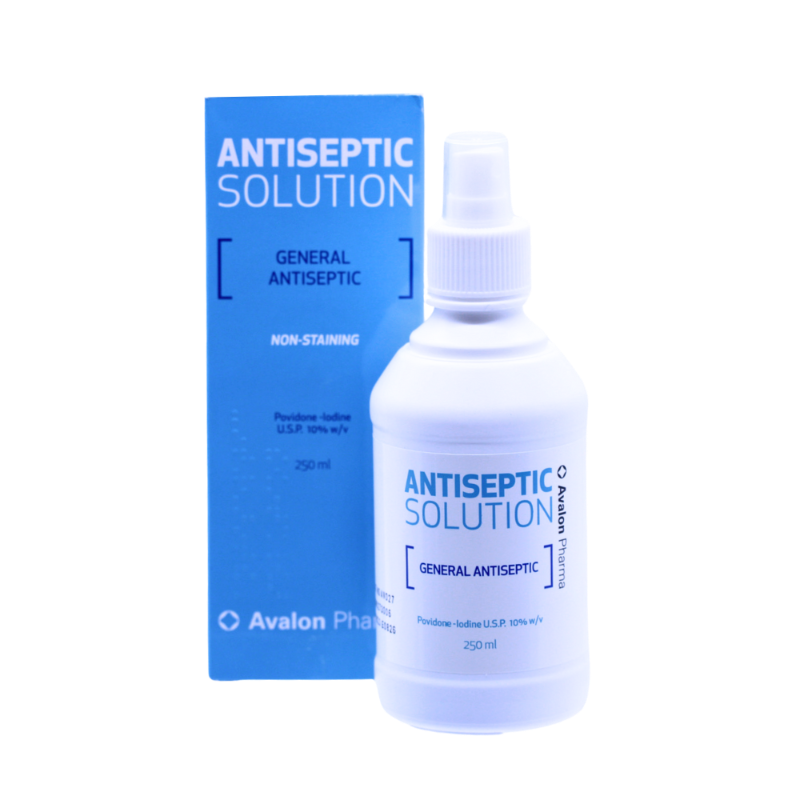
Health Care & Wellness > Medical Supplies
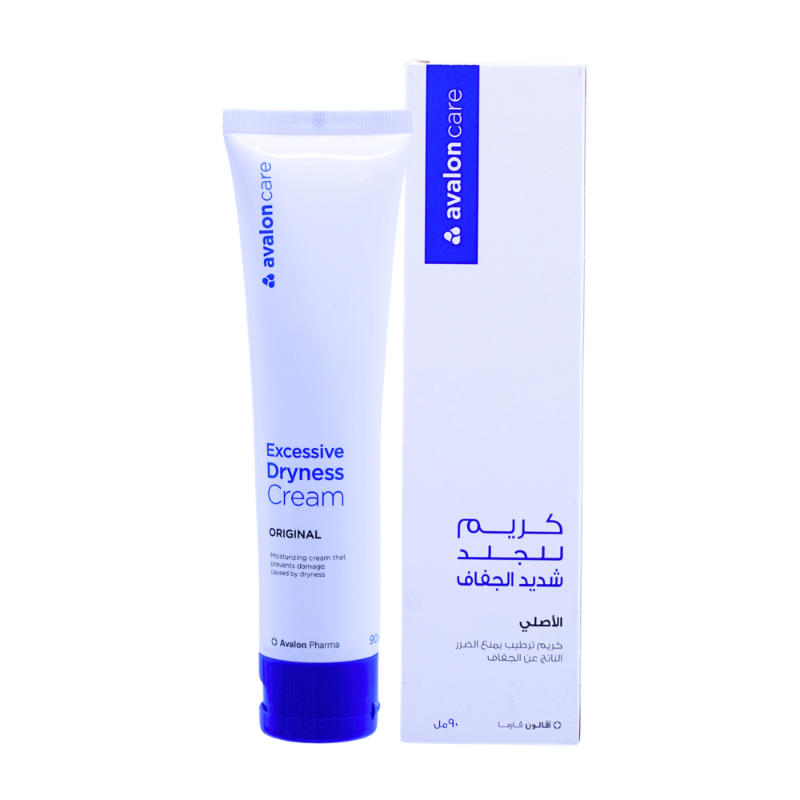
Skin And Body Care > Moisturizers
AVALON ACTIV SPRAY THE ORIGINAL 118ML
- Sku : I-026512
Key features
AVALON ACTIV SPRAY THE ORIGINAL 118ML is a topical spray containing lidocaine hydrochloride 10%. It produces local anesthesia by reversibly blocking voltage‑gated sodium channels in nerve membranes, reducing sodium permeability and preventing initiation and propagation of nerve impulses. It is used for temporary surface anesthesia of skin and accessible mucous membranes, including the oropharyngeal mucosa, and prior to minor procedures or instrumentation where topical lidocaine spray is appropriate. Available as a prescription topical spray in a 50 ml pack.- Brand: AVALON
- Active Ingredient: LIDOCAINE HYDROCHLORIDE
- Strength: 10%
- Dosage Form: Spray
- Pack Size: 50 ml
- Route: Topical
- Prescription Status: Prescription
- Therapeutic Class: Dermatological
- Drug Class: Amide-type local anesthetic
- Manufacturer: (Avalon Pharma) Middle East Pharmaceutical Industries Co. Ltd
- Country of Origin: Saudi Arabia
- SFDA Registration No.: 1109234161
- Shelf Life: 36 months
- Storage: store below 30°c
- Pain Type: General
- Nsaid: No
- Opioid: No
Frequently bought together
Health Care & Wellness > Medical Supplies
Health Care & Wellness > Medical Supplies
Skin And Body Care > Moisturizers
Indications
Approved Uses
Topical anesthesia of skin and accessible mucous membranes (e.g., oropharyngeal mucosa) for temporary surface anesthesia, including prior to minor procedures/instrumentation where topical lidocaine spray is appropriate.
Dosage & Administration
Dosing by Condition
Dose is product- and actuator-dependent; generally apply 1-2 sprays to the target area, wait ~1 minute, and repeat if needed using the minimum effective amount; for oropharyngeal use, avoid exceeding typical maximum lidocaine exposure of ~3-4.5 mg/kg total from all sources (lower if frail/elderly/hepatic disease) and allow time between sprays to assess effect.
Initial Dose
1 spray to the affected area; may repeat once after a few minutes if needed (use the lowest effective number of sprays).
Maintenance Dose
Repeat sprays as needed up to maximum dose per session; not intended for repeated daily maintenance dosing
Maximum Dose
Apply the minimum effective amount to the affected area. Do not apply more than 3-4 times daily, and avoid use on large areas or on broken/irritated skin to reduce systemic absorption. Do not exceed the maximum number of sprays/applications stated in the SFDA-approved product labeling.
Children's Dosage
Use with caution in children; dose should be calculated based on weight (maximum 3 mg/kg); not recommended in infants under 2 years without specialist supervision
Dose Adjustment Notes
Use the lowest effective dose; reduce total dose and/or frequency in elderly/debilitated patients and in hepatic impairment or reduced cardiac output; avoid excessive dosing on large areas, broken skin, or with occlusion due to increased systemic absorption; renal impairment is not usually a primary driver for topical dose adjustment but severe renal disease may increase metabolite accumulation with high exposure.
How to Take
For topical use only: shake if directed, hold the pressurised container upright, aim the nozzle at the target skin or mucous membrane, and deliver the minimum number of sprays needed; avoid inhalation and contact with eyes; do not apply to large areas, broken/irritated skin, or under occlusive dressings unless directed; wash hands after use (unless treating hands).
Side Effects
Common Side Effects
Application-site burning/stinging, irritation, erythema/redness, and transient numbness; less commonly swelling or blanching/whitening at the site.
Side Effect Frequency
Most common: local application-site effects (burning/stinging, erythema/irritation, transient numbness). Systemic CNS/cardiac adverse effects (dizziness, tinnitus, drowsiness, seizures, arrhythmias, hypotension/bradycardia) are uncommon and usually associated with excessive dose or enhanced absorption. True allergy is uncommon; methemoglobinemia is rare.
Safety & Warnings
Contraindications
Hypersensitivity to lidocaine, other amide-type local anesthetics, or any component of the formulation.
Warnings & Precautions
For topical use only; avoid eyes/mucous membranes and inhalation; do not apply to large areas, broken/irritated/infected skin, or under occlusion; use the minimum effective amount; caution in severe hepatic disease, significant cardiac conduction disease/heart block, shock, and in patients at risk for methemoglobinemia (e.g., G6PD deficiency or concomitant oxidizing drugs); keep out of reach of children.
Age Restriction
Avoid use in infants and young children <3 years unless specifically directed/supervised by a clinician; do not use for teething pain.
Driving Warning
Safe
Drug Interactions
Drug Interactions
Clinically relevant interactions mainly apply if significant systemic absorption occurs: class I antiarrhythmics/other local anesthetics (additive cardiac/CNS toxicity), CYP inhibitors that reduce lidocaine clearance (e.g., cimetidine; strong CYP3A4/1A2 inhibitors), beta-blockers (reduced hepatic blood flow/clearance), and other agents associated with methemoglobinemia (additive risk).
Interaction Severity
MAJOR: Concomitant class I antiarrhythmics (e.g., mexiletine, quinidine, procainamide) or other local anesthetics-additive cardiac/CNS toxicity; MODERATE: CYP inhibitors (e.g., cimetidine, some macrolides/azole antifungals) and beta-blockers-may increase lidocaine exposure/toxicity risk; MODERATE: amiodarone-may increase lidocaine levels and depress conduction; dofetilide is not a typical clinically established major interaction with topical lidocaine at usual doses but caution is warranted with any QT-/arrhythmia-risk regimen if systemic exposure is possible.
Food Interaction
No food interaction; if applied to the mouth/throat, avoid eating, drinking, or chewing gum for at least 60 minutes (or until normal sensation returns) to reduce choking/aspiration risk.
Special Populations
Breastfeeding
Caution
Children
Use with caution in children; dose should be calculated based on weight (maximum 3 mg/kg); not recommended in infants under 2 years without specialist supervision
Elderly
Use minimum effective dose; elderly patients are more susceptible to systemic toxicity due to reduced hepatic clearance and cardiac reserve
Kidney Impairment
No routine adjustment for topical use as directed; use caution in severe renal impairment if prolonged/excessive use could lead to systemic exposure (metabolite accumulation).
Liver Impairment
Use with caution in hepatic impairment; in severe liver disease use the minimum effective amount and avoid repeated/large-area application (dose reduction may be needed if systemic exposure is likely).
Storage & Patient Advice
Storage Conditions
Store below 30°C. Keep away from heat and open flame. Do not puncture or incinerate the pressurised container. Keep out of reach of children.
Missed Dose
Not applicable (used as needed); if you were instructed to use it on a schedule, apply when remembered unless it is close to the next dose-do not double.
Stopping the Medicine
Safe to stop anytime; no tapering required.
Overdose
Systemic lidocaine toxicity may cause perioral numbness, tinnitus, dizziness, confusion, tremor/seizures, respiratory depression, hypotension/bradycardia/arrhythmias and cardiac arrest; stop exposure, provide airway/oxygen/ventilation, treat seizures with benzodiazepines, provide ACLS-level cardiovascular support, and consider IV lipid emulsion for severe cardiotoxicity; seek emergency care.
Patient Counseling
Use only as prescribed; avoid exceeding the recommended number of sprays. If used in the mouth/throat, avoid eating or drinking until numbness resolves (often ~1 hour) to reduce choking/aspiration risk. Avoid eyes and do not apply to large areas, broken/inflamed skin, or under occlusion; wash hands after use. Stop and seek urgent care if symptoms of systemic toxicity occur (e.g., dizziness, tinnitus, perioral numbness, metallic taste, confusion, seizures, palpitations/arrhythmia). Pressurised container: keep below 30°C, away from heat/flames; do not puncture or incinerate.
Monitoring Requirements
No routine monitoring for small-area intact-skin use; monitor for local irritation/allergy and for systemic toxicity (perioral numbness, tinnitus, metallic taste, dizziness, seizures, bradycardia/arrhythmias) when used on mucosa, large areas, broken skin, under occlusion, or for procedural anesthesia-consider vital sign monitoring in procedural settings.
Pharmacology
Mechanism of Action
Reversibly blocks voltage-gated sodium channels, decreasing neuronal membrane permeability to sodium and preventing initiation/propagation of nerve impulses to produce local anesthesia.
Onset of Action
Usually within 1-5 minutes (often ~1-3 minutes on mucous membranes).
Duration of Effect
Typically about 10-30 minutes on mucous membranes (often shorter on very vascular/wet surfaces), and may last up to ~30-60 minutes on some skin applications depending on site and dose.
Half-Life
1.5-2 hours (systemic, following absorption)
Bioavailability
No single fixed bioavailability value; systemic absorption after topical lidocaine is variable and depends on dose, application site (mucosa >> intact skin), surface area, duration, and skin integrity.
Metabolism
Extensive hepatic metabolism mainly via CYP1A2 and CYP3A4 to active metabolites (e.g., monoethylglycinexylidide [MEGX] and glycinexylidide [GX]).
Excretion
Primarily renal excretion as metabolites; only a small fraction is excreted unchanged (typically <10%).
Protein Binding
Approximately 60-80% protein bound, mainly to alpha-1-acid glycoprotein.
Product Information
Available Dosage Forms
Spray (topical) in a pressurised container.
Composition per Dose
Each metered spray (approximately 0.1 ml): 10 mg lidocaine hydrochloride (10% w/v solution)
Generic Availability
Yes
OTC Alternatives
Possible OTC alternatives depend on local regulations; in many markets, lower-strength topical local anesthetics such as lidocaine 2-5% (e.g., 4% cream/gel/patch) or benzocaine oral/topical products may be OTC, but this specific product (lidocaine 10% spray) is SFDA Prescription-only and should not be substituted without clinician/pharmacist guidance.
Pain Type
General
Nsaid
No
Opioid
No
Reviewed by Al Mujtama Pharmacy Medical Review Team. Last reviewed 07-05-2026
Similar Products
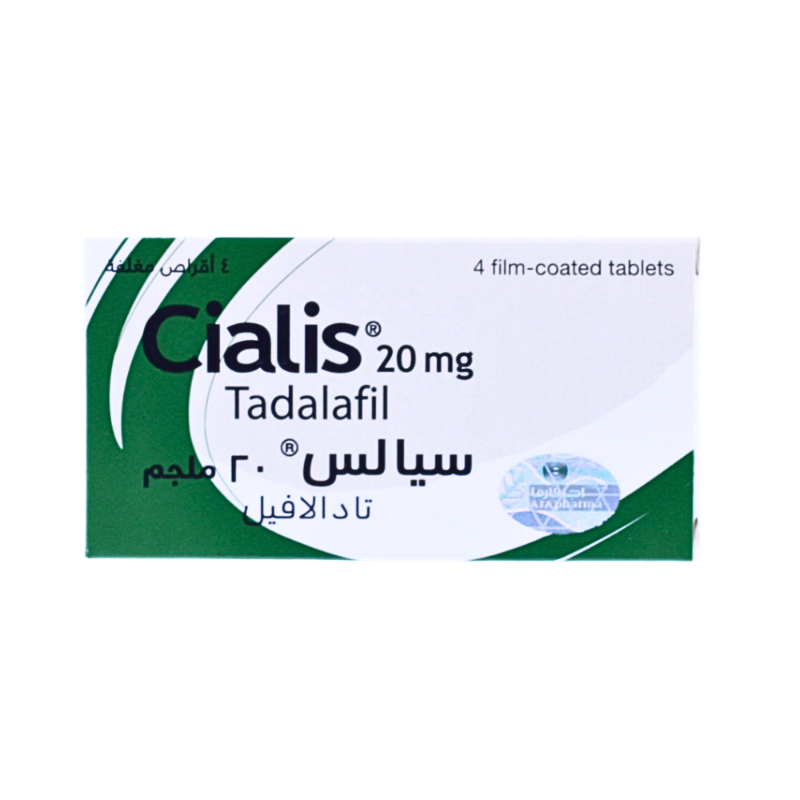
Medications > Sexual Health
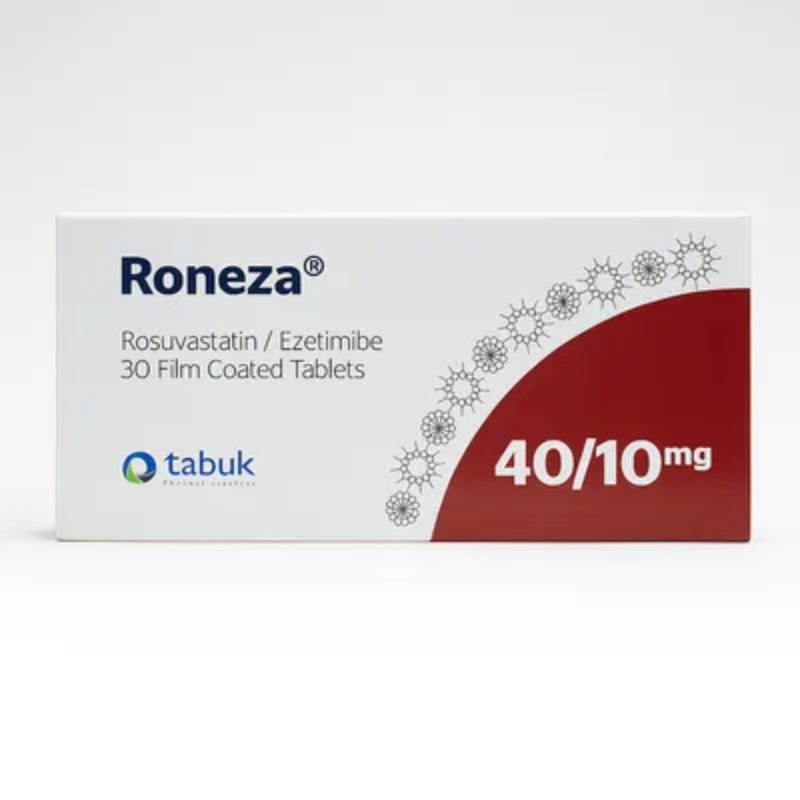
Medications > Cholesterol Medications
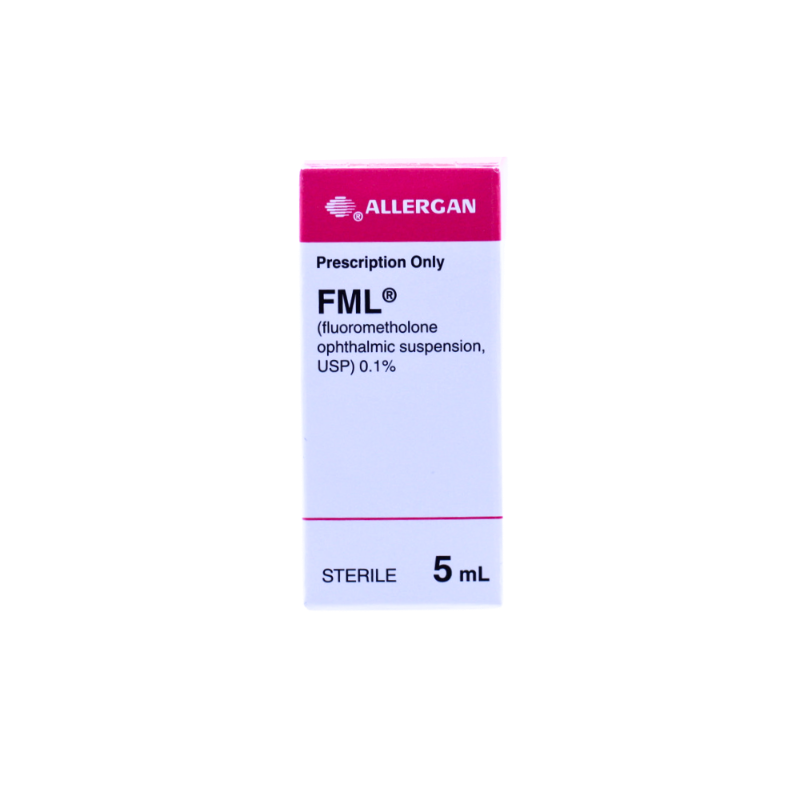
Medications > Eye and Ear Medications
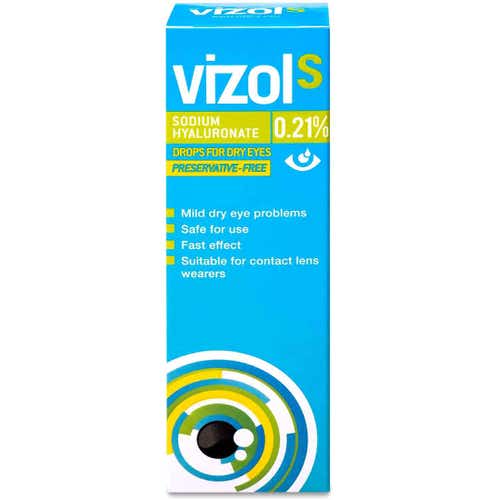
Medications > Eye and Ear Medications
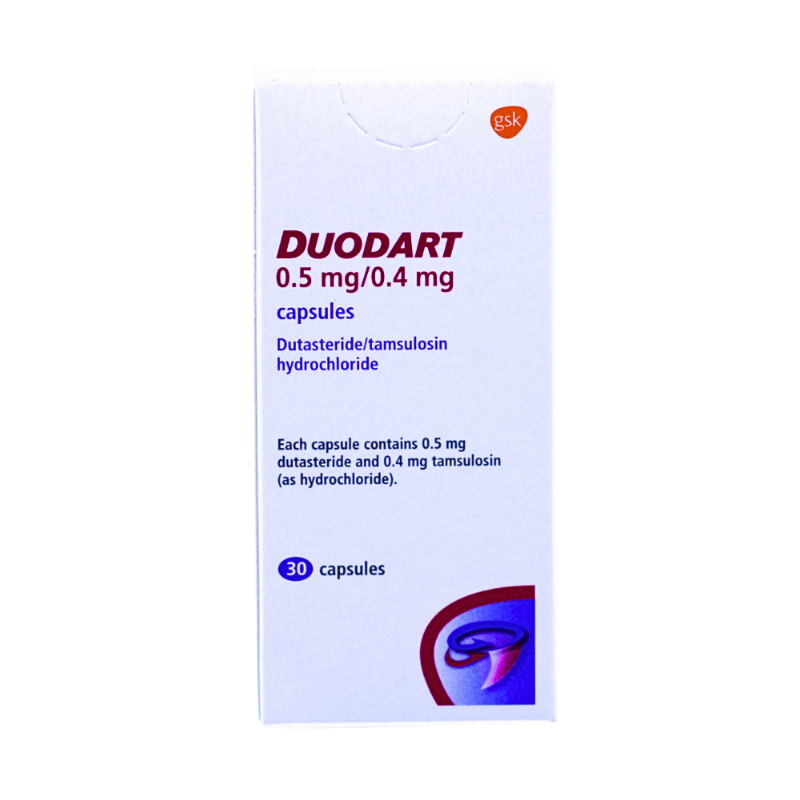
Medications > Urology Medications
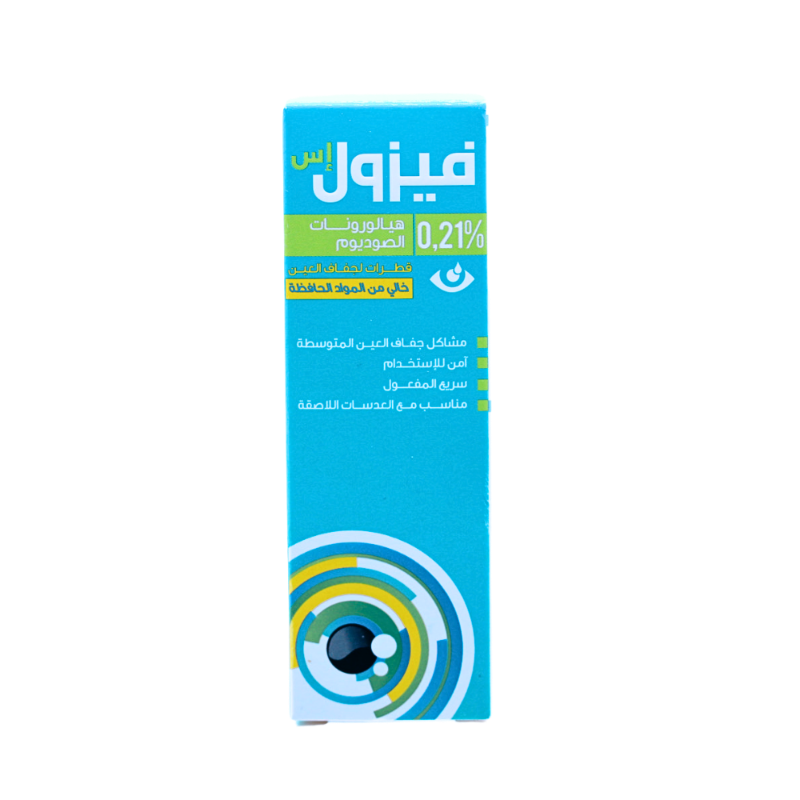
Medications > Eye and Ear Medications
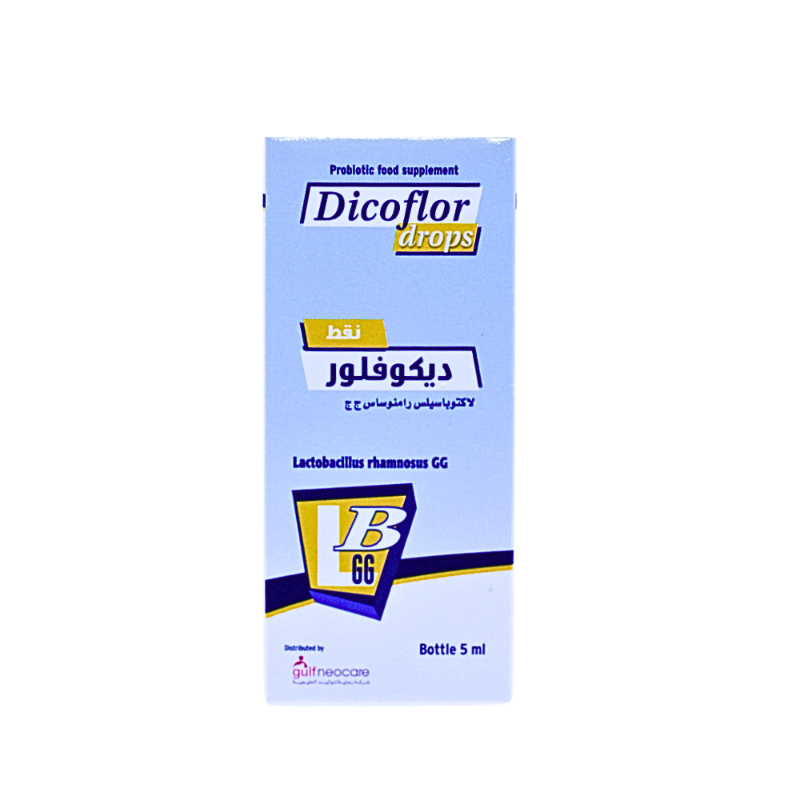
Medications > Gastrointestinal Medications
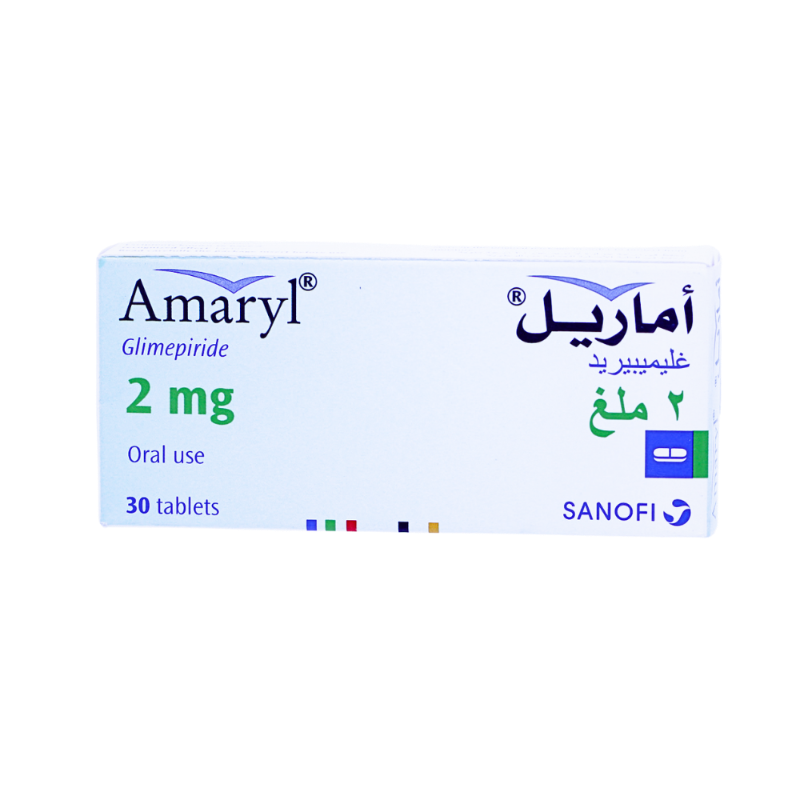
Medications > Diabetes Medications
Medications > Cold, Cough, and Allergy Medications
Medications > Psychiatric Medications
