
Use Code: ND30 And Get 30% OFF | Get Free Delivery With No Minimum Order
-1744229570.gif "Almujtama Pharmacy logo")




Frequently bought together
Vitamins & Supplements > Vitamins and Minerals
Vitamins & Supplements > Vitamins and Minerals
Vitamins & Supplements > Vitamins and Minerals
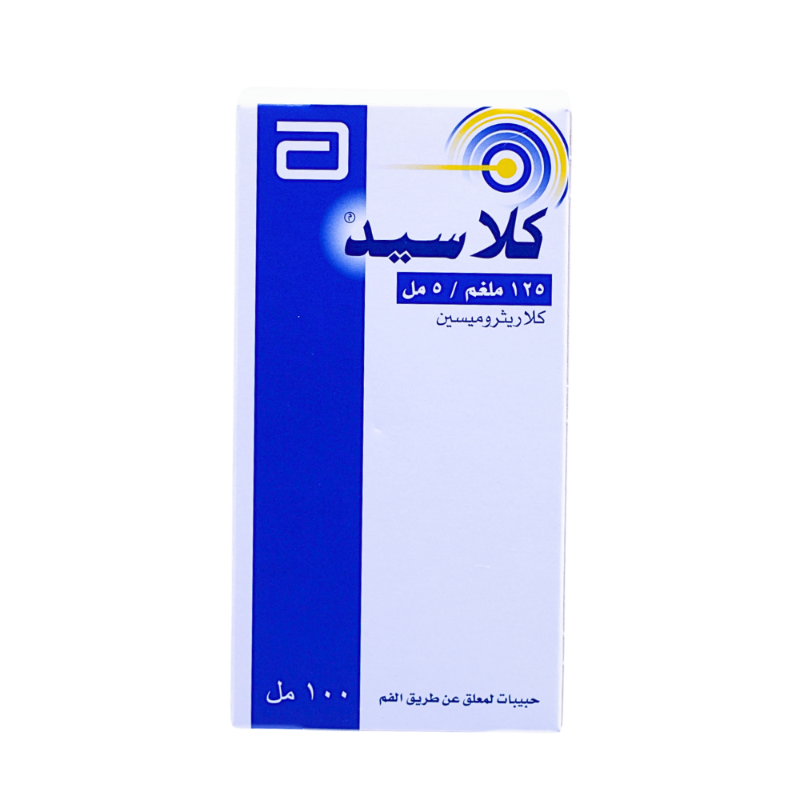
KLACID 125/MG/5/ML 100/ML ORAL SUSP
- Sku : I-030882
Key features
KLACID 125 mg/5 mL oral suspension contains the macrolide antibiotic clarithromycin. It inhibits bacterial protein synthesis by binding the 50S ribosomal subunit (23S rRNA) and blocking translocation and peptide-chain elongation. It is indicated for susceptible infections including upper and lower respiratory tract infections (pharyngitis/tonsillitis, sinusitis, bronchitis exacerbations, community‑acquired pneumonia), skin and soft tissue infections, acute otitis media in pediatrics, Helicobacter pylori eradication as part of combination therapy, and prevention or treatment of disseminated Mycobacterium avium complex. Available as granules for suspension formulated to yield 25 mg/mL, packaged in 60 mL.- Brand: KLACID
- Active Ingredient: CLARITHROMYCIN
- Strength: 25mg/ml
- Dosage Form: Granules for suspension
- Pack Size: 60 ml
- Route: Oral use
- Prescription Status: Prescription
- Therapeutic Class: Anti-infective
- Pharmacological Group: Macrolides
- Drug Class: Macrolide Antibiotic (14-membered ring, semi-synthetic)
- Manufacturer: ABBVIE SRL
- Country of Origin: Italy
- SFDA Registration No.: 2004221964
- Shelf Life: 24 months
- Storage: do not store above 30°c
- Spectrum: Broad-spectrum
- Antibiotic Class: Macrolide
Frequently bought together
Vitamins & Supplements > Vitamins and Minerals
Vitamins & Supplements > Vitamins and Minerals
Vitamins & Supplements > Vitamins and Minerals
Indications
Approved Uses
Susceptible bacterial infections including: upper respiratory tract infections (e.g., pharyngitis/tonsillitis, sinusitis), lower respiratory tract infections (e.g., bronchitis exacerbation, community‑acquired pneumonia), skin/soft tissue infections, acute otitis media (pediatrics), Helicobacter pylori eradication as part of combination therapy, and prevention/treatment of disseminated Mycobacterium avium complex (MAC) infection in appropriate patients.
Dosage & Administration
Initial Dose
250mg every 12 hours for most mild-to-moderate infections
Maintenance Dose
250-500mg every 12 hours depending on infection severity
Children's Dosage
7.5mg/kg every 12 hours (max 500mg per dose); for children 6 months and older. Typical doses: 15kg: 2.5ml (62.5mg) q12h; 20kg: 5ml (125mg) q12h; 30kg: 7.5ml (187.5mg) q12h; 40kg: 10ml (250mg) q12h
How to Take
Reconstitute with water as directed; shake well before each dose. Measure with an oral syringe/medicine spoon. May be taken with or without food (taking with food may improve GI tolerance). For most infections, administer every 12 hours at consistent times; complete the full prescribed course.
How to Prepare
Reconstitute by adding water to the bottle to the marked line (often in two portions), shaking well after each addition until uniformly dispersed; final volume after reconstitution is 60 mL.
Side Effects
Common Side Effects
Diarrhea, nausea, vomiting, abdominal pain, dyspepsia, abnormal taste (dysgeusia/metallic taste), headache, rash
Side Effect Frequency
Common (≥1% to <10%): diarrhea, nausea, vomiting, abdominal pain/dyspepsia, abnormal taste (dysgeusia), headache, rash; Uncommon (<1%): QT prolongation, hepatic enzyme elevation/hepatitis, dizziness, insomnia, anxiety (rare but serious: severe cutaneous reactions such as SJS/TEN).
Safety & Warnings
Age Restriction
Safety and efficacy not established in children younger than 6 months (use generally supported from ≥6 months).
Drug Interactions
Drug Interactions
Major interactions include: colchicine (toxicity; especially contraindicated with renal/hepatic impairment), ergotamine/dihydroergotamine (ergotism), cisapride/pimozide/terfenadine/astemizole and other QT-prolongers (torsades risk), simvastatin/lovastatin (myopathy/rhabdomyolysis), warfarin (↑INR), digoxin (↑levels), carbamazepine/phenytoin/theophylline (↑levels), benzodiazepines metabolized by CYP3A (midazolam/triazolam-↑sedation; oral midazolam generally avoid), calcineurin/mTOR inhibitors (tacrolimus/cyclosporine/sirolimus-↑levels), calcium-channel blockers (hypotension/AKI risk), and CYP3A inducers (rifampin/rifabutin-↓clarithromycin).
Interaction Severity
MAJOR/CONTRAINDICATED: cisapride, pimozide, terfenadine/astemizole (where applicable), ergotamine/dihydroergotamine, colchicine in patients with renal/hepatic impairment, and simvastatin/lovastatin (avoid; high rhabdomyolysis risk). MODERATE/SIGNIFICANT: warfarin (↑INR), digoxin (↑levels), carbamazepine (↑levels), cyclosporine/tacrolimus (↑levels), midazolam/triazolam and other CYP3A benzodiazepines (↑sedation), certain calcium channel blockers (hypotension/AKI risk), atorvastatin (myopathy risk-use lowest dose/monitor), theophylline (↑levels), rifampin/rifabutin (↓clarithromycin; complex bidirectional effects). MINOR: antacids (minimal clinical impact).
Food Interaction
No restriction: may be taken with or without food; taking with food can reduce gastrointestinal upset.
Special Populations
Children
7.5mg/kg every 12 hours (max 500mg per dose); for children 6 months and older. Typical doses: 15kg: 2.5ml (62.5mg) q12h; 20kg: 5ml (125mg) q12h; 30kg: 7.5ml (187.5mg) q12h; 40kg: 10ml (250mg) q12h
Elderly
Standard adult dosing; however, monitor renal function as age-related decline in CrCl may necessitate dose adjustment if CrCl falls below 30 ml/min
Kidney Impairment
CrCl <30 mL/min: reduce clarithromycin dose by 50% (or extend interval); if co-administered with atazanavir or ritonavir, reduce clarithromycin by 50% for CrCl 30-60 mL/min and by 75% for CrCl <30 mL/min.
Storage & Patient Advice
Preparation Instructions
Reconstitute by adding water to the bottle to the marked line (often in two portions), shaking well after each addition until uniformly dispersed; final volume after reconstitution is 60 mL.
Stopping the Medicine
Complete the full prescribed course even if symptoms improve; do not stop early unless advised due to adverse effects or clinician direction.
Patient Counseling
Shake well before each dose; measure with an oral syringe/spoon; take at the same times each day (usually every 12 hours) and finish the full course. May take with food to reduce stomach upset; metallic/bitter taste can occur. Seek care for severe/persistent diarrhea, rash, jaundice/dark urine, or palpitations/syncope. Review all medicines for interactions (especially warfarin, statins, colchicine, digoxin, antiarrhythmics). After reconstitution, store as directed on the label (commonly at room temperature, not above 30°C per SFDA storage condition) and discard after the labeled in‑use period (often 14 days).
Pharmacology
Mechanism of Action
Binds to the 50S bacterial ribosomal subunit (23S rRNA) and inhibits protein synthesis by blocking translocation/elongation of the peptide chain.
Onset of Action
Peak plasma concentrations occur about 2-3 hours after an oral dose (immediate‑release); clinical improvement is often seen within 48-72 hours depending on infection severity.
Duration of Effect
Clinical dosing interval is typically every 12 hours for immediate‑release clarithromycin; elimination half‑life is dose‑dependent (~3-7 hours) with an active metabolite contributing to antibacterial effect.
Half-Life
Dose-dependent: clarithromycin terminal half-life is ~3-4 hours at 250 mg and ~5-7 hours at 500 mg; 14-hydroxyclarithromycin half-life is typically ~5-6 hours.
Bioavailability
For adult patients, the bioavailability of 10 mL of the 125 mg/5 mL suspension or 10 mL of the 250 mg/5 mL suspension is similar to a 250 mg or 500 mg tablet, respectively.
Metabolism
Hepatic metabolism primarily via CYP3A4 to active metabolite 14-hydroxyclarithromycin (plus other metabolites).
Excretion
Mixed renal and biliary/fecal elimination; approximately 20-40% of an oral dose is excreted unchanged in urine, with the remainder largely excreted via bile/feces as metabolites (and some unchanged).
Product Information
Available Dosage Forms
Clarithromycin is available as: immediate‑release tablets, extended‑release tablets, granules for oral suspension, and powder for concentrate/solution for IV infusion (availability varies by country/market).
Composition per Dose
Each 5ml: 125mg clarithromycin
Generic Availability
Yes
OTC Alternatives
No OTC alternative-clarithromycin is prescription‑only (SFDA legal status: Prescription).
Spectrum
Broad-spectrum
Antibiotic Class
Macrolide
Reviewed by Al Mujtama Pharmacy Medical Review Team. Last reviewed 11-07-2026
Similar Products
Medications > Eye and Ear Medications
Medications > Sexual Health
Medications > Gastrointestinal Medications
Medications > Painkillers and Antipyretics
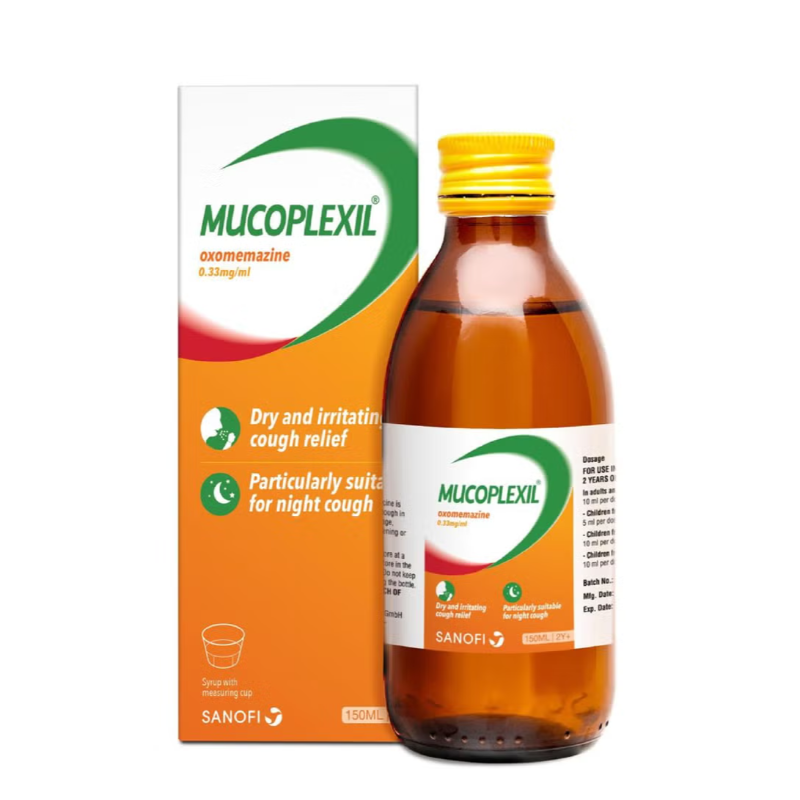
Medications > Cold, Cough, and Allergy Medications
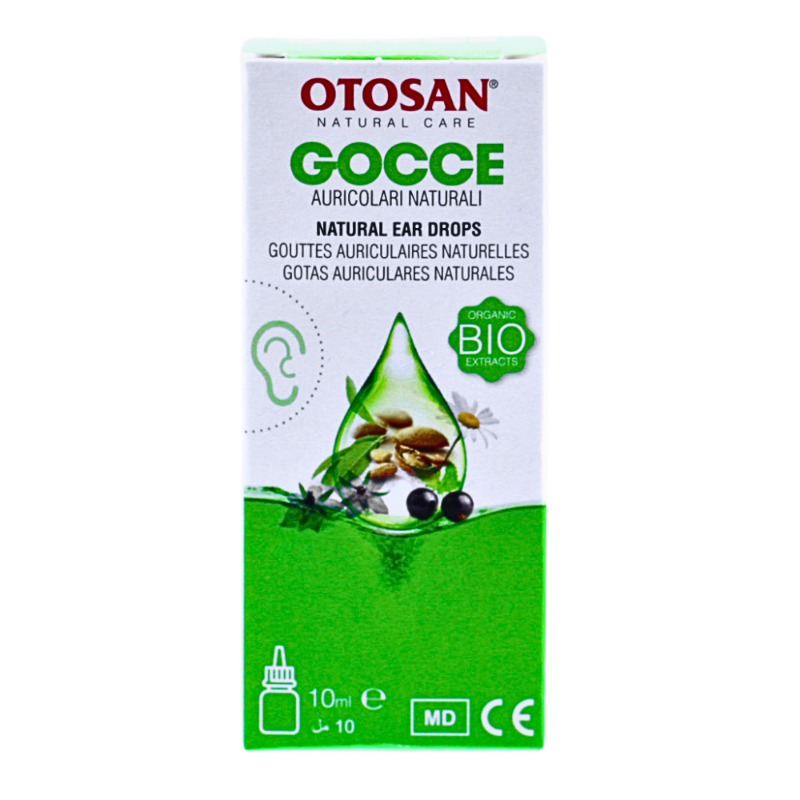

Medications > Eye and Ear Medications
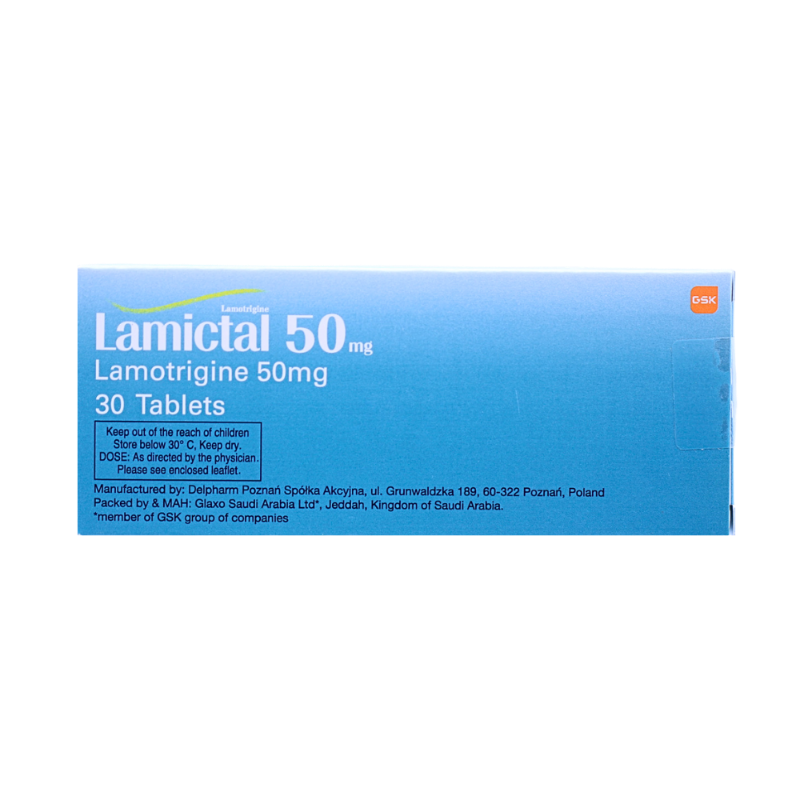
Medications > Psychiatric Medications

Medications > Urology Medications
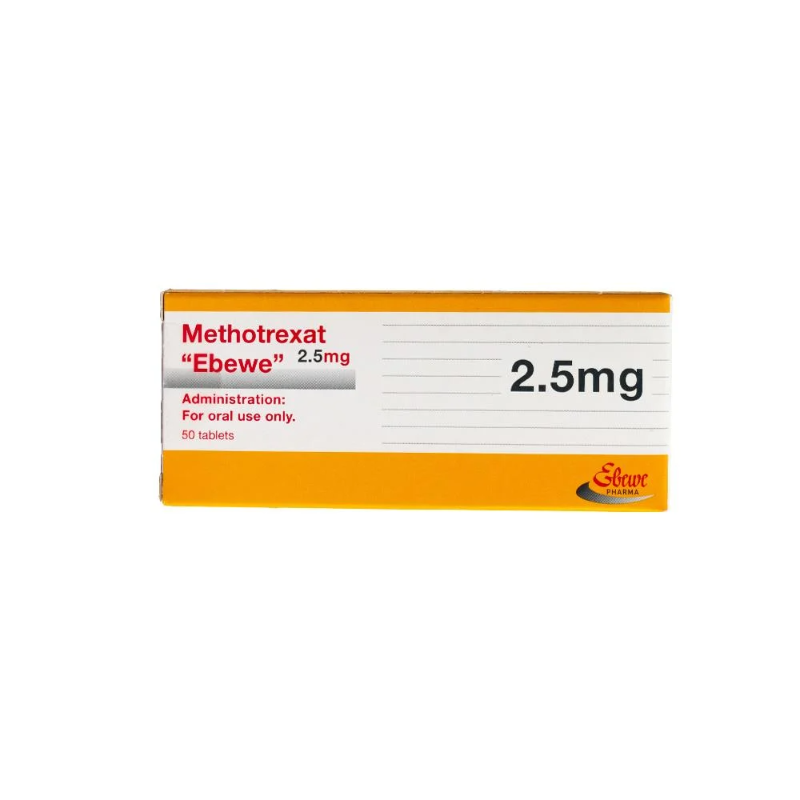
Medications > Other Medicines
Medications > Antifungals
