
Up To 50 SAR OFF Your First Order Use Code : APP50 | Get Free Delivery With No Minimum Order
-1744229570.gif "Almujtama Pharmacy logo")




Frequently bought together
Health Care & Wellness > Diabetes Care
Skin And Body Care > Moisturizers
Skin And Body Care > Moisturizers
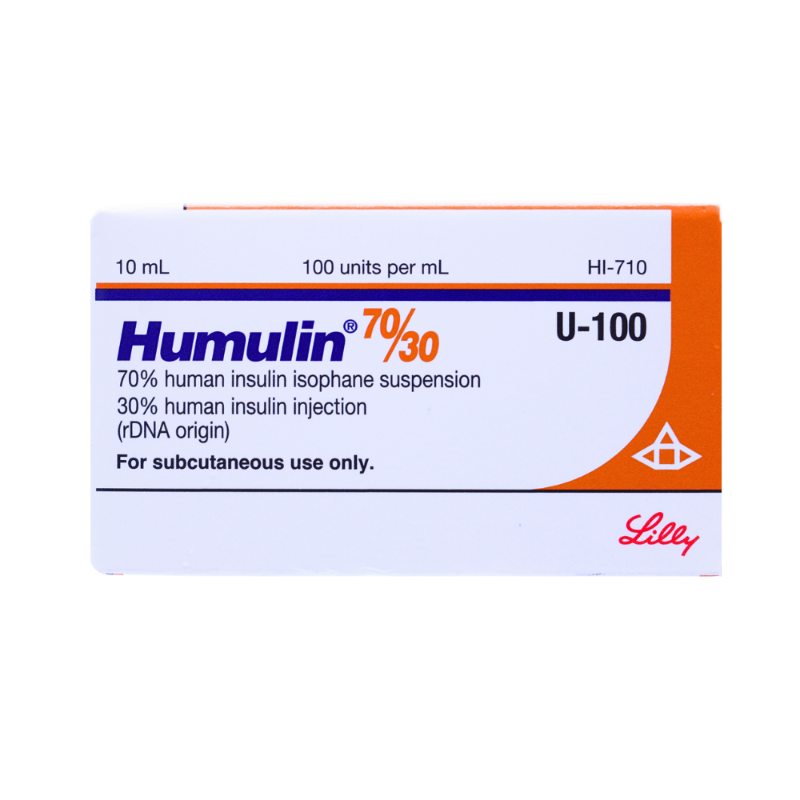
HUMULIN 70/30 INSULIN HUMAN VIAL 10ML @
- Sku : I-002921
Key features
HUMULIN 70/30 Insulin Human Vial 10 mL is a suspension for injection containing insulin isophane (NPH) and regular human insulin at a concentration of 100 IU/mL. It combines 70% intermediate-acting insulin isophane with 30% short-acting regular insulin to increase peripheral glucose uptake and inhibit hepatic glucose output, providing both basal and prandial glycemic control. Indicated to improve glycemic control in adult patients with diabetes mellitus. Available as a 10 mL vial (100 IU/mL) by prescription.- Brand: HUMULIN
- Active Ingredient: INSULIN ISOPHANE
- Strength: 100IU/ml
- Dosage Form: Suspension for injection
- Pack Size: 10 ml
- Route: Subcutaneous use
- Prescription Status: Prescription
- Therapeutic Class: Antidiabetic
- Pharmacological Group: Insulins
- Drug Class: Pre-mixed Human Insulin - 70% Intermediate-acting (NPH) / 30% Short-acting (Regular Human Insulin)
- Manufacturer: ELI LILLY
- Country of Origin: United States
- SFDA Registration No.: 36-42-92
- Shelf Life: 36 months
- Storage: store in a refrigerator (2°c - 8°c)
- Diabetes Type: Both
- Insulin Type: Pre-mixed
Frequently bought together
Health Care & Wellness > Diabetes Care
Skin And Body Care > Moisturizers
Skin And Body Care > Moisturizers
Indications
Approved Uses
To improve glycemic control in adult patients with diabetes mellitus.
Off-Label Uses
None for this premixed subcutaneous product; hyperkalemia treatment uses IV regular insulin (not premixed 70/30), and gestational diabetes use is not considered off-label for human insulin generally but should follow local labeling/policy.
Dosage & Administration
Dosing by Condition
Individualize dosing. Commonly dosed subcutaneously twice daily (e.g., before breakfast and before the evening meal) about 30 minutes before meals; total daily insulin requirements vary widely (often ~0.4-1 unit/kg/day in type 1 overall insulin needs, and variable in type 2), with titration to fasting and pre-/post-prandial glucose targets.
Maximum Dose
No absolute maximum dose; dose is individualized and titrated to glycemic targets.
Children's Dosage
Not indicated for pediatric use.
Dose Adjustment Notes
Dose adjustments are individualized based on SMBG patterns and glycemic targets; adjust with changes in meals, activity, intercurrent illness, or concomitant drugs. Renal or hepatic impairment increases hypoglycemia risk and often necessitates closer monitoring and possible dose reduction.
How to Take
For subcutaneous injection only. Resuspend by gently rolling/inverting the vial until uniformly cloudy before use. Inject subcutaneously into abdomen, thigh, upper arm, or buttock; rotate injection sites. Administer as directed with meals; use a new sterile syringe/needle each time.
How to Prepare
Before each dose, gently roll and invert the vial several times until the suspension is uniformly cloudy/milky; do not shake vigorously. Inspect for clumps/particles or frosting-do not use if present. Use an insulin syringe calibrated for U-100 to withdraw the prescribed dose.
Side Effects
Common Side Effects
Hypoglycemia; injection-site reactions; lipodystrophy (lipoatrophy/lipohypertrophy); weight gain; edema.
Safety & Warnings
Contraindications
Contraindicated during episodes of hypoglycemia and in patients with hypersensitivity to insulin human or any excipient; not for intravenous administration.
Warnings & Precautions
Major precautions: hypoglycemia risk (most common/serious) and need for close glucose monitoring; any insulin change only under medical supervision; rotate injection sites to prevent lipodystrophy; risk of hypokalemia; monitor for edema/heart failure with TZDs; adjust dose during illness/stress/diet/activity changes; for subcutaneous use only (not IV/IM) and inspect/mix suspension to uniform cloudiness before use.
Drug Interactions
Interaction Severity
MAJOR: Thiazolidinediones (pioglitazone/rosiglitazone) with insulin-risk of fluid retention and heart failure. MODERATE: Agents that increase hypoglycemia risk or mask symptoms (e.g., beta-blockers, ACE inhibitors, salicylates, alcohol) and agents that raise glucose/antagonize insulin (e.g., corticosteroids, thiazide diuretics, sympathomimetics); fluoroquinolones may cause dysglycemia.
Food Interaction
Give approximately 30 minutes before a meal; consistent meal timing/carbohydrate intake is important to reduce hypo-/hyperglycemia risk.
Special Populations
Pregnancy
Consult Doctor
Breastfeeding
Safe
Children
Not indicated for pediatric use.
Elderly
Start at lower doses; titrate slowly with frequent blood glucose monitoring. Elderly patients have increased hypoglycemia risk and may have impaired hypoglycemia awareness. Individualize glycemic targets to avoid hypoglycemia.
Kidney Impairment
No fixed adjustment; renal impairment increases hypoglycemia risk-monitor glucose more frequently and titrate to effect (dose reduction often required as kidney function declines).
Liver Impairment
No fixed adjustment; hepatic impairment increases hypoglycemia risk-use more frequent glucose monitoring and titrate to effect (dose reduction may be needed).
Storage & Patient Advice
Storage Conditions
Store in a refrigerator (2°C - 8°C)
Preparation Instructions
Before each dose, gently roll and invert the vial several times until the suspension is uniformly cloudy/milky; do not shake vigorously. Inspect for clumps/particles or frosting-do not use if present. Use an insulin syringe calibrated for U-100 to withdraw the prescribed dose.
Missed Dose
If a dose is missed, check blood glucose and contact the prescriber/diabetes care team for individualized instructions; do not double the next dose. If close to the next scheduled dose, generally skip the missed dose and resume the usual schedule with extra monitoring.
Stopping the Medicine
Do not stop or change insulin without medical supervision; abrupt discontinuation can cause severe hyperglycemia and may precipitate DKA in insulin-dependent patients.
Overdose
Overdose primarily causes hypoglycemia (and may cause hypokalemia); treat with oral fast-acting carbohydrate if mild, and for severe episodes give glucagon IM/SC or IV dextrose with urgent medical care and continued monitoring.
Patient Counseling
Gently roll/invert the vial to mix until uniformly cloudy; do not shake. Inject subcutaneously about 30 minutes before a meal and eat on time to reduce hypoglycemia risk. Use U-100 insulin syringes, rotate injection sites, and do not share needles/syringes. Monitor blood glucose and recognize/treat hypoglycemia (carry fast-acting glucose). Store correctly (refrigerate unopened; do not freeze; protect from heat/light) and inspect-do not use if clumped/particles or not uniformly cloudy after mixing; carry medical ID and consult prescriber before dose changes.
Monitoring Requirements
Self-monitoring of blood glucose (fasting and pre-meal; additional post-meal/bedtime as needed during titration), periodic HbA1c (typically every ~3 months until stable), monitor for hypoglycemia, weight and injection sites; monitor serum potassium in at-risk patients and renal function as clinically indicated.
Pharmacology
Mechanism of Action
Humulin 70/30 is a premix of 70% NPH (insulin isophane; intermediate-acting) and 30% regular human insulin (short-acting). It binds insulin receptors to increase peripheral glucose uptake and inhibit hepatic glucose output, providing both prandial and basal glycemic control.
Onset of Action
Approximately 30 minutes (due to the regular insulin component); the NPH component has a later onset around 1-2 hours.
Duration of Effect
Up to about 18-24 hours (variable).
Half-Life
Plasma half-life of circulating human insulin is short (~5-10 minutes), but the clinical duration is governed by absorption: Humulin 70/30 typically has onset ~30 minutes, peak ~2-12 hours, and duration up to ~18-24 hours (variable).
Bioavailability
Not well-defined/variable; no single reliable % bioavailability is established for subcutaneous premixed human insulin (absorption is highly variable by site, depth, temperature, and mixing).
Metabolism
Primarily degraded by proteolysis (insulinase/IDE) in liver, kidney, and muscle; kidney and liver are major contributors to overall clearance.
Excretion
Insulin is cleared primarily by enzymatic degradation with significant renal contribution to clearance; metabolites are eliminated via the kidneys (renal impairment reduces insulin clearance).
Protein Binding
Negligible/none clinically significant.
Product Information
Available Dosage Forms
Suspension for injection, vial (10 mL) for subcutaneous use.
Composition per Dose
Each 1 mL: 100 IU insulin human - comprising 70 IU insulin isophane (NPH) + 30 IU regular human insulin. Each 10 mL vial contains 1000 IU total.
Generic Availability
No
OTC Alternatives
No OTC alternative
Diabetes Type
Both
Insulin Type
Pre-mixed
Legal Disclaimer - Al Mujtama Pharmacy The product information provided is derived from verified pharmaceutical references and is intended for general health education only. It is not a substitute for professional medical advice, diagnosis, or treatment. Al Mujtama Pharmacy assumes no legal or medical liability for: Any therapeutic decision made based on the information displayed without consulting a licensed physician or pharmacist Any discrepancy between the information provided and the product's package insert or SFDA guidelines Any misuse of medication resulting from personal interpretation of the content displayed Important notice: Drug formulations and instructions may vary between production batches. Always rely on the leaflet included inside the product packaging you have, and consult your pharmacist or physician before starting, adjusting, or discontinuing any medication. By using this content, you acknowledge that you have read this disclaimer and agree that Al Mujtama Pharmacy bears no liability arising from reliance on this information as a substitute for direct medical consultation. Your health is a trust - always consult your doctor first.Similar Products
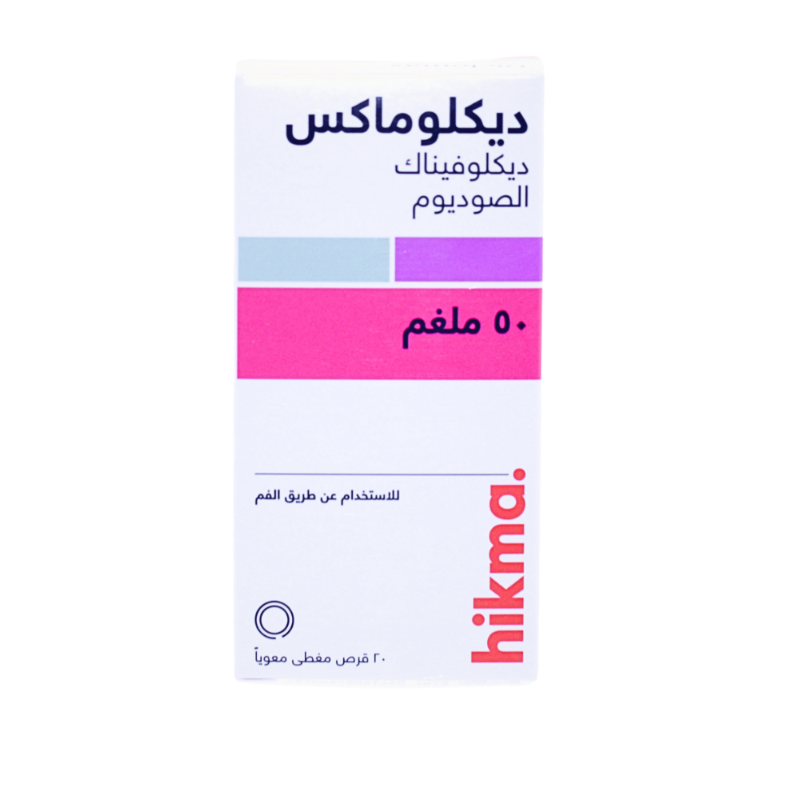
Medications > Painkillers and Antipyretics
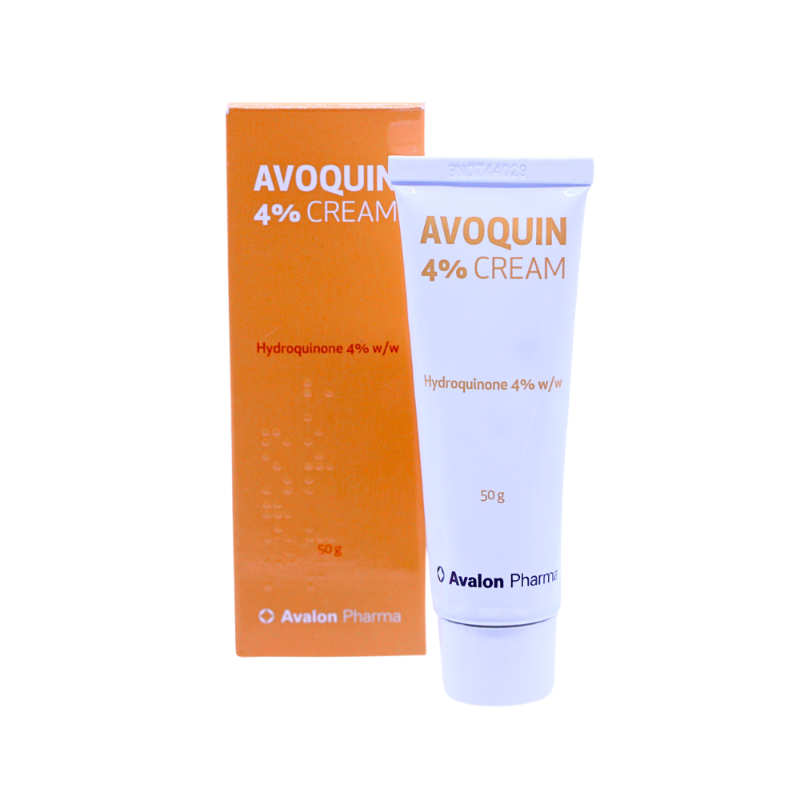
Medications > Dermatology Medications
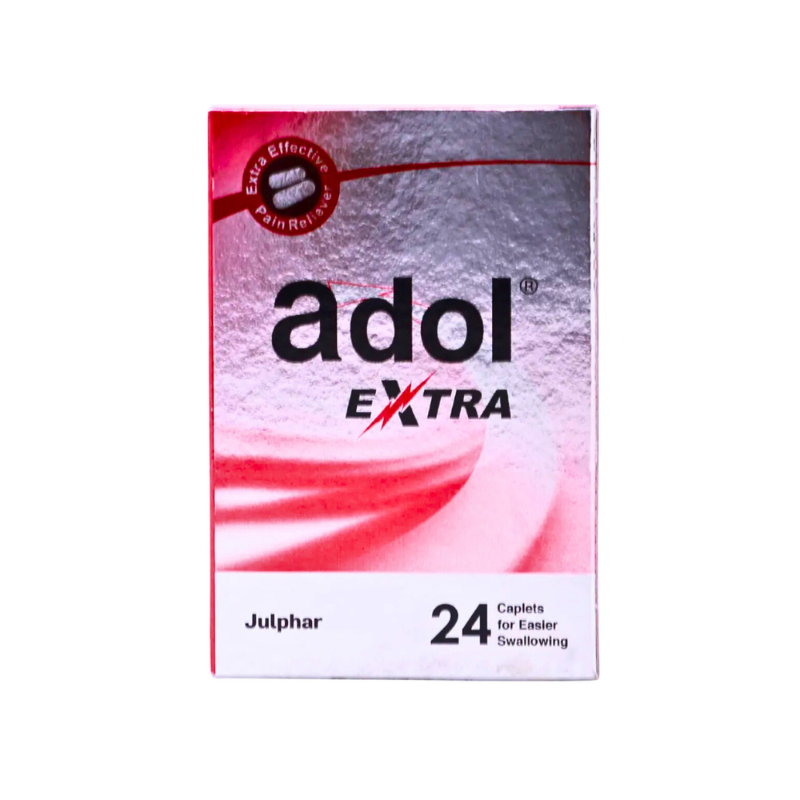
Medications > Painkillers and Antipyretics
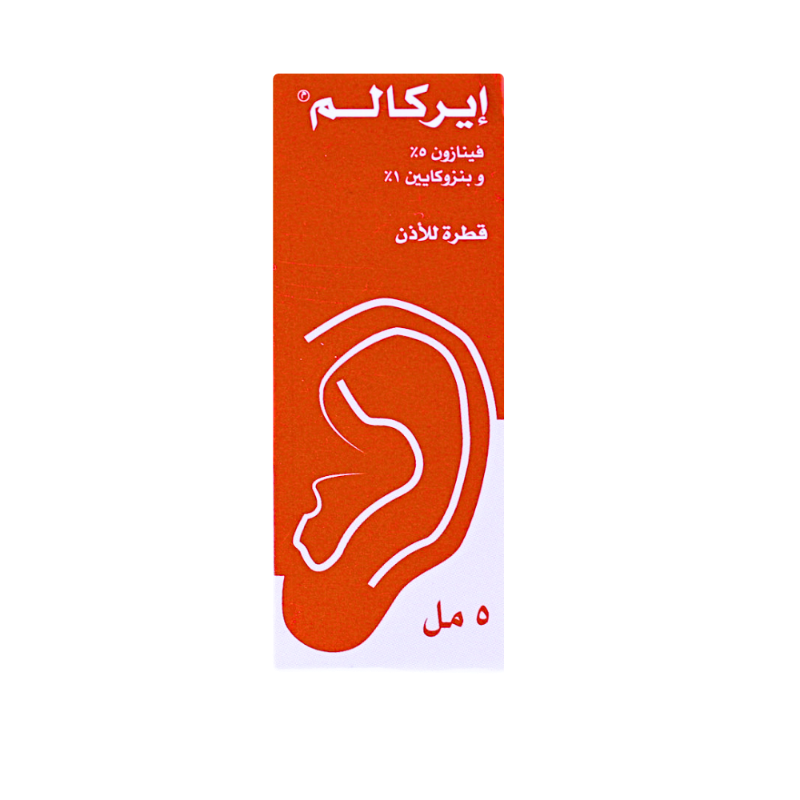
Medications > Eye and Ear Medications
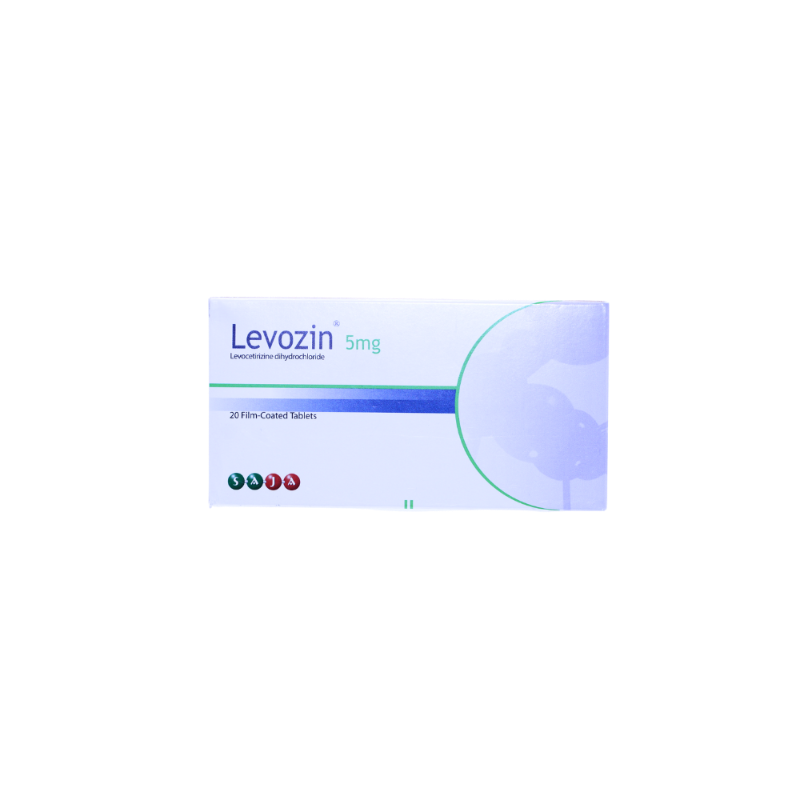
Medications > Cold, Cough, and Allergy Medications
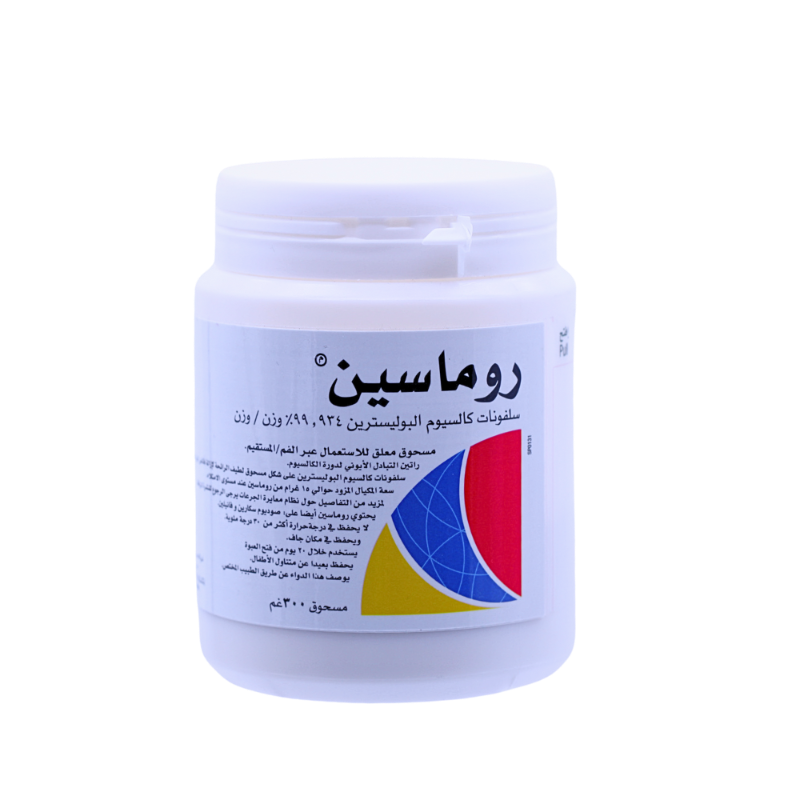
Medications > Urology Medications
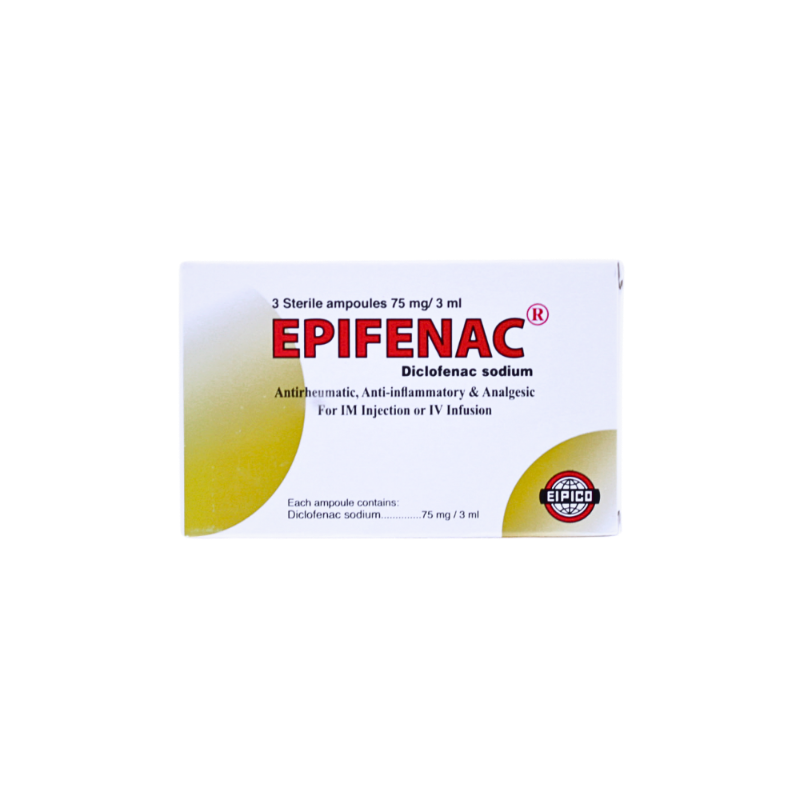
Medications > Painkillers and Antipyretics
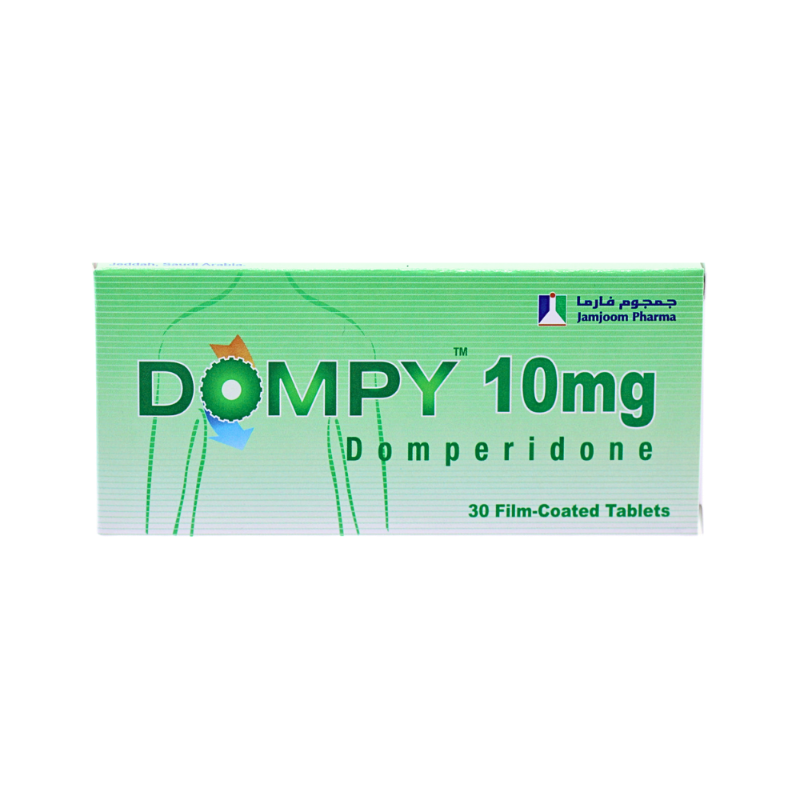
Medications > Gastrointestinal Medications
Medications > Cold, Cough, and Allergy Medications
Medications > Sexual Health
