
Use Code: ND30 And Get 30% OFF | Get Free Delivery With No Minimum Order
-1744229570.gif "Almujtama Pharmacy logo")




Frequently bought together
Health Care & Wellness > Diabetes Care
Health Care & Wellness > Diabetes Care
Health Care & Wellness > Diabetes Care
Skin And Body Care > Moisturizers
Skin And Body Care > Moisturizers
Skin And Body Care > Moisturizers
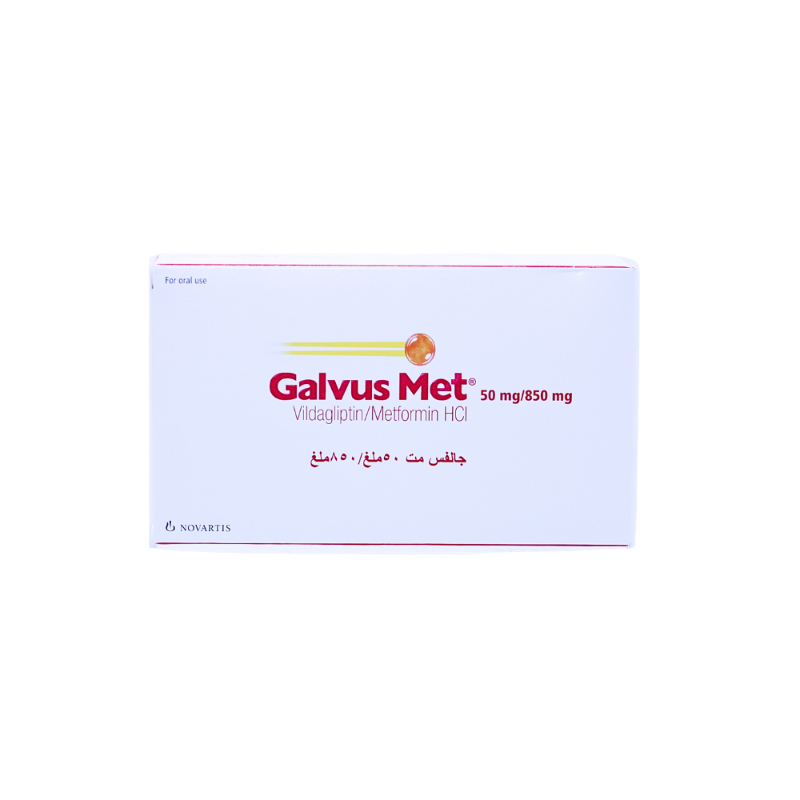
GALVUS MET 50/850/MG TAB 60/TAB
- Sku : I-002408
Key features
GALVUS MET 50/850 mg tablets, marketed under the GALVUS brand, contain the active ingredients vildagliptin and metformin. Vildagliptin inhibits DPP‑4 to raise endogenous incretin levels (GLP‑1, GIP), enhancing glucose‑dependent insulin secretion and suppressing glucagon, while metformin reduces hepatic gluconeogenesis, decreases intestinal glucose absorption and improves peripheral insulin sensitivity. It is indicated for adults with type 2 diabetes mellitus as an adjunct to diet and exercise, particularly in patients inadequately controlled on metformin alone or already treated with vildagliptin plus metformin. Available by prescription as tablets in packs of 56.- Brand: GALVUS
- Active Ingredient: VILDAGLIPTIN
- Strength: 50mg
- Dosage Form: Tablet
- Pack Size: 56 Tablets
- Route: Oral use
- Prescription Status: Prescription
- Therapeutic Class: Antidiabetic
- Pharmacological Group: DPP-4 Inhibitors
- Drug Class: Galvus: DPP-4 inhibitor (gliptin) oral antidiabetic.
- Manufacturer: Siegfried Barbera S.L
- Country of Origin: Spain
- SFDA Registration No.: 0910234319
- Shelf Life: 36 months
- Storage: store below 30°c
- Diabetes Type: Type 2
Frequently bought together
Health Care & Wellness > Diabetes Care
Health Care & Wellness > Diabetes Care
Health Care & Wellness > Diabetes Care
Skin And Body Care > Moisturizers
Skin And Body Care > Moisturizers
Skin And Body Care > Moisturizers
Indications
Approved Uses
Type 2 diabetes mellitus in adults as an adjunct to diet and exercise: (a) Galvus (vildagliptin) can be used as monotherapy when metformin is inappropriate, or as add-on/combination therapy with other glucose-lowering agents; (b) Galvus Met (vildagliptin/metformin) is indicated in patients inadequately controlled on metformin alone or already treated with vildagliptin + metformin as separate tablets.
Dosage & Administration
Dosing by Condition
Type 2 diabetes: Galvus (vildagliptin) 50 mg once daily (with a sulfonylurea or in moderate/severe renal impairment) or 50 mg twice daily (monotherapy or with metformin/TZD/insulin), max 100 mg/day; Galvus Met 50/850 mg: typically 1 tablet twice daily with meals (individualize based on prior metformin dose/tolerability), max vildagliptin 100 mg/day.
Initial Dose
For patients inadequately controlled on metformin monotherapy, the starting dose should provide 50mg of vildagliptin twice daily plus the dose of metformin already being taken. For treatment-naïve patients, treatment may be initiated at 50mg/500mg once daily and titrated upwards.
Maintenance Dose
50 mg twice daily (100 mg/day total vildagliptin)
Maximum Dose
The maximum recommended daily dose is 100mg of vildagliptin. The maximum daily dose of metformin is typically 2000mg to 3000mg, depending on renal function. [2, 5, 9]
Children's Dosage
Not recommended for use in children and adolescents under 18 years of age as safety and efficacy have not been established. [1, 9]
Dose Adjustment Notes
Renal: Galvus (vildagliptin) requires dose reduction to 50 mg once daily in moderate or severe renal impairment; Galvus Met is not recommended/contraindicated at low eGFR per metformin restrictions and requires eGFR-based assessment before initiation and periodically. Hepatic: avoid/use is not recommended in hepatic impairment; monitor LFTs.
Side Effects
Common Side Effects
Common: gastrointestinal upset (nausea, diarrhea, abdominal pain, decreased appetite), headache, dizziness; nasopharyngitis/URTI; and hypoglycemia mainly when combined with insulin or a sulfonylurea; peripheral edema can occur (more with TZD combinations).
Safety & Warnings
Contraindications
Hypersensitivity to vildagliptin (and to metformin/excipients if using the combination); severe renal impairment (eGFR <30 mL/min/1.73 m²) and acute/chronic metabolic acidosis (incl. DKA) are contraindications for metformin-containing products; hepatic impairment/active liver disease is a contraindication/strong precaution (avoid) for vildagliptin/metformin; type 1 diabetes is not indicated; temporarily stop/avoid in acute conditions predisposing to hypoxia or renal deterioration (e.g., dehydration, severe infection, shock).
Warnings & Precautions
Monitor renal function before and during metformin therapy; counsel on lactic acidosis risk and avoid excess alcohol; withhold metformin around iodinated contrast and major surgery per risk-based guidance; obtain baseline LFTs and monitor periodically and discontinue if persistent ALT/AST elevations or clinical hepatitis; warn about pancreatitis symptoms and stop if suspected; hypoglycemia risk increases when combined with insulin/sulfonylureas-consider dose reduction of the secretagogue.
Age Restriction
Not approved under 18 years. [1, 9]
Drug Interactions
Drug Interactions
Key interactions/precautions: alcohol (↑ lactic acidosis risk with metformin), iodinated contrast (hold metformin around procedures in at-risk patients), drugs that reduce renal function or compete for renal tubular secretion (e.g., NSAIDs, diuretics, ACEi/ARBs; cimetidine) may ↑ metformin exposure; insulin/sulfonylureas ↑ hypoglycemia risk when combined; beta-blockers may mask hypoglycemia symptoms.
Interaction Severity
MAJOR: Iodinated contrast media (temporarily withhold metformin around procedures per eGFR/risk), excessive alcohol (increases lactic acidosis risk with metformin). MODERATE: Drugs that raise metformin exposure (e.g., cimetidine/other OCT2/MATE inhibitors), insulin/sulfonylureas (hypoglycemia risk), diuretics/corticosteroids (worsen glycemia), ACE inhibitors (may enhance glucose-lowering; rare angioedema reported with DPP-4 inhibitors).
Alcohol Interaction
Dangerous
Special Populations
Children
Not recommended for use in children and adolescents under 18 years of age as safety and efficacy have not been established. [1, 9]
Elderly
Use with caution. Monitor renal function regularly as elderly patients are more likely to have decreased renal function. Dose adjustments should be based on renal function. [5, 9]
Kidney Impairment
eGFR ≥45: usual dosing may be used (metformin per standard max doses; vildagliptin typically 50 mg BID if monotherapy/combination allows); eGFR 30-44: do not initiate metformin and if already on metformin, reduce total metformin dose (commonly ≤1000 mg/day) and monitor closely; vildagliptin dose should be reduced to 50 mg once daily in moderate/severe renal impairment; eGFR <30: metformin is contraindicated (therefore the fixed-dose combination is contraindicated).
Storage & Patient Advice
Patient Counseling
Take with meals (do not double doses if missed); limit/avoid excessive alcohol; recognize and seek urgent care for lactic acidosis symptoms (unexplained fatigue, muscle pain, abdominal pain, rapid breathing) and for liver injury symptoms (jaundice, dark urine, persistent nausea); check glucose as directed and be aware of hypoglycemia risk if also using insulin/sulfonylurea; inform providers before iodinated-contrast imaging/surgery; consider periodic vitamin B12 monitoring with long-term use.
Monitoring Requirements
Monitor HbA1c about every 3 months until at goal then every ~6 months; renal function (eGFR) before initiation and at least annually (more often if elderly/at risk); liver function tests before initiation and every 3 months for the first year then periodically; monitor for hypoglycemia if used with insulin/SU; consider vitamin B12 periodically with long-term metformin; monitor for symptoms of lactic acidosis.
Pharmacology
Mechanism of Action
Vildagliptin inhibits DPP-4, increasing endogenous incretins (GLP-1, GIP) to enhance glucose-dependent insulin secretion and suppress glucagon; metformin decreases hepatic gluconeogenesis, reduces intestinal glucose absorption, and improves peripheral insulin sensitivity.
Onset of Action
Pharmacodynamic DPP-4 inhibition occurs within hours of dosing; clinically meaningful glucose lowering is seen within days to 1-2 weeks, with HbA1c effect assessed over ~12 weeks.
Duration of Effect
Approximately 24-hour glycemic coverage with recommended dosing; DPP-4 inhibition is sustained over the dosing interval (often requiring BID dosing for full-day effect in many regimens).
Half-Life
Vildagliptin: ~3 hours (plasma terminal half-life). Metformin: ~6.2-6.5 hours (plasma elimination half-life; longer in erythrocytes).
Metabolism
Vildagliptin: mainly metabolized by non-CYP hydrolysis to inactive metabolites (major pathway ~69%). Metformin: not metabolized.
Excretion
Vildagliptin: primarily renal elimination (~85% of dose recovered in urine; remainder in feces).
Product Information
Available Dosage Forms
Film-coated oral tablet (vildagliptin 50 mg); and, separately, film-coated fixed-dose combination oral tablets (vildagliptin/metformin) marketed as Galvus Met.
Composition per Dose
Each tablet: 50mg vildagliptin + 850mg metformin hydrochloride.
OTC Alternatives
No OTC alternative
Diabetes Type
Type 2
Reviewed by Al Mujtama Pharmacy Medical Review Team. Last reviewed 06-06-2026
Similar Products
Medications > Painkillers and Antipyretics
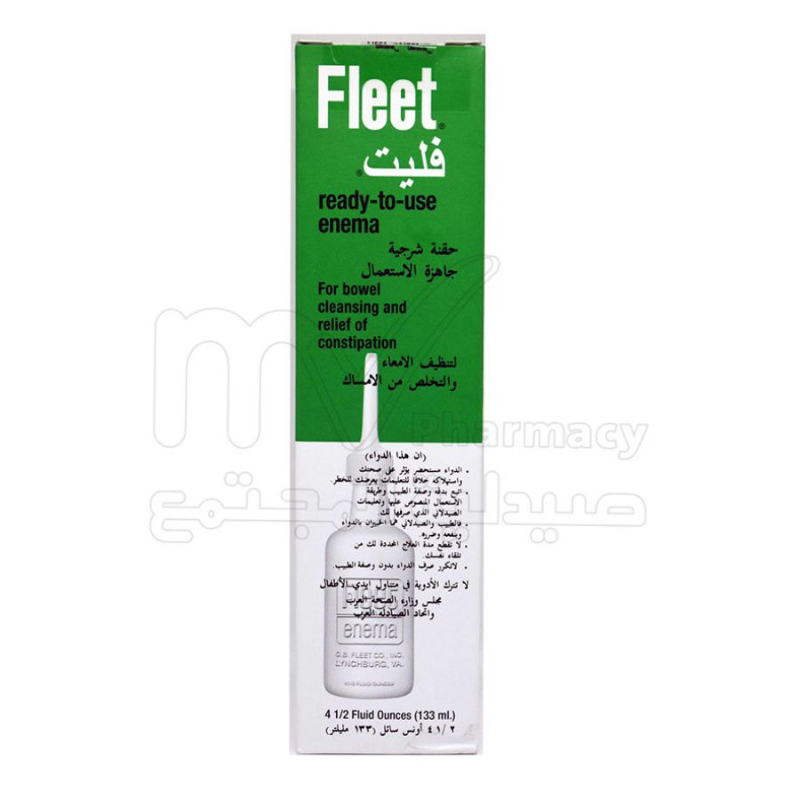
Medications > Gastrointestinal Medications
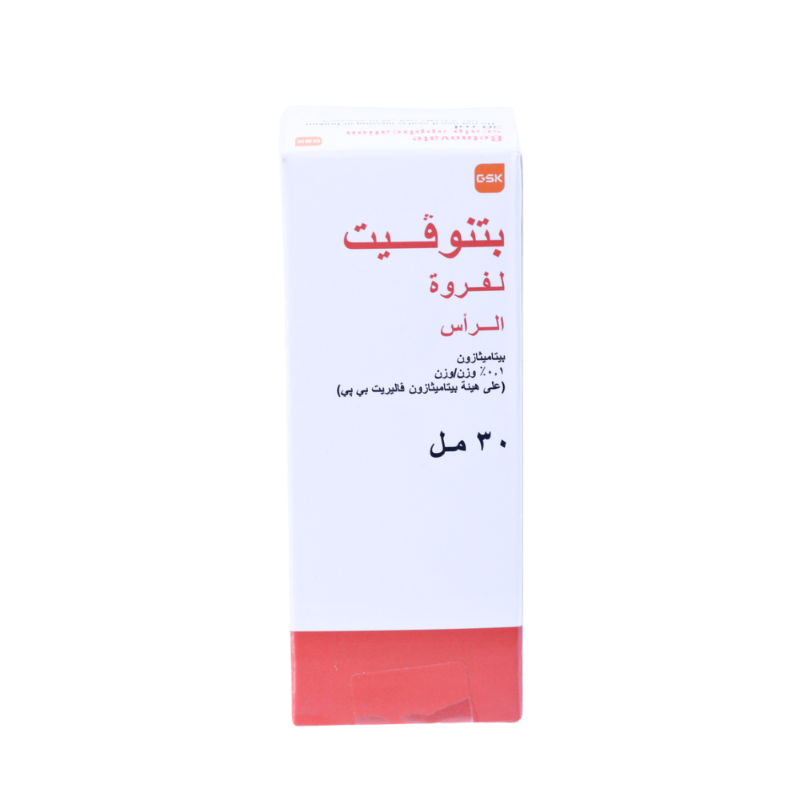
Medications > Dermatology Medications
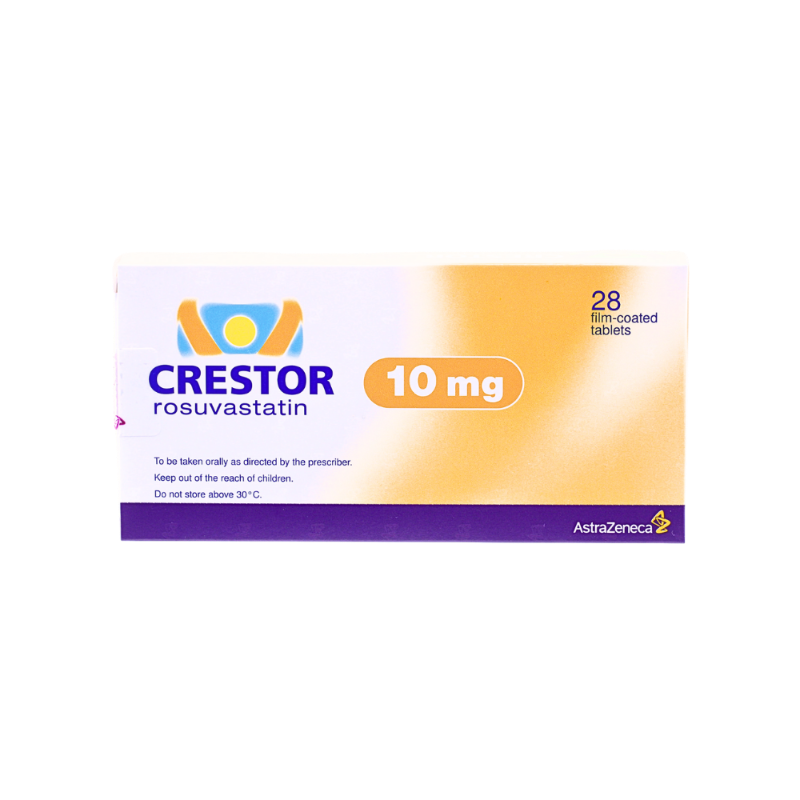
Medications > Cholesterol Medications
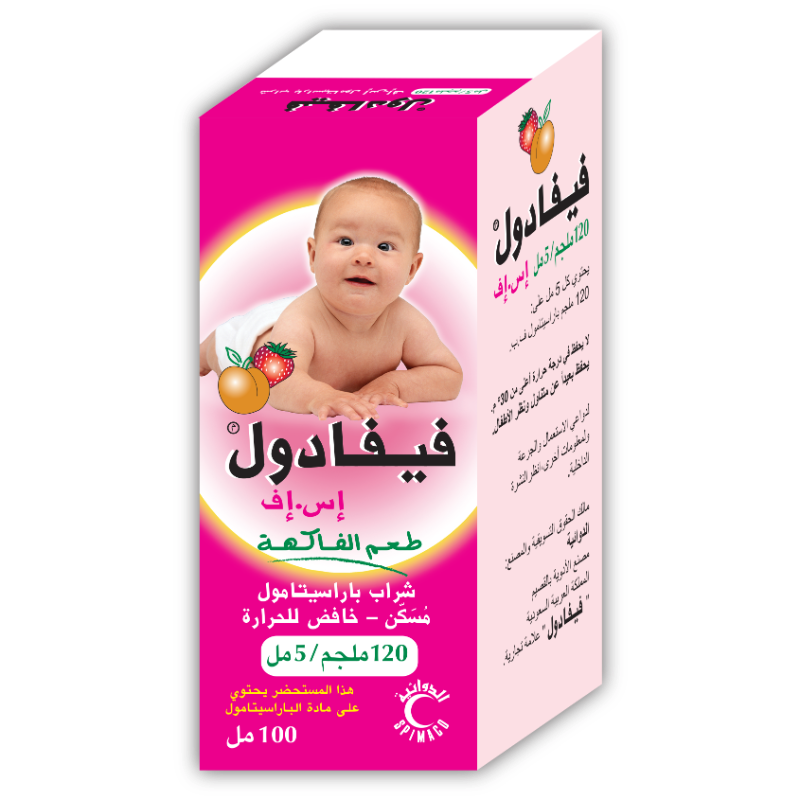
Medications > Painkillers and Antipyretics
Medications > Dermatology Medications
Medications > Cold, Cough, and Allergy Medications
Medications > Diabetes Medications
Medications > Eye and Ear Medications
Medications > Painkillers and Antipyretics
