
Use Code: ND30 And Get 30% OFF | Get Free Delivery With No Minimum Order
-1744229570.gif "Almujtama Pharmacy logo")




Frequently bought together
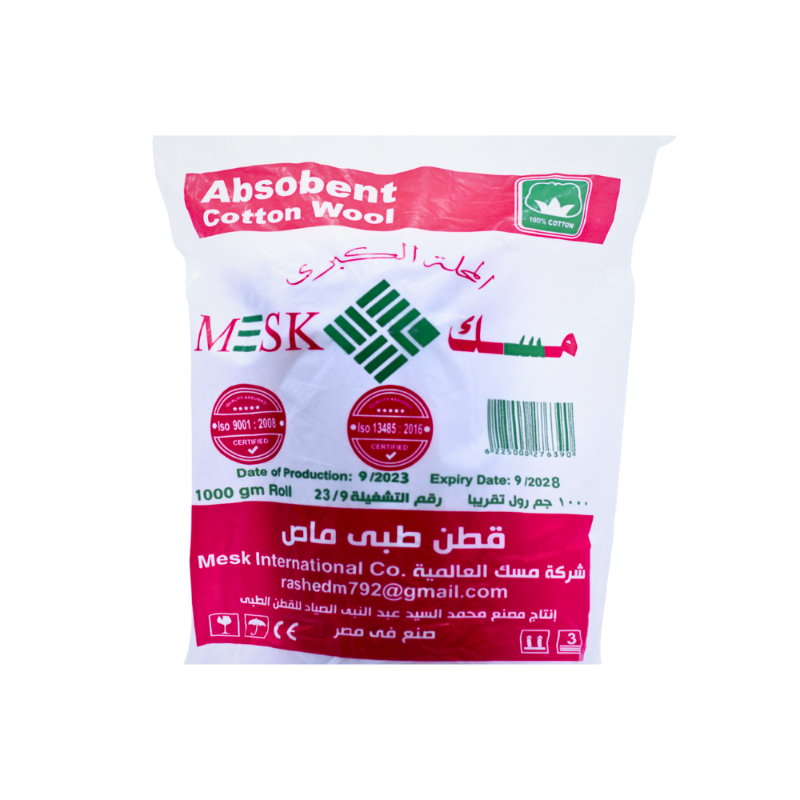
Health Care & Wellness > Medical Supplies
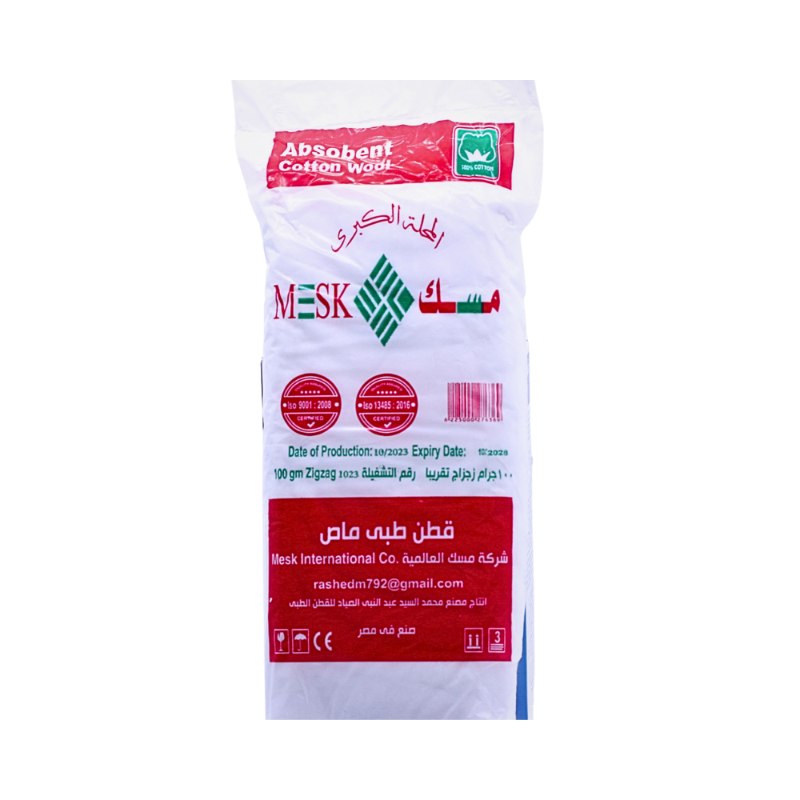
Health Care & Wellness > Medical Supplies
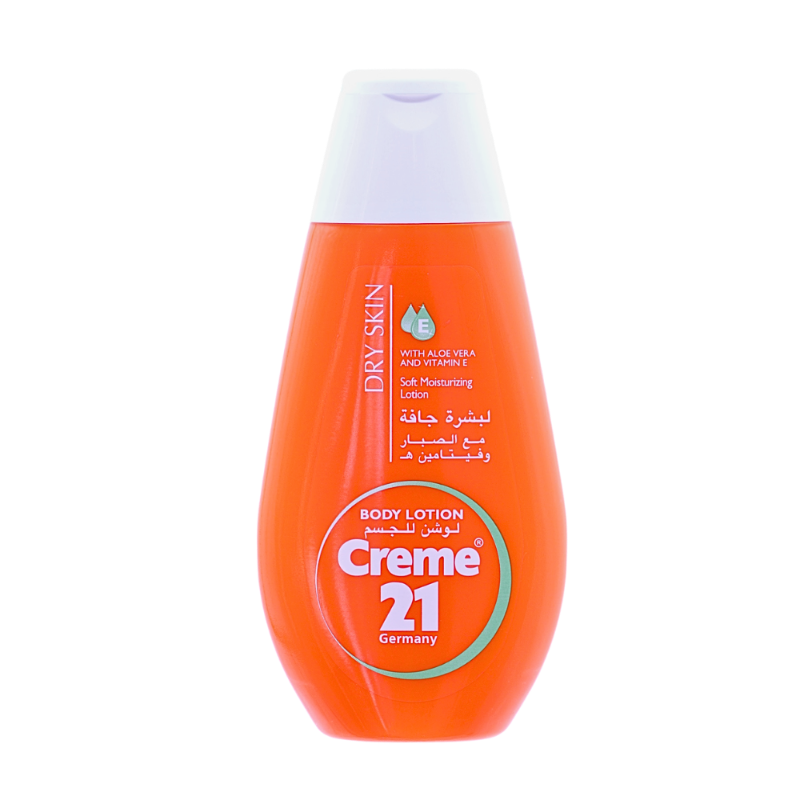
Skin And Body Care > Moisturizers
Vitamins & Supplements > Vitamins and Minerals
Vitamins & Supplements > Vitamins and Minerals
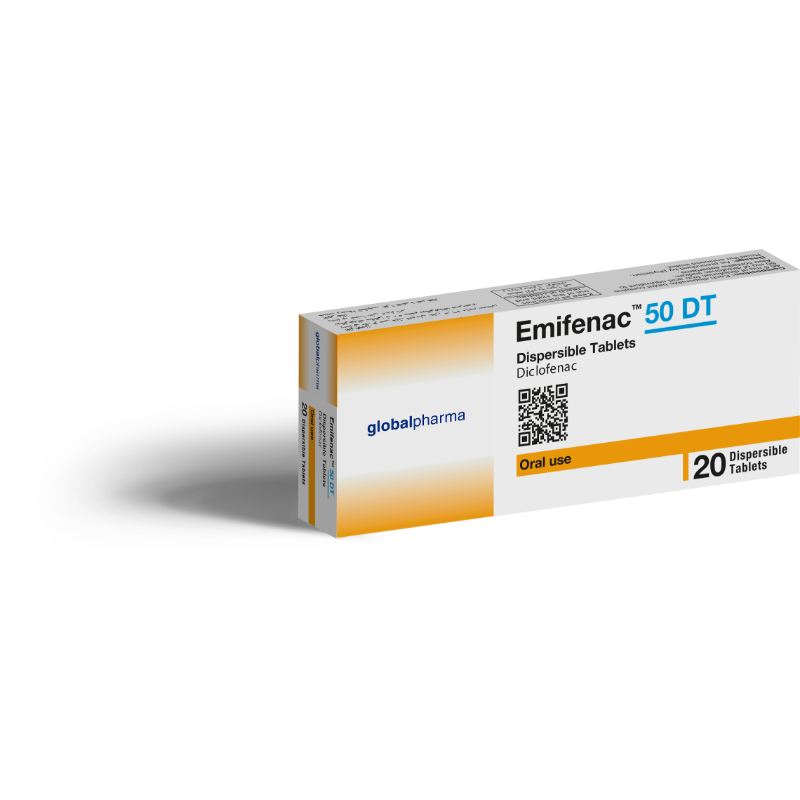
EMIFENAC DT 50/MG DISP TAB 20/TAB
- Sku : I-001952
Key features
EMIFENAC DT 50 mg dispersible tablets contain diclofenac sodium 50 mg as the active ingredient. It is a nonsteroidal anti-inflammatory drug that reversibly inhibits cyclooxygenase‑1 and cyclooxygenase‑2, reducing prostaglandin synthesis to alleviate pain, inflammation and fever. It is indicated for symptomatic relief of pain and inflammation in rheumatic conditions such as osteoarthritis, rheumatoid arthritis and ankylosing spondylitis, and for short‑term treatment of acute pain conditions including primary dysmenorrhea and acute migraine. Available by prescription as dispersible tablets in a pack of 20.- Brand: EMIFENAC
- Active Ingredient: DICLOFENAC SODIUM
- Strength: 50mg
- Dosage Form: Dispersible tablet
- Pack Size: 20 Tablets
- Route: Oral use
- Prescription Status: Prescription
- Therapeutic Class: Analgesic
- Pharmacological Group: Acetic Acid Derivatives (NSAIDs)
- Drug Class: Nonsteroidal anti-inflammatory drug (NSAID); non-selective cyclooxygenase inhibitor; acetic acid (phenylacetic acid) derivative.
- Manufacturer: GLOBAL PHARMA
- Country of Origin: United Arab Emirates
- SFDA Registration No.: 15-444-05
- Shelf Life: 36 months
- Storage: do not store above 30°c
- Pain Type: General, Muscular, Joint
- Nsaid: Yes
- Opioid: No
Frequently bought together
Health Care & Wellness > Medical Supplies
Health Care & Wellness > Medical Supplies
Skin And Body Care > Moisturizers
Vitamins & Supplements > Vitamins and Minerals
Vitamins & Supplements > Vitamins and Minerals
Indications
Approved Uses
Symptomatic treatment of pain and inflammation in rheumatic diseases (e.g., osteoarthritis, rheumatoid arthritis, ankylosing spondylitis) and short-term treatment of acute pain conditions such as primary dysmenorrhea and acute migraine attacks.
Dosage & Administration
Dosing by Condition
Adults (immediate-release/dispersible diclofenac): Osteoarthritis/Rheumatoid arthritis/Ankylosing spondylitis: typically 100-150 mg/day in 2-3 divided doses (max usually 150 mg/day for IR). Acute pain/primary dysmenorrhea: 50 mg up to 3 times daily (max 150 mg/day). Acute migraine: 50 mg at onset; may repeat once if needed per local labeling, keeping within the daily maximum for the formulation.
Initial Dose
50 mg two to three times daily.
Maintenance Dose
100-150 mg/day in divided doses for osteoarthritis; 150-200 mg/day in divided doses for rheumatoid arthritis.
Maximum Dose
150 mg/day for osteoarthritis; 200 mg/day for rheumatoid arthritis.
Children's Dosage
For children aged 1-12 years, the recommended oral dose is 1 mg/kg, up to three times daily, with a maximum daily dose of 3 mg/kg or 150mg. Not recommended for children under 1 year.
Dose Adjustment Notes
Use the lowest effective dose for the shortest duration; use caution and consider lower starting doses in older adults and in renal/hepatic impairment; avoid use in severe renal or severe hepatic impairment and in advanced heart failure unless clearly necessary.
How to Take
Disperse the 50 mg dispersible tablet in a small glass of water, stir, and drink immediately; rinse the glass with a little water and drink to ensure the full dose. Preferably take with or after food to reduce gastrointestinal irritation.
How to Prepare
Disperse the tablet in water, stir until dispersed, and take immediately after dispersion (then rinse the glass with a little water and drink to ensure full dose).
Side Effects
Common Side Effects
Nausea, vomiting, dyspepsia, abdominal pain, diarrhea, headache, dizziness, elevated liver enzymes, flatulence
Safety & Warnings
Contraindications
Contraindicated in: hypersensitivity to diclofenac/other NSAIDs; history of asthma/urticaria/allergic-type reactions after aspirin/NSAIDs (AERD); active GI bleeding/peptic ulcer; peri-operative pain in CABG surgery; and use in the third trimester of pregnancy.
Warnings & Precautions
Warnings/precautions: CV thrombotic risk (use lowest effective dose/shortest duration; caution in CV disease/risk factors); serious GI events (higher risk in elderly, prior ulcer/GI bleed, concomitant anticoagulants/antiplatelets/SSRIs); renal toxicity and hyperkalemia risk (caution with CKD, dehydration, ACEi/ARB/diuretics); hepatotoxicity (monitor LFTs, stop if injury suspected); fluid retention/HTN/heart failure worsening; severe skin reactions; may mask infection; avoid in aspirin-sensitive asthma.
Age Restriction
Not recommended for children <14 years for this 50 mg oral diclofenac dispersible tablet (use only if specifically prescribed; pediatric use generally requires weight-based dosing and appropriate formulations).
Drug Interactions
Drug Interactions
Key interactions: anticoagulants/antiplatelets/SSRIs (↑ bleeding); other NSAIDs (↑ GI/CV toxicity); ACEi/ARB/diuretics (↓ antihypertensive/diuretic effect, ↑ AKI risk); lithium (↑ levels); methotrexate (↑ toxicity); cyclosporine/tacrolimus (↑ nephrotoxicity); digoxin (↑ levels).
Interaction Severity
MAJOR/clinically significant: anticoagulants/antiplatelets (e.g., warfarin, DOACs, aspirin, clopidogrel) and SSRIs/SNRIs (↑ bleeding), other NSAIDs (↑ GI/renal risk), methotrexate (↑ toxicity), lithium (↑ levels/toxicity). MODERATE: ACE inhibitors/ARBs and diuretics (↓ antihypertensive/diuretic effect; ↑ AKI risk-"triple whammy"), cyclosporine/tacrolimus (↑ nephrotoxicity), digoxin (↑ levels).
Food Interaction
Take with food
Special Populations
Pregnancy
Avoid in third trimester; use with caution earlier.
Breastfeeding
Caution
Children
For children aged 1-12 years, the recommended oral dose is 1 mg/kg, up to three times daily, with a maximum daily dose of 3 mg/kg or 150mg. Not recommended for children under 1 year.
Elderly
Start at the lower end of the dosing range. Use the lowest effective dose for the shortest duration possible due to increased risk of adverse events.
Kidney Impairment
Avoid in advanced renal impairment (e.g., CrCl <30 mL/min) and in patients with active/progressive renal disease; if mild-moderate impairment, use the lowest effective dose with renal function monitoring (no fixed adjustment).
Liver Impairment
No specific dose adjustment for mild-moderate hepatic impairment but use with caution and monitor LFTs; avoid/contraindicated in severe hepatic impairment or active hepatic disease.
Storage & Patient Advice
Preparation Instructions
Disperse the tablet in water, stir until dispersed, and take immediately after dispersion (then rinse the glass with a little water and drink to ensure full dose).
Missed Dose
Take as soon as remembered; skip if near the time of the next dose. Do not double the dose
Stopping the Medicine
Can be stopped without tapering.
Overdose
Symptoms: nausea/vomiting, epigastric pain, GI bleeding, dizziness/drowsiness; severe cases: hypotension/hypertension, acute kidney injury, metabolic acidosis, seizures, respiratory depression, hepatic injury. Management: supportive care, consider activated charcoal if early after ingestion; no specific antidote; urgent medical evaluation required.
Patient Counseling
Disperse in water and take with/after food; use the lowest effective dose for the shortest time and do not combine with other NSAIDs unless advised. Seek urgent care for black/tarry stools, vomiting blood, severe abdominal pain, chest pain/shortness of breath, sudden weakness/slurred speech, or swelling/rapid weight gain; avoid in the 3rd trimester of pregnancy and inform the prescriber about ulcer history, kidney/liver disease, hypertension/heart disease, and all anticoagulant/antiplatelet or SSRI/SNRI use.
Monitoring Requirements
If used beyond short-term: monitor blood pressure, renal function (SCr/eGFR), hepatic function (LFTs), and CBC periodically; monitor for GI bleeding/ulcer symptoms and for cardiovascular thrombotic events/edema.
Pharmacology
Mechanism of Action
Reversibly inhibits COX-1 and COX-2, decreasing prostaglandin synthesis and thereby reducing pain, inflammation, and fever.
Onset of Action
Approximately 30-60 minutes for analgesic effect with immediate-release/dispersible diclofenac.
Duration of Effect
Approximately 6-8 hours for immediate-release/dispersible diclofenac.
Half-Life
1.2-2 hours.
Bioavailability
Oral systemic bioavailability ~50% (range ~40-60%) due to first-pass metabolism; absorption from the GI tract is essentially complete.
Protein Binding
>99%, primarily to albumin.
Product Information
Available Dosage Forms
For diclofenac sodium (general): oral immediate-release tablets (including dispersible), enteric-coated/delayed-release tablets, extended/modified-release tablets, capsules (some markets), suppositories, injection, topical gel/solution, and ophthalmic solution; availability varies by country/brand.
Composition per Dose
Each dispersible tablet: 50 mg diclofenac sodium
Generic Availability
Yes
OTC Alternatives
Paracetamol (acetaminophen) and ibuprofen are common OTC alternatives for mild-to-moderate pain; naproxen may be OTC in some countries but is prescription-only in others.
Pain Type
General, Muscular, Joint
Nsaid
Yes
Opioid
No
Reviewed by Al Mujtama Pharmacy Medical Review Team. Last reviewed 19-06-2026
Similar Products

Medications > Painkillers and Antipyretics
Medications > Sexual Health
Medications > Hemorrhoid Medications
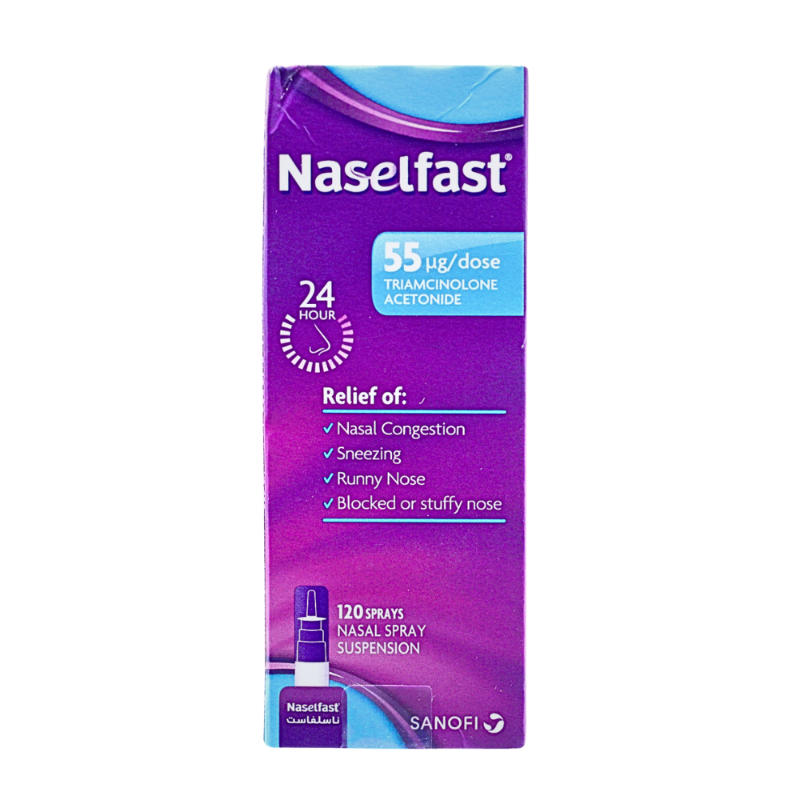
Medications > Cold, Cough, and Allergy Medications
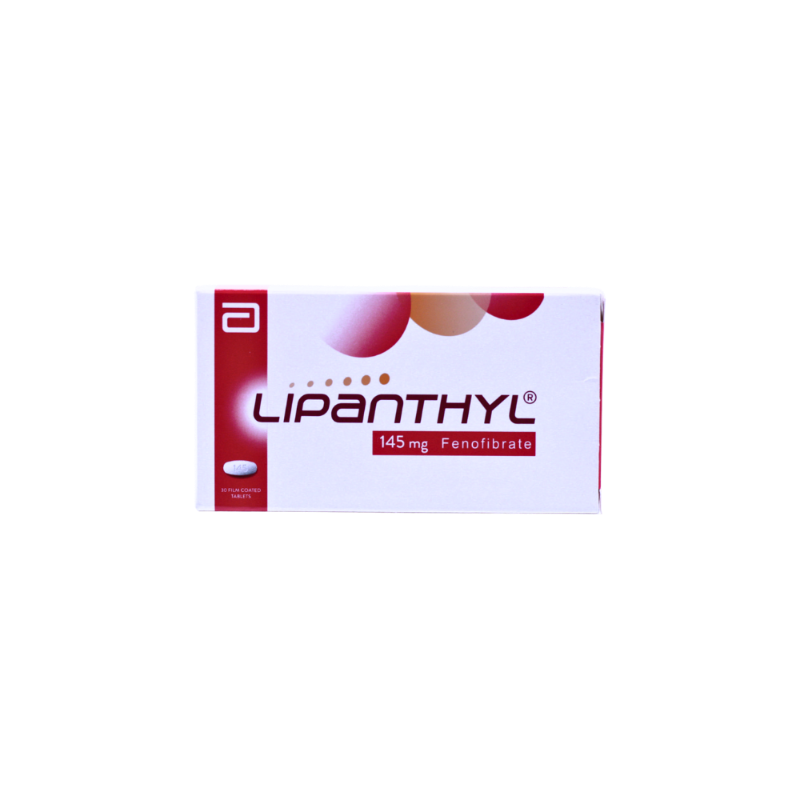
Medications > Cholesterol Medications
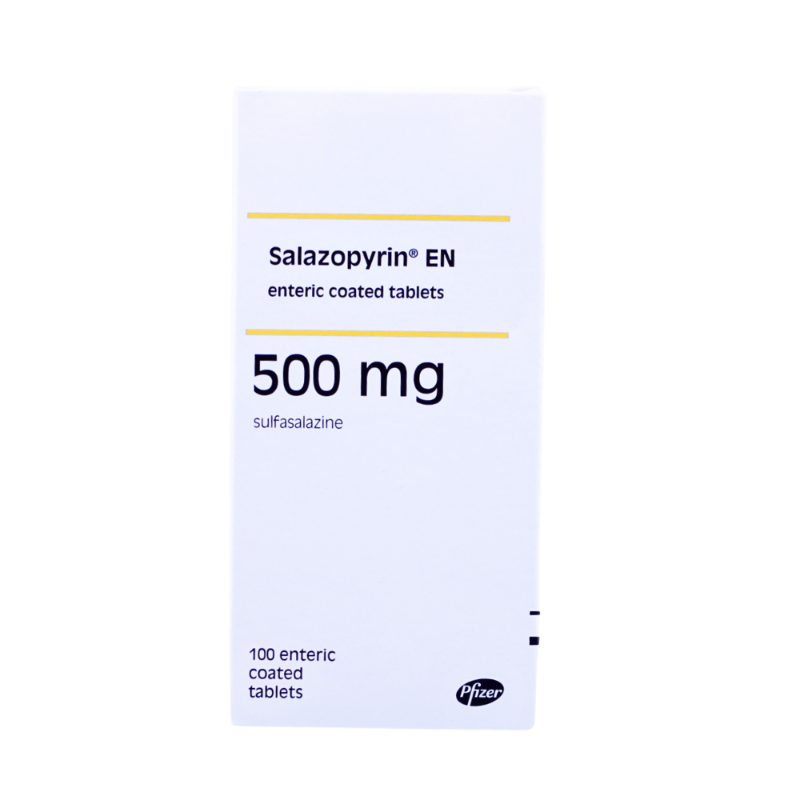
Medications > Gastrointestinal Medications
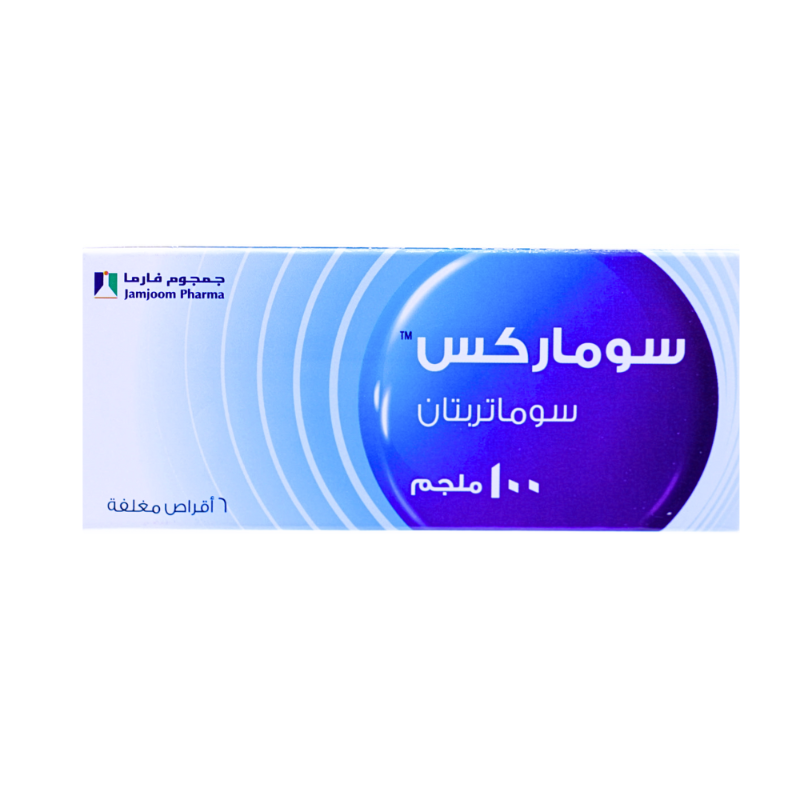
Medications > Painkillers and Antipyretics
Medications > Hemorrhoid Medications
Medications > Diabetes Medications
Medications > Gastrointestinal Medications
