
Use Code: ND30 And Get 30% OFF | Get Free Delivery With No Minimum Order
-1744229570.gif "Almujtama Pharmacy logo")




Frequently bought together
Vitamins & Supplements > Vitamins and Minerals

Vitamins & Supplements > Vitamins and Minerals
Vitamins & Supplements > Vitamins and Minerals
Vitamins & Supplements > Vitamins and Minerals
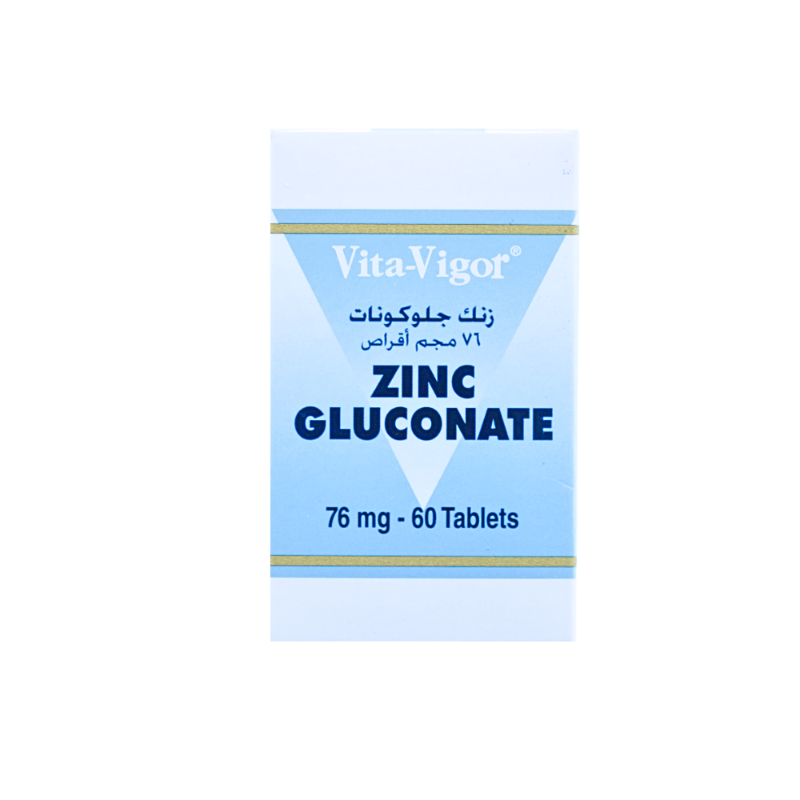
Vitamins & Supplements > Vitamins and Minerals
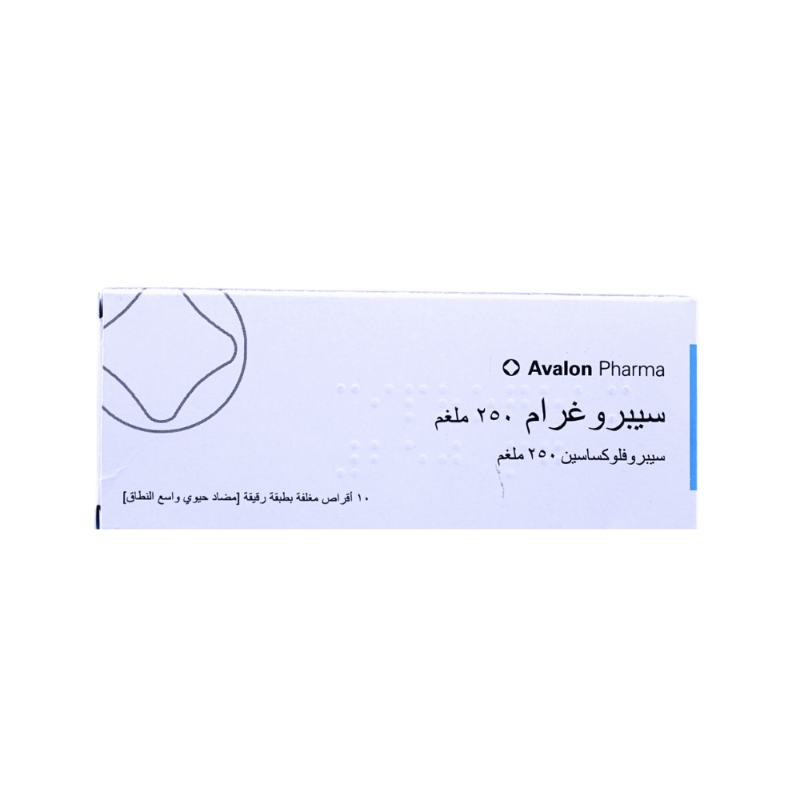
CIPROGRAM 250/MG FC TAB 10/FC TAB
- Sku : I-031940
Key features
CIPROGRAM 250 mg film-coated tablets contain ciprofloxacin, a second-generation fluoroquinolone antibiotic. Ciprofloxacin inhibits bacterial DNA gyrase and topoisomerase IV, disrupting DNA replication and exerting bactericidal activity. It is indicated for susceptible infections such as urinary tract infections (including pyelonephritis), lower respiratory tract infections, skin and skin-structure infections, bone and joint infections, infectious diarrhea/enteric infections (including typhoid fever), certain gonococcal infections, and inhalational anthrax post-exposure prophylaxis or treatment. Available as prescription-only film-coated tablets in a pack of 10 tablets.- Brand: CIPROGRAM
- Active Ingredient: CIPROFLOXACIN
- Strength: 250mg
- Dosage Form: Film-coated tablet
- Pack Size: 10 Tablets
- Route: Oral use
- Prescription Status: Prescription
- Therapeutic Class: Anti-infective
- Pharmacological Group: Fluoroquinolones
- Drug Class: Second-generation Fluoroquinolone Antibiotic
- Manufacturer: (Avalon Pharma) Middle East Pharmaceutical Industries Co. Ltd
- Country of Origin: Saudi Arabia
- SFDA Registration No.: 1210211149
- Shelf Life: 36 months
- Storage: store below 30°c
- Spectrum: Broad-spectrum.
- Antibiotic Class: Fluoroquinolone
Frequently bought together
Vitamins & Supplements > Vitamins and Minerals
Vitamins & Supplements > Vitamins and Minerals
Vitamins & Supplements > Vitamins and Minerals
Vitamins & Supplements > Vitamins and Minerals
Vitamins & Supplements > Vitamins and Minerals
Indications
Approved Uses
Ciprofloxacin is indicated (depending on local label) for susceptible infections such as urinary tract infections (including pyelonephritis), lower respiratory tract infections, skin/skin-structure infections, bone and joint infections, infectious diarrhea/enteric infections (including typhoid fever), certain gonococcal infections, and inhalational anthrax post-exposure prophylaxis/treatment; other uses (e.g., sinusitis, intra-abdominal infection, plague) are label- and region-dependent and should not be assumed for this specific SFDA product without the local SmPC.
Dosage & Administration
Initial Dose
250-500 mg every 12 hours depending on indication and severity
Children's Dosage
Not recommended for routine use in children under 18 years due to risk of arthropathy; approved for specific indications: complicated UTI/pyelonephritis 10-20 mg/kg q12h (max 750 mg/dose), anthrax post-exposure 15 mg/kg q12h (max 500 mg/dose)
Side Effects
Common Side Effects
Common adverse effects include nausea, diarrhea, vomiting, abdominal pain/dyspepsia, headache, dizziness, and rash (with possible mild transaminase elevations).
Side Effect Frequency
Common (1-10%): nausea, diarrhea (also vomiting/abdominal pain in some sources), headache/dizziness, rash; Uncommon (0.1-1%): insomnia/agitation/restlessness, dyspepsia/flatulence, photosensitivity; Rare (<0.1%): tendinitis/tendon rupture, peripheral neuropathy, seizures/CNS effects, severe hypersensitivity, QT prolongation, severe hepatotoxicity, C. difficile-associated diarrhea
Safety & Warnings
Warnings & Precautions
Warnings/precautions: tendonitis/tendon rupture risk (higher in >60 years, corticosteroid use, transplant), peripheral neuropathy (stop if symptoms), CNS effects/seizure risk, exacerbation of myasthenia gravis (avoid), QT prolongation risk (avoid with known QT prolongation/hypokalemia or QT drugs), C. difficile diarrhea, dysglycemia (esp. diabetics), photosensitivity, aortic aneurysm/dissection risk, and crystalluria-maintain hydration and avoid excessive sun.
Age Restriction
Generally avoid routine use in patients <18 years; may be used only when benefits outweigh risks for specific approved/accepted pediatric indications (e.g., complicated UTI/pyelonephritis, inhalational anthrax post-exposure, plague) and when no suitable alternatives exist.
Drug Interactions
Drug Interactions
Key interactions: tizanidine (contraindicated); polyvalent cations/antacids/iron/zinc/calcium, sucralfate, and didanosine-buffered products (↓ absorption-separate dosing); theophylline and caffeine (↑ levels/toxicity via CYP1A2 inhibition); warfarin (↑ INR/bleeding-monitor); QT-prolonging drugs (additive QT risk); NSAIDs (may ↑ seizure risk); probenecid (↑ ciprofloxacin levels); methotrexate (↓ clearance/↑ toxicity); cyclosporine (possible ↑ nephrotoxicity/SCr); clozapine/ropinirole (↑ levels).
Interaction Severity
MAJOR/Contraindicated: tizanidine. MAJOR/Clinically significant: theophylline (toxicity risk), QT-prolonging drugs (additive QT risk in susceptible patients), and warfarin (INR elevation-often managed with close monitoring rather than absolute avoidance). MODERATE: antacids/sucralfate/iron/zinc/calcium (reduced absorption), NSAIDs (CNS stimulation/seizure risk), cyclosporine (nephrotoxicity), methotrexate (reduced clearance/toxicity), caffeine (increased effects).
Special Populations
Children
Not recommended for routine use in children under 18 years due to risk of arthropathy; approved for specific indications: complicated UTI/pyelonephritis 10-20 mg/kg q12h (max 750 mg/dose), anthrax post-exposure 15 mg/kg q12h (max 500 mg/dose)
Kidney Impairment
Adjust by creatinine clearance: CrCl 30-50 mL/min: usual dose q12h; CrCl 5-29 mL/min: extend interval to about q18-24h; hemodialysis/peritoneal dialysis: dose q24h and administer after dialysis.
Storage & Patient Advice
Stopping the Medicine
Complete the prescribed course unless significant adverse effects occur; stop and seek urgent medical advice if serious reactions develop (e.g., tendon pain/rupture, neuropathy symptoms, severe CNS effects, severe diarrhea, anaphylaxis).
Product Information
Available Dosage Forms
For ciprofloxacin as an active ingredient, common dosage forms include immediate-release oral tablets (including film-coated), oral suspension, and IV infusion; ophthalmic and otic solutions exist as separate topical products. Extended-release tablets and ophthalmic ointment exist in some markets but are not universal.
Composition per Dose
Each film-coated tablet: 250 mg ciprofloxacin as ciprofloxacin hydrochloride
Generic Availability
Yes
OTC Alternatives
No OTC alternative - prescription required for all fluoroquinolone antibiotics
Spectrum
Broad-spectrum.
Antibiotic Class
Fluoroquinolone
Reviewed by Al Mujtama Pharmacy Medical Review Team. Last reviewed 13-06-2026
Similar Products
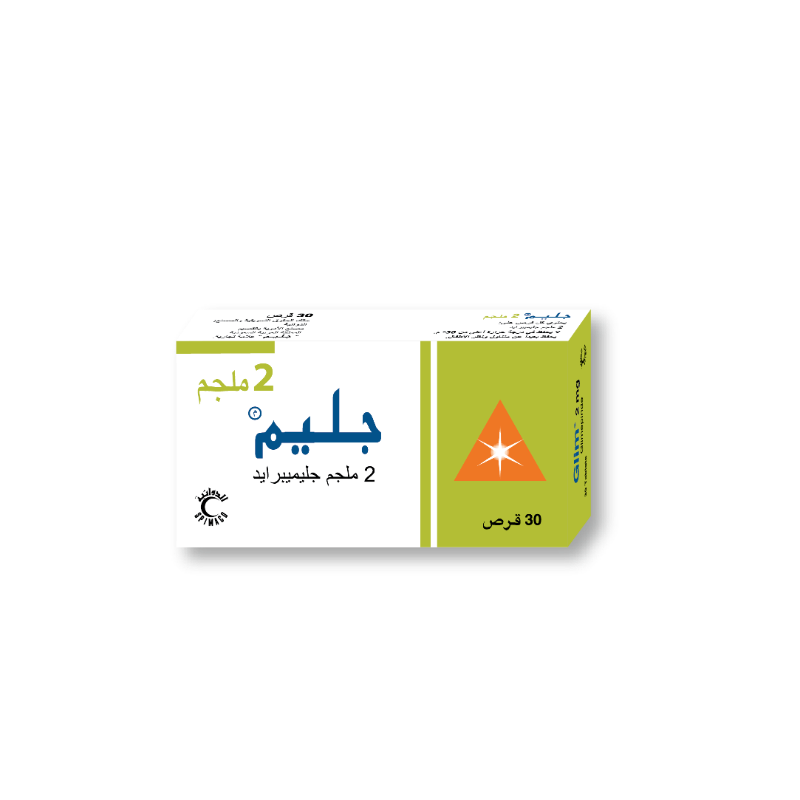
Medications > Diabetes Medications
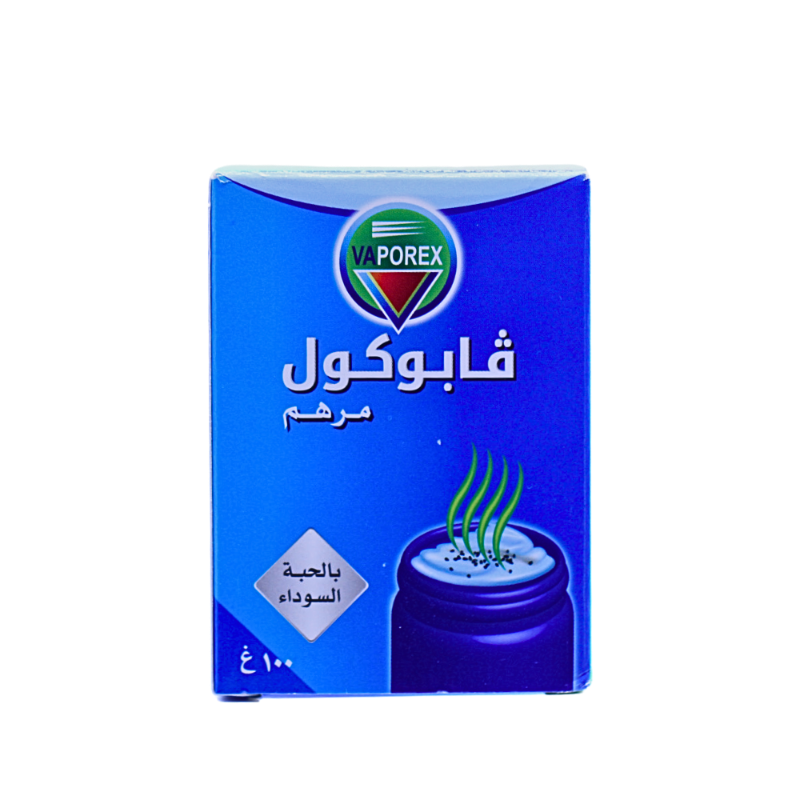
Medications > Painkillers and Antipyretics
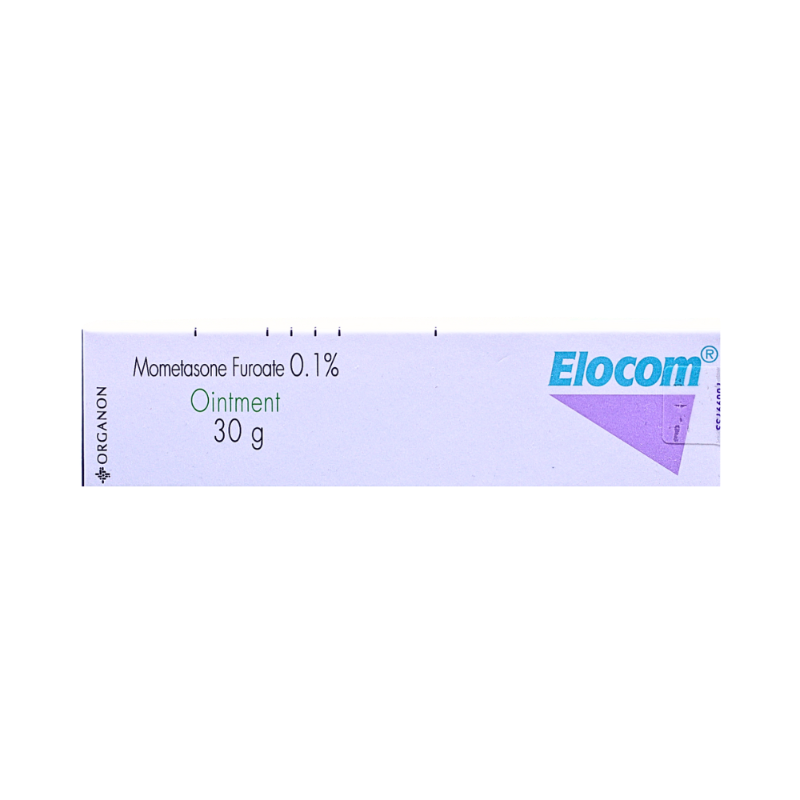
Medications > Dermatology Medications
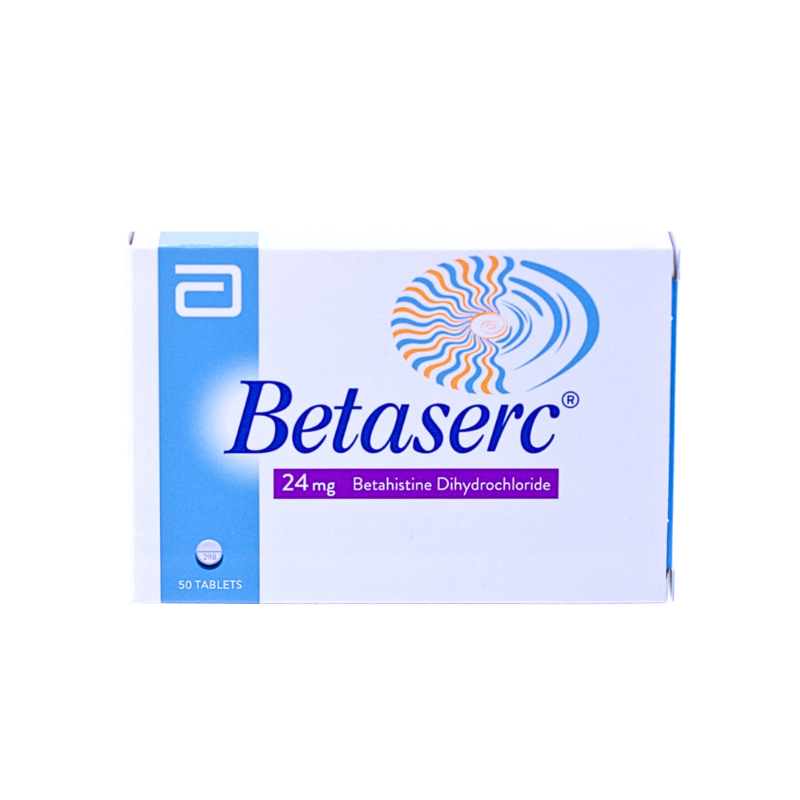
Medications > Other Medicines
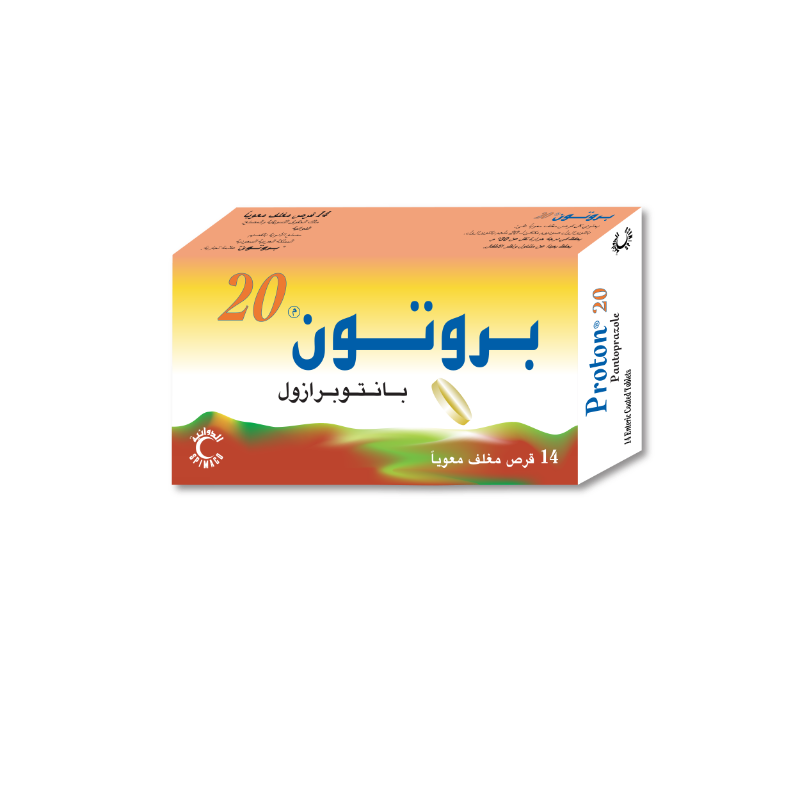
Medications > Gastrointestinal Medications
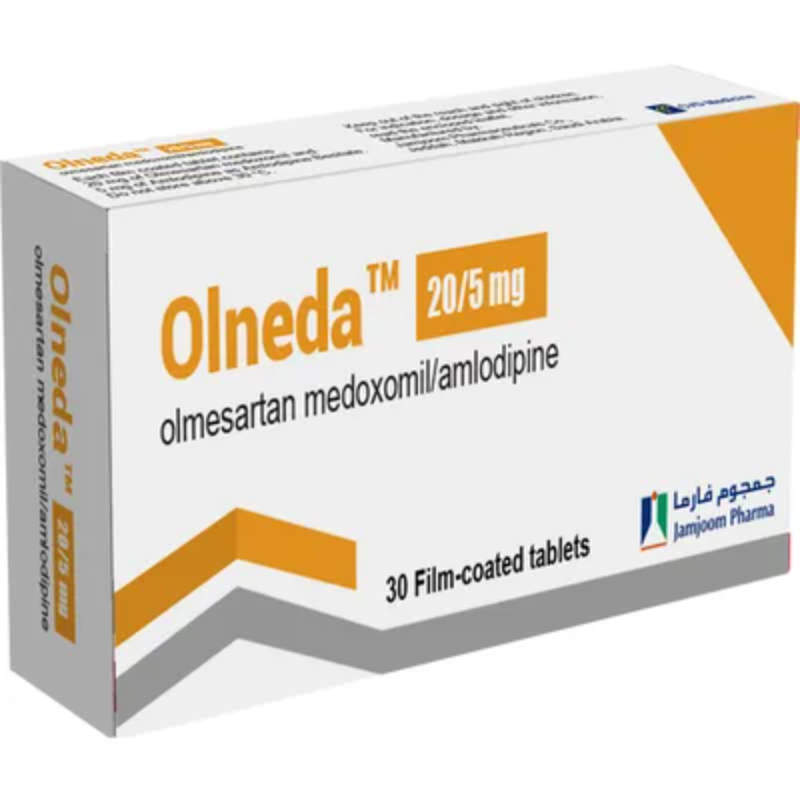
Medications > Hypertesion & Cardiovascular Medications
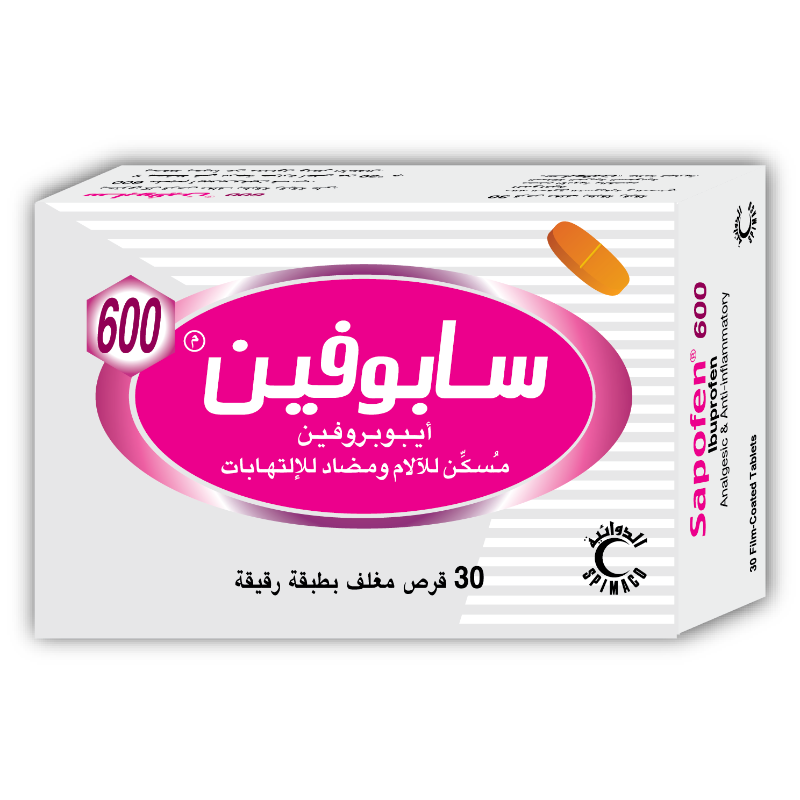
Medications > Painkillers and Antipyretics
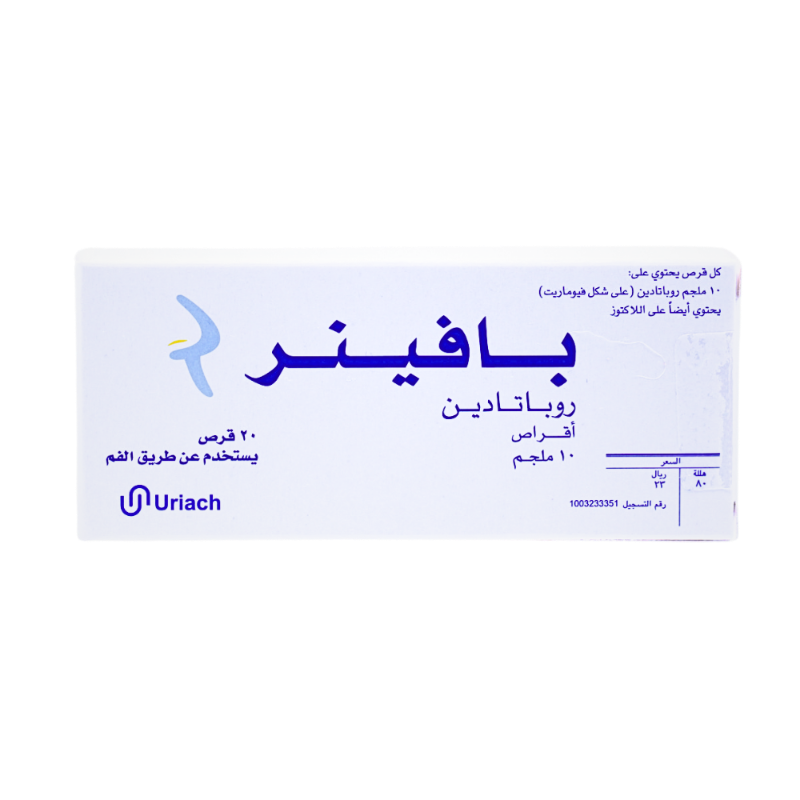
Medications > Cold, Cough, and Allergy Medications
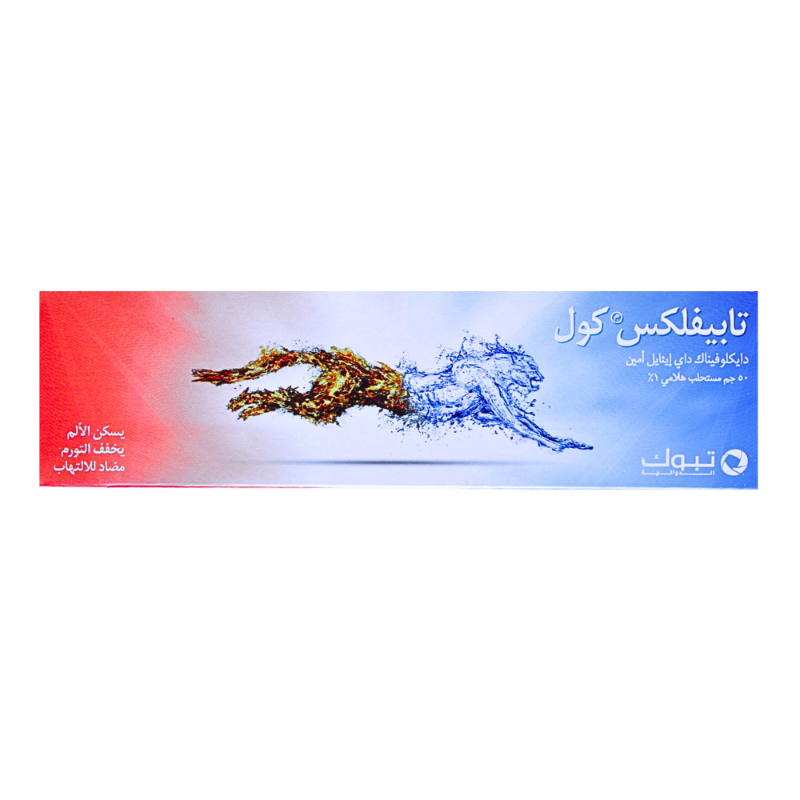
Medications > Painkillers and Antipyretics
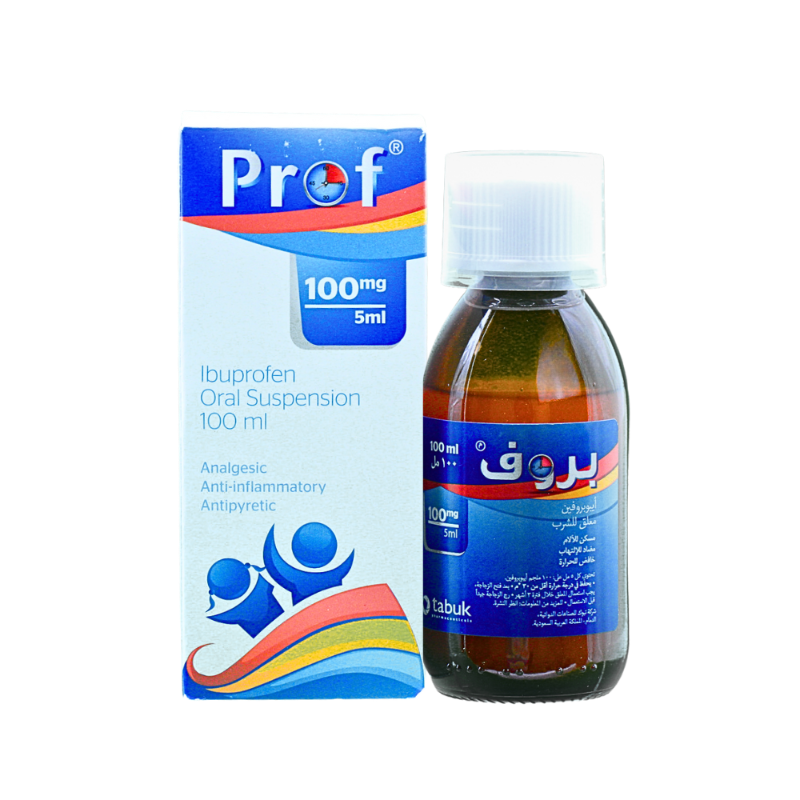
Medications > Painkillers and Antipyretics
