
Use Code: ND30 And Get 30% OFF | Get Free Delivery With No Minimum Order
-1744229570.gif "Almujtama Pharmacy logo")




Frequently bought together
Health Care & Wellness > Diabetes Care
Health Care & Wellness > Diabetes Care
Health Care & Wellness > Diabetes Care
Skin And Body Care > Moisturizers
Skin And Body Care > Moisturizers
Skin And Body Care > Moisturizers
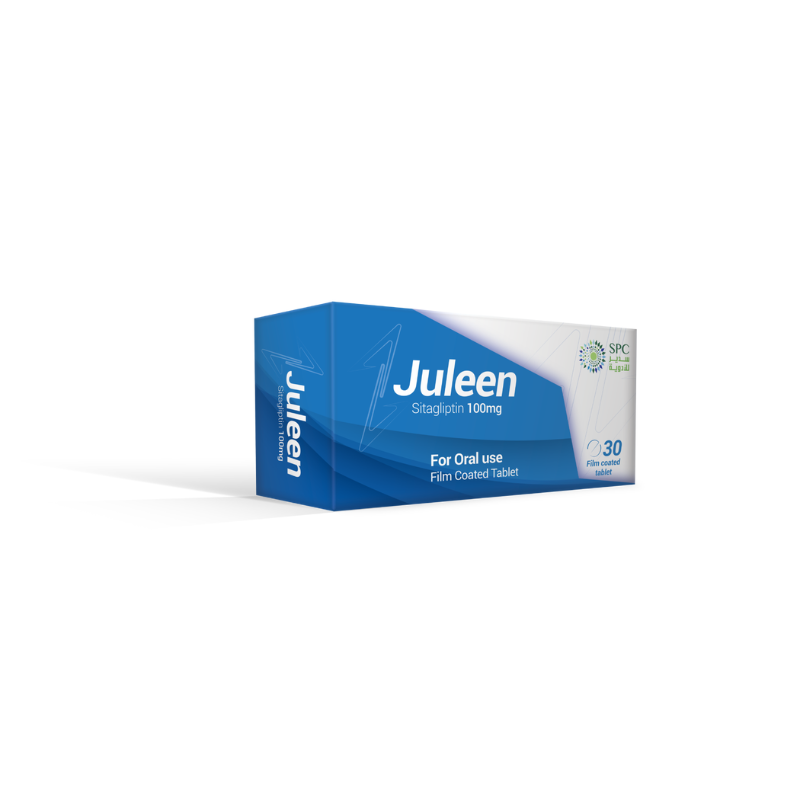
JULEEN 100/MG 30/FC TAB
- Sku : I-033272
Key features
JULEEN 100 MG 30 TAB is a film-coated tablet containing sitagliptin hydrochloride 100 mg. It selectively inhibits dipeptidyl peptidase‑4 (DPP‑4), increasing endogenous incretins (GLP‑1, GIP) to enhance glucose‑dependent insulin secretion and suppress glucagon, thereby lowering blood glucose with a low intrinsic risk of hypoglycemia. JULEEN is indicated as an adjunct to diet and exercise to improve glycemic control in adults with type 2 diabetes mellitus and may be used as monotherapy or in combination with other antidiabetic agents. Available as a prescription-only pack of 30 film-coated tablets.- Brand: JULEEN
- Active Ingredient: SITAGLIPTIN HYDROCHLORIDE 100mg
- Strength: 100mg
- Dosage Form: Film-coated tablet
- Pack Size: 30 Tablets
- Route: Oral use
- Prescription Status: Prescription
- Therapeutic Class: Antidiabetic
- Pharmacological Group: DPP-4 Inhibitors
- Drug Class: Dipeptidyl peptidase-4 (DPP-4) inhibitor (gliptin); oral antihyperglycemic agent.
- Manufacturer: Sudair Pharma Company
- Country of Origin: Saudi Arabia
- SFDA Registration No.: 2104245178
- Shelf Life: 36 months
- Storage: do not store above 30°c
- Diabetes Type: Type 2
Frequently bought together
Health Care & Wellness > Diabetes Care
Health Care & Wellness > Diabetes Care
Health Care & Wellness > Diabetes Care
Skin And Body Care > Moisturizers
Skin And Body Care > Moisturizers
Skin And Body Care > Moisturizers
Indications
Approved Uses
Adjunct to diet and exercise to improve glycemic control in adults with type 2 diabetes mellitus; can be used as monotherapy or in combination with other antidiabetic agents.
Dosage & Administration
Dosing by Condition
Type 2 diabetes mellitus: 100 mg orally once daily. Renal adjustment: eGFR/CrCl 30-<45 mL/min: 50 mg once daily; eGFR/CrCl <30 mL/min or ESRD (including dialysis): 25 mg once daily.
Initial Dose
100 mg once daily.
Maintenance Dose
100 mg once daily.
Maximum Dose
100 mg once daily.
Children's Dosage
Not approved for children under 18 years.
Dose Adjustment Notes
Assess renal function before initiation and periodically; reduce dose in moderate to severe renal impairment/ESRD. When used with insulin or a sulfonylurea, consider lowering the insulin/sulfonylurea dose to reduce hypoglycemia risk.
How to Take
Swallow the film-coated tablet whole with water; may be taken with or without food, preferably at the same time each day.
Side Effects
Common Side Effects
Nasopharyngitis/upper respiratory tract infection, headache; gastrointestinal upset (nausea, diarrhea); hypoglycemia mainly when combined with insulin or a sulfonylurea.
Safety & Warnings
Contraindications
History of a serious hypersensitivity reaction to sitagliptin (e.g., anaphylaxis, angioedema, Stevens-Johnson syndrome) or to any excipient.
Warnings & Precautions
Assess renal function before initiation and periodically and adjust dose for renal impairment; discontinue if pancreatitis is suspected; discontinue for serious hypersensitivity reactions; consider discontinuation if severe arthralgia occurs; discontinue if bullous pemphigoid is suspected; monitor for heart failure signs in at-risk patients; not indicated for type 1 diabetes or diabetic ketoacidosis.
Age Restriction
Not approved under 18 years
Drug Interactions
Drug Interactions
Insulin and insulin secretagogues (e.g., sulfonylureas): increased hypoglycemia risk-consider lowering the insulin/secretagogue dose; Digoxin: small increase in digoxin exposure-clinical monitoring is prudent.
Interaction Severity
Insulin/sulfonylureas: clinically significant increased hypoglycemia risk-consider dose reduction and monitor (commonly managed as moderate/clinically significant). Digoxin: minor increase in digoxin exposure-monitor as appropriate. Strong P-gp/CYP3A4 inducers (e.g., rifampin): may reduce sitagliptin exposure-monitor glycemic control.
Food Interaction
No restriction
Special Populations
Children
Not approved for children under 18 years.
Elderly
Standard adult dosing; however, renal function should be assessed before initiation and monitored periodically as renal function declines with age. Dose adjustment based on renal function, not age alone.
Kidney Impairment
eGFR ≥45 mL/min/1.73 m²: 100 mg once daily; eGFR ≥30 to <45 mL/min/1.73 m²: 50 mg once daily; eGFR <30 mL/min/1.73 m² (including ESRD on dialysis): 25 mg once daily (may be administered without regard to the timing of dialysis).
Liver Impairment
No dose adjustment is needed in mild to moderate hepatic impairment; severe hepatic impairment has not been studied-use with caution.
Storage & Patient Advice
Stopping the Medicine
Do not stop sitagliptin without prescriber advice; if discontinued, monitor blood glucose and adjust the diabetes regimen as glycemic control may worsen (no taper is required).
Overdose
Overdose is generally unlikely to cause hypoglycemia unless combined with insulin or a sulfonylurea; manage with supportive care, consider GI decontamination if appropriate, and monitor clinically-hemodialysis removes only a small/modest amount of sitagliptin.
Patient Counseling
Take once daily with or without food, swallow whole, and take consistently each day; continue diet/exercise. Low blood sugar is uncommon alone but can occur with insulin/sulfonylureas-know symptoms. Seek urgent care for severe persistent abdominal pain (possible pancreatitis) or signs of serious allergy; report severe joint pain. Inform clinicians about kidney disease and attend periodic glucose and renal monitoring.
Monitoring Requirements
Glycemic control (HbA1c about every 3 months until stable then every 6 months; SMBG/fasting glucose as clinically indicated), renal function (SCr/eGFR) at baseline and periodically, and clinical monitoring for pancreatitis and hypersensitivity reactions; monitor for hypoglycemia when combined with insulin/sulfonylurea.
Pharmacology
Mechanism of Action
Selective DPP-4 inhibition increases endogenous incretins (GLP-1, GIP), enhancing glucose-dependent insulin secretion and suppressing glucagon, lowering blood glucose with low intrinsic hypoglycemia risk.
Duration of Effect
24 hours
Half-Life
Approximately 12.4 hours
Bioavailability
Approximately 87%.
Metabolism
Sitagliptin is minimally metabolized; the majority is eliminated unchanged in urine (about 79%), with minor metabolism mainly via CYP3A4 and to a lesser extent CYP2C8 to inactive metabolites.
Excretion
Primarily renal elimination: ~79% excreted unchanged in urine; total urinary recovery ~87%, with ~13% in feces.
Product Information
Available Dosage Forms
Film-coated tablet (oral).
Composition per Dose
Each film-coated tablet: 100 mg sitagliptin as sitagliptin hydrochloride
Generic Availability
Yes
OTC Alternatives
No OTC alternative (prescription-only antidiabetic therapy).
Diabetes Type
Type 2
Reviewed by Al Mujtama Pharmacy Medical Review Team. Last reviewed 20-06-2026
Similar Products
Medications > Dermatology Medications
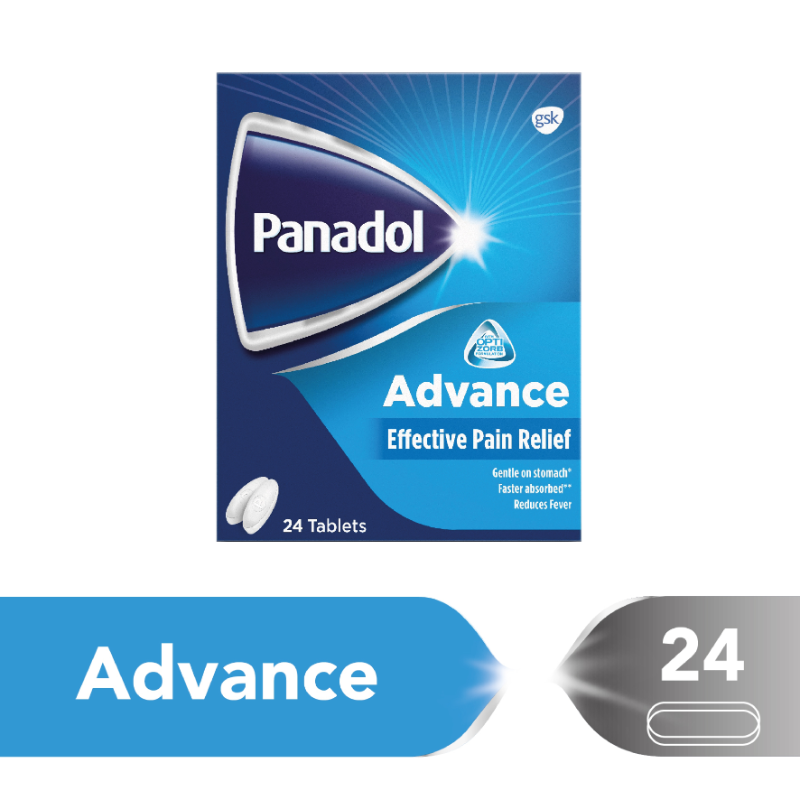
Medications > Painkillers and Antipyretics
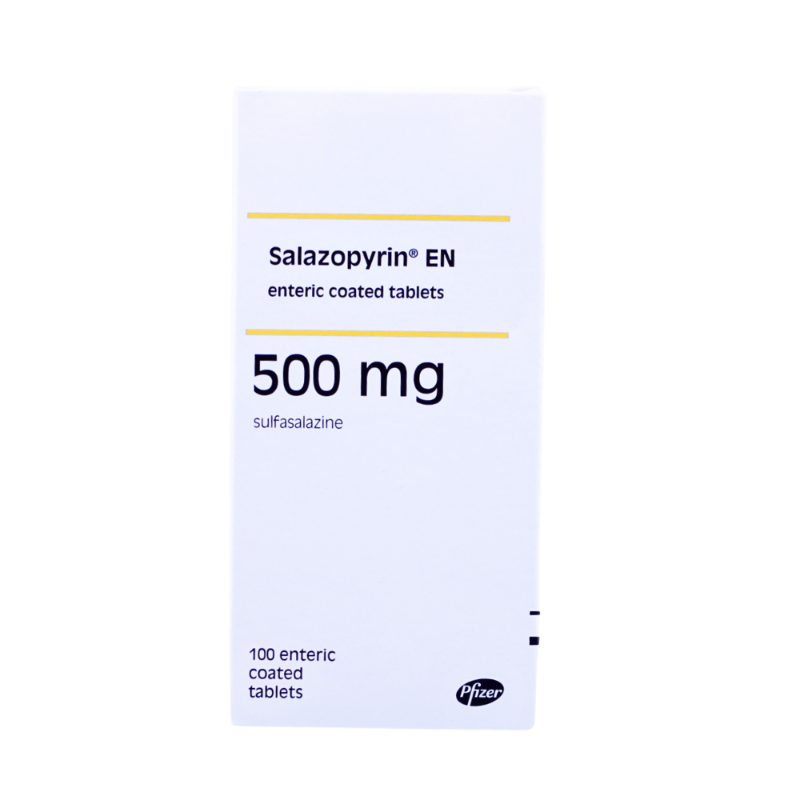
Medications > Gastrointestinal Medications
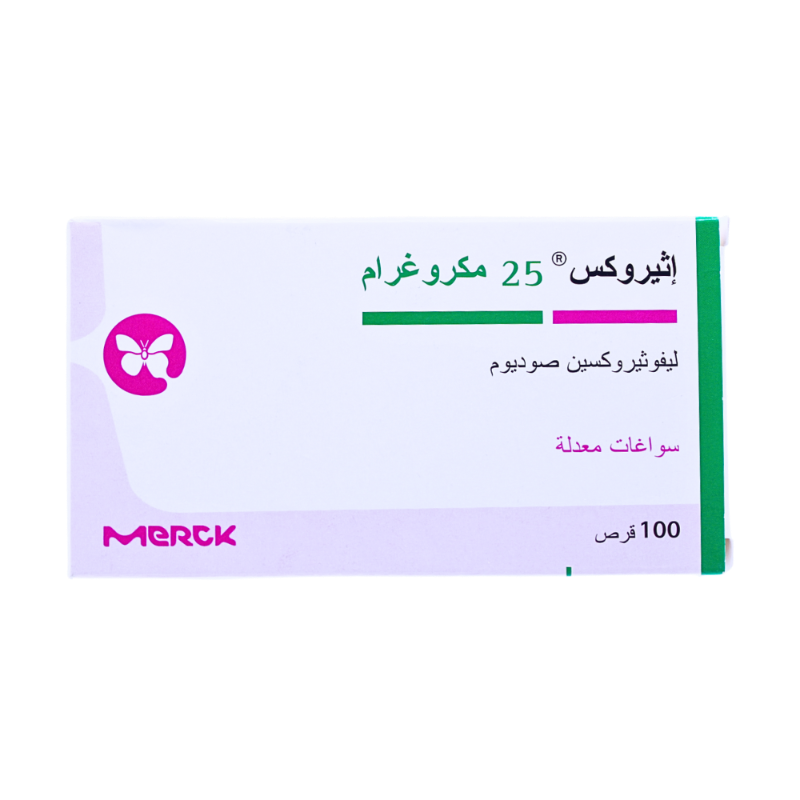
Medications > Other Medicines
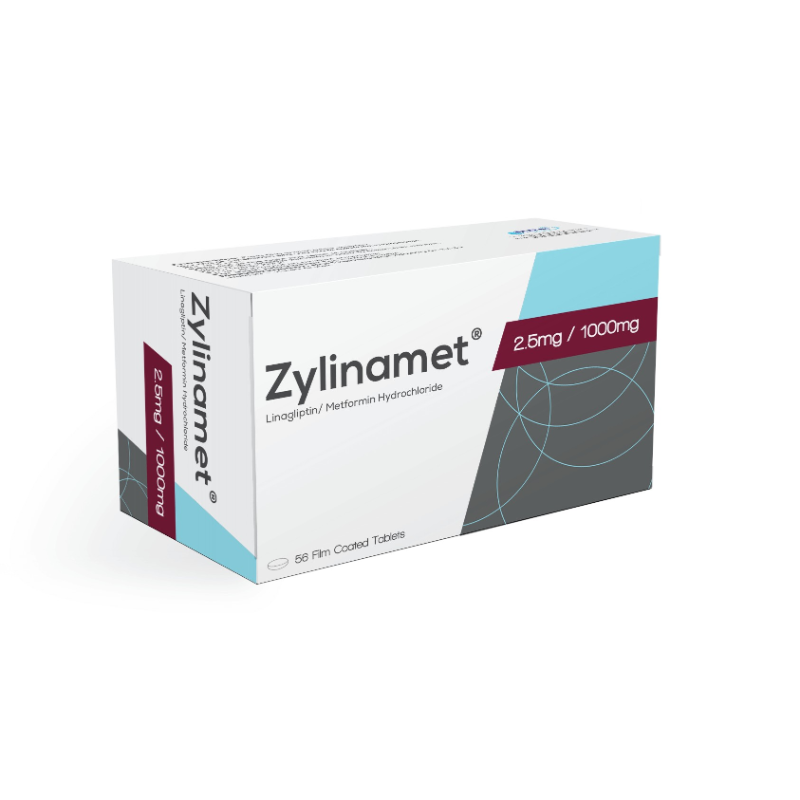
Medications > Diabetes Medications

Medications > Psychiatric Medications
Medications > Gastrointestinal Medications
Medications > Painkillers and Antipyretics

Medications > Diabetes Medications
Medications > Diabetes Medications
