
Use Code: ND30 And Get 30% OFF | Get Free Delivery With No Minimum Order
-1744229570.gif "Almujtama Pharmacy logo")




Frequently bought together
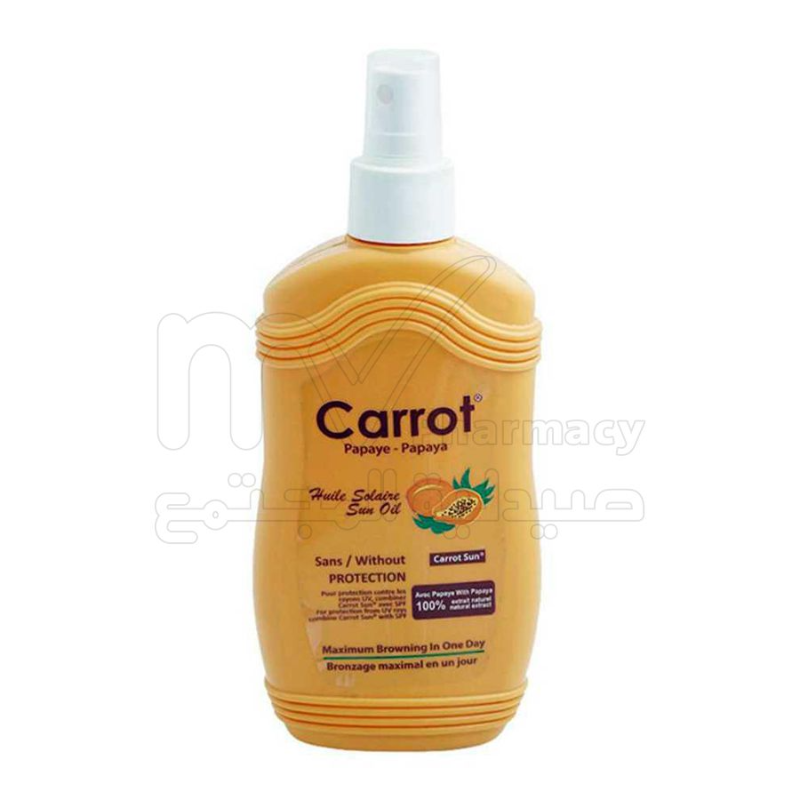
Skin And Body Care > Sun Protection And Tans
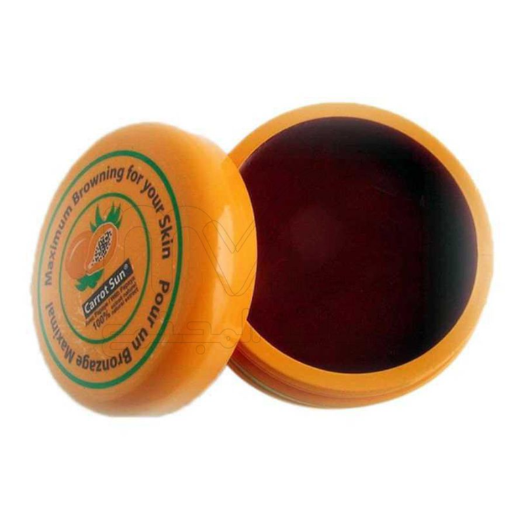
Skin And Body Care > Sun Protection And Tans
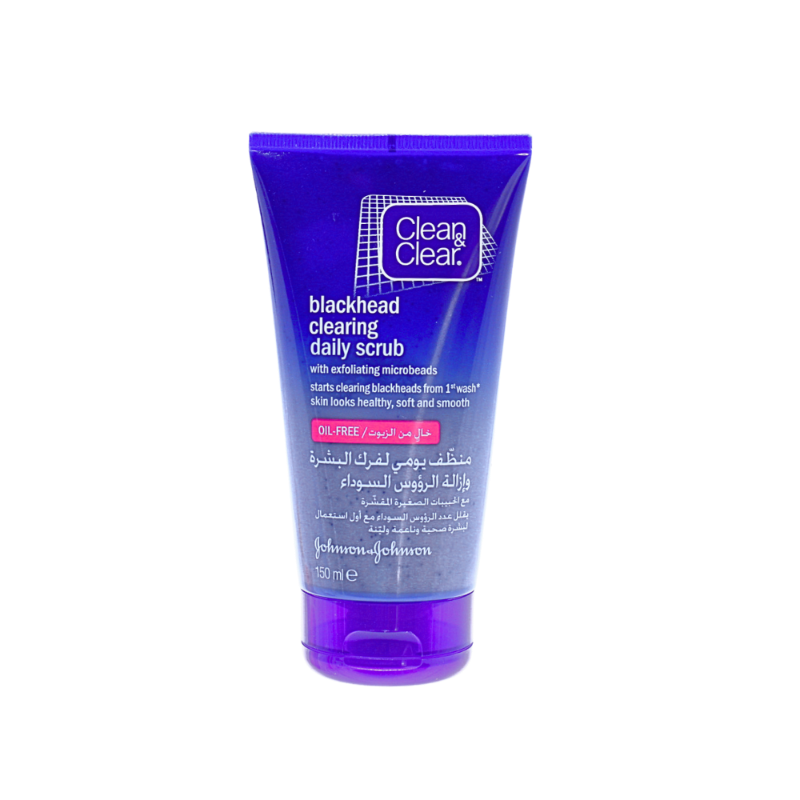
Skin And Body Care > Facial Wash And Exfoliators
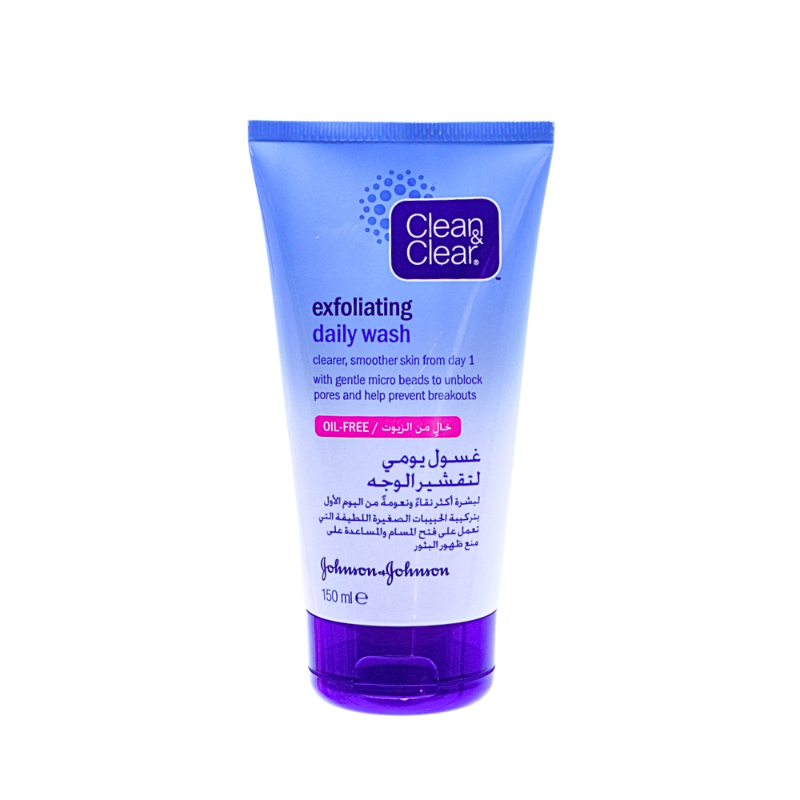
Skin And Body Care > Facial Wash And Exfoliators
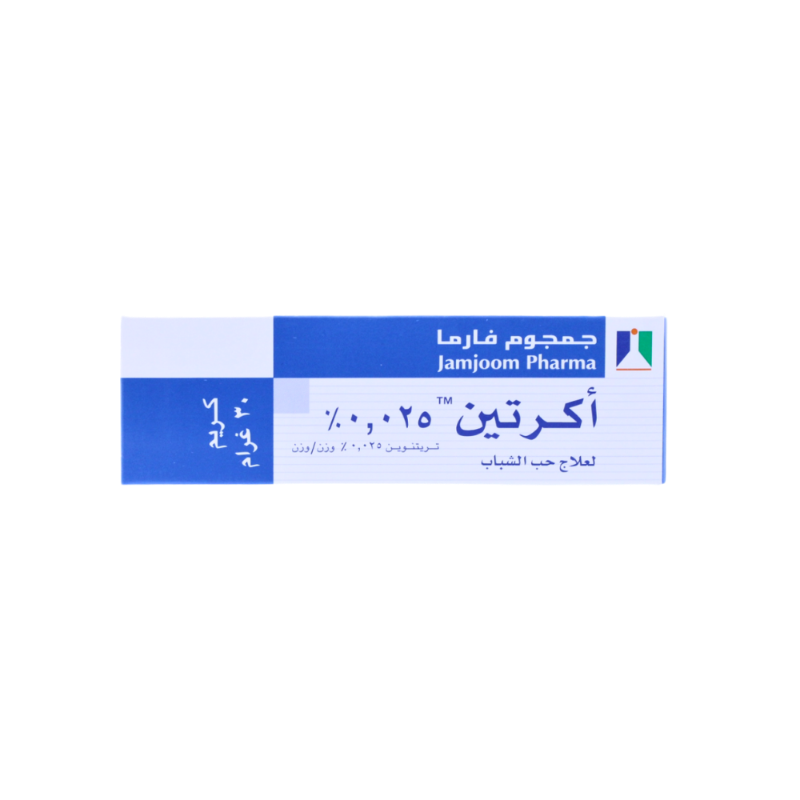
ACRETIN 0.025% CREAM 30G
- Sku : I-000067
Key features
ACRETIN 0.025% cream is a topical preparation containing tretinoin 0.025%. It binds nuclear retinoic acid receptors to normalize follicular keratinization, reduce keratinocyte cohesiveness, promote comedolysis and increase epidermal turnover. It is indicated for the treatment of acne vulgaris. Available as a 30 g cream tube for prescription use.- Brand: ACRETIN
- Active Ingredient: TRETINOIN 0.025%
- Strength: 0.025%
- Dosage Form: Cream
- Pack Size: 30 g
- Route: Topical
- Prescription Status: Prescription
- Therapeutic Class: Dermatological
- Pharmacological Group: Anti-acne Preparations
- Drug Class: Topical retinoid (first-generation retinoid; vitamin A derivative); anti-acne preparation.
- Manufacturer: Jamjoom Pharmaceuticals Factory Company
- Country of Origin: Saudi Arabia
- SFDA Registration No.: 9-368-00
- Shelf Life: 24 months
- Storage: do not store above 30°c
- Skin Condition: Acne
Frequently bought together
Skin And Body Care > Sun Protection And Tans
Skin And Body Care > Sun Protection And Tans
Skin And Body Care > Facial Wash And Exfoliators
Skin And Body Care > Facial Wash And Exfoliators
Indications
Approved Uses
Acne vulgaris
Off-Label Uses
Off-label: melasma and post-inflammatory hyperpigmentation (often in combination regimens), keratosis pilaris, flat warts, and other hyperkeratotic disorders; (less consistently supported) striae distensae.
Dosage & Administration
Dosing by Condition
Acne vulgaris: apply a thin layer to affected area(s) once daily at bedtime. Photoaging/palliation: apply a pea-sized amount as a thin layer to the entire face once daily at bedtime (with sun avoidance/sunscreen).
Initial Dose
Apply a thin layer to the affected area once daily at bedtime. For sensitive skin, application may be started every other night.
Maintenance Dose
Once daily application at bedtime; frequency may be reduced to every other day if irritation occurs
Maximum Dose
Apply a thin layer once daily (typically at night); more frequent application does not improve efficacy and increases irritation.
Dose Adjustment Notes
If significant irritation occurs, reduce frequency (e.g., every other night/2-3 times weekly) and/or temporarily stop until tolerated, then restart and titrate as tolerated; consider strength escalation only after tolerability is established.
How to Take
Cleanse with a mild, non-medicated cleanser and pat dry; wait ~20-30 minutes until skin is completely dry; apply a pea-sized amount as a thin film to the affected area(s) once daily at bedtime; avoid eyes, lips, nostrils, and mucous membranes; wash hands after application; use moisturizer as needed and apply broad-spectrum sunscreen daily (and minimize sun exposure).
Side Effects
Common Side Effects
Application-site irritation (erythema, dryness, peeling/scaling), burning/stinging, pruritus, and increased photosensitivity; acne may appear to worsen transiently early in therapy.
Side Effect Frequency
Very common (>10%): local irritation/erythema, dryness, peeling (desquamation), burning/stinging. Common (1-10%): pruritus, photosensitivity, discomfort, transient acne flare. Uncommon (<1%): pigment changes (hyper/hypopigmentation), blistering/crusting, allergic contact dermatitis.
Safety & Warnings
Contraindications
Contraindications: hypersensitivity to tretinoin or any component; pregnancy (avoid use).
Warnings & Precautions
Avoid eyes/mucosa and broken, sunburned, or eczematous skin; minimize UV exposure and use sunscreen/protective clothing; expect early irritation/possible initial acne flare; avoid concurrent irritating topicals/other retinoids on same area and avoid abrasive cleansers/waxing on treated skin.
Age Restriction
Safety/efficacy not established in children <12 years; use only if prescribed with clinician supervision.
Driving Warning
Safe
Drug Interactions
Drug Interactions
Main interactions are additive local irritation with other topical peeling/drying agents (e.g., benzoyl peroxide, salicylic acid, sulfur, resorcinol, astringents/abrasives); photosensitizing drugs may increase sunburn risk; topical antibiotics are generally compatible but may add irritation.
Interaction Severity
MODERATE: Concurrent irritating/peeling topical agents (e.g., benzoyl peroxide, salicylic acid, sulfur/resorcinol, astringents, abrasive cleansers) due to additive irritation; MODERATE: Photosensitizing medications (e.g., tetracyclines, thiazides, fluoroquinolones, sulfonamides) due to additive sunburn risk; MINOR/management: benzoyl peroxide may oxidize tretinoin-separate application times (e.g., BPO AM, tretinoin PM) if used together.
Food Interaction
No clinically relevant food interactions (not applicable for topical use).
Alcohol Interaction
Safe
Special Populations
Pregnancy
Contraindicated
Breastfeeding
Caution
Elderly
Standard adult dosing; elderly patients may have more sensitive skin - start with less frequent application and monitor for irritation
Kidney Impairment
No dose adjustment needed (not applicable for topical use).
Liver Impairment
No dose adjustment needed (not applicable for topical use).
Storage & Patient Advice
Missed Dose
If a dose is missed, apply it as soon as remembered. If it is almost time for the next dose, skip the missed dose and resume the regular schedule. Do not apply a double dose.
Stopping the Medicine
Can be stopped at any time; acne often relapses after stopping (timing varies), and photoaging benefits diminish after discontinuation.
Overdose
Topical overuse causes excessive erythema/peeling/burning; manage by washing off and holding/reducing frequency until resolved; if ingested, contact poison control/seek medical care (supportive management).
Patient Counseling
Use once nightly on clean, completely dry skin (wait ~20-30 minutes after washing); apply a pea-sized thin layer and avoid eyes/lips/nasal creases; expect dryness/peeling and possible early acne flare-use moisturizer and reduce frequency if needed; avoid harsh scrubs/astringents and separate from other irritating products; use broad-spectrum SPF ≥30 daily and minimize sun exposure; do not use in pregnancy and discuss use if breastfeeding; store below 30°C and keep tube tightly closed.
Monitoring Requirements
No routine laboratory monitoring; monitor clinically for local irritation/dermatitis, photosensitivity, and treatment response/adherence.
Pharmacology
Mechanism of Action
Binds nuclear retinoic acid receptors (RARs) to alter gene transcription, normalizing follicular keratinization, reducing cohesiveness of keratinocytes, promoting comedolysis and preventing microcomedone formation, and increasing epidermal turnover.
Onset of Action
Acne: initial improvement often in ~2-4 weeks, with more meaningful benefit typically by 8-12 weeks; photoaging changes generally require several months of continuous use.
Duration of Effect
Benefits require ongoing use; acne control and photoaging improvements gradually diminish after discontinuation.
Half-Life
Approximately 0.5-2 hours (systemic tretinoin); topical use has minimal systemic exposure so a clinically meaningful topical half-life is not typically applicable.
Bioavailability
Minimal systemic absorption with topical application; absorption may increase if applied to inflamed, abraded, or occluded skin.
Metabolism
Hepatic metabolism, primarily via CYP26-mediated oxidation to metabolites (e.g., 4-hydroxy- and 4-oxo-retinoic acid) for any systemically absorbed fraction.
Protein Binding
>95% plasma protein binding (primarily albumin) for systemically absorbed tretinoin.
Product Information
Available Dosage Forms
Cream, Gel, Solution
Composition per Dose
Each gram of cream: 0.25 mg tretinoin (0.025%) in a cream base
Generic Availability
Yes
OTC Alternatives
OTC options for acne include adapalene 0.1% gel (where available OTC), benzoyl peroxide, and salicylic acid; there is no true OTC equivalent to prescription tretinoin for photoaging.
Skin Condition
Acne
Reviewed by Al Mujtama Pharmacy Medical Review Team. Last reviewed 17-05-2026
Similar Products
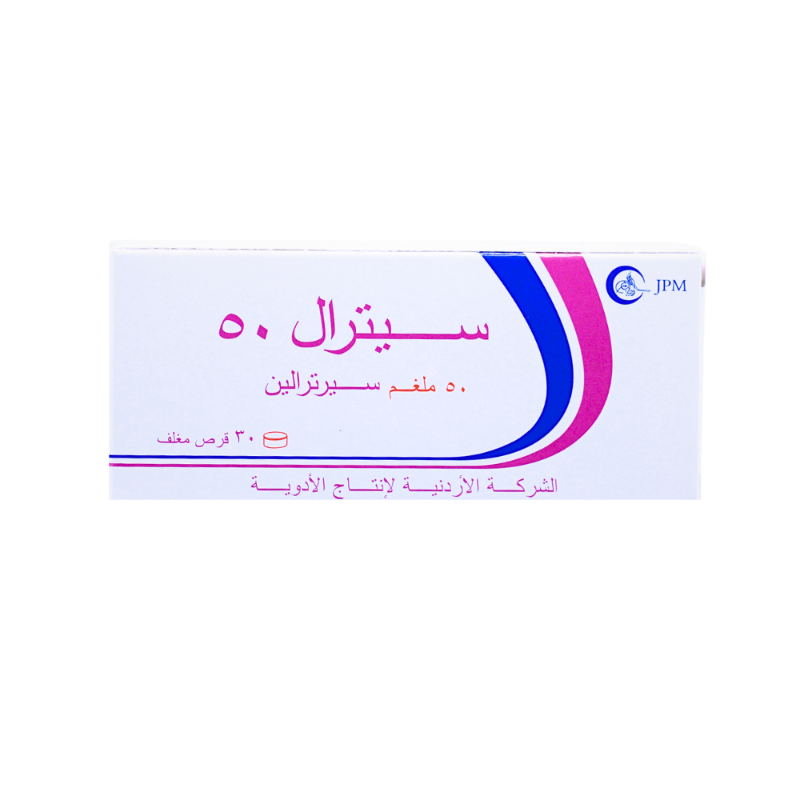
Medications > Psychiatric Medications
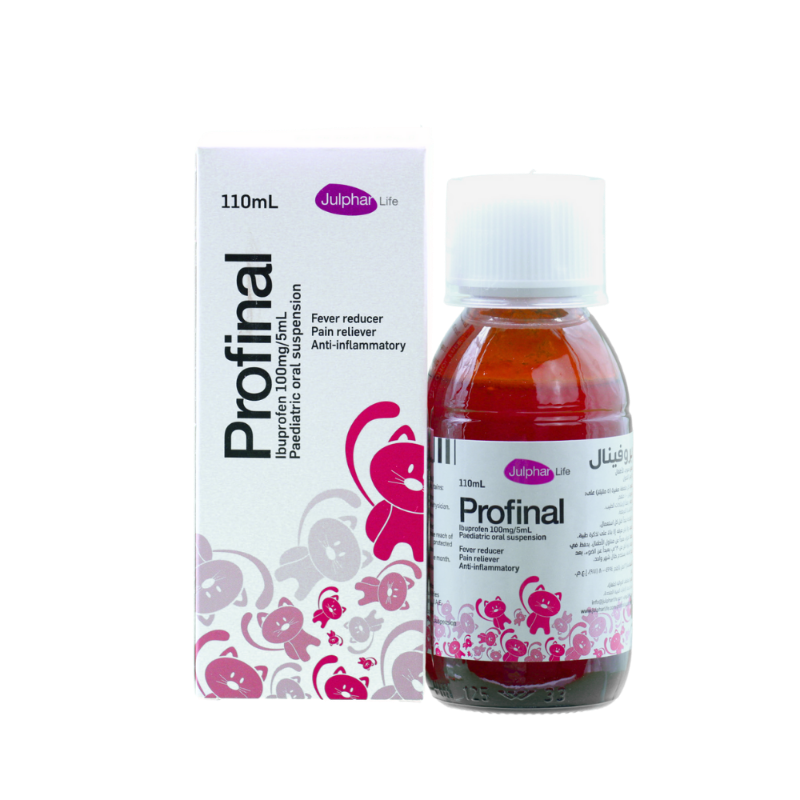
Medications > Painkillers and Antipyretics
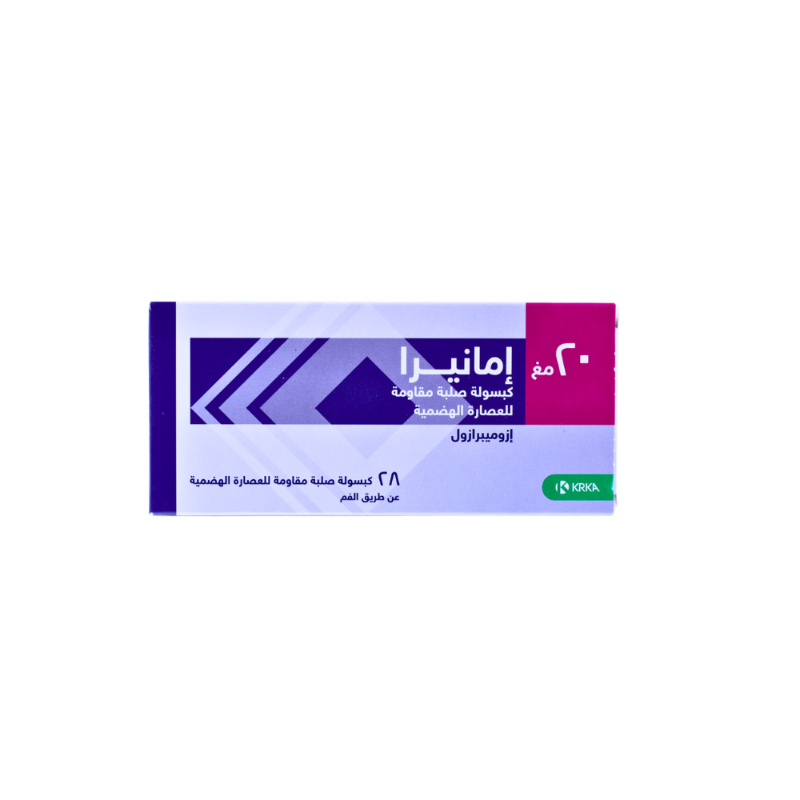
Medications > Gastrointestinal Medications
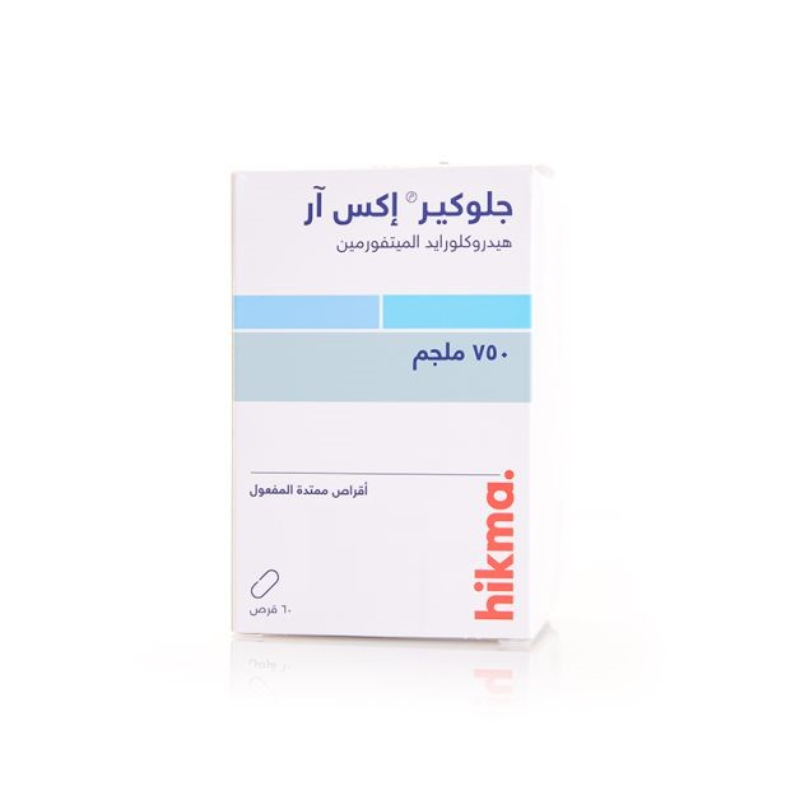
Medications > Diabetes Medications
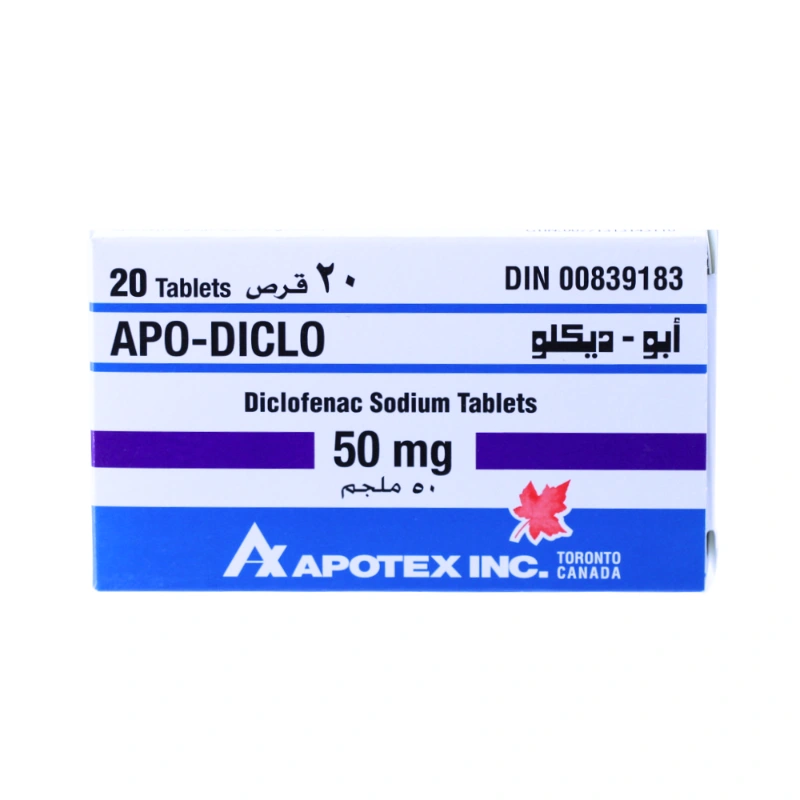
Medications > Painkillers and Antipyretics
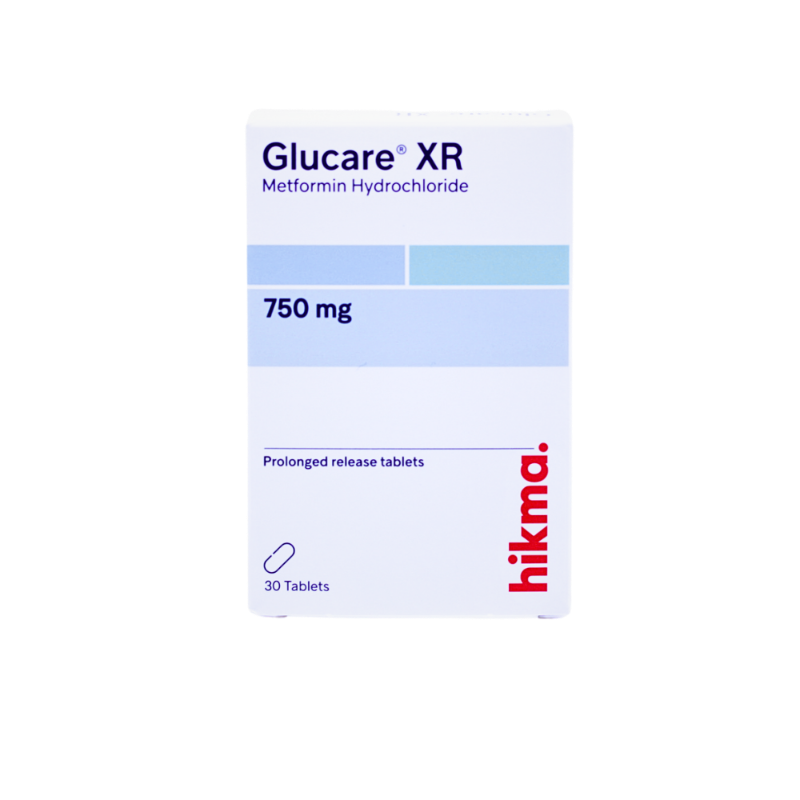
Medications > Diabetes Medications
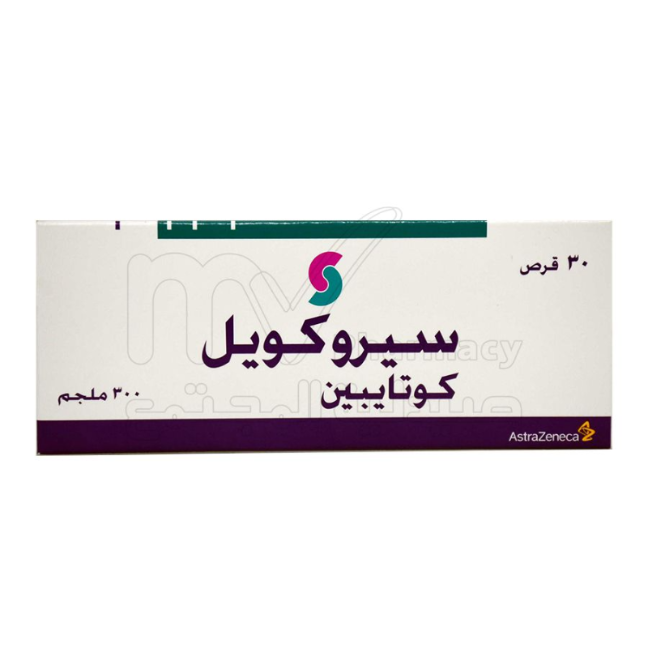
Medications > Psychiatric Medications
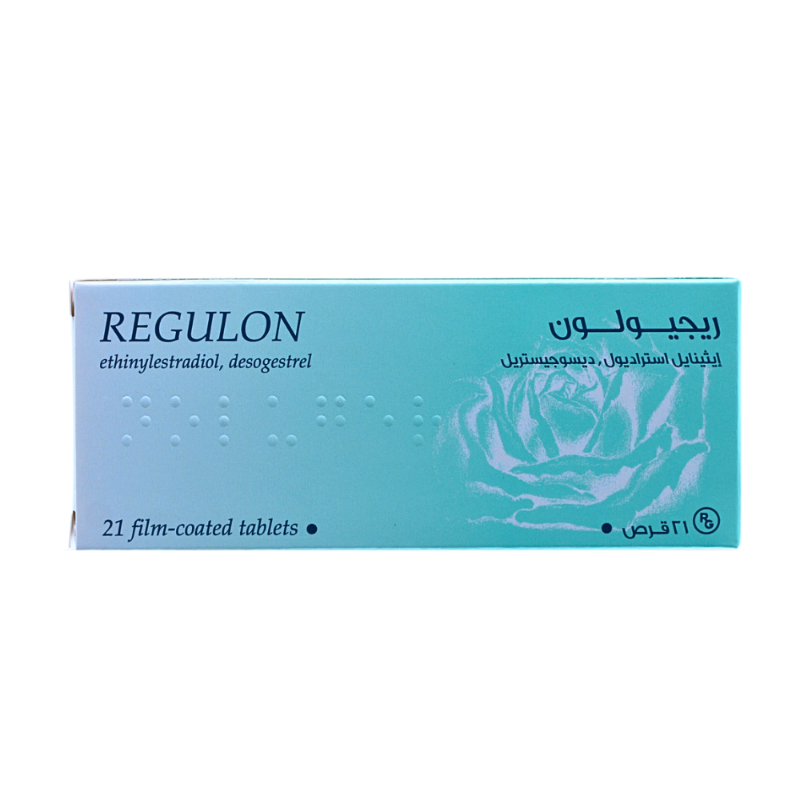
Medications > Contraceptives and Hormonal Medications
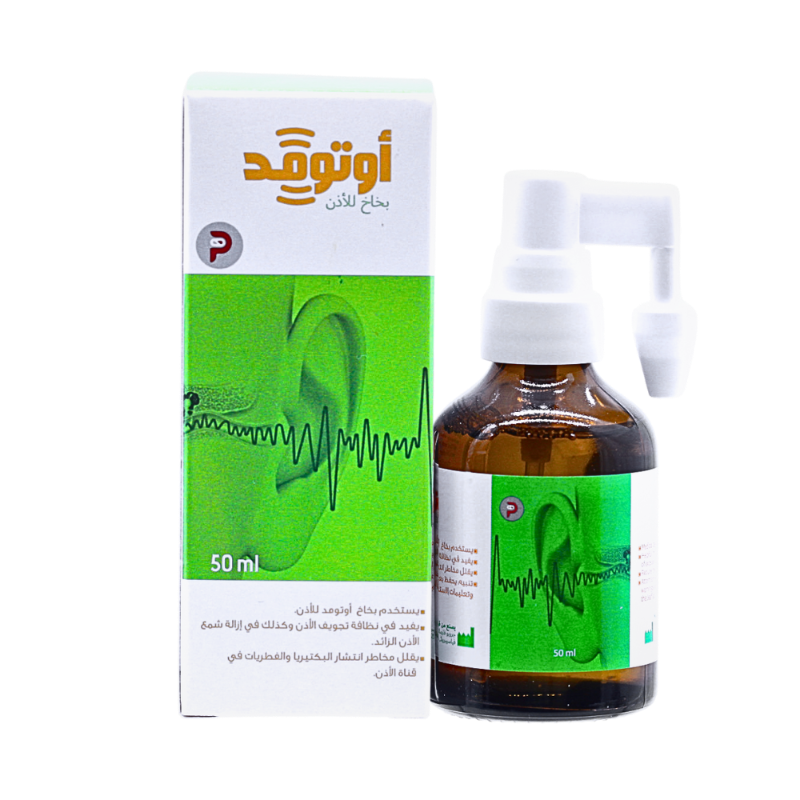
Medications > Eye and Ear Medications
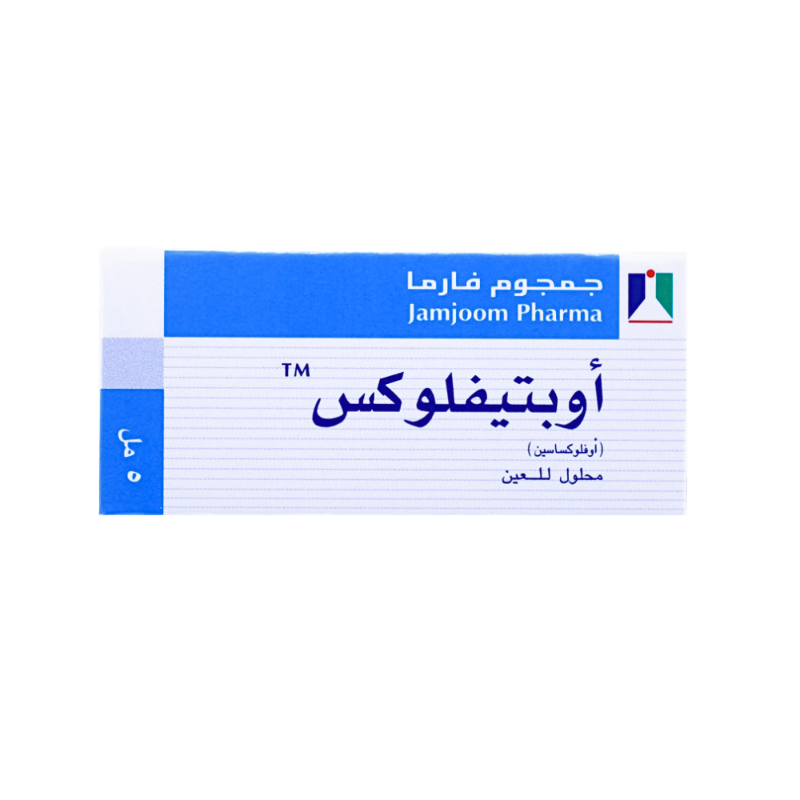
Medications > Eye and Ear Medications
