
Use Code: ND30 And Get 30% OFF | Get Free Delivery With No Minimum Order
-1744229570.gif "Almujtama Pharmacy logo")




Frequently bought together
Health Care & Wellness > Napkins
Health Care & Wellness > Napkins
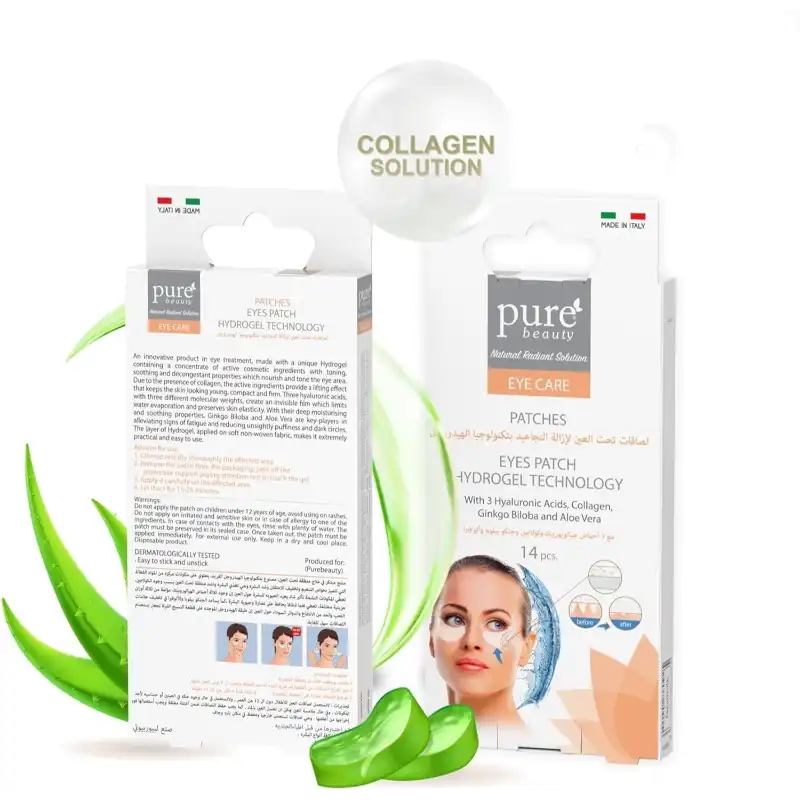
Skin And Body Care > Eye Care
Skin And Body Care > Eye Care
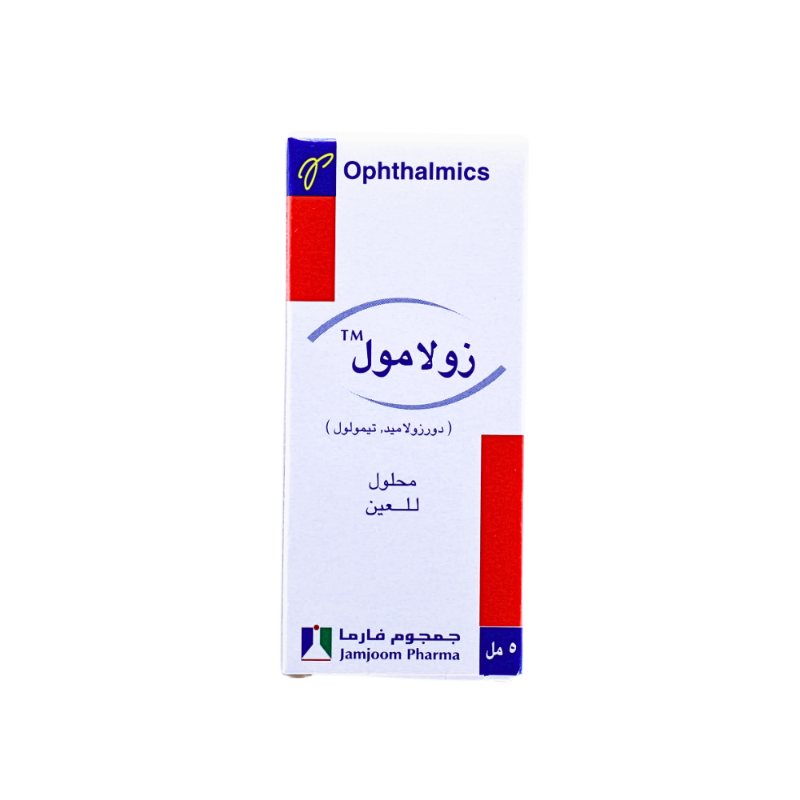
XOLAMOL EYE DROPS 5ML
- Sku : I-006853
Key features
XOLAMOL Eye Drops 5 ml is a prescription ophthalmic solution containing dorzolamide 2% and timolol maleate 0.5%. Dorzolamide inhibits carbonic anhydrase II in the ciliary processes to decrease bicarbonate formation and aqueous humor secretion, while timolol maleate is a non‑selective beta‑blocker that reduces aqueous humor production, producing additive intraocular pressure lowering. It is indicated for reduction of elevated intraocular pressure in patients with open‑angle glaucoma or ocular hypertension who are insufficiently responsive to topical beta‑blockers alone. Available as a 5 ml eye drop solution.- Brand: XOLAMOL
- Active Ingredient: DORZOLAMIDE 2%, TIMOLOL MALEATE 0.5%
- Strength: 2,0.5%
- Dosage Form: Eye drops, solution
- Pack Size: 5 ml
- Route: Ophthalmic use
- Prescription Status: Prescription
- Therapeutic Class: Ophthalmic
- Pharmacological Group: Antiglaucoma Preparations
- Drug Class: Fixed-dose ophthalmic combination: carbonic anhydrase inhibitor (dorzolamide) + non-selective beta-adrenergic blocker (timolol).
- Manufacturer: Jamjoom Pharmaceuticals Factory Company
- Country of Origin: Saudi Arabia
- SFDA Registration No.: 1008210922
- Shelf Life: 24 months
- Storage: store below 30°c
- Target Organ: Eye
- Preservative Free: No
Frequently bought together
Health Care & Wellness > Napkins
Health Care & Wellness > Napkins
Skin And Body Care > Eye Care
Skin And Body Care > Eye Care
Indications
Approved Uses
Reduction of elevated intraocular pressure (IOP) in patients with open-angle glaucoma or ocular hypertension who are insufficiently responsive to topical beta-blockers alone
Dosage & Administration
Dosing by Condition
Open-angle glaucoma / Ocular hypertension: One drop in the affected eye(s) twice daily (morning and evening)
Initial Dose
One drop in the affected eye(s) two times daily.
Maintenance Dose
One drop in the affected eye(s) two times daily.
Maximum Dose
Maximum recommended: 1 drop in the affected eye(s) twice daily.
Children's Dosage
Safety and efficacy have not been established in children younger than 2 years of age. For children 2 years and older, the dose is determined by the doctor.
How to Take
Wash hands. Tilt head back, pull down lower eyelid, instill 1 drop into the conjunctival sac of the affected eye(s). Close eye gently and perform nasolacrimal occlusion (press inner canthus) for 1-2 minutes to reduce systemic absorption. Do not touch dropper tip. If using other ophthalmic products, separate by at least 5-10 minutes (apply drops before ointments).
Side Effects
Common Side Effects
Common: ocular burning/stinging, bitter/metallic taste (dysgeusia), blurred vision, conjunctival hyperemia (redness), ocular itching/irritation, tearing; may also cause dry eye/foreign-body sensation.
Side Effect Frequency
Very common (>10%): ocular burning/stinging; dysgeusia (bitter/altered taste). Common (1-10%): blurred vision, conjunctival hyperemia/redness, ocular irritation/itching, tearing, superficial punctate keratitis; headache. Less common/rare: systemic beta-blocker effects (e.g., bradycardia, hypotension, bronchospasm) and hypersensitivity reactions.
Safety & Warnings
Contraindications
Bronchial asthma, history of bronchial asthma, severe chronic obstructive pulmonary disease (COPD), sinus bradycardia, second or third-degree atrioventricular block, overt cardiac failure, cardiogenic shock, hypersensitivity to dorzolamide, timolol, or sulfonamides.
Warnings & Precautions
Avoid in bronchial asthma/history of asthma and severe COPD; contraindicated/avoid in significant bradycardia, 2nd/3rd‑degree AV block, overt cardiac failure/cardiogenic shock; caution in milder COPD, diabetes (masks hypoglycemia), thyrotoxicosis (masks symptoms), myasthenia gravis, corneal disease, and sulfonamide allergy; use nasolacrimal occlusion/eyelid closure ~2 minutes to reduce systemic absorption; avoid in severe renal impairment (CrCl <30 mL/min).
Age Restriction
Not recommended in children <2 years; safety/efficacy not established (use only if specialist judges benefit > risk).
Driving Warning
Safe
Drug Interactions
Drug Interactions
Key interactions: systemic beta‑blockers; calcium channel blockers (verapamil/diltiazem); digoxin; antiarrhythmics (e.g., amiodarone); catecholamine‑depleting drugs (e.g., reserpine); CYP2D6 inhibitors (e.g., quinidine/fluoxetine/paroxetine); oral carbonic anhydrase inhibitors (e.g., acetazolamide); clonidine (rebound risk if withdrawn). High‑dose salicylates: theoretical/rare-use caution.
Interaction Severity
MAJOR/Clinically significant: systemic beta-blockers (additive bradycardia/hypotension/AV block/bronchospasm), calcium channel blockers (especially verapamil/diltiazem) and other AV-node-depressing antiarrhythmics (additive conduction depression), digoxin (bradycardia/AV block), clonidine (rebound hypertension risk if clonidine withdrawn while on beta-blocker), oral carbonic anhydrase inhibitors (additive CAI adverse effects). Other notable: CYP2D6 inhibitors (e.g., quinidine, paroxetine/fluoxetine) may increase timolol systemic effects.
Special Populations
Pregnancy
C
Breastfeeding
Use with caution
Children
Safety and efficacy have not been established in children younger than 2 years of age. For children 2 years and older, the dose is determined by the doctor.
Storage & Patient Advice
Missed Dose
Instill the missed dose as soon as remembered. If it is almost time for the next dose, skip the missed dose and continue the regular schedule. Do not double the dose.
Patient Counseling
Use as prescribed (commonly 1 drop in affected eye(s) twice daily). Perform nasolacrimal occlusion for 1-2 minutes. Do not touch the dropper tip. If using other eye meds, separate by 5-10 minutes. Remove contact lenses before use and reinsert after ~15 minutes if applicable. Temporary blurred vision may occur-use caution with driving. Seek care for wheeze/shortness of breath, fainting/bradycardia, or severe eye irritation/allergy. Store below 30°C.
Monitoring Requirements
Monitor intraocular pressure and optic nerve/visual field as clinically indicated; in at-risk patients monitor pulse/heart rate and blood pressure and assess for bronchospasm/respiratory symptoms.
Pharmacology
Mechanism of Action
Dorzolamide inhibits carbonic anhydrase II in the ciliary processes, decreasing bicarbonate formation and aqueous humor secretion; timolol is a non-selective beta-blocker that reduces aqueous humor production; together they provide additive IOP lowering.
Bioavailability
Systemic absorption occurs via the nasolacrimal duct; ophthalmic timolol can achieve substantial systemic exposure (often cited up to ~80% systemic bioavailability compared with oral due to avoidance of first-pass), and dorzolamide is also systemically absorbed and concentrates in red blood cells.
Product Information
Available Dosage Forms
Eye drops, solution (ophthalmic solution).
Composition per Dose
Each 1 mL of solution: Dorzolamide 20 mg (as dorzolamide hydrochloride) + Timolol 5 mg (as timolol maleate)
Generic Availability
Yes
OTC Alternatives
No OTC alternative
Target Organ
Eye
Preservative Free
No
Reviewed by Al Mujtama Pharmacy Medical Review Team. Last reviewed 08-05-2026
Similar Products
Medications > Painkillers and Antipyretics
Medications > Hypertesion & Cardiovascular Medications
Medications > Psychiatric Medications
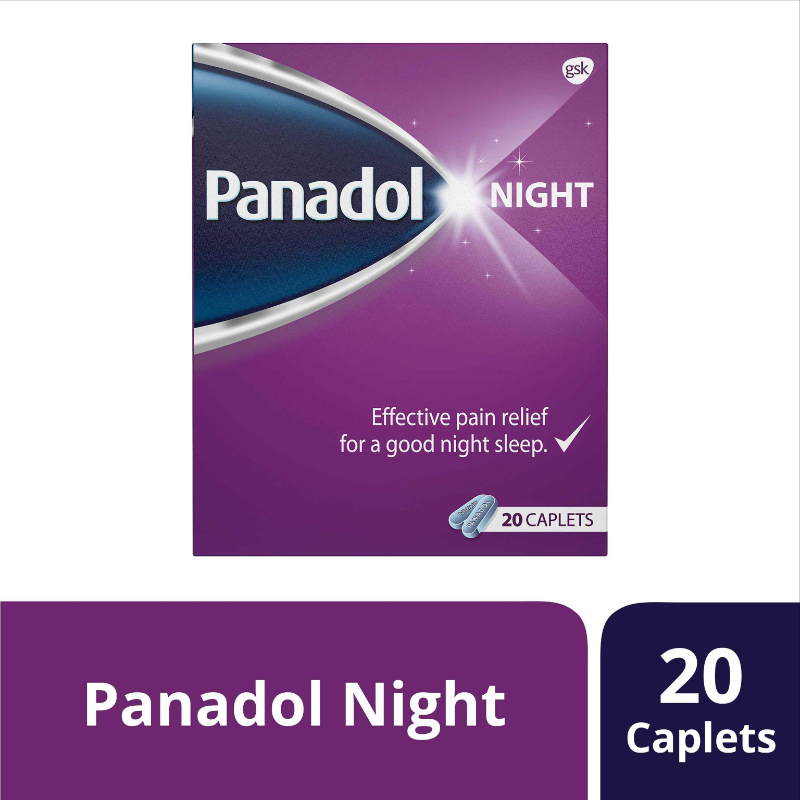
Medications > Painkillers and Antipyretics
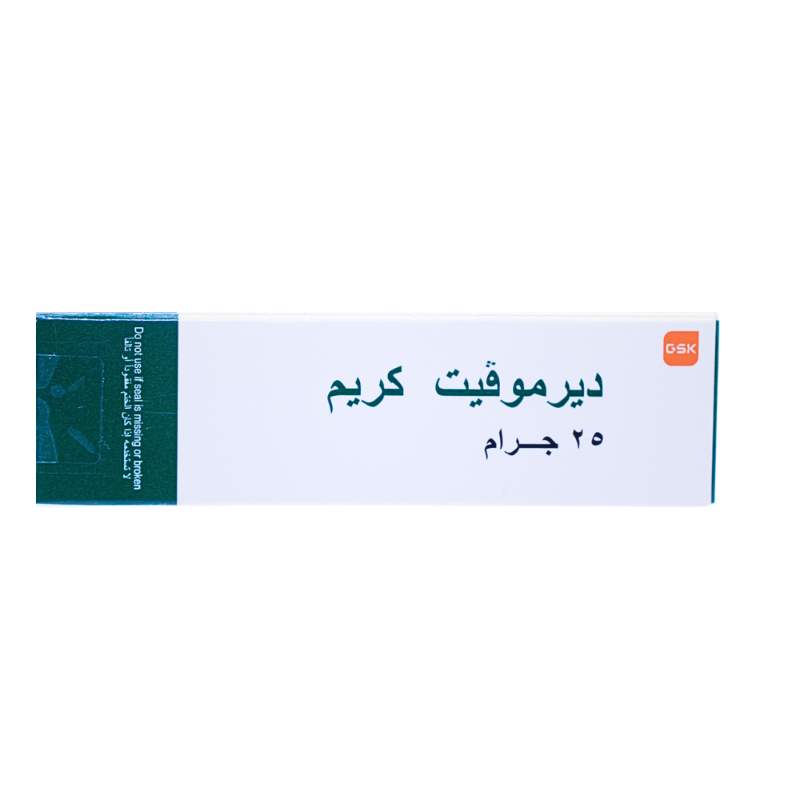
Medications > Dermatology Medications
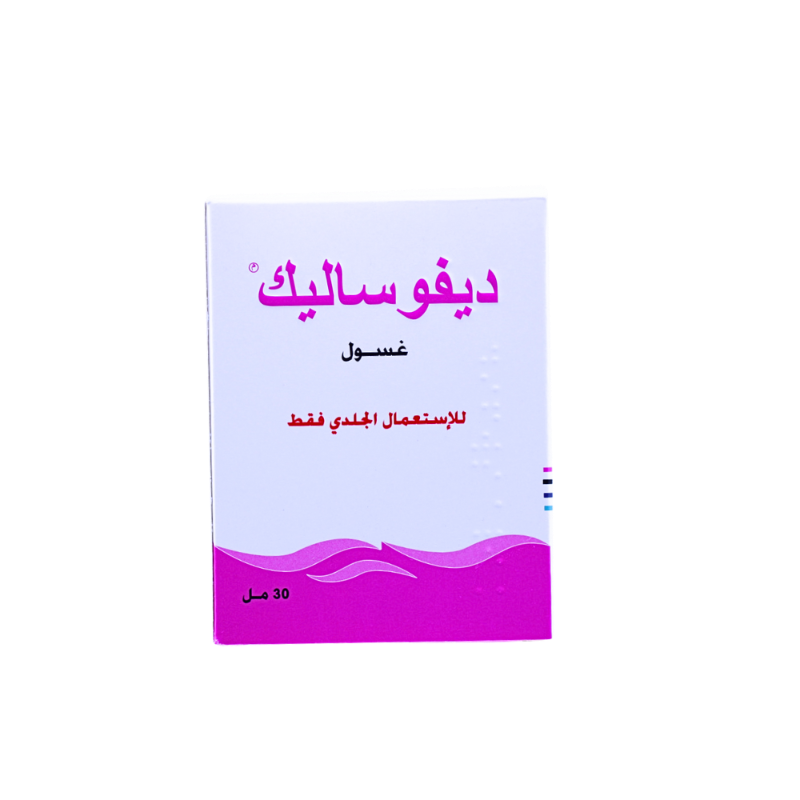
Medications > Dermatology Medications
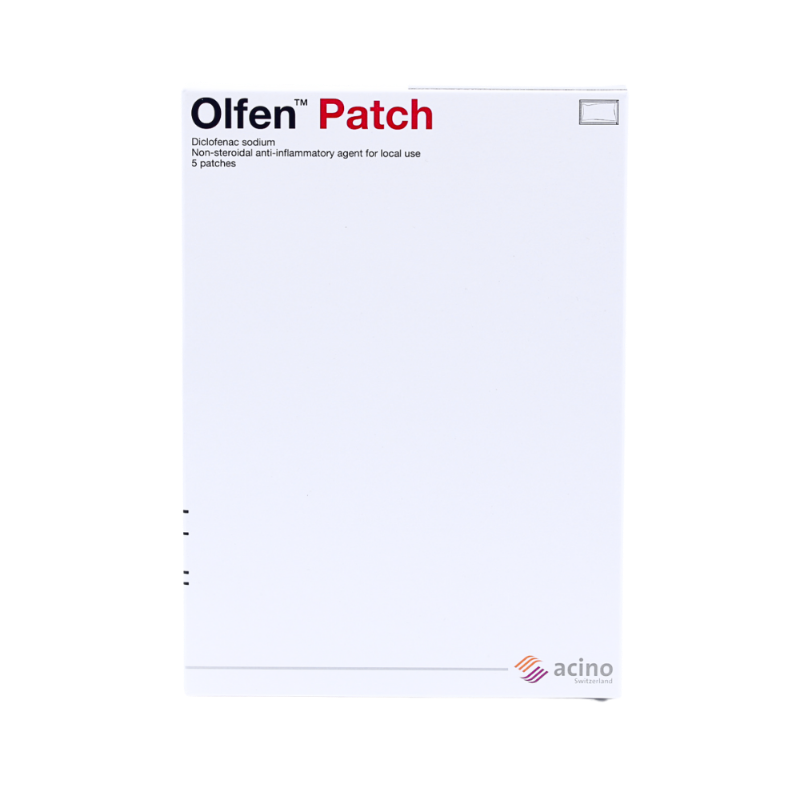
Medications > Painkillers and Antipyretics
Medications > Other Medicines
Medications > Gastrointestinal Medications
Medications > Dermatology Medications
