
Use Code: ND30 And Get 30% OFF | Get Free Delivery With No Minimum Order
-1744229570.gif "Almujtama Pharmacy logo")




Frequently bought together
Skin And Body Care > Moisturizers
Skin And Body Care > Moisturizers
Health Care & Wellness > Medical Supplies
Health Care & Wellness > Medical Supplies
Vitamins & Supplements > Vitamins and Minerals
Vitamins & Supplements > Vitamins and Minerals
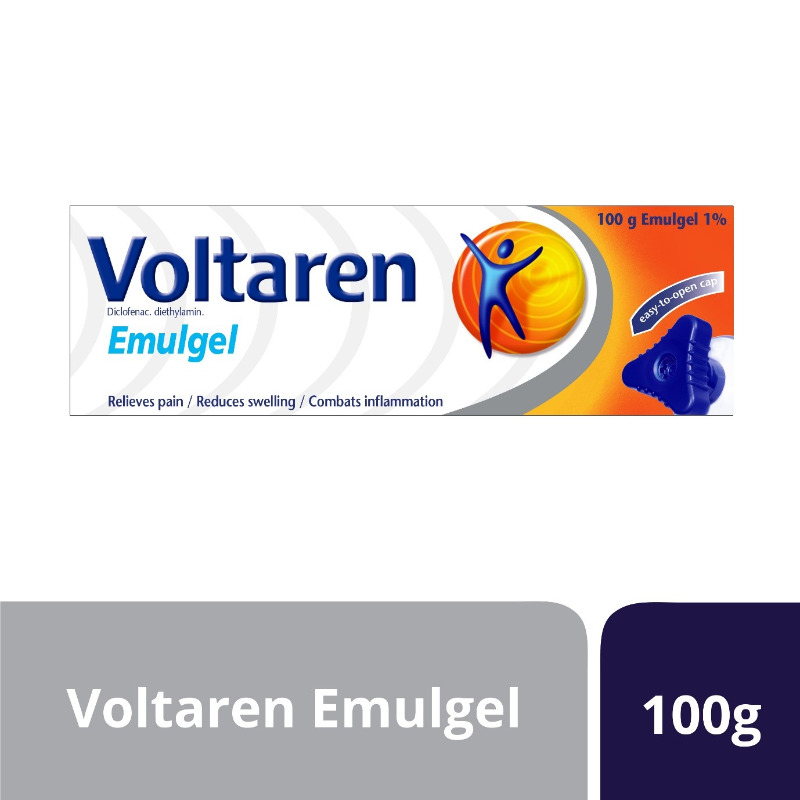
VOLTAREN 1% EMULGEL 100G
- Sku : I-016009
Key features
VOLTAREN 1% Emulgel is a topical gel containing the active ingredient diclofenac diethylamine 1%. It inhibits cyclooxygenase (COX-1 and COX-2), reducing local prostaglandin synthesis to relieve inflammation, pain and swelling at the application site. It is indicated for local symptomatic relief of pain and inflammation in acute soft-tissue injuries (sprains, strains, contusions), localized soft-tissue rheumatism such as tendinitis, and osteoarthritis of superficial joints (e.g., knee and finger joints). Available OTC as a 100 g emulgel.- Brand: VOLTAREN
- Active Ingredient: DICLOFENAC DIETHYLAMINE 1%
- Strength: 1%
- Dosage Form: Gel
- Pack Size: 100 g
- Route: Topical
- Prescription Status: OTC
- Therapeutic Class: Musculoskeletal
- Pharmacological Group: Topical Joint & Muscle Products
- Drug Class: Topical non-steroidal anti-inflammatory drug (NSAID); phenylacetic acid derivative (diclofenac).
- Manufacturer: Haleon CH SARL
- Country of Origin: Switzerland
- SFDA Registration No.: 261-11-13
- Shelf Life: 36 months
- Storage: store below 30°c
- Pain Type: Muscular/Joint
- Nsaid: Yes
- Opioid: No
Frequently bought together
Skin And Body Care > Moisturizers
Skin And Body Care > Moisturizers
Health Care & Wellness > Medical Supplies
Health Care & Wellness > Medical Supplies
Vitamins & Supplements > Vitamins and Minerals
Vitamins & Supplements > Vitamins and Minerals
Indications
Approved Uses
Local symptomatic relief of pain and inflammation in: (1) acute soft-tissue injuries (e.g., sprains, strains, contusions), (2) localized forms of soft-tissue rheumatism (e.g., tendinitis), and (3) osteoarthritis of superficial joints (e.g., knee, finger joints).
Off-Label Uses
Common off-label/real-world uses include localized tendinopathy/tennis elbow, bursitis, and other minor musculoskeletal overuse injuries where topical NSAIDs are used for symptomatic relief.
Dosage & Administration
Dosing by Condition
Apply to the affected area 4 times daily and rub in gently; use 4 g for lower extremities (foot, knee, ankle), 2 g for upper extremities (hand, wrist, elbow).
Maintenance Dose
Apply 4 g to the affected foot, knee or ankle 4 times daily; apply 2 g to the affected hand, wrist or elbow 4 times daily.
Children's Dosage
Safety and effectiveness in pediatric patients have not been established; not recommended under 18 years
Dose Adjustment Notes
No routine dose adjustment is required for topical use due to low systemic absorption; use caution/avoid excessive area or prolonged use in patients with significant renal, hepatic, or cardiovascular disease or when using other NSAIDs.
Side Effects
Common Side Effects
Common: application-site reactions such as erythema/redness, pruritus/itching, rash, burning/stinging, and dry skin; may include contact dermatitis.
Side Effect Frequency
Common (≥1%): local application-site reactions such as dermatitis/eczema, pruritus, erythema, rash, dryness, burning; Uncommon (<1%): contact dermatitis, papular/vesicular rash; Rare/very rare: photosensitivity and systemic hypersensitivity reactions (e.g., urticaria/angioedema/bronchospasm).
Safety & Warnings
Contraindications
Hypersensitivity to diclofenac or excipients; history of hypersensitivity reactions to aspirin/other NSAIDs (e.g., asthma/bronchospasm, urticaria, rhinitis); third trimester of pregnancy; do not apply to broken/damaged skin, open wounds, eyes, or mucous membranes
Warnings & Precautions
External use only; avoid eyes/mucosa and broken/infected skin; do not use under occlusion; limit duration and treated surface area; stop if rash/irritation or hypersensitivity occurs; caution in NSAID-sensitive asthma; avoid excessive sun/UV on treated area; avoid in 3rd trimester; be mindful of additive risk with other NSAIDs/anticoagulants
Drug Interactions
Drug Interactions
Clinically significant interactions are unlikely with recommended topical use; caution with concomitant oral NSAIDs/aspirin (additive NSAID toxicity) and anticoagulants/antiplatelets (bleeding risk) especially with large-area/prolonged use
Food Interaction
No clinically relevant food interactions (not applicable for topical administration).
Alcohol Interaction
Safe
Special Populations
Pregnancy
Avoid use, especially in third trimester; Category C (first and second trimesters), Category D (third trimester)
Children
Safety and effectiveness in pediatric patients have not been established; not recommended under 18 years
Liver Impairment
No adjustment needed for topical use, but use with caution in severe hepatic impairment.
Storage & Patient Advice
Patient Counseling
Apply a thin layer to clean, dry, intact skin and rub in gently; avoid eyes/mouth/nose and broken skin; wash hands after use (unless treating hands); do not use occlusive/airtight dressings and do not apply external heat; avoid sun/UV exposure on treated area; stop if rash/irritation or allergy occurs; seek medical advice if not improving within 7 days (or if needing longer use).
Monitoring Requirements
No routine monitoring required for short-term topical use
Pharmacology
Mechanism of Action
Inhibits cyclooxygenase (COX-1 and COX-2), reducing local prostaglandin synthesis and thereby decreasing inflammation, pain, and swelling at the application site.
Half-Life
Terminal plasma half-life of diclofenac is about 1-2 hours for the systemically absorbed fraction (same intrinsic half-life as oral; topical mainly reduces exposure, not half-life).
Bioavailability
Approximately 6% systemic absorption of the applied dose through intact skin (order of magnitude; varies with dose/area/skin condition).
Excretion
Elimination is mainly renal as metabolites (about two-thirds) with the remainder via biliary/fecal excretion (about one-third).
Protein Binding
>99% plasma protein binding, mainly to albumin.
Product Information
Available Dosage Forms
Topical gel (emulgel).
Composition per Dose
Each 1g of gel contains: 11.6mg of diclofenac diethylamine (equivalent to 10mg of diclofenac sodium).
Generic Availability
Yes
Pain Type
Muscular/Joint
Nsaid
Yes
Opioid
No
Reviewed by Al Mujtama Pharmacy Medical Review Team. Last reviewed 18-05-2026
Similar Products
Medications > Gastrointestinal Medications
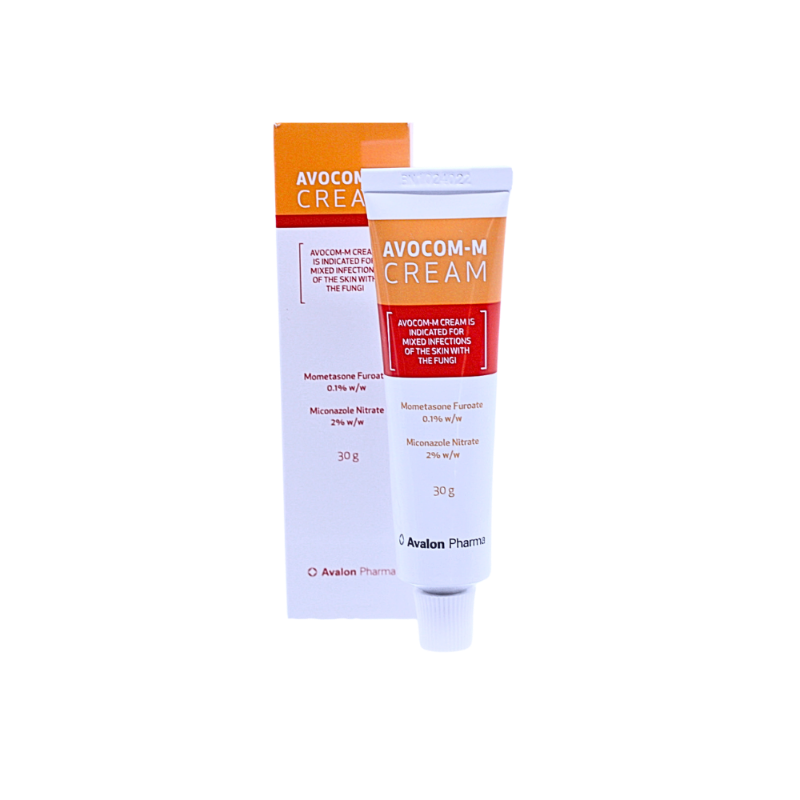
Medications > Dermatology Medications
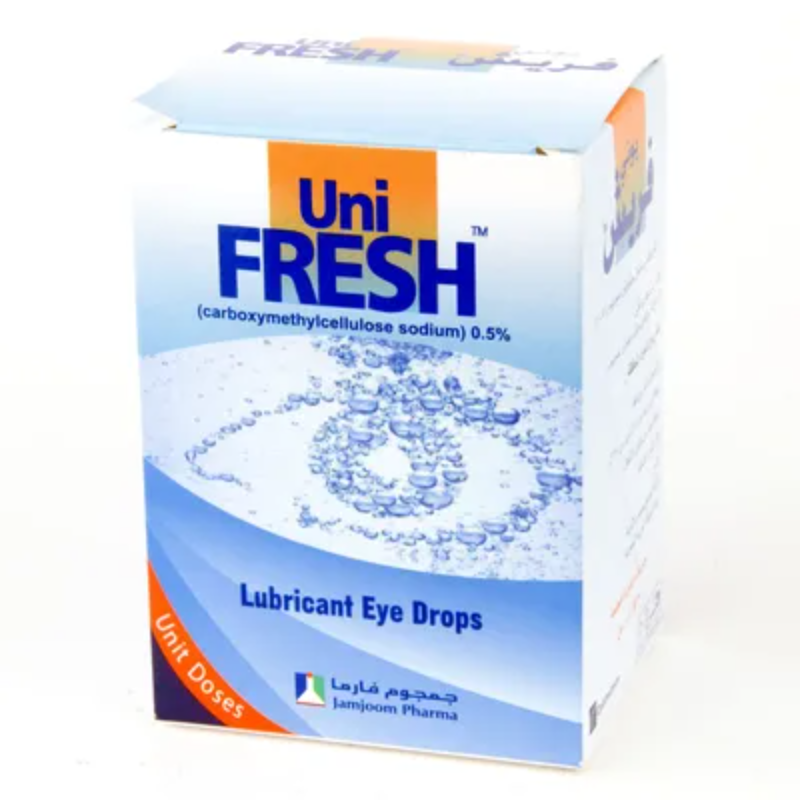
Medications > Eye and Ear Medications
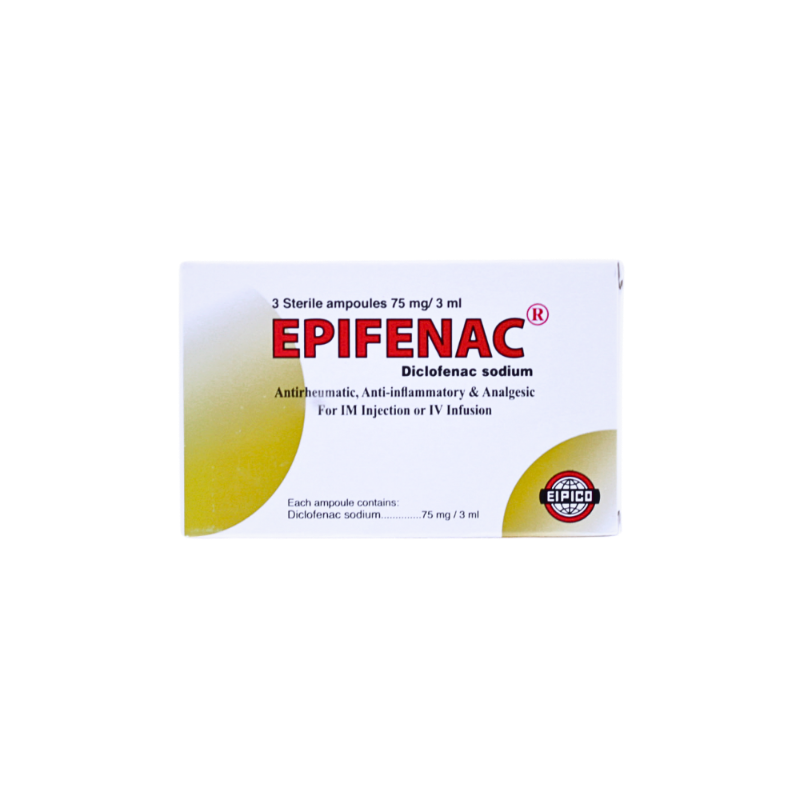
Medications > Painkillers and Antipyretics
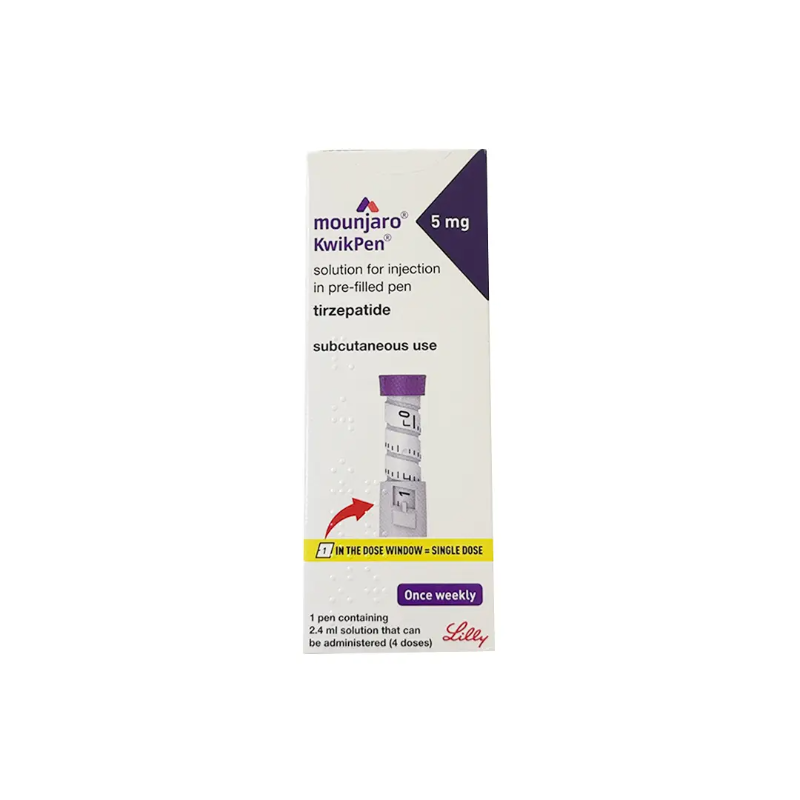
Medications > Diabetes Medications
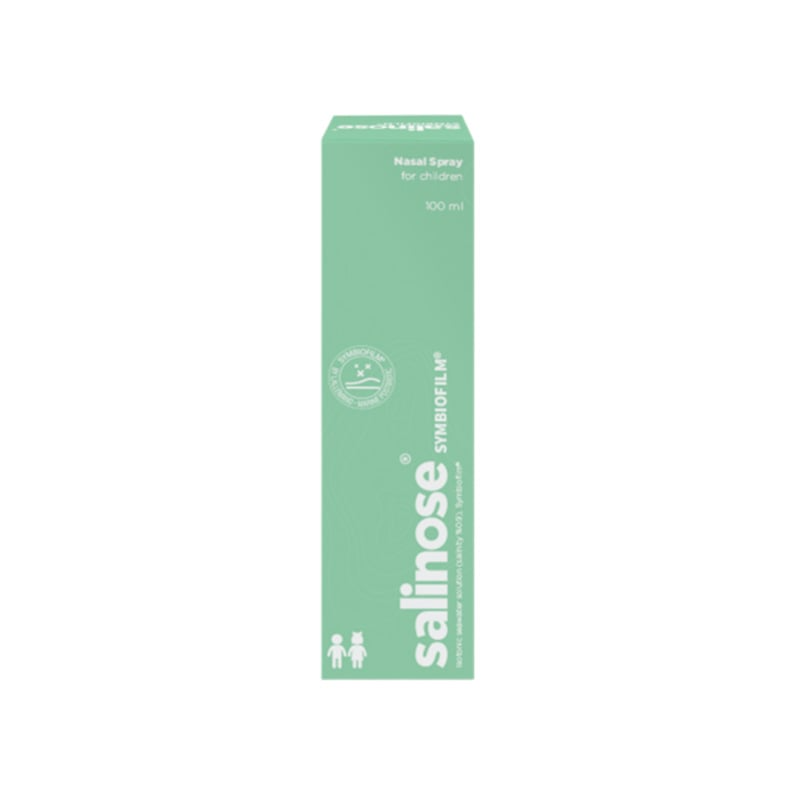
Medications > Cold, Cough, and Allergy Medications
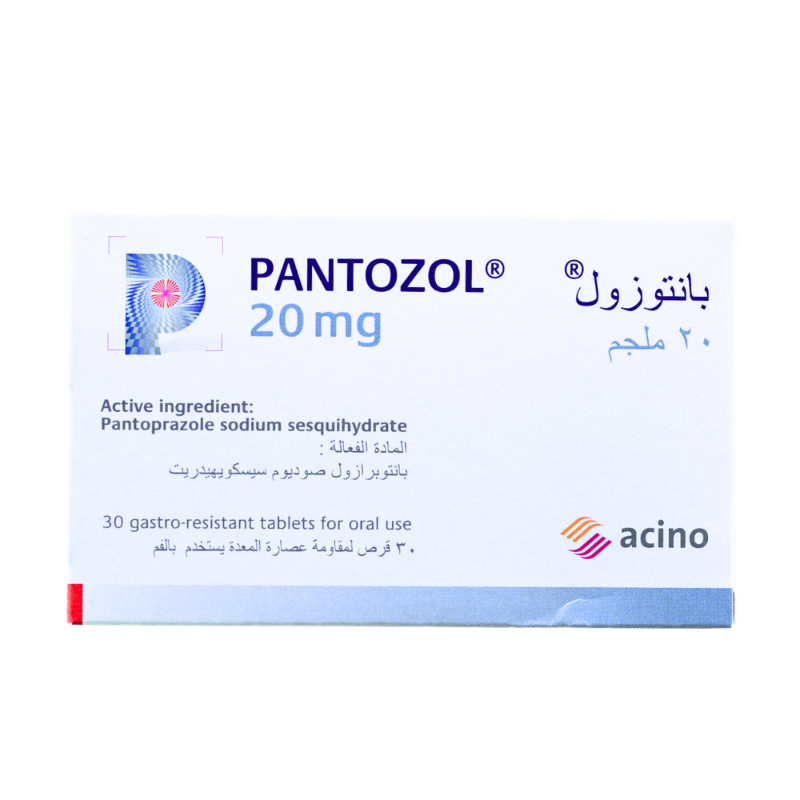
Medications > Gastrointestinal Medications

Medications > Other Medicines
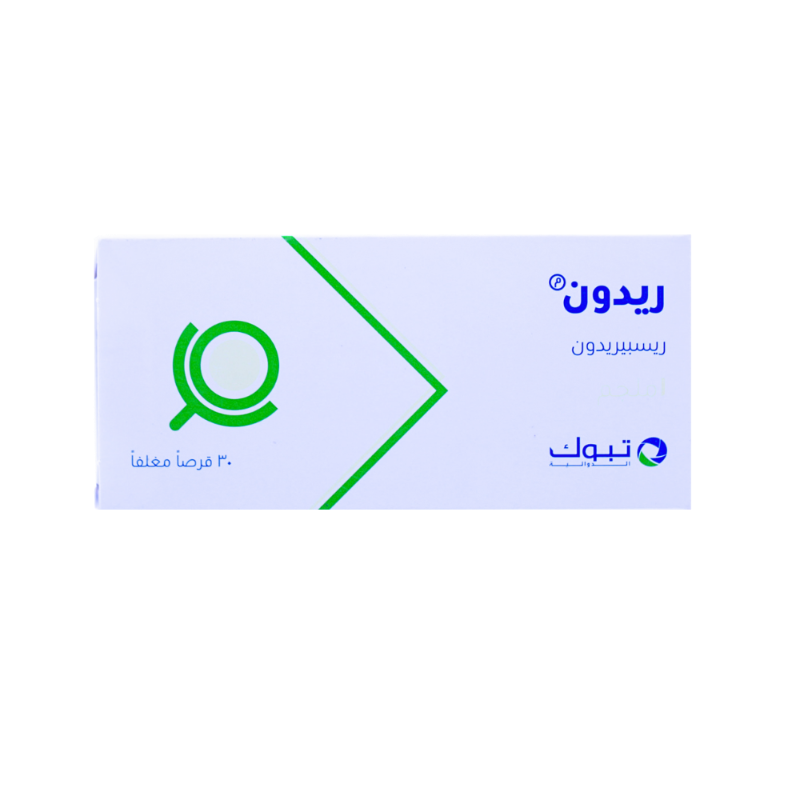
Medications > Psychiatric Medications
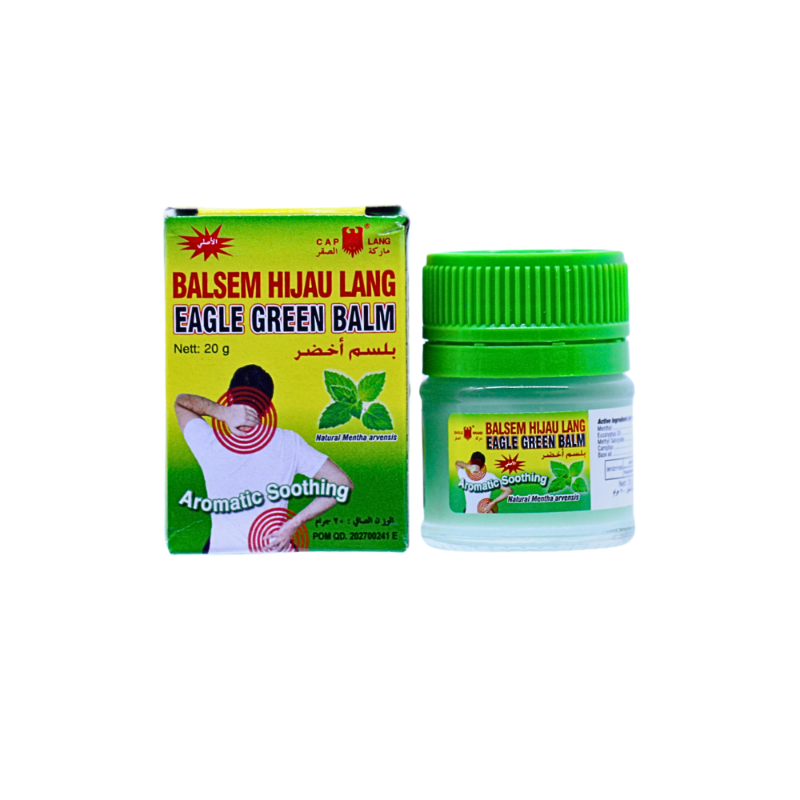
Medications > Painkillers and Antipyretics
