
Use Code: ND30 And Get 30% OFF | Get Free Delivery With No Minimum Order
-1744229570.gif "Almujtama Pharmacy logo")
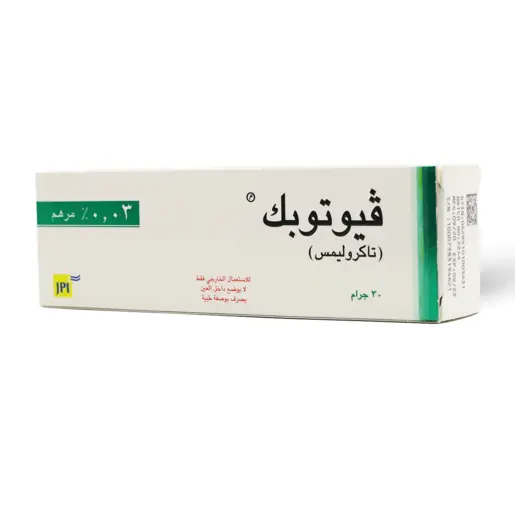




Frequently bought together
Skin And Body Care > Sun Protection And Tans
Skin And Body Care > Sun Protection And Tans
Skin And Body Care > Facial Wash And Exfoliators
Skin And Body Care > Facial Wash And Exfoliators
VIOTOPIC 0.03% OINTMENT 30G
- Sku : I-022210
Key features
VIOTOPIC 0.03% OINTMENT is a topical ointment containing the active immunomodulator tacrolimus 0.03%. Tacrolimus binds FKBP-12 and the resulting complex inhibits calcineurin, reducing T-cell activation and the transcription of pro-inflammatory cytokines. It is indicated as second-line short-term and intermittent long-term therapy for moderate-to-severe atopic dermatitis in patients not adequately responsive to or intolerant of conventional therapies such as topical corticosteroids. Supplied by prescription as a 30 g ointment.- Brand: VIOTOPIC
- Active Ingredient: TACROLIMUS
- Strength: 0.03%
- Dosage Form: Ointment
- Pack Size: 30 g
- Route: Topical
- Prescription Status: Prescription
- Therapeutic Class: Immunomodulating
- Pharmacological Group: Immunosuppressants
- Drug Class: Topical Calcineurin Inhibitor (TCI) - Macrolide Immunosuppressant
- Manufacturer: Jazeera Pharmaceutical Industries (JPI)
- Country of Origin: Saudi Arabia
- SFDA Registration No.: 2610222813
- Shelf Life: 24 months
- Storage: do not store above 25°c
- Skin Condition: Eczema
- Steroid Potency: Not a corticosteroid
Frequently bought together
Skin And Body Care > Sun Protection And Tans
Skin And Body Care > Sun Protection And Tans
Skin And Body Care > Facial Wash And Exfoliators
Skin And Body Care > Facial Wash And Exfoliators
Indications
Approved Uses
Atopic dermatitis (eczema): second-line short-term and intermittent long-term therapy for moderate-to-severe disease in patients not adequately responsive to or intolerant of conventional therapies (e.g., topical corticosteroids); 0.03% is approved for adults and for children ≥2 years (where locally authorized).
Off-Label Uses
Off-label uses include vitiligo, facial/intertriginous psoriasis, seborrheic dermatitis, lichen planus, and other steroid-sensitive dermatoses (evidence varies by condition).
Dosage & Administration
Dosing by Condition
Atopic dermatitis: Apply a thin layer to affected areas twice daily until lesions clear, then stop; for proactive maintenance in patients with frequent relapses, apply to previously affected areas twice weekly (e.g., 2-3 days apart).
Initial Dose
Apply a thin layer to the affected areas twice daily.
Maintenance Dose
Apply once daily, twice weekly (e.g., Monday and Thursday) to areas commonly affected to prevent flares.
Maximum Dose
No defined maximum dose in grams for topical tacrolimus 0.03% ointment; apply a thin layer to affected areas only, and avoid continuous long-term use (use short-term/intermittent therapy).
Children's Dosage
0.03% strength: approved for children aged 2-15 years - apply thin layer twice daily to affected areas; discontinue after 3 weeks if no improvement
How to Take
Apply a thin layer to clean, dry affected skin twice daily; rub in gently. Wash hands after application unless hands are treated. Avoid contact with eyes and mucous membranes (mouth/nose). Do not use occlusive dressings/bandages. Minimize sun/UV exposure on treated areas.
Side Effects
Common Side Effects
Application-site burning/stinging, pruritus, erythema/irritation; folliculitis and acne; increased risk of local skin infections (e.g., herpes simplex) can occur.
Side Effect Frequency
Very common (>10%): application-site burning, pruritus. Common (1-10%): application-site erythema/irritation/pain, skin infections (including folliculitis), headache, alcohol intolerance (facial flushing). Uncommon/rare: lymphadenopathy and other systemic-type effects (typically with extensive use/compromised skin).
Safety & Warnings
Contraindications
Contraindication: hypersensitivity to tacrolimus or any component of the formulation.
Warnings & Precautions
Warnings/precautions: use for short-term and intermittent treatment only; avoid continuous long-term use; apply only to affected areas; avoid use on malignant or pre-malignant lesions; minimize/avoid natural or artificial UV exposure on treated areas; avoid occlusive dressings unless directed; avoid eyes/mucous membranes; caution in immunocompromised patients and in skin barrier defects (e.g., Netherton’s syndrome/generalized erythroderma) due to increased absorption; do not apply to active infections-treat infection first; monitor/assess lymphadenopathy and discontinue if persistent/unexplained.
Age Restriction
Not approved for use in children under 2 years of age.
Drug Interactions
Food Interaction
No clinically relevant food interactions (topical product).
Special Populations
Children
0.03% strength: approved for children aged 2-15 years - apply thin layer twice daily to affected areas; discontinue after 3 weeks if no improvement
Storage & Patient Advice
Patient Counseling
Apply a thin layer to affected skin twice daily (or as prescribed) and rub in gently; stop when lesions clear and use intermittently for flares/maintenance as directed. Avoid eyes, mouth, and inside the nose; wash hands after application unless treating hands. Do not cover with occlusive dressings/tight wraps. Burning/stinging/itching at the site is common early and usually improves within days to a week. Minimize sun/UV exposure on treated areas (avoid tanning beds); use protective clothing and sunscreen. Do not apply to infected skin; seek medical advice for signs of skin infection, new lumps/swollen lymph nodes, or unusual skin changes. Keep out of reach of children and store below 25°C.
Monitoring Requirements
No routine laboratory monitoring is required for topical use; clinically monitor for application-site reactions, secondary skin infection (especially herpes), lymphadenopathy, and lack of response; reassess if prolonged continuous use is needed.
Pharmacology
Mechanism of Action
Tacrolimus binds FKBP-12 and the complex inhibits calcineurin, reducing T-cell activation and decreasing transcription of pro-inflammatory cytokines (e.g., IL-2 and others).
Onset of Action
Pruritus often improves within the first week; visible skin lesion improvement typically occurs over 1-3 weeks (sometimes up to ~4 weeks).
Duration of Effect
Benefit persists while used (BID during flares or twice-weekly for maintenance); symptoms commonly recur after discontinuation, with timing varying by patient.
Bioavailability
Minimal systemic absorption after topical use; blood levels are usually undetectable/very low, and absorption increases with impaired skin barrier (inflamed/eroded skin, large surface area, occlusion).
Excretion
If systemically absorbed, tacrolimus is eliminated mainly via biliary/fecal excretion; renal excretion of unchanged drug is negligible (<1%).
Product Information
Available Dosage Forms
Ointment (topical) only for this product (VIOTOPIC 0.03% ointment, 30 g tube).
Composition per Dose
Each gram of ointment: 0.3 mg tacrolimus (as monohydrate) in a white petrolatum-based ointment base
OTC Alternatives
No direct OTC alternative to topical tacrolimus; for mild eczema, OTC low-potency topical corticosteroid (e.g., hydrocortisone 1%) plus regular emollients can be used when appropriate.
Skin Condition
Eczema
Steroid Potency
Not a corticosteroid
Reviewed by Al Mujtama Pharmacy Medical Review Team. Last reviewed 14-05-2026
Similar Products
Medications > Gastrointestinal Medications
Medications > Gastrointestinal Medications
Medications > Diabetes Medications
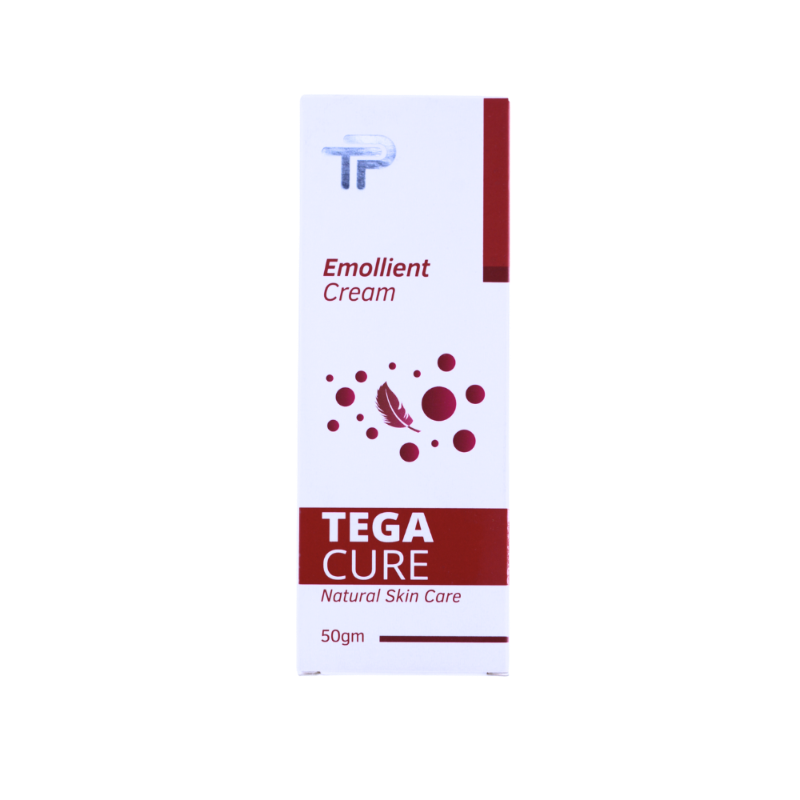
Medications > Hemorrhoid Medications
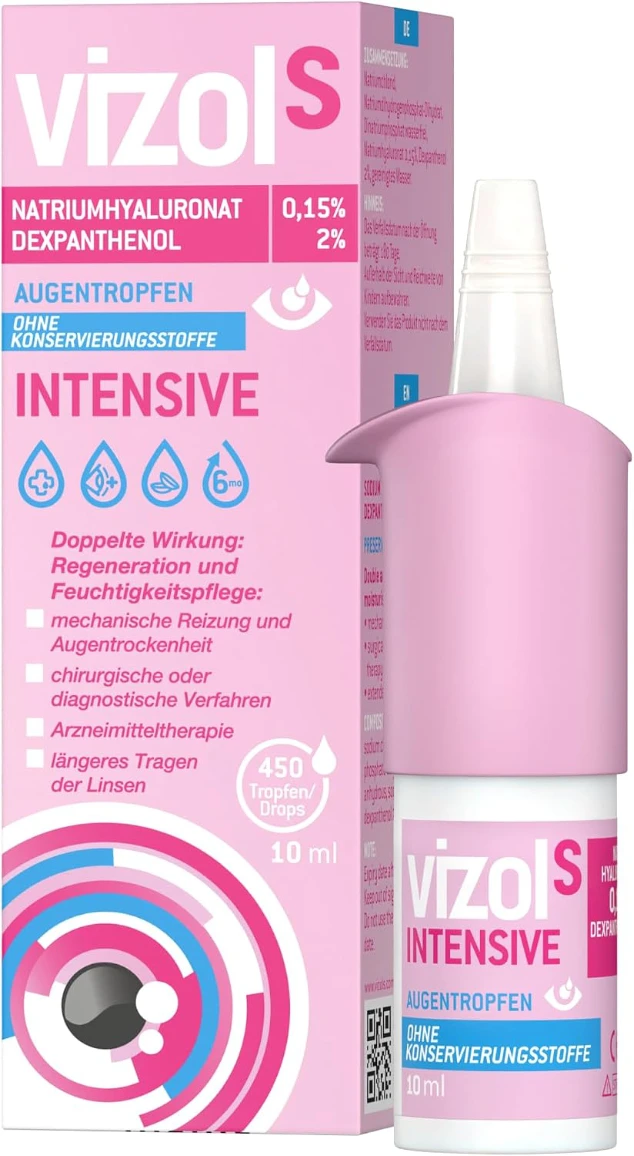
Medications > Eye and Ear Medications
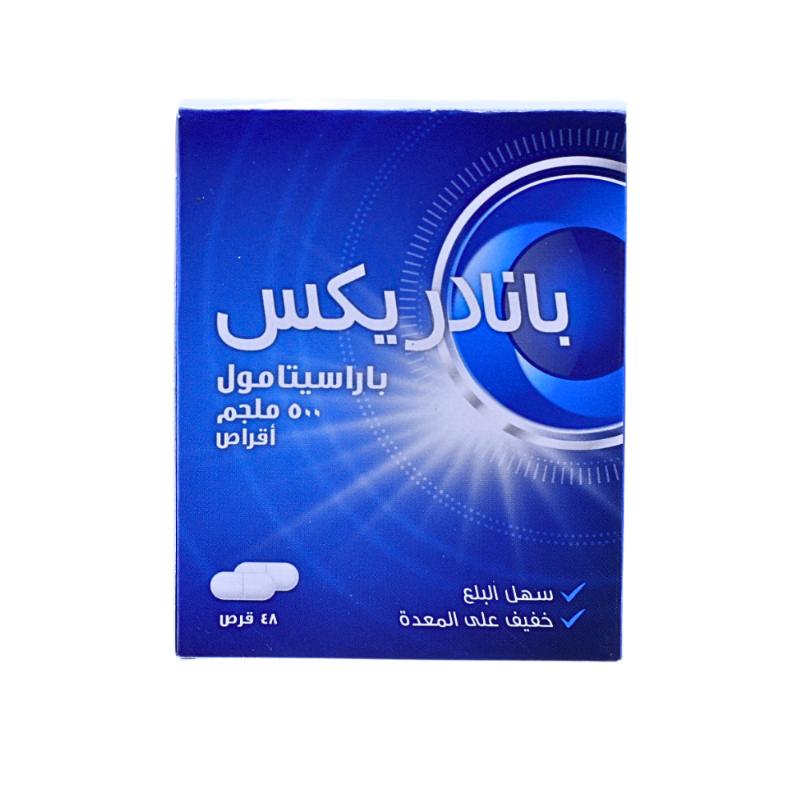
Medications > Painkillers and Antipyretics
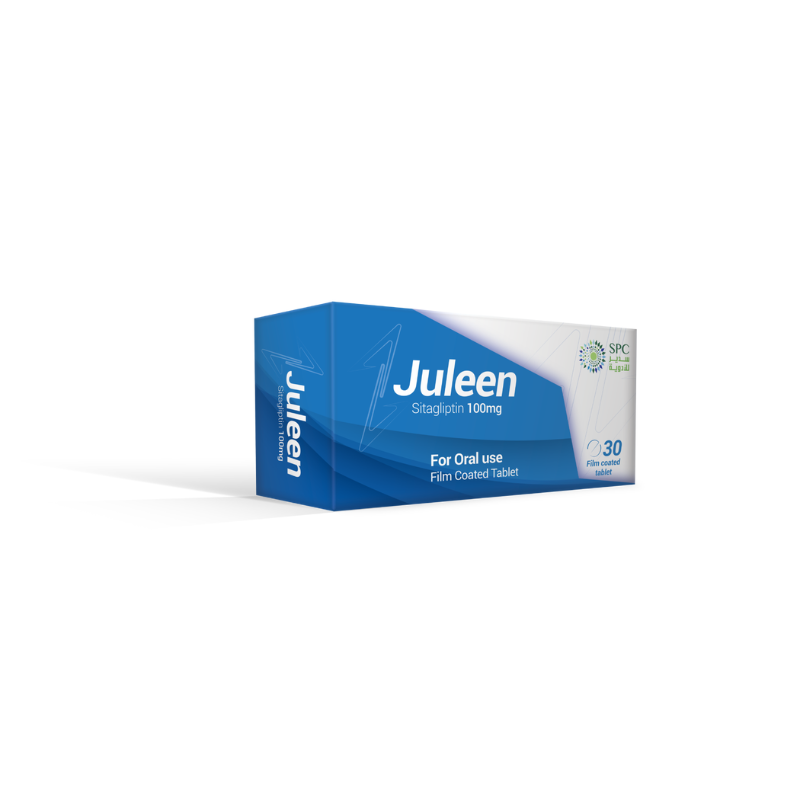
Medications > Diabetes Medications
Medications > Dermatology Medications
Medications > Other Medicines
Medications > Gastrointestinal Medications
