
Use Code: SAVE26 And Get 30% OFF | Get Free Delivery With No Minimum Order
-1744229570.gif "Almujtama Pharmacy logo")




Frequently bought together
Vitamins & Supplements > Omega-3 Supplements
Vitamins & Supplements > Sleeping aid supplements
Vitamins & Supplements > Sleeping aid supplements
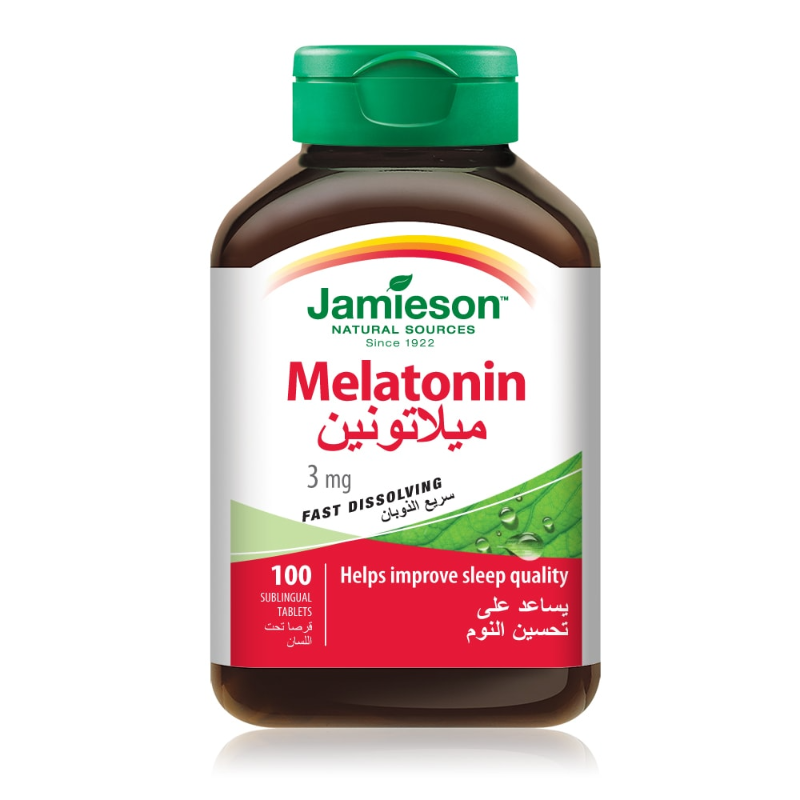
Vitamins & Supplements > Sleeping aid supplements
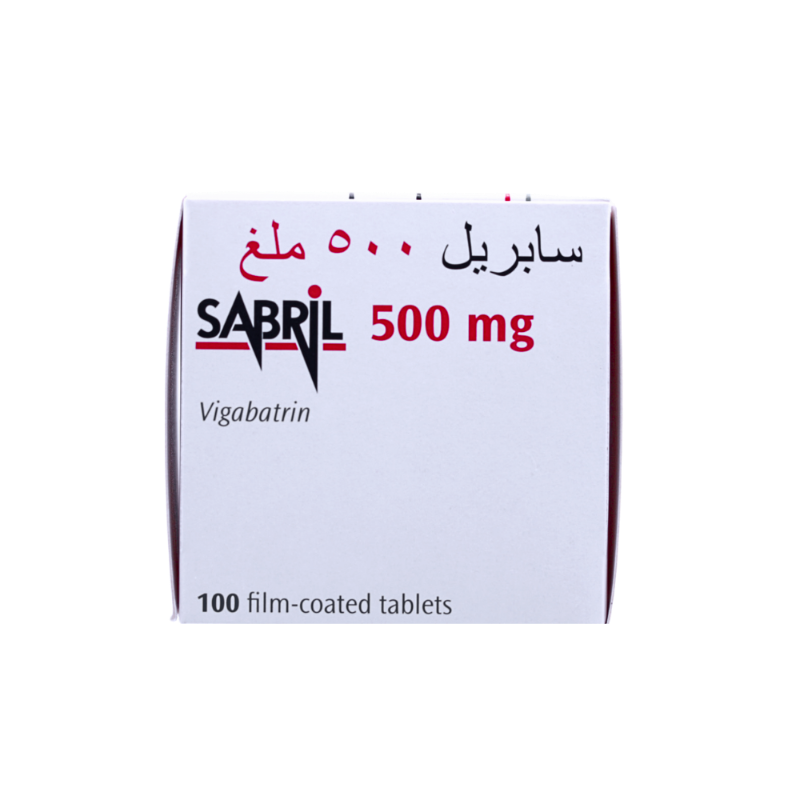
SABRIL 500/MG FC TAB 100/FC TAB
- Sku : I-029241
Key features
Sabril 500 mg Film-coated Tablets contain vigabatrin 500 mg, an anti-epileptic medicine. It works by irreversibly inhibiting GABA-transaminase, helping increase GABA levels in the brain and reduce neuronal excitability. It is used as adjunctive therapy for refractory complex partial seizures in adults and children aged 2 years and older, and as monotherapy for infantile spasms in infants aged 1 month to 2 years. This product is supplied as 100 film-coated tablets.- Brand: SABRIL
- Active Ingredient: VIGABATRIN 500mg
- Strength: 500mg
- Dosage Form: Film-coated tablet
- Pack Size: 100 Tablets
- Route: Oral use
- Prescription Status: Prescription
- Therapeutic Class: Anticonvulsant
- Pharmacological Group: Antiepileptics
- Drug Class: Anti-epileptic Agent [EPC]
- Manufacturer: sanofi-aventis
- Country of Origin: France
- SFDA Registration No.: 1903257102
- Shelf Life: 36 months
- Storage: do not store above 30°c
- Psych Class: Antiepileptic
- Controlled Substance: No
Frequently bought together
Vitamins & Supplements > Omega-3 Supplements
Vitamins & Supplements > Sleeping aid supplements
Vitamins & Supplements > Sleeping aid supplements
Vitamins & Supplements > Sleeping aid supplements
Indications
Approved Uses
1) Refractory complex partial seizures (adjunctive therapy) in adults and pediatric patients ≥2 years; 2) Infantile spasms (monotherapy) in infants 1 month to 2 years.
Off-Label Uses
Seizures associated with succinic semialdehyde dehydrogenase deficiency (SSADHD) (off-label).
Dosage & Administration
Dosing by Condition
Refractory complex partial seizures (≥2 years, adjunctive): Adults start 500 mg twice daily (1000 mg/day) and increase by 500 mg/day at weekly intervals; usual maintenance 3000 mg/day (1500 mg twice daily), max 3000 mg/day. Infantile spasms (1 month-2 years, monotherapy): start 50 mg/kg/day (25 mg/kg twice daily
Initial Dose
Adults (Refractory Complex Partial Seizures): 1000 mg/day (500 mg twice daily).
Maintenance Dose
Adults (Refractory Complex Partial Seizures): 3000 mg/day (1500 mg twice daily).
Maximum Dose
Adults (Refractory Complex Partial Seizures): 3000 mg/day is recommended, though doses up to 6000 mg/day have been used. Infants (Infantile Spasms): 150 mg/kg/day.
Dose Adjustment Notes
Dose reduction is required in renal impairment; avoid abrupt discontinuation-taper when stopping; discontinue if inadequate benefit (generally within ~3 months for refractory complex partial seizures and within ~2-4 weeks for infantile spasms).
How to Take
Oral use; may be taken with or without food; swallow tablets with water. If unable to swallow tablets, use the oral-solution formulation (where available) rather than crushing/chewing tablets.
Side Effects
Common Side Effects
Somnolence/drowsiness, fatigue, dizziness, headache, weight gain, tremor, blurred vision/visual disturbance, abnormal coordination/ataxia, nausea.
Safety & Warnings
Warnings & Precautions
Key warnings/precautions: irreversible vision loss-baseline and periodic vision assessment and restricted access/REMS; discontinue if inadequate benefit; suicidal thoughts/behavior; CNS depression/somnolence; MRI abnormalities in infants; taper to discontinue; adjust dose in renal impairment; weight gain/edema and peripheral neuropathy may occur.
Age Restriction
Refractory complex partial (focal) seizures: adults (US labeling
Drug Interactions
Food Interaction
No clinically significant food restriction; may be taken with or without food.
Special Populations
Elderly
Start at lower end of dosing range; titrate slowly; monitor renal function and adjust dose accordingly due to age-related decline in renal clearance
Kidney Impairment
Dose reduction required in renal impairment: CrCl 50-80 mL/min reduce ~25%; CrCl 30-50 reduce ~50%; CrCl 10-30 reduce ~75%; CrCl <10 mL/min or dialysis: use extreme caution with substantial reduction and close monitoring.
Liver Impairment
No hepatic dose adjustment recommended.
Storage & Patient Advice
Stopping the Medicine
Do not stop abruptly; taper gradually (individualized-typically over at least 2-4 weeks when feasible) to reduce risk of increased seizures/status epilepticus.
Patient Counseling
Counsel on risk of permanent vision loss/visual field constriction: baseline eye assessment and periodic monitoring (commonly about every 3 months during therapy and after discontinuation per local program/label); report any vision changes immediately. Do not stop abruptly (seizure risk). May cause somnolence/dizziness-avoid driving/machinery until effects known; avoid alcohol/other CNS depressants. Report mood/behavior changes or suicidal ideation. Take exactly as prescribed at consistent times; dose adjustments are needed in renal impairment.
Monitoring Requirements
Vision monitoring: baseline ophthalmologic assessment (including visual field testing when feasible), then at least every 3 months during therapy and again about 3-6 months after discontinuation; monitor renal function and clinical response/adverse CNS effects.
Pharmacology
Mechanism of Action
Irreversibly inhibits GABA-transaminase (GABA-T), reducing GABA breakdown and increasing CNS GABA concentrations, thereby decreasing neuronal excitability.
Duration of Effect
Pharmacodynamic effect outlasts plasma half-life because GABA-T inhibition is irreversible; recovery depends on enzyme resynthesis over several days after discontinuation.
Half-Life
Plasma half-life is about 5-8 hours in adults; it is prolonged in renal impairment and may be longer in older adults, while pharmacodynamic effect can outlast plasma levels due to irreversible enzyme inhibition.
Bioavailability
High oral bioavailability, approximately 60-80% (often cited ~70%).
Metabolism
Not significantly metabolized; minimal hepatic metabolism and not meaningfully CYP-mediated.
Excretion
Primarily renal elimination; the majority is excreted unchanged in urine (commonly ~70% within 24 hours, with most of the dose recovered unchanged over time).
Protein Binding
Negligible protein binding (approximately 0%).
Product Information
Available Dosage Forms
Film-coated tablet; powder for oral solution (oral formulation availability may be market-specific).
Composition per Dose
Each film-coated tablet: 500mg vigabatrin
Generic Availability
Yes
OTC Alternatives
No OTC alternative
Psych Class
Antiepileptic
Controlled Substance
No
Reviewed by Al Mujtama Pharmacy Medical Review Team. Last reviewed 11-06-2026
Similar Products
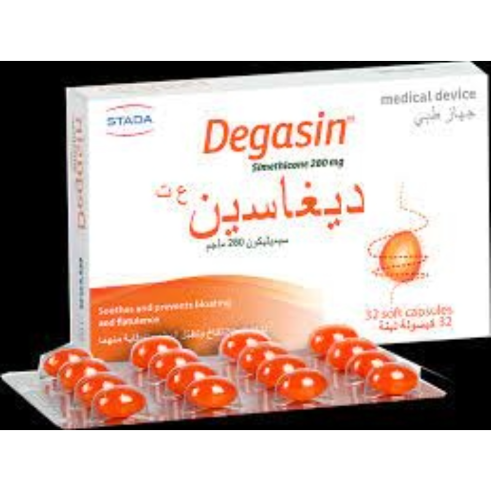
Medications > Gastrointestinal Medications
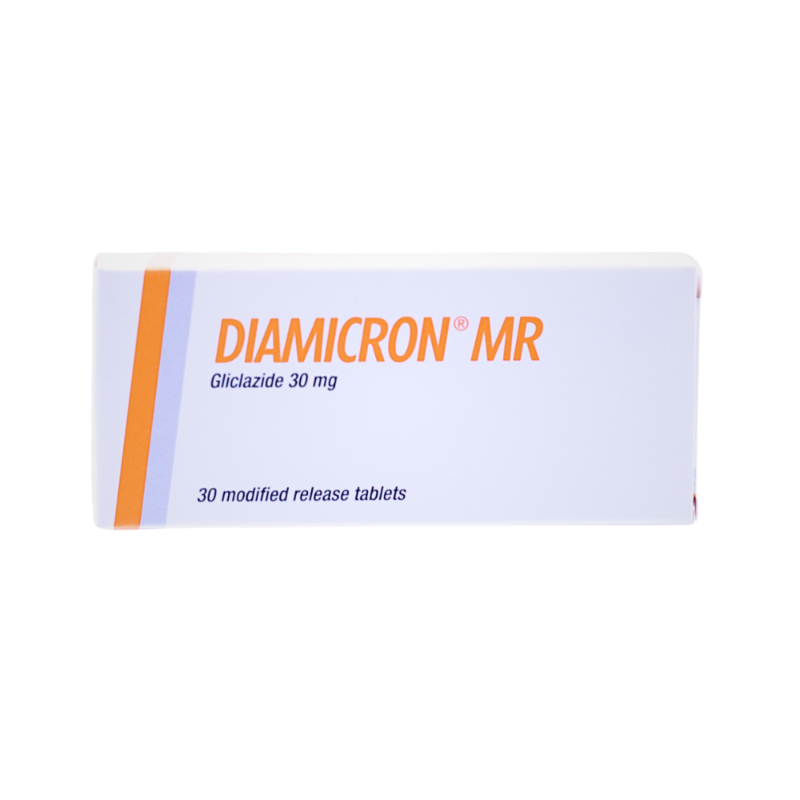
Medications > Diabetes Medications
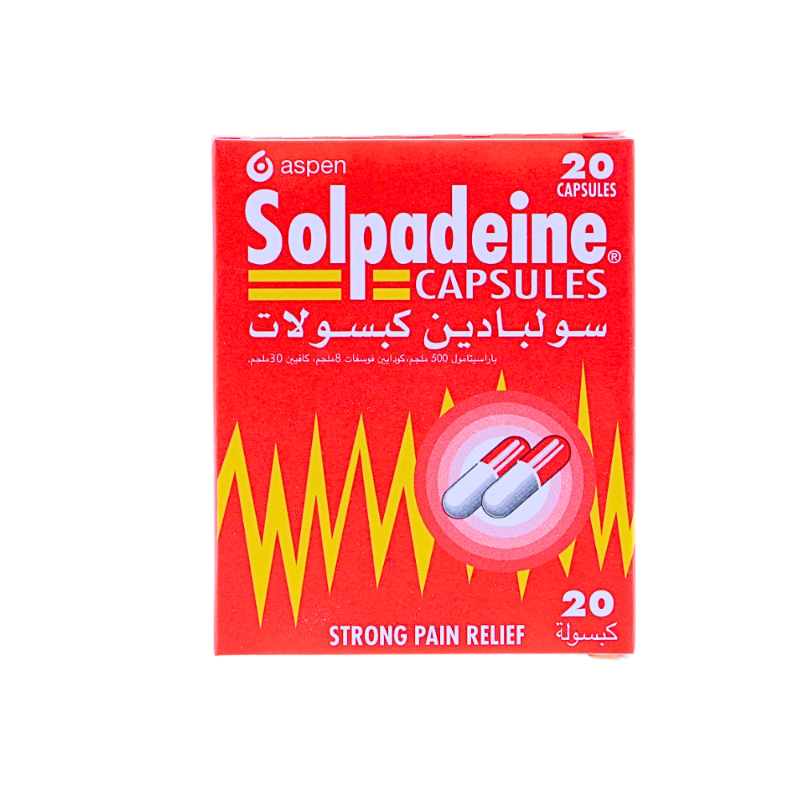
Medications > Painkillers and Antipyretics
Medications > Painkillers and Antipyretics
Medications > Diabetes Medications
Medications > Painkillers and Antipyretics
Medications > Dermatology Medications
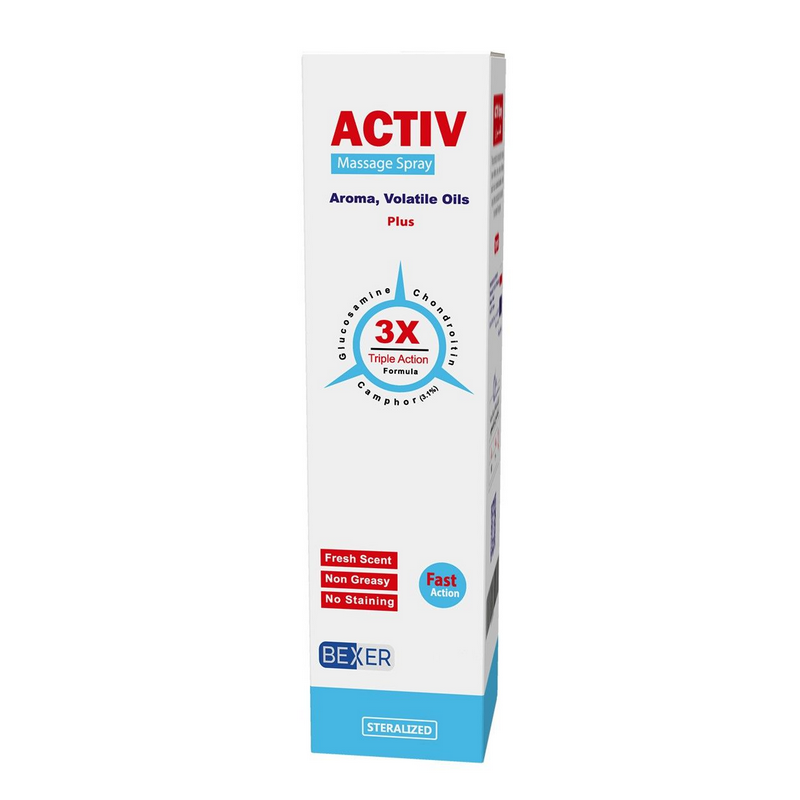
Medications > Painkillers and Antipyretics
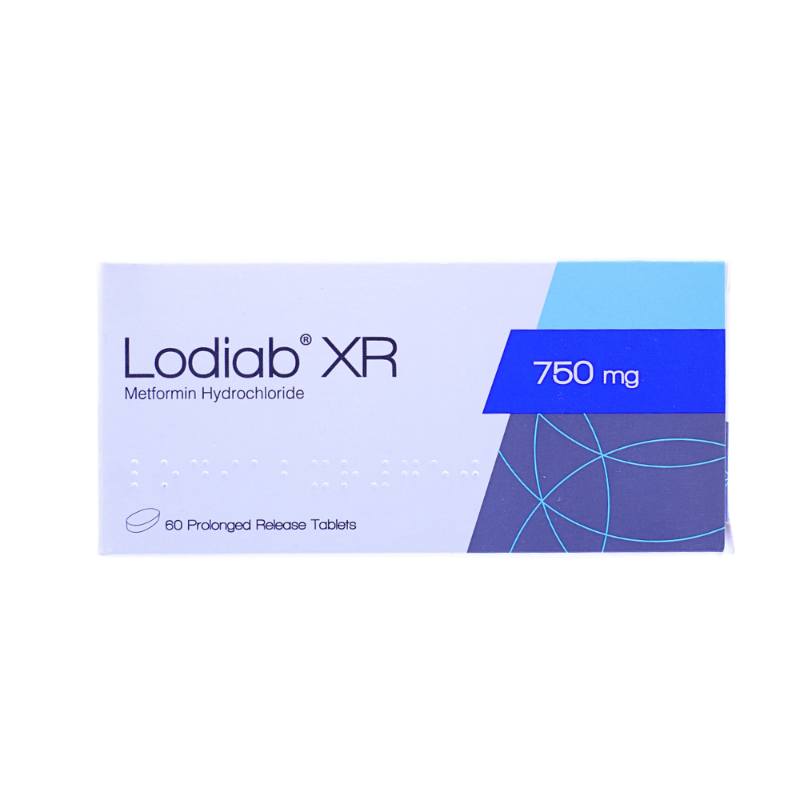
Medications > Diabetes Medications
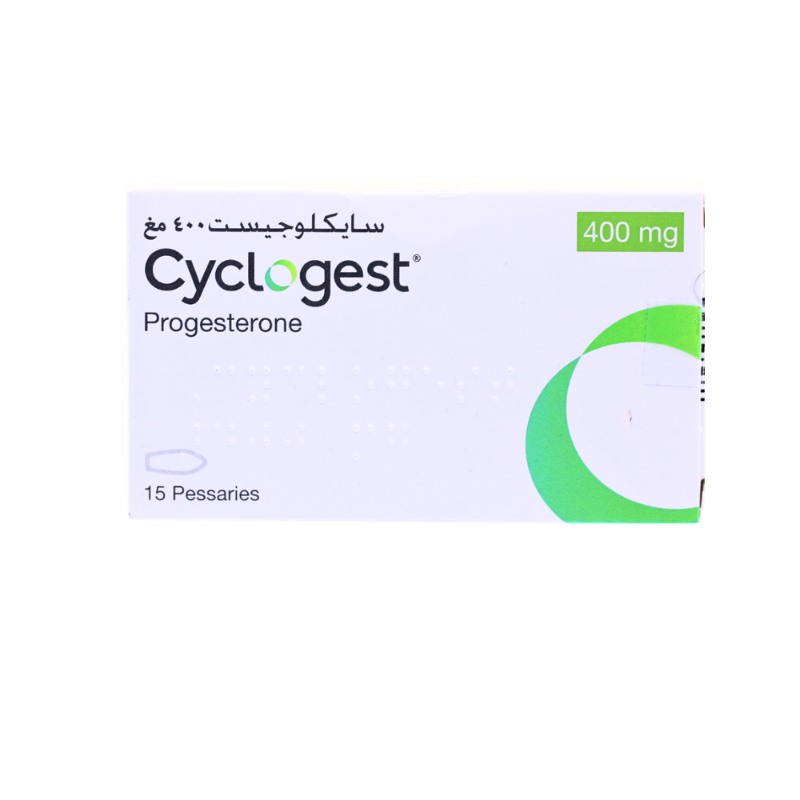
Medications > Contraceptives and Hormonal Medications
