
Use Code: ND30 And Get 30% OFF | Get Free Delivery With No Minimum Order
-1744229570.gif "Almujtama Pharmacy logo")




Frequently bought together
Health Care & Wellness > Diabetes Care
Health Care & Wellness > Diabetes Care
Health Care & Wellness > Diabetes Care
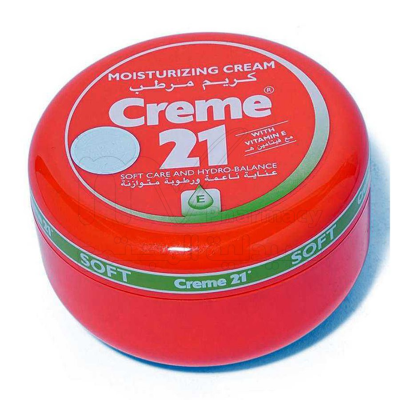
Skin And Body Care > Moisturizers
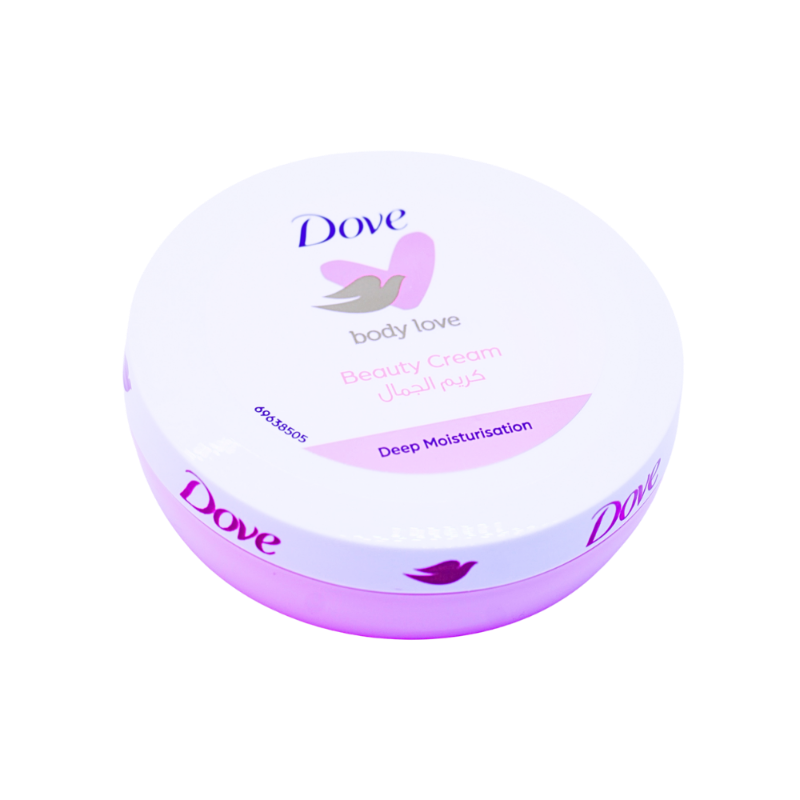
Skin And Body Care > Moisturizers
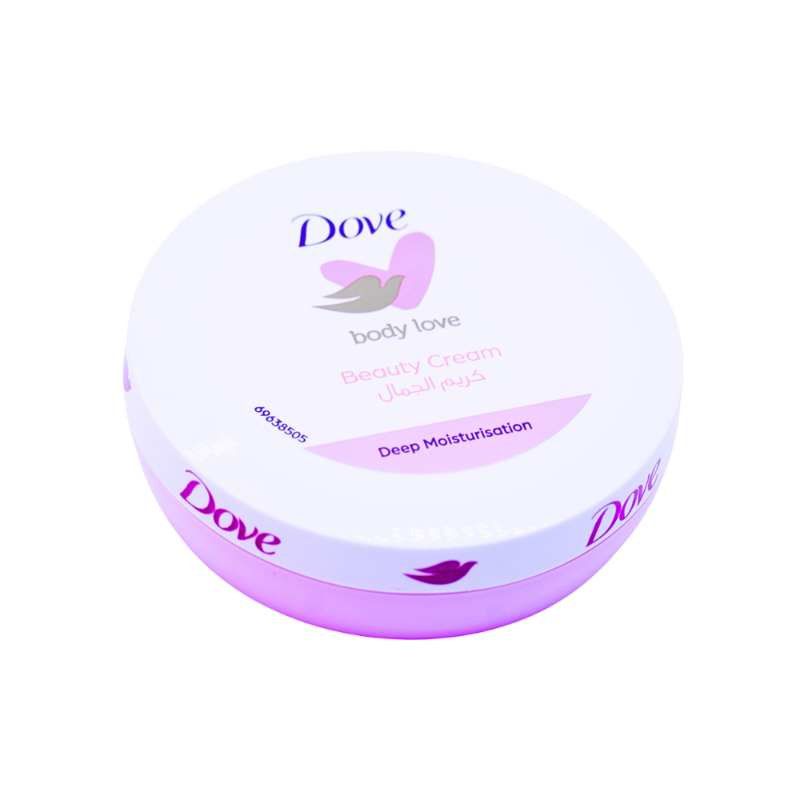
Skin And Body Care > Moisturizers
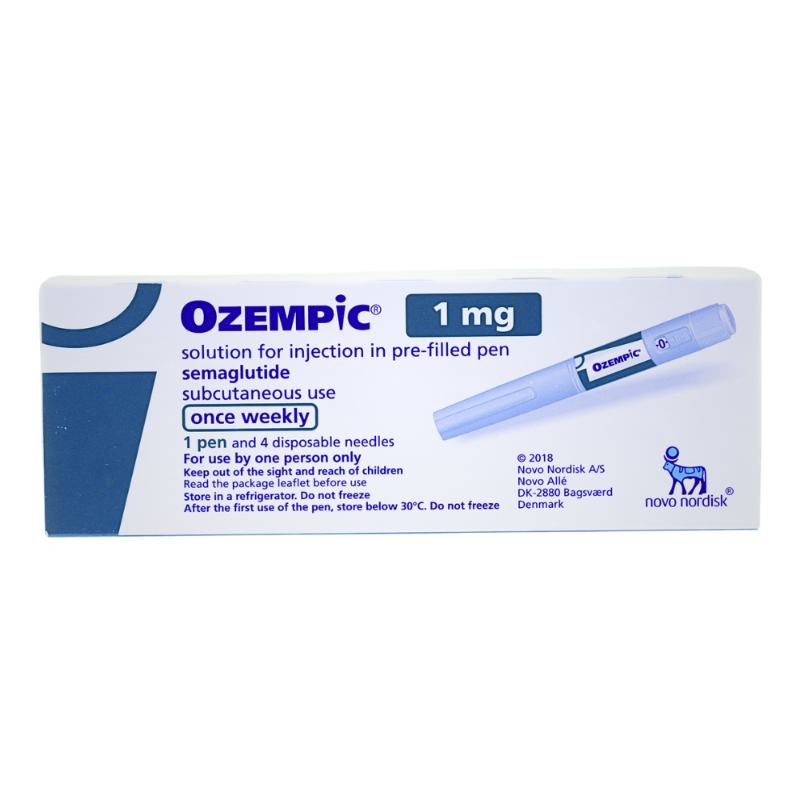
OZEMPIC 1/MG 1/PENFILL @
- Sku : I-024885
Key features
OZEMPIC 1 mg pre-filled pen contains the active ingredient semaglutide as a solution for subcutaneous injection. It is a long-acting GLP-1 receptor agonist that enhances glucose-dependent insulin secretion, suppresses inappropriate glucagon release, slows gastric emptying, and reduces appetite to support improved glycemic control and weight reduction. OZEMPIC is indicated in adults with type 2 diabetes mellitus as an adjunct to diet and exercise to improve glycemic control and to reduce the risk of major adverse cardiovascular events in those with established cardiovascular disease. Available by prescription as a 3 mL pre-filled pen (1 mg strength).- Brand: OZEMPIC
- Active Ingredient: SEMAGLUTIDE 1mg
- Strength: 1mg
- Dosage Form: Solution for injection in pre-filled pen
- Pack Size: 3 ml
- Route: Subcutaneous use
- Prescription Status: Prescription
- Therapeutic Class: Antidiabetic
- Pharmacological Group: GLP-1 Receptor Agonists
- Drug Class: GLP-1 Receptor Agonist (Glucagon-Like Peptide-1 Receptor Agonist), long-acting subcutaneous formulation
- Manufacturer: NOVO NORDISK
- Country of Origin: Denmark
- SFDA Registration No.: 2701200003
- Shelf Life: 36 months
- Storage: store in a refrigerator (2°c - 8°c)
- Diabetes Type: Type 2
Frequently bought together
Health Care & Wellness > Diabetes Care
Health Care & Wellness > Diabetes Care
Health Care & Wellness > Diabetes Care
Skin And Body Care > Moisturizers
Skin And Body Care > Moisturizers
Skin And Body Care > Moisturizers
Indications
Approved Uses
Adults with type 2 diabetes mellitus: (1) as an adjunct to diet and exercise to improve glycemic control; (2) to reduce the risk of major adverse cardiovascular events in adults with type 2 diabetes mellitus and established cardiovascular disease.
Off-Label Uses
Weight management/obesity (off-label use of Ozempic; semaglutide has a separate product/indication for chronic weight management in many regions).
Dosage & Administration
Dosing by Condition
Type 2 diabetes (and for CV risk reduction in eligible T2DM patients): 0.25 mg SC once weekly for 4 weeks, then 0.5 mg once weekly; if additional control needed, increase to 1 mg once weekly after at least 4 weeks on 0.5 mg. (Some jurisdictions also allow escalation to 2 mg once weekly after at least 4 weeks on 1 mg, depending on locally approved strengths.)
Initial Dose
0.25 mg subcutaneously once weekly for 4 weeks (initiation dose, not therapeutically effective for glycemia)
Maintenance Dose
0.5 mg subcutaneously once weekly; may increase to 1 mg once weekly after at least 4 weeks at 0.5 mg
Maximum Dose
2 mg subcutaneously once weekly.
Children's Dosage
Not approved for children under 18 years
Dose Adjustment Notes
No dose adjustment is generally required in renal or hepatic impairment, but monitor renal function if severe GI reactions/dehydration occur. Titrate to improve tolerability: 0.25 mg weekly for 4 weeks (initiation, not effective for glycemic control) → 0.5 mg weekly for at least 4 weeks → may increase to 1 mg weekly if needed; when used with insulin or a sulfonylurea, consider lowering the insulin/sulfonylurea dose to reduce hypoglycemia risk.
How to Take
Administer by subcutaneous injection once weekly on the same day each week into the abdomen, thigh, or upper arm; rotate injection sites. May be given at any time of day, with or without meals. Do not administer intravenously or intramuscularly. If changing the day of weekly administration, ensure at least 48 hours between doses.
Side Effects
Common Side Effects
Nausea, vomiting, diarrhea, constipation, abdominal pain; decreased appetite and dyspepsia are also common.
Side Effect Frequency
Very common (>10%): nausea, diarrhea. Common (1-10%): vomiting, constipation, abdominal pain, dyspepsia, decreased appetite; hypoglycemia when used with insulin/sulfonylurea; injection-site reactions; increased heart rate. Uncommon (0.1-1%): acute pancreatitis, cholelithiasis. Frequency not known/rare: anaphylaxis/serious hypersensitivity; diabetic retinopathy complications (reported in trials, particularly with rapid glycemic improvement).
Safety & Warnings
Contraindications
Personal or family history of medullary thyroid carcinoma (MTC); Multiple Endocrine Neoplasia syndrome type 2 (MEN 2); known serious hypersensitivity to semaglutide or any excipients.
Warnings & Precautions
Risk of thyroid C-cell tumors (counsel on neck mass/hoarseness/dysphagia), pancreatitis (discontinue if suspected), diabetic retinopathy complications (especially with rapid A1c improvement), hypoglycemia with insulin/secretagogues, acute kidney injury from dehydration due to GI adverse effects (ensure hydration/monitor renal function), serious hypersensitivity reactions, and acute gallbladder disease; not recommended for type 1 diabetes or DKA.
Age Restriction
Not approved under 18 years.
Drug Interactions
Interaction Severity
MAJOR/clinically significant: concomitant insulin or sulfonylureas increase hypoglycemia risk-consider dose reduction and monitor glucose. MODERATE: delayed gastric emptying may affect absorption of some oral drugs; monitor drugs with a narrow therapeutic index (e.g., warfarin/INR, levothyroxine) as clinically indicated. Routine additional contraception is not generally required for semaglutide based on available evidence, but counsel if significant vomiting/diarrhea could impair oral contraceptive absorption.
Food Interaction
No clinically relevant food interaction for subcutaneous Ozempic; it can be administered with or without meals.
Special Populations
Pregnancy
Consult Doctor
Breastfeeding
Consult Doctor
Children
Not approved for children under 18 years
Storage & Patient Advice
Missed Dose
Administer as soon as possible within 5 days of the missed dose. If more than 5 days have passed, skip the missed dose and resume on the next regularly scheduled day. Do not administer two doses within 2 days.
Stopping the Medicine
Can be stopped without tapering, but consult prescriber to plan alternative glycemic therapy because glucose may rise after discontinuation.
Overdose
Symptoms may include severe nausea, vomiting (± diarrhea) and hypoglycemia (especially with concomitant insulin/secretagogues); management is supportive/symptomatic with glucose monitoring, consider poison control, and effects may be prolonged due to long half-life (~1 week).
Patient Counseling
Inject SC once weekly on the same day each week (abdomen/thigh/upper arm) and rotate sites; can be taken any time of day with or without meals; do not share the pen. Explain titration and that early nausea is common and often improves; advise smaller/low-fat meals and hydration. Review missed-dose rule: if a dose is missed, take within 5 days; otherwise skip and take next scheduled dose (and ensure ≥48 hours between doses if changing day). Store unopened pens refrigerated (2-8°C per SFDA); do not freeze; after first use, follow local labeling for in-use storage/time limits. Seek care for severe persistent abdominal pain (pancreatitis), symptoms of hypoglycemia (especially with insulin/SU), vision changes (retinopathy), or neck mass/dysphagia (thyroid warning).
Pharmacology
Mechanism of Action
GLP-1 receptor agonist: increases glucose-dependent insulin secretion, decreases inappropriate glucagon secretion, slows gastric emptying, and reduces appetite/energy intake (supporting weight loss).
Duration of Effect
At least 1 week (supports once-weekly dosing); clinical effect persists through the weekly dosing interval at steady state.
Half-Life
Approximately 1 week (about 7 days; ~165-184 hours).
Protein Binding
>99% (primarily albumin).
Product Information
Available Dosage Forms
Solution for injection in a pre-filled pen for subcutaneous use.
Composition per Dose
Each 3 mL pre-filled pen delivers 4 doses of 1 mg/0.75 mL (1.34 mg/mL): semaglutide 1 mg per 0.75 mL dose; excipients: disodium phosphate dihydrate, propylene glycol, phenol, water for injections, hydrochloric acid/sodium hydroxide for pH adjustment
Generic Availability
No
OTC Alternatives
No OTC alternative
Diabetes Type
Type 2
Reviewed by Al Mujtama Pharmacy Medical Review Team. Last reviewed 09-08-2026
Similar Products
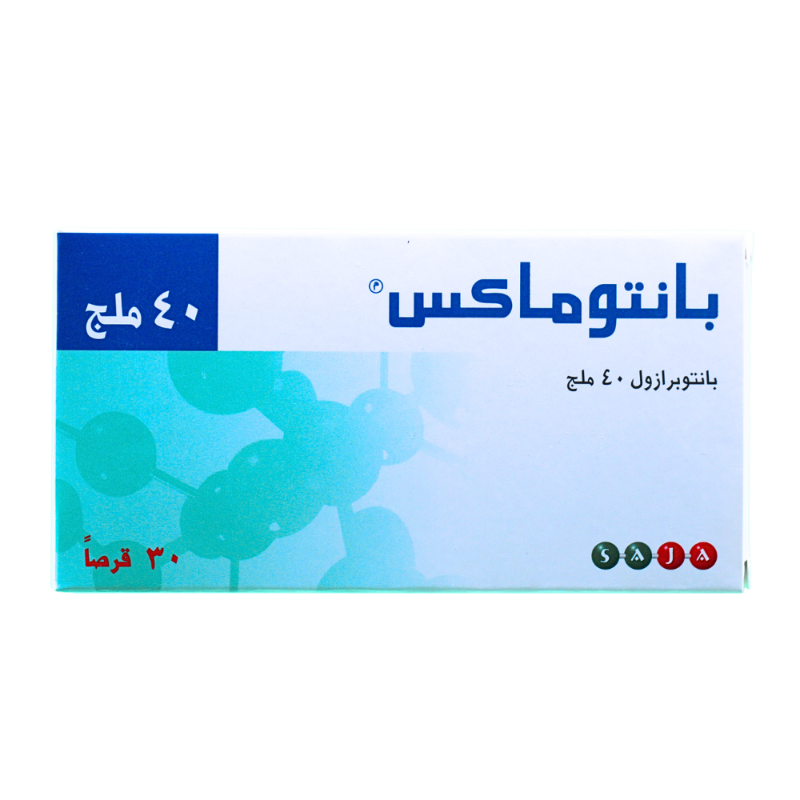
Medications > Gastrointestinal Medications

Medications > Dermatology Medications
Medications > Gastrointestinal Medications
Medications > Psychiatric Medications
Medications > Other Medicines
Medications > Eye and Ear Medications
Medications > Sexual Health
Medications > Painkillers and Antipyretics
Medications > Dermatology Medications
Medications > Painkillers and Antipyretics
