
Use Code: ND30 And Get 30% OFF | Get Free Delivery With No Minimum Order
-1744229570.gif "Almujtama Pharmacy logo")




Frequently bought together
Health Care & Wellness > Diabetes Care
Health Care & Wellness > Diabetes Care
Health Care & Wellness > Diabetes Care
Skin And Body Care > Moisturizers

Skin And Body Care > Moisturizers
Skin And Body Care > Moisturizers
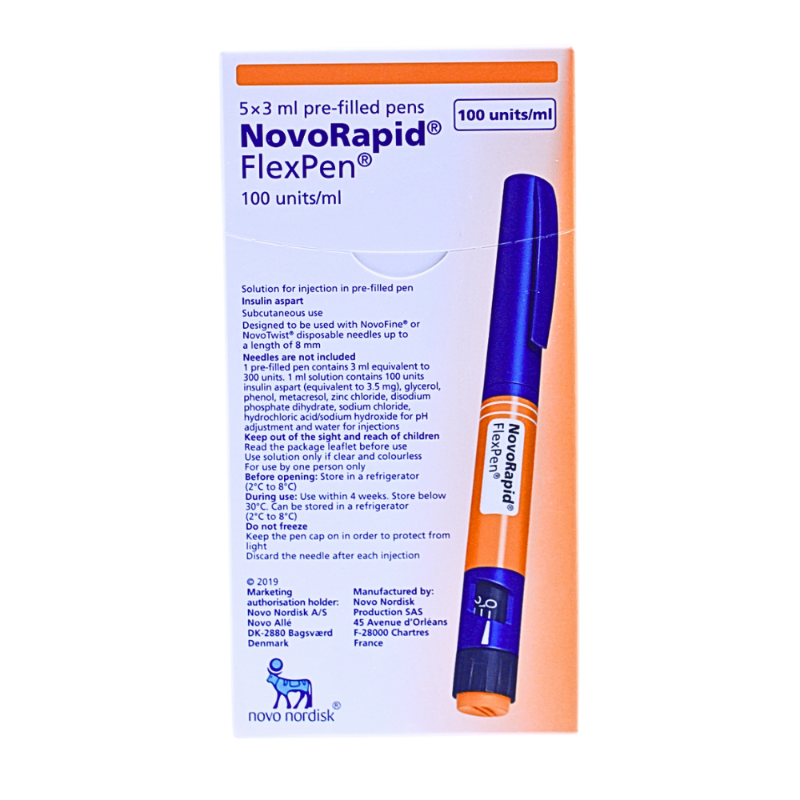
NOVORAPID FLEXPEN 100/UNITS/ML 5×3ML/PENFILL @
- Sku : I-004444
Key features
NOVORAPID FLEXPEN is a solution for injection containing insulin aspart 100 IU/ml. It is a rapid-acting insulin analogue that binds insulin receptors to increase peripheral glucose uptake and inhibit hepatic glucose output; a B28 proline→aspartic acid substitution reduces hexamer formation and accelerates absorption versus regular human insulin. It is indicated for the treatment of diabetes mellitus in adults and pediatric patients, including children, who require insulin for glycemic control. Available as a 3 ml prefilled FlexPen; prescription only.- Brand: NOVORAPID
- Active Ingredient: INSULIN ASPART 100IU/ml
- Strength: 100IU/ml
- Dosage Form: Solution for injection
- Pack Size: 3 ml
- Route: Subcutaneous use
- Prescription Status: Prescription
- Therapeutic Class: Antidiabetic
- Pharmacological Group: Insulins
- Drug Class: Rapid-acting insulin analogue (recombinant DNA origin)
- Manufacturer: NOVO NORDISK
- Country of Origin: Denmark
- SFDA Registration No.: 1601256675
- Shelf Life: 30 months
- Storage: store in a refrigerator (2°c - 8°c)
- Diabetes Type: Type 1/Type 2
- Insulin Type: Rapid-acting
Frequently bought together
Health Care & Wellness > Diabetes Care
Health Care & Wellness > Diabetes Care
Health Care & Wellness > Diabetes Care
Skin And Body Care > Moisturizers
Skin And Body Care > Moisturizers
Skin And Body Care > Moisturizers
Indications
Approved Uses
Treatment of diabetes mellitus in adults and pediatric patients (including children) who require insulin for glycemic control.
Off-Label Uses
Common off-label/setting-dependent uses include continuous subcutaneous insulin infusion (pump therapy) and IV insulin protocols in hospitalized patients (e.g., DKA/HHS or perioperative hyperglycemia) under specialist supervision; insulin with glucose for hyperkalemia is also used clinically (often with regular insulin, but rapid-acting analogs may be used per local protocol).
Dosage & Administration
Dosing by Condition
Individualize. Type 1 diabetes: total daily insulin commonly ~0.4-1.0 units/kg/day, with prandial insulin aspart given with meals as part of a basal-bolus regimen. Type 2 diabetes (when adding prandial insulin): commonly start 4 units (or 0.1 units/kg) with the largest meal or 10% of basal dose, then titrate; may progress to dosing with each meal. Administer 0-10 minutes before meals (or immediately after starting).
Initial Dose
For Type 1 Diabetes, typically 0.2-0.6 units/kg/day in divided doses as part of a basal-bolus regimen. For Type 2 Diabetes, can start with 4-10 units before the largest meal.
Maintenance Dose
Individualized, but typically 0.5-1.0 units/kg/day total insulin, with insulin aspart covering 50-70% of this requirement for meals.
Maximum Dose
No fixed maximum dose; dose is individualized based on glycemic needs and monitoring
Children's Dosage
Approved for children aged 1 year and above. The usual total daily insulin requirement is between 0.5 and 1.0 units/kg/day, but can be higher during growth spurts.
Dose Adjustment Notes
Dose must be individualized and titrated based on SMBG/CGM and glycemic targets; adjust with changes in meals, physical activity, intercurrent illness/stress, and interacting medicines. Dose reduction may be needed in renal or hepatic impairment; increased requirements may occur with infection/fever or corticosteroids.
How to Take
Subcutaneous injection only (per SFDA route): inject into abdomen, thigh, upper arm, or buttock; rotate sites within the same region to reduce lipodystrophy. For FlexPen use a new needle each time, perform a safety/flow check (prime) per device instructions, inject 0-10 minutes before a meal (or immediately after starting the meal), press the dose button fully and keep the needle under the skin for ~6 seconds before withdrawing. Do not give IV/IM except IV use only under medical supervision in clinical settings.
How to Prepare
Ready-to-use solution in a pre-filled pen; inspect before use-must be clear, colorless, and particle-free; do not use if cloudy/colored/with particles; do not mix with other insulins in the FlexPen.
Side Effects
Common Side Effects
Hypoglycemia, injection site reactions (redness, swelling, itching), lipodystrophy at injection sites, weight gain, edema
Side Effect Frequency
Very common (>10%): Hypoglycemia. Common (1-10%): Injection-site reactions. Uncommon (0.1-1%): Lipodystrophy; allergic reactions (e.g., rash/urticaria). Not known: Cutaneous amyloidosis (at injection site).
Safety & Warnings
Contraindications
Hypoglycemia; hypersensitivity to insulin aspart or any excipients
Warnings & Precautions
Key warnings/precautions: hypoglycemia risk and education; do not share pre-filled pens/needles; rotate injection sites (lipodystrophy/cutaneous amyloidosis); monitor/avoid hypokalemia (esp. with potassium-lowering drugs); dose adjustments with illness, stress, diet/activity changes and postpartum/pregnancy; beta-blockers may mask hypoglycemia; TZDs with insulin may cause fluid retention/heart failure; pump users risk hyperglycemia/DKA with infusion failure; do not mix/dilute in the FlexPen device and use only via subcutaneous route per product (Solution for injection, Subcutaneous use).
Age Restriction
Approved for use in adults and children aged 1 year and above.
Driving Warning
Patients should be advised to take precautions to avoid hypoglycaemia whilst driving, this is particularly important in those who have reduced or absent awareness of the warning signs of hypoglycaemia or have frequent episodes of hypoglycaemia.
Drug Interactions
Drug Interactions
Clinically relevant interactions include: other glucose-lowering drugs (incl. sulfonylureas) and pramlintide (↑ hypoglycemia risk); ACE inhibitors/ARBs, MAOIs, salicylates, some sulfonamide antibiotics (may ↑ hypoglycemic effect); beta-blockers/clonidine (may mask hypoglycemia symptoms); corticosteroids, thiazide/loop diuretics, oral contraceptives, sympathomimetics/thyroid hormones (may ↓ insulin effect/↑ glucose); somatostatin analogs (variable); thiazolidinediones (fluid retention/heart failure risk when combined with insulin); alcohol (may ↑ hypoglycemia risk).
Interaction Severity
MAJOR/clinically significant: other glucose-lowering agents (including pramlintide) and alcohol can increase hypoglycemia risk; beta-blockers can mask hypoglycemia symptoms. MODERATE: ACE inhibitors/ARBs and salicylates may enhance glucose-lowering; corticosteroids, thiazides, sympathomimetics, and thyroid hormones may raise glucose/antagonize insulin; octreotide/lanreotide may increase or decrease insulin needs. Thiazolidinediones with insulin: increased risk of fluid retention/heart failure (clinically significant).
Food Interaction
Give 0-10 minutes before a meal or immediately after starting the meal; ensure carbohydrate intake follows promptly to reduce hypoglycemia risk.
Alcohol Interaction
Avoid
Special Populations
Pregnancy
Category B (No evidence of risk in humans based on animal data)
Breastfeeding
Safe
Children
Approved for children aged 1 year and above. The usual total daily insulin requirement is between 0.5 and 1.0 units/kg/day, but can be higher during growth spurts.
Elderly
Use with caution; elderly patients may have reduced renal function, irregular meal patterns, and impaired hypoglycemia awareness. Start at lower doses, monitor blood glucose frequently, and titrate carefully to avoid hypoglycemia.
Kidney Impairment
May require dose reduction; individualize and monitor blood glucose closely
Liver Impairment
May require dose reduction; individualize and monitor blood glucose closely
Storage & Patient Advice
Storage Conditions
store in a refrigerator (2°c - 8°c)
Preparation Instructions
Ready-to-use solution in a pre-filled pen; inspect before use-must be clear, colorless, and particle-free; do not use if cloudy/colored/with particles; do not mix with other insulins in the FlexPen.
Missed Dose
If a mealtime dose is missed, check blood glucose and take a corrective dose only if appropriate and close to the meal; if it is long after the meal, skip the missed bolus and resume the next scheduled dose-do not double. Follow the patient’s individualized correction-factor plan or clinician instructions.
Stopping the Medicine
Do not discontinue insulin without medical supervision; abrupt stopping (especially in type 1 diabetes) can cause severe hyperglycemia and diabetic ketoacidosis
Overdose
Overdose causes hypoglycemia (may progress to seizures/coma); treat mild/moderate with oral fast-acting carbohydrate, and severe/unconscious cases with glucagon IM/SC or IV glucose with urgent medical care and continued monitoring
Patient Counseling
Inject 0-10 minutes before meals (or immediately after starting), do not inject without planned food intake, recognize/treat hypoglycemia and carry fast-acting carbohydrate, rotate injection sites, use a new needle each time and never share pen/needles, confirm the insulin name/strength (100 IU/mL) before use, inspect solution (clear/colorless), and store unopened pens refrigerated 2-8°C (per SFDA); in-use storage and beyond-use time should follow the local product leaflet (commonly room temperature limits and ~28 days).
Monitoring Requirements
Frequent SMBG/CGM (pre-meal and post-meal as needed, bedtime; more often during illness/exercise/dose changes), HbA1c about every 3 months until stable then at least twice yearly, monitor for hypoglycemia, weight, and injection sites; check serum potassium in at-risk patients and assess renal/hepatic function periodically.
Pharmacology
Mechanism of Action
Rapid-acting insulin analogue that binds insulin receptors to increase peripheral glucose uptake and inhibit hepatic glucose output; the B28 proline→aspartic acid substitution reduces hexamer formation, speeding absorption versus regular human insulin.
Onset of Action
Approximately 10-20 minutes after subcutaneous injection.
Duration of Effect
3-5 hours.
Half-Life
Approximately 81 minutes (≈1.3-1.5 hours) terminal half-life after subcutaneous administration.
Bioavailability
Subcutaneous bioavailability is high but variable; a single fixed percentage (e.g., 70%) should not be stated for routine clinical use.
Metabolism
Proteolytic degradation to inactive peptides/amino acids in peripheral tissues and organs (including liver and kidneys), via insulin-degrading enzymes; similar to endogenous human insulin.
Excretion
Insulin is primarily cleared by metabolic degradation (liver and kidneys are major sites); breakdown products are eliminated renally, and renal impairment reduces insulin clearance and may lower dose requirements.
Protein Binding
Low/negligible plasma protein binding (often described as minimal; not clinically significant).
Product Information
Available Dosage Forms
Solution for injection in pre-filled pen (FlexPen), solution for injection in cartridge (Penfill), solution for injection in vial
Composition per Dose
Each 1 ml solution: Insulin aspart 100 IU (equivalent to 3.5 mg); each pre-filled pen contains 3 ml (300 IU total). Excipients: glycerol, phenol, metacresol, zinc chloride, disodium hydrogen phosphate dihydrate, sodium chloride, hydrochloric acid/sodium hydroxide (for pH adjustment), water for injections
Generic Availability
No (biosimilars available in some regions)
OTC Alternatives
No OTC alternative
Diabetes Type
Type 1/Type 2
Insulin Type
Rapid-acting
Reviewed by Al Mujtama Pharmacy Medical Review Team. Last reviewed 02-08-2026
Similar Products
Medications > Cold, Cough, and Allergy Medications
Medications > Painkillers and Antipyretics

Medications > Painkillers and Antipyretics
Medications > Psychiatric Medications
Medications > Dermatology Medications
Medications > Dermatology Medications
Medications > Eye and Ear Medications
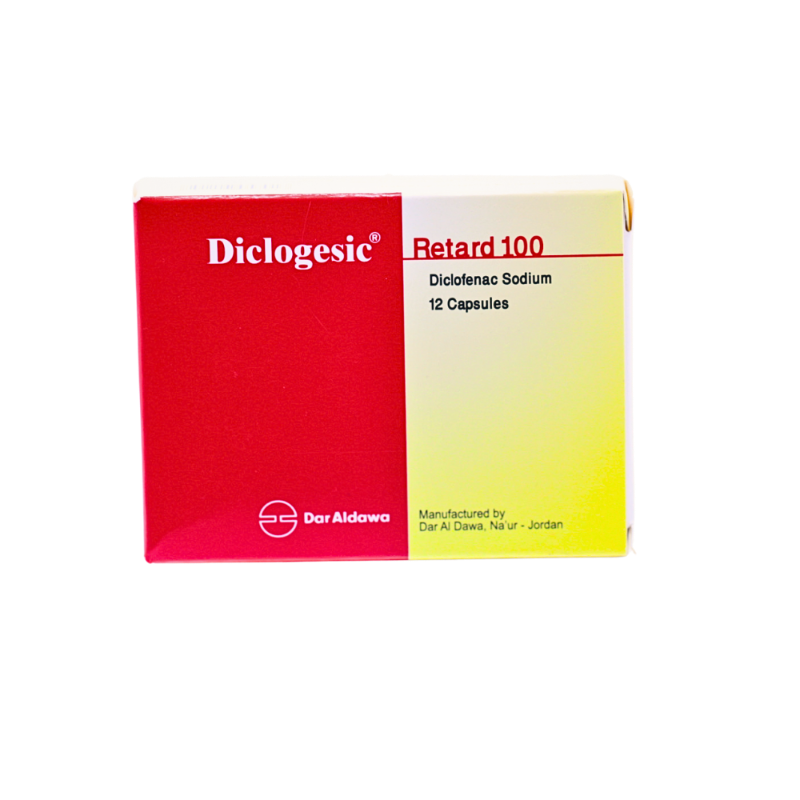
Medications > Painkillers and Antipyretics
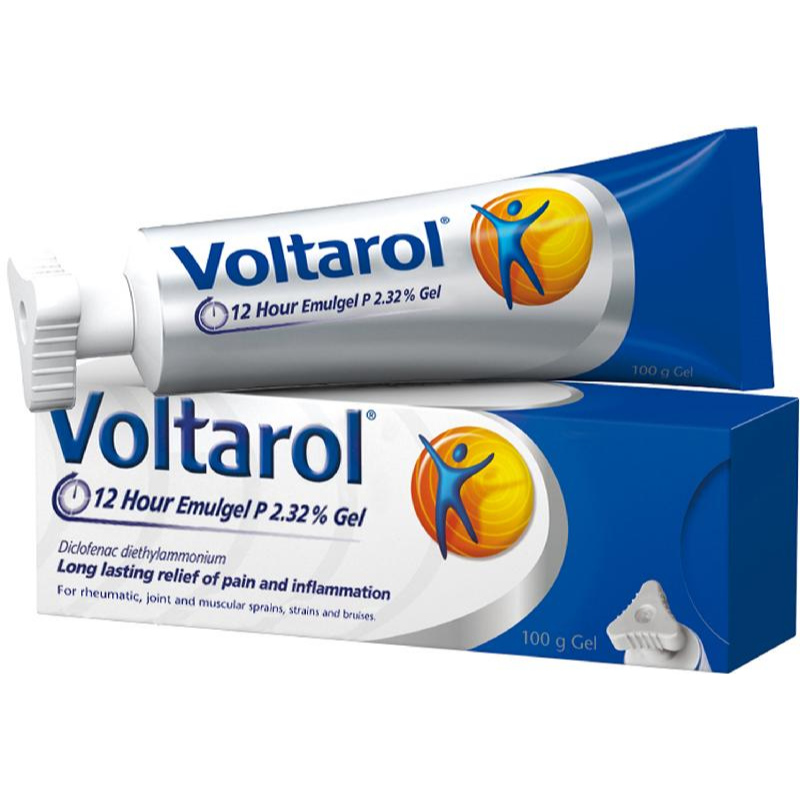
Medications > Painkillers and Antipyretics
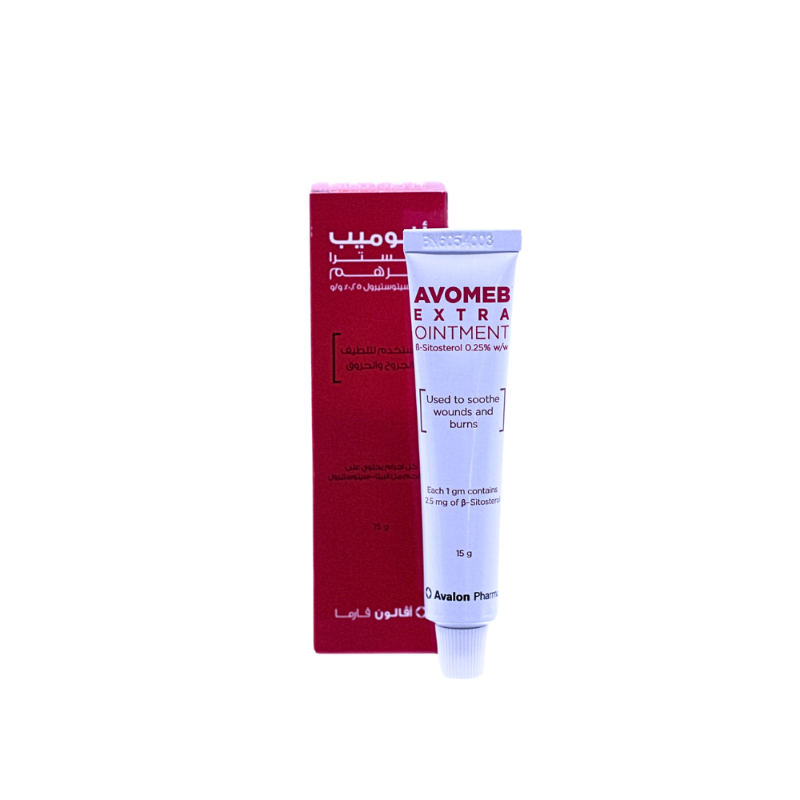
Medications > Dermatology Medications
