
Use Code: ND30 And Get 30% OFF | Get Free Delivery With No Minimum Order
-1744229570.gif "Almujtama Pharmacy logo")
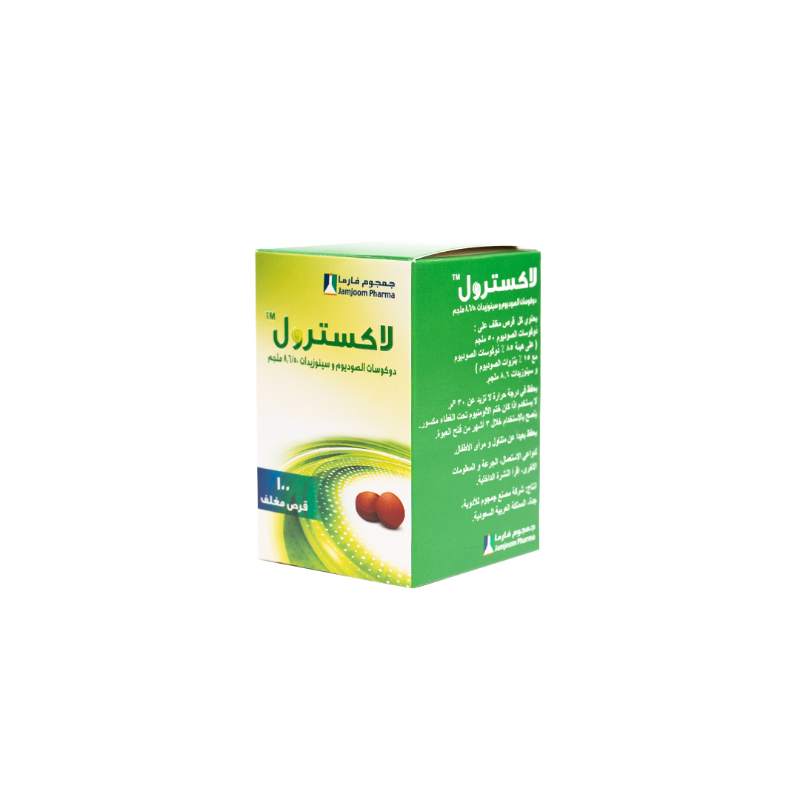




Frequently bought together
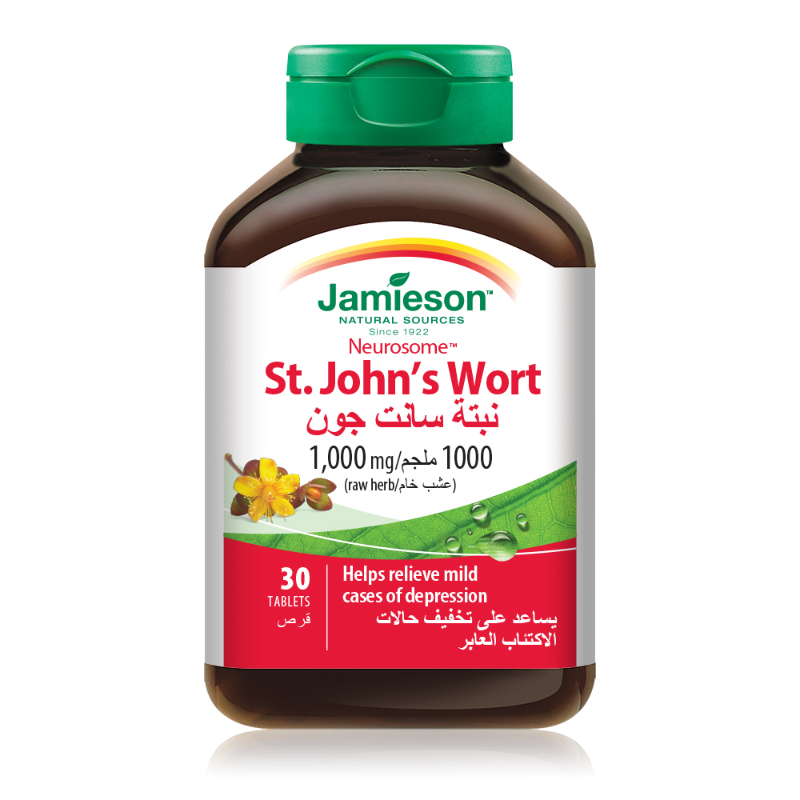
Vitamins & Supplements > Natural Supplements
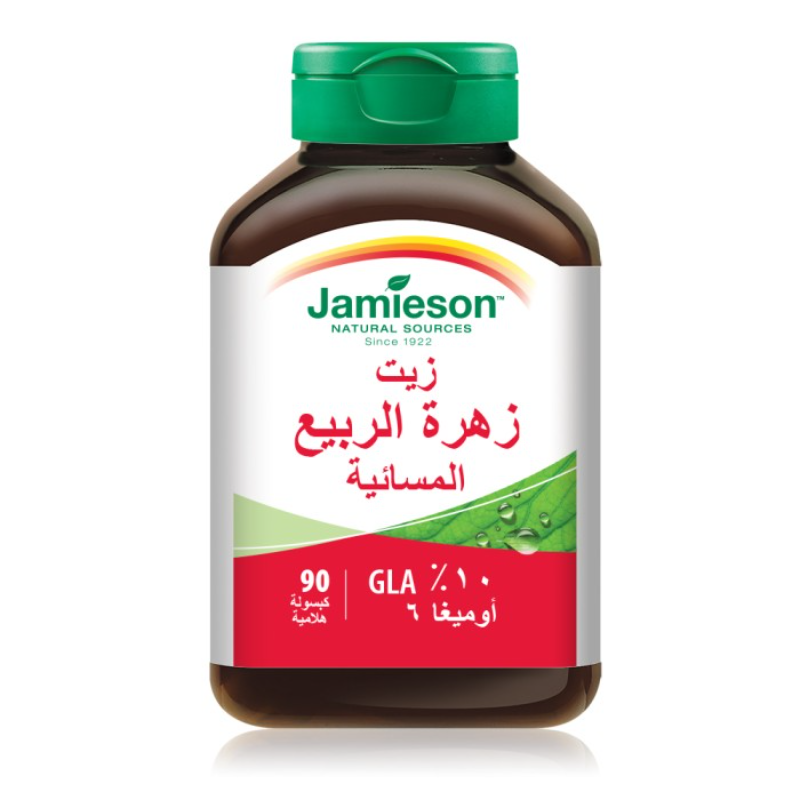

Vitamins & Supplements > Natural Supplements
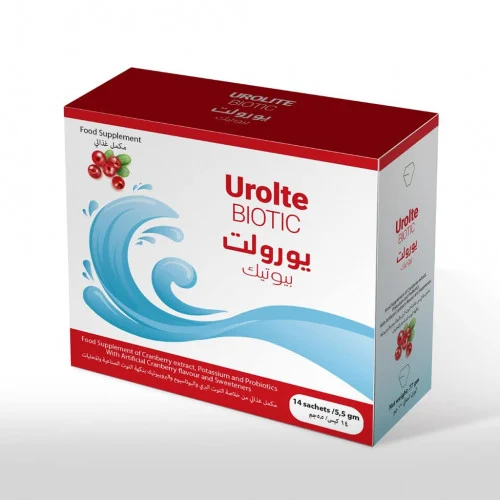
Vitamins & Supplements > Probiotecs
Vitamins & Supplements > Probiotecs
Vitamins & Supplements > Natural Supplements

Vitamins & Supplements > Probiotecs
LAXATROL 50/8.6/MG FC TAB 100/FC TAB
- Sku : I-032971
Key features
LAXATROL 50/8.6/MG film-coated tablets contain docusate sodium 50 mg and sennosides 8.6 mg as the active ingredients. Docusate sodium acts as an anionic surfactant to lower stool surface tension and soften stool, while sennosides are converted by colonic bacteria to metabolites that stimulate intestinal motility and increase colonic fluid secretion, promoting bowel evacuation. It is indicated for short-term relief of constipation, including occasional constipation. Available by prescription as film-coated tablets in a pack of 100.- Brand: LAXATROL
- Active Ingredient: DOCUSATE SODIUM 50mg, SENNOSIDES 8.6mg
- Strength: 50,8.6mg
- Dosage Form: Film-coated tablet
- Pack Size: 100 Tablets
- Route: Oral use
- Prescription Status: Prescription
- Therapeutic Class: Gastrointestinal
- Pharmacological Group: Laxatives
- Drug Class: Combination laxative: stool softener (docusate; anionic surfactant) + stimulant laxative (sennosides; anthraquinone glycosides).
- Manufacturer: Jamjoom Pharmaceuticals Factory Company
- Country of Origin: Saudi Arabia
- SFDA Registration No.: 2307245633
- Shelf Life: 24 months
- Storage: store below 30°c
- Gi Condition: Constipation
Frequently bought together
Vitamins & Supplements > Natural Supplements
Vitamins & Supplements > Natural Supplements
Vitamins & Supplements > Probiotecs
Vitamins & Supplements > Probiotecs
Vitamins & Supplements > Natural Supplements
Vitamins & Supplements > Probiotecs
Indications
Approved Uses
Short-term relief of constipation (including occasional constipation).
Off-Label Uses
Prevention of constipation/avoidance of straining in patients where straining is undesirable (e.g., post-op, post-MI, hemorrhoids/anal fissure, postpartum) and constipation management in palliative care; may be used as part of bowel regimens for opioid therapy.
Dosage & Administration
Dosing by Condition
Constipation (adults and ≥12 years): 2 tablets once daily at bedtime; may adjust to 2-4 tablets/day in single or divided doses; maximum 8 tablets/day (e.g., 4 tablets twice daily).
Initial Dose
Adults and children 12 years and older: 1 to 2 tablets at bedtime.
Maintenance Dose
1 to 4 tablets daily, adjusted to produce a comfortable, soft-formed stool.
Maximum Dose
4 tablets twice a day (8 tablets in 24 hours).
Children's Dosage
Children 6-12 years: 1 tablet once daily at bedtime (under medical supervision). Children 2-6 years: Not recommended without medical supervision. Not approved for children under 2 years.
Dose Adjustment Notes
Use the lowest effective dose for the shortest duration; do not use longer than 1 week unless directed by a clinician; adjust based on stool consistency/response.
How to Take
Oral use: swallow film‑coated tablet(s) whole with a full glass of water; may be taken with or without food; preferably take at bedtime to produce a bowel movement the next morning; maintain adequate fluid intake.
Side Effects
Common Side Effects
Abdominal cramps, diarrhea/loose stools, nausea; urine discoloration (yellow-brown, pink-red, or brown) may occur.
Side Effect Frequency
Common: abdominal cramping, diarrhea/loose stools, nausea. Less common/with prolonged or excessive use: electrolyte disturbances (e.g., hypokalemia), dehydration, laxative dependence, and melanosis coli; urine discoloration may occur with senna.
Safety & Warnings
Contraindications
Hypersensitivity to docusate or sennosides; intestinal obstruction/ileus or fecal impaction; acute surgical abdomen (e.g., appendicitis) or undiagnosed acute abdominal pain with nausea/vomiting; severe dehydration/electrolyte depletion; avoid concomitant mineral oil.
Warnings & Precautions
Short-term use only (generally ≤1 week) unless medically supervised; do not use with undiagnosed abdominal pain, nausea/vomiting, or suspected obstruction; stop and seek care if rectal bleeding occurs or no bowel movement after use; prolonged use may cause diarrhea, dehydration, electrolyte imbalance and dependence; ensure adequate fluids/fiber and use extra caution in elderly or those on hypokalemia-inducing drugs.
Age Restriction
Not recommended in children <2 years unless directed by a physician.
Driving Warning
Safe
Drug Interactions
Drug Interactions
Mineral oil (avoid); drugs that increase hypokalemia risk with laxative overuse-diuretics, corticosteroids, amphotericin B, and licorice; cardiac glycosides (e.g., digoxin) and antiarrhythmics sensitive to hypokalemia (e.g., QT-prolonging agents); other laxatives (additive diarrhea/electrolyte loss).
Interaction Severity
MODERATE: Digoxin/cardiac glycosides and antiarrhythmics (risk increased with hypokalemia from diarrhea/overuse); diuretics and corticosteroids (additive hypokalemia). MINOR/AVOID: Mineral oil (docusate may increase mineral oil absorption).
Food Interaction
No clinically significant food restrictions; take with a full glass of water and maintain adequate hydration.
Alcohol Interaction
Safe
Special Populations
Pregnancy
Consult Doctor
Breastfeeding
Caution
Children
Children 6-12 years: 1 tablet once daily at bedtime (under medical supervision). Children 2-6 years: Not recommended without medical supervision. Not approved for children under 2 years.
Elderly
Start at the lowest effective dose (1 tablet once daily). Monitor closely for dehydration and electrolyte imbalances. Avoid prolonged use.
Kidney Impairment
No specific dose adjustment; use caution in severe renal impairment if prolonged/high-dose use due to higher consequence of dehydration/electrolyte imbalance.
Liver Impairment
No adjustment needed.
Storage & Patient Advice
Storage Conditions
Store below 30°C. Keep in original container, tightly closed. Keep out of reach of children.
Missed Dose
Take as soon as remembered; skip if near the time of the next scheduled dose. Do not double the dose.
Stopping the Medicine
Can be stopped at any time; not intended for long-term use-if used regularly for >1 week, reassess cause of constipation and tapering may be considered to minimize recurrence.
Overdose
Symptoms: abdominal cramping, severe diarrhea, dehydration, electrolyte disturbances (notably hypokalemia). Management: stop drug, oral/IV fluids and electrolyte replacement; medical evaluation/poison center advice-GI decontamination is rarely needed and only if very recent ingestion.
Patient Counseling
Oral use: take 1-2 tablets preferably at bedtime with a full glass of water; expect effect in ~6-12 hours. Maintain adequate fluid intake and dietary fiber. Use short-term only (generally ≤1 week) unless advised by a clinician. Stop and seek medical advice if severe abdominal pain/cramping, nausea/vomiting, rectal bleeding, or no bowel movement occurs after use, or if constipation persists. Urine may discolor (pink/red-brown) with senna; this is usually harmless.
Monitoring Requirements
No routine monitoring for short-term use; if prolonged/frequent use or high doses, monitor hydration and electrolytes (especially potassium) and assess for diarrhea/abdominal pain.
Pharmacology
Mechanism of Action
Docusate sodium is an anionic surfactant that lowers stool surface tension to allow water/lipids to penetrate and soften stool; sennosides are converted by colonic bacteria to active metabolites that stimulate colonic motility and increase fluid secretion/decrease absorption, promoting bowel evacuation.
Onset of Action
Typically 6-12 hours (may be longer in some patients).
Duration of Effect
Approximately 6-12 hours.
Half-Life
Not well characterized/clinically not meaningful due to minimal systemic absorption; use onset (6-12 hours) is the practical kinetic parameter rather than a reliable plasma half-life.
Bioavailability
Docusate sodium: minimal systemic absorption (primarily local GI action). Sennosides: poorly absorbed; act as prodrugs converted by colonic bacteria to active anthrone metabolites (e.g., rhein anthrone).
Metabolism
Sennosides: metabolized by colonic bacteria to active anthrone metabolites (e.g., rhein anthrone). Docusate sodium: minimal systemic metabolism; primarily local GI action with limited absorbed fraction undergoing hepatic metabolism if absorbed.
Excretion
Sennosides (and metabolites): mainly excreted in feces; a small fraction of metabolites (e.g., rhein) may be excreted in urine and can discolor urine. Docusate: largely eliminated in feces with minimal systemic excretion.
Product Information
Available Dosage Forms
Film-coated tablet.
Composition per Dose
Each film-coated tablet: 8.6mg sennosides and 50mg docusate sodium.
Generic Availability
Yes
OTC Alternatives
Polyethylene glycol (PEG 3350), psyllium (bulk-forming), lactulose (osmotic), bisacodyl (stimulant), glycerin suppositories; single-ingredient docusate or senna may also be options depending on patient needs.
Gi Condition
Constipation
Reviewed by Al Mujtama Pharmacy Medical Review Team. Last reviewed 04-06-2026
Similar Products
Medications > Gastrointestinal Medications
Medications > Painkillers and Antipyretics
Medications > Eye and Ear Medications
Medications > Anticonvulsants and antiepileptics
Medications > Eye and Ear Medications
Medications > Painkillers and Antipyretics
Medications > Painkillers and Antipyretics
Medications > Psychiatric Medications

Medications > Dermatology Medications
Medications > Eye and Ear Medications
