
Use Code: ND30 And Get 30% OFF | Get Free Delivery With No Minimum Order
-1744229570.gif "Almujtama Pharmacy logo")




Frequently bought together
Skin And Body Care > Sun Protection And Tans
Skin And Body Care > Sun Protection And Tans
Skin And Body Care > Moisturizers
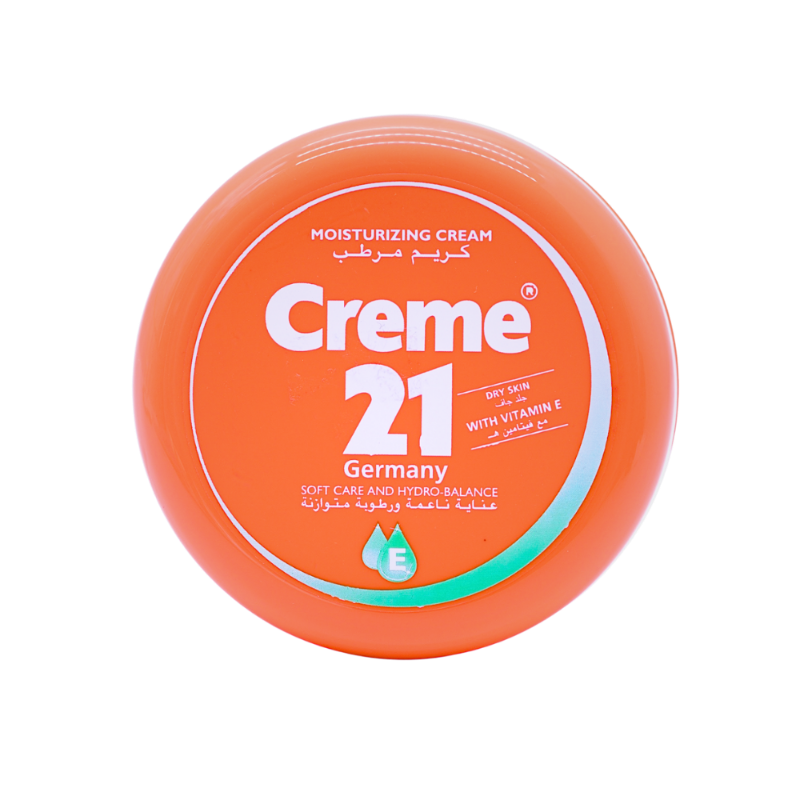
Skin And Body Care > Moisturizers
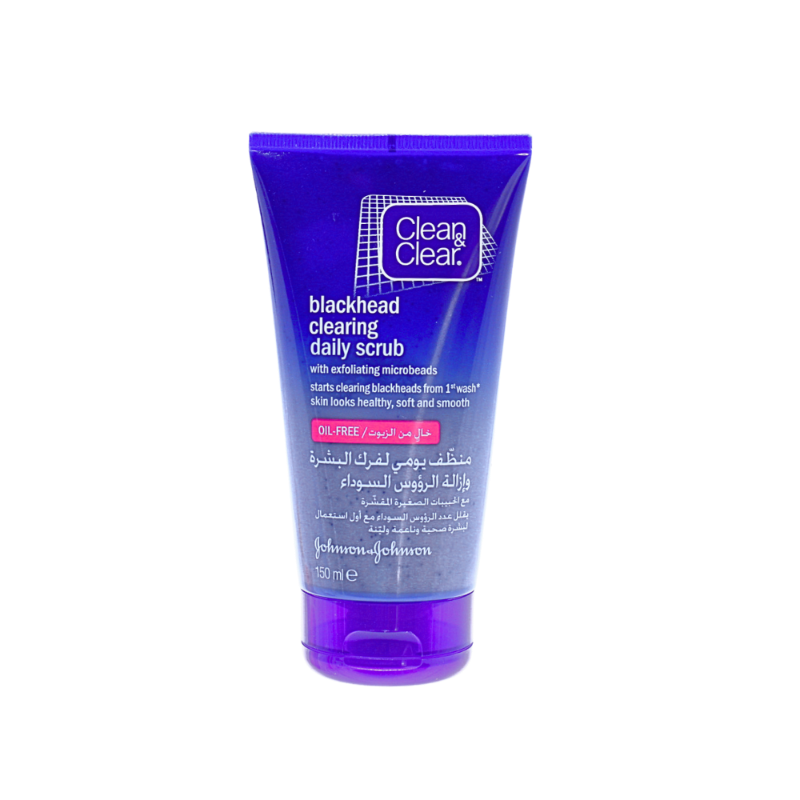
Skin And Body Care > Facial Wash And Exfoliators
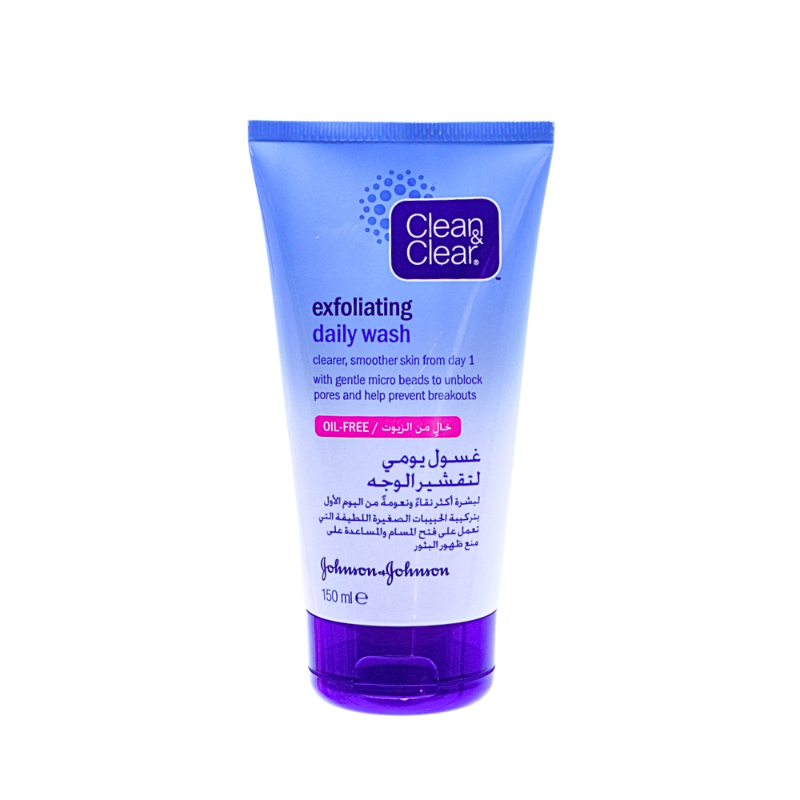
Skin And Body Care > Facial Wash And Exfoliators
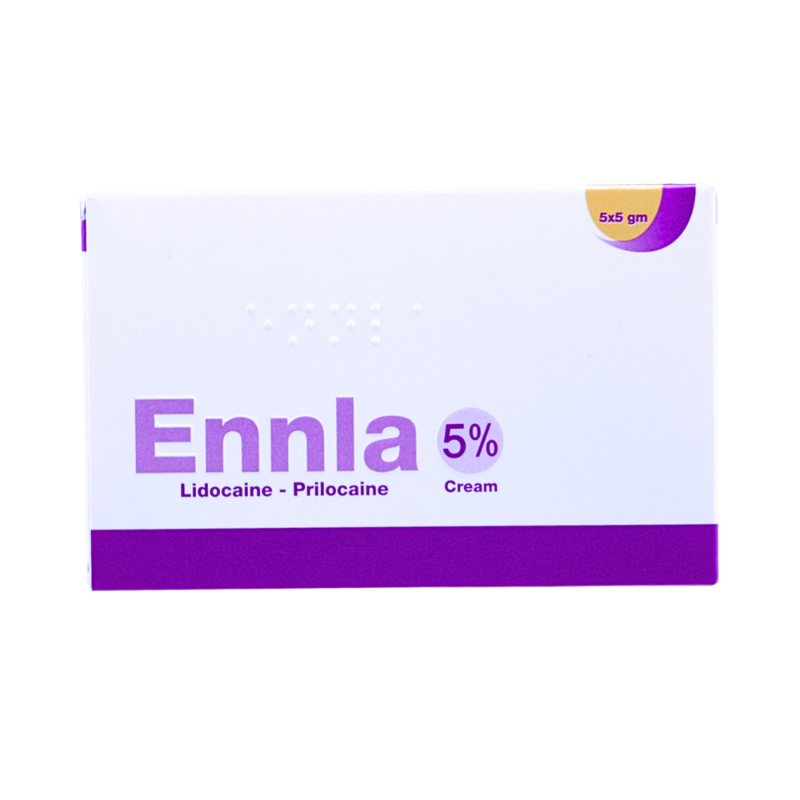
ENNLA 5% CREAM 30G
- Sku : I-027488
Key features
ENNLA 5% CREAM 30G is a topical cream containing lidocaine hydrochloride 25 mg/g and prilocaine 25 mg/g. Lidocaine and prilocaine reversibly block voltage-gated sodium channels in neuronal membranes, inhibiting initiation and conduction of nerve impulses to produce local anesthesia. It is used to provide topical dermal anesthesia for minor skin procedures, local injections and venipuncture. Available as a cream in a 5 g pack.- Brand: ENNLA
- Active Ingredient: LIDOCAINE HYDROCHLORIDE 25mg/g, PRILOCAINE 25mg/g
- Strength: 25,25mg/g
- Dosage Form: Cream
- Pack Size: 5 g
- Route: Topical
- Prescription Status: Prescription
- Therapeutic Class: Anesthetic
- Pharmacological Group: Anesthetics
- Drug Class: Topical local anesthetic (amide-type) combination: lidocaine + prilocaine.
- Manufacturer: DEEF PHARMACEUTICAL INDUSTRIES
- Country of Origin: Saudi Arabia
- SFDA Registration No.: 3007257895
- Shelf Life: 36 months
- Storage: store below 30°c
- Skin Condition: Local Anesthesia
Frequently bought together
Skin And Body Care > Sun Protection And Tans
Skin And Body Care > Sun Protection And Tans
Skin And Body Care > Moisturizers
Skin And Body Care > Moisturizers
Skin And Body Care > Facial Wash And Exfoliators
Skin And Body Care > Facial Wash And Exfoliators
Indications
Off-Label Uses
Off-label: analgesia before cosmetic procedures (e.g., laser hair removal/tattooing) and other minor painful skin procedures; premature ejaculation products exist but genital use for this purpose is off-label and carries systemic absorption risk.
Dosage & Administration
Maintenance Dose
Single application per procedure; not intended for repeated daily dosing
Side Effects
Common Side Effects
Application-site reactions such as pallor (blanching), erythema, edema, burning/stinging, pruritus; may also cause altered temperature sensation or numbness at the site.
Safety & Warnings
Warnings & Precautions
Key warnings/precautions: risk of methemoglobinemia (higher risk in infants <12 months, G6PD deficiency, and with methemoglobin-inducing drugs); use the minimum effective dose and shortest application time; avoid eyes; avoid use in ear canal if tympanic membrane perforation suspected; avoid/limit use on broken, inflamed, or large areas of skin unless directed; caution in severe hepatic or renal impairment and when used with other local anesthetics/antiarrhythmics.
Age Restriction
Avoid use in preterm neonates (gestational age <37 weeks). Use with caution in infants <12 months; avoid/limit use if receiving methemoglobin-inducing drugs.
Drug Interactions
Food Interaction
No clinically relevant food interactions (not applicable for topical use).
Storage & Patient Advice
Patient Counseling
Apply a thick layer to intact skin without rubbing, cover with an occlusive dressing, and leave for at least 60 minutes (follow procedure-specific instructions); remove completely before the procedure. Avoid eyes/ears and do not use on broken, inflamed, or infected skin unless specifically directed. Wash hands after use and protect the numbed area from heat/trauma. Seek urgent care for signs of methemoglobinemia (gray/blue/pale skin or lips, shortness of breath, fatigue), especially in infants/young children or with excessive dose/time.
Monitoring Requirements
No routine monitoring for typical use; in neonates/infants (especially ≤3 months) or other high-risk patients, monitor clinically for methemoglobinemia (e.g., cyanosis, gray/pale skin, dyspnea, fatigue) and consider methemoglobin measurement if symptomatic.
Pharmacology
Mechanism of Action
Lidocaine and prilocaine reversibly block voltage-gated sodium channels in neuronal membranes, inhibiting initiation and conduction of nerve impulses to produce local anesthesia.
Onset of Action
Intact skin (with occlusion): apply 60 minutes before procedure (may require up to 120 minutes for maximal effect). Genital mucosa: ~5-10 minutes.
Duration of Effect
After removal, anesthesia typically persists for about 1-2 hours.
Bioavailability
Variable; generally low with intact skin and recommended use, but increases with larger dose/surface area, longer application time, occlusion, or broken/inflamed skin. Estimated systemic bioavailability is typically <10% with intact skin under usual conditions and may approach ~20% with occlusion/large-area application.
Excretion
Primarily renal excretion of metabolites; only a small fraction is excreted unchanged in urine.
Product Information
Available Dosage Forms
Cream (this SFDA-registered product).
Composition per Dose
Each gram of cream: Lidocaine hydrochloride 25 mg + Prilocaine 25 mg
Skin Condition
Local Anesthesia
Reviewed by Al Mujtama Pharmacy Medical Review Team. Last reviewed 11-06-2026
Similar Products
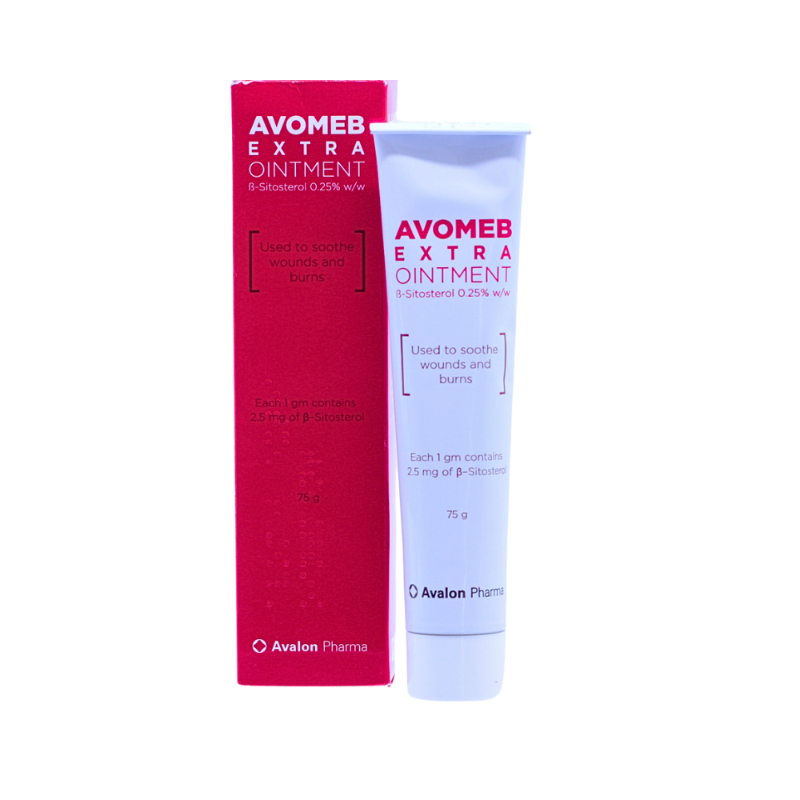
Medications > Dermatology Medications
Medications > Psychiatric Medications
Medications > Painkillers and Antipyretics
Medications > Painkillers and Antipyretics
Medications > Eye and Ear Medications
Medications > Psychiatric Medications
Medications > Sexual Health
Medications > Painkillers and Antipyretics
Medications > Cholesterol Medications
Medications > Dermatology Medications
