
Use Code: WF26 And Get 30% OFF, T&C Applay | Get Free Delivery With No Minimum Order
-1744229570.gif "Almujtama Pharmacy logo")


Frequently bought together
Oral & Dental Care > Throat & Oral Care
Vitamins & Supplements > Vitamins and Minerals
Vitamins & Supplements > Vitamins and Minerals
Vitamins & Supplements > Vitamins and Minerals
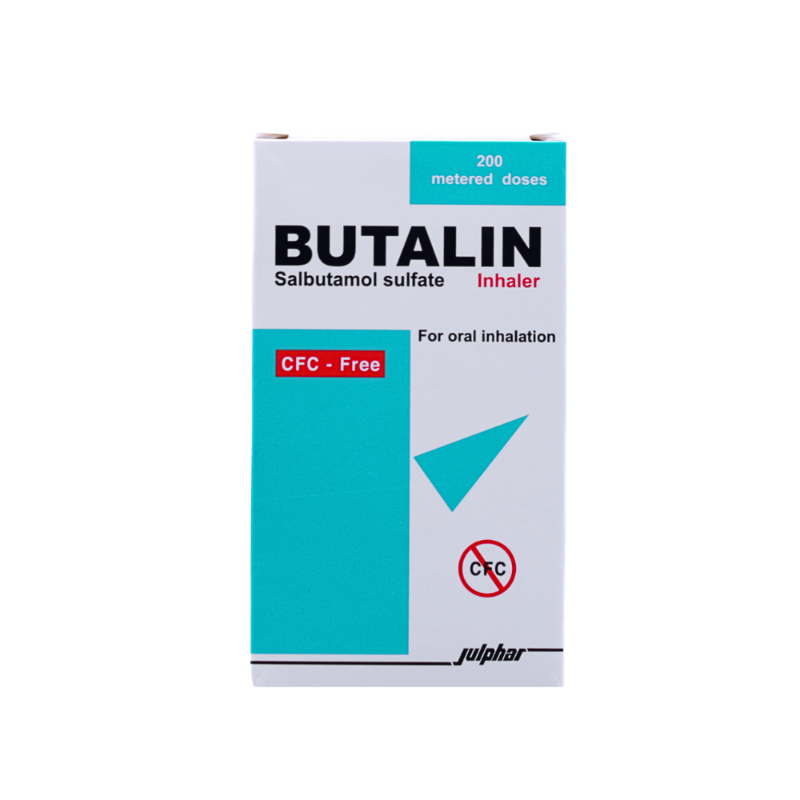
BUTALIN 100/MCG INHALER 200/DOSES
- Sku : I-000858
Key features
BUTALIN 100 µg Inhaler is a pressurised inhalation containing the bronchodilator salbutamol 100 µg per actuation. It is a selective beta-2 adrenergic agonist that increases intracellular cAMP, relaxing bronchial smooth muscle to produce bronchodilation. It is indicated for the treatment and prevention of bronchospasm in reversible obstructive airway diseases such as asthma and COPD, and for prevention of exercise-induced bronchospasm. Available as a prescription-only pressurised inhaler in a 200-dose pack.- Brand: BUTALIN
- Active Ingredient: SALBUTAMOL 100µg
- Strength: 100µg
- Dosage Form: Pressurised inhalation
- Pack Size: 200 DF
- Route: Inhalation use
- Prescription Status: Prescription
- Therapeutic Class: Respiratory
- Pharmacological Group: Beta-2 Agonists
- Drug Class: Short-Acting Beta-2 Adrenergic Agonist (SABA)
- Manufacturer: Gulf Pharmaceutical Industries (Julphar)
- Country of Origin: United Arab Emirates
- SFDA Registration No.: 909258201
- Shelf Life: 36 months
- Storage: Store below 30°C Don't Freez
- Symptom Target: Bronchospasm
- Sedating: No
Frequently bought together
Oral & Dental Care > Throat & Oral Care
Vitamins & Supplements > Vitamins and Minerals
Vitamins & Supplements > Vitamins and Minerals
Vitamins & Supplements > Vitamins and Minerals
Indications
Approved Uses
Treatment and prevention of bronchospasm in patients with reversible obstructive airway disease, such as asthma and chronic obstructive pulmonary disease (COPD), Prevention of exercise-induced bronchospasm.
Off-Label Uses
Adjunct treatment of acute hyperkalemia (typically via nebulized/inhaled beta-2 agonist).
Dosage & Administration
Dosing by Condition
Acute bronchospasm/asthma symptoms (adults and adolescents): 1-2 puffs (100-200 µg) as needed; may repeat every 4-6 hours as required. Exercise-induced bronchospasm prevention: 2 puffs (200 µg) 10-15 (up to 30) minutes before exercise. COPD symptom relief: 1-2 puffs up to 4 times daily as needed.
Initial Dose
100-200 mcg (1-2 puffs) per episode
Maintenance Dose
100-200 mcg (1-2 puffs) up to 4 times daily as needed
Maximum Dose
Routine PRN: 1-2 puffs (100-200 mcg) up to 4 times daily (max 8 puffs/24 h) for usual use; higher short-term dosing in acute exacerbation should follow an asthma action plan/medical supervision (e.g., repeated doses in the first hour).
Children's Dosage
Children 4 years and older: 100 mcg (1 puff) per episode, may increase to 200 mcg (2 puffs) if needed; max 4 times daily. Children under 4 years: use with spacer device under medical supervision
Dose Adjustment Notes
No routine renal or hepatic dose adjustment is required for inhaled salbutamol; use caution and the lowest effective dose in patients with cardiovascular disease/arrhythmias, hyperthyroidism, diabetes, and in those prone to hypokalemia.
How to Take
Shake well before each puff. Remove cap and check mouthpiece. Breathe out fully. Seal lips around mouthpiece. Start to breathe in slowly and deeply and press the canister once; continue inhaling fully. Hold breath about 10 seconds (or as long as comfortable), then breathe out slowly. If a second puff is needed, wait about 30-60 seconds, shake again, and repeat. Replace cap. Clean the plastic actuator/mouthpiece at least weekly (remove canister, rinse/wash actuator with warm water, air-dry completely before reassembly).
Side Effects
Common Side Effects
Tremor/shakiness, headache, palpitations, tachycardia, muscle cramps; with higher or frequent doses: hypokalemia (and sometimes transient hyperglycemia).
Side Effect Frequency
Very common (≥10%): tremor. Common (1-10%): headache, palpitations, tachycardia. Uncommon (0.1-1%): muscle cramps, mouth/throat irritation. Rare (<0.1%): hypokalemia (especially with high doses/nebules or concomitant risk factors), arrhythmias, paradoxical bronchospasm, hypersensitivity reactions; peripheral vasodilation and hyperglycemia are also uncommon-rare depending on dose and population.
Safety & Warnings
Contraindications
Hypersensitivity to salbutamol or any excipients/components of the inhaler.
Warnings & Precautions
Caution in cardiovascular disease (arrhythmias, ischemic heart disease, hypertension, heart failure), hyperthyroidism, diabetes (hyperglycemia), and in patients at risk of hypokalemia; avoid/monitor with interacting drugs; paradoxical bronchospasm requires immediate discontinuation; increasing SABA use indicates worsening asthma and need for reassessment/controller optimization.
Age Restriction
No strict minimum age in guidelines; pMDI use is age/technique dependent-typically use with spacer (and mask if needed) in young children, and ensure clinician supervision especially in <4 years.
Drug Interactions
Drug Interactions
Key interactions: non-selective beta-blockers (antagonize effect/bronchospasm risk); other sympathomimetics (additive CV effects); MAOIs/TCAs (potentiate CV effects); diuretics and systemic corticosteroids (increase hypokalemia risk); digoxin (hypokalemia may increase arrhythmia risk and can lower digoxin levels).
Interaction Severity
MAJOR: non-selective beta-blockers (e.g., propranolol) may precipitate bronchospasm and blunt bronchodilation. MODERATE: potassium-lowering agents (loop/thiazide diuretics, systemic corticosteroids) and xanthines (theophylline) increase hypokalemia risk; MAOIs/TCAs may potentiate cardiovascular effects; digoxin levels/effects may be adversely affected in the setting of hypokalemia.
Food Interaction
No restriction
Special Populations
Breastfeeding
Safe
Children
Children 4 years and older: 100 mcg (1 puff) per episode, may increase to 200 mcg (2 puffs) if needed; max 4 times daily. Children under 4 years: use with spacer device under medical supervision
Elderly
Standard adult dosing. It is advisable to initiate treatment at the lower end of the dosing range as elderly patients may be more sensitive to side effects.
Kidney Impairment
No dose adjustment required in renal impairment; use usual clinical caution in severe renal disease due to potential electrolyte/cardiac effects at high doses.
Liver Impairment
No adjustment needed.
Storage & Patient Advice
Storage Conditions
Store below 30°C. Do not freeze.
Missed Dose
Not applicable for routine missed-dose instructions because it is typically used as needed; if prescribed on a schedule, take the missed dose when remembered unless it is close to the next dose-do not double.
Stopping the Medicine
Can be stopped at any time if used PRN; however, increasing need or regular reliance should prompt medical review and optimization of controller therapy rather than simply stopping/continuing unsupervised.
Overdose
Symptoms: tremor, tachycardia/palpitations, headache, chest pain/arrhythmias, hypokalemia, hyperglycemia, lactic/metabolic acidosis; management: stop salbutamol, urgent medical assessment, supportive care with ECG/electrolytes, correct hypokalemia, consider cautious cardioselective beta-blocker if severe tachyarrhythmia/ischemia.
Patient Counseling
Reliever (rescue) inhaler for quick relief of wheeze/shortness of breath; use as needed as directed. Demonstrate correct MDI technique and advise waiting ~30-60 seconds between puffs. Seek medical review if needing it more than ~2 days/week (or increasing use), if it provides short relief, or if symptoms are severe/not improving after initial doses. Do not exceed prescribed maximum. Possible effects: tremor, fast heartbeat, headache. Store below 30°C and do not freeze (SFDA). Clean the actuator weekly and keep the cap on when not in use.
Monitoring Requirements
No routine lab monitoring is required for standard intermittent inhaler use; monitor symptom control/reliever use frequency and inhaler technique. Consider monitoring heart rate/BP and ECG in patients with cardiovascular disease or high-dose use, and serum potassium (and sometimes glucose) with high-dose/frequent use or when combined with potassium-depleting drugs.
Pharmacology
Mechanism of Action
Selective beta-2 adrenergic agonist that activates adenylate cyclase, increases intracellular cAMP, and relaxes bronchial smooth muscle to produce bronchodilation.
Onset of Action
Within 5-15 minutes.
Duration of Effect
4-6 hours.
Half-Life
3.8-6 hours.
Bioavailability
After inhalation, about 10-20% of the emitted dose reaches the lower airways; the remainder is deposited in the oropharynx and swallowed, contributing to systemic exposure after absorption/first-pass metabolism.
Metabolism
Metabolized mainly by sulfation (to an inactive 4'-O-sulfate conjugate), with first-pass metabolism relevant to the swallowed fraction after inhalation.
Excretion
Primarily renal excretion of unchanged drug and metabolites; a large proportion of an administered dose is recovered in urine within 24 hours.
Protein Binding
Approximately 10%.
Product Information
Available Dosage Forms
For salbutamol (INN): pressurised inhalation (pressurised metered-dose inhaler); nebuliser solution/respirator solution; oral tablets; oral syrup/solution; solution for injection (IV/IM).
Composition per Dose
Each actuation: 100 mcg salbutamol (as salbutamol sulfate)
Generic Availability
Yes
OTC Alternatives
No OTC alternative
Symptom Target
Bronchospasm
Sedating
No
Reviewed by Al Mujtama Pharmacy Medical Review Team. Last reviewed 13-08-2026
Similar Products
Medications > Dermatology Medications
Medications > Cholesterol Medications
Medications > Gastrointestinal Medications
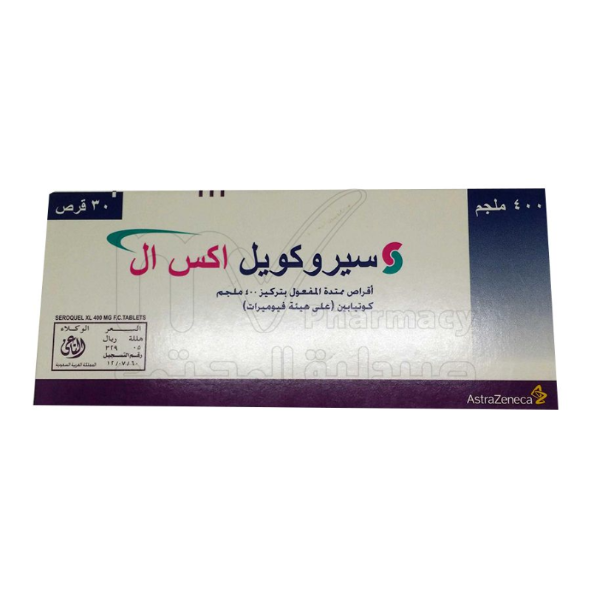
Medications > Psychiatric Medications
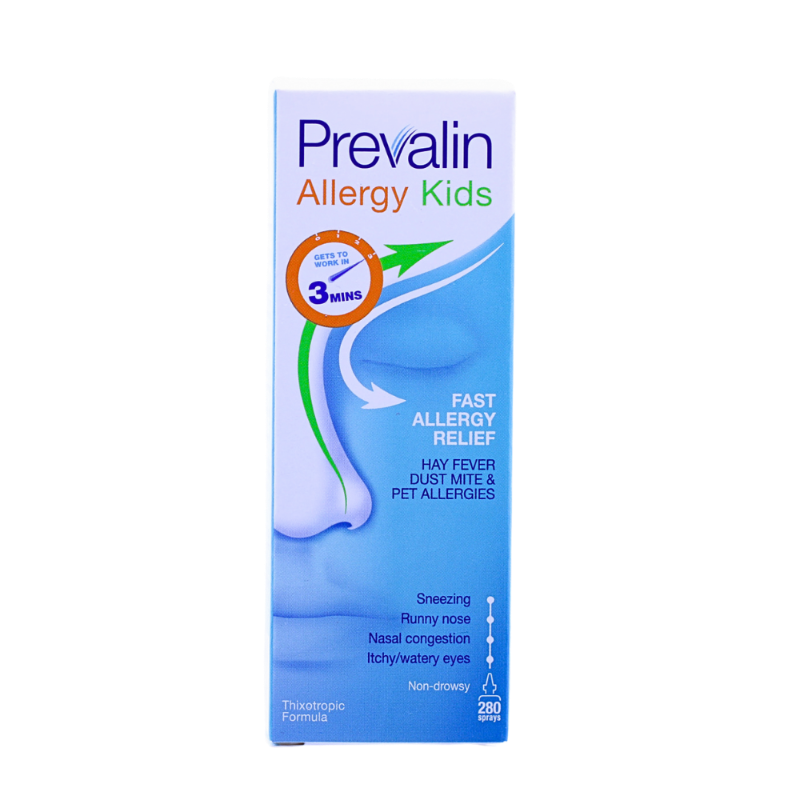
Medications > Cold, Cough, and Allergy Medications
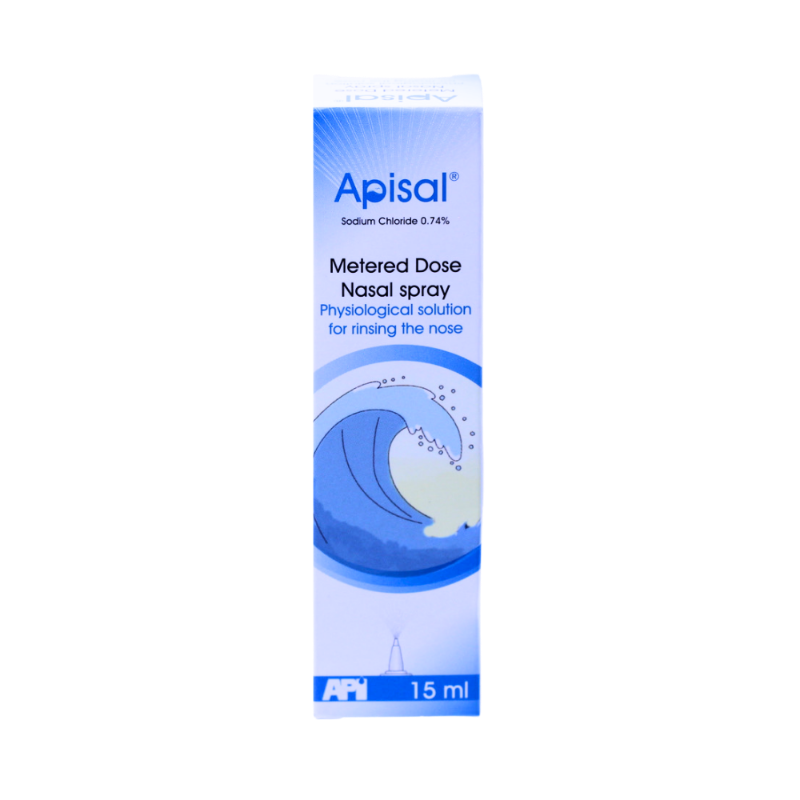
Medications > Cold, Cough, and Allergy Medications
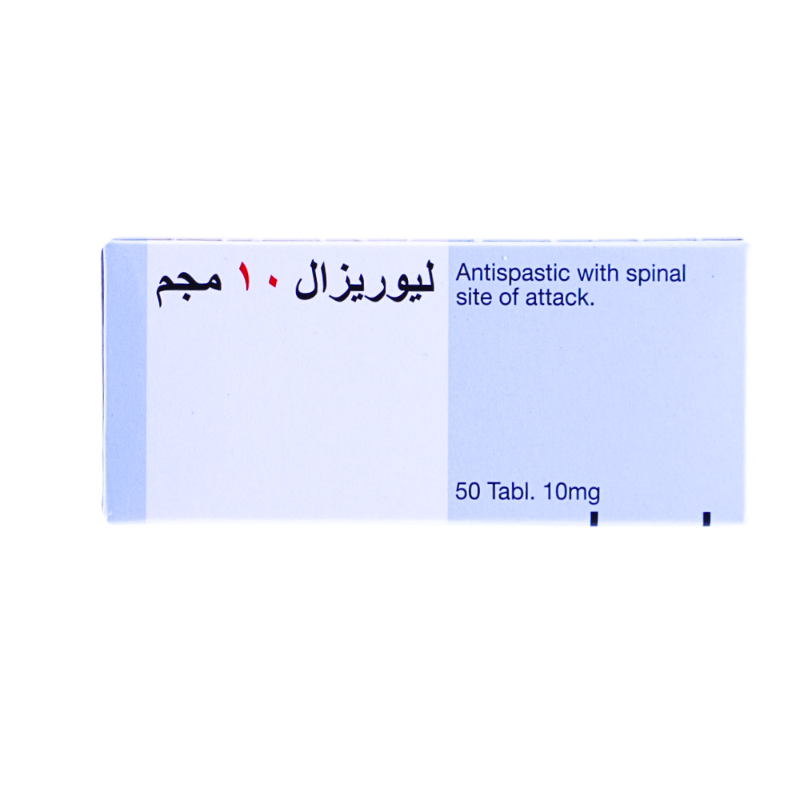
Medications > Painkillers and Antipyretics
Medications > Cold, Cough, and Allergy Medications
Medications > Cold, Cough, and Allergy Medications
Medications > Dermatology Medications
