
Use Code: ND30 And Get 30% OFF | Get Free Delivery With No Minimum Order
-1744229570.gif "Almujtama Pharmacy logo")




Frequently bought together
Skin And Body Care > Sun Protection And Tans
Skin And Body Care > Sun Protection And Tans
Skin And Body Care > Moisturizers
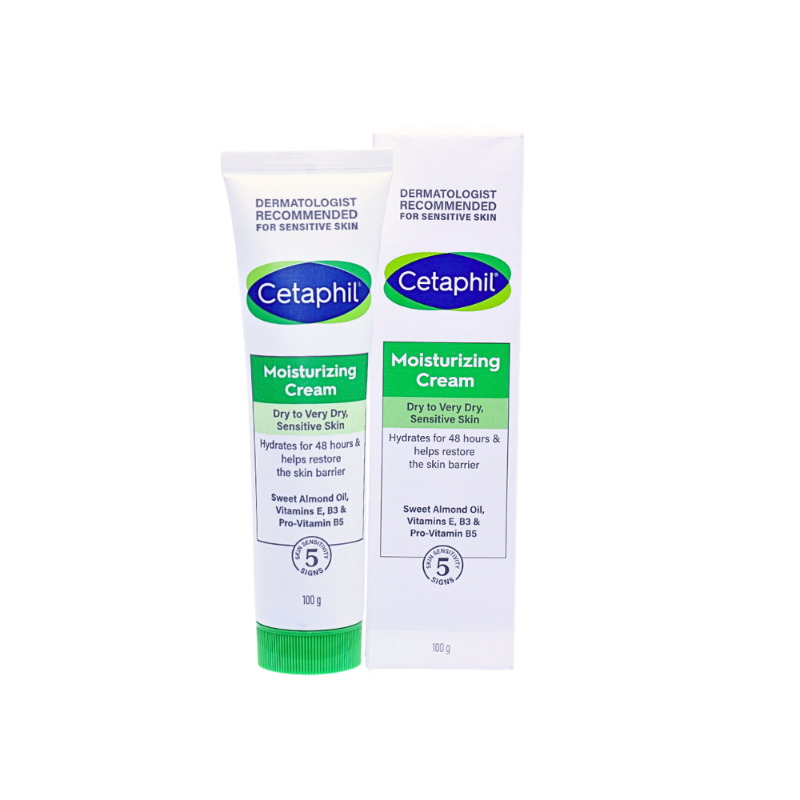
Skin And Body Care > Moisturizers
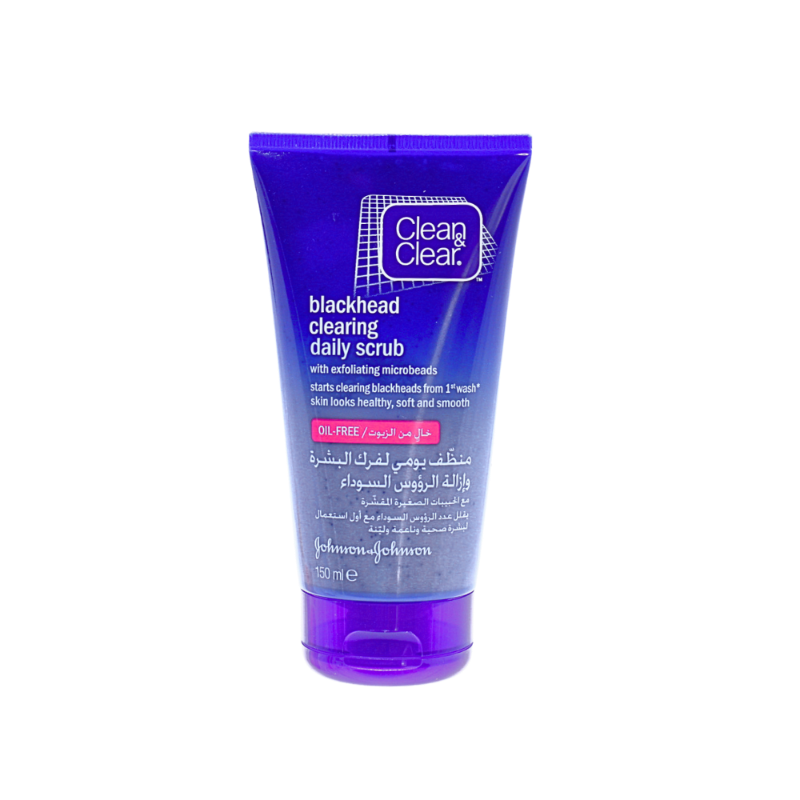
Skin And Body Care > Facial Wash And Exfoliators
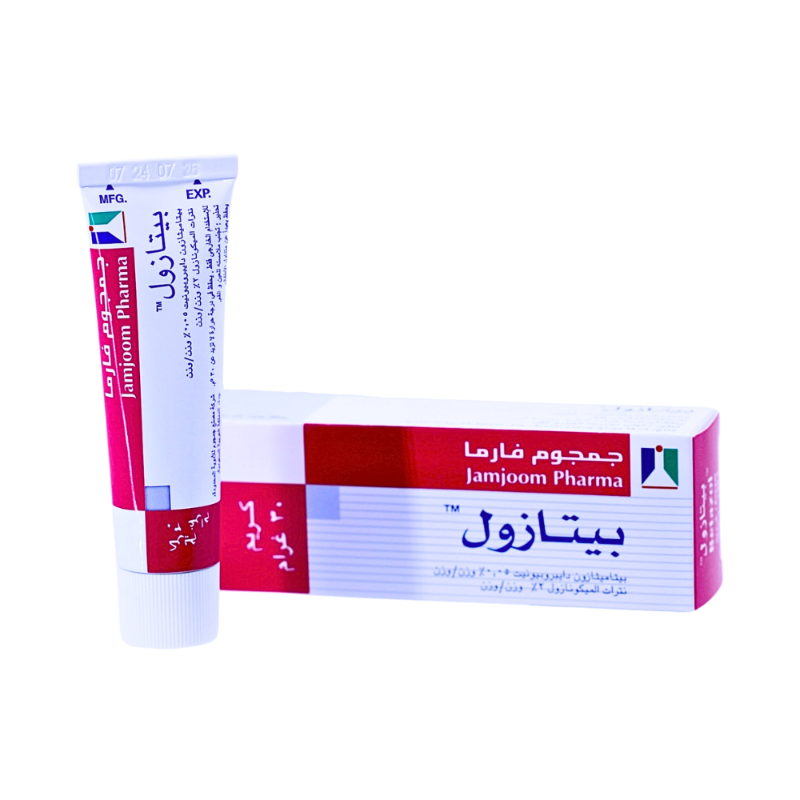
BETAZOL CREAM 30G
- Sku : I-000673
Key features
BETAZOL Cream 30 g is a prescription topical cream containing miconazole nitrate 2% (w/w) and betamethasone dipropionate 0.05% (w/w). Miconazole inhibits fungal 14-α-demethylase to disrupt ergosterol synthesis and fungal cell membranes, while betamethasone dipropionate activates glucocorticoid receptors to suppress inflammatory mediators and reduce erythema, pruritus and edema. It is indicated for topical treatment of inflammatory superficial fungal skin infections due to dermatophytes and yeasts, such as tinea pedis, tinea cruris and tinea corporis, where concomitant corticosteroid therapy is warranted. Available as a 30 g cream for prescription use.- Brand: BETAZOL
- Active Ingredient: MICONAZOLE NITRATE 2% (W/W), BETAMETHASONE DIPROPIONATE 0.05% (W/W)
- Strength: 2,0.05% (W/W)
- Dosage Form: Cream
- Pack Size: 30 g
- Route: Topical
- Prescription Status: Prescription
- Therapeutic Class: Dermatological
- Pharmacological Group: Corticosteroids (Combinations)
- Drug Class: Topical imidazole antifungal (miconazole) + potent topical corticosteroid (betamethasone dipropionate) combination.
- Manufacturer: Jamjoom Pharmaceuticals Factory Company
- Country of Origin: Saudi Arabia
- SFDA Registration No.: 1509222609
- Shelf Life: 24 months
- Storage: do not store above 30°c
- Skin Condition: Fungal
- Steroid Potency: Potent
Frequently bought together
Skin And Body Care > Sun Protection And Tans
Skin And Body Care > Sun Protection And Tans
Skin And Body Care > Moisturizers
Skin And Body Care > Moisturizers
Skin And Body Care > Facial Wash And Exfoliators
Indications
Approved Uses
Topical treatment of inflammatory superficial fungal skin infections due to dermatophytes/yeasts (e.g., tinea pedis, tinea cruris, tinea corporis) where concomitant corticosteroid therapy is warranted.
Dosage & Administration
Dosing by Condition
Apply a thin layer twice daily; typical maximum durations: tinea cruris/corporis up to 2 weeks and tinea pedis up to 4 weeks; reassess if no improvement and avoid prolonged continuous use.
Initial Dose
Apply a thin layer to the affected skin and surrounding area twice daily (morning and evening)
Maintenance Dose
Apply twice daily until clinical resolution, typically 2-4 weeks depending on indication
Maximum Dose
Apply a thin layer twice daily; limit duration-generally up to 2 weeks for tinea corporis/cruris and up to 4 weeks for tinea pedis; avoid large areas/occlusion to reduce systemic corticosteroid absorption
Children's Dosage
Not recommended for children under 12 years due to higher risk of systemic corticosteroid absorption relative to body surface area
Dose Adjustment Notes
No renal/hepatic dose adjustment is required for topical use; use the smallest effective amount for the shortest duration and avoid large areas/occlusion to minimize systemic corticosteroid absorption.
How to Take
Clean and dry the affected area; apply a thin layer to the affected skin (and a small margin of surrounding skin) and rub in gently; wash hands after application (unless treating hands); typically apply twice daily as directed.
Side Effects
Common Side Effects
Application-site burning, stinging, itching, irritation, erythema/redness, and dryness; with corticosteroid component, possible folliculitis and skin atrophy/striae with prolonged or occlusive use.
Safety & Warnings
Contraindications
Hypersensitivity to miconazole, betamethasone, or excipients; viral skin infections (e.g., herpes simplex, varicella); tuberculous or syphilitic skin lesions
Warnings & Precautions
External use only; avoid eyes/mucosa; avoid occlusive dressings unless directed; use the smallest amount for the shortest duration and avoid large areas to reduce systemic steroid effects; avoid prolonged use on face/groin/axilla; stop if irritation/sensitization occurs; monitor for secondary infection; caution in diabetes due to possible hyperglycemia
Age Restriction
Not recommended under 12 years.
Driving Warning
Safe
Drug Interactions
Drug Interactions
Interactions are uncommon but possible: warfarin (increased INR/bleeding risk) with topical miconazole especially if used on large/occluded areas; additive systemic corticosteroid effects with other corticosteroids (including systemic) if significant absorption occurs
Food Interaction
No food interactions (topical product).
Alcohol Interaction
Safe
Special Populations
Pregnancy
Caution
Breastfeeding
Caution
Children
Not recommended for children under 12 years due to higher risk of systemic corticosteroid absorption relative to body surface area
Elderly
Standard adult dosing; use with caution due to increased risk of skin atrophy with corticosteroid use in elderly patients with thinner skin
Kidney Impairment
No dose adjustment needed
Storage & Patient Advice
Missed Dose
Apply when remembered; if it is near the time of the next application, skip the missed dose and resume the regular schedule; do not apply extra to make up for a missed dose.
Stopping the Medicine
Complete the prescribed course; do not use longer than prescribed; if used for an extended period or on large areas, taper/step-down may be needed rather than abrupt cessation
Patient Counseling
Apply a thin layer to affected skin as prescribed (commonly twice daily) and rub in gently; external use only-avoid eyes/mouth and avoid use on face and intertriginous areas (groin/axilla) unless specifically directed; do not occlude (no tight dressings) unless instructed; use the shortest effective duration-generally reassess if no improvement within 1-2 weeks and avoid prolonged use (typically not >2-4 weeks) due to steroid adverse effects; stop and seek medical advice if worsening, significant irritation, signs of skin atrophy/striae, or if extensive use/occlusion is occurring; inform clinician if using warfarin/other anticoagulants because miconazole can increase anticoagulant effect if systemically absorbed.
Monitoring Requirements
No routine labs for short courses on small areas; monitor clinically for local adverse effects (irritation, atrophy/striae, secondary infection) and for systemic corticosteroid effects (e.g., hyperglycemia, HPA-axis suppression) if used on large areas, under occlusion, in children, or for prolonged durations.
Pharmacology
Mechanism of Action
Miconazole inhibits fungal 14-α-demethylase, reducing ergosterol synthesis and disrupting fungal cell membranes; betamethasone dipropionate activates glucocorticoid receptors to suppress inflammatory mediators, reducing erythema, pruritus, and edema.
Half-Life
Not well-defined for topical use because systemic absorption is variable and usually minimal; any half-life values apply only to the absorbed fraction and are not clinically reliable for routine topical dosing.
Bioavailability
Systemic absorption is generally low from intact skin but can increase with inflammation/broken skin, large surface area, prolonged use, or occlusion (more relevant for the corticosteroid component).
Metabolism
If absorbed: miconazole undergoes hepatic metabolism (notably via CYP pathways including CYP3A4) and can inhibit CYP enzymes; betamethasone dipropionate is hydrolyzed in skin to active metabolites and then further metabolized hepatically.
Protein Binding
Protein binding is not clinically relevant for routine topical use due to minimal systemic exposure; if systemically absorbed, miconazole is highly protein bound (~90%+) and corticosteroids (including betamethasone) are moderately to highly protein bound.
Product Information
Available Dosage Forms
Cream (30 g).
Composition per Dose
Each 1g of cream contains: 20mg Miconazole Nitrate (2% w/w) and 0.5mg Betamethasone as Dipropionate (0.05% w/w)
OTC Alternatives
OTC alternatives are single-agent topical antifungals (e.g., miconazole 2% cream, clotrimazole 1% cream, terbinafine 1% cream) for uncomplicated tinea/cutaneous candidiasis; the fixed combination miconazole 2% + betamethasone dipropionate 0.05% is prescription-only and should not be substituted with OTC steroid-containing combinations.
Skin Condition
Fungal
Steroid Potency
Potent
Reviewed by Al Mujtama Pharmacy Medical Review Team. Last reviewed 15-07-2026
Similar Products
Medications > Other Medicines
Medications > Dermatology Medications
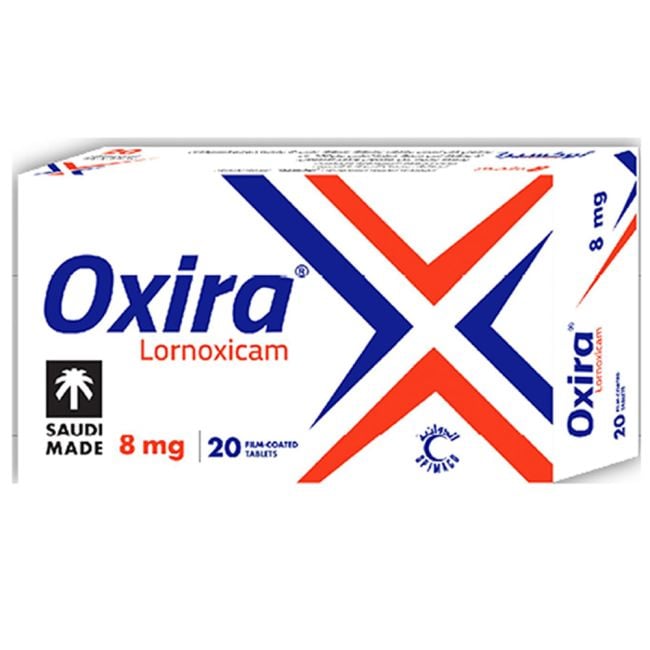
Medications > Painkillers and Antipyretics
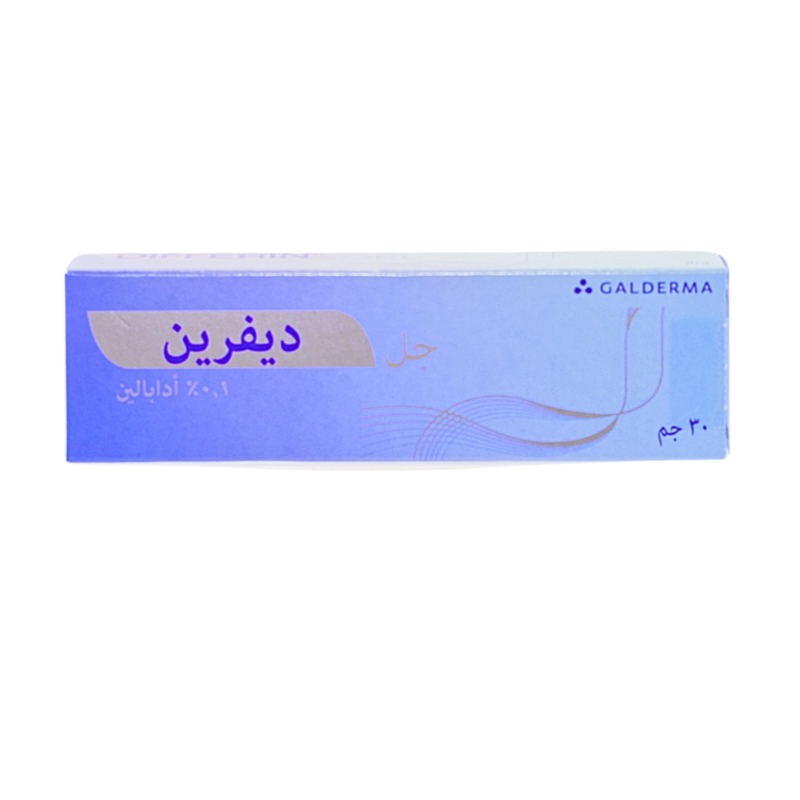
Medications > Dermatology Medications
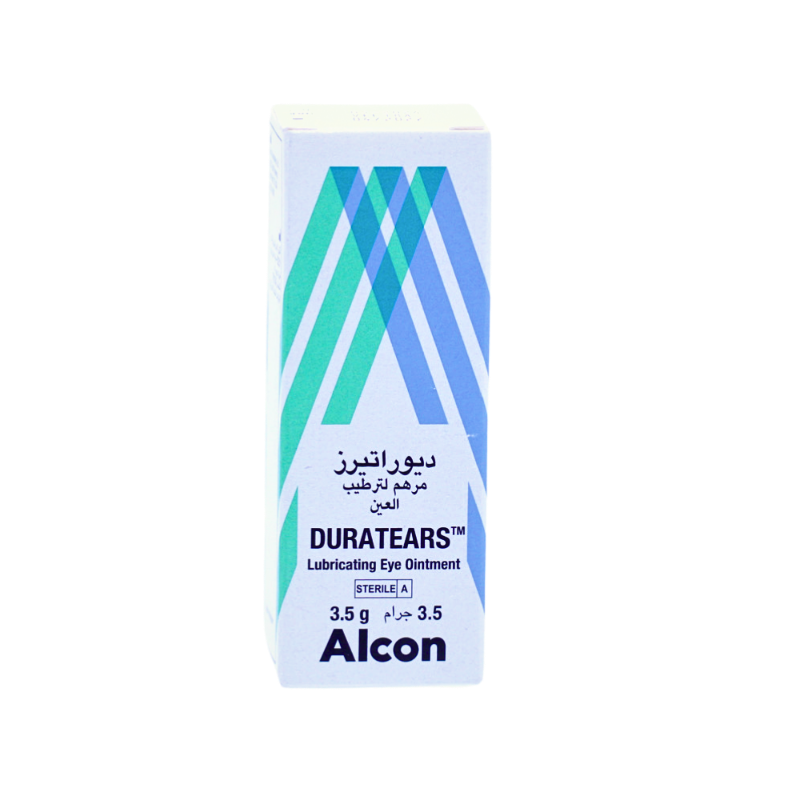
Medications > Eye and Ear Medications
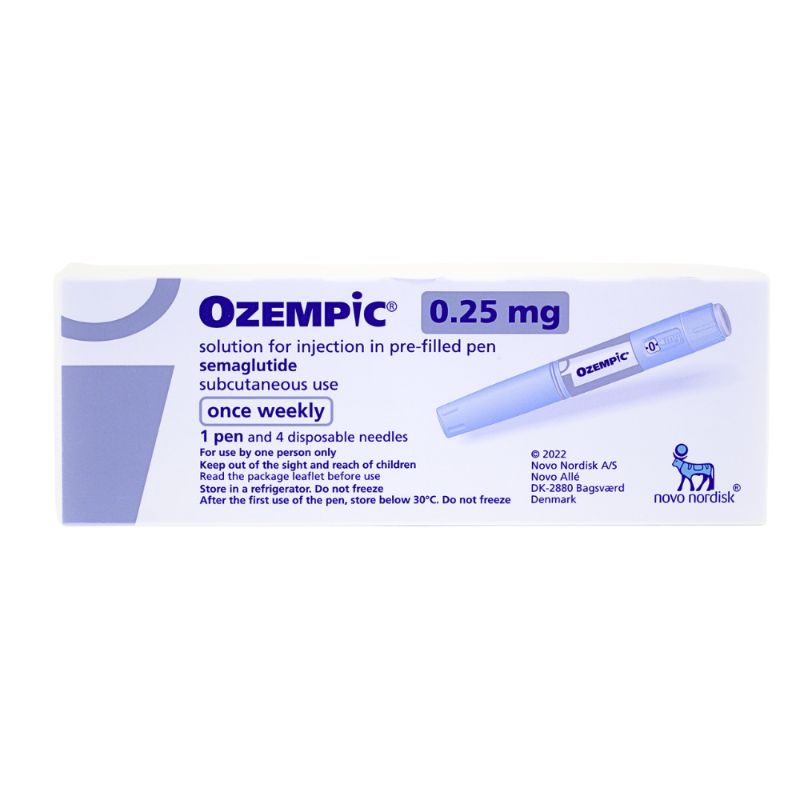
Medications > Diabetes Medications
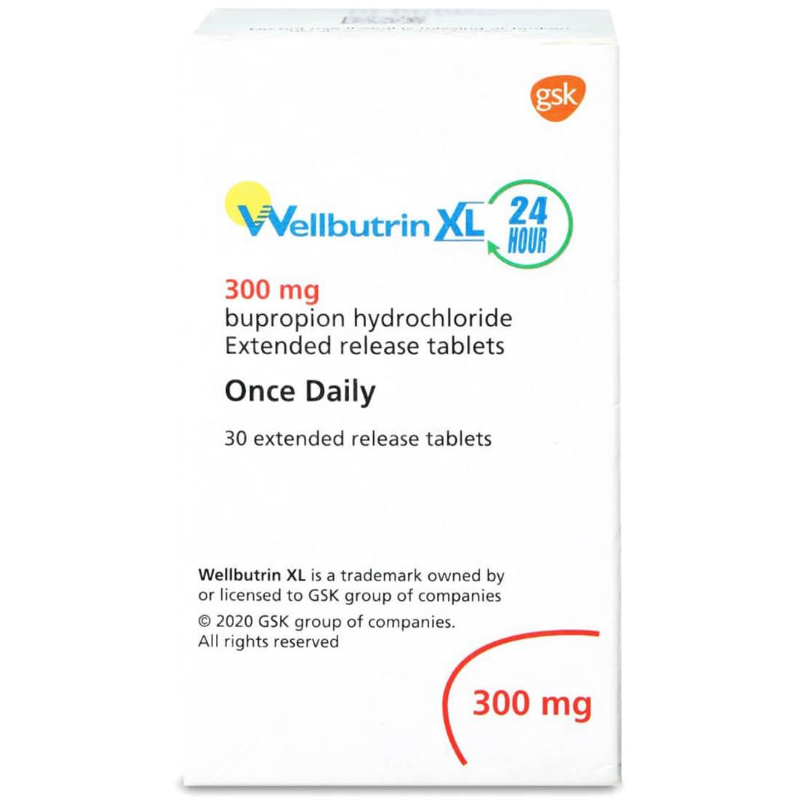
Medications > Psychiatric Medications
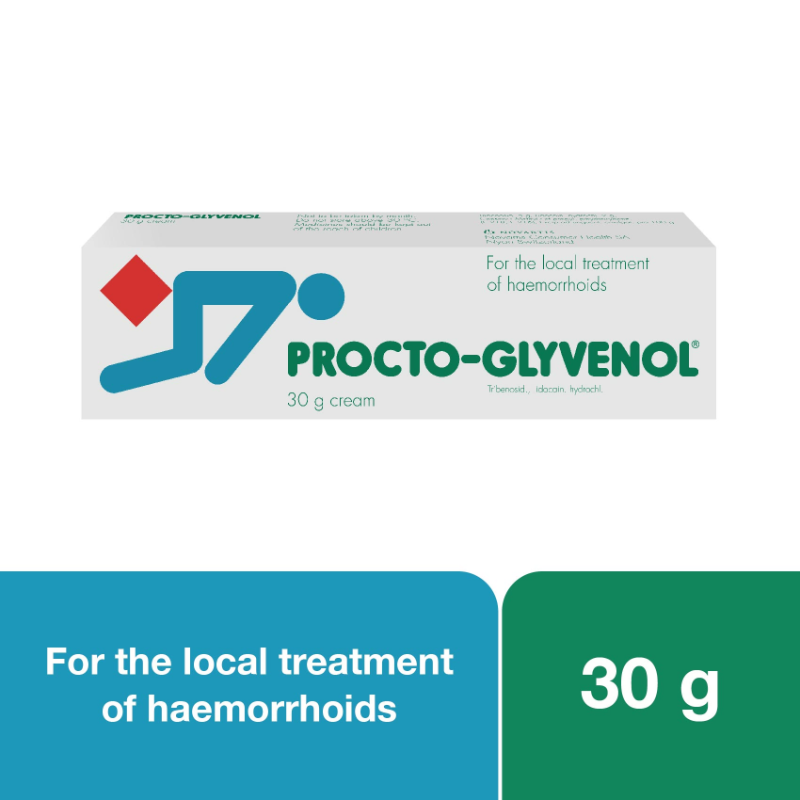
Medications > Hemorrhoid Medications
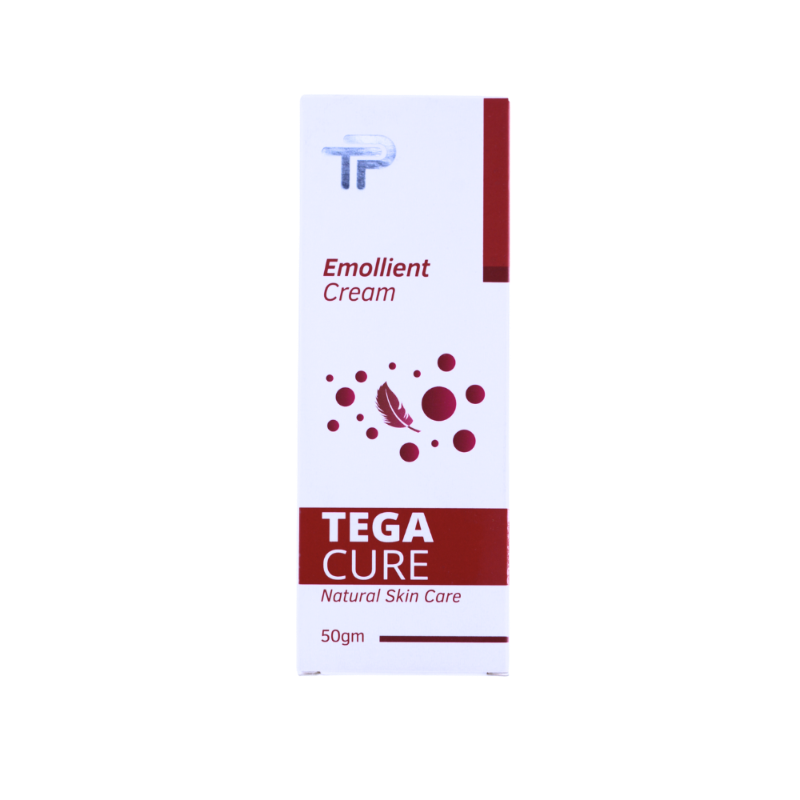
Medications > Hemorrhoid Medications
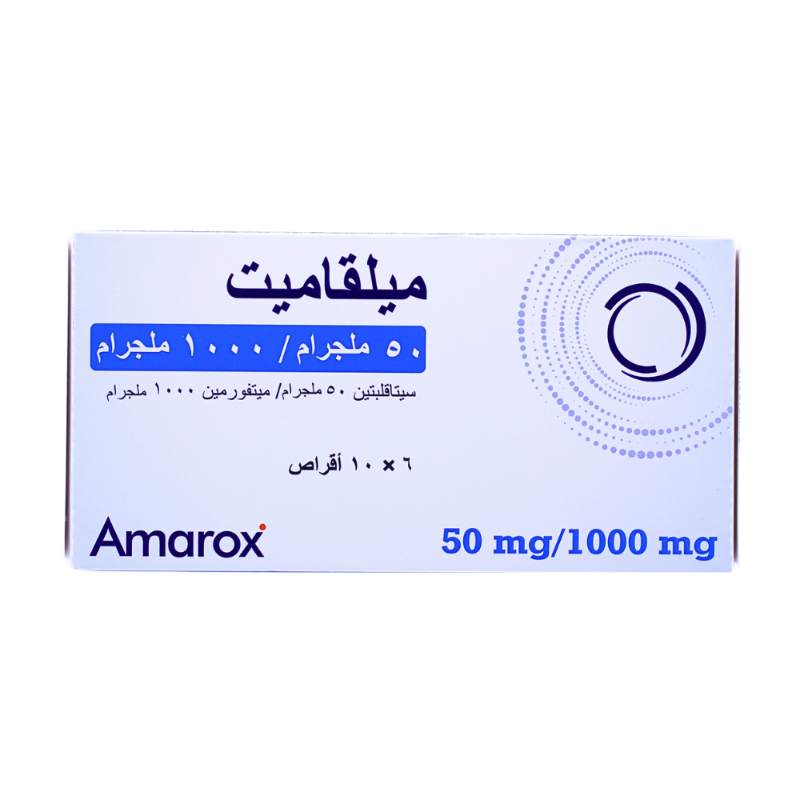
Medications > Diabetes Medications
