
Use Code: ND30 And Get 30% OFF | Get Free Delivery With No Minimum Order
-1744229570.gif "Almujtama Pharmacy logo")




Frequently bought together
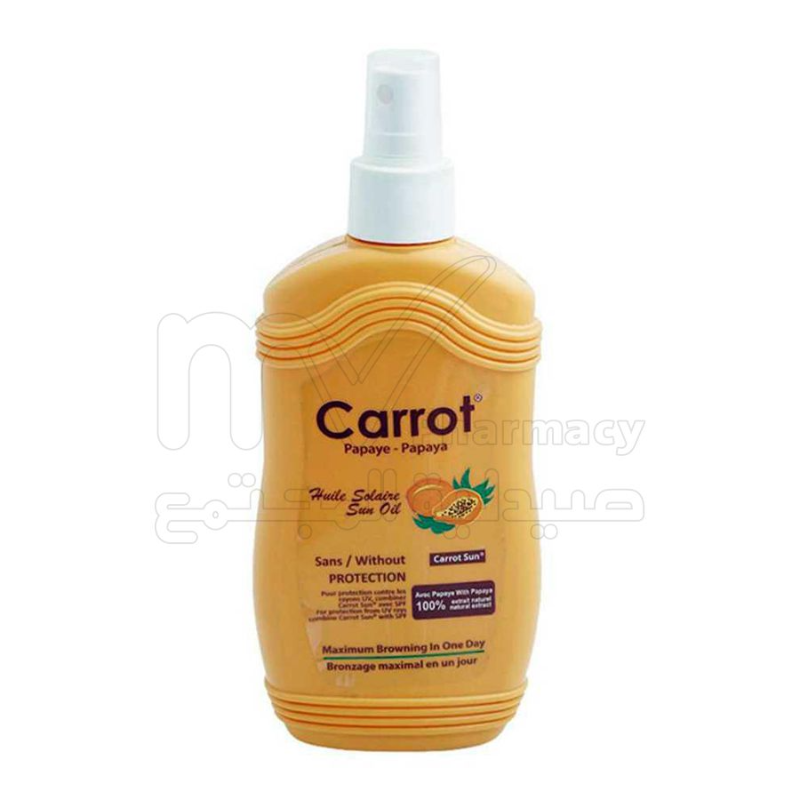
Skin And Body Care > Sun Protection And Tans
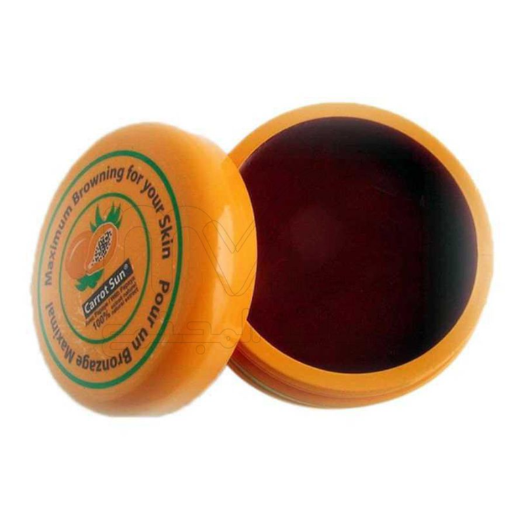
Skin And Body Care > Sun Protection And Tans
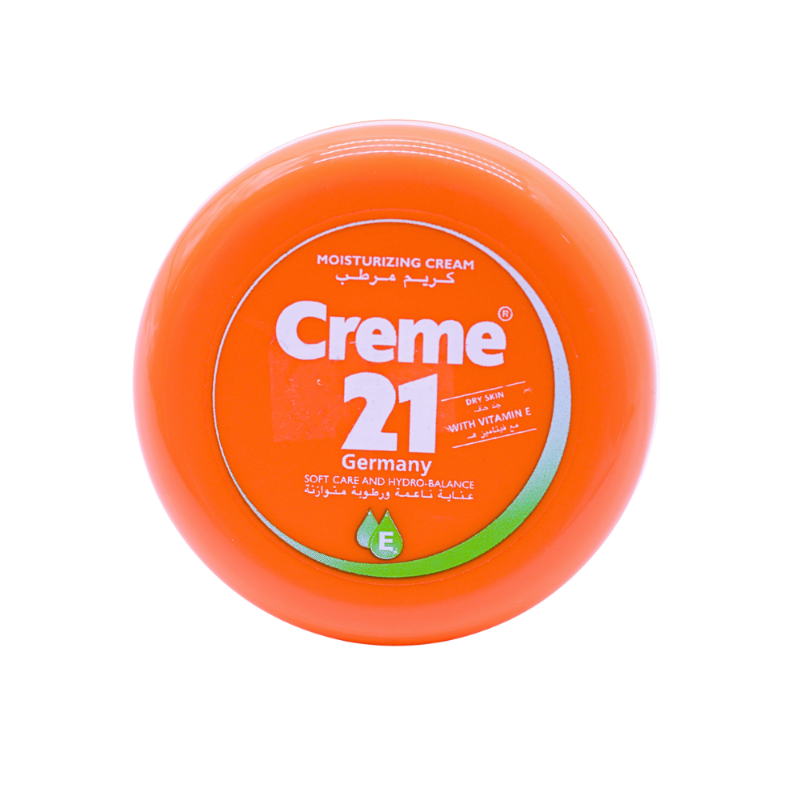
Skin And Body Care > Moisturizers
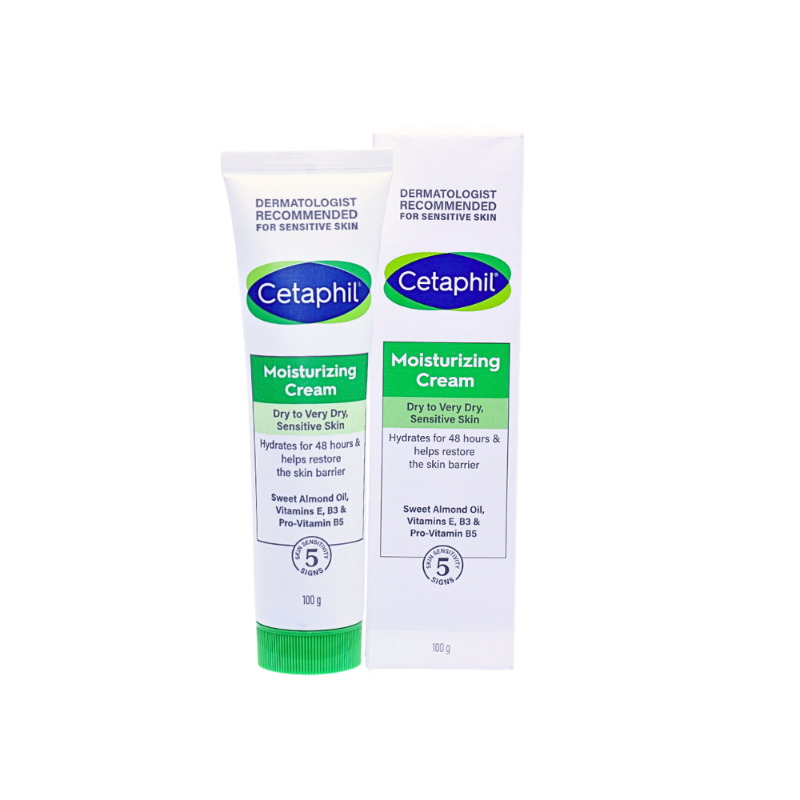
Skin And Body Care > Moisturizers
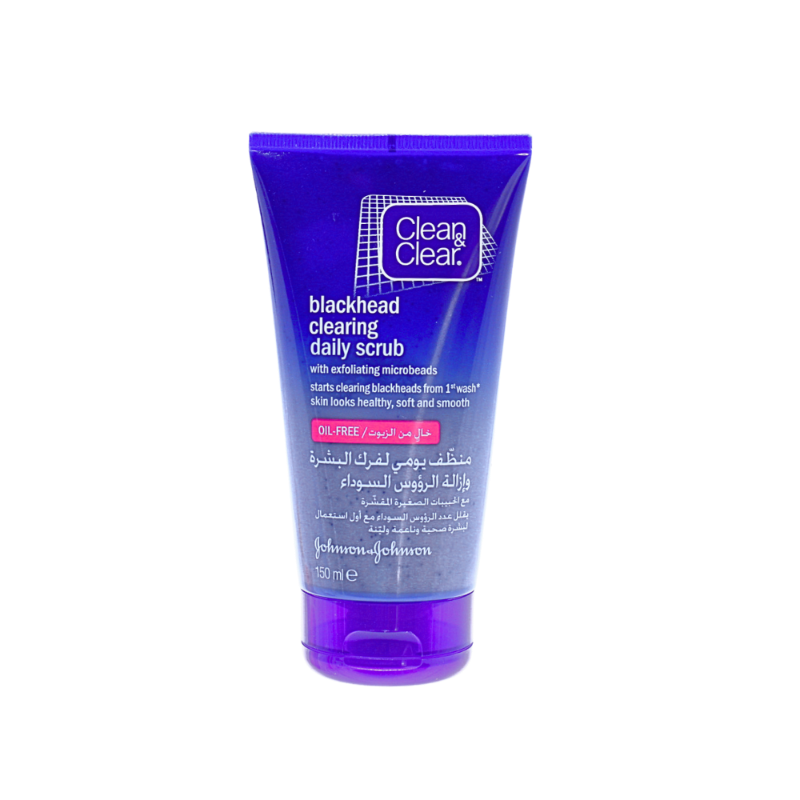
Skin And Body Care > Facial Wash And Exfoliators
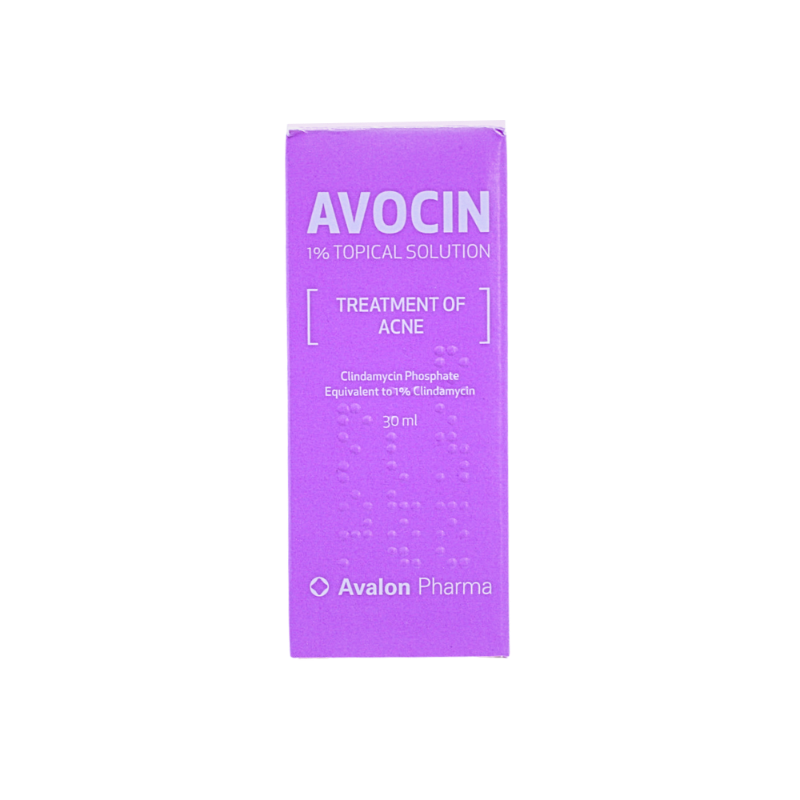
AVOCIN 1% TOPICAL SOLUTION 30ML
- Sku : I-000393
Key features
AVOCIN 1% Topical Solution is a prescription topical solution containing clindamycin phosphate 1%. Although the precise mechanism in acne is not fully understood, clindamycin phosphate is a lincosamide antibiotic that exerts antibacterial effects against acne-associated bacteria. It is indicated for the topical treatment of acne vulgaris. Available by prescription as a 30 ml topical solution.- Brand: AVOCIN
- Active Ingredient: CLINDAMYCIN PHOSPHATE 1%
- Strength: 1%
- Dosage Form: Solution
- Pack Size: 30 ml
- Route: Topical
- Prescription Status: Prescription
- Therapeutic Class: Dermatological
- Pharmacological Group: Anti-acne Preparations
- Drug Class: Lincosamide Antibiotic - Topical Anti-acne Agent
- Manufacturer: (Avalon Pharma) Middle East Pharmaceutical Industries Co. Ltd
- Country of Origin: Saudi Arabia
- SFDA Registration No.: 2702256952
- Shelf Life: 24 months
- Storage: store below 25°c
- Skin Condition: Acne
Frequently bought together
Skin And Body Care > Sun Protection And Tans
Skin And Body Care > Sun Protection And Tans
Skin And Body Care > Moisturizers
Skin And Body Care > Moisturizers
Skin And Body Care > Facial Wash And Exfoliators
Indications
Approved Uses
Acne vulgaris (topical treatment).
Dosage & Administration
Dosing by Condition
Acne vulgaris: apply a thin film to the affected area(s) typically twice daily; reassess response after ~6-8 weeks and limit prolonged monotherapy to reduce resistance (often combine with benzoyl peroxide).
Initial Dose
Apply a thin film to the affected area twice daily.
Maintenance Dose
Apply a thin film to the affected area twice daily.
Maximum Dose
Apply a thin film to affected area(s) twice daily (morning and evening); do not exceed recommended frequency/amount.
Children's Dosage
Not recommended for children under 12 years; for adolescents ≥12 years, same as adult dosing
Dose Adjustment Notes
No dose adjustment is required for renal or hepatic impairment with topical use (systemic absorption is minimal); use caution and discontinue if significant systemic adverse effects occur (e.g., severe diarrhea).
How to Take
Cleanse the skin gently and pat dry; apply a thin film to the entire affected area (not spot treatment) as directed, typically twice daily; avoid contact with eyes, mouth, and other mucous membranes and do not apply to broken/irritated skin; wash hands after application.
Side Effects
Common Side Effects
Application-site dryness, peeling, erythema (redness), burning/stinging, itching, and possible contact dermatitis/irritation; oily skin may occur.
Side Effect Frequency
Common (1-10%): dryness, erythema, burning/stinging, pruritus/itching, peeling, oiliness; Rare (<1%): diarrhea (including bloody diarrhea), abdominal pain, colitis, gram-negative folliculitis, contact dermatitis.
Safety & Warnings
Contraindications
Contraindicated in patients with hypersensitivity to clindamycin or lincomycin; and in those with a history of regional enteritis, ulcerative colitis, or antibiotic-associated colitis (including C. difficile-associated colitis).
Warnings & Precautions
Avoid contact with eyes, mouth, and mucous membranes; may irritate broken/abraded skin (often alcohol-containing); discontinue and seek care if significant diarrhea/colitis occurs; prolonged use may promote overgrowth/resistance; if alcohol-based, keep away from heat/flame during/after application until dry.
Age Restriction
Safety and efficacy not established in children <12 years; use in ≥12 years per acne indication.
Driving Warning
Safe
Drug Interactions
Food Interaction
No food interactions (topical administration).
Alcohol Interaction
Safe
Special Populations
Pregnancy
Consult Doctor
Breastfeeding
Caution
Children
Not recommended for children under 12 years; for adolescents ≥12 years, same as adult dosing
Elderly
Standard adult dosing.
Kidney Impairment
No adjustment needed. [1, 18]
Liver Impairment
No dose adjustment required for hepatic impairment for topical clindamycin.
Storage & Patient Advice
Storage Conditions
Store below 25°C. Keep away from heat and open flame (solution is flammable). Keep out of reach of children. Shelf life: 24 months
Stopping the Medicine
May be stopped at any time (no withdrawal), but acne may relapse; if significant diarrhea/colitis occurs, stop immediately and seek medical care.
Overdose
Topical overdose is unlikely; excessive application may increase local irritation. If ingested, systemic effects (e.g., nausea, vomiting, diarrhea) may occur-seek medical attention; manage supportively.
Patient Counseling
Apply a thin film to clean, dry skin over the whole acne-prone area as directed (often twice daily); avoid eyes/mouth/mucosa and broken skin; wash hands after use; expect dryness/irritation and use a non-comedogenic moisturizer; improvement takes several weeks; report severe/persistent diarrhea promptly; use with benzoyl peroxide if prescribed to reduce resistance; keep away from heat/flame if the solution is alcohol-based/flammable per label.
Monitoring Requirements
No routine laboratory monitoring; monitor clinically for local irritation and discontinue/evaluate promptly if significant diarrhea occurs (possible C. difficile-associated colitis).
Pharmacology
Mechanism of Action
The mechanism of action of clindamycin in treating acne vulgaris is unknown.
Onset of Action
Initial improvement is typically seen after ~4-8 weeks of consistent use, with fuller benefit by ~8-12 weeks.
Duration of Effect
No single-dose duration is defined; clinical benefit is maintained only with continued regular application, with maximal acne improvement typically requiring several weeks of ongoing use.
Bioavailability
Minimal systemic absorption; typically about 2-8% of a topical dose may be systemically absorbed (varies with formulation/skin condition).
Excretion
If systemically absorbed, clindamycin is excreted as metabolites in urine and feces; after topical use, urinary recovery is very low (reported <0.2% of the applied dose).
Product Information
Available Dosage Forms
Topical solution, topical gel, topical lotion, topical foam, topical swab
Composition per Dose
Each 1 mL of topical solution: 10 mg clindamycin as clindamycin phosphate (equivalent to 1% w/v)
Generic Availability
Yes
OTC Alternatives
No OTC topical clindamycin; OTC alternatives for mild acne include benzoyl peroxide and salicylic acid (and adapalene where available OTC).
Skin Condition
Acne
Reviewed by Al Mujtama Pharmacy Medical Review Team. Last reviewed 22-06-2026
Similar Products
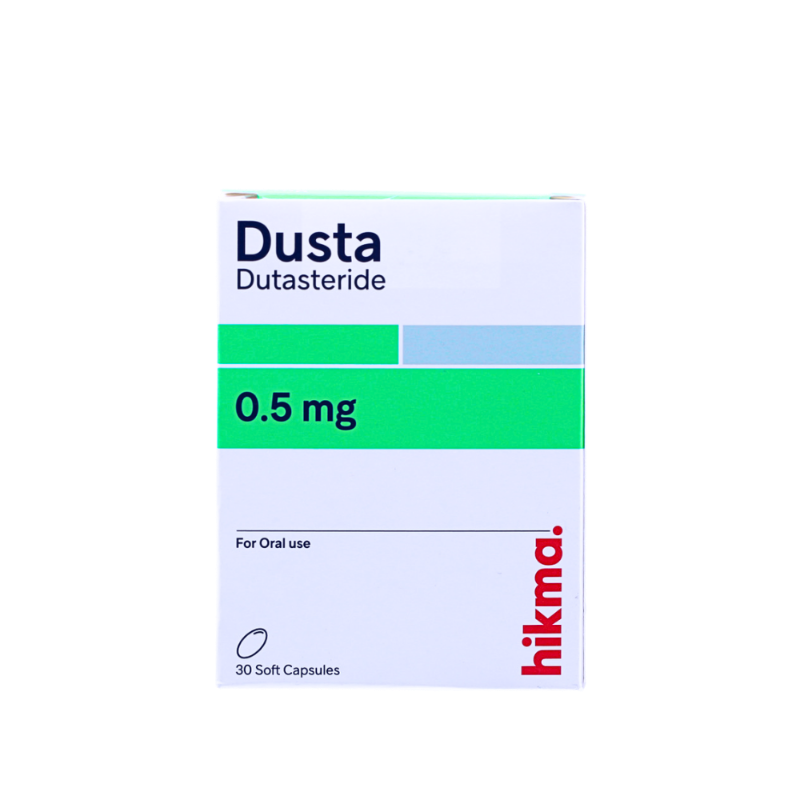
Medications > Urology Medications
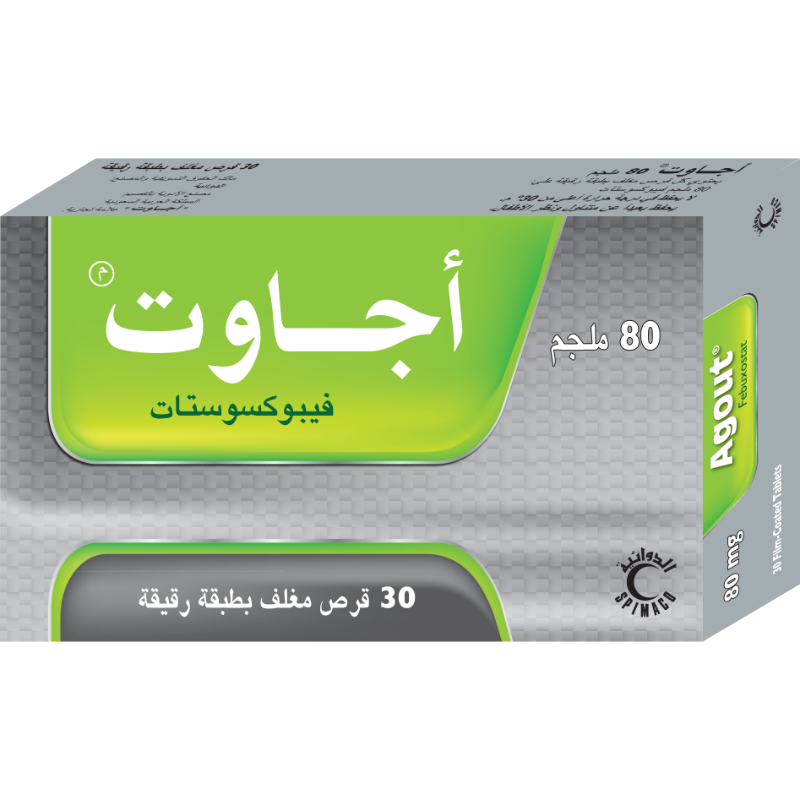
Medications > Urology Medications
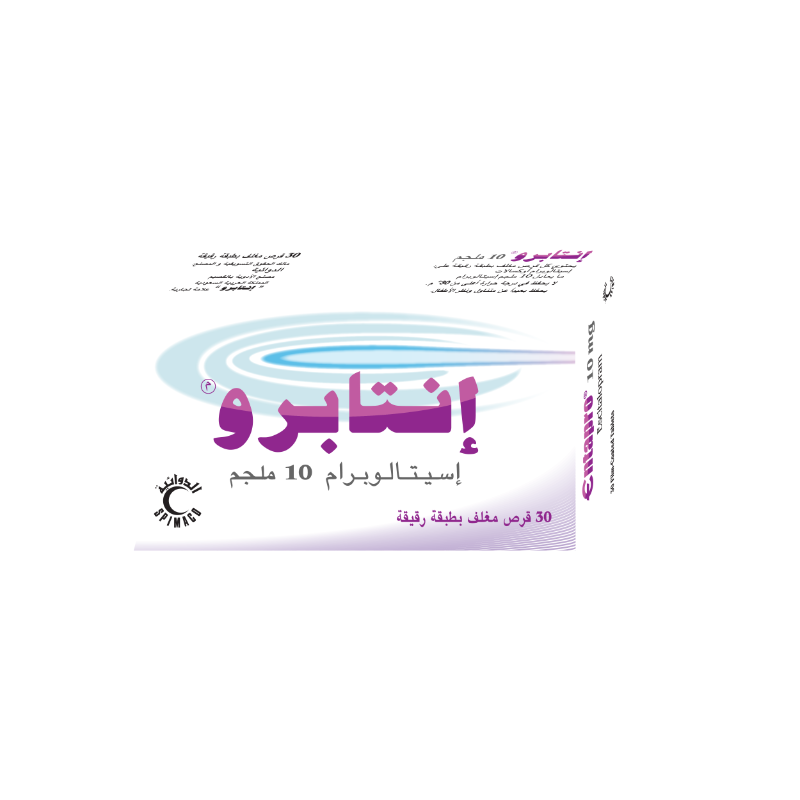
Medications > Psychiatric Medications
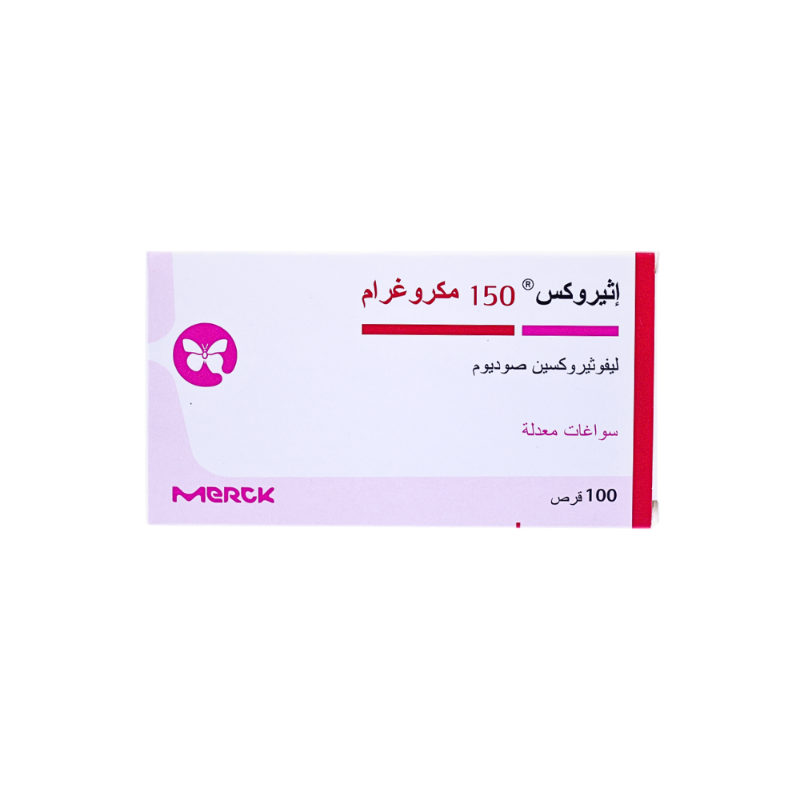
Medications > Other Medicines
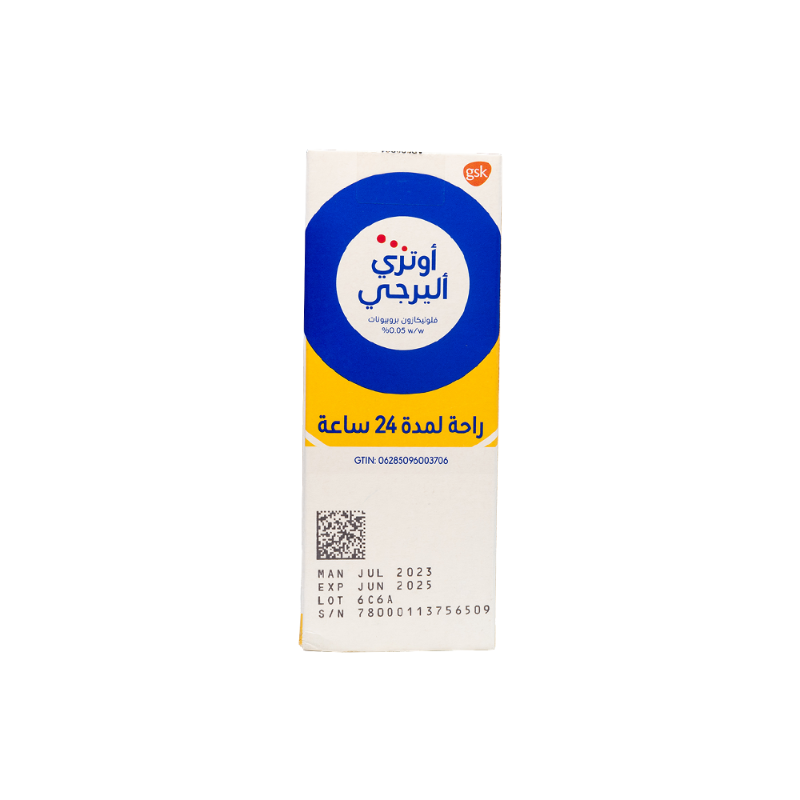
Medications > Cold, Cough, and Allergy Medications
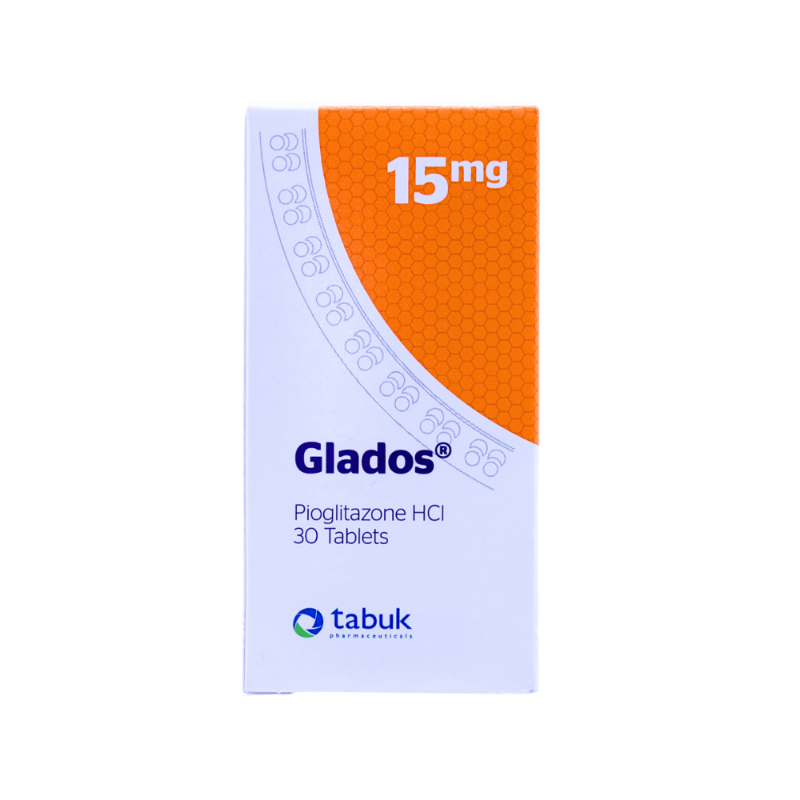
Medications > Diabetes Medications
Medications > Sexual Health
Medications > Eye and Ear Medications
Medications > Diabetes Medications
Medications > Painkillers and Antipyretics
