
Use Code: WF26 And Get 30% OFF, T&C Applay | Get Free Delivery With No Minimum Order
-1744229570.gif "Almujtama Pharmacy logo")


Frequently bought together

Oral & Dental Care > Throat & Oral Care
Vitamins & Supplements > Vitamins and Minerals
Vitamins & Supplements > Vitamins and Minerals
AMYDRAMINE PAEDIATRIC SYRUP 120ML
- Sku : I-000223
Key features
AMYDRAMINE Paediatric Syrup 120 ml is an oral syrup containing sodium citrate 5.7 mg/ml and diphenhydramine hydrochloride 1.4 mg/ml. Diphenhydramine is a first‑generation H1 antihistamine that provides antihistaminic and central cough‑suppressant effects with sedative and anticholinergic properties, while sodium citrate acts as an alkalinizing agent to reduce mucus viscosity and facilitate expectoration. It is indicated for symptomatic relief of cough associated with upper respiratory tract infections/common cold and for allergic symptoms such as runny nose and sneezing. Available OTC in a 120 ml syrup bottle.- Brand: AMYDRAMINE
- Active Ingredient: SODIUM CITRATE 5.7mg/ml, DIPHENHYDRAMINE HYDROCHLORIDE 1.4mg/ml
- Strength: 5.7,1.4mg/ml
- Dosage Form: Syrup
- Pack Size: 120 ml
- Route: Oral use
- Prescription Status: OTC
- Therapeutic Class: Antiallergic
- Pharmacological Group: Antihistamines
- Drug Class: First-generation H1 antihistamine (diphenhydramine) combined with an alkalinizing/expectorant agent (sodium citrate).
- Manufacturer: Gulf Pharmaceutical Industries (Julphar)
- Country of Origin: United Arab Emirates
- SFDA Registration No.: 78-186-99
- Shelf Life: 24 months
- Storage: store below 30°c
- Symptom Target: Cough, Runny Nose, Allergy
- Sedating: Yes
Frequently bought together
Oral & Dental Care > Throat & Oral Care
Vitamins & Supplements > Vitamins and Minerals
Vitamins & Supplements > Vitamins and Minerals
Indications
Approved Uses
Symptomatic relief of cough associated with upper respiratory tract infections/common cold and relief of allergic symptoms such as runny nose and sneezing (e.g., allergic rhinitis).
Off-Label Uses
Not recommended to use this pediatric cough/cold product for insomnia; diphenhydramine is sometimes used off-label for motion sickness or short-term insomnia in older patients, but this specific pediatric syrup should not be used off-label to sedate children.
Dosage & Administration
Dosing by Condition
Children under 2 years: do not use. Children 2 to 5 years: do not use unless directed by a doctor. Children 6 to 11 years: 5 mL to 10 mL every 4 to 6 hours (do not take more than 6 doses in 24 hours).
Initial Dose
Children 2 to 5 years: do not use unless directed by a doctor. Children 6 to 11 years: 5 mL to 10 mL every 4 to 6 hours.
Maintenance Dose
Children 2 to 5 years: do not use unless directed by a doctor every 4-6 hours as needed. Children 6 to 11 years: 5 mL to 10 mL every 4-6 hours as needed.
Maximum Dose
Children 2-5 years: ask a doctor (max 15 mL/24 h if directed); Children 6-11 years: max 30 mL/24 h; ≥12 years: max 60 mL/24 h.
Children's Dosage
Children under 2 years: do not use. Children 2 to 5 years: do not use unless directed by a doctor. Children 6 to 11 years: 5 mL to 10 mL every 4 to 6 hours (do not take more than 6 doses in 24 hours).
How to Take
Shake well before use. Measure the dose with a calibrated oral syringe/medicine spoon/cup (not a household teaspoon). Administer orally; may be given with or without food.
Side Effects
Common Side Effects
Drowsiness/sedation, dizziness, dry mouth/nose/throat, blurred vision, nausea/epigastric upset, constipation, thickened bronchial secretions; paradoxical excitation may occur in children.
Side Effect Frequency
Common: drowsiness/sedation, dizziness, dry mouth (anticholinergic effects); less common/rare: blurred vision, urinary retention, tachycardia/palpitations, paradoxical excitation (especially in children), hypersensitivity reactions.
Safety & Warnings
Warnings & Precautions
Warnings/precautions: may cause marked sedation-avoid alcohol/CNS depressants and supervise children; paradoxical excitation may occur in children; use caution in asthma/COPD or lower respiratory disease, glaucoma/increased intraocular pressure, urinary retention/prostatic hypertrophy, cardiovascular disease/hypertension, hyperthyroidism; do not exceed recommended dose and avoid use in <2 years unless directed by a physician.
Age Restriction
Do not use in children <2 years unless directed by a physician; avoid use in neonates/premature infants.
Drug Interactions
Drug Interactions
Key interactions: MAO inhibitors (and within 14 days) ↑/prolong anticholinergic/CNS effects; CNS depressants (alcohol, benzodiazepines, opioids, sedative-hypnotics) additive sedation/respiratory depression; other anticholinergics (e.g., TCAs, antipsychotics, antiparkinsonian anticholinergics) additive anticholinergic toxicity; other antihistamines additive adverse effects.
Interaction Severity
MAJOR: MAO inhibitors (may intensify/prolong anticholinergic/CNS effects; avoid). MODERATE: other CNS depressants (opioids, benzodiazepines, sedatives, alcohol) causing additive sedation/respiratory depression risk; other anticholinergic drugs (additive anticholinergic toxicity).
Food Interaction
No restriction
Special Populations
Children
Children under 2 years: do not use. Children 2 to 5 years: do not use unless directed by a doctor. Children 6 to 11 years: 5 mL to 10 mL every 4 to 6 hours (do not take more than 6 doses in 24 hours).
Storage & Patient Advice
Stopping the Medicine
Safe to stop anytime; no tapering required for short-term use
Overdose
Overdose may cause anticholinergic toxidrome (mydriasis, dry mouth, flushing, hyperthermia, tachycardia, urinary retention), CNS effects (agitation, hallucinations, delirium, seizures, coma), and respiratory depression; management is urgent medical evaluation with supportive care, activated charcoal if appropriate, benzodiazepines for seizures, and physostigmine only in selected severe anticholinergic delirium under expert supervision.
Patient Counseling
Shake well; measure with a proper device (no household spoon). May cause drowsiness or paradoxical excitement-supervise the child and avoid other sedating/antihistamine products (including other diphenhydramine-containing medicines). Do not exceed recommended dose/frequency; avoid use in children <2 years unless directed by a clinician. Seek medical advice if symptoms persist >7 days or are accompanied by fever, rash, breathing difficulty, or worsening cough. Store below 30°C and keep out of reach of children.
Monitoring Requirements
No routine monitoring required for short-term use; monitor for paradoxical CNS excitation in young children
Pharmacology
Mechanism of Action
Diphenhydramine: first-generation H1 receptor antagonist with central penetration causing sedation; also has anticholinergic effects and can suppress cough via central mechanisms. Sodium citrate: alkalinizing agent that can reduce mucus viscosity/irritation and facilitate expectoration (not a classic mucolytic).
Onset of Action
Approximately 15-30 minutes after oral administration (diphenhydramine).
Duration of Effect
4-6 hours.
Half-Life
Diphenhydramine elimination half-life is typically ~2-9 hours in adults; pediatric values are variable and often overlap this range (commonly reported around ~5-9 hours).
Metabolism
Extensive hepatic metabolism (first-pass), mainly via CYP2D6 with contributions from other CYP pathways (e.g., CYP1A2/CYP2C9/CYP2C19; CYP3A4 may contribute).
Excretion
Primarily renal excretion as metabolites in urine; only a small fraction is excreted unchanged (diphenhydramine).
Product Information
Available Dosage Forms
Syrup (oral).
Composition per Dose
Each 5 ml: Diphenhydramine Hydrochloride 7 mg + Sodium Citrate 28.5 mg
Generic Availability
Yes
OTC Alternatives
For allergy symptoms: non-sedating antihistamines such as loratadine or cetirizine (age-appropriate formulations). For cough: guaifenesin (expectorant) or dextromethorphan (antitussive) where age-appropriate; prioritize non-drug measures (fluids, honey if ≥1 year).
Symptom Target
Cough, Runny Nose, Allergy
Sedating
Yes
Reviewed by Al Mujtama Pharmacy Medical Review Team. Last reviewed 01-06-2026
Similar Products
Medications > Dermatology Medications
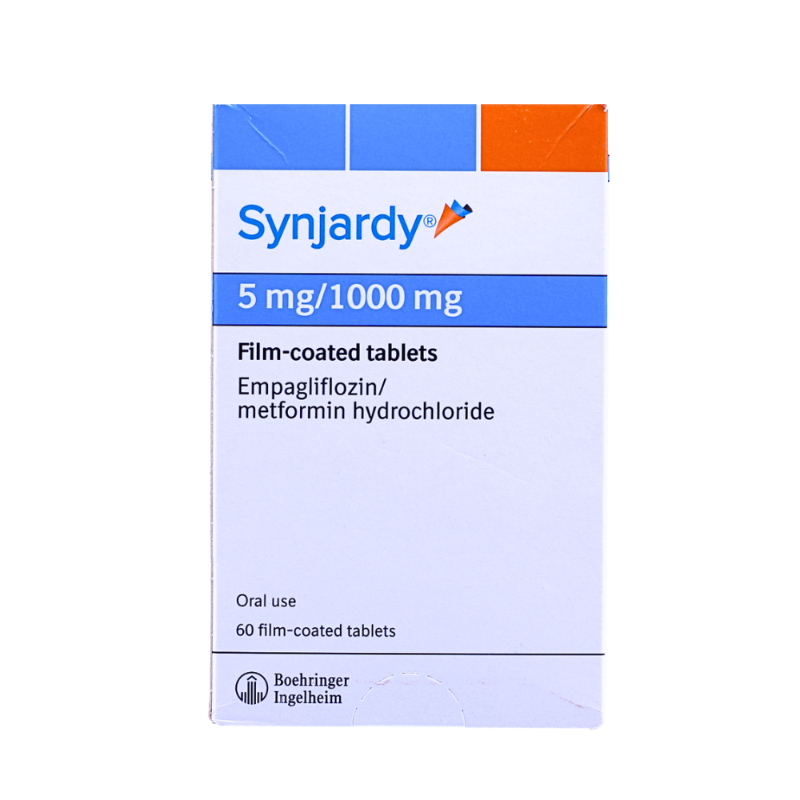
Medications > Diabetes Medications
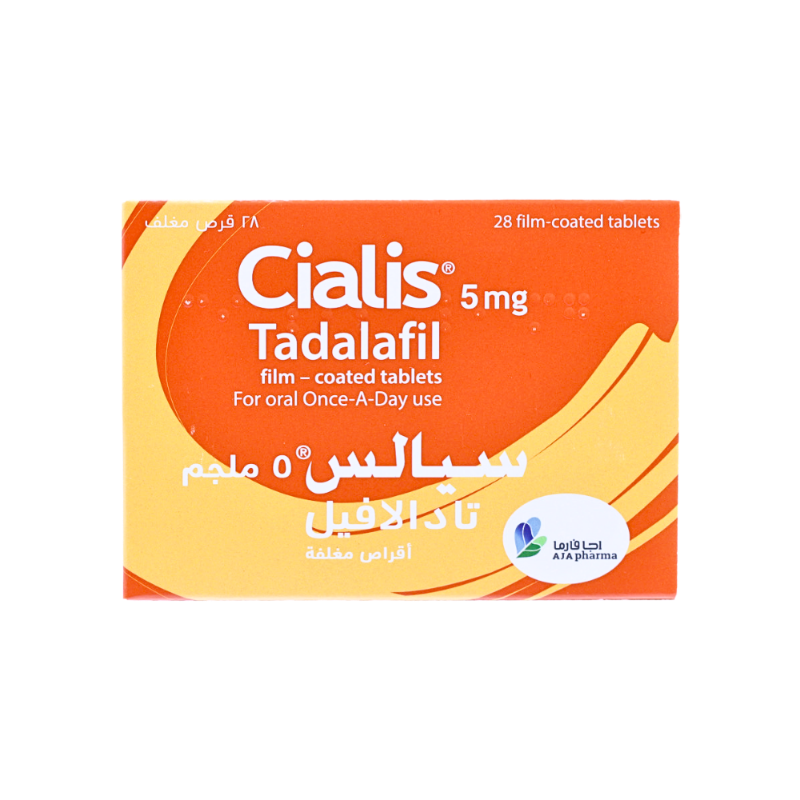
Medications > Sexual Health

Medications > Dermatology Medications

Medications > Cold, Cough, and Allergy Medications

Medications > Dermatology Medications
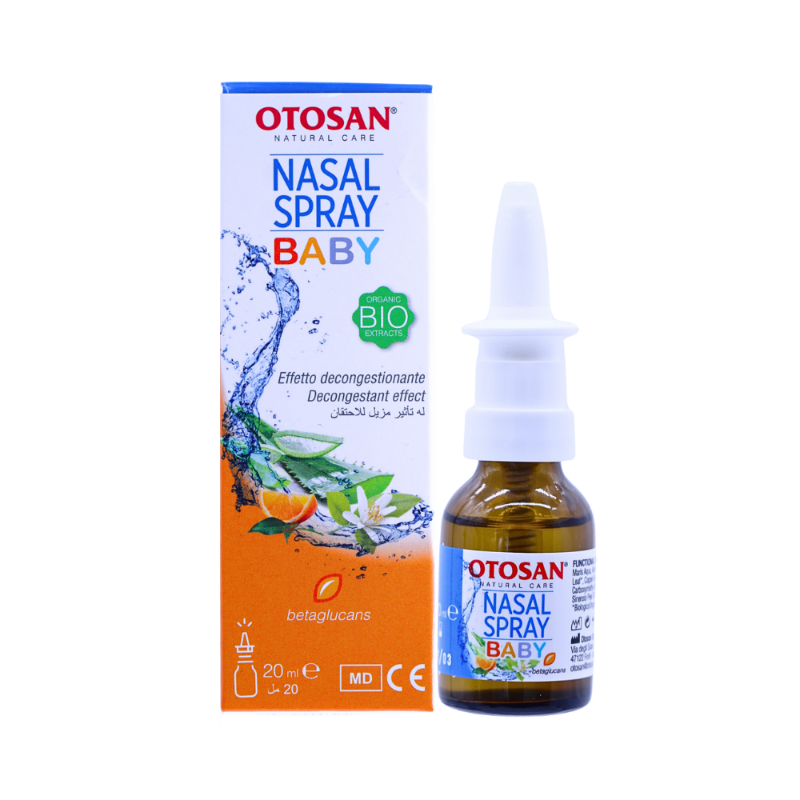

Medications > Eye and Ear Medications
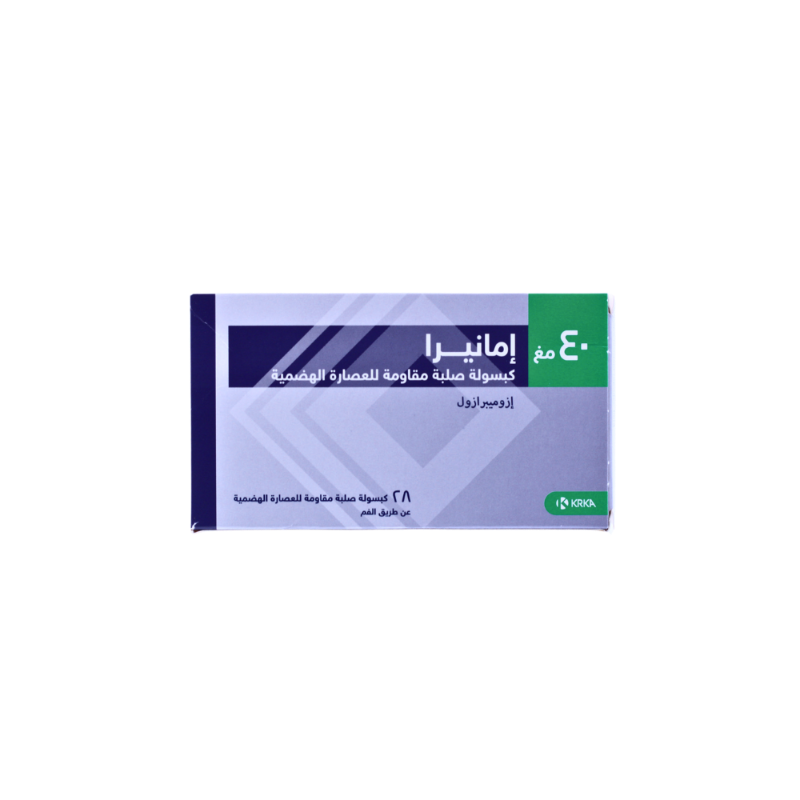
Medications > Gastrointestinal Medications
Medications > Cold, Cough, and Allergy Medications
Medications > Urology Medications
