
Use Code: SAVE26 And Get 30% OFF | Get Free Delivery With No Minimum Order
-1744229570.gif "Almujtama Pharmacy logo")




Frequently bought together
Health Care & Wellness > Medical Devices And Accessories
Health Care & Wellness > Medical Devices And Accessories
Health Care & Wellness > Medical Devices And Accessories
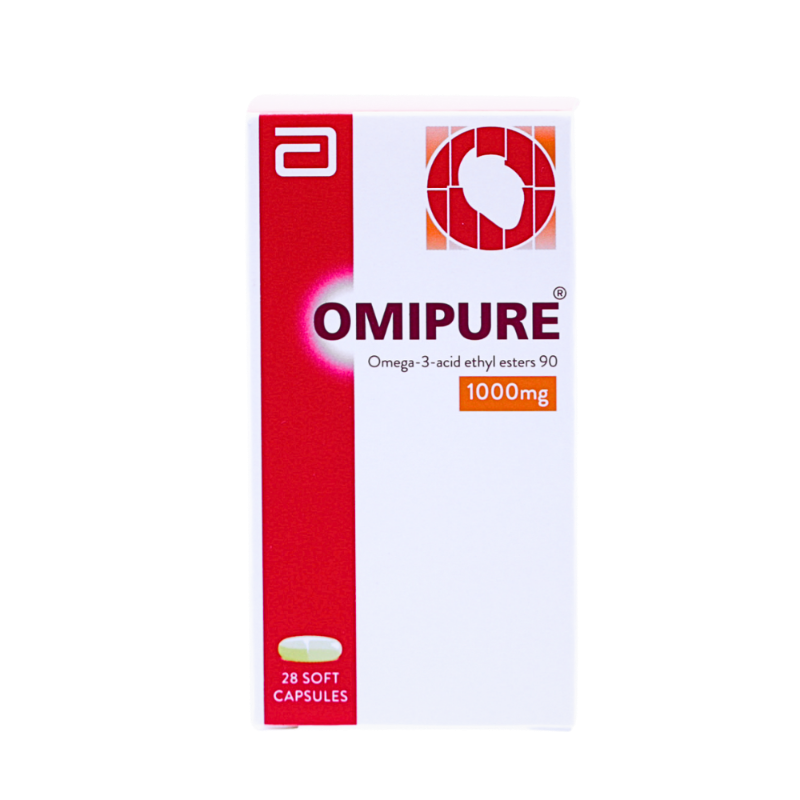
Vitamins & Supplements > Omega-3 Supplements
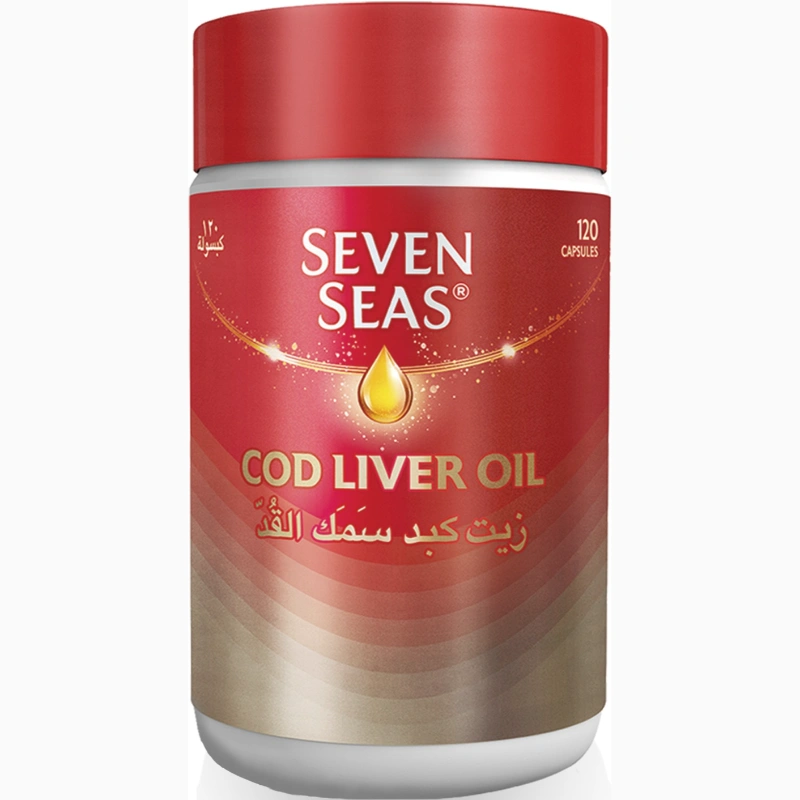
Vitamins & Supplements > Omega-3 Supplements
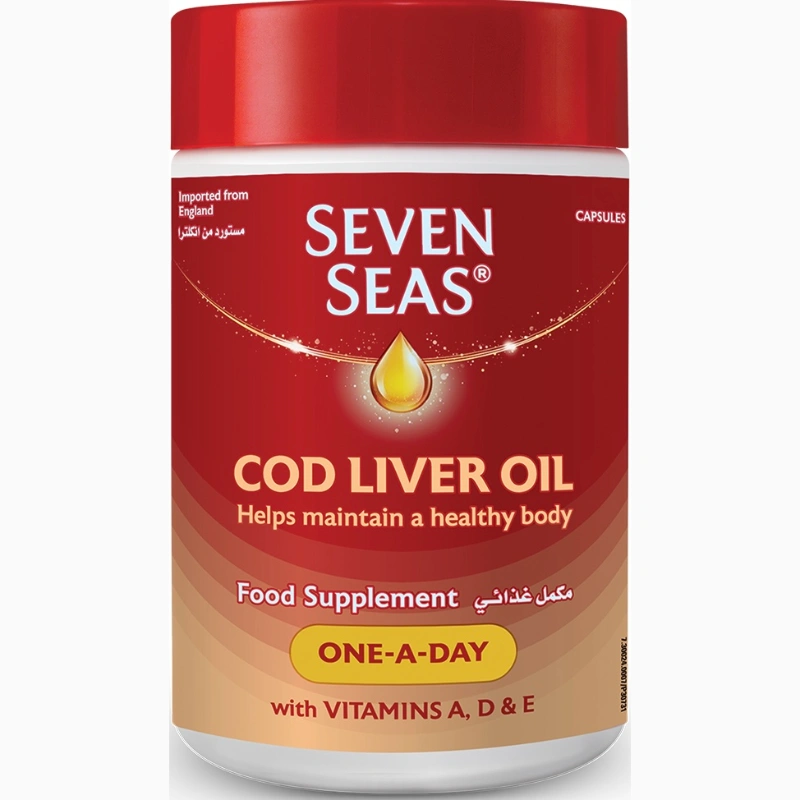
Vitamins & Supplements > Omega-3 Supplements
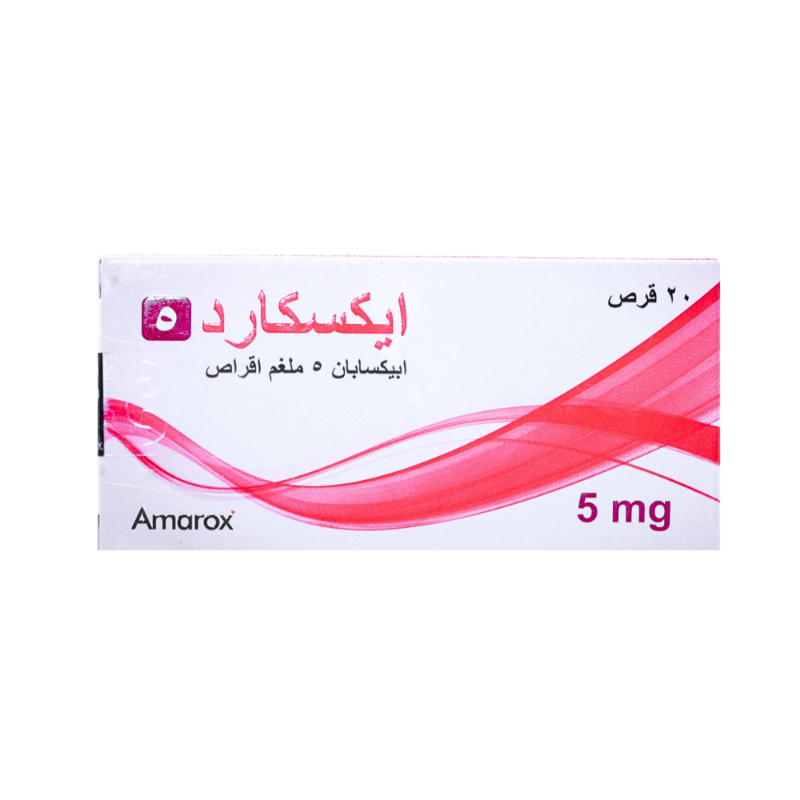
XCARD 5/MG TAB 20/TAB
- Sku : I-032114
Key features
Xcard Tablet 2.5mg 20 Tablets is a tablet formulation containing the active ingredient apixaban 2.5 mg. It is a direct, selective, reversible inhibitor of factor Xa that reduces thrombin generation and prevents clot formation. Indicated to reduce the risk of stroke and systemic embolism in nonvalvular atrial fibrillation, for prophylaxis of deep vein thrombosis following hip or knee replacement, for treatment of deep vein thrombosis and pulmonary embolism, and to reduce the risk of recurrent DVT and PE after initial therapy. Available by prescription as 2.5 mg tablets in packs of 20.- Brand: XCARD
- Active Ingredient: APIXABAN 2.5mg
- Strength: 2.5mg
- Dosage Form: Tablet
- Pack Size: 20 Tablets
- Route: Oral use
- Prescription Status: Prescription
- Therapeutic Class: Antithrombotic
- Pharmacological Group: Direct Oral Anticoagulants
- Drug Class: Direct Factor Xa Inhibitor (Direct Oral Anticoagulant)
- Manufacturer: Hetero Labs Limited Unit - V
- Country of Origin: India
- SFDA Registration No.: 0307222301
- Shelf Life: 36 months
- Storage: store below 30°c
- Cv Drug Class: Anticoagulant
Frequently bought together
Health Care & Wellness > Medical Devices And Accessories
Health Care & Wellness > Medical Devices And Accessories
Health Care & Wellness > Medical Devices And Accessories
Vitamins & Supplements > Omega-3 Supplements
Vitamins & Supplements > Omega-3 Supplements
Vitamins & Supplements > Omega-3 Supplements
Indications
Approved Uses
To reduce the risk of stroke and systemic embolism in patients with nonvalvular atrial fibrillation, Prophylaxis of deep vein thrombosis (DVT) following hip or knee replacement surgery, Treatment of DVT and pulmonary embolism (PE), To reduce the risk of recurrent DVT and PE following initial therapy.
Dosage & Administration
Dosing by Condition
NVAF stroke/systemic embolism prevention: 5 mg twice daily (reduce to 2.5 mg twice daily if ≥2 of age ≥80, weight ≤60 kg, SCr ≥1.5 mg/dL). DVT/PE treatment: 10 mg twice daily for 7 days, then 5 mg twice daily. Prevention of recurrent DVT/PE: 2.5 mg twice daily after at least 6 months of treatment. Post-op VTE prophylaxis: hip replacement 2.5 mg twice daily for 32-38 days; knee replacement 2.5 mg twice daily for 10-14 days; start 12-24 hours after surgery once hemostasis achieved.
Initial Dose
2.5 mg twice daily (for DVT prophylaxis post-surgery or dose-reduced AF patients); 10 mg twice daily for acute DVT/PE treatment
Maintenance Dose
5 mg twice daily (after initial 10 mg twice daily for 7 days for DVT/PE treatment) or 2.5 mg twice daily (for NVAF dose-reduced patients, DVT prophylaxis post-surgery, or reduction of recurrent DVT/PE risk after initial therapy) depending on indication and patient criteria
Maximum Dose
10 mg twice daily (20 mg/day) during the initial 7 days of DVT/PE treatment.
Children's Dosage
Not recommended for pediatric patients less than 2.6 kg; specific dosing for older pediatric patients based on weight.
Dose Adjustment Notes
For nonvalvular atrial fibrillation (NVAF), use 2.5 mg twice daily if the patient has at least 2 of: age ≥80 years, body weight ≤60 kg, or serum creatinine ≥1.5 mg/dL. Renal impairment: no adjustment for mild-moderate impairment for most indications; use caution/limited data in severe renal impairment and avoid use in patients with CrCl <15 mL/min or on dialysis unless specifically directed by specialist guidance. Hepatic impairment: avoid in severe hepatic impairment; use caution in moderate hepatic impairment; no adjustment in mild hepatic impairment.
How to Take
Swallow tablet whole with or without food. If unable to swallow, the tablet may be crushed and mixed in water, 5% dextrose in water (D5W), apple juice, or applesauce and administered promptly; may also be delivered via nasogastric tube after suspension in water or D5W.
Side Effects
Common Side Effects
Bleeding (e.g., bruising, epistaxis, gingival bleeding, hematuria; may include heavy menstrual bleeding), anemia, nausea.
Safety & Warnings
Contraindications
Contraindicated in: active pathological bleeding; hypersensitivity to apixaban; hepatic disease associated with coagulopathy and clinically relevant bleeding risk (and generally not recommended in severe hepatic impairment).
Warnings & Precautions
Key warnings/precautions: increased risk of serious/fatal bleeding; boxed warning for premature discontinuation (thrombosis risk) and neuraxial anesthesia/spinal puncture (spinal/epidural hematoma); caution with concomitant antiplatelets/NSAIDs/SSRIs-SNRIs and other anticoagulants; caution in renal impairment and hepatic impairment; not recommended in mechanical prosthetic heart valves.
Age Restriction
Approved for pediatric patients from birth and older for VTE treatment and reduction in risk of recurrent VTE after at least 5 days of initial anticoagulant treatment (specific pediatric dosing by weight); not recommended for patients <2.6 kg.
Drug Interactions
Drug Interactions
Major: strong dual CYP3A4 + P-gp inhibitors (e.g., ketoconazole, itraconazole, ritonavir, clarithromycin) increase apixaban exposure; strong dual CYP3A4 + P-gp inducers (e.g., rifampicin, carbamazepine, phenytoin, St John’s wort) decrease exposure/efficacy. Additive bleeding risk: other anticoagulants, antiplatelets (incl. aspirin), NSAIDs, SSRIs/SNRIs.
Interaction Severity
MAJOR: Strong dual CYP3A4 and P-gp inhibitors (e.g., ketoconazole, itraconazole, ritonavir/cobicistat) increase apixaban exposure/bleeding risk; strong dual CYP3A4 and P-gp inducers (e.g., rifampin, carbamazepine, phenytoin, St John’s wort) reduce exposure and increase thrombotic risk; concomitant anticoagulants generally avoid due to additive bleeding. MODERATE: Antiplatelets (including aspirin), NSAIDs, SSRIs/SNRIs increase bleeding risk; moderate inhibitors (e.g., fluconazole, diltiazem) can increase exposure-use caution.
Food Interaction
No restriction.
Special Populations
Pregnancy
Consult Doctor
Children
Not recommended for pediatric patients less than 2.6 kg; specific dosing for older pediatric patients based on weight.
Elderly
Dose reduction to 2.5mg twice daily for nonvalvular atrial fibrillation may be required if age is ≥80 years in combination with either body weight ≤60 kg or serum creatinine ≥1.5 mg/dL.
Kidney Impairment
NVAF: reduce to 2.5 mg BID only if the patient has at least 2 of 3 criteria (age ≥80 years, weight ≤60 kg, SCr ≥1.5 mg/dL). Severe renal impairment (CrCl 15-29 mL/min): use with caution; many references use 2.5 mg BID for NVAF, while VTE indications generally do not mandate a renal-based reduction. CrCl <15 mL/min or dialysis: not recommended/avoid in many guidelines (or specialist-only per local labeling).
Liver Impairment
Child-Pugh A: no dose adjustment. Child-Pugh B: use with caution (limited data). Child-Pugh C or hepatic disease with coagulopathy/clinically relevant bleeding risk: not recommended/avoid.
Storage & Patient Advice
Missed Dose
If a dose is missed, take it as soon as remembered and then continue with the regular twice-daily schedule; do not take a double dose to make up for a missed dose.
Stopping the Medicine
Do not stop apixaban without medical advice; if it must be discontinued, ensure timely alternative anticoagulation/coverage when indicated to reduce thrombotic risk.
Overdose
Overdose primarily causes bleeding; management is supportive (hold drug, local hemostasis/transfusion as needed), consider activated charcoal if recent ingestion, and use andexanet alfa for life-threatening/uncontrolled bleeding where available (or 4-factor PCC as an alternative per protocols).
Patient Counseling
Take exactly as prescribed (usually twice daily) and do not stop without medical advice. Can be taken with or without food. Watch for and seek care for signs of bleeding (unusual bruising, prolonged bleeding, nose/gum bleeding, red/brown urine, black/tarry stools, coughing/vomiting blood, severe headache/weakness). Tell all healthcare providers/dentists you take apixaban before procedures; avoid unnecessary NSAIDs and discuss OTC/herbals. If a dose is missed, take it as soon as remembered the same day and do not double. Store below 30°C; prescription-only medicine.
Monitoring Requirements
No routine coagulation monitoring is required. Monitor clinically for bleeding and thromboembolism; obtain CBC/hemoglobin/hematocrit and renal/hepatic function at baseline and periodically (or with clinical change). Anti-factor Xa (apixaban-calibrated) levels may be considered in special situations (e.g., overdose, urgent surgery, extremes of body size, suspected nonadherence, severe renal/hepatic impairment) where results would change management.
Pharmacology
Mechanism of Action
Direct, selective, reversible inhibitor of factor Xa that reduces thrombin generation and clot formation by inhibiting free and prothrombinase-bound factor Xa, without requiring antithrombin.
Onset of Action
Peak effect occurs about 3-4 hours after an oral dose.
Duration of Effect
Approximately 24 hours after the last dose for most patients (half-life ~12 hours), with clinically meaningful anticoagulant effect generally diminishing over ~24-48 hours depending on renal/hepatic function and bleeding risk context.
Half-Life
Approximately 12 hours.
Bioavailability
Approximately 50% oral bioavailability.
Metabolism
Apixaban is metabolized hepatically primarily via CYP3A4/5, with minor contributions from other CYP pathways (e.g., CYP1A2, CYP2C8, CYP2C9, CYP2C19, CYP2J2), and it is a substrate of P-glycoprotein (P-gp) and BCRP transporters.
Excretion
Elimination occurs via multiple pathways: renal excretion accounts for about 27% of total clearance; the remainder is via metabolism and biliary/fecal and direct intestinal excretion.
Protein Binding
Approximately 87%.
Product Information
Available Dosage Forms
Tablet (oral).
Composition per Dose
Each tablet: 2.5 mg apixaban
Generic Availability
Yes
OTC Alternatives
No OTC alternative
Cv Drug Class
Anticoagulant
Reviewed by Al Mujtama Pharmacy Medical Review Team. Last reviewed 31-05-2026
Similar Products
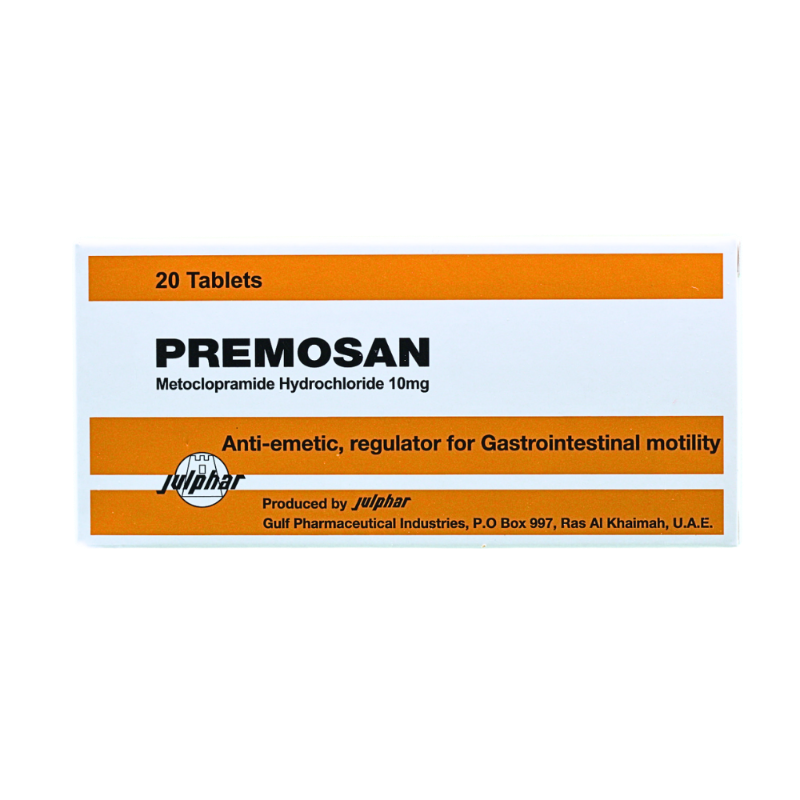
Medications > Gastrointestinal Medications
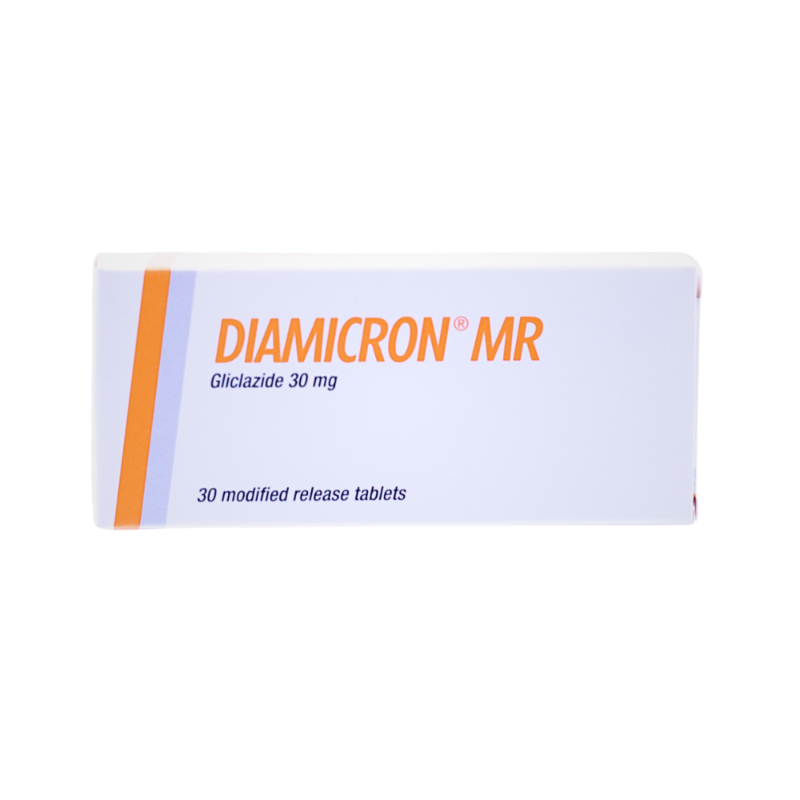
Medications > Diabetes Medications
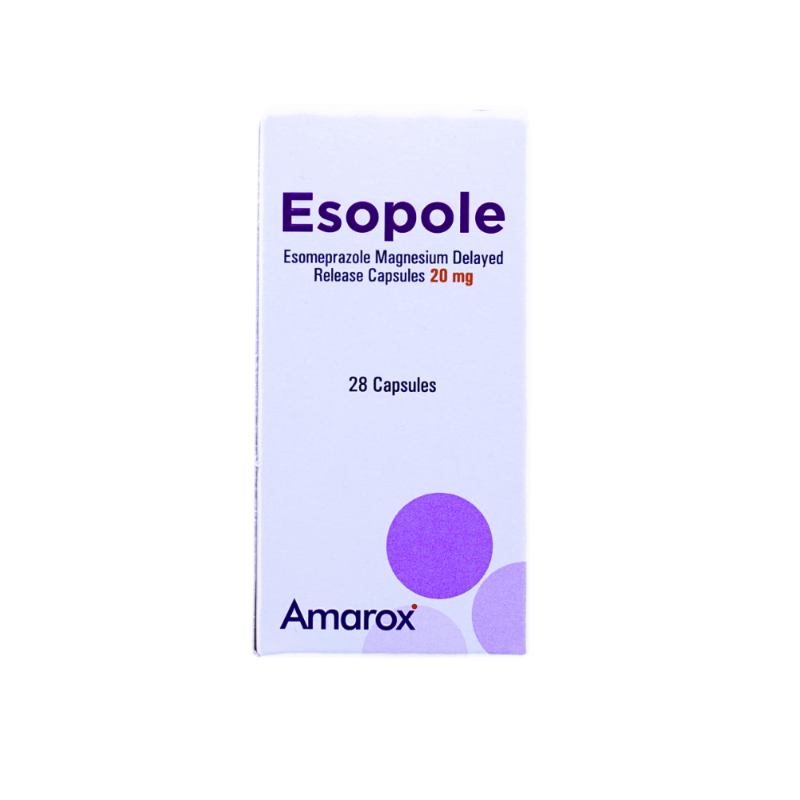
Medications > Gastrointestinal Medications
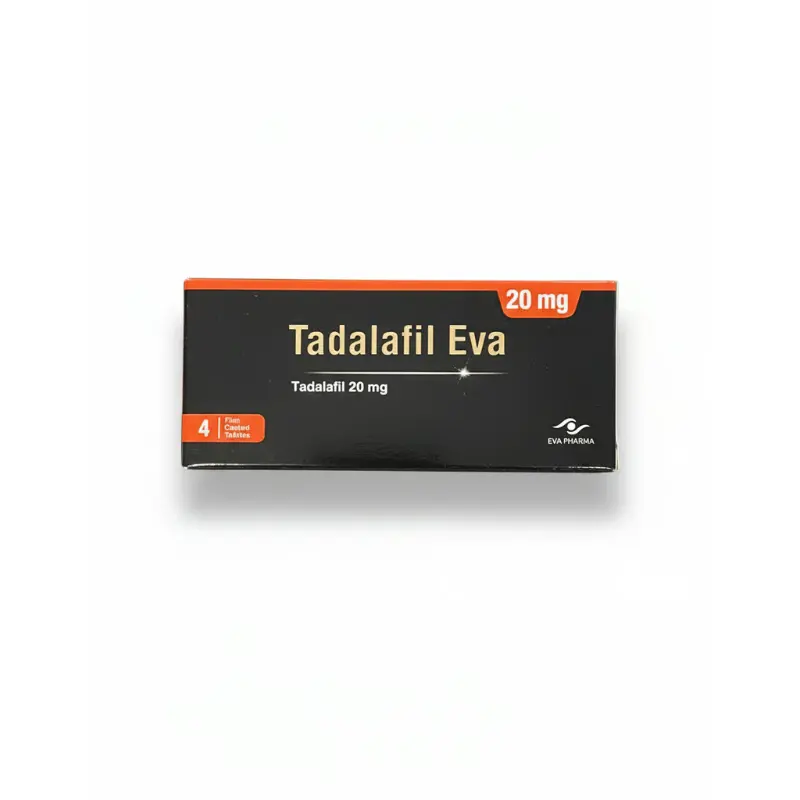
Medications > Sexual Health
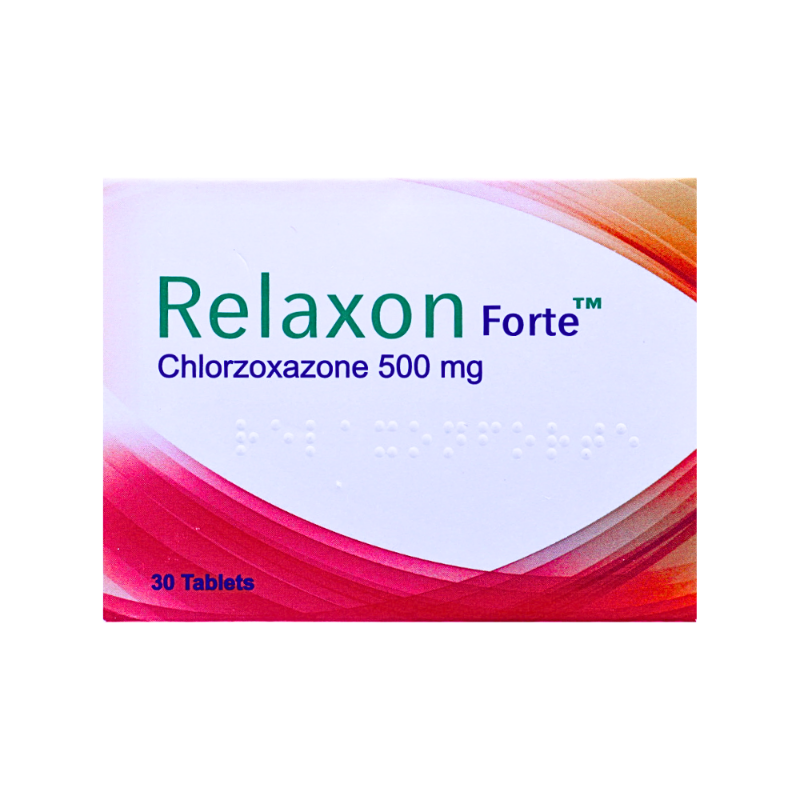
Medications > Painkillers and Antipyretics
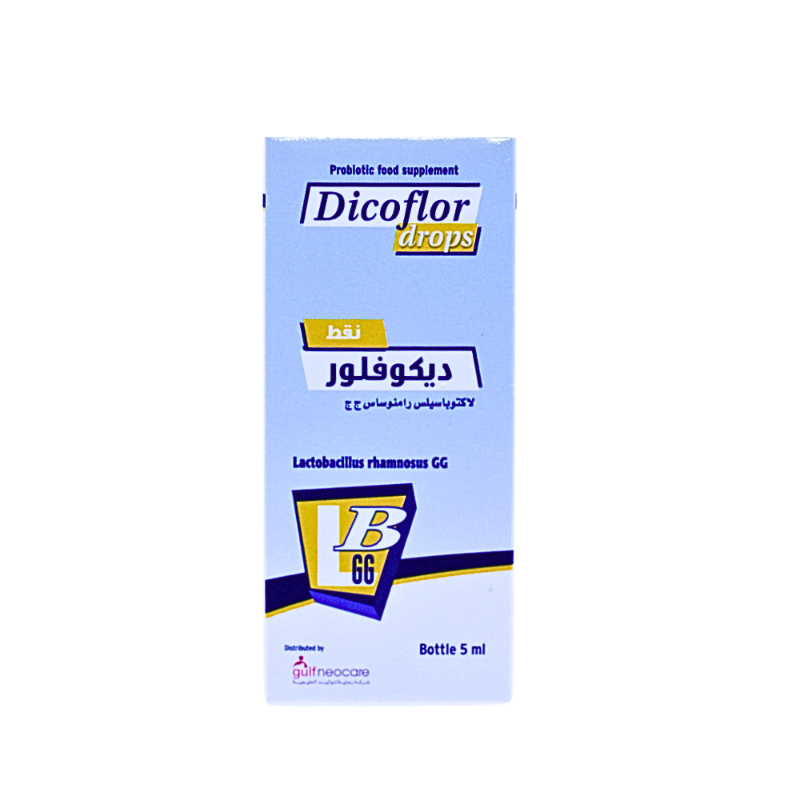
Medications > Gastrointestinal Medications
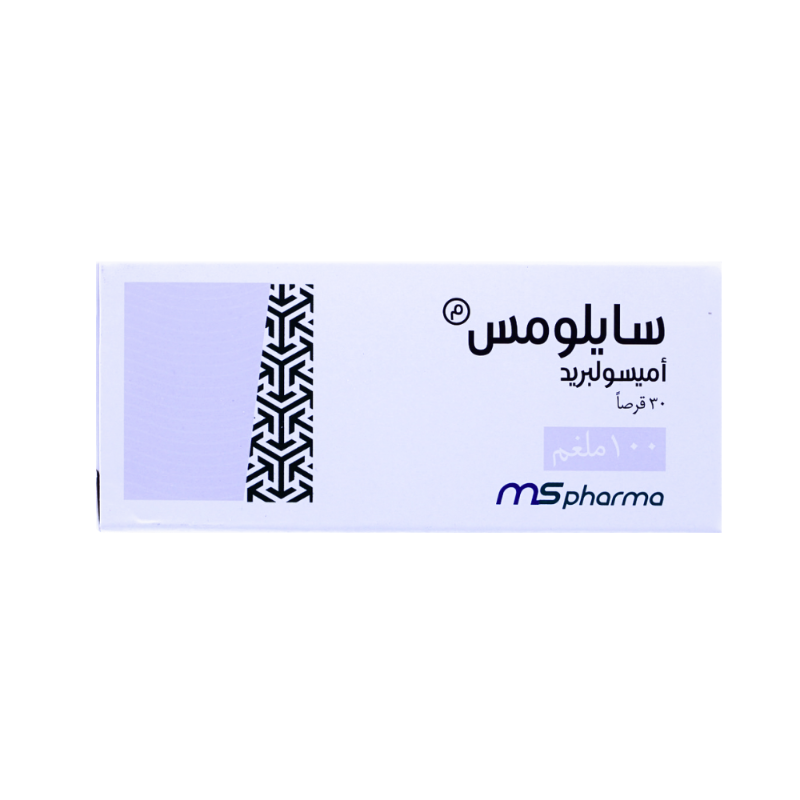
Medications > Psychiatric Medications
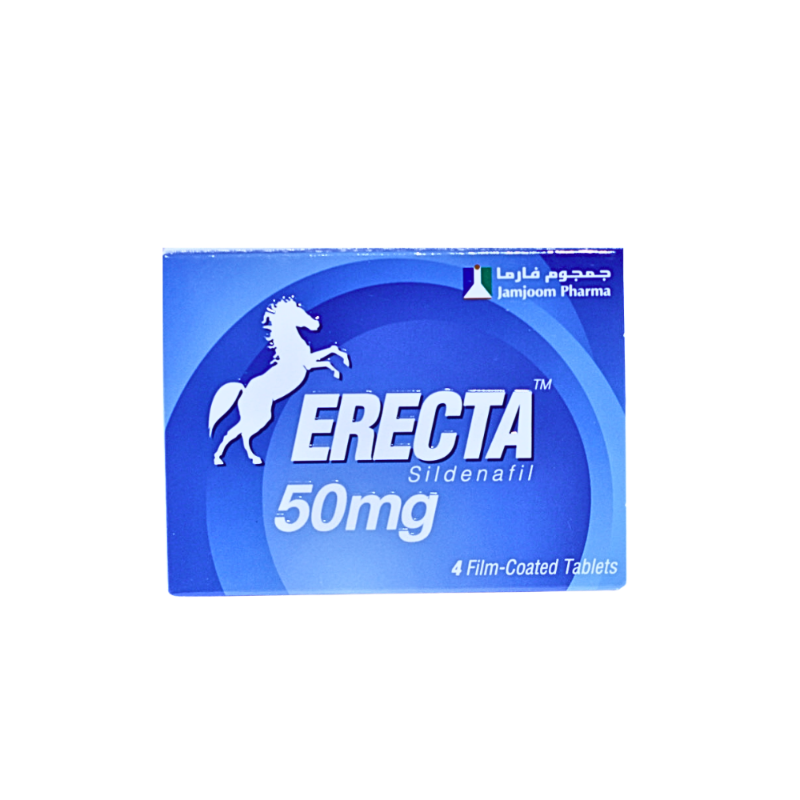
Medications > Sexual Health
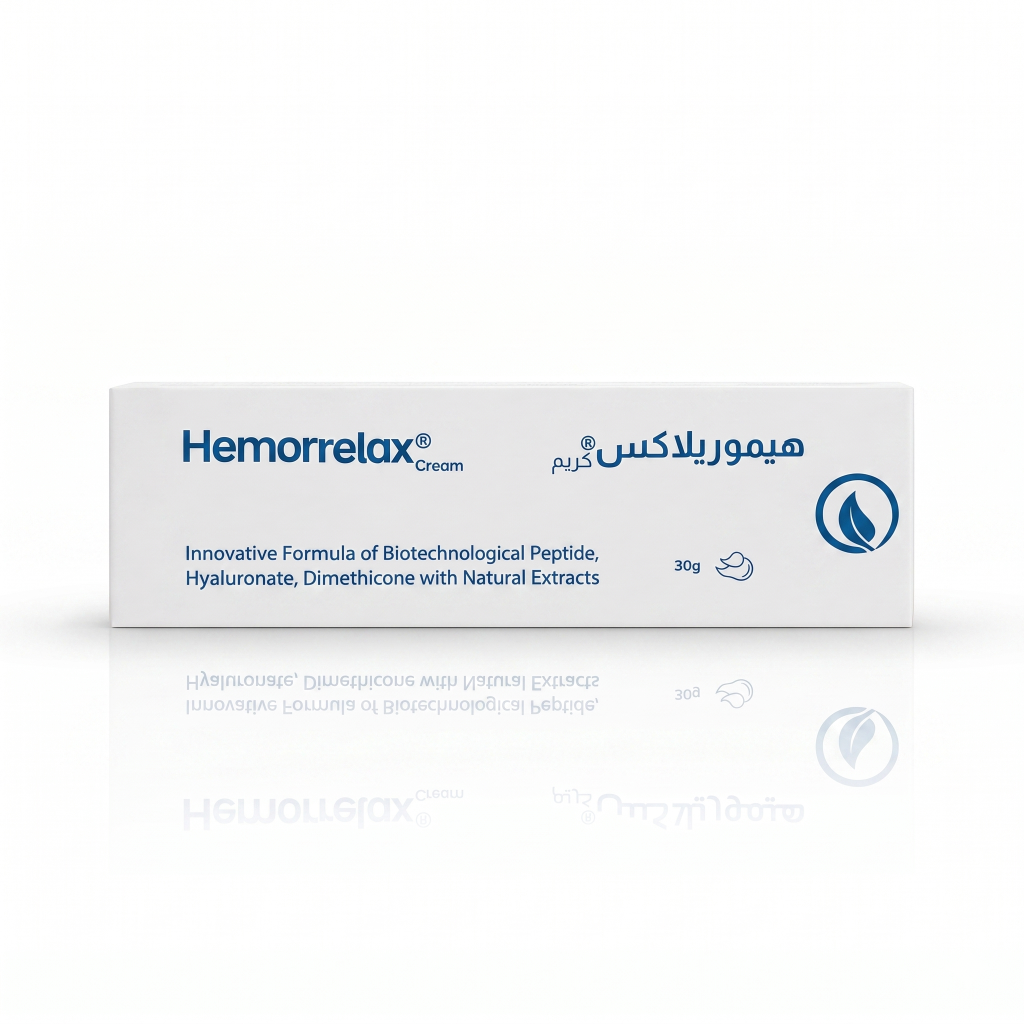
Medications > Hemorrhoid Medications
Medications > Diabetes Medications
