
Use Code: SAVE26 And Get 30% OFF | Get Free Delivery With No Minimum Order
-1744229570.gif "Almujtama Pharmacy logo")
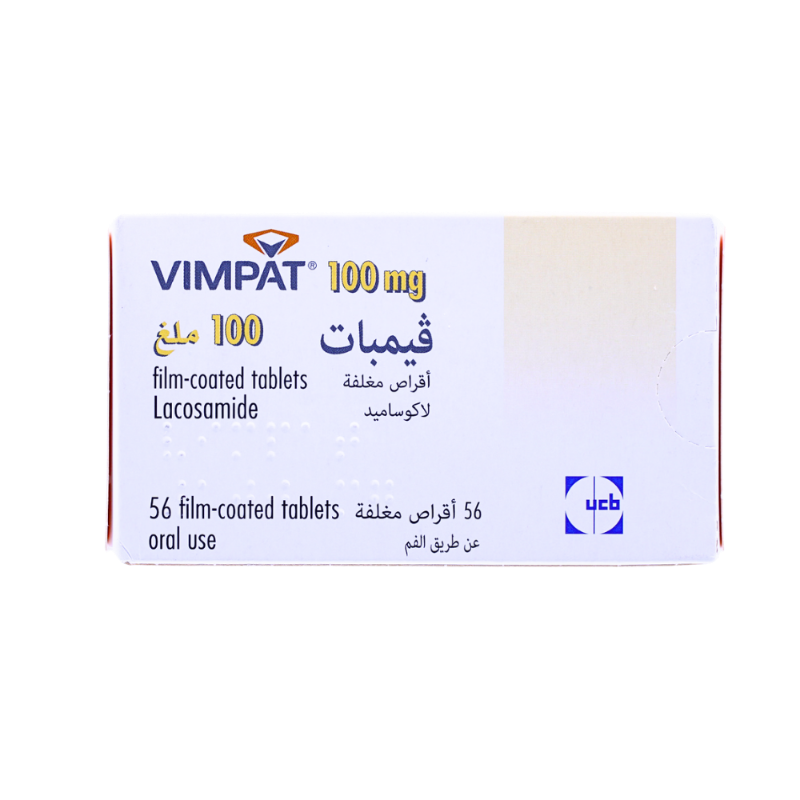




Frequently bought together

Vitamins & Supplements > Vitamin_D & Bone Health
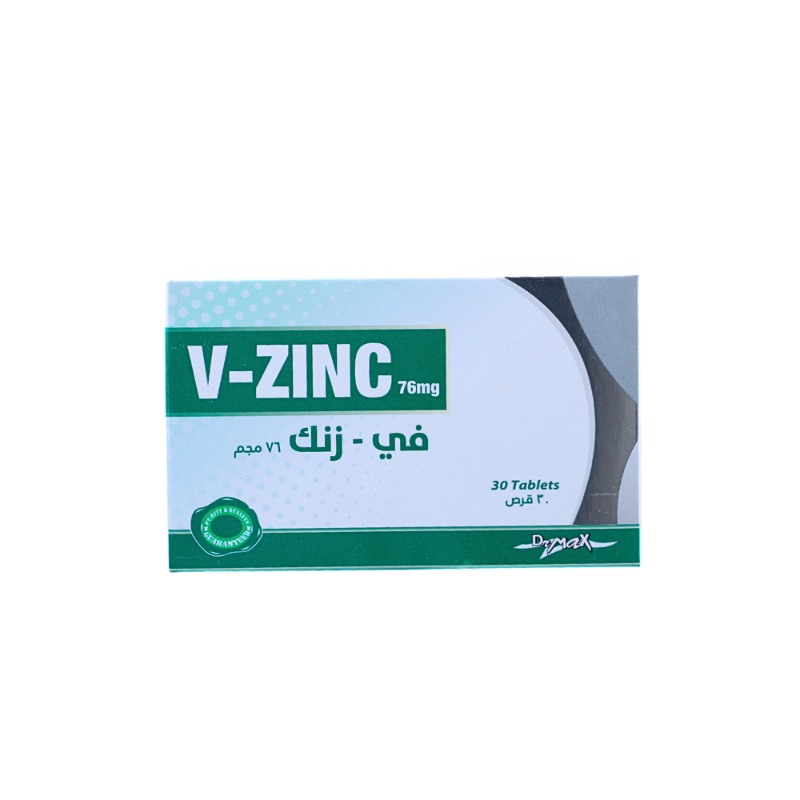
Vitamins & Supplements > Vitamins and Minerals
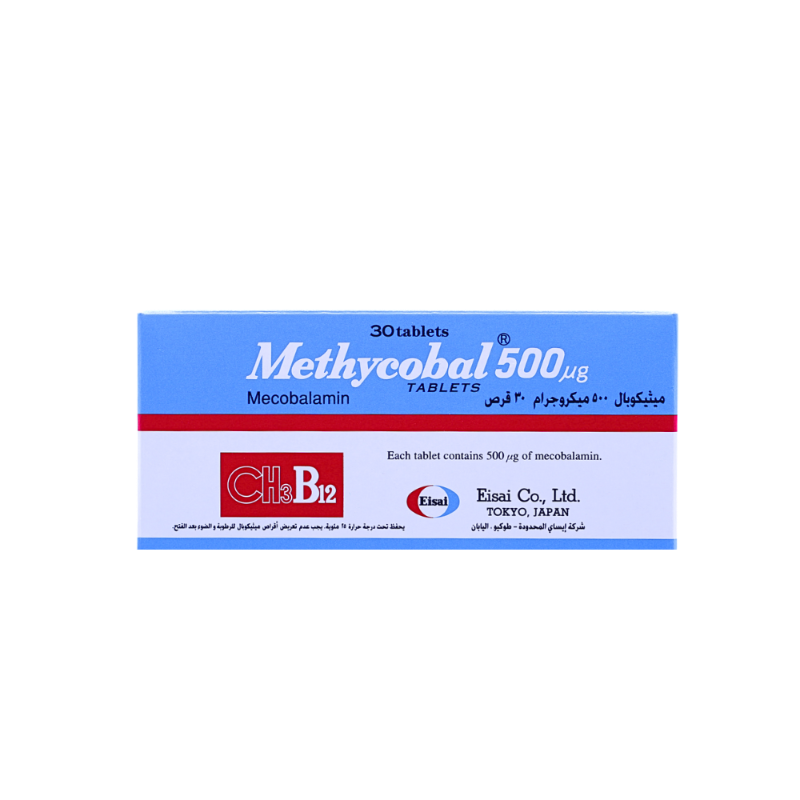
Vitamins & Supplements > Vitamins and Minerals
VIMPAT 100 MG 56 TAB
- Sku : I-027174
Key features
VIMPAT 100 mg 56 TAB is a film-coated tablet formulation containing the active ingredient lacosamide. It enhances the slow inactivation of voltage-gated sodium channels to stabilize hyperexcitable neuronal membranes and reduce repetitive neuronal firing. VIMPAT is indicated for the treatment of focal (partial-onset) seizures as monotherapy or adjunctive therapy, and as adjunctive therapy for primary generalized tonic‑clonic seizures (PGTCS) in patients aged 4 years and older. Available as film-coated tablets in a pack of 56 tablets.- Brand: VIMPAT
- Active Ingredient: LACOSAMIDE
- Strength: 100mg
- Dosage Form: Film-coated tablet
- Pack Size: 56 Tablets
- Route: Oral use
- Prescription Status: Prescription
- Therapeutic Class: Anticonvulsant
- Pharmacological Group: Antiepileptics
- Drug Class: Antiepileptic (functionalized amino acid); voltage-gated sodium channel modulator that enhances slow inactivation.
- Manufacturer: Aesica Pharmaceuticals GmbH.
- Country of Origin: Germany
- SFDA Registration No.: 1508210936
- Shelf Life: 60 months
- Storage: do not store above 30°c
- Also Used For: Partial-onset seizures
Frequently bought together
Vitamins & Supplements > Vitamin_D & Bone Health
Vitamins & Supplements > Vitamins and Minerals
Vitamins & Supplements > Vitamins and Minerals
Indications
Approved Uses
Treatment of focal (partial-onset) seizures (monotherapy or adjunctive therapy) and adjunctive therapy for primary generalized tonic-clonic seizures (PGTCS) in patients ≥4 years.
Dosage & Administration
Dosing by Condition
Focal (partial-onset) seizures-Adjunctive (adults): start 50 mg twice daily; increase by 50 mg twice daily (100 mg/day) no more often than weekly to 100-200 mg twice daily (200-400 mg/day). Focal seizures-Monotherapy (adults): start 100 mg twice daily; maintenance 150-200 mg twice daily (300-400 mg/day). PGTCS-Adjunctive (≥4 years): weight-based in pediatrics; adults/≥50 kg typically start 50 mg twice daily and titrate weekly to 100-200 mg twice daily (200-400 mg/day).
Initial Dose
Adjunctive therapy: 50 mg twice daily. Monotherapy: 100 mg twice daily.
Maintenance Dose
200-400 mg/day, administered in two divided doses.
Maximum Dose
400 mg/day.
Children's Dosage
Approved for children ≥4 years weighing ≥50 kg: same as adult dosing; children ≥4 years weighing <50 kg: 2 mg/kg/day initial dose, titrate by 2 mg/kg/day weekly, maintenance 4-8 mg/kg/day, max 12 mg/kg/day
Dose Adjustment Notes
Titrate no more frequently than once weekly; severe renal impairment (CrCl ≤30 mL/min) or ESRD: reduce maximum dose to 300 mg/day and consider up to 50% supplemental dose after hemodialysis; mild-moderate hepatic impairment: maximum 300 mg/day; severe hepatic impairment: not recommended.
How to Take
Swallow tablet whole with water; may be taken with or without food; administer twice daily (approximately 12 hours apart).
Side Effects
Common Side Effects
Dizziness, headache, nausea, diplopia, blurred vision, somnolence, vomiting, ataxia/coordination problems, fatigue; vertigo may occur.
Side Effect Frequency
Very common (≥10%): dizziness, headache, diplopia, nausea. Common (1-10%): blurred vision, vomiting, somnolence, fatigue, ataxia/coordination or balance disorder, tremor, vertigo. Uncommon/rare: PR interval prolongation, atrioventricular block, syncope/bradycardia; serious hypersensitivity reactions (e.g., DRESS) and severe cutaneous reactions (e.g., SJS/TEN) are rare; suicidal ideation/behavior is a class warning.
Safety & Warnings
Contraindications
Known hypersensitivity to lacosamide or any excipients; known second- or third-degree atrioventricular (AV) block (unless paced)
Warnings & Precautions
Risk of PR prolongation/arrhythmias-consider baseline and follow-up ECG in patients with conduction disease, significant cardiac disease, or on PR-prolonging drugs; suicidal ideation/behavior monitoring; dizziness/ataxia and fall risk; serious hypersensitivity/skin reactions (e.g., DRESS/SJS/TEN)-stop if suspected; avoid abrupt discontinuation (taper) to reduce seizure worsening
Age Restriction
Approved for use in patients 4 years of age and older.
Driving Warning
May Cause Drowsiness
Drug Interactions
Drug Interactions
Additive PR-interval prolongation with other PR-prolonging drugs (e.g., beta-blockers, non-DHP calcium channel blockers, digoxin) and with other sodium-channel-acting antiseizure meds; CYP2C19 inhibitors may increase lacosamide exposure and CYP2C19 inducers may decrease exposure (generally modest effects)
Interaction Severity
MAJOR/CLINICALLY SIGNIFICANT: Additive PR-interval prolongation/AV block risk with other PR-prolonging agents (e.g., beta-blockers, non-DHP calcium channel blockers, digoxin, other sodium-channel-affecting drugs)-consider ECG/clinical monitoring. MODERATE: Additive CNS depression with alcohol, benzodiazepines, opioids (dizziness/somnolence). MODERATE: Enzyme-inducing ASMs (carbamazepine, phenytoin, phenobarbital) can modestly lower lacosamide exposure; strong CYP2C19 inhibitors may modestly increase exposure (usually not clinically large but consider in sensitive patients).
Food Interaction
No clinically significant food interaction; may be taken with or without food.
Special Populations
Pregnancy
Consult Doctor
Breastfeeding
Caution
Children
Approved for children ≥4 years weighing ≥50 kg: same as adult dosing; children ≥4 years weighing <50 kg: 2 mg/kg/day initial dose, titrate by 2 mg/kg/day weekly, maintenance 4-8 mg/kg/day, max 12 mg/kg/day
Elderly
No specific dose adjustment required based on age alone; however, titrate cautiously due to increased risk of cardiac conduction abnormalities and falls; monitor renal function as dose adjustment may be needed if CrCl ≤30 mL/min
Kidney Impairment
CrCl >30 mL/min: no adjustment. Severe renal impairment (CrCl ≤30 mL/min) or ESRD: maximum 300 mg/day; after a 4-hour hemodialysis session, consider a supplemental dose of up to 50% of the daily dose
Liver Impairment
Mild-to-moderate hepatic impairment (Child-Pugh A/B): titrate cautiously; maximum 300 mg/day. Severe hepatic impairment (Child-Pugh C): not recommended
Storage & Patient Advice
Stopping the Medicine
Do not stop abruptly - taper gradually over at least 1 week to minimize the risk of increased seizure frequency.
Overdose
Symptoms: CNS depression (dizziness, ataxia, somnolence), nausea/vomiting, seizures, and cardiac conduction disturbances (notably PR prolongation, bradycardia, AV block; possible QRS widening), hypotension, coma. Management: no specific antidote; supportive care with ECG/cardiac monitoring, consider activated charcoal if early; hemodialysis can remove a substantial fraction (~50%)
Patient Counseling
Take lacosamide exactly as prescribed (usually twice daily at the same times); swallow tablets with or without food. Do not stop suddenly-taper only under prescriber direction to avoid seizure worsening. May cause dizziness, drowsiness, blurred vision or double vision-avoid driving/operating machinery until effects are known; avoid alcohol/CNS depressants as they can worsen these effects. Seek medical advice urgently for palpitations, slow/irregular heartbeat, fainting or syncope (risk of PR prolongation/AV block; ECG monitoring may be needed in at‑risk patients). Report new/worsening depression, mood/behavior changes, or suicidal thoughts immediately. Seek urgent care for severe rash or hypersensitivity symptoms (e.g., rash with fever, swollen glands).
Monitoring Requirements
Monitor for suicidal ideation/behavior and CNS adverse effects (dizziness, ataxia); obtain ECG in patients with known conduction disease, significant cardiac disease, or taking PR-prolonging drugs, and reassess after titration/at steady state; monitor renal/hepatic function in patients with impairment.
Pharmacology
Mechanism of Action
Enhances slow inactivation of voltage-gated sodium channels, stabilizing hyperexcitable neuronal membranes and reducing repetitive firing; CRMP-2 binding has been described but its clinical relevance is unproven.
Onset of Action
Tmax ~1-4 hours after an oral dose; clinical seizure control may begin after initiation but is typically assessed after titration to an effective maintenance dose (days to weeks).
Duration of Effect
Clinical coverage is maintained with twice-daily dosing; elimination half-life is ~13 hours.
Half-Life
Approximately 13 hours.
Bioavailability
Approximately 100% (high oral bioavailability).
Metabolism
Metabolized mainly by CYP2C19 to an inactive O-desmethyl metabolite; minor contribution from CYP3A4 and CYP2C9; not a clinically significant CYP inducer/inhibitor.
Excretion
Primarily renal: about 40% excreted unchanged in urine, with additional urinary excretion as metabolites (including O-desmethyl) and other polar fractions.
Protein Binding
Low protein binding (<15%).
Product Information
Available Dosage Forms
Film-coated tablet (oral), oral solution, and solution for intravenous infusion (IV).
Composition per Dose
Each film-coated tablet: 100 mg lacosamide
Generic Availability
Yes
OTC Alternatives
No OTC alternative
Also Used For
Partial-onset seizures
Reviewed by Al Mujtama Pharmacy Medical Review Team. Last reviewed 28-06-2026
Similar Products
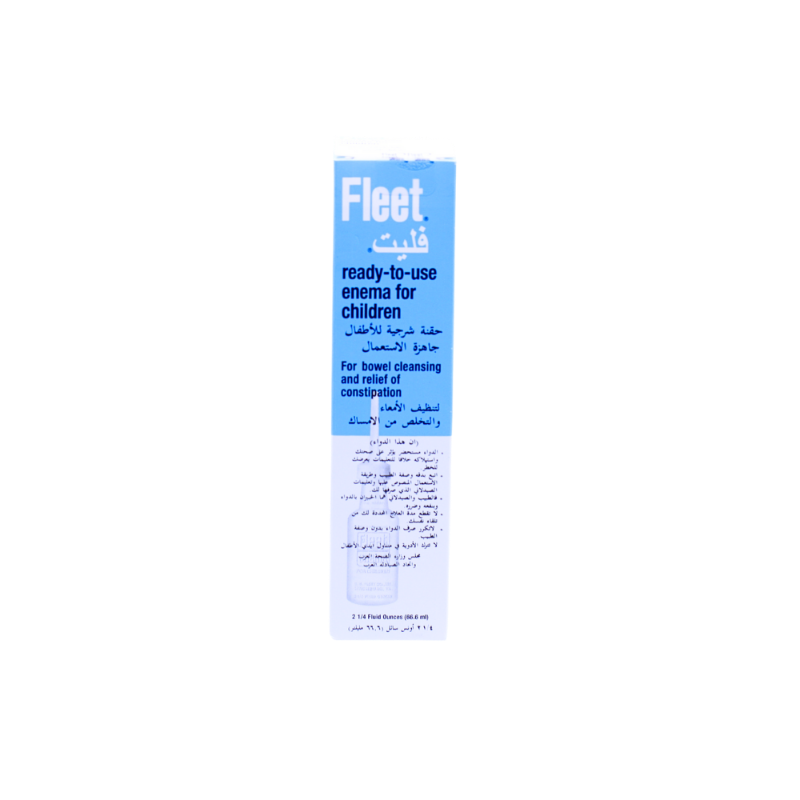
Medications > Gastrointestinal Medications
Medications > Psychiatric Medications
Medications > Diabetes Medications

Medications > Painkillers and Antipyretics
Medications > Gastrointestinal Medications
Medications > Cold, Cough, and Allergy Medications
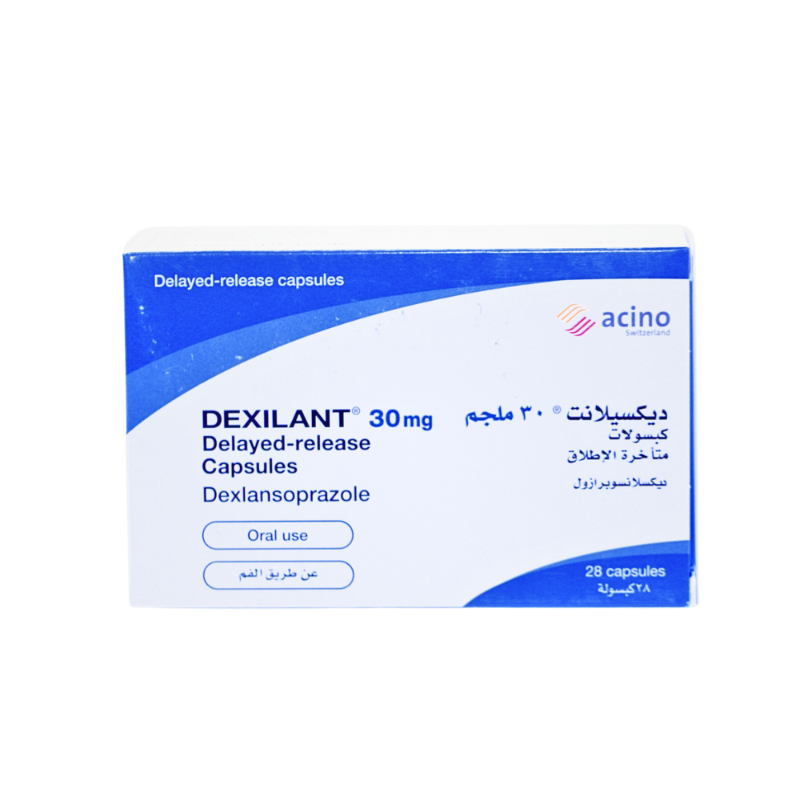
Medications > Gastrointestinal Medications

Medications > Psychiatric Medications
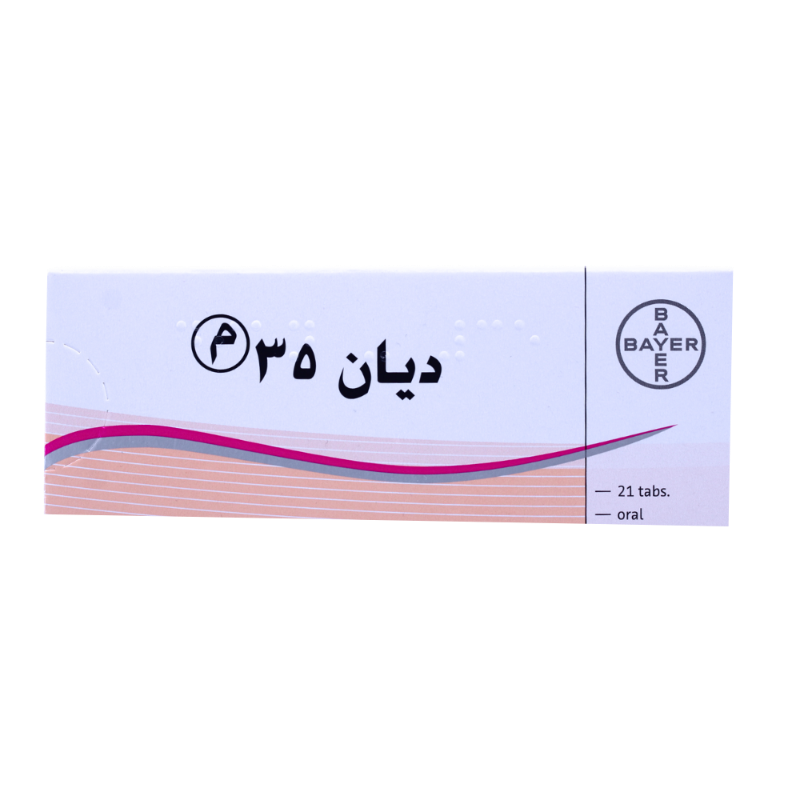
Medications > Contraceptives and Hormonal Medications
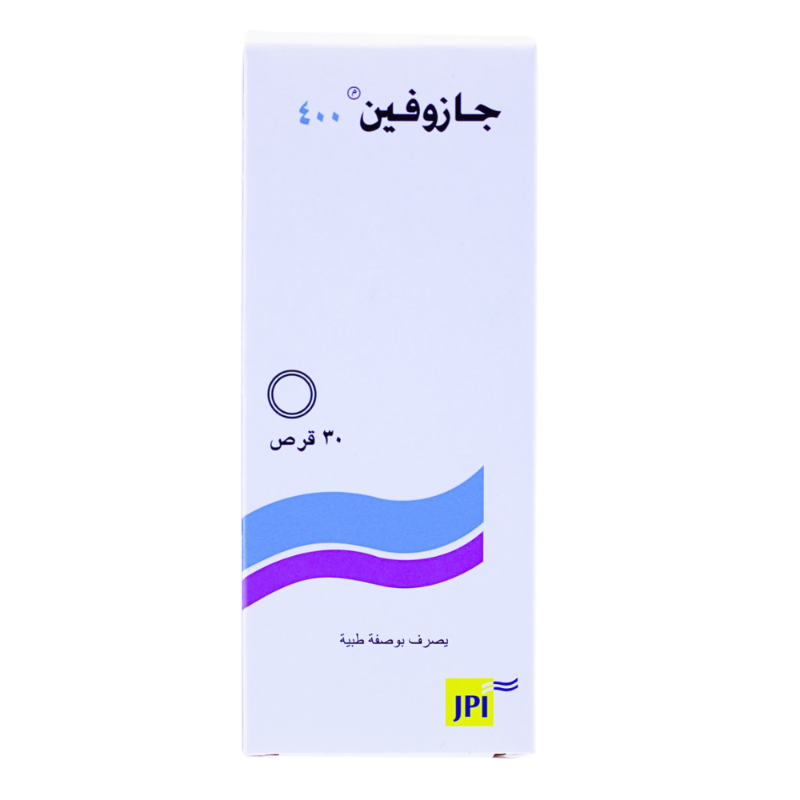
Medications > Painkillers and Antipyretics
