
Use Code: ND30 And Get 30% OFF | Get Free Delivery With No Minimum Order
-1744229570.gif "Almujtama Pharmacy logo")





Frequently bought together
Vitamins & Supplements > Omega-3 Supplements
Vitamins & Supplements > Sleeping aid supplements
Vitamins & Supplements > Sleeping aid supplements

Vitamins & Supplements > Omega-3 Supplements

Vitamins & Supplements > Sleeping aid supplements
SINEMET 25\250/MG TAB 20/TAB
- Sku : I-005997
Key features
Sinemet 25/250mg Tablets are a prescription tablet containing levodopa 250mg and carbidopa 25mg. It works by helping levodopa reach the brain, where it is converted to dopamine, while carbidopa reduces its breakdown outside the brain and improves availability in the central nervous system. It is used for the treatment of Parkinson’s disease, post-encephalitic parkinsonism, and parkinsonism following carbon monoxide or manganese intoxication. This pack contains 20 tablets.- Brand: SINEMET
- Active Ingredient: LEVODOPA 250mg, CARBIDOPA 25mg
- Strength: 250,25mg
- Dosage Form: Tablet
- Pack Size: 20 Tablets
- Route: Oral use
- Prescription Status: Prescription
- Therapeutic Class: Nervous System
- Pharmacological Group: Anti-Parkinson Drugs
- Drug Class: Dopaminergic Anti-Parkinson Agent (Dopamine Precursor + Peripheral Decarboxylase Inhibitor)
- Manufacturer: Algorithm SAL
- Country of Origin: Lebanon
- SFDA Registration No.: 1205222017
- Shelf Life: 36 months
- Storage: store below 30°c
- Controlled Substance: No
Frequently bought together
Vitamins & Supplements > Omega-3 Supplements
Vitamins & Supplements > Sleeping aid supplements
Vitamins & Supplements > Sleeping aid supplements
Vitamins & Supplements > Omega-3 Supplements
Vitamins & Supplements > Sleeping aid supplements
Indications
Approved Uses
Treatment of Parkinson's disease, post-encephalitic parkinsonism, and parkinsonism following carbon monoxide or manganese intoxication.
Dosage & Administration
Dosing by Condition
Parkinson’s disease (immediate-release): Levodopa-naïve: start 25/100 mg one tablet three times daily; increase by 1 tablet/day or every other day as needed. Conversion from levodopa alone: start at ~20-25% of prior levodopa daily dose after ≥12-hour washout. Usual maximum: keep carbidopa ≤200 mg/day (most patients need ≥70-100 mg/day carbidopa); total daily tablets/levodopa are individualized rather than a single fixed tablet maximum.
Initial Dose
The initial recommended daily dose is one tablet of SINEMET 25/100 or 10/100 three or four times a day; SINEMET 25/250 is used when more levodopa is required
Maintenance Dose
1 tablet of carbidopa 25mg/levodopa 250mg three to four times daily, adjusted based on clinical response
Maximum Dose
Maximum commonly referenced for 25/250 strength: 8 tablets/day (carbidopa 200 mg + levodopa 2000 mg) in divided doses (individualized).
Children's Dosage
Not routinely recommended; if used, dosing must be individualized and determined by a specialist.
Dose Adjustment Notes
Titrate individually and slowly to response/tolerability; dyskinesias or hallucinations often require dose reduction. When switching from levodopa alone, stop levodopa at least 12 hours before starting and begin carbidopa/levodopa at ~20-25% of the prior daily levodopa dose (then titrate). No specific renal/hepatic adjustment is defined; use caution and monitor.
How to Take
Swallow the immediate-release tablet whole with water at evenly spaced intervals; may take with food if nausea occurs, but for best and most consistent effect avoid taking with high-protein meals and consider dosing 30-60 minutes before meals or 1-2 hours after meals.
Side Effects
Common Side Effects
Common: nausea, dizziness, orthostatic hypotension, dyskinesia, somnolence, confusion/hallucinations (especially in older adults), headache; constipation and dry mouth can occur.
Side Effect Frequency
Very common (>10%): dyskinesia, nausea. Common (1-10%): dizziness, orthostatic hypotension, vomiting, hallucinations, confusion, insomnia/sleep disturbance, headache. Less common/rare: impulse-control disorders, psychosis, arrhythmias, sudden sleep onset, neuroleptic malignant syndrome-like reaction with abrupt withdrawal, melanoma risk signal.
Safety & Warnings
Contraindications
Concomitant use with nonselective MAO inhibitors (or within 14 days of stopping), narrow-angle glaucoma, hypersensitivity to carbidopa/levodopa or excipients, and suspicious undiagnosed skin lesions or history of melanoma.
Warnings & Precautions
Warn/monitor for: sudden sleep onset and impaired driving, hallucinations/psychotic-like behavior, impulse control disorders, depression/suicidality, orthostatic hypotension (especially initiation/titration), dyskinesias (may require dose reduction), melanoma/skin monitoring, and NMS-like syndrome with abrupt withdrawal; use caution in significant cardiovascular disease and in renal/hepatic impairment.
Age Restriction
Safety and efficacy not established in patients <18 years; use in children/adolescents only if specialist-directed.
Driving Warning
May Cause Drowsiness
Drug Interactions
Drug Interactions
Key interactions: nonselective MAOIs (contraindicated; hypertensive crisis), dopamine antagonists/antipsychotics and metoclopramide (reduce effect/worsen parkinsonism), antihypertensives (additive orthostatic hypotension), iron salts (reduced absorption), isoniazid (reduced levodopa effect), tricyclic antidepressants (may increase dyskinesia/hypertension), and MAO-B inhibitors (additive dopaminergic effects; monitor).
Interaction Severity
MAJOR/contraindicated: non-selective MAO inhibitors (use within 14 days) due to hypertensive crisis risk. MODERATE: dopamine antagonists (e.g., antipsychotics, metoclopramide) reduce effect; antihypertensives increase orthostatic hypotension; iron salts reduce absorption; isoniazid may reduce levodopa effect. CAUTION: MAO-B inhibitors (selegiline/rasagiline) may increase dopaminergic adverse effects (generally manageable with monitoring).
Food Interaction
High-protein meals can reduce and delay levodopa absorption and clinical response; if fluctuations occur, separate doses from protein (e.g., take 30-60 minutes before or 1-2 hours after meals) or redistribute protein to later in the day; taking with a small low-protein snack is acceptable for nausea.
Special Populations
Children
Not routinely recommended; if used, dosing must be individualized and determined by a specialist.
Elderly
Start at lower doses and titrate slowly; elderly patients are more susceptible to orthostatic hypotension, confusion, hallucinations, and impulse control disorders; monitor closely
Liver Impairment
No specific dose adjustment defined; use with caution in hepatic impairment (especially severe) and monitor.
Storage & Patient Advice
Stopping the Medicine
Do not stop abruptly; taper gradually under prescriber supervision to avoid an NMS-like syndrome.
Overdose
Symptoms: nausea/vomiting, agitation/confusion, dyskinesias, hypotension or hypertension, tachycardia/arrhythmias; may include blepharospasm/muscle twitching. Management: urgent emergency care, supportive treatment with cardiac monitoring; consider GI decontamination if early; no specific antidote (pyridoxine is not reliably effective when carbidopa is present).
Patient Counseling
Take exactly as prescribed and do not stop abruptly; may take with food for nausea but separate from high-protein meals if response fluctuates; rise slowly to reduce dizziness/orthostasis; avoid driving/operating machinery until effects are known due to somnolence/sudden sleep; report dyskinesia, hallucinations/confusion, new or changing skin lesions, and impulse-control behaviors; harmless dark discoloration of urine/sweat/saliva may occur; review all medicines/supplements (notably iron and dopamine antagonists).
Monitoring Requirements
Monitor clinical response and motor fluctuations/dyskinesia; blood pressure (especially orthostatic); mental status (hallucinations, impulse-control disorders, sleep attacks); periodic hepatic, hematopoietic, cardiovascular, and renal function during long-term therapy; and regular skin examinations for melanoma.
Pharmacology
Mechanism of Action
Levodopa is a dopamine precursor that crosses the blood-brain barrier and is converted to dopamine in the CNS; carbidopa inhibits peripheral aromatic L-amino acid (DOPA) decarboxylase, reducing peripheral conversion of levodopa, increasing CNS availability, and decreasing peripheral adverse effects (e.g., nausea).
Onset of Action
Immediate-release onset is typically ~20-60 minutes (often 30-60 minutes); optimal regimen/overall benefit may require days to weeks of titration (and longer as disease and dosing are optimized).
Half-Life
Levodopa: ~1.5 hours when co-administered with carbidopa (vs ~0.5-1 hour alone); Carbidopa: ~1-2 hours.
Bioavailability
Levodopa oral bioavailability is variable and incomplete (commonly ~30% and increased when combined with carbidopa), and carbidopa bioavailability is also variable; a fixed value such as 'levodopa 99%' is not correct for oral tablets.
Metabolism
Levodopa: extensively metabolized by aromatic L-amino acid decarboxylase (AADC) to dopamine and by COMT to 3-O-methyldopa, with downstream MAO/aldehyde dehydrogenase metabolism of catecholamines; Carbidopa: limited metabolism (primarily to inactive metabolites) and acts as a peripheral AADC inhibitor.
Excretion
Primarily renal excretion: levodopa is excreted mainly in urine as metabolites (e.g., DOPAC/HVA and 3-O-methyldopa), with only a small fraction unchanged; carbidopa is excreted mainly in urine largely as metabolites with a smaller portion unchanged.
Product Information
Available Dosage Forms
For carbidopa/levodopa products: immediate-release tablet (e.g., SINEMET), extended-release tablet (e.g., SINEMET CR), orally disintegrating tablet (e.g., Parcopa), extended-release capsule (e.g., Rytary), and enteral suspension/intestinal gel for infusion (carbidopa/levodopa enteral). Inhalation powder is levodopa-only (not carbidopa/levodopa).
Composition per Dose
Each tablet: 250mg Levodopa, 25mg Carbidopa (as anhydrous).
OTC Alternatives
No OTC alternative
Controlled Substance
No
Reviewed by Al Mujtama Pharmacy Medical Review Team. Last reviewed 11-06-2026
Similar Products
Medications > Gastrointestinal Medications
Medications > Diabetes Medications
Medications > Cold, Cough, and Allergy Medications

Medications > Painkillers and Antipyretics
Medications > Painkillers and Antipyretics

Medications > Urology Medications
Medications > Cold, Cough, and Allergy Medications
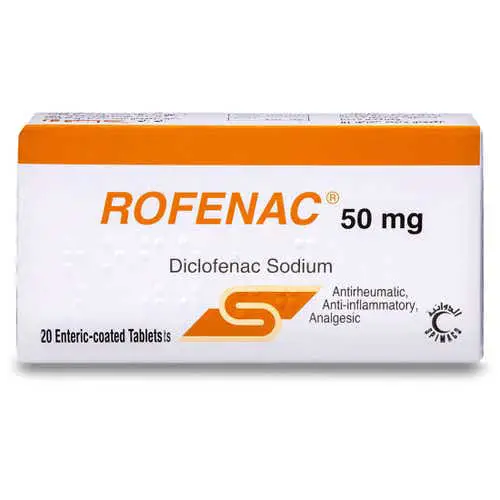
Medications > Painkillers and Antipyretics
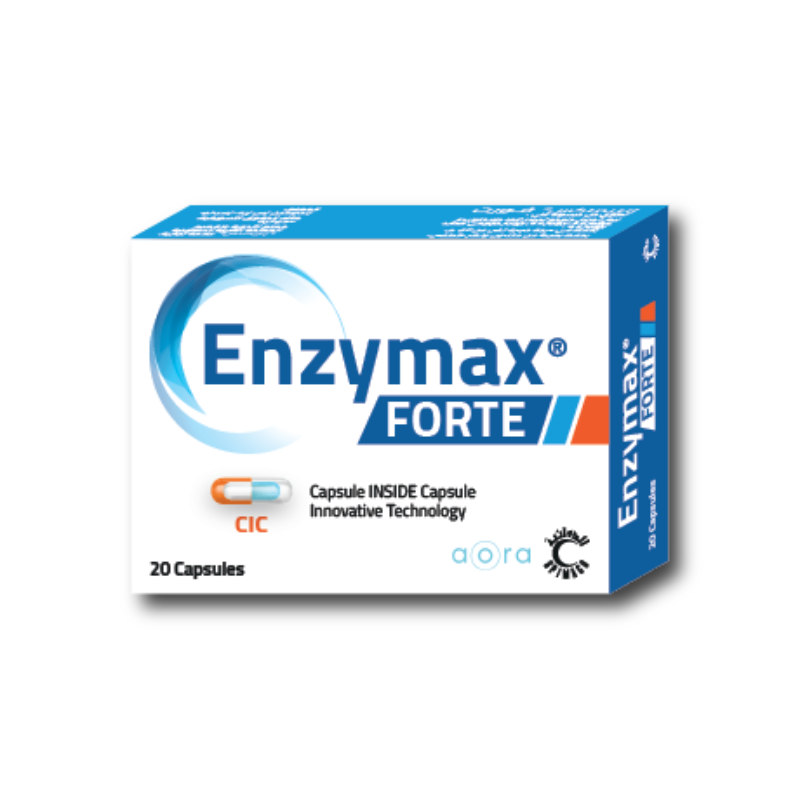
Medications > Gastrointestinal Medications
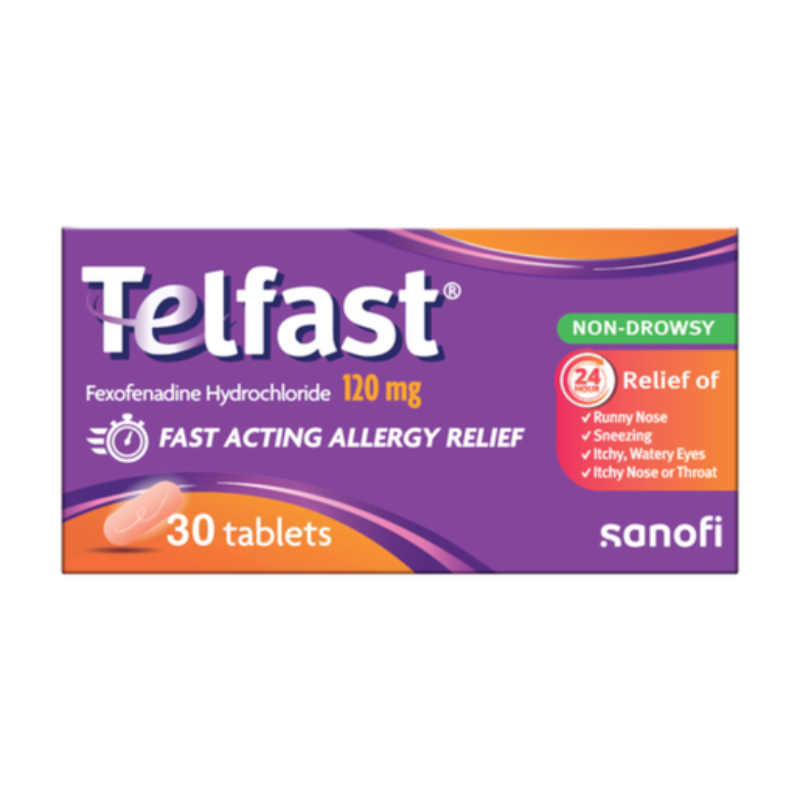
Medications > Cold, Cough, and Allergy Medications
