
Use Code: SAVE26 And Get 30% OFF | Get Free Delivery With No Minimum Order
-1744229570.gif "Almujtama Pharmacy logo")
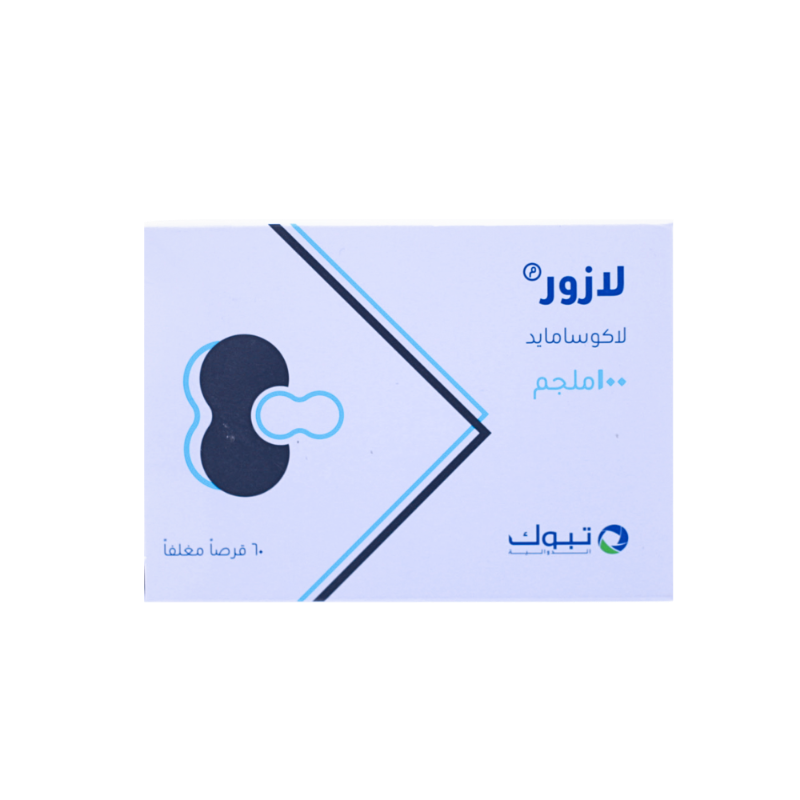




Frequently bought together
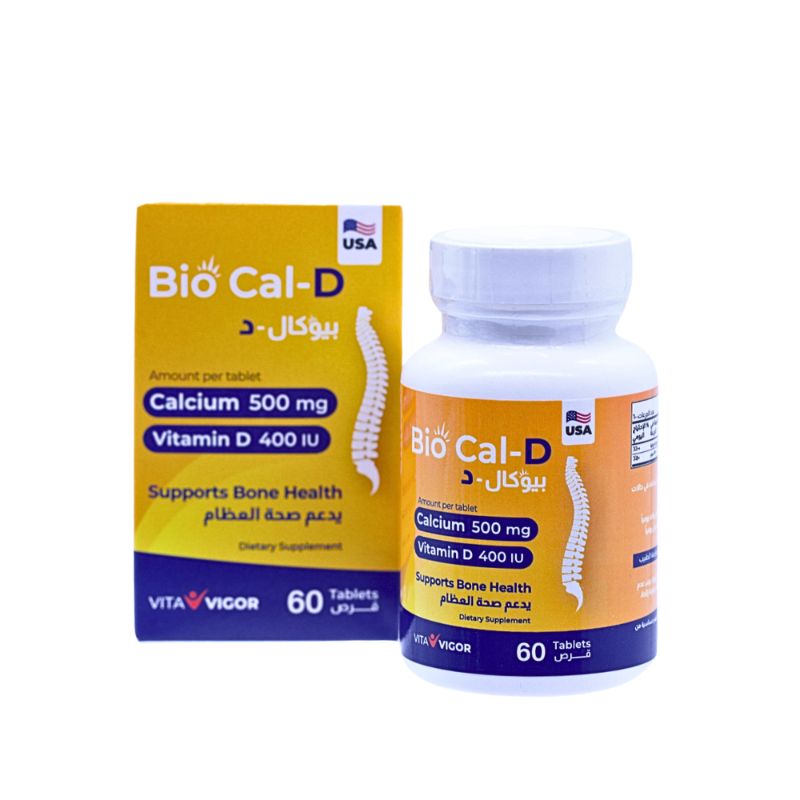
Vitamins & Supplements > Vitamin_D & Bone Health

Vitamins & Supplements > Vitamin_D & Bone Health

Vitamins & Supplements > Vitamins and Minerals
LAZURE 100/MG 60/FC TAB
- Sku : I-029205
Key features
LAZURE 100 MG 60 CAPS is a LAZURE antiseizure product presented as film‑coated tablets containing lacosamide 100 mg. It selectively enhances slow inactivation of voltage‑gated sodium channels, stabilizing hyperexcitable neuronal membranes and reducing repetitive neuronal firing; CRMP‑2 binding has been described although its clinical relevance is not established. LAZURE is indicated for the treatment of focal (partial‑onset) seizures as monotherapy or adjunctive therapy and as adjunctive therapy for primary generalized tonic‑clonic seizures. Available as 100 mg film‑coated tablets in a pack of 60.- Brand: LAZURE
- Active Ingredient: LACOSAMIDE 100mg
- Strength: 100mg
- Dosage Form: Film-coated tablet
- Pack Size: 60 Tablets
- Route: Oral use
- Prescription Status: Prescription
- Therapeutic Class: Anticonvulsant
- Pharmacological Group: Antiepileptics
- Drug Class: Antiseizure medication (functionalized amino acid) that enhances slow inactivation of voltage‑gated sodium channels.
- Manufacturer: TABUK PHARMACEUTICAL MANUFACTURING CO.
- Country of Origin: Saudi Arabia
- SFDA Registration No.: 2201256725
- Shelf Life: 24 months
- Storage: store below 30°c
- Also Used For: ["Neuropathic Pain", "Trigeminal Neuralgia"]
Frequently bought together
Vitamins & Supplements > Vitamin_D & Bone Health
Vitamins & Supplements > Vitamin_D & Bone Health
Vitamins & Supplements > Vitamins and Minerals
Indications
Approved Uses
Treatment of focal (partial‑onset) seizures as monotherapy or adjunctive therapy; and adjunctive therapy for primary generalized tonic‑clonic seizures (per current lacosamide labeling/guidelines-age restrictions depend on local label).
Off-Label Uses
Neuropathic pain (diabetic peripheral neuropathy), trigeminal neuralgia
Dosage & Administration
Dosing by Condition
Focal (partial‑onset) seizures-adjunctive (adults): start 50 mg twice daily; increase by 100 mg/day at weekly intervals to 100-200 mg twice daily (max 200 mg twice daily = 400 mg/day). Focal seizures-monotherapy (adults): start 100 mg twice daily; increase by 100 mg/day weekly to 150-200 mg twice daily (300-400 mg/day).
Initial Dose
50 mg twice daily (adjunctive therapy); 100 mg twice daily (monotherapy)
Maintenance Dose
200-400 mg/day, administered in two divided doses.
Maximum Dose
400 mg/day. Doses above 400 mg/day have not shown increased efficacy and are associated with more side effects.
Children's Dosage
Aged 4-17 years (weight ≥11 kg): Initial 1 mg/kg twice daily; maintenance 2-4 mg/kg twice daily; max 200 mg twice daily. Oral solution preferred for children unable to swallow tablets.
Dose Adjustment Notes
Titrate in weekly increments (commonly +100 mg/day) as tolerated; in severe renal impairment (CrCl ≤30 mL/min) and in mild-moderate hepatic impairment, reduce the maximum recommended dose (typically do not exceed 300 mg/day); avoid use in severe hepatic impairment.
How to Take
Swallow the film‑coated tablet whole with water; may be taken with or without food; administer twice daily (approximately 12 hours apart).
Side Effects
Common Side Effects
Dizziness, headache, nausea, diplopia/blurred vision, somnolence (drowsiness), vomiting, fatigue, and coordination problems/ataxia.
Side Effect Frequency
Very common (>10%): dizziness, headache, diplopia, nausea. Common (1-10%): blurred vision, vomiting, fatigue, somnolence, ataxia/coordination or gait disturbance, tremor, nystagmus, vertigo, balance disorder, memory impairment, confusion, constipation, pruritus/rash, irritability. Serious/uncommon/rare: PR prolongation/AV block, atrial arrhythmias, syncope, suicidal ideation/behavior, severe hypersensitivity (e.g., DRESS/SJS/TEN).
Safety & Warnings
Contraindications
Contraindicated in patients with hypersensitivity to lacosamide (or any excipients); contraindicated in second- or third-degree atrioventricular (AV) block (unless a functioning pacemaker is present per local labeling).
Warnings & Precautions
Use caution and consider baseline/follow-up ECG in patients with cardiac conduction disease, significant cardiac disease, or on PR-prolonging drugs; warn about dizziness/ataxia and fall risk; monitor for suicidal ideation/behavior; discontinue promptly if DRESS/serious rash suspected; taper gradually when stopping.
Age Restriction
Approved for patients 17 years and older for partial-onset seizures as adjunctive therapy; pediatric approvals from 1 month for partial-onset (select weights) and 4 years for PGTCS.
Driving Warning
May Cause Drowsiness
Drug Interactions
Drug Interactions
Additive cardiac conduction effects with PR-interval-prolonging drugs (e.g., beta-blockers, non-dihydropyridine calcium channel blockers, digoxin, amiodarone); strong enzyme inducers (e.g., rifampicin, carbamazepine, phenytoin, phenobarbital) can decrease lacosamide exposure; strong CYP2C19 inhibitors may increase exposure modestly (usually not clinically significant).
Interaction Severity
Clinically important: additive PR‑interval prolongation/AV block risk with other PR‑prolonging drugs (e.g., beta‑blockers, non‑DHP calcium channel blockers, digoxin, amiodarone)-use caution/monitor; enzyme inducers (e.g., rifampin, carbamazepine, phenytoin, phenobarbital) can lower lacosamide exposure-may require dose adjustment; alcohol/CNS depressants can increase CNS adverse effects-counsel to limit/avoid.
Food Interaction
No clinically meaningful food restriction; may be taken with or without food.
Alcohol Interaction
Avoid
Special Populations
Pregnancy
Consult Doctor
Breastfeeding
Consult Doctor
Children
Aged 4-17 years (weight ≥11 kg): Initial 1 mg/kg twice daily; maintenance 2-4 mg/kg twice daily; max 200 mg twice daily. Oral solution preferred for children unable to swallow tablets.
Elderly
No specific dose adjustment required based on age alone; however, titrate cautiously due to increased risk of cardiac conduction effects and renal function decline. Monitor renal function.
Kidney Impairment
Severe renal impairment (CrCl ≤30 mL/min) or end-stage renal disease: maximum 300 mg/day; consider a supplemental dose of up to 50% after hemodialysis.
Liver Impairment
Mild-to-moderate hepatic impairment (Child-Pugh A/B): titrate cautiously and do not exceed 300 mg/day; severe hepatic impairment (Child-Pugh C): not recommended.
Storage & Patient Advice
Missed Dose
Take the missed dose as soon as remembered; if it is close to the next scheduled dose, skip the missed dose and resume the regular schedule; do not double doses.
Stopping the Medicine
Do not stop abruptly; taper gradually over at least 1 week (commonly 1-2 weeks) unless safety requires faster withdrawal.
Overdose
Overdose may cause CNS depression (dizziness, somnolence, coma), seizures, and cardiac conduction abnormalities (PR prolongation, bradycardia, AV block) ± hypotension; management is supportive with ECG/cardiac monitoring, consider decontamination if appropriate, and hemodialysis can remove lacosamide.
Patient Counseling
Take lacosamide exactly as prescribed (often twice daily) with or without food; swallow tablets whole. Do not stop suddenly-taper only under prescriber direction to reduce seizure risk. May cause dizziness, drowsiness, blurred/double vision and coordination problems-avoid driving/operating machinery until effects are known; avoid alcohol and other sedatives. Report new/worsening depression, mood/behavior changes, or suicidal thoughts promptly. Tell your prescriber about heart disease or conduction problems and all QT/PR‑affecting medicines; seek care for palpitations, fainting, or slow/irregular heartbeat (ECG monitoring may be needed).
Monitoring Requirements
ECG in patients with known conduction disease, significant cardiac disease, or on PR‑prolonging drugs (baseline and after titration/at steady state); monitor for dizziness/ataxia and suicidality; assess renal function (and hepatic function if impaired) to guide dosing.
Pharmacology
Mechanism of Action
Selectively enhances slow inactivation of voltage‑gated sodium channels, stabilizing hyperexcitable neuronal membranes and reducing repetitive firing; CRMP‑2 binding has been described but its clinical relevance is not established.
Onset of Action
Peak plasma concentrations occur about 1-4 hours after an oral dose; clinical seizure control may improve once therapeutic dosing is reached (often within days during titration).
Duration of Effect
Clinical effect supports twice‑daily dosing; elimination half‑life is ~13 hours (so each dose provides coverage for roughly a 12‑hour dosing interval).
Half-Life
Approximately 13 hours (typical range about 12-16 hours).
Bioavailability
Approximately 100% (oral bioavailability).
Metabolism
Limited hepatic metabolism; mainly demethylation to an inactive O-desmethyl metabolite primarily via CYP2C19, with minor contributions from CYP2C9 and CYP3A4; not a clinically significant CYP inducer/inhibitor.
Excretion
Primarily renal: ~95% recovered in urine, with ~40% excreted unchanged and the remainder mainly as metabolites (including O-desmethyl) and other polar fractions.
Protein Binding
<15% protein binding.
Product Information
Available Dosage Forms
Immediate‑release film‑coated tablet (this SFDA product), oral solution, and solution for intravenous infusion (IV).
Composition per Dose
Each film-coated tablet: 100 mg lacosamide
Generic Availability
Yes
OTC Alternatives
No OTC alternative
Also Used For
["Neuropathic Pain", "Trigeminal Neuralgia"]
Reviewed by Al Mujtama Pharmacy Medical Review Team. Last reviewed 09-06-2026
Similar Products

Medications > Cold, Cough, and Allergy Medications
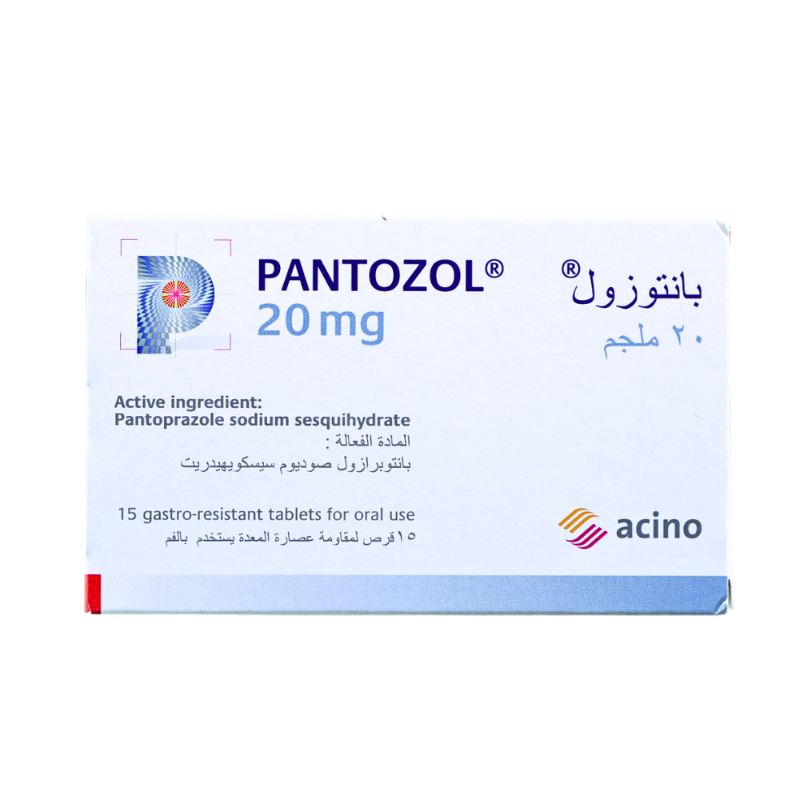
Medications > Gastrointestinal Medications
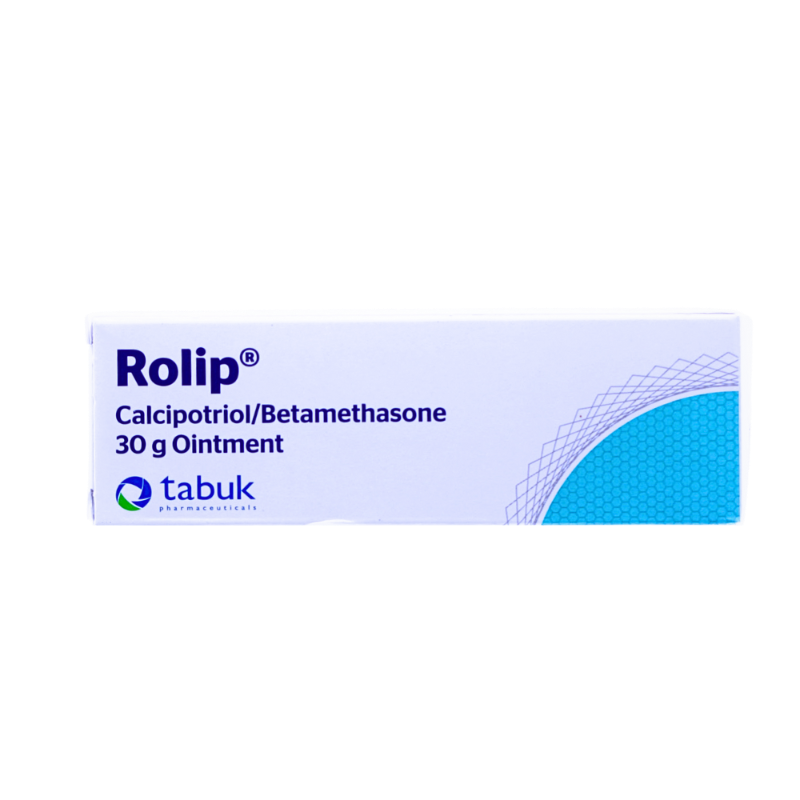
Medications > Dermatology Medications

Medications > Painkillers and Antipyretics
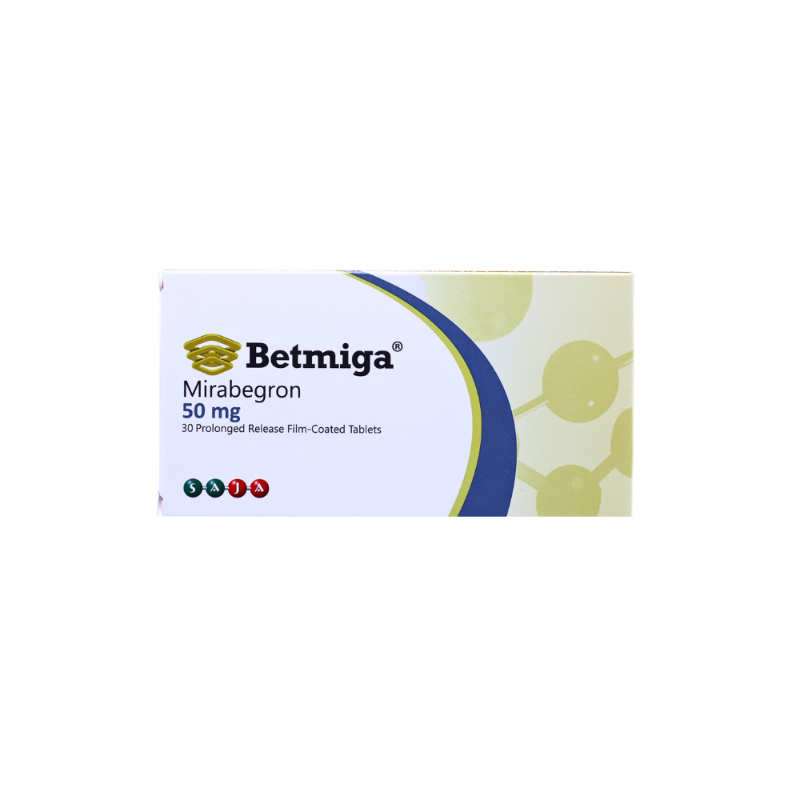
Medications > Urology Medications

Medications > Dermatology Medications
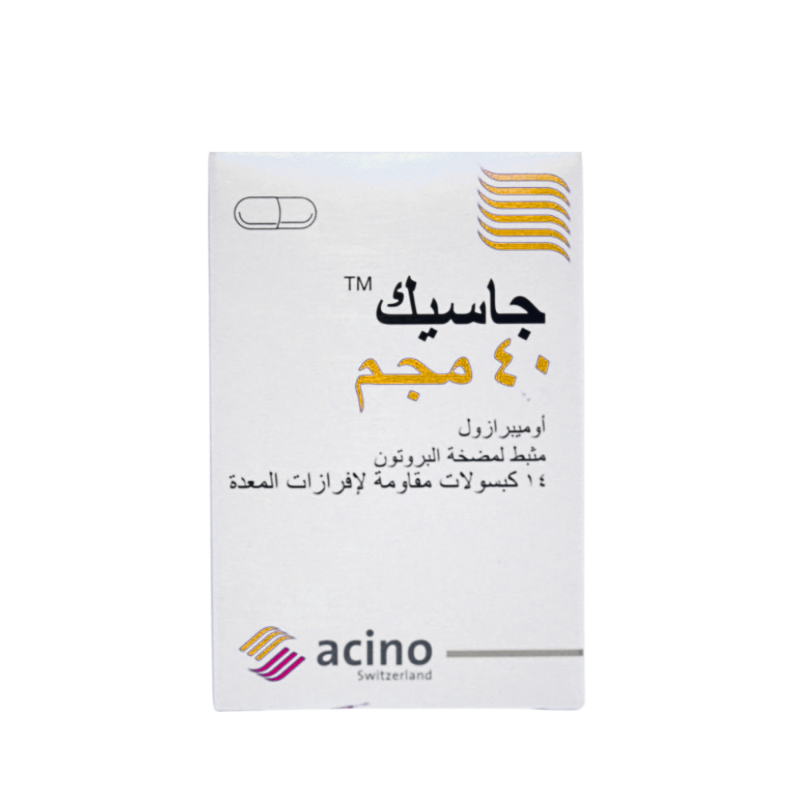
Medications > Gastrointestinal Medications
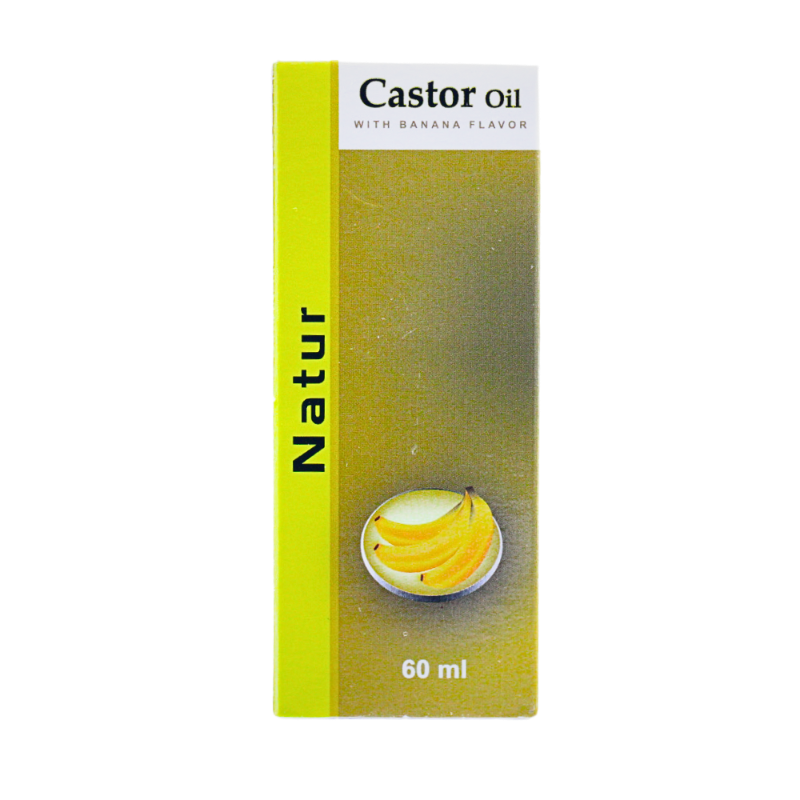
Medications > Gastrointestinal Medications
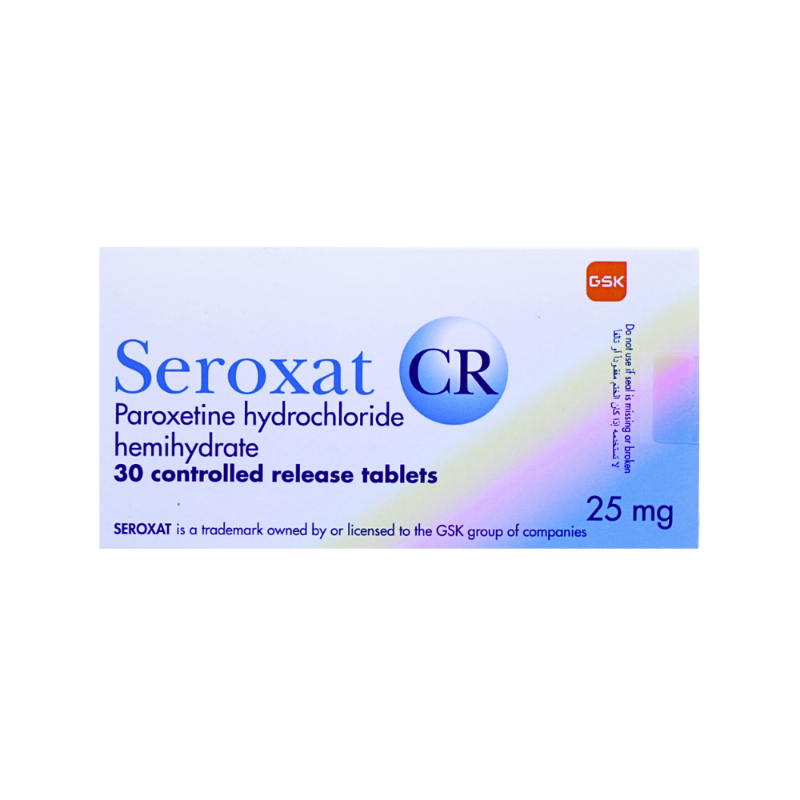
Medications > Psychiatric Medications
Medications > Diabetes Medications
