
Use Code: SAVE26 And Get 30% OFF | Get Free Delivery With No Minimum Order
-1744229570.gif "Almujtama Pharmacy logo")




Frequently bought together
Vitamins & Supplements > Vitamin_D & Bone Health
Vitamins & Supplements > Vitamin_D & Bone Health
Vitamins & Supplements > Vitamins and Minerals
Vitamins & Supplements > Vitamins and Minerals
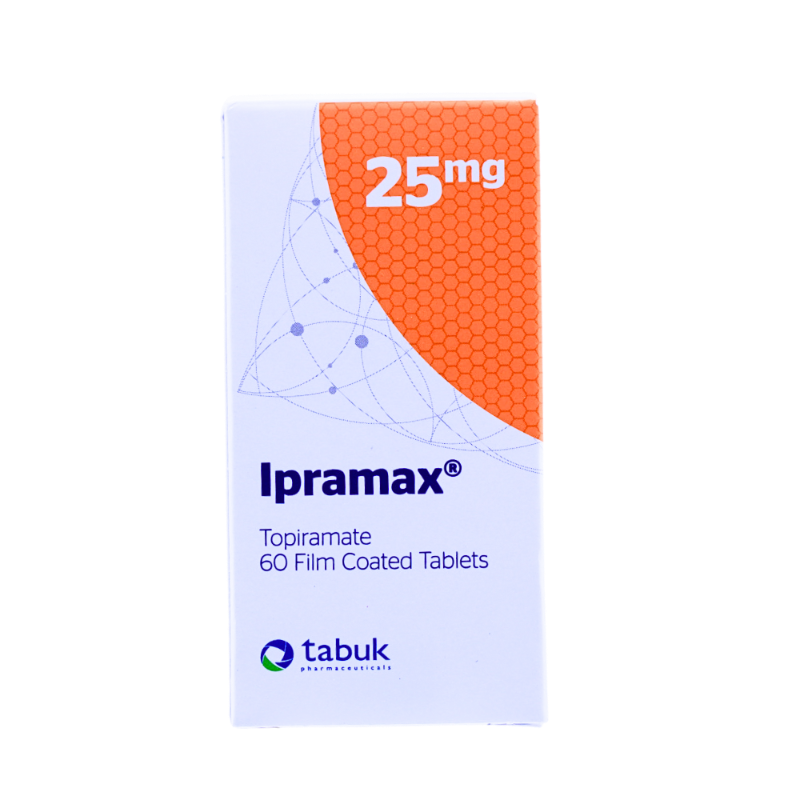
IPRAMAX 25/MG FC TAB 60/FC TAB
- Sku : I-026728
Key features
IPRAMAX 25 mg film-coated tablets contain the antiepileptic agent topiramate. It reduces neuronal excitability by blocking voltage‑dependent sodium channels, enhancing GABA‑A-mediated inhibition, antagonizing AMPA/kainate glutamate receptors, and inhibiting carbonic anhydrase II and IV. IPRAMAX is used in the management of epilepsy - including partial‑onset seizures, primary generalized tonic‑clonic seizures and Lennox‑Gastaut syndrome - and for migraine prophylaxis. Available by prescription as 25 mg film‑coated tablets, packaged as 60 tablets per pack.- Brand: IPRAMAX
- Active Ingredient: TOPIRAMATE
- Strength: 25mg
- Dosage Form: Film-coated tablet
- Pack Size: 60 Tablets
- Route: Oral use
- Prescription Status: Prescription
- Therapeutic Class: Anticonvulsant
- Pharmacological Group: Antiepileptics
- Drug Class: Antiepileptic/anticonvulsant; chemically a sulfamate‑substituted monosaccharide.
- Manufacturer: TABUK PHARMACEUTICAL MANUFACTURING CO.
- Country of Origin: Saudi Arabia
- SFDA Registration No.: 2307233919
- Shelf Life: 24 months
- Storage: store below 30°c
- Also Used For: Migraine Prevention, Mood Stabilization, Neuropathic Pain, Weight Management, Alcohol Dependence, Binge Eating Disorder
Frequently bought together
Vitamins & Supplements > Vitamin_D & Bone Health
Vitamins & Supplements > Vitamin_D & Bone Health
Vitamins & Supplements > Vitamins and Minerals
Vitamins & Supplements > Vitamins and Minerals
Indications
Approved Uses
Epilepsy (partial-onset seizures, primary generalized tonic-clonic seizures, Lennox-Gastaut syndrome), Migraine prophylaxis
Off-Label Uses
Off‑label examples: weight loss/obesity management (often in combination regimens), binge‑eating disorder, alcohol use disorder, neuropathic pain, and some psychiatric indications (e.g., PTSD or mood stabilization) with variable evidence.
Dosage & Administration
Dosing by Condition
Epilepsy (adjunct, adults): start 25-50 mg/day, increase by 25-50 mg/week; usual maintenance 200-400 mg/day in 2 divided doses. Epilepsy (monotherapy, adults/≥10 years): start 25 mg at night (or 25 mg twice daily per some protocols), titrate weekly; usual maintenance ~100-200 mg twice daily (200-400 mg/day). Migraine prophylaxis (adults): start 25 mg nightly, increase by 25 mg/week to 50 mg twice daily (100 mg/day) as typical target; some patients may require up to 200 mg/day.
Initial Dose
Epilepsy: 25 mg twice daily. Migraine Prevention: 25 mg once daily in the evening.
Maintenance Dose
Epilepsy: 200-400 mg/day in two divided doses. Migraine Prevention: 100 mg/day in two divided doses.
Maximum Dose
Epilepsy: usual maximum 400 mg/day (adjunct/monotherapy depending on indication); Migraine prophylaxis: 100 mg/day (50 mg twice daily).
Children's Dosage
Epilepsy (≥2 years): Initial 1-3 mg/kg/day at night for 1 week, then increase by 1-3 mg/kg/week; Maintenance 5-9 mg/kg/day in 2 divided doses. Migraine prophylaxis: Not approved under 12 years
How to Take
Swallow the film‑coated tablet whole with water; may be taken with or without food. Do not crush or chew (may cause bitter taste and is not intended to be chewed).
Side Effects
Common Side Effects
Common: paresthesia, fatigue, dizziness, somnolence/drowsiness, cognitive slowing (attention/memory problems), speech/language problems, nausea/diarrhea, decreased appetite/anorexia, weight loss; may also cause ataxia and visual disturbances (e.g., diplopia).
Safety & Warnings
Contraindications
Contraindication: hypersensitivity to topiramate or any excipients.
Warnings & Precautions
Monitor for suicidal ideation/mood changes; counsel on acute visual symptoms (acute myopia/angle-closure glaucoma-urgent evaluation and discontinue if suspected); monitor for decreased sweating/hyperthermia (esp. children, hot weather); monitor serum bicarbonate for metabolic acidosis; encourage hydration to reduce kidney stones; warn about cognitive/psychomotor slowing; watch for hyperammonemia with valproate; avoid abrupt withdrawal; ensure effective contraception and discuss pregnancy risks.
Age Restriction
Epilepsy: approved for patients ≥2 years; Migraine prophylaxis: approved for patients ≥12 years (not approved <2 years for seizures or <12 years for migraine prevention).
Driving Warning
May Cause Drowsiness
Drug Interactions
Drug Interactions
Key interactions: valproate (hyperammonemia/encephalopathy risk); phenytoin/carbamazepine (↓ topiramate levels; phenytoin levels may ↑); oral contraceptives (reduced efficacy mainly at ≥200 mg/day); other carbonic anhydrase inhibitors (↑ metabolic acidosis/kidney stones); CNS depressants/alcohol (additive CNS effects); hydrochlorothiazide (↑ topiramate levels); lithium (levels may change-monitor); metformin (↑ metabolic acidosis risk).
Interaction Severity
MAJOR/clinically significant: valproate (hyperammonemia/encephalopathy ± hypothermia), carbonic anhydrase inhibitors (e.g., acetazolamide) or other acidosis/stone‑promoting drugs (↑ metabolic acidosis/nephrolithiasis risk). MODERATE: estrogen‑containing oral contraceptives (reduced ethinyl estradiol at higher topiramate doses, typically ≥200 mg/day), CNS depressants/alcohol (additive impairment), enzyme inducers phenytoin/carbamazepine (↓ topiramate levels; topiramate may also affect phenytoin in some patients), hydrochlorothiazide (↑ topiramate exposure).
Food Interaction
No clinically significant food restriction; may be taken with or without food.
Alcohol Interaction
Avoid
Special Populations
Children
Epilepsy (≥2 years): Initial 1-3 mg/kg/day at night for 1 week, then increase by 1-3 mg/kg/week; Maintenance 5-9 mg/kg/day in 2 divided doses. Migraine prophylaxis: Not approved under 12 years
Kidney Impairment
If CrCl <70 mL/min: reduce maintenance dose by ~50% and titrate more slowly; in hemodialysis, a supplemental dose may be needed on dialysis days.
Liver Impairment
No specific routine dose adjustment is defined; use with caution in hepatic impairment and titrate/monitor clinically (clearance may be reduced).
Storage & Patient Advice
Missed Dose
Take the missed dose as soon as remembered; if it is close to the next dose, skip the missed dose and resume the regular schedule-do not double doses.
Stopping the Medicine
Do not stop abruptly; taper gradually over several weeks (commonly at least 2-4 weeks, individualized) to reduce seizure risk/withdrawal effects.
Overdose
Symptoms can include somnolence, dizziness, agitation, diplopia/blurred vision, speech/cognitive disturbance, abdominal pain, hypotension, seizures, and metabolic acidosis; management is urgent supportive care, consider activated charcoal if appropriate, and hemodialysis can enhance removal in severe cases.
Monitoring Requirements
Monitor serum bicarbonate (metabolic acidosis), renal function and hydration/stone risk, weight, and neuropsychiatric status (depression/suicidality); assess urgently for ocular symptoms (acute myopia/secondary angle‑closure glaucoma) and consider ammonia if used with valproate or if encephalopathy suspected.
Pharmacology
Mechanism of Action
Blocks voltage‑dependent sodium channels, enhances GABA‑A-mediated inhibition, antagonizes AMPA/kainate glutamate receptors, and inhibits carbonic anhydrase (notably II and IV).
Onset of Action
Pharmacokinetic onset: peak concentration ~2-3 hours after a dose; clinical effect depends on titration-seizure control may improve within days to weeks after reaching an effective dose, and migraine prevention typically requires ~4-8 weeks at target dose.
Duration of Effect
Elimination half‑life is ~21 hours (longer in renal impairment), supporting once‑ or twice‑daily dosing; clinical dosing is commonly twice daily for immediate‑release formulations.
Half-Life
Approximately 21 hours (typical range ~19-23 hours in adults with normal renal function).
Bioavailability
Oral bioavailability is high, approximately ≥80%.
Metabolism
Minimal metabolism (~20%); primarily via hydroxylation, hydrolysis, and glucuronidation; can induce CYP3A4 and inhibit CYP2C19 (clinically relevant at higher doses/with interacting drugs).
Excretion
Primarily renal; ~70% excreted unchanged in urine (with the remainder as metabolites).
Protein Binding
Low protein binding: ~13-17% (generally reported as ~15%).
Product Information
Available Dosage Forms
Tablet, Sprinkle capsule, Extended-release capsule, Oral solution.
Composition per Dose
Each film-coated tablet: 25 mg topiramate
Generic Availability
Yes
OTC Alternatives
No OTC alternative
Also Used For
Migraine Prevention, Mood Stabilization, Neuropathic Pain, Weight Management, Alcohol Dependence, Binge Eating Disorder
Reviewed by Al Mujtama Pharmacy Medical Review Team. Last reviewed 22-07-2026
Similar Products
Medications > Hypertesion & Cardiovascular Medications
Medications > Urology Medications
Medications > Gastrointestinal Medications
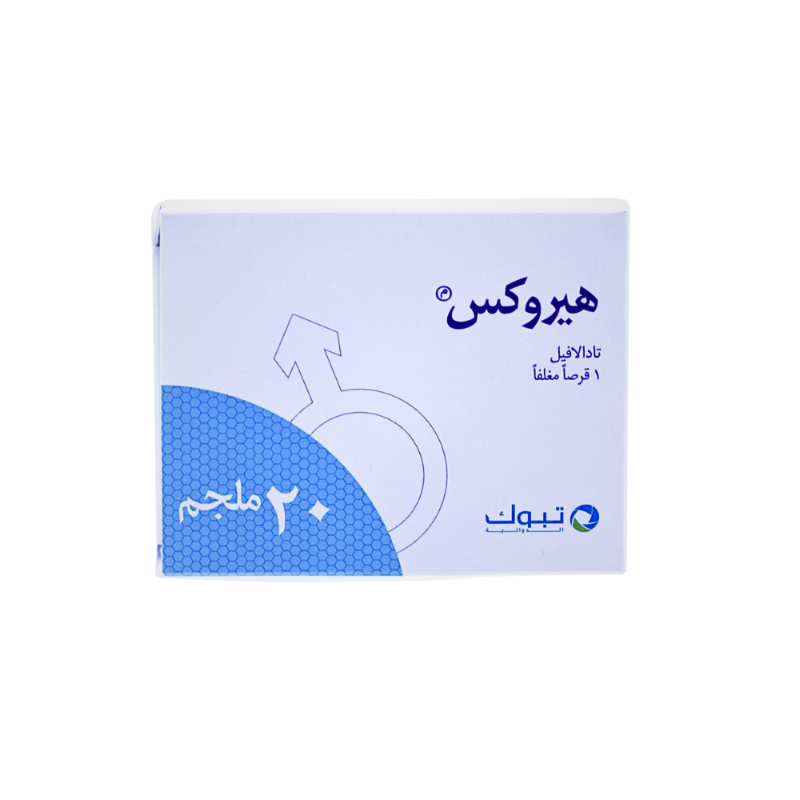
Medications > Sexual Health
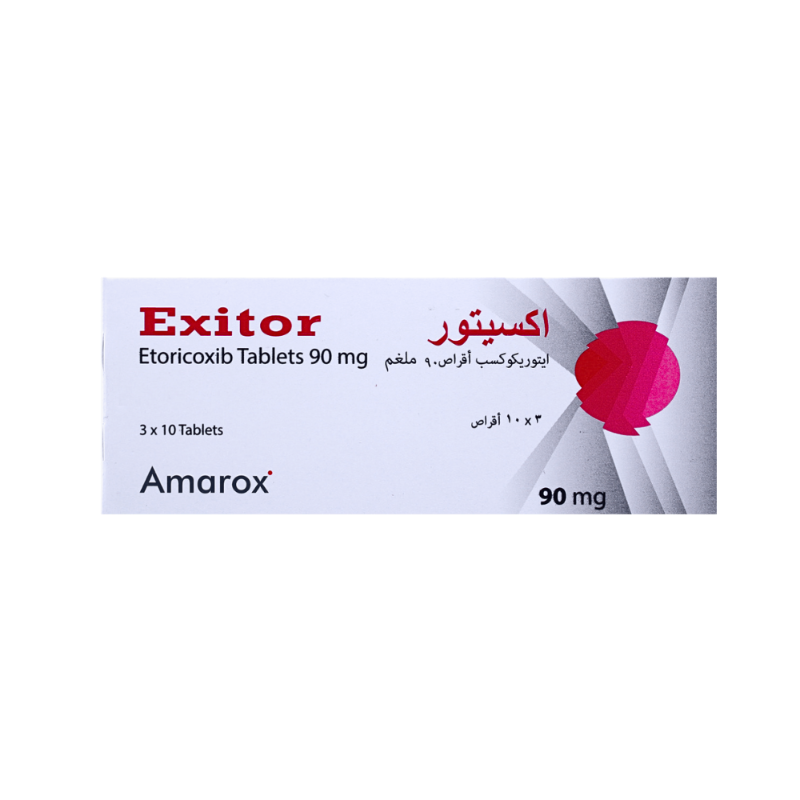
Medications > Painkillers and Antipyretics
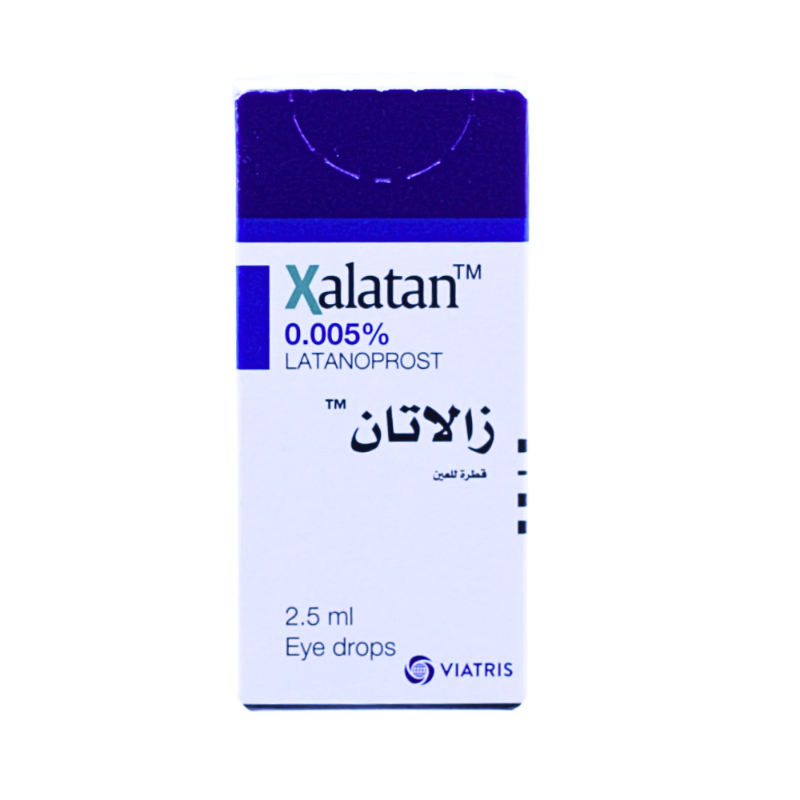
Medications > Eye and Ear Medications
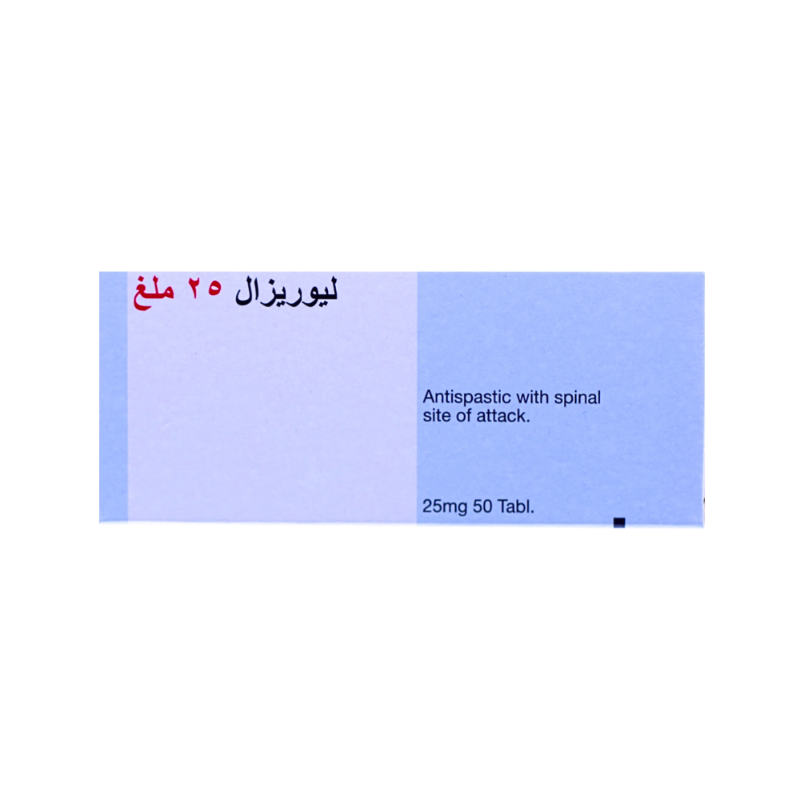
Medications > Painkillers and Antipyretics
Medications > Cold, Cough, and Allergy Medications

Medications > Gastrointestinal Medications
Medications > Dermatology Medications
