
Use Code: ND30 And Get 30% OFF | Get Free Delivery With No Minimum Order
-1744229570.gif "Almujtama Pharmacy logo")
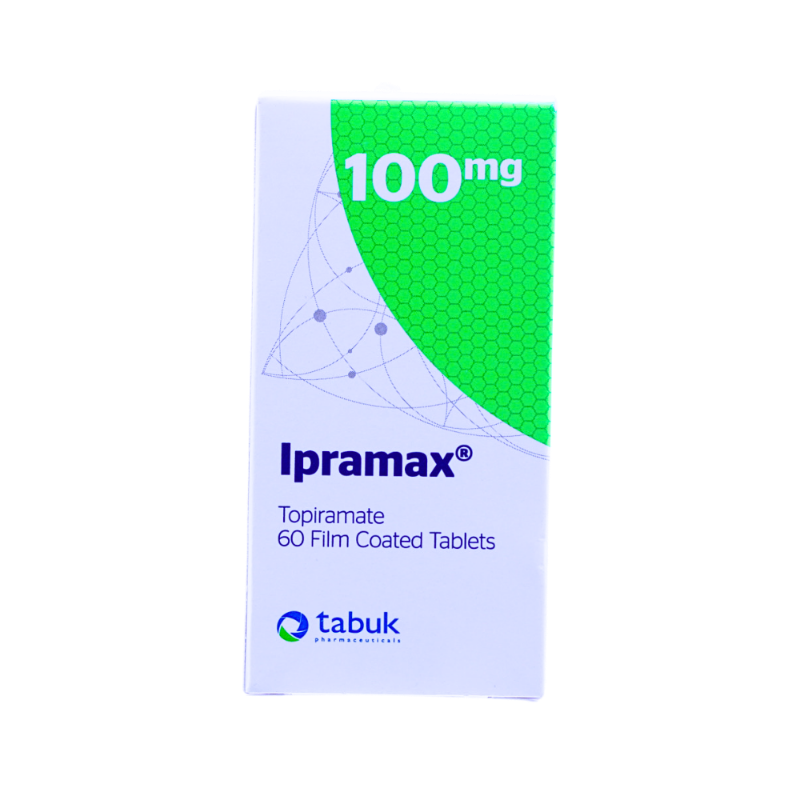




Frequently bought together
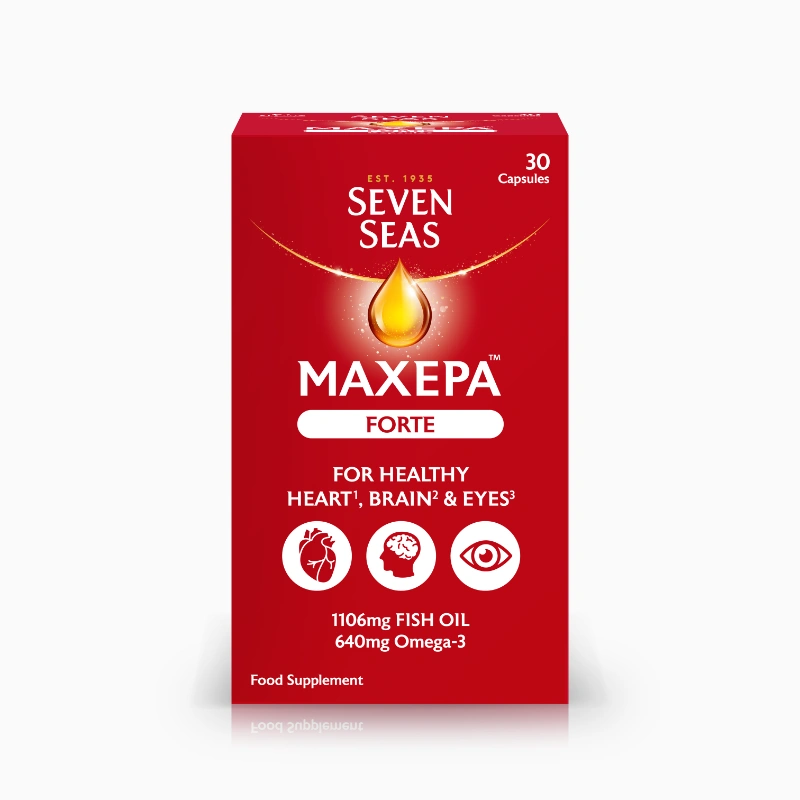
Vitamins & Supplements > Omega-3 Supplements
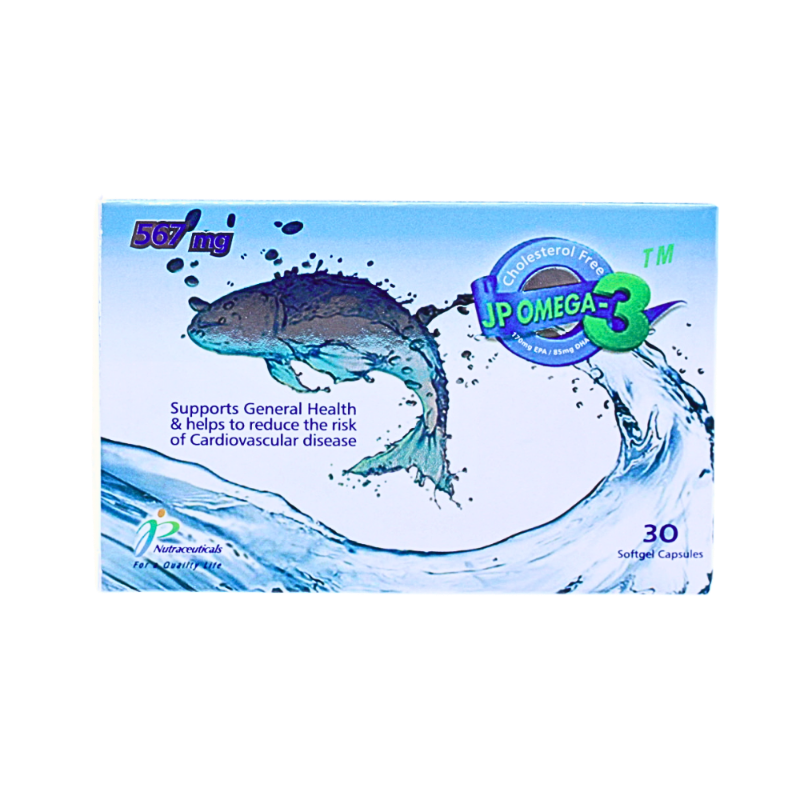
Vitamins & Supplements > Omega-3 Supplements
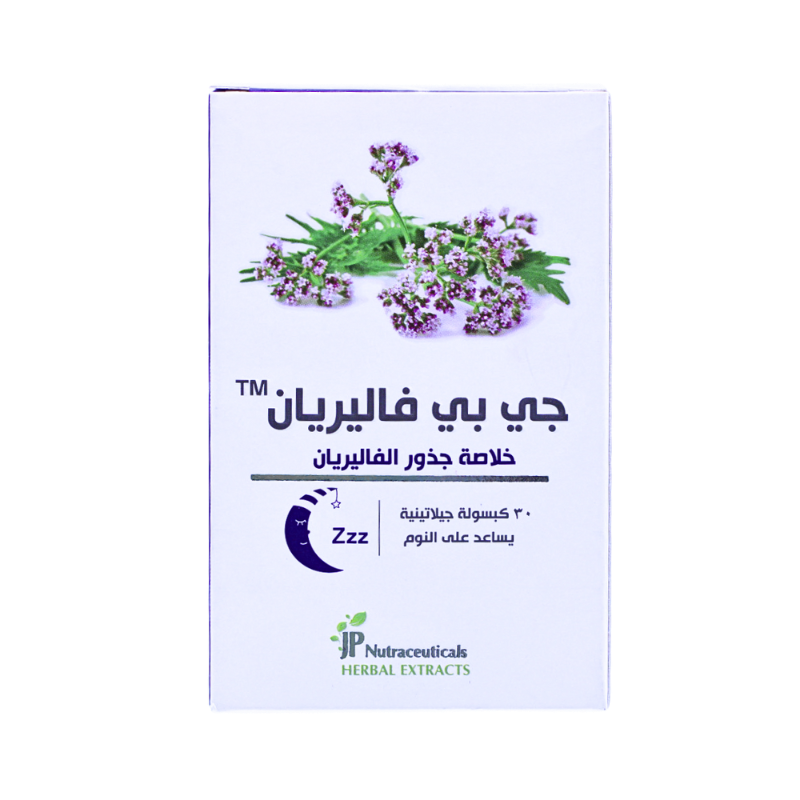
Vitamins & Supplements > Sleeping aid supplements
Vitamins & Supplements > Sleeping aid supplements
Vitamins & Supplements > Omega-3 Supplements
Vitamins & Supplements > Sleeping aid supplements
IPRAMAX 100 MG 60 TABS
- Sku : I-029394
Key features
Ipramax 100 mg is a prescription film-coated tablet containing topiramate. It works as an antiepileptic medicine by helping stabilize nerve activity in the brain through sodium channel blockade, enhanced GABA activity, and reduced glutamate signaling. It is used for the management of epilepsy, including partial-onset seizures and primary generalized tonic-clonic seizures, as well as Lennox-Gastaut syndrome and migraine prophylaxis. It is available in a pack of 60 tablets.- Brand: IPRAMAX
- Active Ingredient: TOPIRAMATE
- Strength: 100mg
- Dosage Form: Film-coated tablet
- Pack Size: 60 Tablets
- Route: Oral use
- Prescription Status: Prescription
- Therapeutic Class: Anticonvulsant
- Pharmacological Group: Antiepileptics
- Drug Class: Antiepileptic (anticonvulsant); chemically a sulfamate-substituted monosaccharide.
- Manufacturer: TABUK PHARMACEUTICAL MANUFACTURING CO.
- Country of Origin: Saudi Arabia
- SFDA Registration No.: 2307233911
- Shelf Life: 24 months
- Storage: store below 30°c
- Psych Class: Anticonvulsant
- Controlled Substance: No
Frequently bought together
Vitamins & Supplements > Omega-3 Supplements
Vitamins & Supplements > Omega-3 Supplements
Vitamins & Supplements > Sleeping aid supplements
Vitamins & Supplements > Sleeping aid supplements
Vitamins & Supplements > Omega-3 Supplements
Vitamins & Supplements > Sleeping aid supplements
Indications
Approved Uses
Epilepsy (partial-onset seizures, primary generalized tonic-clonic seizures), Lennox-Gastaut syndrome, Prophylaxis of migraine headache.
Dosage & Administration
Dosing by Condition
Epilepsy (adults, adjunctive therapy): start 25-50 mg/day, increase by 25-50 mg/week; usual maintenance 200-400 mg/day in 2 divided doses. Migraine prophylaxis (adults): start 25 mg nightly, increase by 25 mg/week; target 100 mg/day in 2 divided doses. (Other seizure syndromes such as Lennox-Gastaut: weight-based maintenance ~5-9 mg/kg/day.)
How to Take
Swallow tablets whole with a glass of water. Can be taken with or without food. Do not crush or chew film-coated tablets
Side Effects
Common Side Effects
Paresthesia, fatigue, dizziness, somnolence, cognitive effects (difficulty with concentration/memory/word-finding), anorexia/decreased appetite, weight loss, nausea, diarrhea; visual disturbances (e.g., diplopia) can occur.
Side Effect Frequency
Very common (>10%): paresthesia, fatigue, dizziness, somnolence, decreased appetite/anorexia, weight loss, cognitive effects (e.g., attention/memory/word-finding difficulty). Common (1-10%): nausea, diarrhea/abdominal pain, ataxia, visual disturbance (e.g., diplopia/blurred vision), mood symptoms (e.g., depression/anxiety/insomnia). Uncommon/rare but clinically important: nephrolithiasis, metabolic acidosis, oligohidrosis/hyperthermia, acute angle-closure glaucoma, suicidal ideation
Safety & Warnings
Warnings & Precautions
Monitor for suicidal ideation/behavior; check serum bicarbonate for metabolic acidosis; ensure adequate hydration to reduce kidney stone risk; counsel to seek urgent care for acute visual symptoms (angle-closure glaucoma) and discontinue if suspected; monitor for decreased sweating/hyperthermia (especially children/hot weather); caution with valproate due to hyperammonemia/encephalopathy; warn about cognitive slowing; counsel on pregnancy prevention/teratogenic risk; taper gradually to discontinue.
Age Restriction
Epilepsy: approved for patients ≥2 years (as monotherapy or adjunct depending on indication); Migraine prophylaxis: approved for patients ≥12 years.
Driving Warning
May Cause Drowsiness
Drug Interactions
Drug Interactions
Key interactions: carbonic anhydrase inhibitors (e.g., acetazolamide/zonisamide) ↑ metabolic acidosis/kidney stones; valproate ↑ risk of hyperammonemia/encephalopathy (± hypothermia); enzyme inducers (carbamazepine/phenytoin) ↓ topiramate levels; topiramate (especially ≥200 mg/day) may ↓ ethinyl estradiol exposure and reduce efficacy of estrogen OCs; CNS depressants/alcohol additive CNS effects; hydrochlorothiazide may ↑ topiramate levels; metformin-caution due to additive metabolic acidosis risk.
Interaction Severity
MAJOR/clinically significant: valproate (hyperammonemia/encephalopathy ± hypothermia), estrogen-containing oral contraceptives (reduced efficacy particularly at ≥200 mg/day), additive CNS effects with alcohol/CNS depressants. MODERATE: enzyme inducers (phenytoin/carbamazepine) can lower topiramate levels; hydrochlorothiazide can increase topiramate exposure; carbonic anhydrase inhibitors (acetazolamide/zonisamide) increase metabolic acidosis/nephrolithiasis risk; metformin increases acidosis risk. MINOR/variable: digoxin, lithium (monitor if used).
Food Interaction
No clinically meaningful food restriction; may be taken with or without food.
Special Populations
Pregnancy
Category D
Breastfeeding
Caution
Storage & Patient Advice
Stopping the Medicine
Do not stop abruptly; taper gradually under medical supervision (typically over at least 2-4 weeks when feasible).
Overdose
Symptoms: CNS depression (drowsiness/lethargy), speech disturbance, blurred vision/diplopia, impaired mentation, seizures/convulsions, and metabolic acidosis; Management: supportive care, consider GI decontamination if early, and hemodialysis can enhance removal in severe cases; seek emergency care.
Patient Counseling
Do not stop abruptly; titrate as directed. May cause dizziness/somnolence and cognitive slowing-avoid driving until effects known. Maintain good hydration to reduce kidney stone risk; seek care for decreased sweating/overheating. Report eye pain/vision changes urgently. Avoid alcohol/CNS depressants. Discuss pregnancy prevention/teratogenic risk and possible reduced hormonal contraceptive efficacy (notably at ≥200 mg/day). Do not crush/chew film-coated tablets.
Monitoring Requirements
Monitor serum bicarbonate (metabolic acidosis), renal function, weight, and mood/suicidality; assess promptly for ocular symptoms (acute myopia/angle-closure glaucoma) and consider serum ammonia if used with valproate or if encephalopathy suspected.
Pharmacology
Mechanism of Action
Blocks voltage-dependent sodium channels, enhances GABA-A activity, antagonizes AMPA/kainate glutamate receptors, and weakly inhibits carbonic anhydrase isoenzymes (e.g., II/IV).
Onset of Action
PK: peak concentrations ~2-3 hours after an IR dose; clinical benefit: seizure control and migraine prevention typically emerge over days to weeks and may take ~4-8 weeks for full migraine prophylaxis effect due to titration.
Duration of Effect
Immediate-release topiramate has an elimination half-life ~21 hours, but is commonly dosed twice daily for seizure control; once-daily dosing may be used in some patients/indications, while extended-release products allow once-daily dosing.
Half-Life
Approximately 21 hours (range ~19-23 hours) in adults with normal renal function
Bioavailability
Oral bioavailability is high, approximately ≥80%.
Metabolism
Minimal hepatic metabolism (~20%); most is excreted unchanged in urine, and enzyme-inducing antiepileptics can increase clearance; topiramate can induce CYP3A4 and inhibit CYP2C19 (clinically relevant at higher doses)
Excretion
Primarily renal elimination; about ~70% excreted unchanged in urine.
Protein Binding
Low protein binding: ~13-17% (generally cited as ~15%)
Product Information
Available Dosage Forms
For IPRAMAX (topiramate) per verified API data: film-coated tablet (oral). In general topiramate is also available in some markets as sprinkle capsules and extended-release capsules; an oral solution is not a standard commercial dosage form.
Composition per Dose
Each film-coated tablet: 100 mg topiramate
Generic Availability
Yes
Psych Class
Anticonvulsant
Controlled Substance
No
Reviewed by Al Mujtama Pharmacy Medical Review Team. Last reviewed 22-08-2026
Similar Products
Medications > Eye and Ear Medications
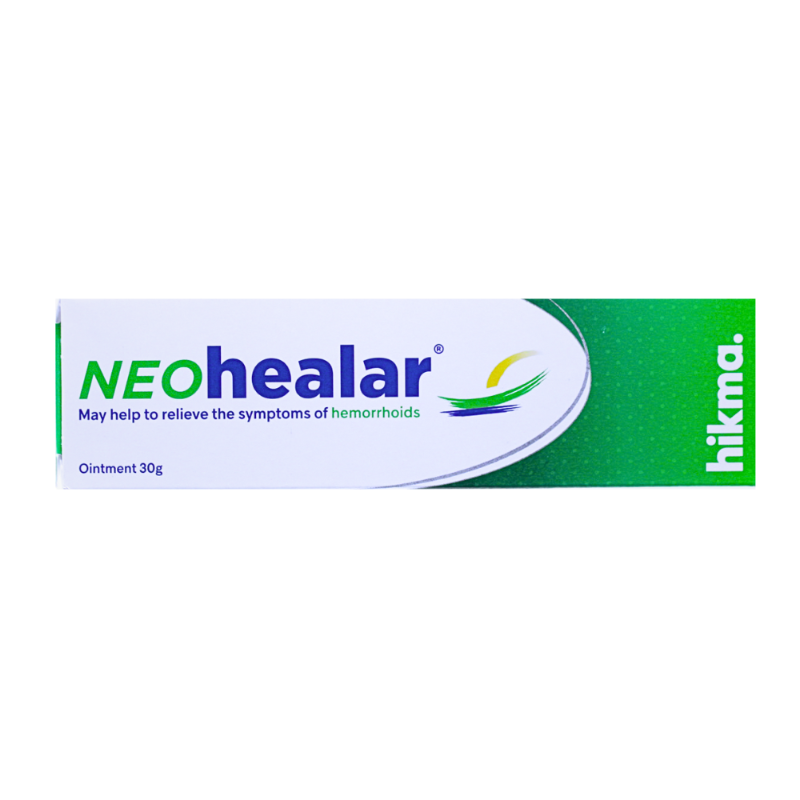
Medications > Hemorrhoid Medications
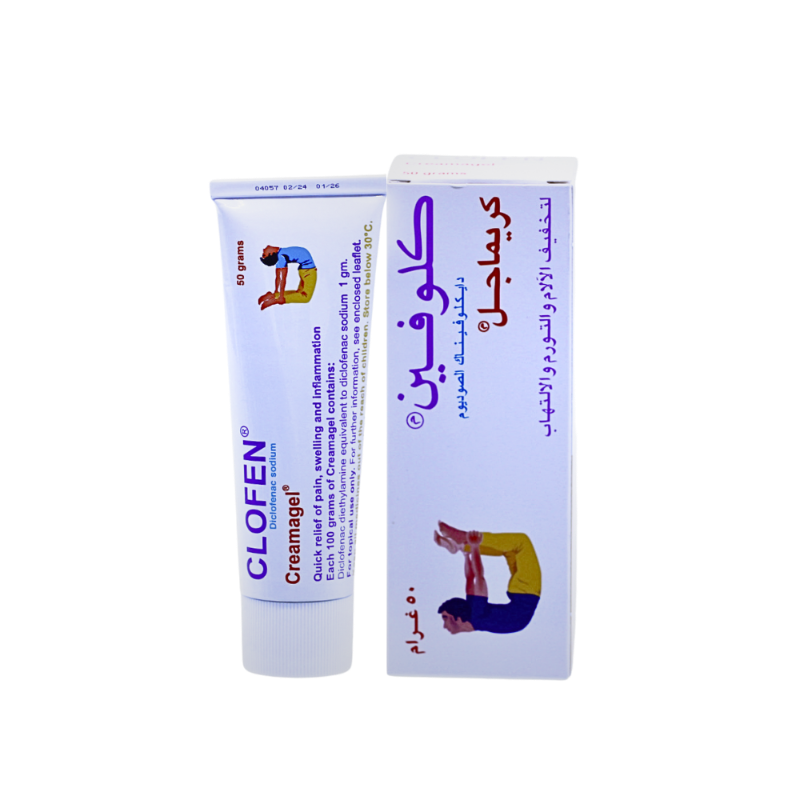
Medications > Painkillers and Antipyretics
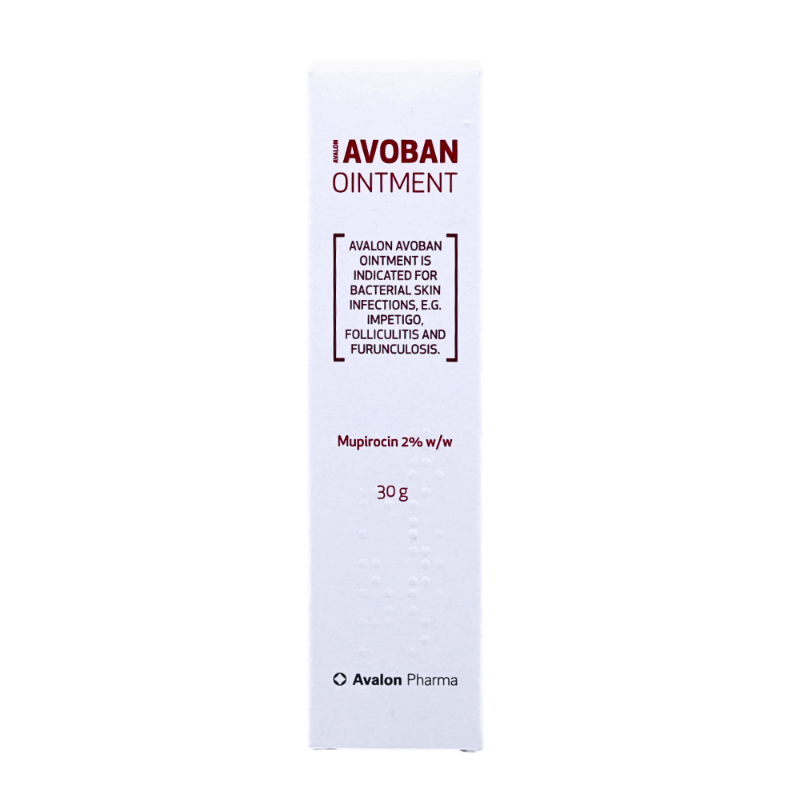
Medications > Dermatology Medications

Medications > Hemorrhoid Medications
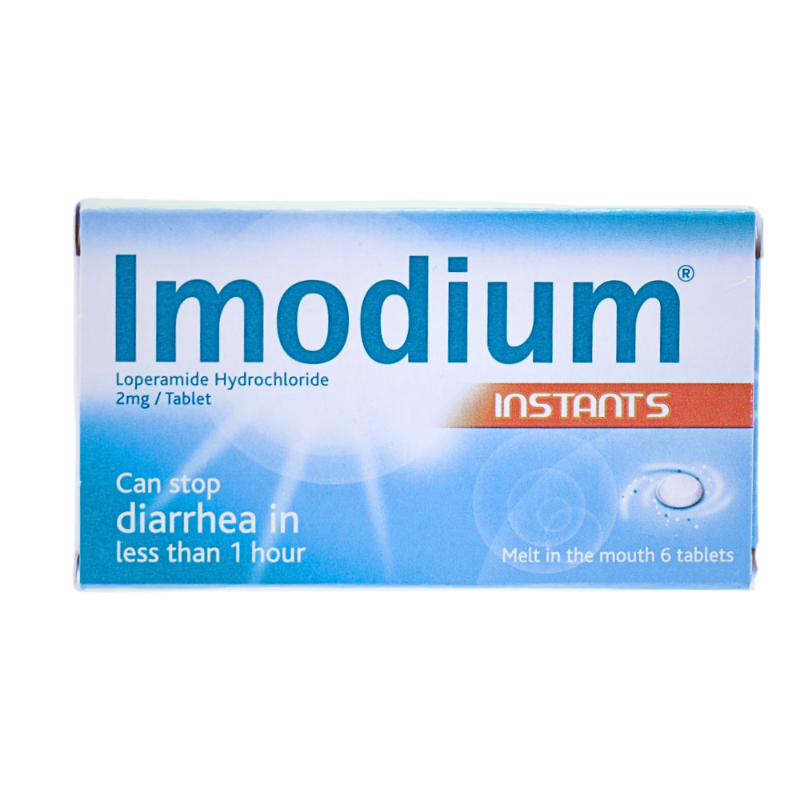
Medications > Gastrointestinal Medications
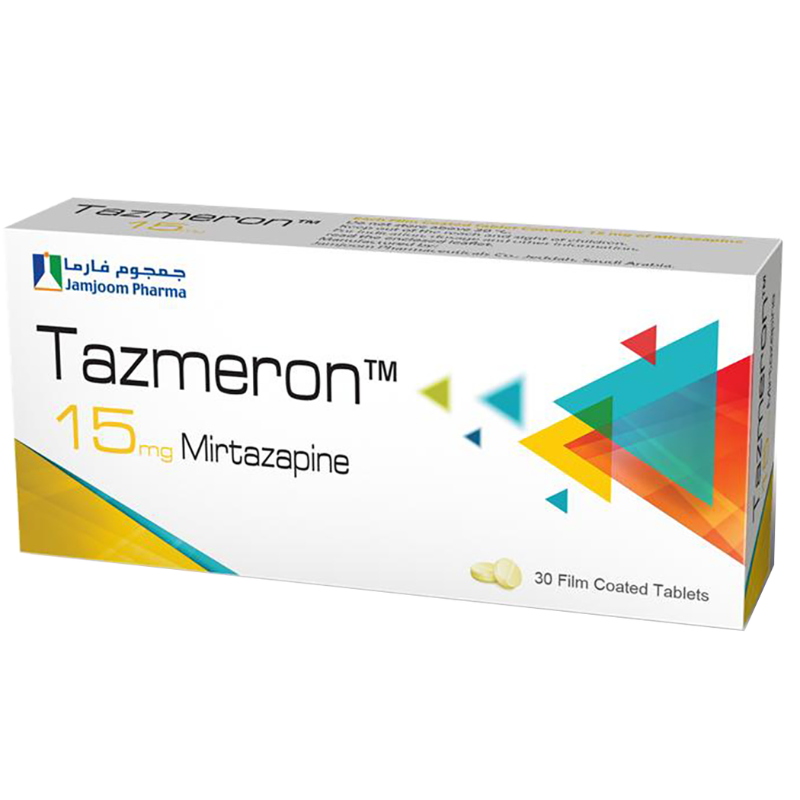
Medications > Psychiatric Medications
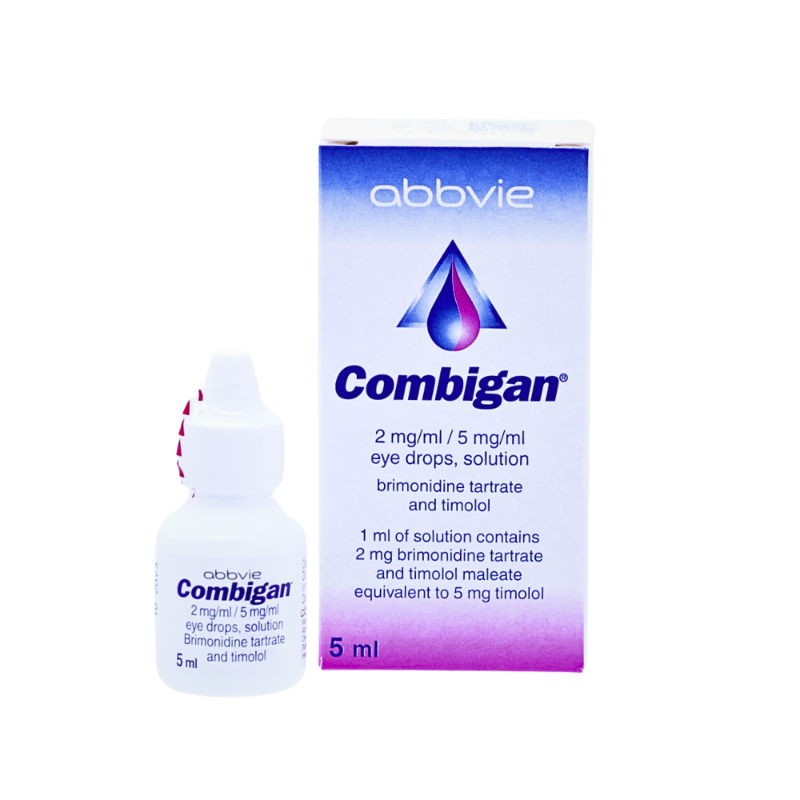
Medications > Eye and Ear Medications
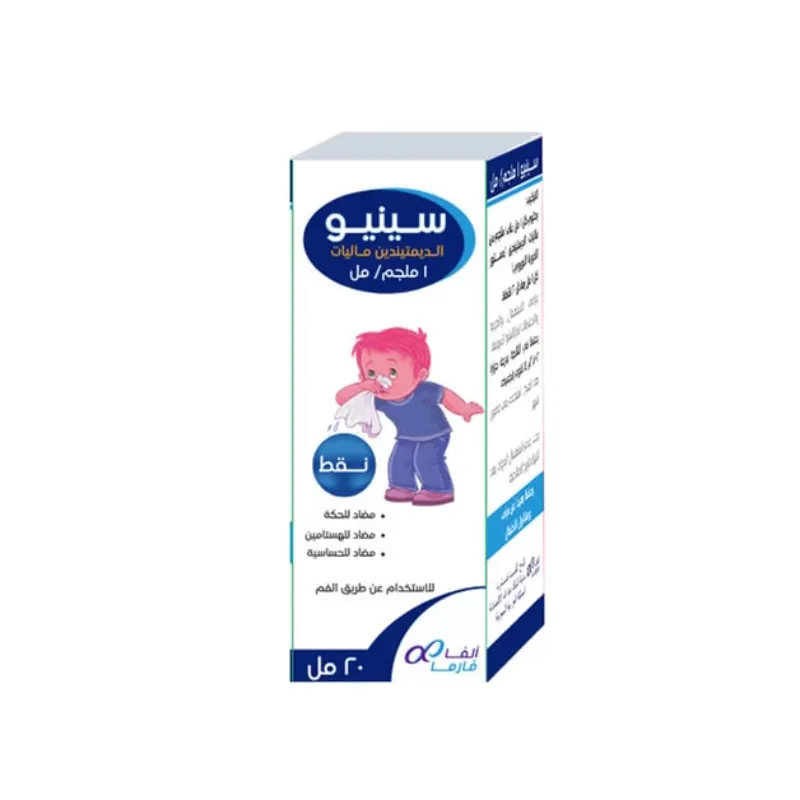
Medications > Cold, Cough, and Allergy Medications
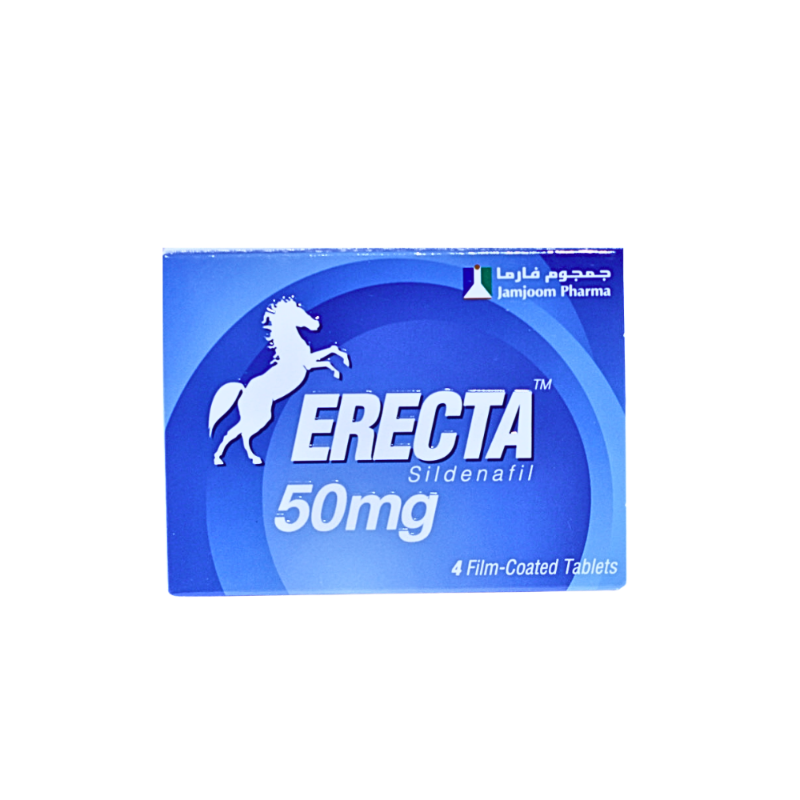
Medications > Sexual Health
