
Up To 50 SAR OFF Your First Order Use Code : APP50 | Get Free Delivery With No Minimum Order
-1744229570.gif "Almujtama Pharmacy logo")




Frequently bought together
Health Care & Wellness > Diabetes Care
Health Care & Wellness > Diabetes Care
Health Care & Wellness > Diabetes Care
Skin And Body Care > Moisturizers
Skin And Body Care > Moisturizers
Skin And Body Care > Moisturizers
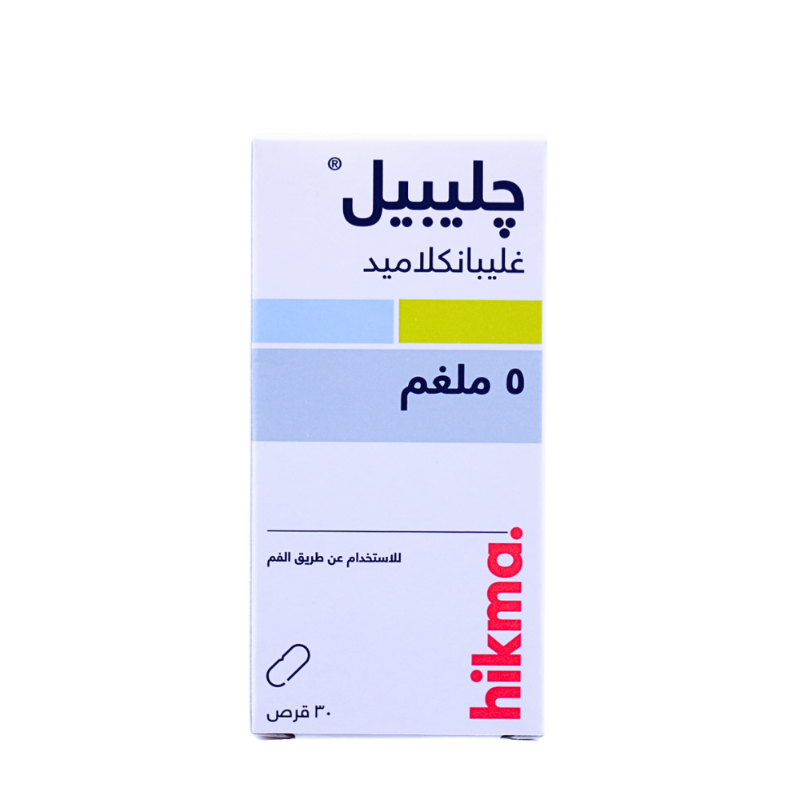
GLIBIL 5/MG 30/TAB
- Sku : I-002520
Key features
GLIBIL TAB is a tablet formulation containing glibenclamide 5 mg. It is a second-generation sulfonylurea that lowers blood glucose by stimulating insulin release from pancreatic beta cells through closure of ATP-sensitive potassium channels. It is indicated for the management of type 2 diabetes mellitus as monotherapy or as an adjunct to diet and exercise when diet alone is insufficient. Available as 5 mg tablets in packs of 30; prescription only.- Brand: GLIBIL
- Active Ingredient: GLIBENCLAMIDE 5mg
- Strength: 5mg
- Dosage Form: Tablet
- Pack Size: 30 Tablets
- Route: Oral use
- Prescription Status: Prescription
- Therapeutic Class: Antidiabetic
- Pharmacological Group: Sulfonylureas
- Drug Class: Second-generation Sulfonylurea Antidiabetic
- Manufacturer: Hikma Pharmaceuticals PLC
- Country of Origin: Jordan
- SFDA Registration No.: 1712246445
- Shelf Life: 36 months
- Storage: store below 30°c
- Diabetes Type: Type 2
Frequently bought together
Health Care & Wellness > Diabetes Care
Health Care & Wellness > Diabetes Care
Health Care & Wellness > Diabetes Care
Skin And Body Care > Moisturizers
Skin And Body Care > Moisturizers
Skin And Body Care > Moisturizers
Indications
Approved Uses
Type 2 diabetes mellitus (as monotherapy or adjunct to diet and exercise when diet alone is insufficient)
Dosage & Administration
Initial Dose
2.5-5mg once daily with breakfast or the first main meal.
How to Take
Take orally once daily with breakfast or the first main meal; swallow with water. If a scored immediate‑release tablet, it may be split if needed; do not take on an empty stomach and do not skip meals after dosing.
Safety & Warnings
Warnings & Precautions
High risk of severe/prolonged hypoglycemia (especially elderly, renal/hepatic impairment, malnutrition, missed meals); counsel not to skip meals and to monitor glucose; caution/avoid in G6PD deficiency (hemolysis risk); may need temporary switch to insulin during acute illness/surgery/major stress; beta-blockers can mask hypoglycemia; monitor for hepatic dysfunction and discontinue if significant liver injury occurs.
Driving Warning
May impair ability to drive or operate machinery due to risk of hypoglycemia.
Drug Interactions
Drug Interactions
Major: bosentan (contraindicated). Increased hypoglycemia risk with azole antifungals (miconazole/fluconazole), sulfonamides, salicylates, phenylbutazone/NSAIDs, warfarin (variable), MAOIs, alcohol; beta-blockers may mask hypoglycemia. Reduced effect with rifampicin and hyperglycemia-inducing drugs (corticosteroids, thiazide diuretics).
Interaction Severity
MAJOR: Miconazole (especially systemic/oromucosal) - severe/prolonged hypoglycemia; Bosentan - avoid/contraindicated due to hepatotoxicity risk and reduced antidiabetic effect. MODERATE: Azole antifungals such as fluconazole (↑ hypoglycemia risk), clarithromycin, alcohol (↑ hypoglycemia; possible disulfiram-like reaction), NSAIDs/salicylates, sulfonamides, warfarin (variable; monitor), beta-blockers (mask symptoms), ACE inhibitors (↑ hypoglycemia), corticosteroids/thiazides (↓ glycemic control), rifampicin (↓ effect).
Alcohol Interaction
Dangerous
Special Populations
Breastfeeding
Contraindicated
Elderly
Start at lowest available dose (1.25-2.5 mg/day); titrate slowly with careful blood glucose monitoring; high risk of severe prolonged hypoglycemia; avoid if possible in patients over 65 with renal impairment
Liver Impairment
Mild-moderate hepatic impairment: use with caution and start low with close glucose monitoring; severe hepatic impairment: contraindicated/avoid.
Storage & Patient Advice
Storage Conditions
Store below 30°C, in a dry place, away from light
Missed Dose
If missed, take the dose with the next meal when remembered; if it is close to the next scheduled dose, skip the missed dose and resume the regular schedule. Do not double the dose and do not take without eating.
Stopping the Medicine
Do not stop abruptly without clinician guidance; if discontinuing, arrange alternative glycemic therapy and monitor glucose closely to prevent hyperglycemia.
Overdose
Symptoms: severe, prolonged hypoglycemia (may cause seizures/coma/neurologic deficits). Management: immediate oral glucose if conscious; if severe/unconscious give IV dextrose bolus (e.g., 50% dextrose) followed by continuous dextrose infusion (e.g., 10%); consider glucagon; monitor for recurrence for 24-48 hours and seek emergency care.
Patient Counseling
Take with breakfast/first main meal and do not skip meals; know and treat hypoglycemia promptly (carry fast-acting glucose); avoid or limit alcohol; check glucose as directed and keep follow-up for HbA1c; tell clinicians about kidney/liver disease, planned surgery/acute illness, and all medicines (interaction risk).
Monitoring Requirements
Monitor capillary blood glucose (fasting and/or post‑prandial as individualized) and HbA1c about every 3 months until stable then at least twice yearly; monitor renal function (SCr/eGFR) and liver function periodically; monitor weight and assess for hypoglycemia; consider CBC if clinically indicated (rare hematologic effects).
Pharmacology
Bioavailability
Oral absorption is good but bioavailability is variable (commonly reported ~80-100%); it is highly protein bound and metabolized hepatically with active metabolites contributing to prolonged hypoglycemia in renal impairment.
Metabolism
Extensive hepatic metabolism primarily via CYP2C9 (minor CYP3A4), producing hydroxy metabolites (e.g., 4-trans-hydroxy and 3-cis-hydroxy) that retain some hypoglycemic activity.
Protein Binding
>99% protein bound, mainly to albumin.
Product Information
Available Dosage Forms
Tablet (immediate‑release) for this product (GLIBIL-5 TABS, 5 mg).
Composition per Dose
Each tablet: 5 mg glibenclamide
Generic Availability
Yes
Diabetes Type
Type 2
Reviewed by Al Mujtama Pharmacy Medical Review Team. Last reviewed 13-06-2026
Similar Products
Medications > Cold, Cough, and Allergy Medications
Medications > Gastrointestinal Medications
Medications > Cholesterol Medications
Medications > Painkillers and Antipyretics
Medications > Diabetes Medications
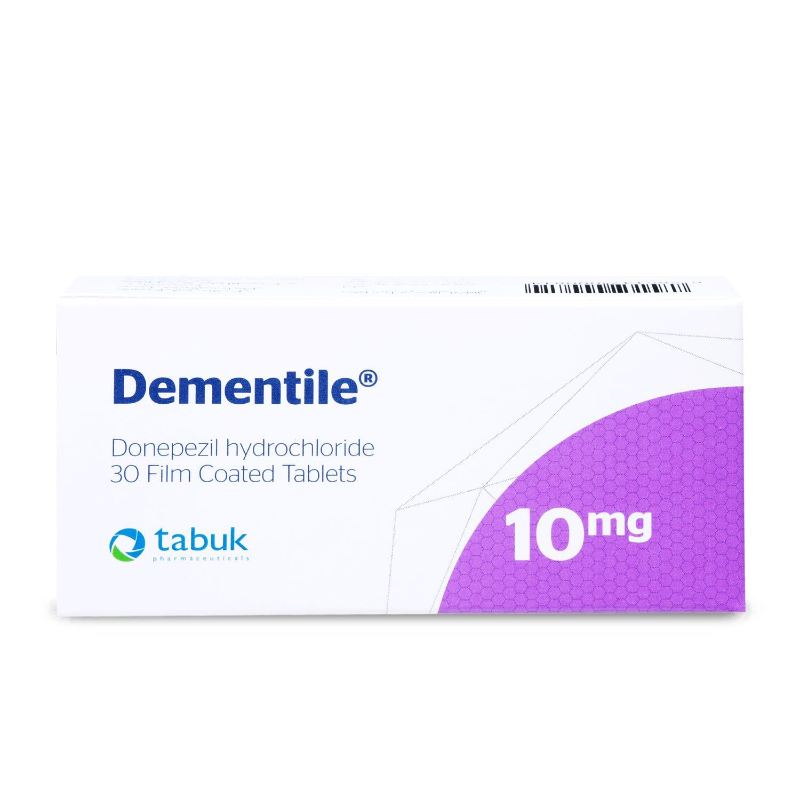
Medications > Psychiatric Medications
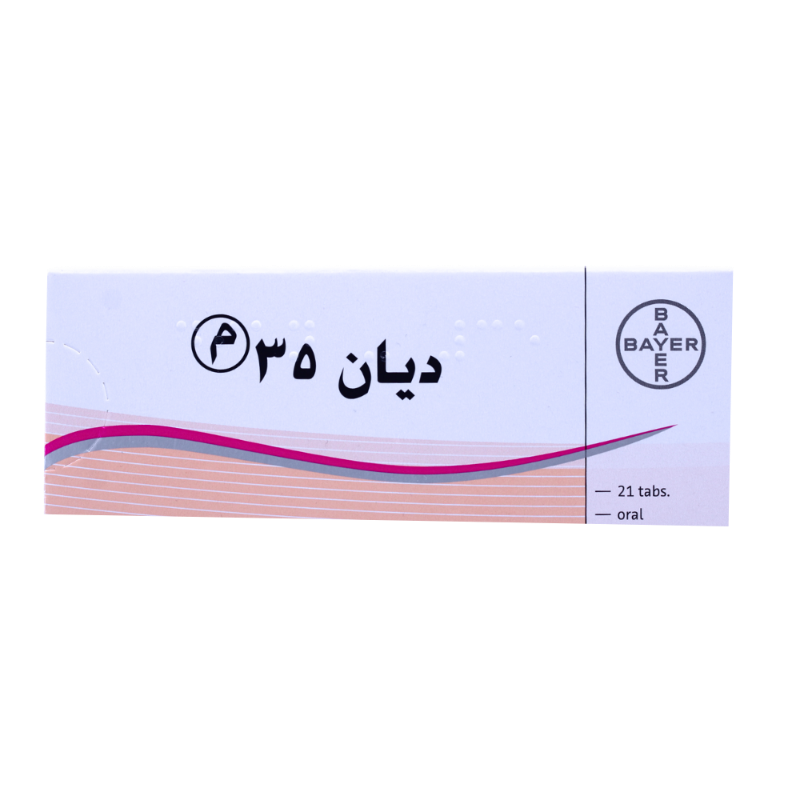
Medications > Contraceptives and Hormonal Medications
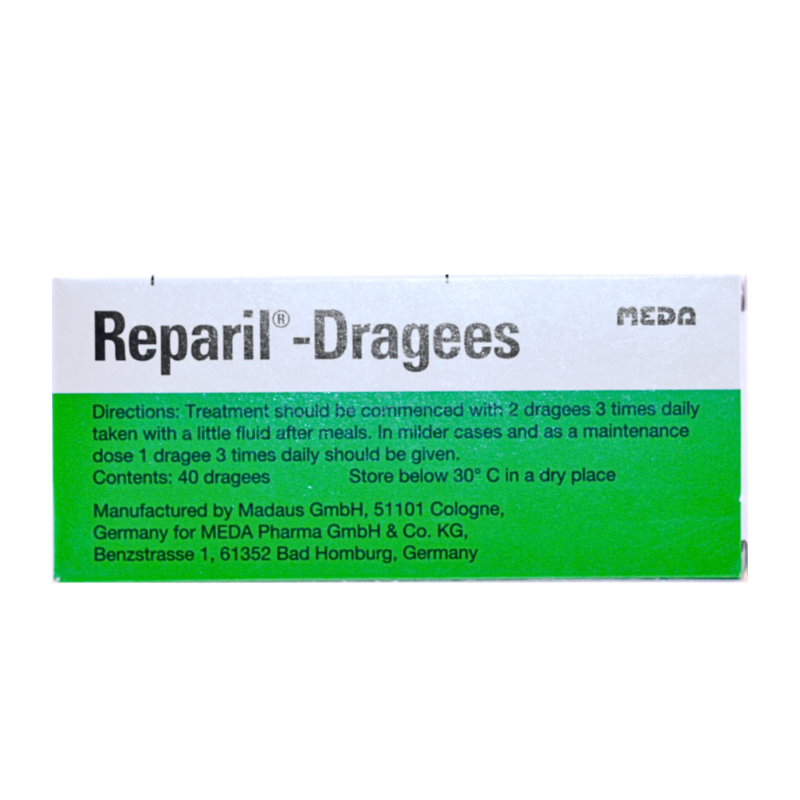
Medications > Painkillers and Antipyretics
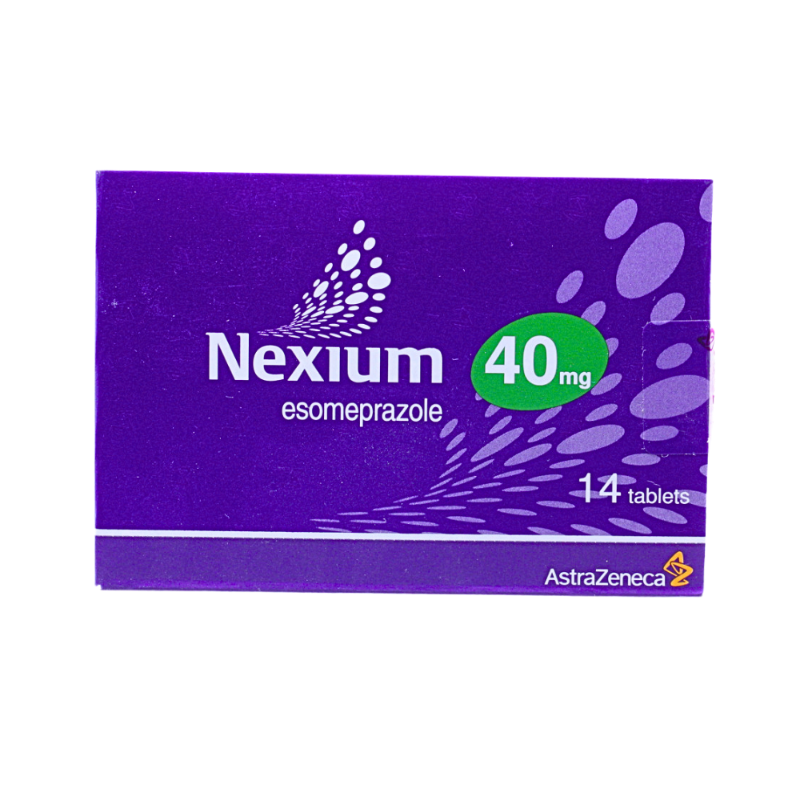
Medications > Gastrointestinal Medications
Medications > Painkillers and Antipyretics
