
Use Code: SAVE26 And Get 30% OFF | Get Free Delivery With No Minimum Order
-1744229570.gif "Almujtama Pharmacy logo")




Frequently bought together

Vitamins & Supplements > Vitamin_D & Bone Health
Vitamins & Supplements > Vitamin_D & Bone Health
Vitamins & Supplements > Vitamins and Minerals
Vitamins & Supplements > Vitamin_D & Bone Health
Vitamins & Supplements > Vitamins and Minerals
EPITAM 500 MG 30TAB
- Sku : I-027500
Key features
EPITAM 500 MG 30TAB is a film-coated tablet containing the active ingredient levetiracetam. It binds to the synaptic vesicle protein SV2A, modulating neurotransmitter release and reducing neuronal hyperexcitability, although the complete mechanism is not fully elucidated. It is indicated as adjunctive therapy for partial-onset seizures in patients 1 month and older, for myoclonic seizures in patients 12 years and older with juvenile myoclonic epilepsy, and for primary generalized tonic-clonic seizures in patients 6 years and older with idiopathic generalized epilepsy. Available by prescription as film-coated tablets, pack of 30 tablets.- Brand: EPITAM
- Active Ingredient: LEVETIRACETAM
- Strength: 500mg
- Dosage Form: Film-coated tablet
- Pack Size: 30 Tablets
- Route: Oral use
- Prescription Status: Prescription
- Therapeutic Class: Anticonvulsant
- Pharmacological Group: Antiepileptics
- Drug Class: Antiepileptic (pyrrolidone derivative); synaptic vesicle protein 2A (SV2A) ligand/modulator.
- Manufacturer: Jazeera Pharmaceutical Industries (JPI)
- Country of Origin: Saudi Arabia
- SFDA Registration No.: 2010211205
- Shelf Life: 36 months
- Storage: do not store above 30°c
- Also Used For: Approved for partial onset seizures, myoclonic seizures in juvenile myoclonic epilepsy, primary generalized tonic-clonic seizures.
Frequently bought together
Vitamins & Supplements > Vitamin_D & Bone Health
Vitamins & Supplements > Vitamin_D & Bone Health
Vitamins & Supplements > Vitamins and Minerals
Vitamins & Supplements > Vitamin_D & Bone Health
Vitamins & Supplements > Vitamins and Minerals
Indications
Approved Uses
Adjunctive therapy for partial-onset seizures in patients 1 month and older, myoclonic seizures in patients 12 years and older with Juvenile Myoclonic Epilepsy, and primary generalized tonic-clonic seizures in patients 6 years and older with idiopathic generalized epilepsy.
Off-Label Uses
Status epilepticus (including as an IV second‑line option after benzodiazepines) is a common off‑label use; other proposed off‑label uses (e.g., migraine prophylaxis, neuropathic pain, mood disorders) have weaker/variable evidence and are not standard.
Dosage & Administration
Dosing by Condition
Adults (immediate‑release tablets) for partial‑onset, myoclonic (JME ≥12 years), and primary generalized tonic‑clonic seizures (≥12 years): start 500 mg twice daily; increase by 500 mg twice daily every 2 weeks as needed; usual effective range 1000-3000 mg/day; maximum 3000 mg/day (1500 mg twice daily).
Initial Dose
500 mg twice daily (1000 mg/day)
Maintenance Dose
1000 mg to 3000 mg per day, administered in two divided doses.
Maximum Dose
3000 mg per day.
Children's Dosage
1 month to <6 months: 7 mg/kg twice daily, max 21 mg/kg twice daily; 6 months to <4 years: 10 mg/kg twice daily, max 25 mg/kg twice daily; 4 to <12 years: 10 mg/kg twice daily, max 30 mg/kg twice daily; 12-17 years: 500 mg twice daily, max 1500 mg twice daily (oral solution preferred for young children)
Dose Adjustment Notes
Renal dose adjustment is required based on creatinine clearance; in severe hepatic impairment, dose adjustment is generally driven by reduced renal function (e.g., if CrCl <60 mL/min, reduce maintenance accordingly) rather than an automatic 50% reduction solely for Child‑Pugh C; titration is typically in 500 mg twice‑daily increments every ~2 weeks based on response/tolerability.
How to Take
Swallow the 500 mg film‑coated tablet whole with water; may be taken with or without food; for immediate‑release levetiracetam tablets the total daily dose is typically given in 2 divided doses (morning and evening) as prescribed.
Side Effects
Common Side Effects
Somnolence, dizziness, asthenia/fatigue, headache; behavioral/psychiatric effects (irritability, agitation/aggression, mood changes, depression/anxiety); gastrointestinal upset (nausea, vomiting, diarrhea); nasopharyngitis/upper respiratory symptoms and decreased appetite can occur.
Side Effect Frequency
Very common (≥10%): somnolence, asthenia/fatigue, headache. Common (1-10%): dizziness, irritability/behavioral changes (including aggression), depression/anxiety, insomnia, nausea/vomiting, diarrhea, decreased appetite (anorexia), rash; coordination problems (e.g., ataxia/vertigo) may occur. Rare/uncommon but serious: suicidal ideation/psychosis, severe cutaneous reactions (e.g., SJS/TEN), blood dyscrasias (e.g., leukopenia/thrombocytopenia).
Safety & Warnings
Contraindications
Hypersensitivity to levetiracetam or other pyrrolidone derivatives.
Warnings & Precautions
Key precautions: monitor for behavioral/psychiatric changes and suicidality; avoid abrupt withdrawal (taper); adjust/monitor in renal impairment; caution with somnolence/coordination impairment (driving/operating machinery); watch for serious skin reactions and hypersensitivity; consider monitoring CBC if clinically indicated.
Age Restriction
Levetiracetam is approved for pediatric use from 1 month of age for certain seizure types, but this EPITAM 500 mg film‑coated tablet is practically appropriate only for patients able to swallow tablets (commonly ≥6 years); younger children typically require an oral solution.
Driving Warning
May Cause Drowsiness
Drug Interactions
Drug Interactions
Levetiracetam has no clinically significant CYP-mediated pharmacokinetic interactions; key considerations are additive CNS depression with sedatives/alcohol and a clinically important interaction with methotrexate (possible reduced MTX clearance/toxicity)-monitor closely if co-administered.
Interaction Severity
CNS depressants (alcohol, benzodiazepines, opioids): additive sedation/impairment-typically managed as a moderate clinical interaction; probenecid can increase exposure to the inactive metabolite (usually not clinically significant); methotrexate interaction (reduced clearance/increased toxicity) has been reported and warrants caution/monitoring; levetiracetam has minimal clinically relevant pharmacokinetic interactions with other antiepileptics.
Food Interaction
No clinically significant food interaction; may be taken with or without food.
Alcohol Interaction
Avoid
Special Populations
Pregnancy
Consult Doctor
Breastfeeding
Caution
Children
1 month to <6 months: 7 mg/kg twice daily, max 21 mg/kg twice daily; 6 months to <4 years: 10 mg/kg twice daily, max 25 mg/kg twice daily; 4 to <12 years: 10 mg/kg twice daily, max 30 mg/kg twice daily; 12-17 years: 500 mg twice daily, max 1500 mg twice daily (oral solution preferred for young children)
Elderly
Dose adjustment based on renal function (CrCl); start at lower end of dosing range and titrate carefully; monitor renal function regularly
Kidney Impairment
Adult renal adjustment (immediate‑release): CrCl >80 mL/min: 500-1500 mg q12h; CrCl 50-80: 500-1000 mg q12h; CrCl 30-50: 250-750 mg q12h; CrCl <30: 250-500 mg q12h; ESRD on dialysis: 500-1000 mg q24h plus 250-500 mg supplemental after dialysis.
Liver Impairment
No dose adjustment is needed in mild-moderate hepatic impairment; in severe hepatic impairment, dose adjustment is based on renal function (reduce initial dose by ~50% if CrCl <60 mL/min).
Storage & Patient Advice
Missed Dose
Take the missed dose as soon as remembered; if it is close to the next scheduled dose, skip the missed dose and resume the regular schedule; do not double doses.
Stopping the Medicine
Do not stop abruptly; taper gradually-commonly over at least 2 weeks (often 2-4 weeks depending on dose, seizure control, and clinical context).
Overdose
Symptoms may include somnolence, agitation/aggression, decreased consciousness, respiratory depression, and coma; management is supportive (airway/ventilation as needed), consider activated charcoal if early, and hemodialysis can enhance removal.
Patient Counseling
Take levetiracetam exactly as prescribed (often twice daily) at the same times each day; may be taken with or without food. Do not stop suddenly-taper only under prescriber guidance to avoid seizure worsening. If a dose is missed, take it when remembered unless it is close to the next dose; do not double. May cause dizziness/somnolence-avoid driving/operating machinery until effects are known and limit/avoid alcohol. Report mood/behavior changes (irritability, depression, suicidal thoughts) promptly. Store in the blister and do not store above 30°C; keep out of reach of children.
Monitoring Requirements
Monitor for behavioral/psychiatric adverse effects (including depression/suicidal ideation) and somnolence; assess renal function at baseline and periodically in elderly or renal impairment (dose adjust by CrCl); routine therapeutic drug monitoring is not required.
Pharmacology
Mechanism of Action
Binds to synaptic vesicle protein SV2A, modulating neurotransmitter release and reducing neuronal hyperexcitability; the full mechanism is not completely elucidated.
Onset of Action
Pharmacokinetic onset: peak plasma concentration occurs about 1 hour after an oral immediate‑release dose; clinical seizure control may be observed early but is typically assessed over days to weeks as dosing is optimized.
Duration of Effect
Clinical dosing interval is about 12 hours for immediate‑release tablets (supports twice‑daily administration); elimination half‑life is ~6-8 hours in adults with normal renal function.
Half-Life
About 6-8 hours in adults with normal renal function; prolonged in renal impairment and often in the elderly.
Bioavailability
Approximately 100% (near-complete oral bioavailability).
Metabolism
Minimal hepatic metabolism; main pathway is enzymatic hydrolysis of the acetamide group (non-CYP) to an inactive metabolite.
Excretion
Primarily renal: ~66% excreted unchanged in urine; most of the remainder is excreted renally as an inactive metabolite (overall ~90-95% recovered in urine).
Protein Binding
<10% protein binding.
Product Information
Available Dosage Forms
For this SFDA product: film‑coated tablet (oral). In general levetiracetam is also available in oral solution and IV concentrate/solution for infusion; extended‑release tablets exist in some markets but are not implied by this specific SFDA listing.
Composition per Dose
Each film-coated tablet: 500 mg levetiracetam
Generic Availability
Yes
OTC Alternatives
No OTC alternative
Also Used For
Approved for partial onset seizures, myoclonic seizures in juvenile myoclonic epilepsy, primary generalized tonic-clonic seizures.
Reviewed by Al Mujtama Pharmacy Medical Review Team. Last reviewed 03-05-2026
Similar Products
Medications > Gastrointestinal Medications
Medications > Dermatology Medications
Medications > Gastrointestinal Medications
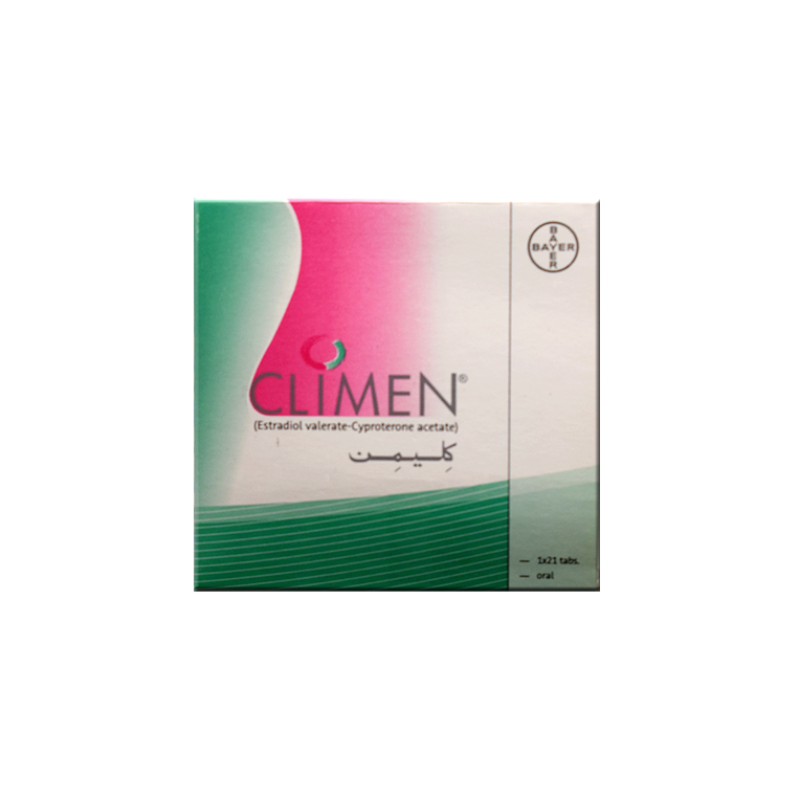
Medications > Contraceptives and Hormonal Medications
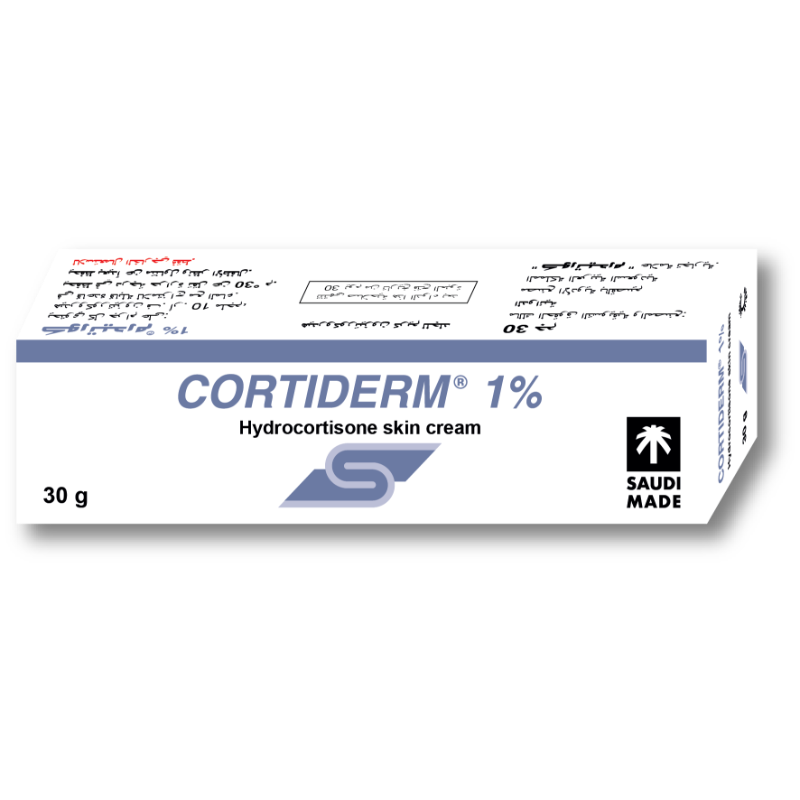
Medications > Dermatology Medications
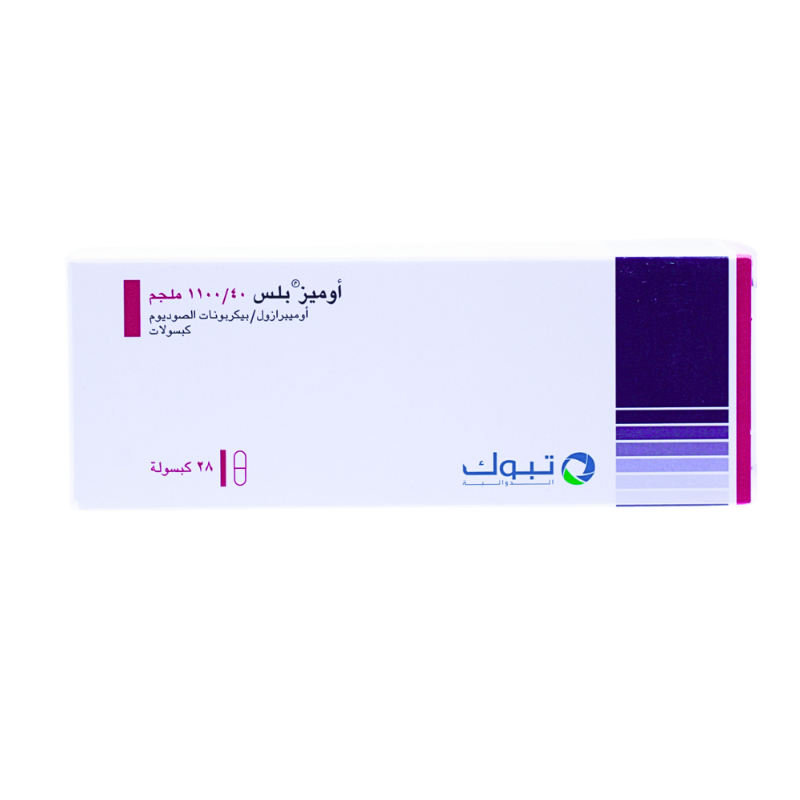
Medications > Gastrointestinal Medications
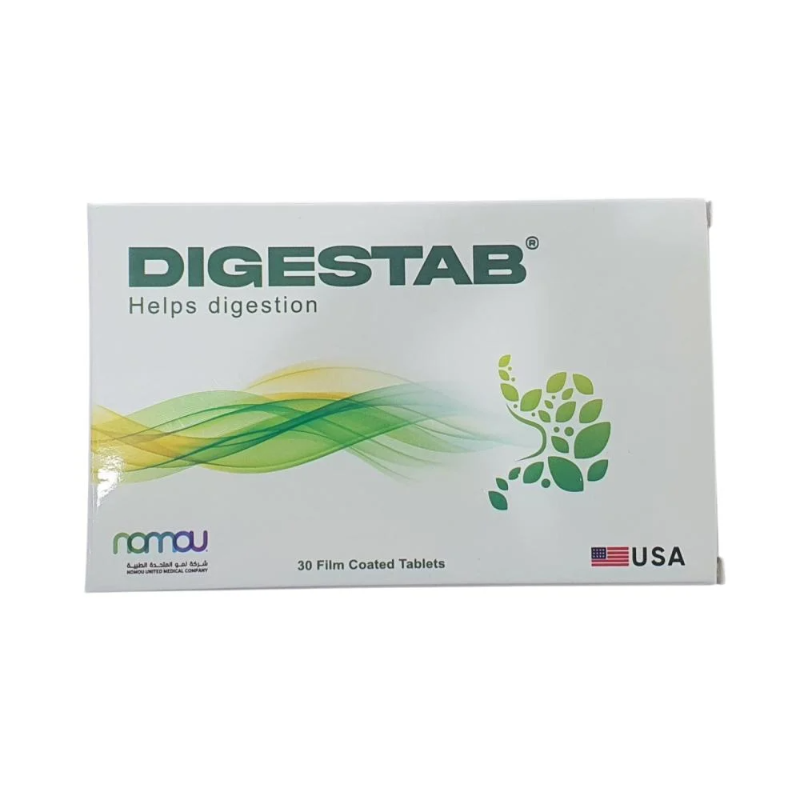
Medications > Gastrointestinal Medications
Medications > Painkillers and Antipyretics
Medications > Other Medicines
Medications > Painkillers and Antipyretics
