Use Code: SAVE26 And Get 30% OFF | Get Free Delivery With No Minimum Order
-1744229570.gif "Almujtama Pharmacy logo")




Frequently bought together
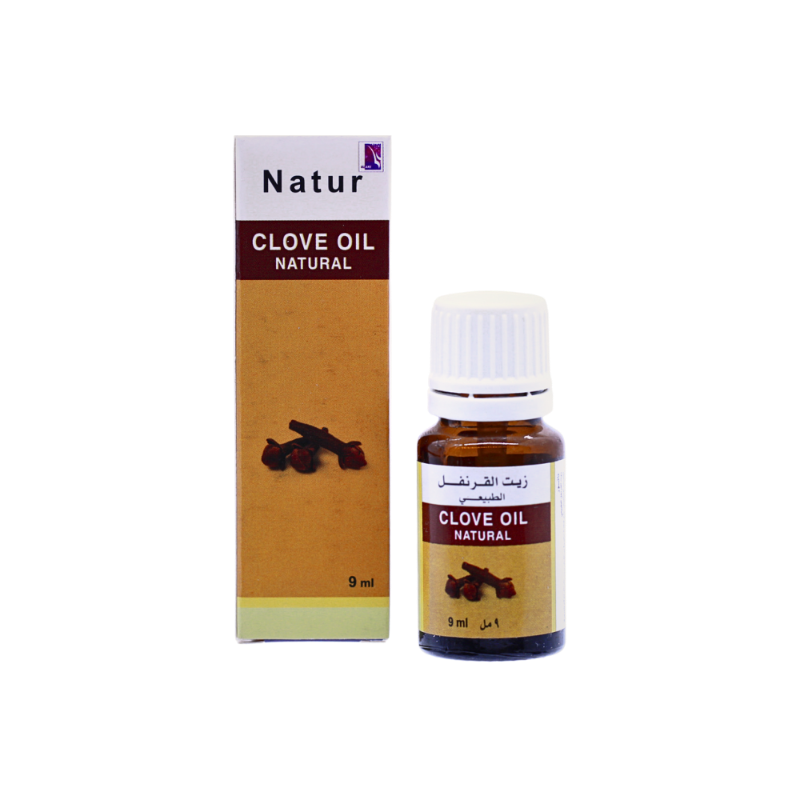

ZOVIRAX 200/MG TAB 25/TAB
- Sku : I-006924
Key features
Zovirax Tablet 200mg 25 Tablets is an oral tablet containing the antiviral active ingredient acyclovir 200 mg. Acyclovir is activated in virus-infected cells to a triphosphate form that competitively inhibits viral DNA polymerase and causes DNA chain termination, halting viral replication. It is indicated for treatment of herpes simplex infections (including genital and other mucocutaneous HSV), herpes zoster (shingles), and varicella (chickenpox), and for suppression/prophylaxis of recurrent HSV in selected patients. Available by prescription as tablets in a pack of 25.- Brand: ZOVIRAX
- Active Ingredient: ACYCLOVIR 200mg
- Strength: 200mg
- Dosage Form: Tablet
- Pack Size: 25 Tablets
- Route: Oral use
- Prescription Status: Prescription
- Therapeutic Class: Anti-infective
- Pharmacological Group: Direct Acting Antivirals
- Drug Class: Antiviral; herpesvirus nucleoside (guanine) analogue; DNA polymerase inhibitor.
- Manufacturer: GLAXO SAUDI ARABIA
- Country of Origin: Saudi Arabia
- SFDA Registration No.: 0912211447
- Shelf Life: 24 months
- Storage: store below 25°c
- Viral Target: Herpes
Frequently bought together
Indications
Approved Uses
Treatment of herpes simplex infections (e.g., genital herpes and other mucocutaneous HSV), herpes zoster (shingles), and varicella (chickenpox); and suppression/prophylaxis of HSV in selected patients (e.g., frequent recurrences or immunocompromised) per labeling/guidelines.
Off-Label Uses
Off-label: HSV prophylaxis in immunocompromised patients (e.g., hematopoietic stem cell transplant) when appropriate; treatment of severe mucocutaneous HSV in immunocompromised; limited/selected use for EBV-related conditions (generally weak evidence). CMV prophylaxis is generally not recommended with acyclovir (valganciclovir/ganciclovir preferred), though high-dose acyclovir has been studied historically in some transplant settings.
Dosage & Administration
Dosing by Condition
Genital herpes-initial episode: 200 mg PO 5 times daily for 10 days (alternative: 400 mg PO TID for 7-10 days). Recurrent genital herpes: 200 mg PO 5 times daily for 5 days (alternatives exist). Chronic suppression: 400 mg PO BID (or 200 mg PO 3-5 times daily per patient factors). Herpes zoster: 800 mg PO 5 times daily for 7-10 days. Varicella (immunocompetent adults): 800 mg PO 4 times daily for 5 days (start within 24 hours of rash).
Initial Dose
200mg five times daily (every 4 hours while awake) for initial genital herpes episode
Maintenance Dose
200mg four times daily or 400mg twice daily for suppressive therapy
Maximum Dose
For chickenpox in children: 3200mg/day. For herpes zoster in adults: 4000mg/day.
Children's Dosage
Varicella (children >2 years): 20mg/kg (max 800mg) four times daily for 5 days; HSV suppression in immunocompromised children: 200mg-400mg 4 times daily depending on age and weight; neonatal HSV: IV formulation preferred
Dose Adjustment Notes
Dose reduction/interval extension is required in renal impairment (based on creatinine clearance); ensure adequate hydration, especially with high doses; no routine hepatic dose adjustment is required.
How to Take
Swallow tablet(s) whole with water; take doses at evenly spaced intervals; may be taken with or without food; maintain adequate hydration during therapy.
Side Effects
Common Side Effects
Nausea, vomiting, diarrhea, headache, malaise, dizziness, fatigue, rash, photosensitivity.
Side Effect Frequency
Common (≥1%): nausea, diarrhea, headache; less common: vomiting, abdominal pain, rash/pruritus; rare but serious: renal toxicity (crystalluria/AKI, especially with dehydration/renal impairment) and neurotoxicity (confusion, hallucinations, tremor), plus hypersensitivity reactions.
Safety & Warnings
Contraindications
Hypersensitivity to acyclovir or valacyclovir.
Warnings & Precautions
Maintain adequate hydration; use caution and adjust dose in renal impairment and in the elderly; avoid/monitor with concomitant nephrotoxic drugs; monitor for CNS symptoms especially with renal dysfunction/immunocompromise; counsel that treatment reduces symptoms/shedding but does not eradicate latent virus or fully prevent transmission.
Age Restriction
Oral acyclovir tablets can be used in children; however, for some labeled indications (notably genital herpes), safety/efficacy are not established in children <12 years, and for varicella <2 years; neonates require IV acyclovir rather than oral tablets.
Drug Interactions
Drug Interactions
Key interactions: probenecid and cimetidine can increase acyclovir exposure (reduced renal tubular secretion); concomitant nephrotoxic drugs (e.g., ciclosporin, tacrolimus, aminoglycosides, amphotericin B, high-dose NSAIDs) increase renal toxicity risk; mycophenolate mofetil may increase levels of both; zidovudine may increase CNS adverse effects.
Interaction Severity
Clinically important interactions: probenecid and cimetidine (increase acyclovir exposure via reduced renal tubular secretion-monitor/consider dose adjustment in renal risk); other nephrotoxic agents (additive nephrotoxicity risk-monitor renal function/hydration); mycophenolate mofetil (increased levels of acyclovir and MPAG-monitor); zidovudine (possible additive CNS effects-monitor). Theophylline interaction is primarily associated with valacyclovir; if used with acyclovir, monitor theophylline as a precaution.
Food Interaction
No clinically significant food interaction; may be taken with or without food.
Special Populations
Children
Varicella (children >2 years): 20mg/kg (max 800mg) four times daily for 5 days; HSV suppression in immunocompromised children: 200mg-400mg 4 times daily depending on age and weight; neonatal HSV: IV formulation preferred
Kidney Impairment
Dose/interval must be adjusted by indication and renal function; for the common 200 mg q4h (5x/day) oral regimen: CrCl 10-25 mL/min → 200 mg q8h; CrCl <10 mL/min → 200 mg q12h; for higher-dose regimens (e.g., 800 mg): extend interval similarly (e.g., CrCl 10-25 → q8h; <10 → q12h).
Storage & Patient Advice
Missed Dose
Take the missed dose as soon as remembered; if it is close to the next dose, skip the missed dose and resume the regular schedule; do not double doses.
Stopping the Medicine
Complete the prescribed course for episodic treatment; for chronic suppressive therapy, do not stop or change duration without clinician advice and reassess the need periodically.
Overdose
Overdose may cause GI symptoms (nausea/vomiting), headache, and serious neurotoxicity (agitation, confusion, hallucinations, seizures, coma) and acute kidney injury/renal failure; management is urgent medical evaluation, supportive care with hydration and renal monitoring, and hemodialysis can enhance removal in severe toxicity/renal failure.
Patient Counseling
Complete the full prescribed course; take doses evenly spaced; maintain good hydration; start as early as possible in an outbreak; acyclovir reduces symptoms/viral shedding but does not eradicate HSV and does not fully prevent transmission-avoid sexual contact when lesions/prodrome are present and use barrier protection; seek urgent care for reduced urine output, severe rash, or neurotoxicity symptoms (confusion/hallucinations), especially with renal impairment; do not stop suppressive therapy without prescriber advice.
Monitoring Requirements
Monitor renal function (SCr/CrCl; consider BUN) in patients with renal impairment, elderly, dehydration, high-dose therapy, or concomitant nephrotoxins; monitor for neurotoxicity (confusion, tremor, hallucinations) especially in renal impairment/immunocompromised; ensure adequate hydration.
Pharmacology
Mechanism of Action
Acyclovir is phosphorylated by viral thymidine kinase to monophosphate then by host kinases to acyclovir triphosphate, which competitively inhibits viral DNA polymerase and causes DNA chain termination after incorporation.
Onset of Action
Pharmacologic activity begins after absorption (peak levels ~1.5-2 hours after an oral dose); clinical symptom improvement typically occurs over several days and is greatest when started early (e.g., within 24-48 hours of onset).
Duration of Effect
Short systemic exposure: plasma half-life ~2.5-3 hours in normal renal function (longer in renal impairment), necessitating frequent dosing for many indications.
Half-Life
About 2.5-3.3 hours in adults with normal renal function; prolonged markedly in severe renal impairment (can approach ~20 hours).
Bioavailability
Approximately 10% to 20% oral bioavailability (decreases with increasing dose).
Metabolism
Minimal metabolism; a small fraction is converted to the inactive metabolite 9-carboxymethoxymethylguanine (CMMG), primarily via aldehyde oxidase (not primarily via alcohol dehydrogenase).
Excretion
Primarily renal elimination, largely unchanged in urine via glomerular filtration and active tubular secretion (majority of dose recovered unchanged).
Protein Binding
Low protein binding, approximately 9% to 33%.
Product Information
Available Dosage Forms
Tablet (oral); oral suspension; topical cream/ointment; ophthalmic ointment; intravenous formulation (injection/infusion).
Composition per Dose
Each tablet: 200mg acyclovir
Generic Availability
Yes
OTC Alternatives
No OTC oral/systemic alternative; oral acyclovir 200 mg tablets (ZOVIRAX) are prescription-only. OTC topical antivirals for cold sores may exist in some countries (e.g., acyclovir 5% cream), but availability is jurisdiction-specific and not an OTC substitute for systemic therapy.
Viral Target
Herpes
Reviewed by Al Mujtama Pharmacy Medical Review Team. Last reviewed 26-07-2026
Similar Products