
Use Code: SAVE26 And Get 30% OFF | Get Free Delivery With No Minimum Order
-1744229570.gif "Almujtama Pharmacy logo")




Frequently bought together
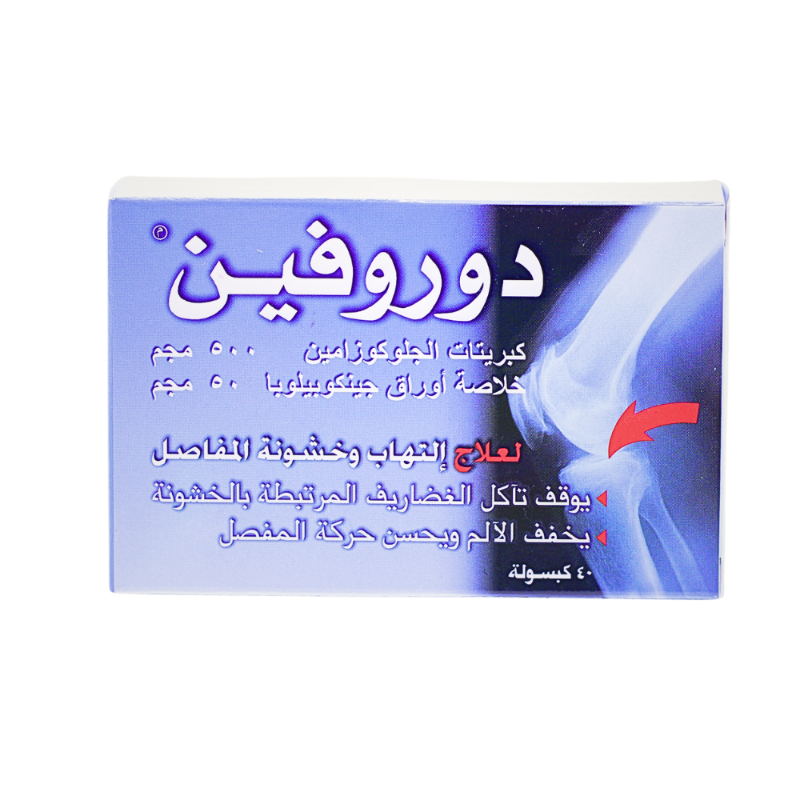
Vitamins & Supplements > Vitamin_D & Bone Health
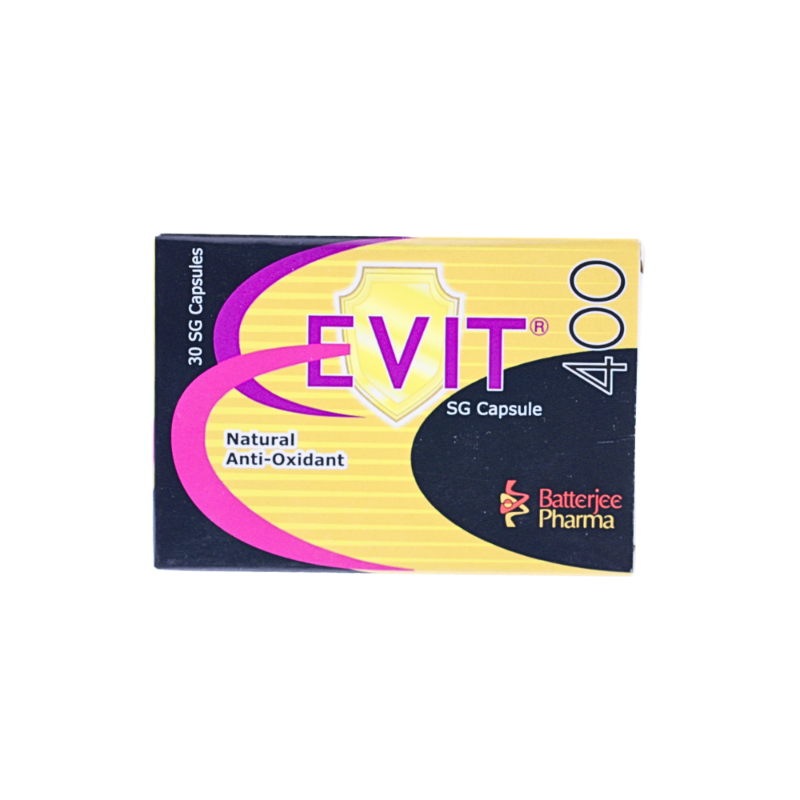
Vitamins & Supplements > Vitamins and Minerals
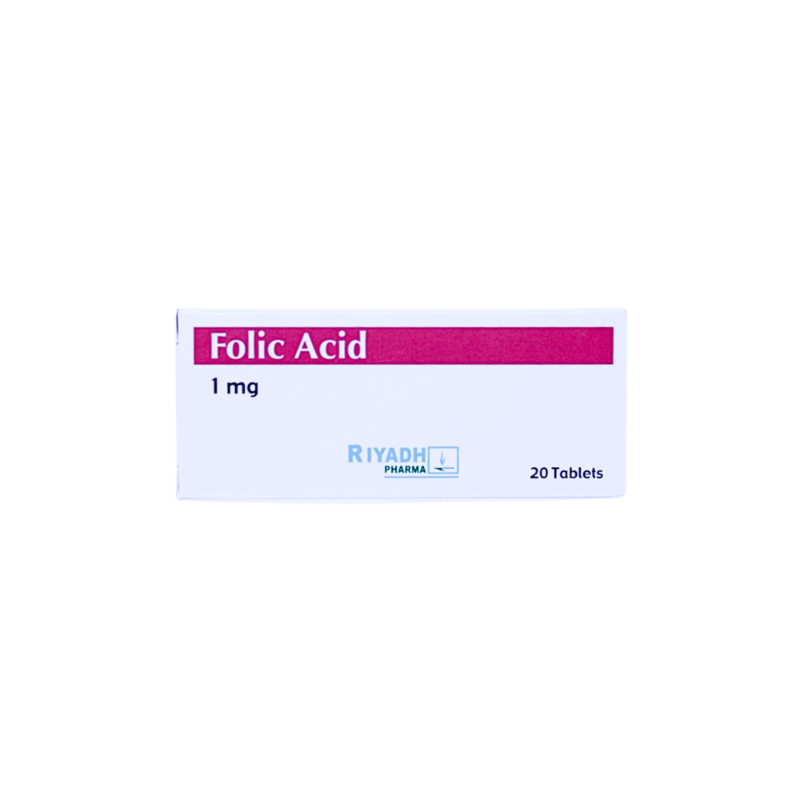
Vitamins & Supplements > Vitamins and Minerals

Vitamins & Supplements > Vitamin_D & Bone Health

Vitamins & Supplements > Vitamins and Minerals
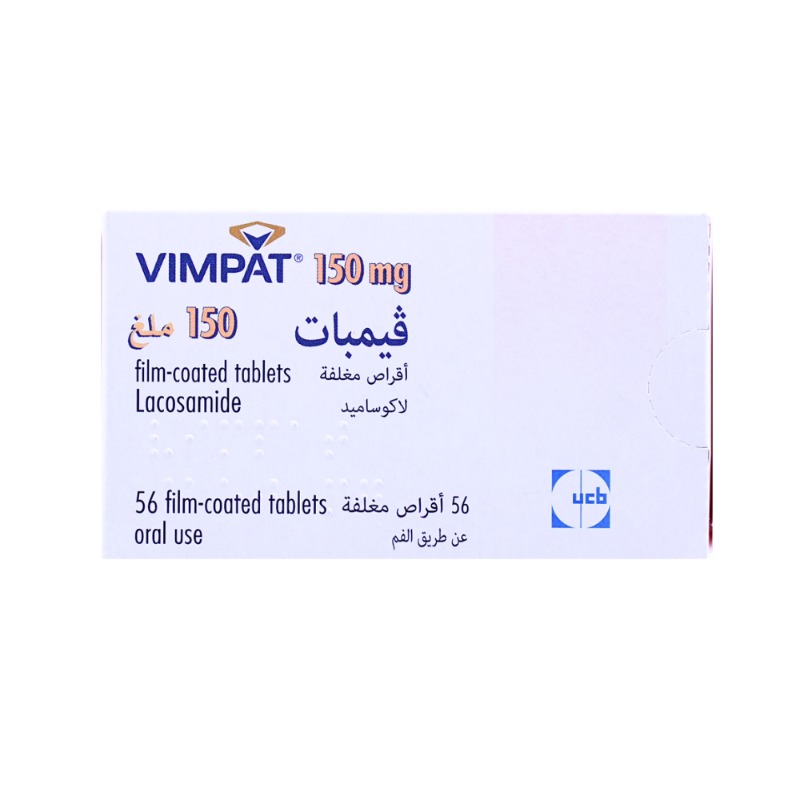
VIMPAT 150/MG FC TAB 56/FC TAB
- Sku : I-026255
Key features
VIMPAT 150 mg film-coated tablets contain the active ingredient lacosamide. Lacosamide selectively enhances slow inactivation of voltage-gated sodium channels, stabilizing hyperexcitable neuronal membranes and reducing repetitive neuronal firing. It is indicated for treatment of focal (partial-onset) seizures as monotherapy or adjunctive therapy and for adjunctive treatment of primary generalized tonic‑clonic seizures (PGTCS) where locally approved. Available by prescription as film-coated tablets in packs of 56.- Brand: VIMPAT
- Active Ingredient: LACOSAMIDE
- Strength: 150mg
- Dosage Form: Film-coated tablet
- Pack Size: 56 Tablets
- Route: Oral use
- Prescription Status: Prescription
- Therapeutic Class: Anticonvulsant
- Pharmacological Group: Antiepileptics
- Drug Class: Antiepileptic drug (AED); functionalized amino acid; voltage-gated sodium channel slow-inactivation enhancer.
- Manufacturer: Aesica Pharmaceuticals GmbH.
- Country of Origin: Germany
- SFDA Registration No.: 1508210937
- Shelf Life: 60 months
- Storage: do not store above 30°c
- Also Used For: FDA-approved only for partial-onset (focal) seizures and primary generalized tonic-clonic seizures as adjunctive therapy.
Frequently bought together
Vitamins & Supplements > Vitamin_D & Bone Health
Vitamins & Supplements > Vitamins and Minerals
Vitamins & Supplements > Vitamins and Minerals
Vitamins & Supplements > Vitamin_D & Bone Health
Vitamins & Supplements > Vitamins and Minerals
Indications
Approved Uses
Epilepsy: treatment of focal (partial-onset) seizures (as monotherapy or adjunctive therapy) and adjunctive therapy for primary generalized tonic-clonic seizures (PGTCS) in appropriate age groups per local label.
Dosage & Administration
Dosing by Condition
Focal (partial-onset) seizures - Adjunctive: Initial 50 mg twice daily, titrate by 100 mg/day weekly to maintenance 100-200 mg twice daily (max 400 mg/day); Monotherapy: Initial 100 mg twice daily, titrate to maintenance 150-200 mg twice daily (max 400 mg/day). Primary generalized tonic-clonic seizures - Adjunctive: Initial 50 mg twice daily, titrate by 100 mg/day weekly to maintenance 100-200 mg twice daily (max 400 mg/day)
Initial Dose
As adjunctive therapy: 50 mg twice daily.
Maintenance Dose
200 mg to 400 mg per day (100 mg to 200 mg twice daily).
Maximum Dose
400 mg per day.
Children's Dosage
Aged 4-17 years (weight ≥11 kg): weight-based dosing - initial 1 mg/kg/day (0.5 mg/kg twice daily), titrate by 1-2 mg/kg/day weekly; maintenance 4-6 mg/kg/day (max 200-400 mg/day depending on weight); not approved under 4 years of age
Dose Adjustment Notes
Titrate no more frequently than once weekly; severe renal impairment (CrCl ≤30 mL/min) or end-stage renal disease: reduce maximum daily dose (commonly max 250-300 mg/day depending on label) and consider supplemental dosing after hemodialysis; mild-to-moderate hepatic impairment: reduce maximum daily dose (commonly max 300 mg/day) and titrate cautiously; severe hepatic impairment: not recommended.
How to Take
Swallow the film-coated tablet whole with water; may be taken with or without food; administer in 2 divided doses (twice daily) at about the same times each day.
Side Effects
Common Side Effects
Dizziness, headache, diplopia (double vision), nausea, somnolence (sleepiness), fatigue, tremor, blurred vision, problems with coordination (ataxia).
Side Effect Frequency
Very common (≥10%): dizziness, headache, diplopia, nausea. Common (1-10%): vomiting, blurred vision, somnolence, fatigue, ataxia/coordination abnormal, tremor, nystagmus, balance disorder/vertigo, rash/pruritus. Important but less common/rare: PR-interval prolongation and AV block; hypersensitivity reactions including DRESS/angioedema; suicidal ideation/behavior.
Safety & Warnings
Contraindications
Known hypersensitivity to lacosamide (or any component of the formulation); second- or third-degree atrioventricular (AV) block (unless a functioning pacemaker is present).
Warnings & Precautions
Risk of cardiac rhythm/conduction abnormalities-obtain ECG/monitor in patients with conduction disease, significant cardiac disease, or on PR-prolonging drugs; monitor for suicidal ideation/behavior; discontinue if DRESS/multiorgan hypersensitivity suspected; dizziness/ataxia and fall risk; avoid abrupt discontinuation-taper.
Age Restriction
Approved for patients 4 years of age and older (weight-based dosing for 4-17 years); tablets and oral solution indicated for patients 17 years and older in original approval, extended to younger in later labels.
Driving Warning
May Cause Drowsiness
Drug Interactions
Drug Interactions
Additive cardiac conduction effects with PR-interval-prolonging agents (e.g., beta-blockers, non-DHP calcium channel blockers, digoxin) and other sodium-channel-acting antiseizure meds; strong enzyme inducers (e.g., carbamazepine, phenytoin, rifampin) can lower lacosamide exposure; additive CNS depression with alcohol/sedatives.
Interaction Severity
MAJOR: Concomitant drugs that prolong PR interval/slow AV conduction (e.g., beta-blockers, non-DHP calcium channel blockers, digoxin, other PR-prolonging agents) due to additive risk of AV block/bradycardia; MODERATE: Strong enzyme inducers (e.g., carbamazepine, phenytoin, rifampin) may reduce lacosamide concentrations; MODERATE: CNS depressants (including alcohol, benzodiazepines, opioids) increase dizziness/sedation; MINOR: CYP2C19 inhibitors (e.g., omeprazole) may slightly increase exposure.
Food Interaction
No clinically significant food restriction; may be taken with or without food.
Special Populations
Pregnancy
Consult Doctor
Breastfeeding
Consult Doctor
Children
Aged 4-17 years (weight ≥11 kg): weight-based dosing - initial 1 mg/kg/day (0.5 mg/kg twice daily), titrate by 1-2 mg/kg/day weekly; maintenance 4-6 mg/kg/day (max 200-400 mg/day depending on weight); not approved under 4 years of age
Elderly
No specific dose adjustment required based on age alone; however, titrate cautiously due to increased risk of cardiac conduction abnormalities and falls; monitor renal function as CrCl may be reduced
Kidney Impairment
Severe renal impairment (CrCl ≤30 mL/min) or ESRD: maximum 300 mg/day; consider a supplemental dose of up to 50% after hemodialysis.
Liver Impairment
Mild-to-moderate hepatic impairment: maximum 300 mg/day and titrate cautiously; severe hepatic impairment: not recommended.
Storage & Patient Advice
Missed Dose
Take the missed dose as soon as remembered; if it is close to the next scheduled dose, skip the missed dose and resume the regular schedule-do not double doses (avoid taking two doses too close together).
Stopping the Medicine
Do not stop abruptly; taper gradually over at least 1 week (or longer based on clinical context).
Overdose
Symptoms may include dizziness/ataxia, nausea/vomiting, seizures, coma, hypotension, bradycardia and cardiac conduction disorders (PR prolongation/AV block); management is supportive with cardiac monitoring, consider GI decontamination if appropriate, and hemodialysis can remove a substantial fraction (~50%) of drug.
Patient Counseling
Take exactly as prescribed twice daily, with or without food; swallow tablets whole; do not stop abruptly; may cause dizziness/blurred vision/coordination problems-avoid driving until effects are known; avoid or limit alcohol/CNS depressants; report mood changes or suicidal thoughts; seek care for palpitations, fainting, or slow/irregular pulse; store below 30°C in original packaging.
Monitoring Requirements
Assess seizure control and adverse effects; screen/monitor for suicidal ideation and mood changes; ECG in patients with known conduction disease, significant cardiac disease, or when used with PR-prolonging drugs (consider baseline and after titration/at steady state); monitor renal/hepatic function in patients with impairment.
Pharmacology
Mechanism of Action
Selectively enhances slow inactivation of voltage-gated sodium channels, stabilizing hyperexcitable neuronal membranes and reducing repetitive neuronal firing; CRMP-2 binding has been described but its clinical relevance is uncertain.
Onset of Action
Pharmacokinetic onset: peak plasma concentration ~1-4 hours after an oral dose; clinical seizure control may improve within days to weeks as the dose is titrated to an effective maintenance dose.
Duration of Effect
Approximately 12 hours per dose (supports twice-daily dosing).
Half-Life
Approximately 13 hours.
Bioavailability
Approximately 100% (complete oral bioavailability).
Metabolism
Metabolized mainly to an inactive O-desmethyl metabolite; CYP2C19 is involved (with minor contributions from CYP2C9 and CYP3A4), and first-pass metabolism is minimal.
Protein Binding
<15% (low protein binding).
Product Information
Available Dosage Forms
Immediate-release film-coated tablet (oral); oral solution; solution for intravenous infusion (IV).
Composition per Dose
Each film-coated tablet: 150 mg lacosamide
Generic Availability
Yes
OTC Alternatives
No OTC alternative
Also Used For
FDA-approved only for partial-onset (focal) seizures and primary generalized tonic-clonic seizures as adjunctive therapy.
Reviewed by Al Mujtama Pharmacy Medical Review Team. Last reviewed 14-06-2026
Similar Products
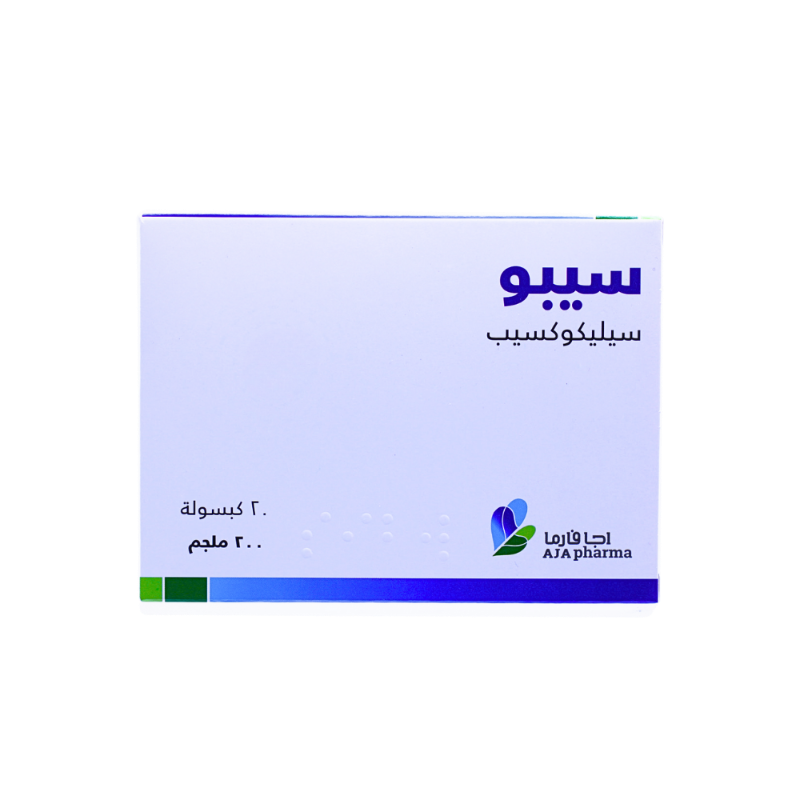
Medications > Painkillers and Antipyretics
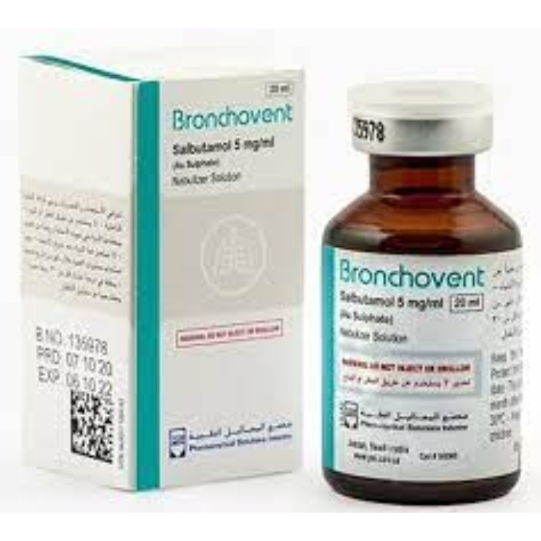
Medications > Cold, Cough, and Allergy Medications
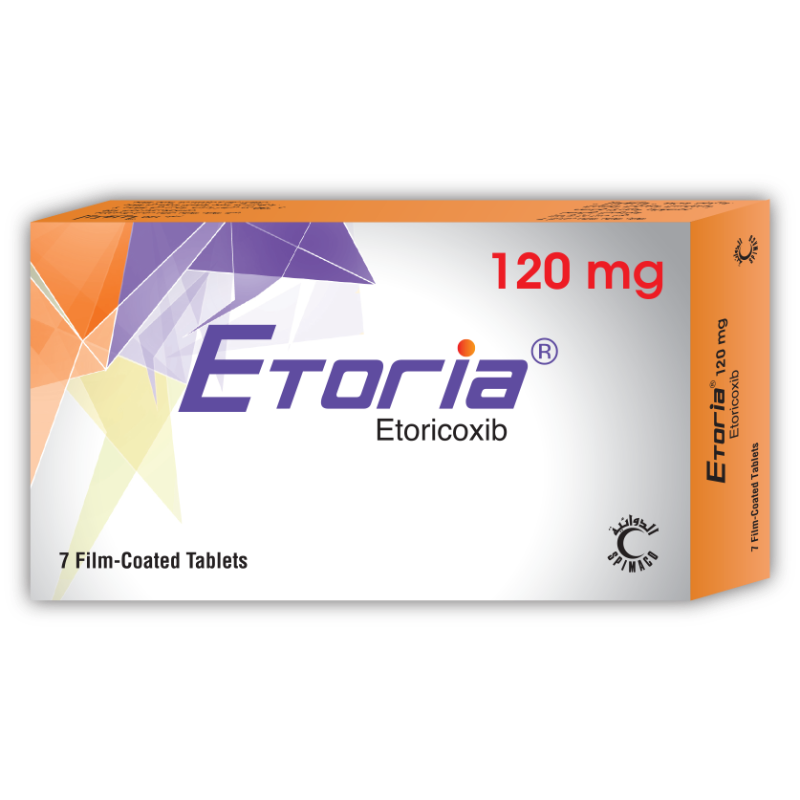
Medications > Painkillers and Antipyretics
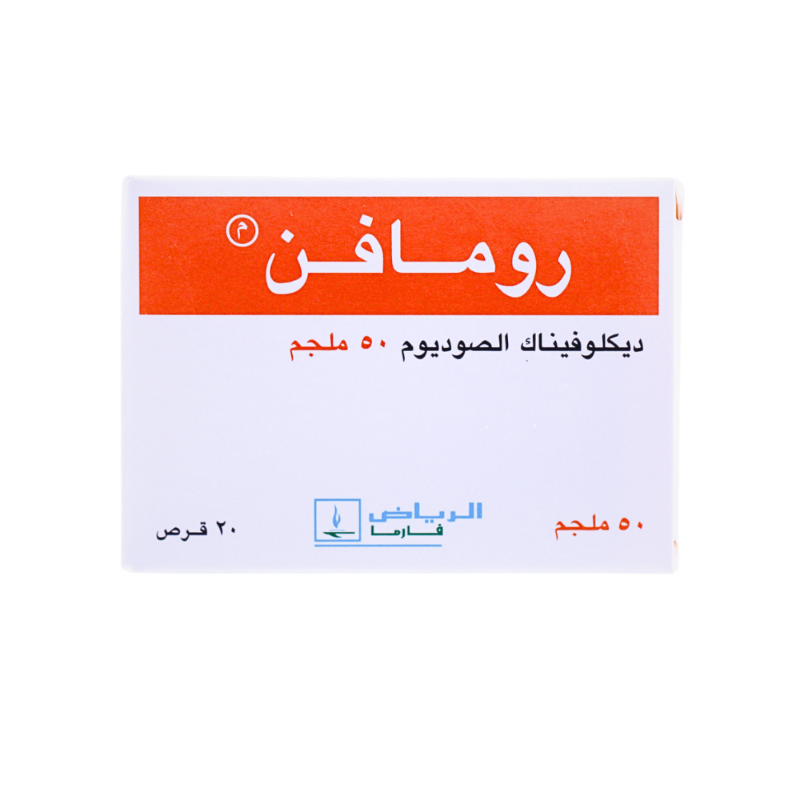
Medications > Painkillers and Antipyretics
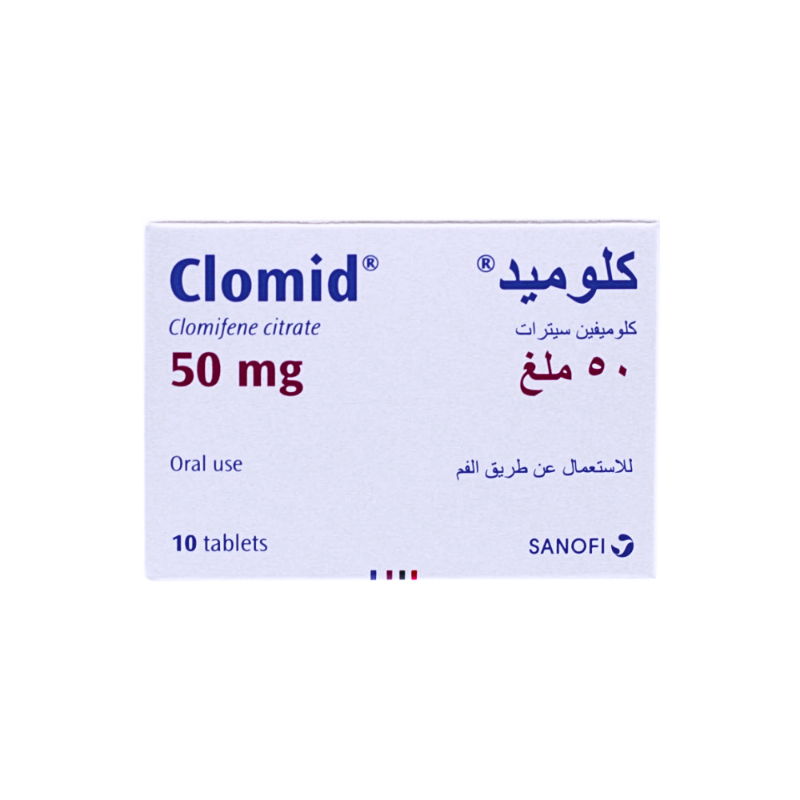
Medications > Contraceptives and Hormonal Medications
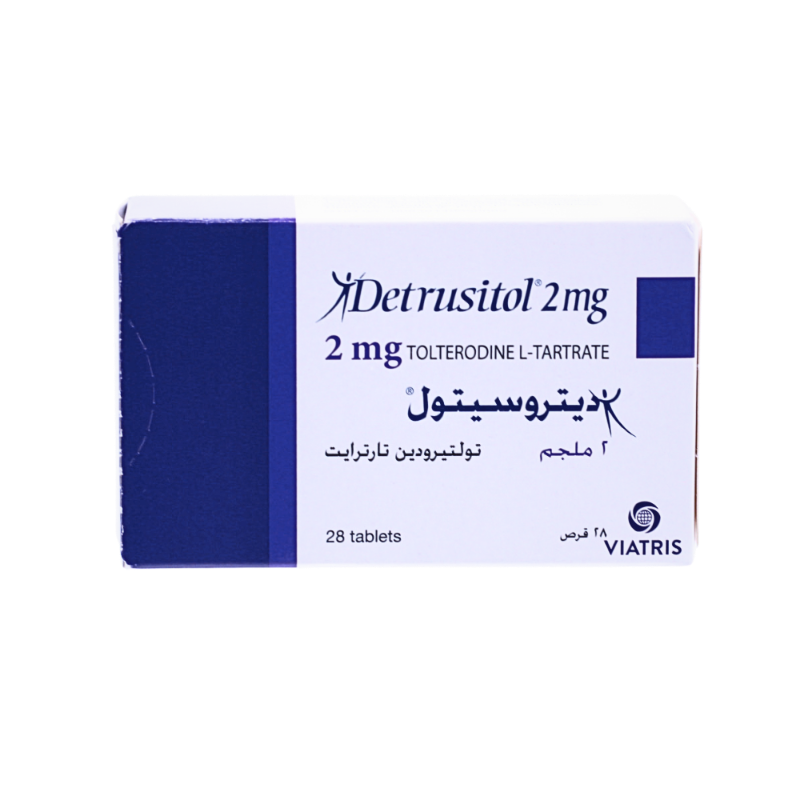
Medications > Urology Medications
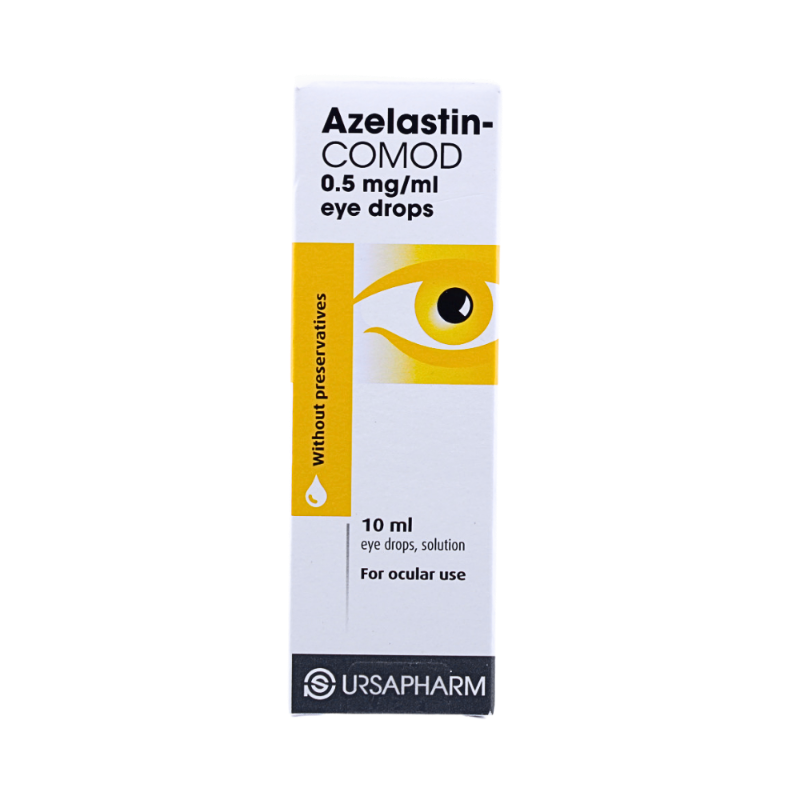
Medications > Eye and Ear Medications
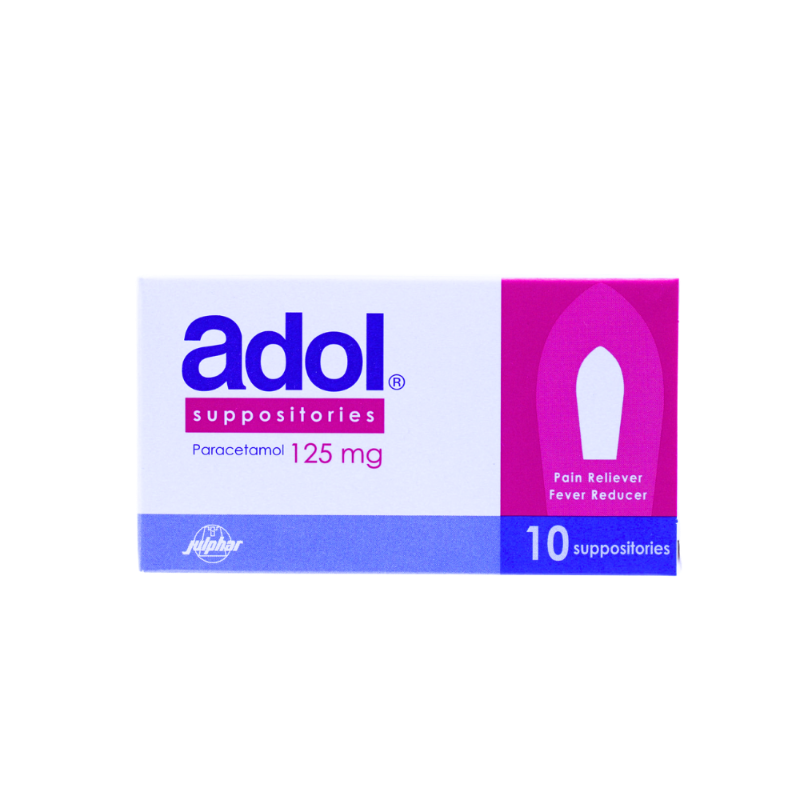
Medications > Painkillers and Antipyretics
Medications > Painkillers and Antipyretics
Medications > Sexual Health
