
Use Code: SAVE26 And Get 30% OFF | Get Free Delivery With No Minimum Order
-1744229570.gif "Almujtama Pharmacy logo")




Frequently bought together
Vitamins & Supplements > Vitamins and Minerals
Vitamins & Supplements > Vitamins and Minerals
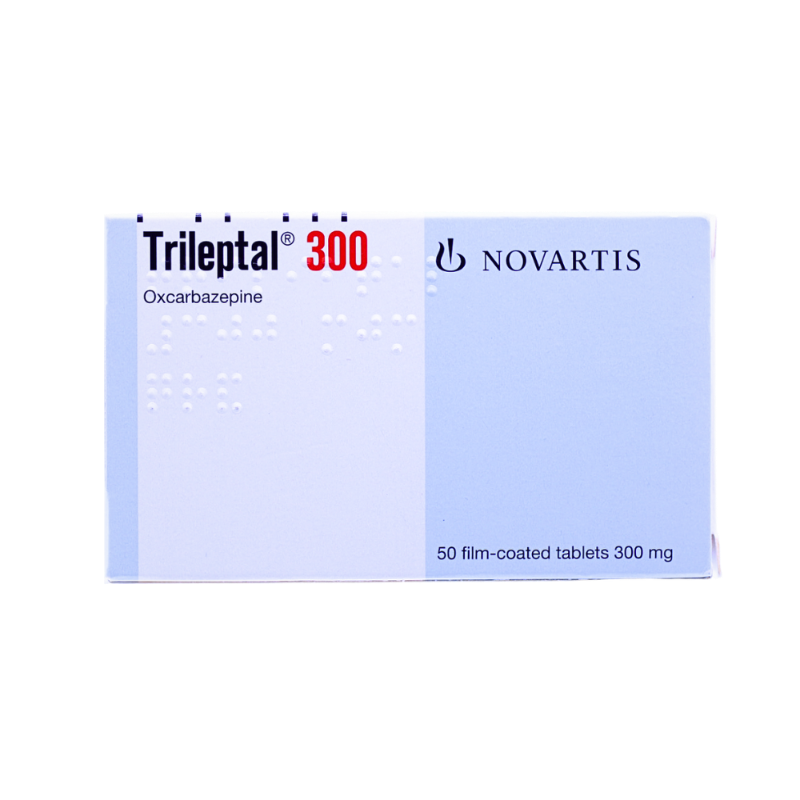
TRILEPTAL 300/MG FC TAB 50/FC TAB
- Sku : I-013253
Key features
TRILEPTAL 300 mg film-coated tablets contain the active ingredient oxcarbazepine. It acts primarily by blocking voltage-sensitive sodium channels to stabilize hyperexcitable neuronal membranes and inhibit repetitive neuronal firing, with activity mainly mediated via its active metabolite (10‑monohydroxy derivative, MHD). It is indicated for the treatment of partial-onset seizures as monotherapy or adjunctive therapy in adults, as adjunctive therapy in children aged 2 years and older, and as monotherapy in children aged 4 years and older. Available as film-coated tablets in a pack of 50 tablets; prescription only.- Brand: TRILEPTAL
- Active Ingredient: OXCARBAZEPINE
- Strength: 300mg
- Dosage Form: Film-coated tablet
- Pack Size: 50 Tablets
- Route: Oral use
- Prescription Status: Prescription
- Therapeutic Class: Anticonvulsant
- Pharmacological Group: Antiepileptics
- Drug Class: Anti-epileptic Agent [EPC] (ATC N03AF02).
- Manufacturer: NOVARTIS
- Country of Origin: Italy
- SFDA Registration No.: 122-9-16
- Shelf Life: 36 months
- Storage: do not store above 30°c
- Also Used For: Partial seizures.
Frequently bought together
Vitamins & Supplements > Vitamins and Minerals
Vitamins & Supplements > Vitamins and Minerals
Indications
Approved Uses
Partial-onset seizures (monotherapy and adjunctive therapy in adults), partial-onset seizures (adjunctive therapy in children aged 2 years and older), partial-onset seizures (monotherapy in children aged 4 years and older)
Dosage & Administration
Dosing by Condition
Partial-onset seizures (adults, monotherapy): start 300 mg twice daily (600 mg/day) and increase by 300 mg/day every 3 days as clinically indicated; usual maintenance 1200 mg/day; maximum 2400 mg/day. (Adjunctive and pediatric dosing exist but are not required to state if focusing on adult monotherapy.)
Initial Dose
600mg per day, administered in two divided doses (300mg twice daily).
Maintenance Dose
600-1200 mg/day in two divided doses for adjunctive therapy; up to 1200 mg/day for monotherapy
Maximum Dose
2400 mg/day in adults
Children's Dosage
Children 2-16 years (adjunctive): 8-10 mg/kg/day in two divided doses; target maintenance: 20-29 kg: 900 mg/day; 29.1-39 kg: 1200 mg/day; >39 kg: 1800 mg/day; max 60 mg/kg/day. Children 4-16 years (monotherapy): 8-10 mg/kg/day in two divided doses; max 60 mg/kg/day.
Dose Adjustment Notes
Renal impairment: if CrCl <30 mL/min, start at 50% of the usual initial dose and titrate slowly; Hepatic impairment: no adjustment for mild-moderate impairment, and use is not recommended/insufficiently studied in severe hepatic impairment; Conversion from carbamazepine: no fixed 1.5× rule-convert using clinical response/tolerability with careful titration.
How to Take
Swallow the film‑coated tablet whole with water; may be taken with or without food; administer in 2 divided doses (usually twice daily) as prescribed.
Side Effects
Common Side Effects
Dizziness, somnolence, headache, ataxia, nausea, vomiting, diplopia, fatigue, abnormal vision, abdominal pain, tremor, dyspepsia, abnormal gait
Side Effect Frequency
Very common (≥10%): dizziness, somnolence, headache, diplopia, fatigue, nausea, vomiting, ataxia/abnormal gait, abnormal vision. Common (1-10%): tremor, confusion, rash, hyponatremia (including clinically significant cases), among others; rare but serious: SJS/TEN, angioedema/anaphylaxis, blood dyscrasias, suicidal ideation.
Safety & Warnings
Contraindications
Hypersensitivity to oxcarbazepine or any component of the formulation; do not use in patients with known hypersensitivity to carbamazepine due to clinically significant cross-hypersensitivity risk.
Warnings & Precautions
Monitor serum sodium (hyponatremia risk, higher in elderly/with diuretics); risk of serious dermatologic reactions (SJS/TEN)-consider HLA-B*1502 screening in at-risk Asian ancestry and avoid if positive when alternatives exist; cross-hypersensitivity with carbamazepine; monitor for suicidal ideation/behavior; taper on discontinuation; caution in renal impairment; reduced efficacy of hormonal contraceptives; additive CNS depression with alcohol/CNS depressants.
Age Restriction
Approved for use in children 4 years and older for monotherapy, and 2 years and older for adjunctive therapy.
Driving Warning
May Cause Drowsiness
Drug Interactions
Drug Interactions
Hormonal contraceptives (reduced efficacy via CYP3A induction); enzyme-inducing antiepileptics (carbamazepine, phenytoin, phenobarbital) and rifampin (can lower active MHD exposure); phenytoin (oxcarbazepine can increase phenytoin levels at higher doses); alcohol/CNS depressants (additive CNS effects); diuretics or other hyponatremia-promoting drugs (additive hyponatremia risk).
Interaction Severity
MAJOR: Hormonal contraceptives (reduced efficacy via enzyme induction-use additional/alternative contraception). MODERATE: Phenytoin (oxcarbazepine can increase phenytoin levels at higher doses; bidirectional level changes possible), other enzyme inducers (e.g., carbamazepine/phenobarbital/phenytoin, rifampin) can reduce MHD exposure, CNS depressants/alcohol (additive sedation), and drugs that increase hyponatremia risk (e.g., diuretics/SSRIs) (additive hyponatremia risk).
Food Interaction
Immediate‑release Trileptal film‑coated tablets: may be taken with or without food (no food restriction).
Special Populations
Pregnancy
Category C
Breastfeeding
Caution
Children
Children 2-16 years (adjunctive): 8-10 mg/kg/day in two divided doses; target maintenance: 20-29 kg: 900 mg/day; 29.1-39 kg: 1200 mg/day; >39 kg: 1800 mg/day; max 60 mg/kg/day. Children 4-16 years (monotherapy): 8-10 mg/kg/day in two divided doses; max 60 mg/kg/day.
Elderly
Start at a lower dose (e.g., 300-450 mg/day) and titrate more slowly due to potential for reduced renal clearance.
Kidney Impairment
CrCl <30 mL/min: start at 50% of the usual initial dose (i.e., 300 mg/day total, typically 150 mg twice daily) and titrate more slowly; CrCl ≥30 mL/min: no adjustment.
Liver Impairment
Mild-to-moderate hepatic impairment: no dose adjustment needed; severe hepatic impairment: use with caution (insufficient data).
Storage & Patient Advice
Stopping the Medicine
Do not stop abruptly; taper gradually over several weeks (individualize, typically at least 2-4 weeks) to reduce risk of increased seizure frequency/status epilepticus.
Overdose
Symptoms may include somnolence, dizziness, ataxia, nystagmus, nausea/vomiting, agitation, hypotension/bradycardia, hyponatremia, and coma; management is immediate emergency evaluation with supportive/symptomatic care (airway/breathing/circulation), consider activated charcoal if early, and monitor ECG/vitals and electrolytes; no specific antidote.
Patient Counseling
Take exactly as prescribed (usually twice daily) with or without food; do not stop abruptly; may cause dizziness/drowsiness-avoid driving until effects known and avoid alcohol; report rash immediately; report symptoms of low sodium (nausea, headache, confusion, worsening seizures); use additional/alternative contraception if using hormonal birth control; report mood changes/suicidal thoughts; inform provider if pregnant/planning pregnancy or breastfeeding.
Monitoring Requirements
Monitor serum sodium (baseline and periodically-especially during the first 3 months and in high‑risk patients), and monitor for CNS adverse effects and suicidal ideation; assess renal function (especially if impairment/elderly) and consider LFTs/CBC if clinically indicated.
Pharmacology
Mechanism of Action
Blocks voltage‑sensitive sodium channels to stabilize hyperexcited neuronal membranes and inhibit repetitive firing; activity is primarily via the active metabolite (10‑monohydroxy derivative, MHD); may have additional effects on calcium currents and potassium conductance.
Duration of Effect
Approximately 12 hours per dose (supports twice‑daily dosing for immediate‑release tablets).
Half-Life
Oxcarbazepine: approximately 2 hours; active metabolite MHD: 9-11 hours
Bioavailability
Oral absorption is high (≥95% absorbed) with extensive conversion to MHD; MHD systemic availability is high (often described as ~100% relative exposure after formation).
Metabolism
Rapidly and extensively reduced to the active 10-monohydroxy derivative (MHD) via cytosolic reductases (non-CYP); MHD is then primarily glucuronidated, and oxcarbazepine/MHD can induce CYP3A4/3A5 (and inhibit CYP2C19).
Product Information
Available Dosage Forms
Film-coated tablet, Oral suspension.
Composition per Dose
Each film-coated tablet: 300 mg oxcarbazepine
Generic Availability
Yes
OTC Alternatives
No OTC alternative
Also Used For
Partial seizures.
Reviewed by Al Mujtama Pharmacy Medical Review Team. Last reviewed 10-07-2026
Similar Products
Medications > Other Medicines
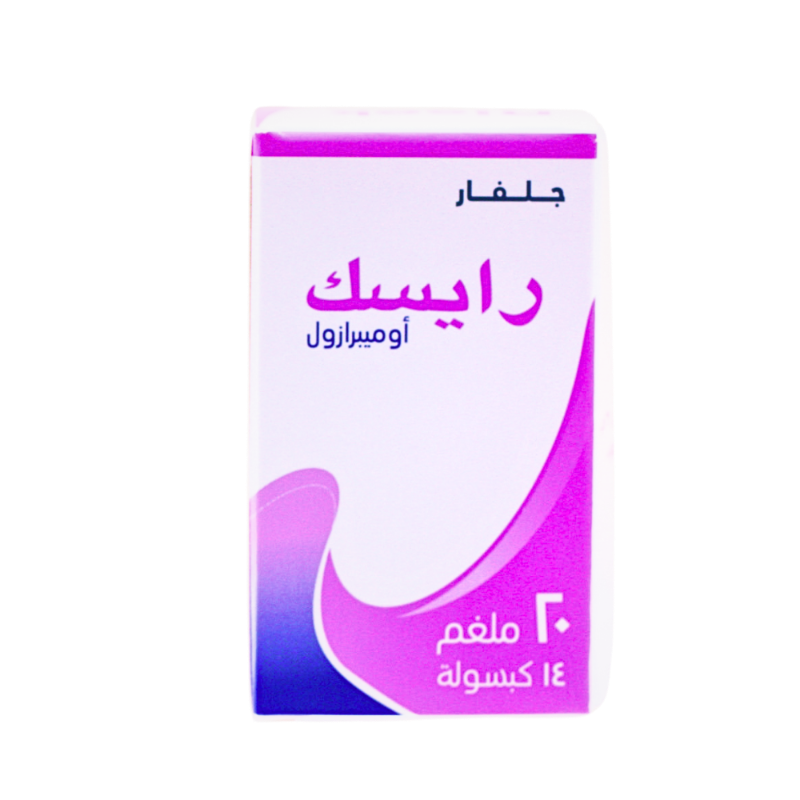
Medications > Gastrointestinal Medications
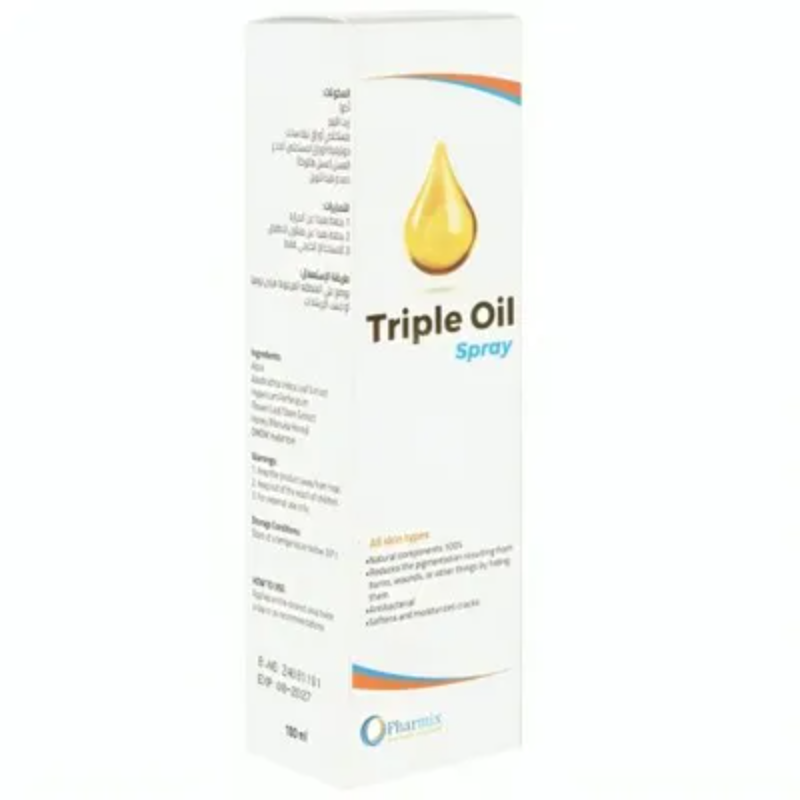
Medications > Dermatology Medications
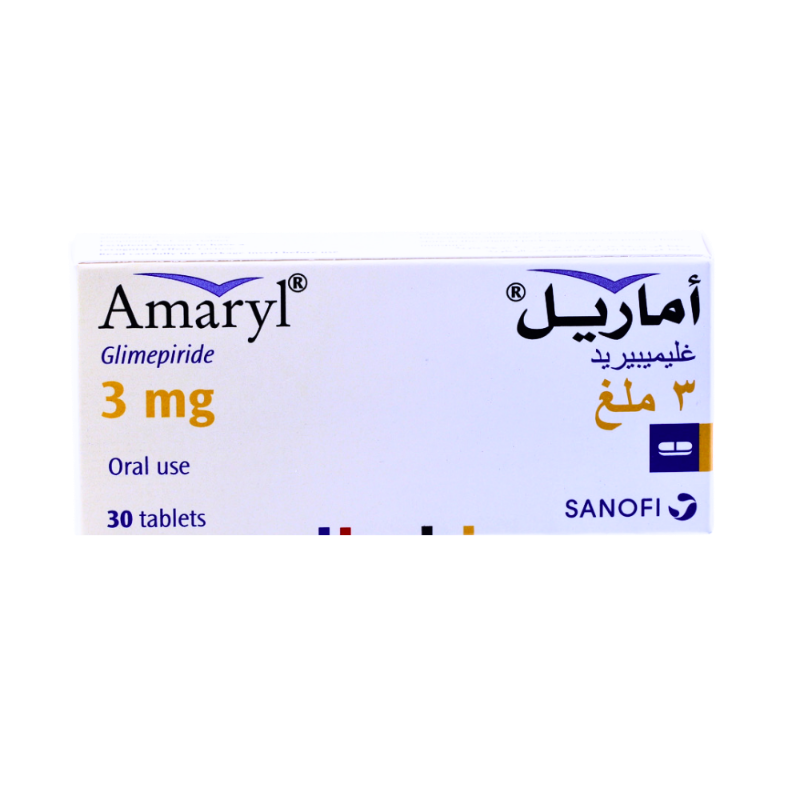
Medications > Diabetes Medications
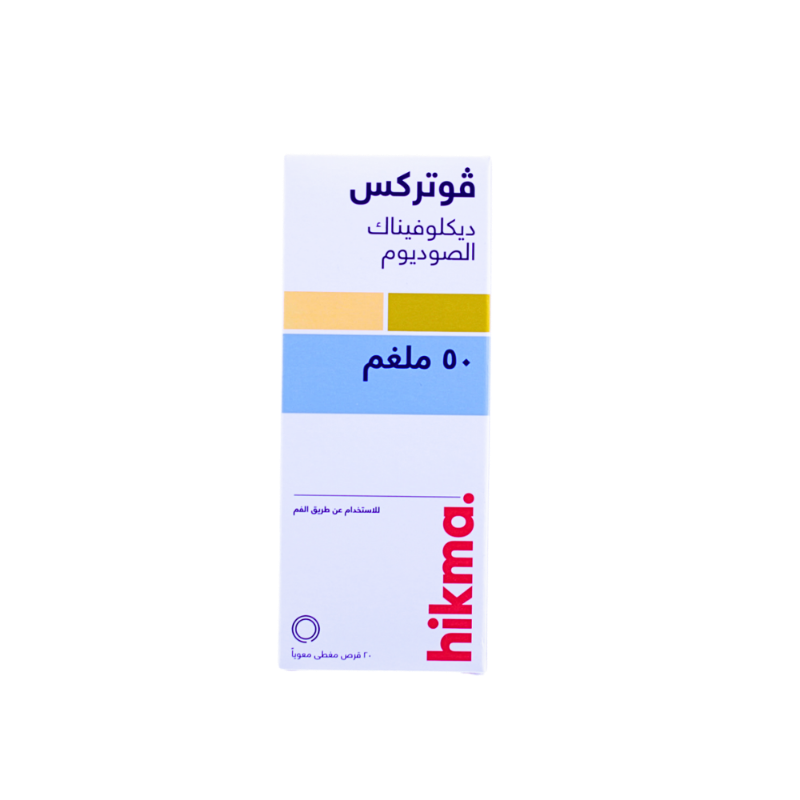
Medications > Painkillers and Antipyretics
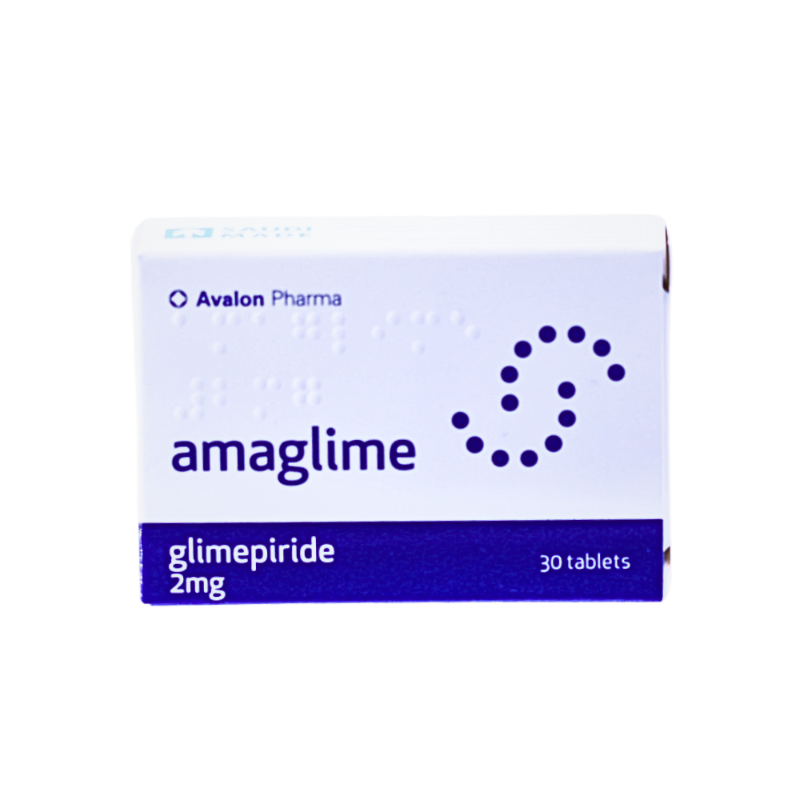
Medications > Diabetes Medications
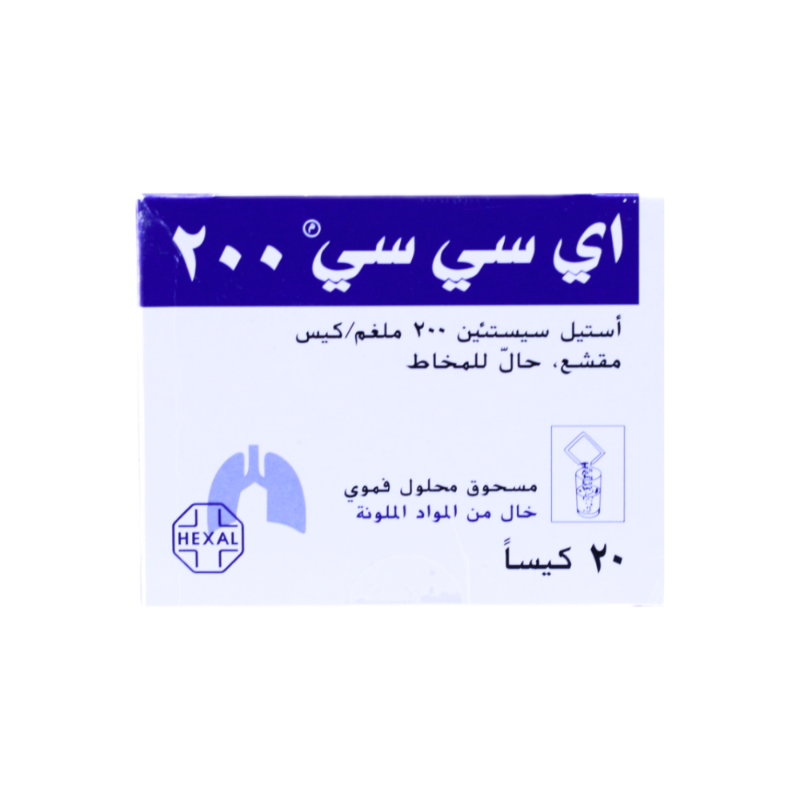
Medications > Cold, Cough, and Allergy Medications
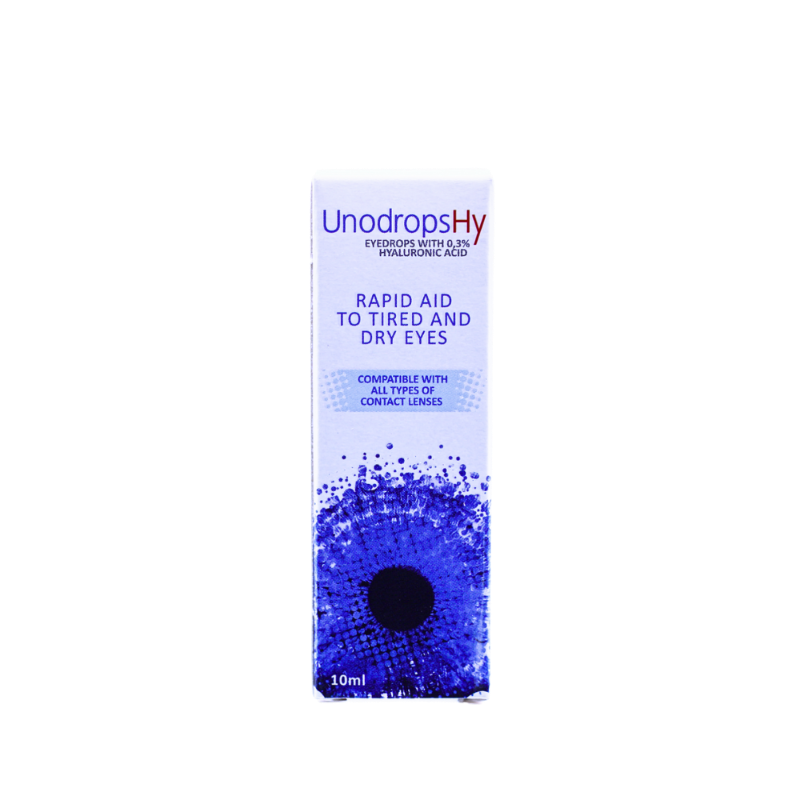
Medications > Eye and Ear Medications
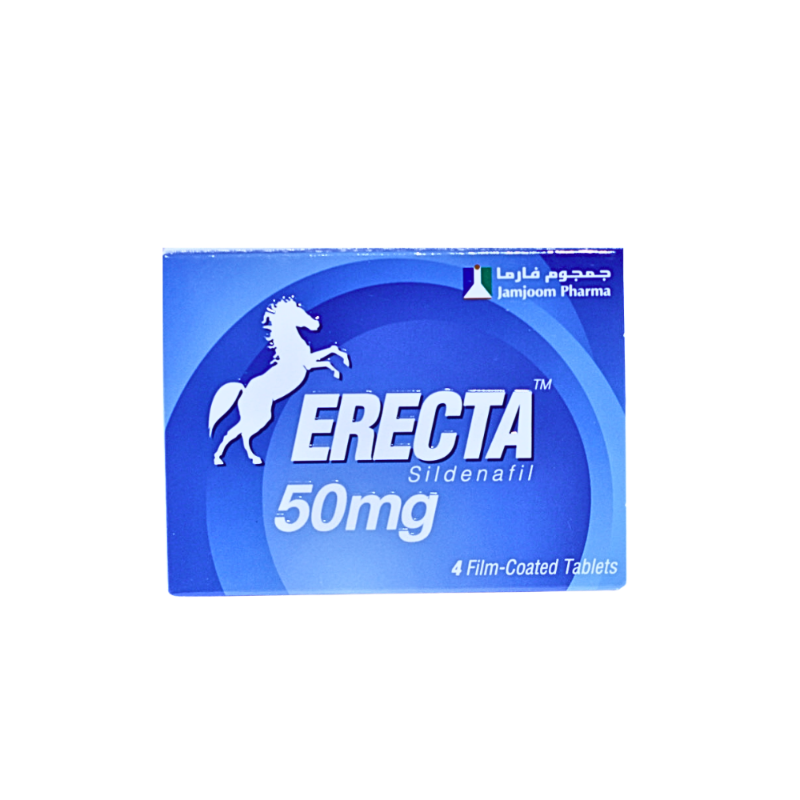
Medications > Sexual Health
Medications > Dermatology Medications
