
Use Code: SAVE26 And Get 30% OFF | Get Free Delivery With No Minimum Order
-1744229570.gif "Almujtama Pharmacy logo")




Frequently bought together
Vitamins & Supplements > Vitamins and Minerals
Vitamins & Supplements > Vitamins and Minerals
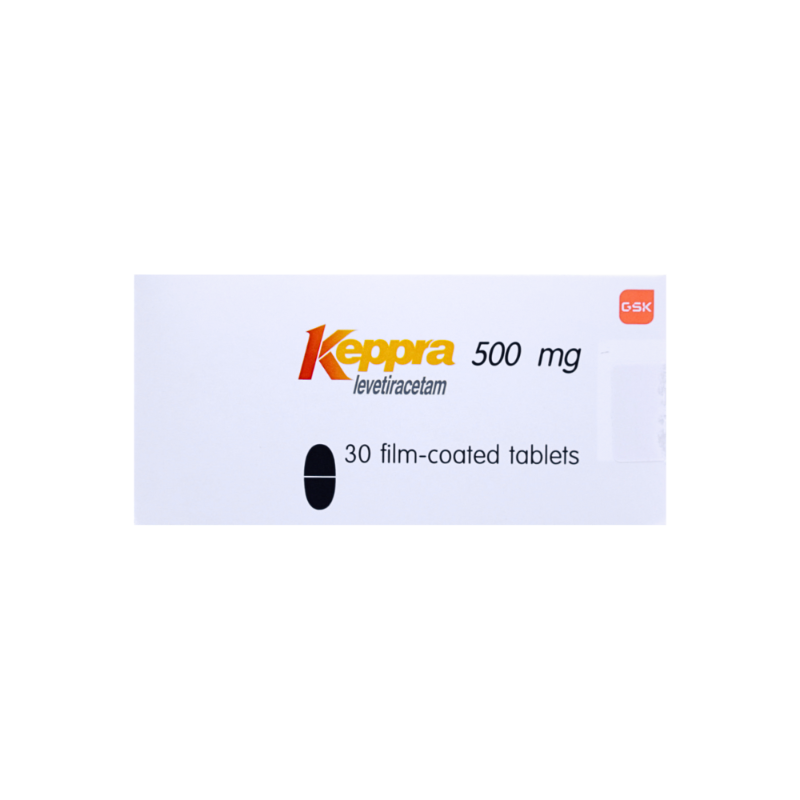
KEPPRA 500/MG FC TAB 30/FC TAB
- Sku : I-003223
Key features
KEPPRA 500 mg film-coated tablets contain the active ingredient levetiracetam, 500 mg per tablet. Levetiracetam binds to synaptic vesicle protein SV2A, modulating neurotransmitter release and reducing neuronal hyperexcitability. It is indicated as adjunctive therapy for partial-onset seizures from one month of age, for myoclonic seizures in patients 12 years and older with juvenile myoclonic epilepsy, for primary generalized tonic-clonic seizures in patients 6 years and older with idiopathic generalized epilepsy, and as monotherapy for partial-onset seizures in patients 16 years and older. Available by prescription as film-coated tablets in packs of 30 tablets.- Brand: KEPPRA
- Active Ingredient: LEVETIRACETAM 500mg
- Strength: 500mg
- Dosage Form: Film-coated tablet
- Pack Size: 30 Tablets
- Route: Oral use
- Prescription Status: Prescription
- Therapeutic Class: Anticonvulsant
- Pharmacological Group: Antiepileptics
- Drug Class: Antiepileptic drug (pyrrolidone/pyrrolidine derivative); SV2A (synaptic vesicle protein 2A) ligand/modulator.
- Manufacturer: U.C.B.
- Country of Origin: Belgium
- SFDA Registration No.: 2701256758
- Shelf Life: 36 months
- Storage: store below 25°c
- Also Used For: Partial-onset seizures, Myoclonic seizures in juvenile myoclonic epilepsy, Primary generalized tonic-clonic seizures
Frequently bought together
Vitamins & Supplements > Vitamins and Minerals
Vitamins & Supplements > Vitamins and Minerals
Indications
Approved Uses
Adjunctive therapy for partial-onset seizures in patients from one month of age, adjunctive therapy for myoclonic seizures in patients from 12 years of age with Juvenile Myoclonic Epilepsy, adjunctive therapy for primary generalized tonic-clonic seizures in patients from 6 years of age with Idiopathic Generalized Epilepsy, and monotherapy for partial-onset seizures in patients from 16 years of age.
Off-Label Uses
Common off‑label uses include treatment of status epilepticus (IV or oral loading/maintenance in protocols) and seizure prophylaxis in select settings (e.g., traumatic brain injury/neurosurgical patients), depending on institutional guidelines.
Dosage & Administration
Dosing by Condition
Adults (immediate‑release tablets): Partial‑onset seizures-start 500 mg twice daily, increase by 500 mg twice daily every 2 weeks as needed; usual range 1,000-3,000 mg/day. Myoclonic seizures (JME, ≥12 years) and Primary generalized tonic‑clonic seizures (≥6 years)-start 500 mg twice daily, increase every 2 weeks to 1,500 mg twice daily (max 3,000 mg/day). Pediatrics: weight‑based dosing is used (e.g., ~10 mg/kg twice daily initially with titration), per age/weight and product labeling.
Initial Dose
500mg twice daily (1000mg/day)
Maintenance Dose
1000-3000mg per day in two divided doses
Maximum Dose
3000 mg per day.
Children's Dosage
Partial-onset seizures (1 month to <6 months): Initial 7 mg/kg twice daily, up to 21 mg/kg twice daily. (6 months to <4 years): Initial 10 mg/kg twice daily, up to 25 mg/kg twice daily. (4 to <16 years): Initial 10 mg/kg twice daily, up to 30 mg/kg twice daily.
Dose Adjustment Notes
Adjust dose in renal impairment based on creatinine clearance; when discontinuing, taper gradually to reduce risk of increased seizure frequency; hepatic adjustment is generally not required, except consider lower doses in severe hepatic impairment when renal function is also reduced.
How to Take
Swallow the 500 mg film‑coated tablet whole with water; may be taken with or without food; for immediate‑release levetiracetam tablets, administer in 2 divided doses (typically twice daily) at consistent times.
Side Effects
Common Side Effects
Common adverse effects include somnolence, asthenia/fatigue, dizziness, headache, irritability/behavioral changes (including aggression), and decreased appetite; nasopharyngitis/upper respiratory symptoms can occur.
Side Effect Frequency
Very common (≥10%): somnolence, asthenia/fatigue, headache, nasopharyngitis. Common (1-10%): dizziness, irritability/behavioral changes (including aggression/hostility), depression/anxiety, anorexia, tremor, balance disorder/ataxia, nausea/vomiting, abdominal pain/diarrhea/dyspepsia, rash.
Safety & Warnings
Contraindications
Hypersensitivity to levetiracetam or other pyrrolidone derivatives.
Warnings & Precautions
Monitor for behavioral/psychiatric symptoms and suicidality; caution with somnolence/fatigue and activities requiring alertness; adjust for renal impairment; avoid abrupt discontinuation (taper); watch for severe skin reactions/DRESS and hypersensitivity; consider monitoring CBC if clinically indicated.
Age Restriction
Levetiracetam is approved for use from 1 month of age for certain seizure types (typically as oral solution); film‑coated tablets are generally used only in children who can safely swallow tablets (commonly ≥6 years, product/formulation dependent).
Driving Warning
May Cause Drowsiness
Drug Interactions
Drug Interactions
Additive CNS depression with alcohol/other sedatives; otherwise few clinically significant pharmacokinetic interactions (notably: probenecid increases exposure to the inactive metabolite; methotrexate-reports of reduced clearance/toxicity-monitor if coadministered).
Interaction Severity
Clinically relevant interactions are mainly pharmacodynamic: alcohol and other CNS depressants can increase sedation/impairment (generally moderate). Levetiracetam has minimal clinically significant pharmacokinetic drug-drug interactions (including with oral contraceptives).
Food Interaction
No clinically significant food restriction; may be taken with or without food.
Special Populations
Pregnancy
Consult Doctor
Breastfeeding
Caution
Children
Partial-onset seizures (1 month to <6 months): Initial 7 mg/kg twice daily, up to 21 mg/kg twice daily. (6 months to <4 years): Initial 10 mg/kg twice daily, up to 25 mg/kg twice daily. (4 to <16 years): Initial 10 mg/kg twice daily, up to 30 mg/kg twice daily.
Elderly
Dose adjustment based on renal function (CrCl); start at lower end of dosing range and monitor renal function regularly
Kidney Impairment
CrCl >80 mL/min: 500-1500 mg q12h; CrCl 50-80: 500-1000 mg q12h; CrCl 30-50: 250-750 mg q12h; CrCl <30: 250-500 mg q12h; ESRD on dialysis: 500-1000 mg q24h plus 250-500 mg supplemental post-dialysis.
Liver Impairment
No adjustment for mild-moderate hepatic impairment; in severe hepatic impairment, reduce dose only if renal function is also impaired (i.e., base dosing on renal function and consider ~50% reduction of the renal-adjusted maintenance dose when severe hepatic disease is accompanied by reduced CrCl).
Storage & Patient Advice
Stopping the Medicine
Do not stop abruptly - taper gradually over a minimum of 2 weeks to reduce the risk of withdrawal seizures.
Overdose
Symptoms: somnolence, agitation/aggression, depressed consciousness, respiratory depression, coma; management: supportive care/airway protection, consider GI decontamination if early, and hemodialysis can enhance removal.
Patient Counseling
Take exactly as prescribed (typically twice daily for immediate‑release tablets) with or without food; swallow tablets whole; do not stop abruptly-taper with prescriber guidance; may cause dizziness/somnolence-avoid driving until effects are known; avoid or limit alcohol/CNS depressants due to additive sedation; report mood/behavior changes or suicidal thoughts promptly; if a dose is missed, take it when remembered unless near the next dose-do not double.
Monitoring Requirements
No routine serum drug-level monitoring is required; monitor clinically for seizure control and adverse effects (especially mood/behavioral changes and suicidality) and assess renal function for dosing (baseline and periodically or when clinical status changes).
Pharmacology
Mechanism of Action
Binds to synaptic vesicle protein SV2A, modulating neurotransmitter release and reducing neuronal hyperexcitability; additional effects on ion currents have been described but the primary established mechanism is SV2A binding.
Onset of Action
Pharmacokinetic onset: peak plasma concentration occurs about ~1 hour after an immediate‑release oral dose; clinical seizure improvement may be seen early but is individualized and depends on titration and baseline seizure frequency.
Duration of Effect
Immediate‑release levetiracetam provides clinical coverage with twice‑daily dosing; elimination half‑life is ~6-8 hours, supporting a ~12‑hour dosing interval.
Half-Life
Adults: ~6-8 hours; shorter in children and longer in the elderly and in renal impairment.
Bioavailability
Approximately 100% (essentially complete oral bioavailability).
Metabolism
Minimal metabolism; primarily enzymatic hydrolysis of the acetamide group (non-CYP) to an inactive metabolite.
Excretion
Primarily renal: ~66% excreted unchanged in urine; ~24% as inactive metabolite; total urinary recovery ~90-95%.
Protein Binding
<10%.
Product Information
Available Dosage Forms
Levetiracetam is available as immediate‑release tablets (including film‑coated), oral solution, and IV solution for injection/infusion; an extended‑release tablet also exists (Keppra XR in the US), but it is a different formulation from this SFDA film‑coated tablet product.
Composition per Dose
Each film-coated tablet: 500mg levetiracetam
Generic Availability
Yes
OTC Alternatives
No OTC alternative
Also Used For
Partial-onset seizures, Myoclonic seizures in juvenile myoclonic epilepsy, Primary generalized tonic-clonic seizures
Reviewed by Al Mujtama Pharmacy Medical Review Team. Last reviewed 26-07-2026
Similar Products
Medications > Painkillers and Antipyretics
Medications > Hypertesion & Cardiovascular Medications
Medications > Anticonvulsants and antiepileptics
Medications > Gastrointestinal Medications

Medications > Dermatology Medications
Medications > Dermatology Medications
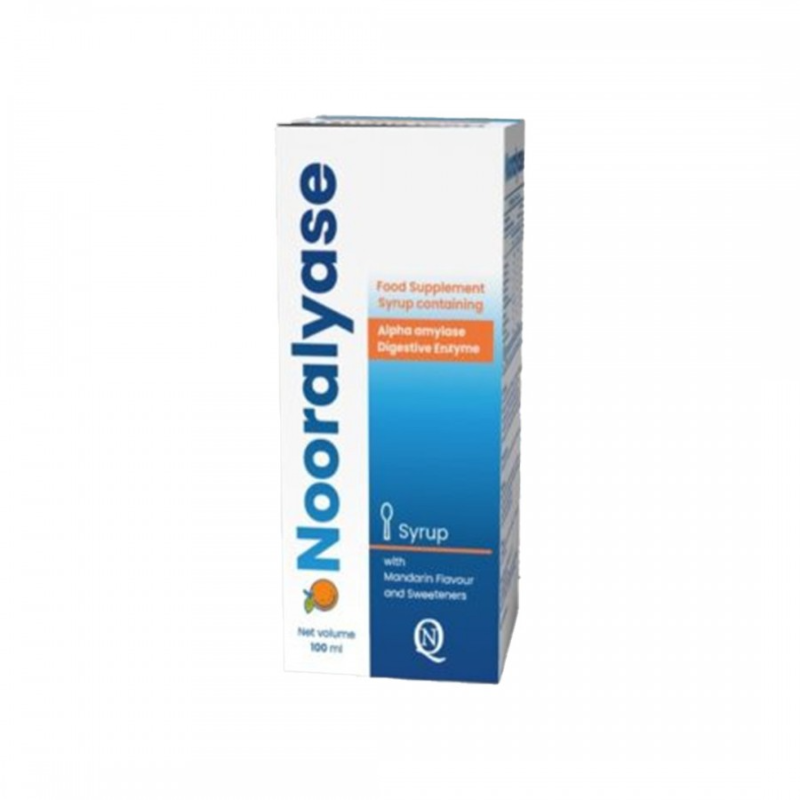
Medications > Painkillers and Antipyretics
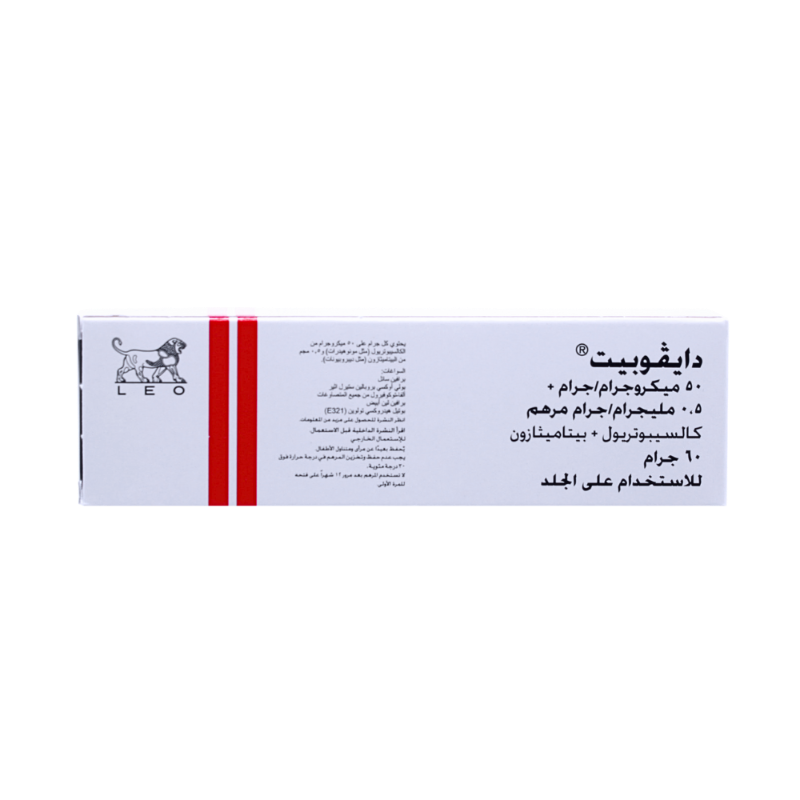
Medications > Dermatology Medications
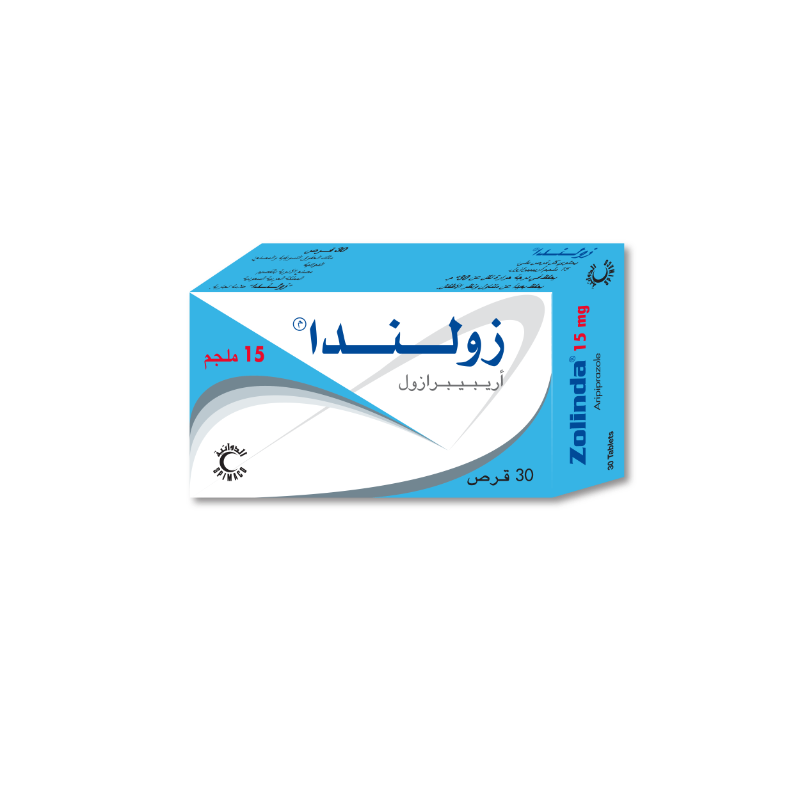
Medications > Psychiatric Medications
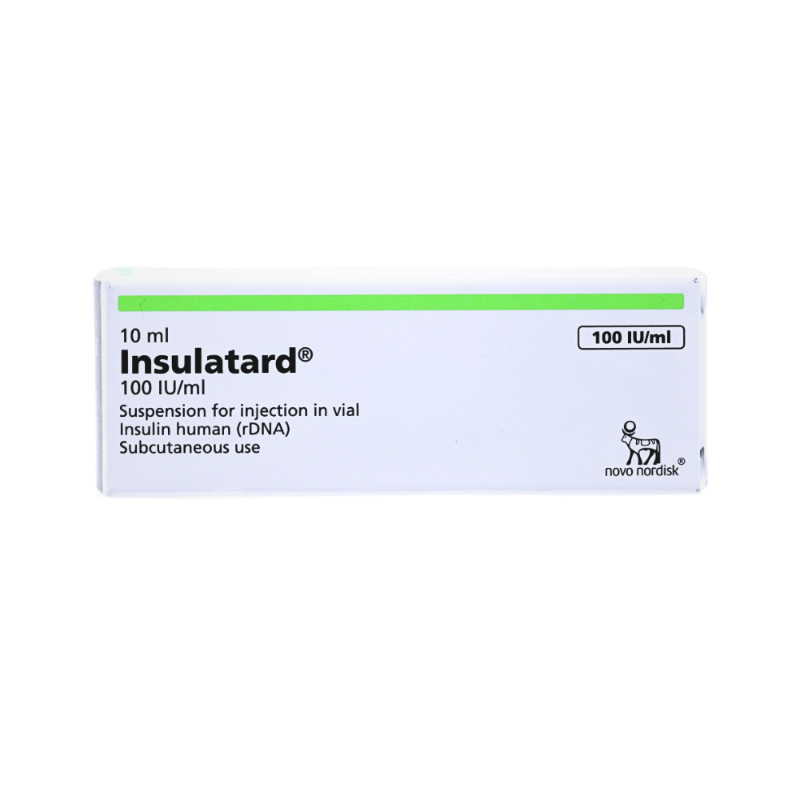
Medications > Diabetes Medications
