
Use Code: ND30 And Get 30% OFF | Get Free Delivery With No Minimum Order
-1744229570.gif "Almujtama Pharmacy logo")




Frequently bought together
Vitamins & Supplements > Vitamins and Minerals
Vitamins & Supplements > Vitamins and Minerals
Vitamins & Supplements > Vitamins and Minerals
Vitamins & Supplements > Vitamins and Minerals
Vitamins & Supplements > Vitamins and Minerals
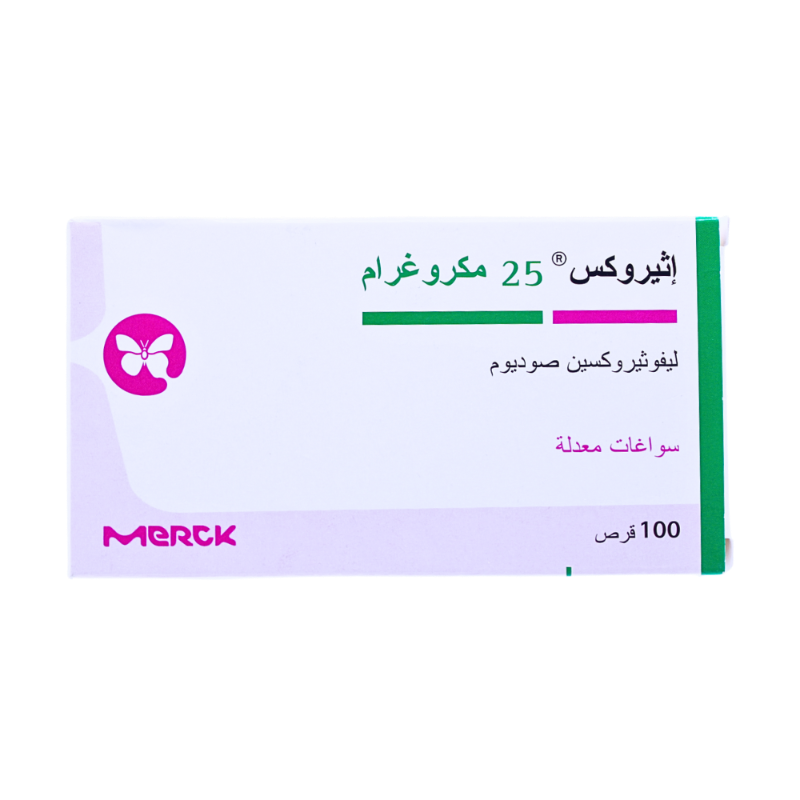
EUTHYROX 25/MCH 100/TAB
- Sku : I-002032
Key features
Euthyrox Tablet 0.025mg is a prescription tablet containing levothyroxine sodium 0.025mg, a synthetic thyroid hormone replacement. It works by replacing endogenous thyroxine and supporting normal thyroid hormone activity in the body. It is used for the treatment of hypothyroidism and for pituitary TSH suppression as an adjunct in the management of thyrotropin-dependent well-differentiated thyroid cancer. It is available in a pack of 100 tablets.- Brand: EUTHYROX
- Active Ingredient: LEVOTHYROXINE SODIUM 0.025mg
- Strength: 0.025mg
- Dosage Form: Tablet
- Pack Size: 100 Tablets
- Route: Oral use
- Prescription Status: Prescription
- Therapeutic Class: Hormonal
- Pharmacological Group: Thyroid Therapy
- Drug Class: Synthetic thyroid hormone (thyroxine, T4) / thyroid hormone replacement.
- Manufacturer: Merck Healthcare KGaA
- Country of Origin: Germany
- SFDA Registration No.: 3010258523
- Shelf Life: 36 months
- Storage: store below 25°c
- Primary Use: Thyroid hormone replacement therapy for hypothyroidism and TSH suppression in thyroid cancer
Frequently bought together
Vitamins & Supplements > Vitamins and Minerals
Vitamins & Supplements > Vitamins and Minerals
Vitamins & Supplements > Vitamins and Minerals
Vitamins & Supplements > Vitamins and Minerals
Vitamins & Supplements > Vitamins and Minerals
Indications
Approved Uses
Treatment of hypothyroidism (primary, secondary, tertiary) and pituitary TSH suppression as an adjunct in the management of thyrotropin-dependent well-differentiated thyroid cancer.
Off-Label Uses
TSH suppression for benign thyroid nodules or nontoxic diffuse goiter is an off-label/controversial use and generally not routinely recommended due to risk outweighing benefit; levothyroxine is not indicated for obesity/weight loss.
Dosage & Administration
Dosing by Condition
Hypothyroidism (otherwise healthy adults): ~1.6 micrograms/kg/day full replacement; alternatively start lower (e.g., 25-50 micrograms/day) and titrate every 4-6 weeks. Elderly or coronary disease: start 12.5-25 micrograms/day and titrate. TSH suppression in differentiated thyroid cancer: doses often >2 micrograms/kg/day, individualized to target TSH per risk category.
Initial Dose
1.6 mcg/kg/day for healthy adults; 25-50 mcg/day for patients over 50 or with cardiac disease.
Maintenance Dose
Typically 100-200 mcg once daily, adjusted based on TSH levels. Doses greater than 200 mcg per day are seldom required. An inadequate response to daily doses of greater than 300 mcg per day is rare
Maximum Dose
300 mcg/day (0.3 mg/day); doses >300 mcg/day are rarely needed.
Children's Dosage
Dosing is based on age and body weight: Newborns (0 to 3 months) at Risk for Cardiac Failure: Consider a lower starting dose. Pediatric Patients at Risk for Hyperactivity: Start at one-fourth the recommended full replacement dose, increase weekly by one-fourth until full dose. Titrate based on TSH and T4
Dose Adjustment Notes
Adjust dose based on TSH (and free T4 when appropriate) in increments of 12.5-25 micrograms (up to 25-50 micrograms in some adults) every 4-6 weeks; elderly/cardiac disease: start 12.5-25 micrograms daily and titrate slowly; pregnancy: requirements often increase early-check TSH promptly and adjust (commonly ~25-30% increase).
How to Take
Take levothyroxine orally once daily on an empty stomach with a full glass of water, ideally 30-60 minutes before breakfast (or consistently at bedtime ≥3-4 hours after the last meal); take at the same time each day and separate from interacting products (e.g., calcium/iron/antacids) by at least 4 hours.
How to Prepare
If a patient cannot swallow tablets (e.g., infants), the tablet may be crushed and mixed with a small amount of water and given immediately; do not prepare in advance and avoid mixing with soy-based formula or high-fiber foods that can reduce absorption.
Side Effects
Common Side Effects
Common adverse effects are typically signs of over-replacement: palpitations/tachycardia, nervousness/anxiety, tremor, insomnia, headache, heat intolerance/sweating, increased appetite and weight loss, diarrhea; menstrual irregularities and transient hair loss can occur.
Side Effect Frequency
Adverse effects are usually dose-related and reflect hyperthyroidism (e.g., palpitations/tachycardia, tremor, nervousness/insomnia, heat intolerance/sweating, weight loss, diarrhea); serious cardiac symptoms (angina/arrhythmias) can occur especially in older patients or those with heart disease, and transient hair loss may occur (notably early in therapy/children). Frequency is not reliably expressed as fixed percentages because events largely depend on over-replacement rather than intrinsic incidence.
Safety & Warnings
Contraindications
Contraindications: uncorrected adrenal insufficiency; untreated thyrotoxicosis; hypersensitivity to levothyroxine or excipients.
Warnings & Precautions
Warnings/precautions: not for weight loss/obesity; use caution and start low/go slow in cardiovascular disease/elderly due to ischemia/arrhythmia risk; correct adrenal insufficiency before initiation; monitor and avoid chronic overtreatment (bone loss/osteoporosis risk); products are not automatically interchangeable-recheck TSH after switching; diabetes control may change requiring antidiabetic adjustment.
Age Restriction
No minimum age restriction; can be used in all ages including neonates (dose individualized).
Drug Interactions
Drug Interactions
Key interactions: reduced absorption with calcium/iron, aluminum/magnesium antacids, sucralfate, bile-acid sequestrants (cholestyramine/colestipol), and PPIs (may require dose adjustment); increased anticoagulant effect with warfarin; altered requirements/effects with antidiabetic agents; reduced digoxin effect as thyroid status normalizes; increased clearance with enzyme inducers (phenytoin, carbamazepine, rifampin); binding/protein changes with estrogens; amiodarone affects thyroid hormone metabolism.
Interaction Severity
MAJOR: Warfarin (may increase anticoagulant effect-monitor INR), untreated adrenal insufficiency (risk of adrenal crisis if thyroid hormone started without glucocorticoids). MODERATE: Calcium/iron/antacids/sucralfate/bile-acid resins (reduced absorption-separate), enzyme inducers (rifampin, carbamazepine, phenytoin) and sertraline (may increase dose requirement), amiodarone (thyroid dysfunction), antidiabetic agents (may alter glycemic control), digoxin (may reduce digoxin effect as metabolic state normalizes).
Food Interaction
Take on an empty stomach 30-60 minutes before breakfast (or consistently at bedtime ≥3-4 hours after food); avoid co-administration with coffee and high-fiber/soy/walnuts, and separate calcium/iron/antacids and bile-acid resins by at least 4 hours.
Special Populations
Children
Dosing is based on age and body weight: Newborns (0 to 3 months) at Risk for Cardiac Failure: Consider a lower starting dose. Pediatric Patients at Risk for Hyperactivity: Start at one-fourth the recommended full replacement dose, increase weekly by one-fourth until full dose. Titrate based on TSH and T4
Kidney Impairment
No routine renal dose adjustment; titrate to TSH/free T4 with clinical monitoring.
Storage & Patient Advice
Preparation Instructions
If a patient cannot swallow tablets (e.g., infants), the tablet may be crushed and mixed with a small amount of water and given immediately; do not prepare in advance and avoid mixing with soy-based formula or high-fiber foods that can reduce absorption.
Missed Dose
Take the missed dose as soon as remembered the same day; if it is close to the next dose, skip the missed dose and resume the regular schedule-do not double doses.
Stopping the Medicine
Do not stop abruptly without prescriber advice; hypothyroidism typically recurs and therapy is often lifelong (except transient causes), so any discontinuation should be supervised with TSH monitoring.
Overdose
Overdose resembles thyrotoxicosis: tachycardia/palpitations, arrhythmias, chest pain, tremor, agitation/insomnia, hyperthermia/sweating, diarrhea/vomiting; severe cases seizures/heart failure-management is urgent medical evaluation, hold/reduce dose, supportive care, and beta‑blocker for adrenergic symptoms.
Patient Counseling
Take Euthyrox (levothyroxine) once daily on an empty stomach with water, ideally 30-60 minutes before breakfast (or consistently at bedtime ≥3-4 hours after the last meal). Take it at the same time each day and do not stop without prescriber advice. Separate from calcium, iron, aluminum/magnesium antacids, bile-acid sequestrants, sucralfate, and multivitamins by at least 4 hours; be consistent with high-fiber/soy/coffee intake. Use the same brand/manufacturer when possible and inform your clinician/pharmacist if the product changes. Do not use for weight loss. Seek medical advice urgently for symptoms of over-replacement (palpitations/fast heartbeat, chest pain, tremor, excessive sweating, nervousness). TSH (± free T4) monitoring is required after initiation or dose changes (typically every 6-8 weeks) and dose often needs adjustment in pregnancy.
Monitoring Requirements
Check TSH (and free T4 when indicated) about 4-6 weeks after initiation or any dose change, then every 6-12 months once stable; monitor more closely in pregnancy and in elderly/cardiac patients; consider bone health (e.g., BMD) with long-term TSH-suppressive therapy.
Pharmacology
Mechanism of Action
Synthetic T4 that replaces endogenous thyroxine; it is converted peripherally to T3, which binds nuclear thyroid hormone receptors to regulate gene transcription affecting metabolism, growth, and development.
Onset of Action
Some symptomatic improvement may occur within 1-2 weeks, but full clinical and biochemical effect (TSH stabilization) typically requires ~4-6 weeks after starting or changing dose.
Duration of Effect
Pharmacologic effect is prolonged due to a ~6-7 day half-life (euthyroid), supporting once-daily dosing; steady state is reached in ~4-6 weeks.
Half-Life
About 6-7 days in euthyroid patients (longer in hypothyroidism, shorter in hyperthyroidism).
Bioavailability
Approximately 40%-80% oral bioavailability; absorption is increased in the fasting state and reduced by food and interacting agents.
Metabolism
Metabolized largely by peripheral deiodination (in liver, kidney, and other tissues) to active T3 and inactive reverse T3, plus hepatic conjugation (glucuronidation/sulfation) with enterohepatic recycling.
Excretion
Eliminated mainly via hepatic metabolism with excretion in bile/feces and urine (including enterohepatic recirculation); a portion of an oral dose is excreted in feces as unabsorbed drug and conjugates, with urinary excretion of metabolites/conjugates.
Protein Binding
>99% protein bound, mainly to thyroxine-binding globulin (TBG) and also to transthyretin (prealbumin) and albumin.
Product Information
Available Dosage Forms
For this SFDA product: oral tablet (EUTHYROX 25 micrograms/0.025 mg). Levothyroxine in general is also available in some markets as oral capsules, oral solution, and IV injection, but those are not this specific product.
Composition per Dose
Each tablet: 25 mcg (0.025 mg) levothyroxine sodium
Generic Availability
Yes
OTC Alternatives
No OTC alternative
Primary Use
Thyroid hormone replacement therapy for hypothyroidism and TSH suppression in thyroid cancer
Reviewed by Al Mujtama Pharmacy Medical Review Team. Last reviewed 27-05-2026
Similar Products
Medications > Gastrointestinal Medications
Medications > Eye and Ear Medications
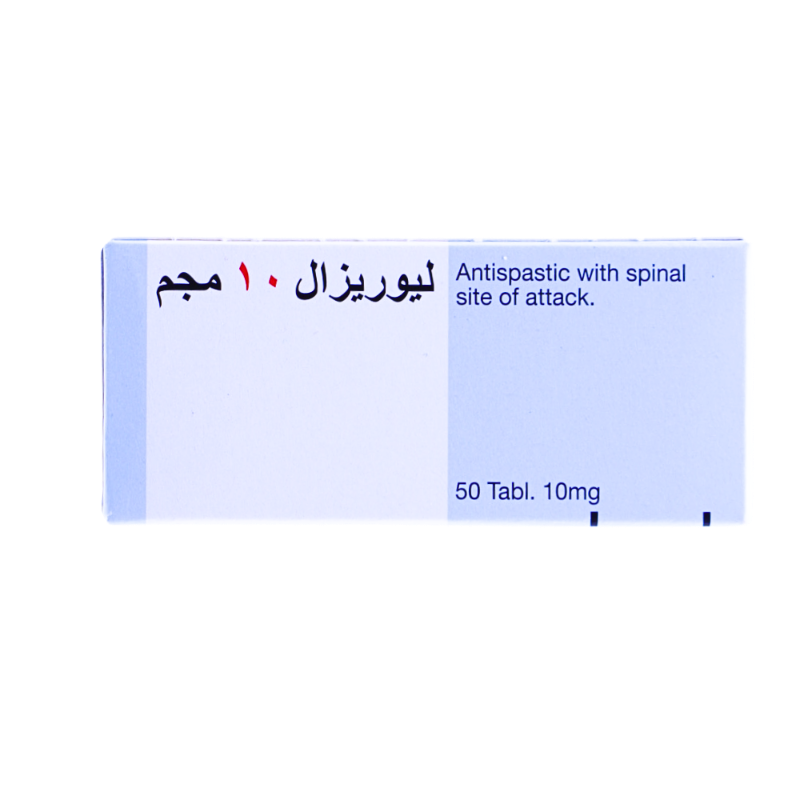
Medications > Painkillers and Antipyretics
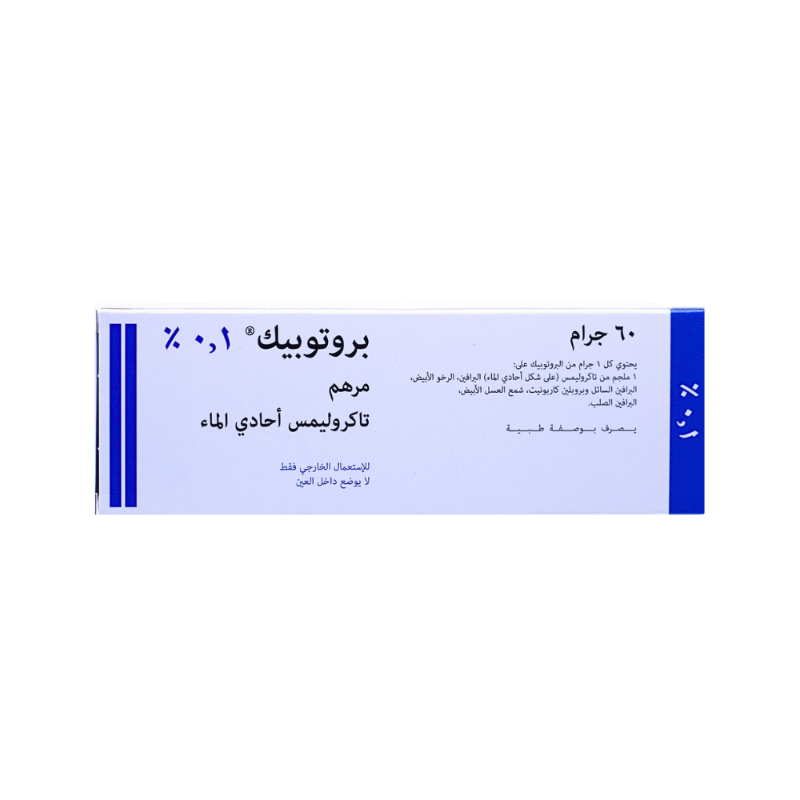
Medications > Dermatology Medications
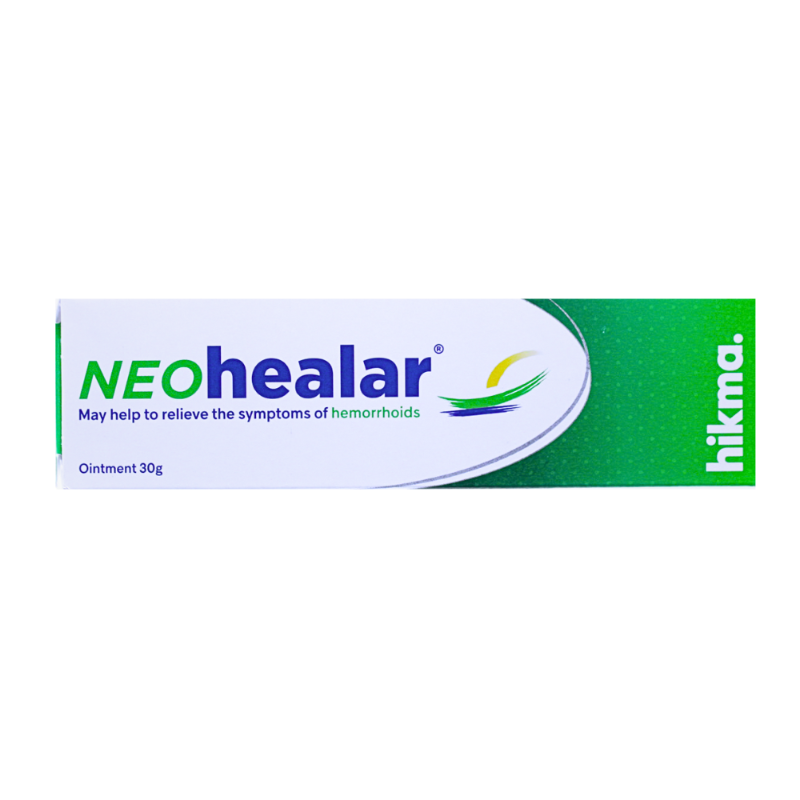
Medications > Hemorrhoid Medications
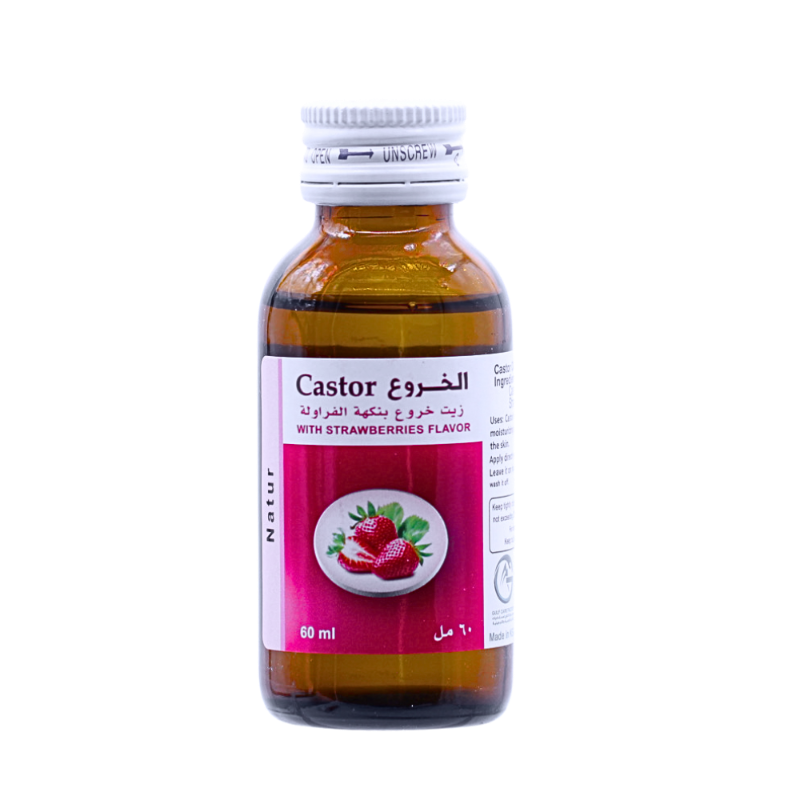
Medications > Gastrointestinal Medications
Medications > Eye and Ear Medications
Medications > Painkillers and Antipyretics
Medications > Painkillers and Antipyretics
Medications > Eye and Ear Medications
