
Use Code: SAVE26 And Get 30% OFF | Get Free Delivery With No Minimum Order
-1744229570.gif "Almujtama Pharmacy logo")
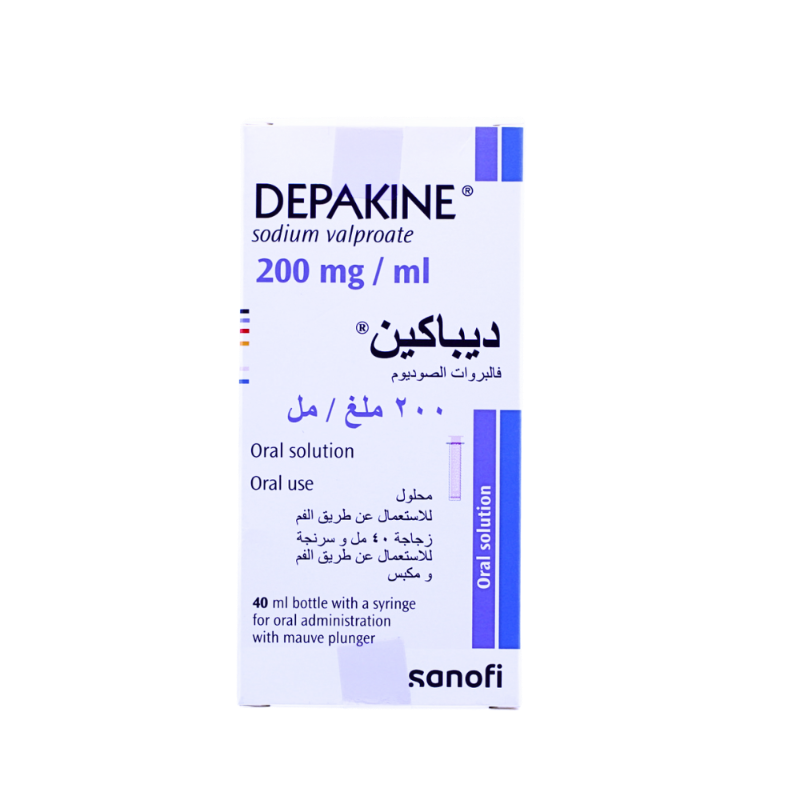




Frequently bought together
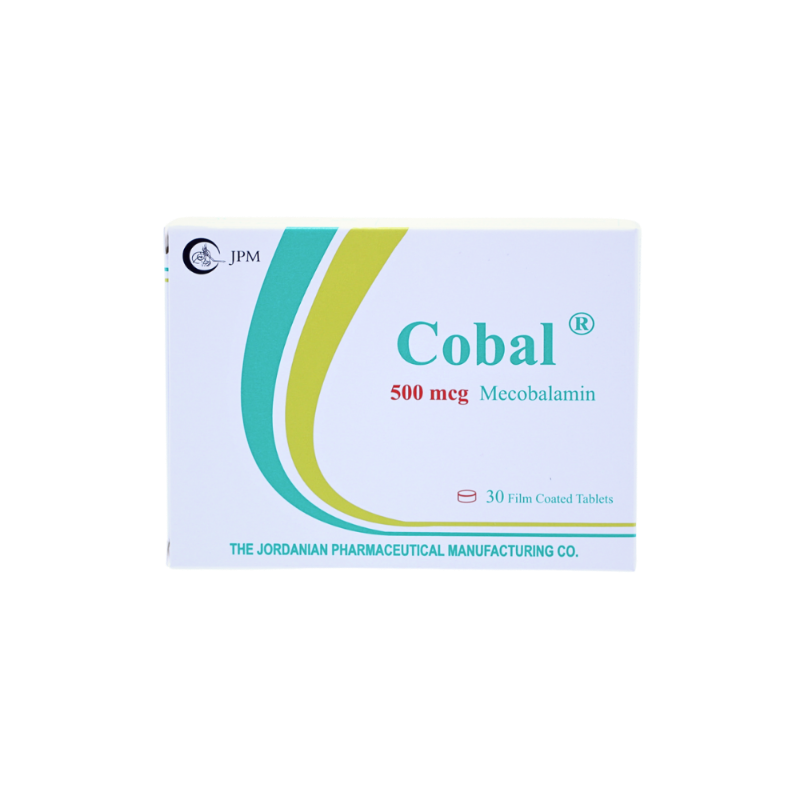
Vitamins & Supplements > Vitamins and Minerals
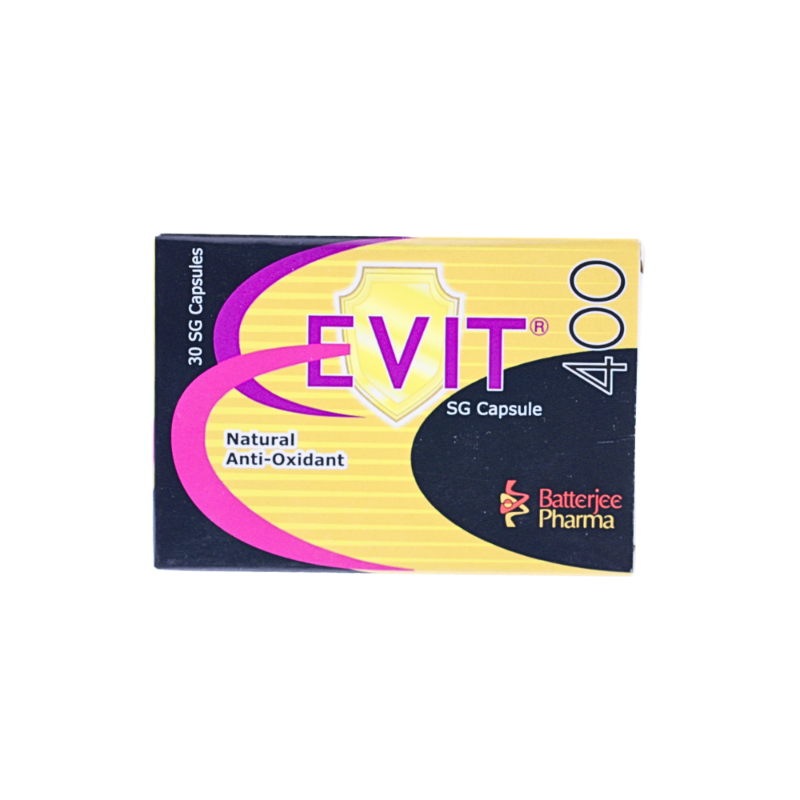
Vitamins & Supplements > Vitamins and Minerals
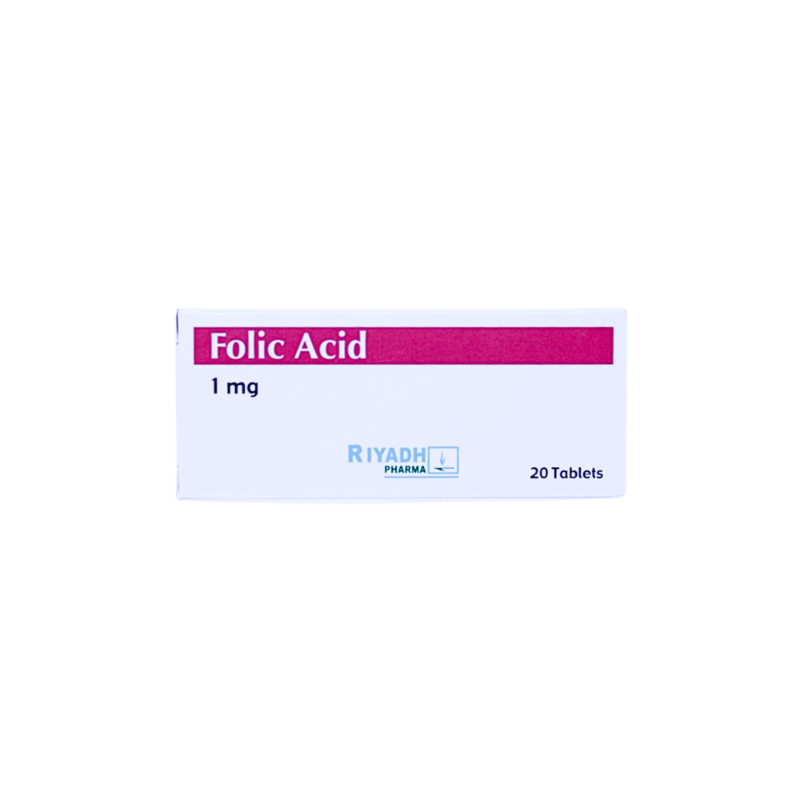
Vitamins & Supplements > Vitamins and Minerals
DEPAKINE 200/MG/ML ORAL SOLUTION 40ML
- Sku : I-001536
Key features
DEPAKINE 200 mg/ml oral solution contains valproate sodium (200 mg/ml) as the active ingredient. It enhances GABAergic inhibitory activity, inhibits voltage-gated sodium channels, and reduces T-type calcium currents to decrease neuronal excitability. It is indicated as monotherapy and adjunctive therapy for complex partial seizures, as sole and adjunctive therapy for simple and complex absence seizures, and as adjunctive therapy for patients with multiple seizure types that include absence seizures. Available by prescription as a 40 ml oral solution.- Brand: DEPAKINE
- Active Ingredient: VALPROATE SODIUM 200mg/ml
- Strength: 200mg/ml
- Dosage Form: Oral solution
- Pack Size: 40 ml
- Route: Oral use
- Prescription Status: Prescription
- Therapeutic Class: Anticonvulsant
- Pharmacological Group: Antiepileptics
- Drug Class: Broad-spectrum antiseizure medication (antiepileptic); fatty-acid derivative; increases inhibitory neurotransmission (GABAergic effects); also used clinically as a mood stabilizer.
- Manufacturer: Sanofi İlaç Sanayi ve Tic A.Ş
- Country of Origin: Turkey
- SFDA Registration No.: 1410246041
- Shelf Life: 36 months
- Storage: store below 30°c
- Also Used For: Mood Stabilization, Migraine Prevention, Neuropathic Pain, Bipolar Disorder
Frequently bought together
Vitamins & Supplements > Vitamins and Minerals
Vitamins & Supplements > Vitamins and Minerals
Vitamins & Supplements > Vitamins and Minerals
Indications
Approved Uses
Monotherapy and adjunctive therapy of complex partial seizures; sole and adjunctive therapy of simple and complex absence seizures; adjunctive therapy in patients with multiple seizure types that include absence seizures
Dosage & Administration
Dosing by Condition
Epilepsy (adults): start ~10-15 mg/kg/day in divided doses and increase by ~5-10 mg/kg/week to usual 20-30 mg/kg/day (max 60 mg/kg/day). Epilepsy (children): similar weight-based initiation and titration; usual 20-30 mg/kg/day (max 60 mg/kg/day). Bipolar mania (adults): commonly start 750 mg/day (or ~20 mg/kg/day) in divided doses and titrate to clinical response (often 1000-2000 mg/day). Migraine prophylaxis (adults): typically 250 mg twice daily (or 500 mg/day) and titrate to 500-1000 mg/day as tolerated.
Initial Dose
Adults (epilepsy): 10-15 mg/kg/day PO in divided doses; titrate by 5-10 mg/kg/week. Adults (acute mania): 750 mg/day PO in divided doses (or 20 mg/kg/day) then adjust to clinical response/serum levels.
Maintenance Dose
Adults: 15-60 mg/kg/day PO in divided doses (commonly 1000-2000 mg/day). Pediatrics: 20-60 mg/kg/day PO in divided doses.
Maximum Dose
Maximum: 60 mg/kg/day PO (adults and pediatrics).
Children's Dosage
For epilepsy in children >10 years and >20kg, the typical starting dose is 10-15 mg/kg/day, with a maintenance dose of 20-30 mg/kg/day. Use with extreme caution and as a sole agent in children under 2 years.
Dose Adjustment Notes
Elderly: start at a lower dose and titrate more slowly; hepatic impairment: contraindicated in active liver disease/significant hepatic dysfunction; renal impairment: no routine dose adjustment, but consider lower doses and monitor clinical response/free (unbound) valproate as protein binding is reduced; titrate gradually to effect and tolerability.
How to Take
Oral use: measure the prescribed dose accurately with an oral syringe/measure; administer with or after food to reduce gastrointestinal upset; may be mixed with a small amount of water or non‑carbonated drink if needed; avoid mixing with carbonated beverages; do not stop abruptly.
How to Prepare
Ready-to-use oral solution (no reconstitution); measure the prescribed dose with an appropriate calibrated oral dosing device (e.g., oral syringe/medicine cup) and administer orally.
Side Effects
Common Side Effects
Nausea, vomiting, diarrhea, abdominal pain, tremor, weight gain, hair loss (alopecia), somnolence, dizziness, headache, thrombocytopenia, increased appetite
Side Effect Frequency
Very common (≥10%): nausea, tremor. Common (1-10%): vomiting, abdominal pain, diarrhea, somnolence/drowsiness, headache, weight gain, alopecia, thrombocytopenia. Serious reactions (rare/uncommon): hepatotoxicity/liver injury, pancreatitis, severe cutaneous reactions (e.g., SJS/TEN, DRESS), hyperammonemic encephalopathy.
Safety & Warnings
Contraindications
Contraindicated in: active liver disease/significant hepatic dysfunction; known mitochondrial disorders due to POLG mutations (and children <2 years suspected of POLG-related disease); urea cycle disorders; porphyria; hypersensitivity to valproate/valproic acid/sodium valproate. Pregnancy-related: contraindicated for migraine prophylaxis in pregnancy and in women of childbearing potential not using effective contraception/pregnancy-prevention program; for epilepsy, use in pregnancy only if no suitable alternative.
Warnings & Precautions
Key warnings/precautions: monitor for hepatotoxicity (baseline and frequent LFTs early in therapy, especially first 6 months) and pancreatitis; strict pregnancy prevention and avoidance in pregnancy unless no alternative (high teratogenic/neurodevelopmental risk); monitor for hyperammonemia/encephalopathy (higher risk with urea-cycle disorders or topiramate); monitor platelets/bleeding risk; monitor for suicidal ideation/behavior; counsel on weight gain/metabolic effects and other endocrine effects (e.g., menstrual/PCOS risk).
Age Restriction
No fixed minimum age restriction for epilepsy; can be used in children (including <10 years) when clinically indicated, but avoid if possible and use extreme caution in children <2 years (highest risk of fatal hepatotoxicity, especially with polytherapy or metabolic/mitochondrial disease).
Driving Warning
May Cause Drowsiness
Drug Interactions
Food Interaction
Take with or after food to improve gastrointestinal tolerability; food may slow absorption but does not meaningfully reduce overall exposure.
Special Populations
Pregnancy
Use only if other medications have failed to control epilepsy symptoms or are otherwise unacceptable (no traditional category; REMS program required)
Children
For epilepsy in children >10 years and >20kg, the typical starting dose is 10-15 mg/kg/day, with a maintenance dose of 20-30 mg/kg/day. Use with extreme caution and as a sole agent in children under 2 years.
Elderly
Start at lower doses and titrate slowly; elderly patients have reduced albumin levels leading to higher free drug concentrations; monitor closely for adverse effects and toxicity; reduce maintenance dose accordingly
Liver Impairment
Contraindicated in active liver disease or significant hepatic impairment; do not initiate/use in patients with significant hepatic dysfunction.
Storage & Patient Advice
Preparation Instructions
Ready-to-use oral solution (no reconstitution); measure the prescribed dose with an appropriate calibrated oral dosing device (e.g., oral syringe/medicine cup) and administer orally.
Missed Dose
Take the missed dose as soon as remembered; if it is close to the next scheduled dose, skip the missed dose and continue the regular schedule; do not double doses.
Stopping the Medicine
Do not stop abruptly; taper gradually under medical supervision to reduce risk of seizure exacerbation/status epilepticus.
Patient Counseling
Take exactly as prescribed and do not stop suddenly; take with/after food; measure doses accurately. Seek urgent care for signs of liver injury (jaundice, dark urine, severe fatigue, vomiting), pancreatitis (severe abdominal pain with nausea/vomiting), or unusual bruising/bleeding. May cause drowsiness-avoid driving until effects are known; avoid alcohol. High teratogenic risk: women of childbearing potential should use effective contraception and discuss pregnancy planning; attend scheduled blood tests/monitoring.
Monitoring Requirements
Baseline and periodic: liver function tests (especially during the first 6 months), full blood count including platelets; monitor weight/BMI; consider serum valproate concentration when assessing adherence, toxicity, interactions, pregnancy, or lack of response; check ammonia if unexplained lethargy/vomiting/encephalopathy; assess for pancreatitis if severe abdominal pain.
Pharmacology
Mechanism of Action
Increases brain GABA activity (including inhibition of GABA degradation), blocks voltage-gated sodium channels, and reduces T-type calcium currents, decreasing neuronal excitability.
Bioavailability
Oral bioavailability is high (generally ~90-100%); oral solution is rapidly and almost completely absorbed.
Metabolism
Extensively hepatic: mainly glucuronidation (UGT) and mitochondrial β-oxidation; minor CYP-mediated oxidation (e.g., CYP2C9/2C19).
Product Information
Available Dosage Forms
Oral solution, Gastro-resistant tablet, Modified-release tablet, Modified-release granules, Intravenous injection.
Composition per Dose
Each 1 ml: 200 mg valproate sodium
OTC Alternatives
No OTC alternative
Also Used For
Mood Stabilization, Migraine Prevention, Neuropathic Pain, Bipolar Disorder
Reviewed by Al Mujtama Pharmacy Medical Review Team. Last reviewed 09-06-2026
Similar Products
Medications > Other Medicines
Medications > Gastrointestinal Medications
Medications > Diabetes Medications
Medications > Diabetes Medications
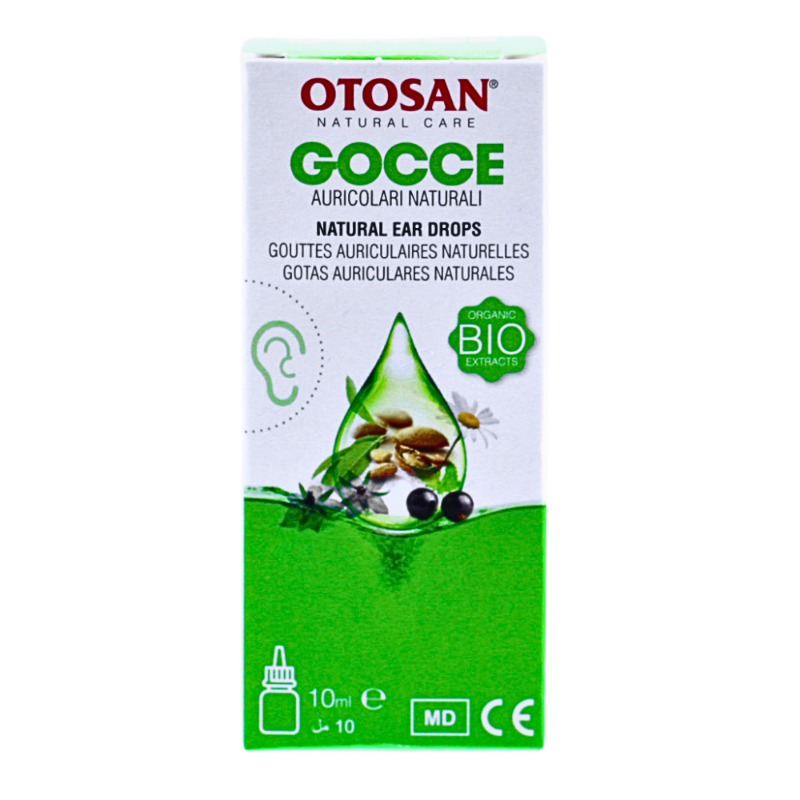

Medications > Eye and Ear Medications
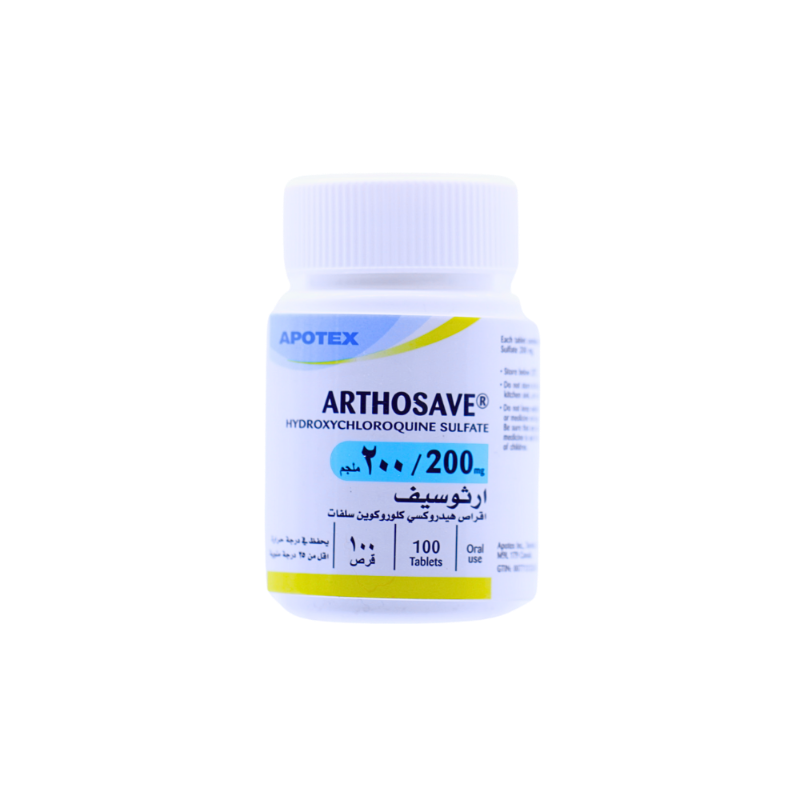
Medications > Painkillers and Antipyretics
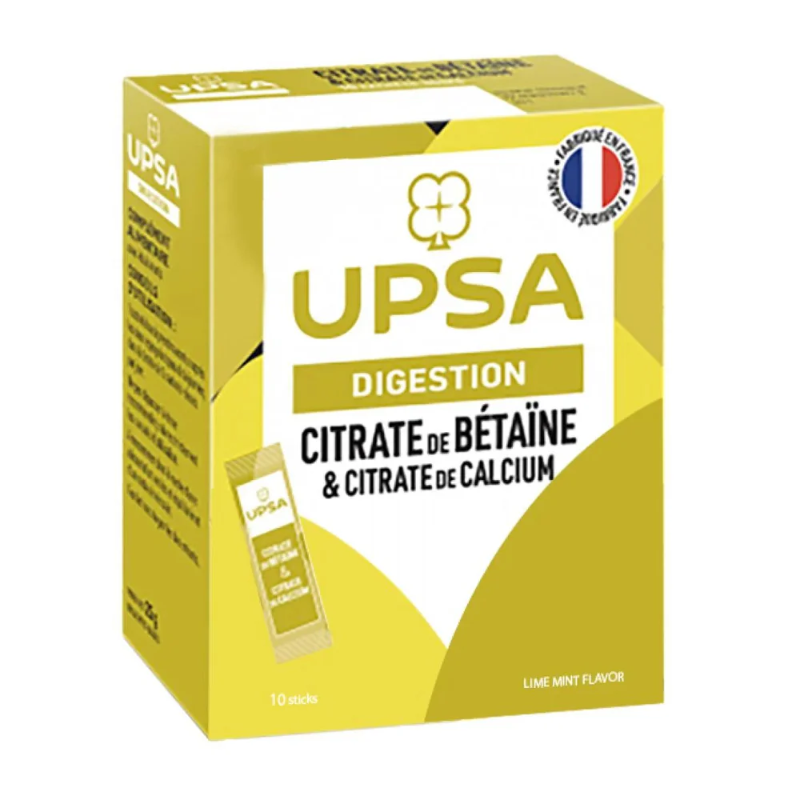
Medications > Gastrointestinal Medications
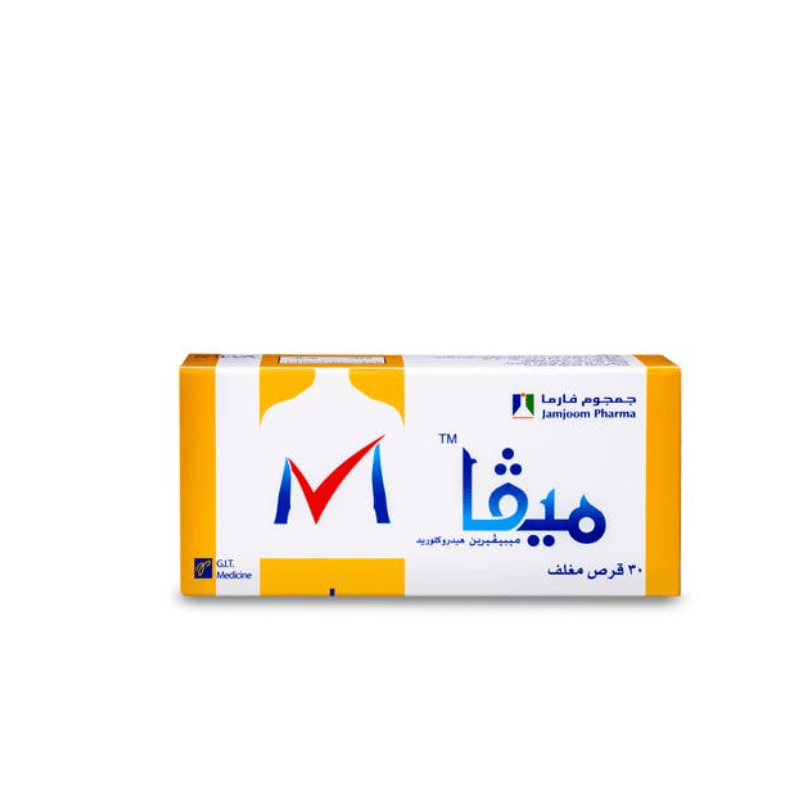
Medications > Gastrointestinal Medications
Medications > Dermatology Medications
Medications > Psychiatric Medications
