
Use Code: ND30 And Get 30% OFF | Get Free Delivery With No Minimum Order
-1744229570.gif "Almujtama Pharmacy logo")
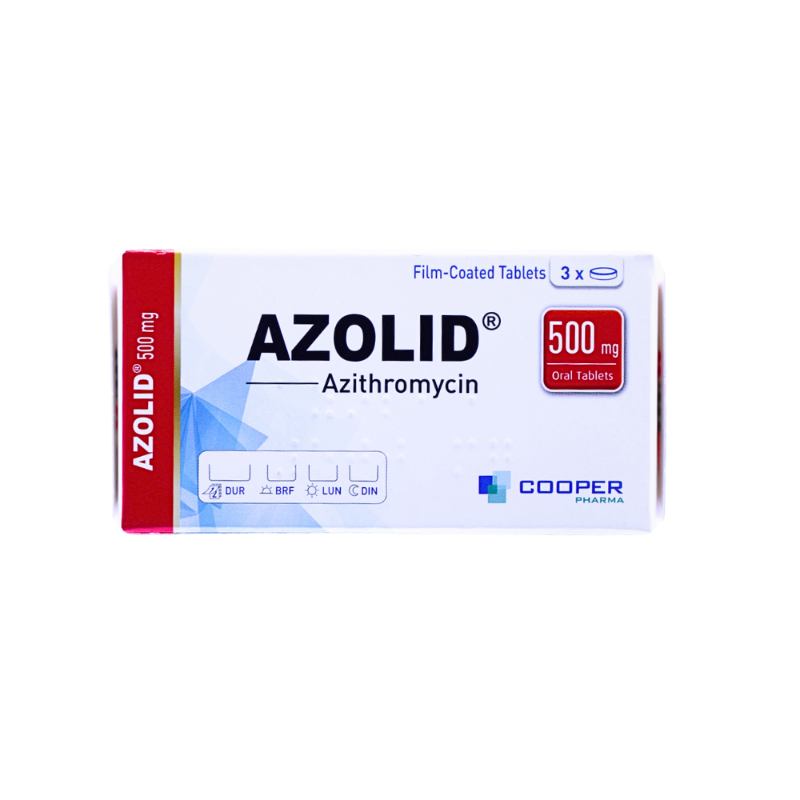




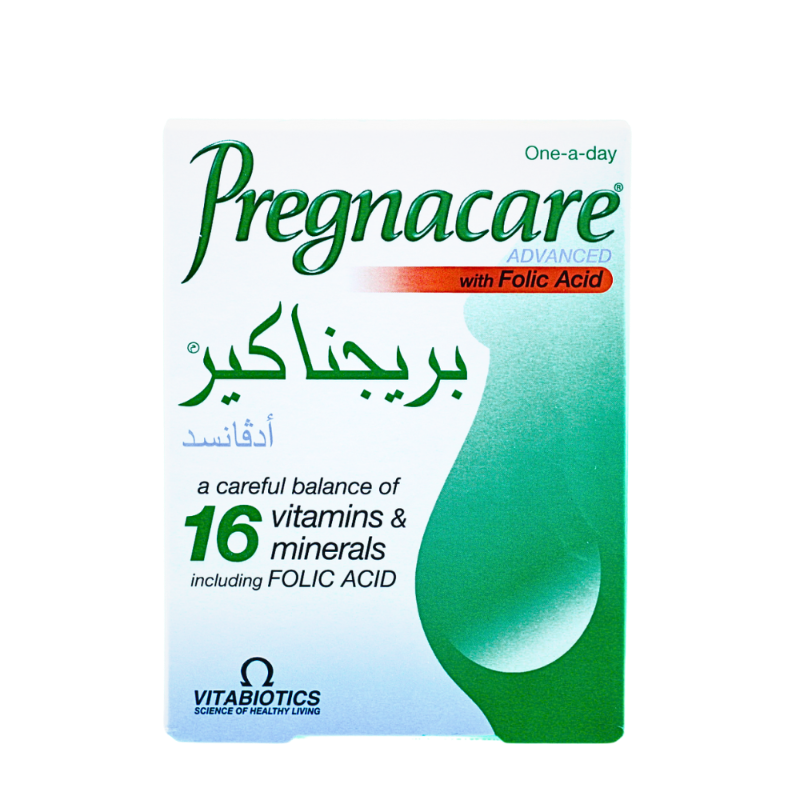
Frequently bought together
Vitamins & Supplements > Vitamins and Minerals
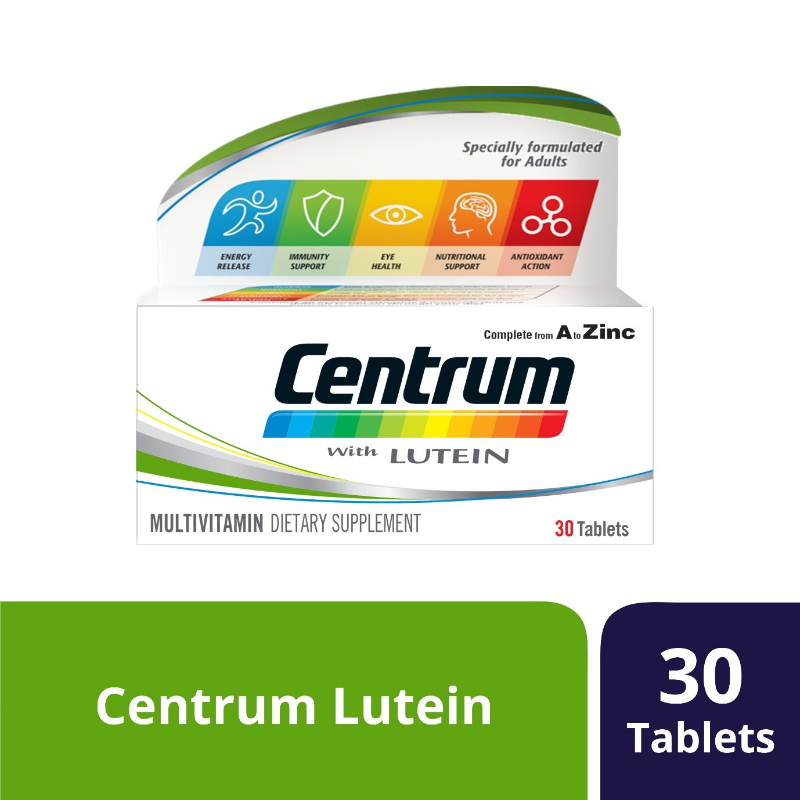
Vitamins & Supplements > Vitamins and Minerals
AZOLID 500/MG FC TAB 3/FC TAB
- Sku : I-029409
Key features
Azolid 500mg Film-Coated Tablet 3 Tablets is a film-coated tablet formulation containing the active ingredient azithromycin 500 mg. Azithromycin binds to the 50S ribosomal subunit, inhibiting bacterial protein synthesis (translocation/translation) and producing a primarily bacteriostatic effect. It is indicated for susceptible infections including community-acquired pneumonia; acute bacterial exacerbations of chronic bronchitis/COPD; acute bacterial sinusitis; pharyngitis/tonsillitis; uncomplicated skin and skin structure infections; acute otitis media in children; urethritis/cervicitis due to Chlamydia trachomatis (and selected Neisseria gonorrhoeae cases); and chancroid. Available by prescription as film-coated tablets in a pack of three.- Brand: AZOLID
- Active Ingredient: AZITHROMYCIN 500mg
- Strength: 500mg
- Dosage Form: Film-coated tablet
- Pack Size: 3 Tablets
- Route: Oral use
- Prescription Status: Prescription
- Therapeutic Class: Anti-infective
- Pharmacological Group: Macrolides
- Drug Class: Macrolide Antibiotic (Azalide subclass)
- Manufacturer: SPIMACO
- Country of Origin: Saudi Arabia
- SFDA Registration No.: 4-809-14
- Shelf Life: 36 months
- Storage: store below 30°c
- Spectrum: Broad-spectrum.
- Antibiotic Class: Macrolide.
Frequently bought together
Vitamins & Supplements > Vitamins and Minerals
Vitamins & Supplements > Vitamins and Minerals
Indications
Approved Uses
Azithromycin is indicated for susceptible infections including: community-acquired pneumonia; acute bacterial exacerbation of chronic bronchitis/COPD; acute bacterial sinusitis; pharyngitis/tonsillitis (when first-line agents are not appropriate); uncomplicated skin and skin structure infections; acute otitis media (pediatric); urethritis/cervicitis due to Chlamydia trachomatis and certain cases due to Neisseria gonorrhoeae (per local guidance/combination therapy); and chancroid (genital ulcer disease).
Dosage & Administration
Dosing by Condition
Typical adult oral regimens: CAP/pharyngitis/skin infections: 500 mg on Day 1 then 250 mg once daily Days 2-5 (or 500 mg daily x3 days for some indications per local labeling); acute bacterial sinusitis/AECB: 500 mg once daily for 3 days; chlamydial urethritis/cervicitis: 1 g PO single dose. Gonorrhea: azithromycin is not recommended as monotherapy; if used historically, higher single doses (e.g., 2 g) were used but current guidelines favor ceftriaxone-based therapy.
Initial Dose
500mg on Day 1 (for most respiratory and skin infections)
Maintenance Dose
250mg once daily on Days 2-5
Maximum Dose
500mg per day (oral); 2g as a single dose for specific indications such as gonorrhea
Children's Dosage
Acute otitis media: 30 mg/kg as a single dose or 10 mg/kg once daily for 3 days or 10 mg/kg on Day 1 followed by 5 mg/kg/day on Days 2-5 (age ≥6 months). Acute bacterial sinusitis: 10 mg/kg once daily for 3 days (age ≥6 months). Community-acquired pneumonia: 10 mg/kg on Day 1 followed by 5 mg/kg once daily on Days 2-5 (age ≥6 months). Pharyngitis/tonsillitis: 12 mg/kg once daily for 5 days (age ≥2 years). Oral suspension preferred for pediatric use; 500 mg tablet for children able to swallow.
How to Take
Swallow tablet whole with a full glass of water. Can be taken with or without food.
Side Effects
Common Side Effects
Diarrhea, nausea, abdominal pain, vomiting, and headache (GI upset/loose stools/dyspepsia may also occur).
Side Effect Frequency
Common (≥1% to <10%): diarrhea, nausea, abdominal pain, vomiting. Uncommon (≥0.1% to <1%): dizziness, headache, rash. Rare/very rare but clinically important: QT prolongation/arrhythmias, hepatotoxicity, severe hypersensitivity (e.g., angioedema, SJS/TEN), and C. difficile-associated diarrhea/colitis.
Safety & Warnings
Age Restriction
Pediatric use is indication- and formulation-dependent: azithromycin is used in children ≥6 months for approved indications, but the 500 mg film‑coated tablet is generally intended for adults/adolescents or children able to swallow tablets; younger children typically require suspension with weight-based dosing.
Drug Interactions
Drug Interactions
Key interactions: aluminum/magnesium antacids (separate dosing), warfarin (monitor INR), digoxin (monitor levels/toxicity), ergotamine/dihydroergotamine (avoid), QT‑prolonging drugs (additive risk), cyclosporine (monitor levels), nelfinavir (increases azithromycin exposure); colchicine interaction is mainly a concern with macrolides that strongly inhibit CYP3A4/P‑gp-azithromycin is weaker but caution/monitoring is prudent especially in renal/hepatic impairment.
Interaction Severity
MAJOR: other QT-prolonging drugs (additive torsades risk) and ergot derivatives (ergotism-avoid). MODERATE: warfarin (monitor INR), digoxin (monitor for toxicity), cyclosporine (monitor levels). MINOR: aluminum/magnesium antacids can reduce peak levels-separate by ~2 hours.
Food Interaction
Tablets may be taken with or without food; taking with food can reduce gastrointestinal upset.
Alcohol Interaction
Safe
Special Populations
Children
Acute otitis media: 30 mg/kg as a single dose or 10 mg/kg once daily for 3 days or 10 mg/kg on Day 1 followed by 5 mg/kg/day on Days 2-5 (age ≥6 months). Acute bacterial sinusitis: 10 mg/kg once daily for 3 days (age ≥6 months). Community-acquired pneumonia: 10 mg/kg on Day 1 followed by 5 mg/kg once daily on Days 2-5 (age ≥6 months). Pharyngitis/tonsillitis: 12 mg/kg once daily for 5 days (age ≥2 years). Oral suspension preferred for pediatric use; 500 mg tablet for children able to swallow.
Elderly
Standard adult dosing; no specific dose adjustment required, but monitor for QT prolongation and gastrointestinal side effects
Kidney Impairment
No dose adjustment needed for mild-moderate renal impairment (e.g., GFR 10-80 mL/min); use with caution in severe renal impairment (GFR <10 mL/min).
Storage & Patient Advice
Stopping the Medicine
Complete the full prescribed course; no taper is required-stop after the last prescribed dose.
Overdose
Symptoms may include nausea, vomiting, diarrhea, and reversible hearing impairment; management is supportive (consider activated charcoal if early), monitor ECG for QT prolongation/arrhythmias, and seek urgent medical care/poison center advice.
Patient Counseling
Complete the prescribed course; take with or without food (with food if GI upset); separate aluminum/magnesium antacids by ~2 hours; seek care for severe/persistent diarrhea, rash/allergic symptoms, or signs of liver injury (jaundice/dark urine); inform clinicians about heart rhythm history or QT-prolonging medicines.
Pharmacology
Mechanism of Action
Binds to the 50S ribosomal subunit, inhibiting bacterial protein synthesis (translocation/translation), producing a primarily bacteriostatic effect.
Duration of Effect
Prolonged tissue persistence: therapeutic tissue concentrations can persist for several days after the last dose (often ~5-7 days).
Half-Life
Terminal elimination half-life is approximately 68 hours.
Bioavailability
Oral bioavailability is approximately 37%.
Metabolism
Limited hepatic metabolism (minor demethylation); azithromycin does not meaningfully inhibit/induce CYP450 at therapeutic doses (minimal CYP-mediated interactions compared with erythromycin/clarithromycin).
Excretion
Primarily excreted via bile into feces (mostly unchanged); a small fraction is excreted in urine (about 6-12% as unchanged drug).
Protein Binding
Concentration-dependent and variable: approximately 51% at low concentrations decreasing to about 7% at higher concentrations.
Product Information
Available Dosage Forms
Film-coated tablet, capsule, oral suspension, powder for injection (IV)
Composition per Dose
Each film-coated tablet: 500mg azithromycin (as azithromycin dihydrate)
Generic Availability
Yes
OTC Alternatives
No OTC alternative - prescription required for all antibiotic treatments
Spectrum
Broad-spectrum.
Antibiotic Class
Macrolide.
Reviewed by Al Mujtama Pharmacy Medical Review Team. Last reviewed 29-05-2026
Similar Products
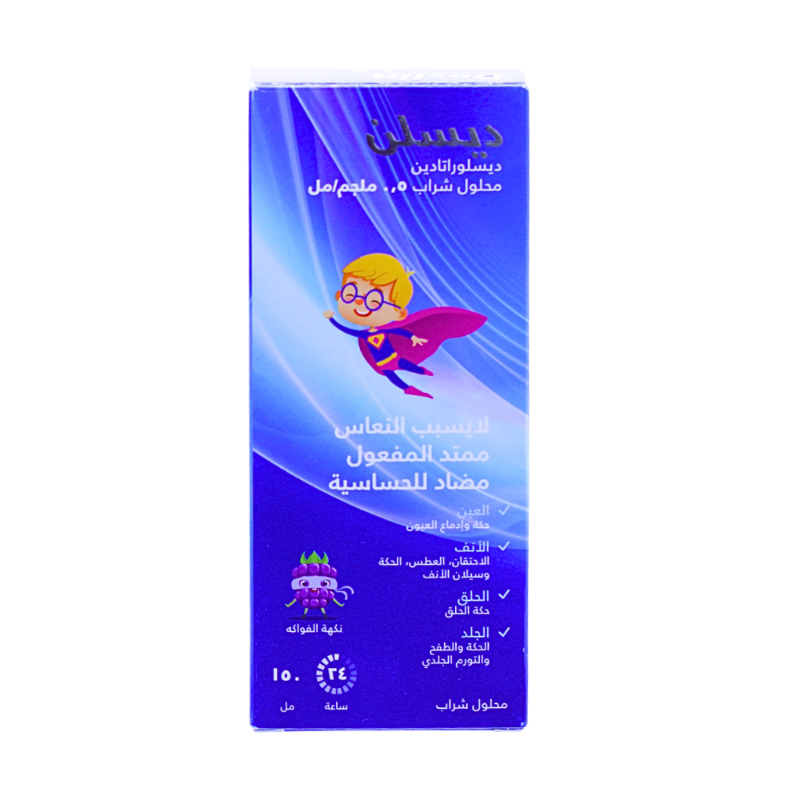
Medications > Cold, Cough, and Allergy Medications
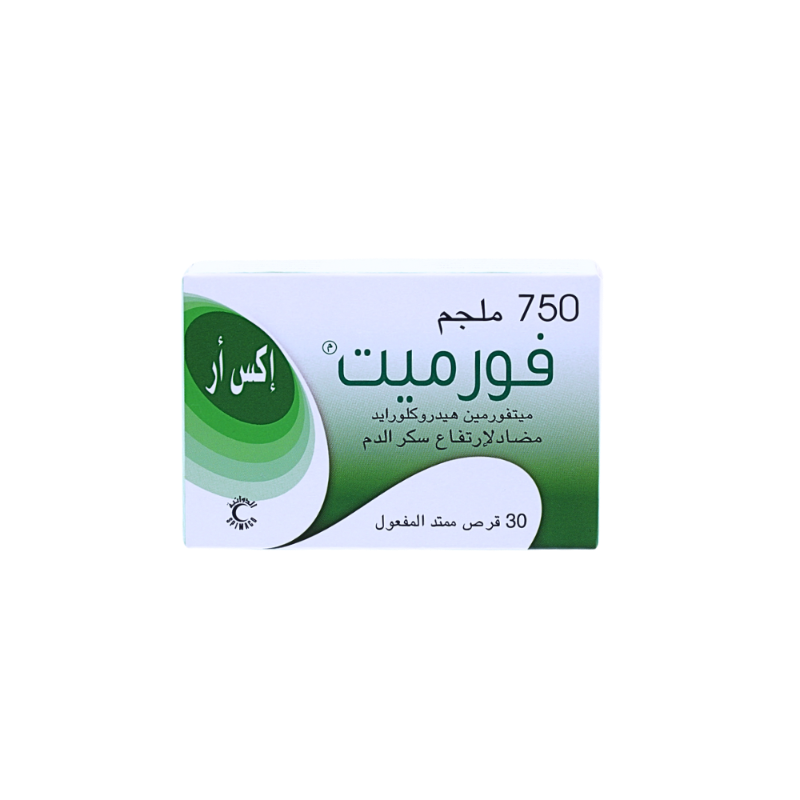
Medications > Diabetes Medications
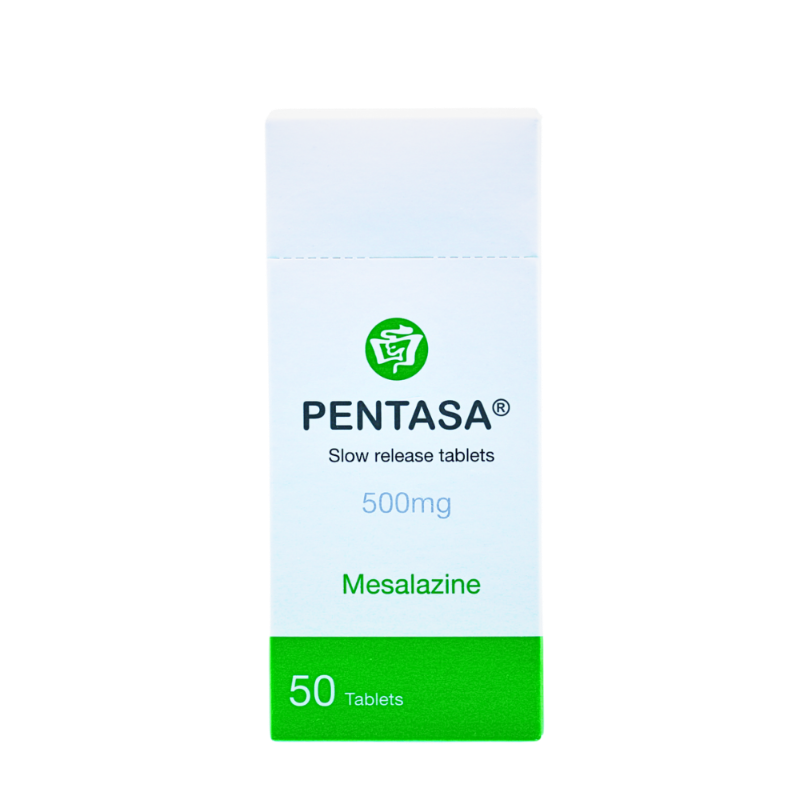
Medications > Gastrointestinal Medications
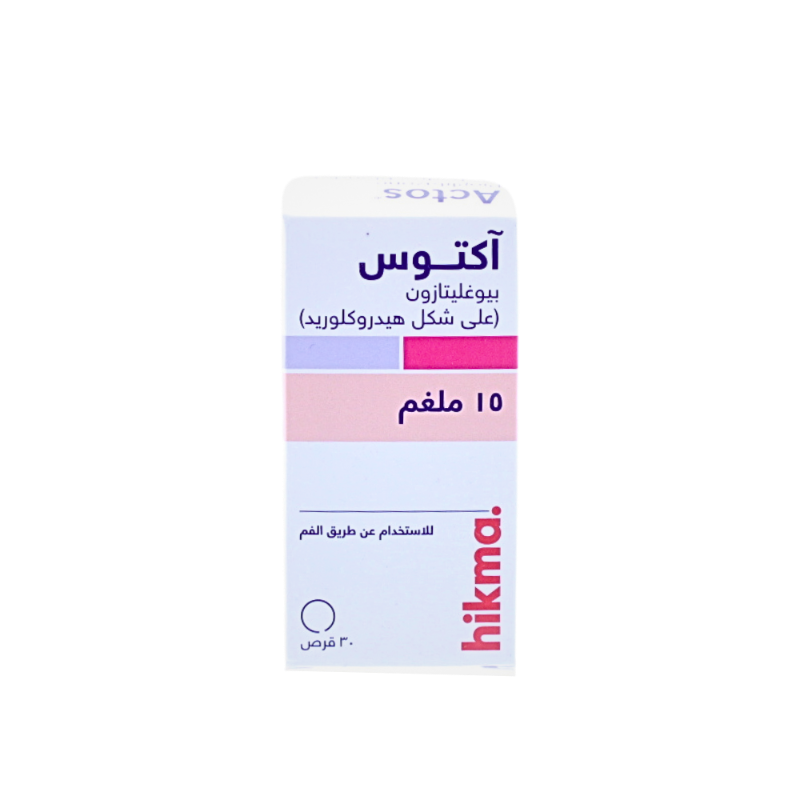
Medications > Diabetes Medications
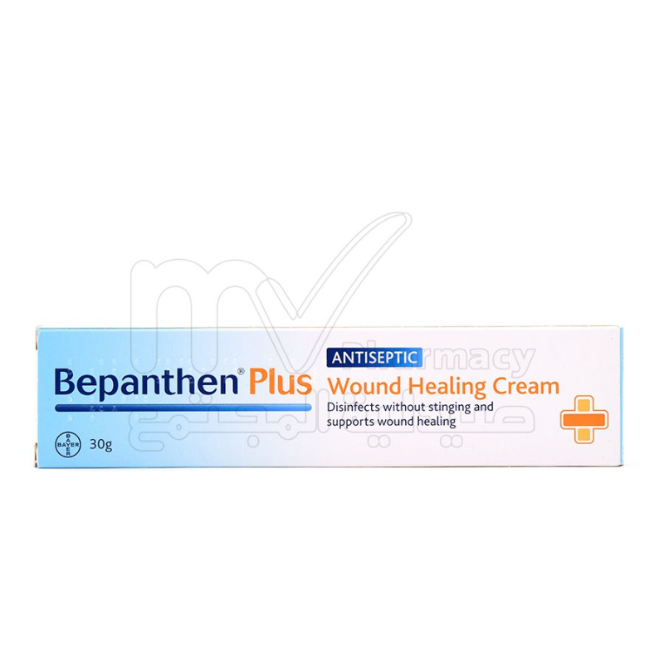
Medications > Dermatology Medications

Medications > Cold, Cough, and Allergy Medications
Medications > Contraceptives and Hormonal Medications
Medications > Sexual Health
Medications > Gastrointestinal Medications
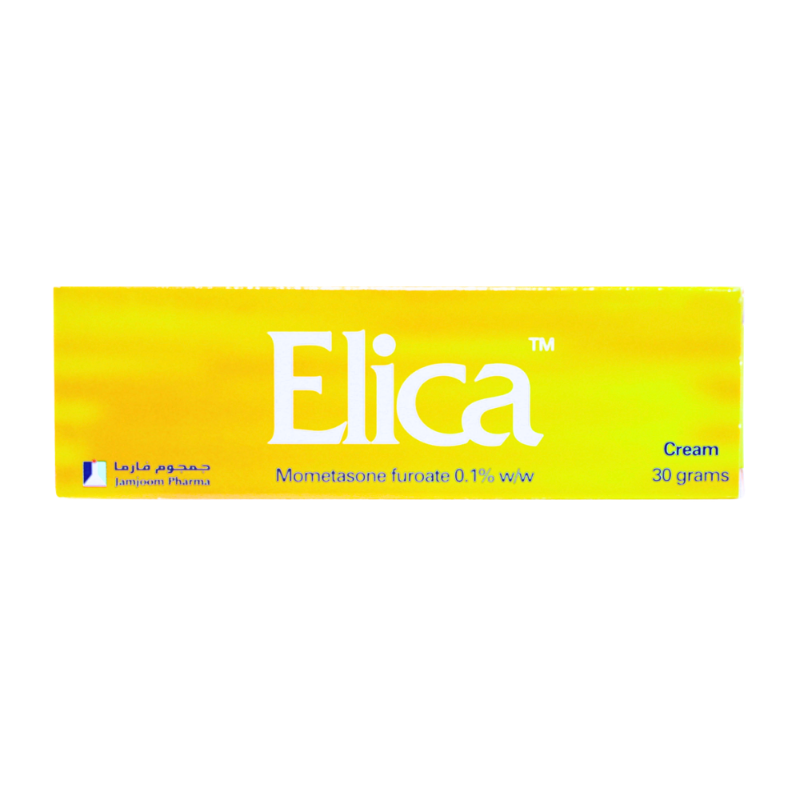
Medications > Dermatology Medications
