
Use Code: ND30 And Get 30% OFF | Get Free Delivery With No Minimum Order
-1744229570.gif "Almujtama Pharmacy logo")




Frequently bought together
Personal Care > Sexual Care
Personal Care > Sexual Care
Vitamins & Supplements > Natural Supplements
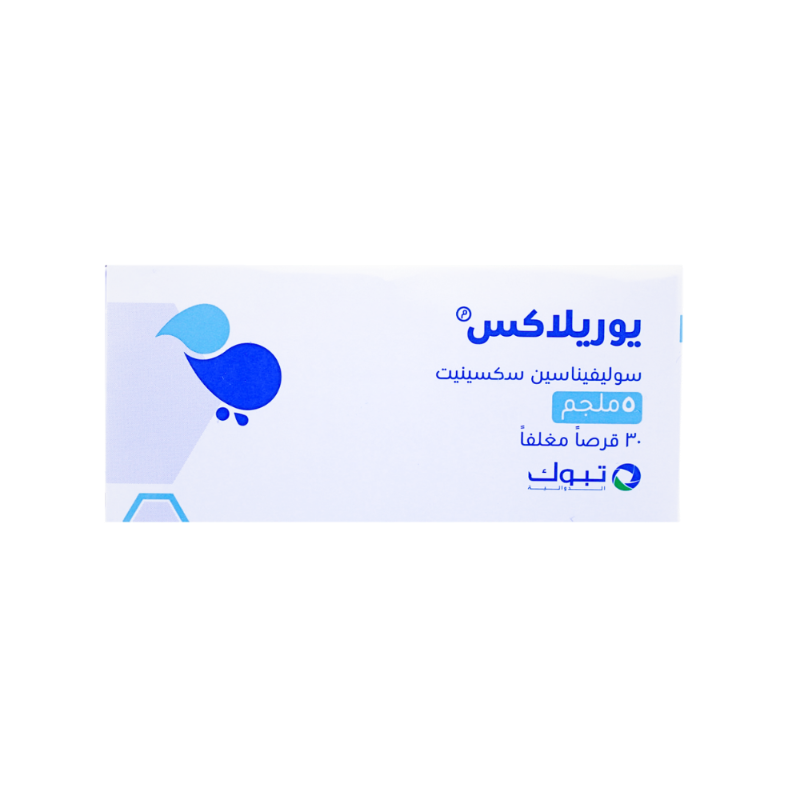
URILAX 5/MG 30/FC TAB
- Sku : I-016922
Key features
URILAX 5 mg Film-coated tablet contains solifenacin succinate 5 mg, a prescription antimuscarinic urinary antispasmodic. It works by selectively blocking muscarinic receptors in the bladder to help reduce involuntary detrusor contractions and increase bladder capacity. It is used for the treatment of overactive bladder, including symptoms of urgency, urinary frequency, and urge urinary incontinence. This pack contains 30 film-coated tablets.- Brand: URILAX
- Active Ingredient: SOLIFENACIN SUCCINATE 5mg
- Strength: 5mg
- Dosage Form: Film-coated tablet
- Pack Size: 30 Tablets
- Route: Oral use
- Prescription Status: Prescription
- Therapeutic Class: Urological
- Pharmacological Group: Urologicals (BPH & Bladder)
- Drug Class: Antimuscarinic (anticholinergic) urinary antispasmodic; relatively M3-selective muscarinic receptor antagonist.
- Manufacturer: TABUK PHARMACEUTICAL MANUFACTURING CO.
- Country of Origin: Saudi Arabia
- SFDA Registration No.: 2201268984
- Shelf Life: 36 months
- Storage: do not store above 30°c
- Urological Condition: Overactive Bladder
Frequently bought together
Personal Care > Sexual Care
Personal Care > Sexual Care
Vitamins & Supplements > Natural Supplements
Indications
Approved Uses
Overactive bladder (OAB) with symptoms of urge urinary incontinence, urgency, and urinary frequency
Off-Label Uses
Neurogenic detrusor overactivity/neurogenic overactive bladder (off-label in some settings).
Dosage & Administration
Dosing by Condition
Overactive bladder: 5 mg orally once daily; may increase to 10 mg once daily if needed and tolerated. Maximum 5 mg once daily in severe renal impairment (CrCl <30 mL/min), moderate hepatic impairment (Child-Pugh B), or when used with strong CYP3A4 inhibitors.
Initial Dose
5mg once daily.
Maintenance Dose
5mg once daily (up to 10mg once daily if tolerated and needed
Maximum Dose
5mg once daily (for this exact 5mg formulation; general max 10mg once daily
Children's Dosage
Not approved for children under 18 years for overactive bladder. An oral suspension is available for neurogenic detrusor overactivity in children aged 2 years and older, with dosing based on weight.
Dose Adjustment Notes
For patients with severe renal impairment (CrCl < 30 mL/min), moderate hepatic impairment (Child-Pugh B), or those taking strong CYP3A4 inhibitors, the dose should not exceed 5mg daily. Not recommended for patients with severe hepatic impairment (Child-Pugh C).
How to Take
Swallow the film-coated tablet whole with water; may be taken with or without food; take once daily at the same time each day.
Side Effects
Common Side Effects
Dry mouth, constipation, blurred vision, dry eyes, dyspepsia, nausea, urinary tract infection
Safety & Warnings
Contraindications
Urinary retention; gastric retention; uncontrolled narrow‑angle glaucoma; hypersensitivity to solifenacin/excipients; severe hepatic impairment; severe renal impairment (CrCl ≤30 mL/min) when used with a potent CYP3A4 inhibitor (e.g., ketoconazole).
Warnings & Precautions
Use caution in bladder outflow obstruction/urinary retention risk; decreased GI motility/constipation, GI obstructive disorders, or reflux/hiatus hernia; controlled narrow‑angle glaucoma; renal impairment and moderate hepatic impairment; QT prolongation risk factors (congenital/acquired QT prolongation, electrolyte disturbances, concomitant QT‑prolonging drugs); monitor for angioedema and CNS anticholinergic effects (somnolence, confusion), especially in older adults.
Age Restriction
Not approved/recommended for patients <18 years (pediatric safety/efficacy not established for OAB).
Drug Interactions
Drug Interactions
Strong CYP3A4 inhibitors (e.g., ketoconazole/itraconazole/ritonavir/clarithromycin) increase levels-do not exceed 5 mg/day and avoid if CrCl ≤30 mL/min; CYP3A4 inducers (e.g., rifampin/carbamazepine/phenytoin) may reduce effect; other anticholinergics increase anticholinergic adverse effects; caution with QT‑prolonging drugs and in patients with QT risk factors.
Interaction Severity
MAJOR: Strong CYP3A4 inhibitors (e.g., ketoconazole, itraconazole, clarithromycin, ritonavir) - increased solifenacin exposure; QT-prolonging drugs in high-risk patients - additive QT prolongation/torsades risk. MODERATE: Other anticholinergics - additive anticholinergic effects/urinary retention; CYP3A4 inducers (e.g., rifampin, carbamazepine, phenytoin, St John’s wort) - reduced efficacy. MINOR/variable: Digoxin (small PK change; usually not clinically significant).
Food Interaction
No clinically significant food restriction; may be taken with or without food. Avoid/limit grapefruit juice with strong CYP3A4 inhibition potential.
Special Populations
Children
Not approved for children under 18 years for overactive bladder. An oral suspension is available for neurogenic detrusor overactivity in children aged 2 years and older, with dosing based on weight.
Elderly
Standard adult dosing (5mg once daily); no routine dose adjustment required, but monitor closely for anticholinergic CNS effects including confusion and cognitive impairment
Kidney Impairment
CrCl >30 mL/min: no adjustment; CrCl ≤30 mL/min: maximum 5 mg once daily; if CrCl ≤30 mL/min and a strong CYP3A4 inhibitor is required, avoid/contraindicated.
Liver Impairment
Mild (Child-Pugh A): No adjustment needed. Moderate (Child-Pugh B): Do not exceed 5mg once daily. Severe (Child-Pugh C): Not recommended.
Storage & Patient Advice
Overdose
Expected toxicity is severe anticholinergic syndrome (mydriasis/blurred vision, dry mouth, tachycardia, agitation/hallucinations, urinary retention, ileus/constipation); management is urgent medical evaluation with supportive care, consider activated charcoal if early, and physostigmine may be used in severe central anticholinergic toxicity under specialist supervision.
Monitoring Requirements
Monitor clinical response and anticholinergic adverse effects (dry mouth, constipation, blurred vision, cognitive effects), and assess for urinary retention; consider ECG/QT risk assessment in patients with risk factors or on QT-prolonging drugs; monitor renal/hepatic function when impairment is present or suspected for dose-limiting decisions.
Pharmacology
Mechanism of Action
Competitive muscarinic receptor antagonist (predominantly M3) in the bladder, reducing acetylcholine-mediated detrusor contractions and increasing functional bladder capacity to reduce urgency, frequency, and urge incontinence.
Onset of Action
Within a few hours (peak effect ~3-8 hours); symptom improvement may take several days to weeks.
Duration of Effect
24 hours
Half-Life
Approximately 45-68 hours.
Bioavailability
Approximately 90%.
Metabolism
Extensively hepatic metabolism primarily via CYP3A4 to multiple metabolites (including 4R-hydroxy solifenacin among others).
Excretion
Approximately 69% excreted in urine and ~23% in feces (as parent drug and metabolites).
Product Information
Available Dosage Forms
Film-coated tablet (oral).
Composition per Dose
Each film-coated tablet: 5mg solifenacin succinate
Generic Availability
Yes
OTC Alternatives
No OTC alternative
Urological Condition
Overactive Bladder
Reviewed by Al Mujtama Pharmacy Medical Review Team. Last reviewed 05-08-2026
Similar Products
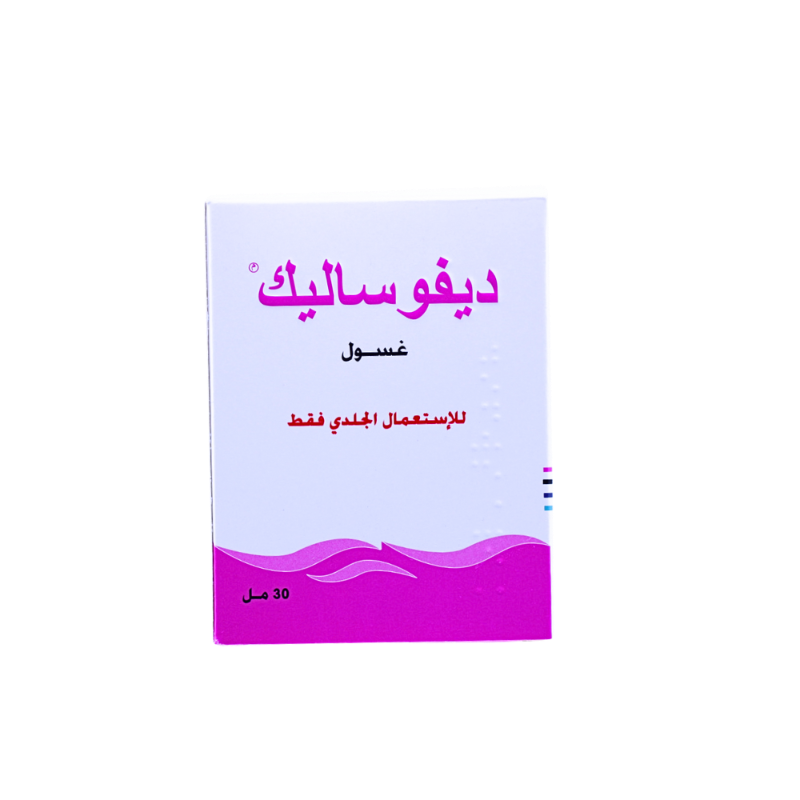
Medications > Dermatology Medications
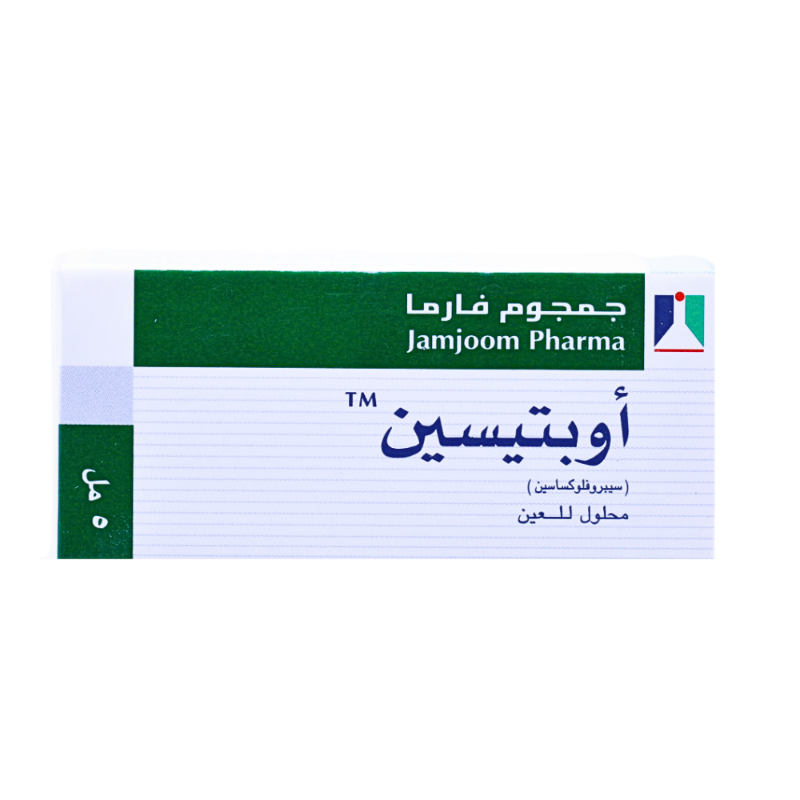
Medications > Eye and Ear Medications
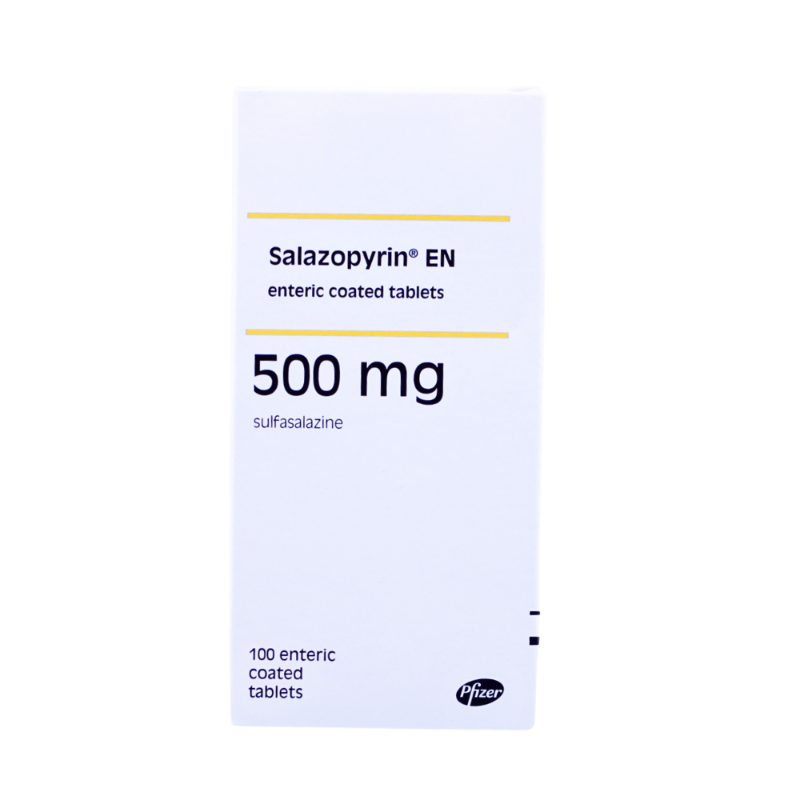
Medications > Gastrointestinal Medications
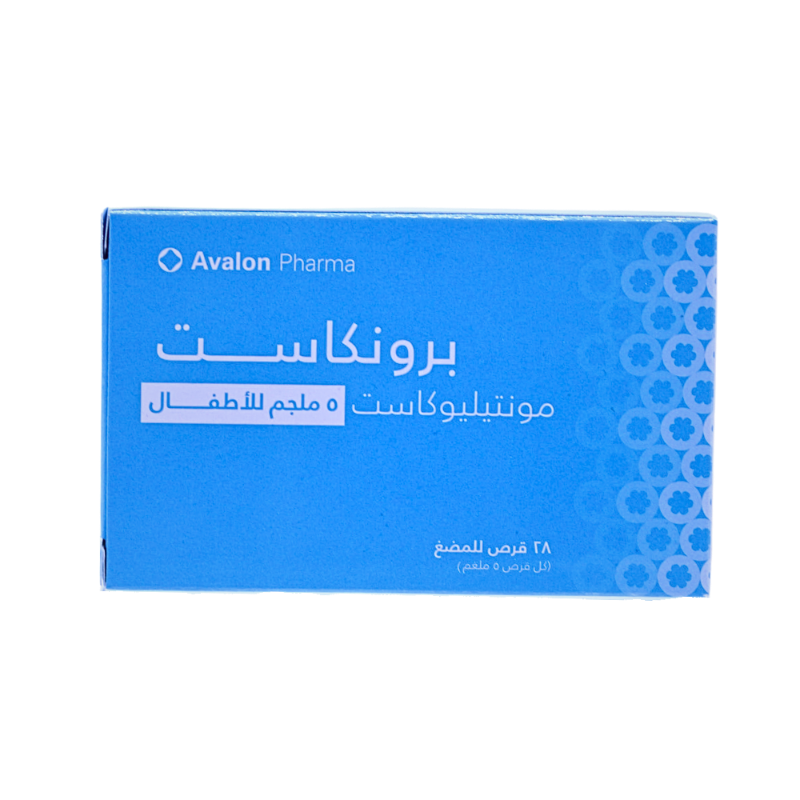
Medications > Cold, Cough, and Allergy Medications
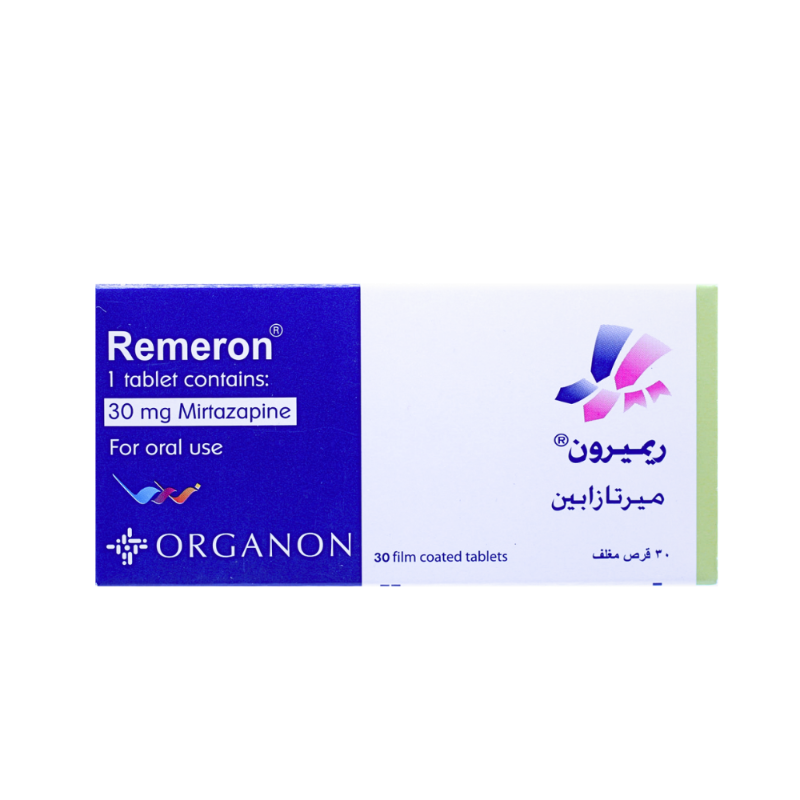
Medications > Psychiatric Medications
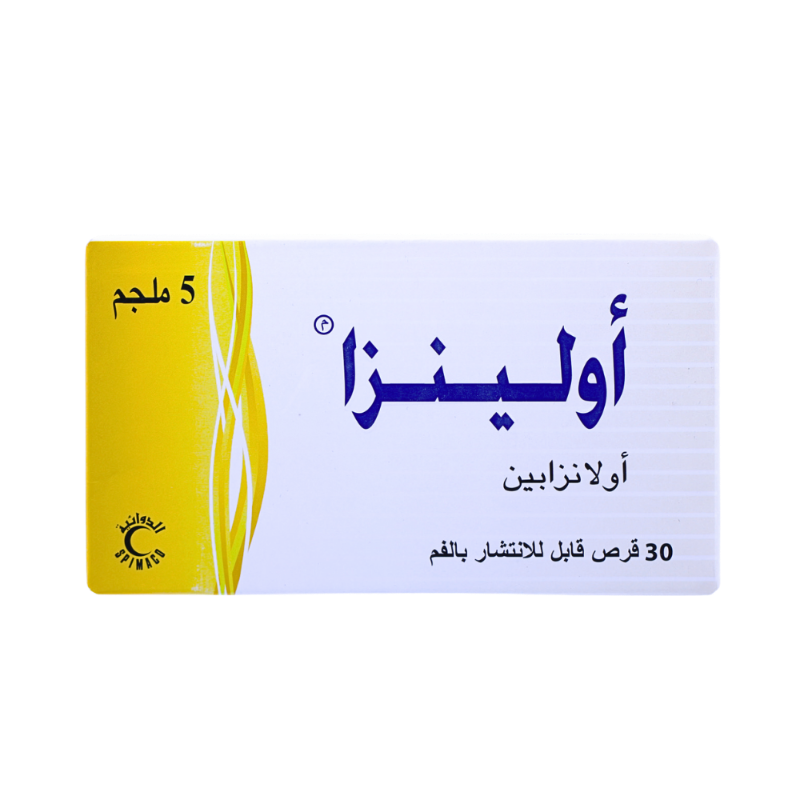
Medications > Psychiatric Medications
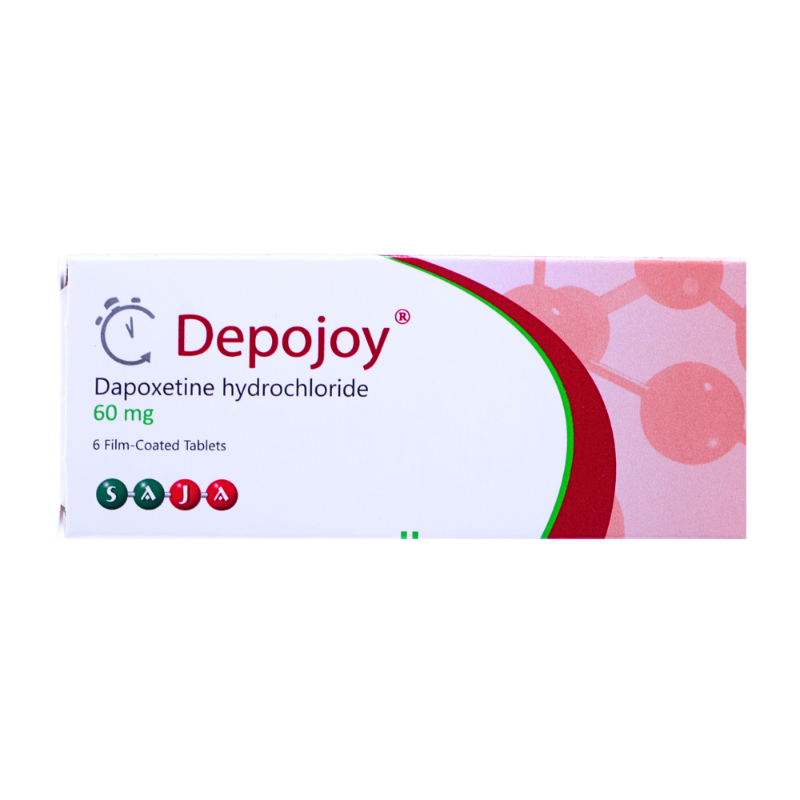
Medications > Sexual Health
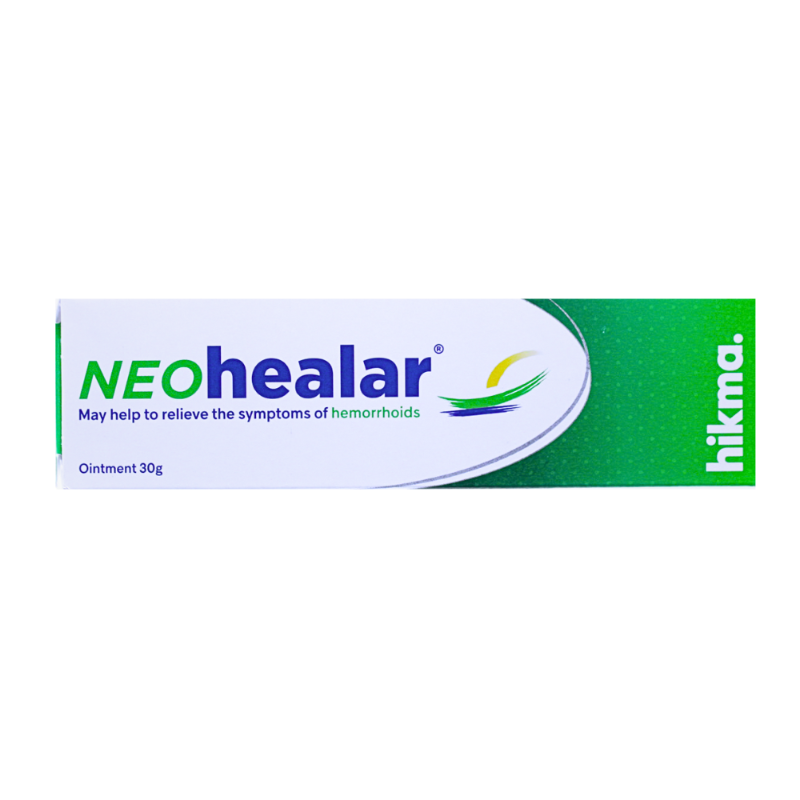
Medications > Hemorrhoid Medications
Medications > Cholesterol Medications
Medications > Painkillers and Antipyretics
