
Use Code: SAVE26 And Get 30% OFF | Get Free Delivery With No Minimum Order
-1744229570.gif "Almujtama Pharmacy logo")




Frequently bought together
Skin And Body Care > Moisturizers
Skin And Body Care > Moisturizers
Skin And Body Care > Moisturizers
Skin And Body Care > Facial Wash And Exfoliators
Skin And Body Care > Facial Wash And Exfoliators
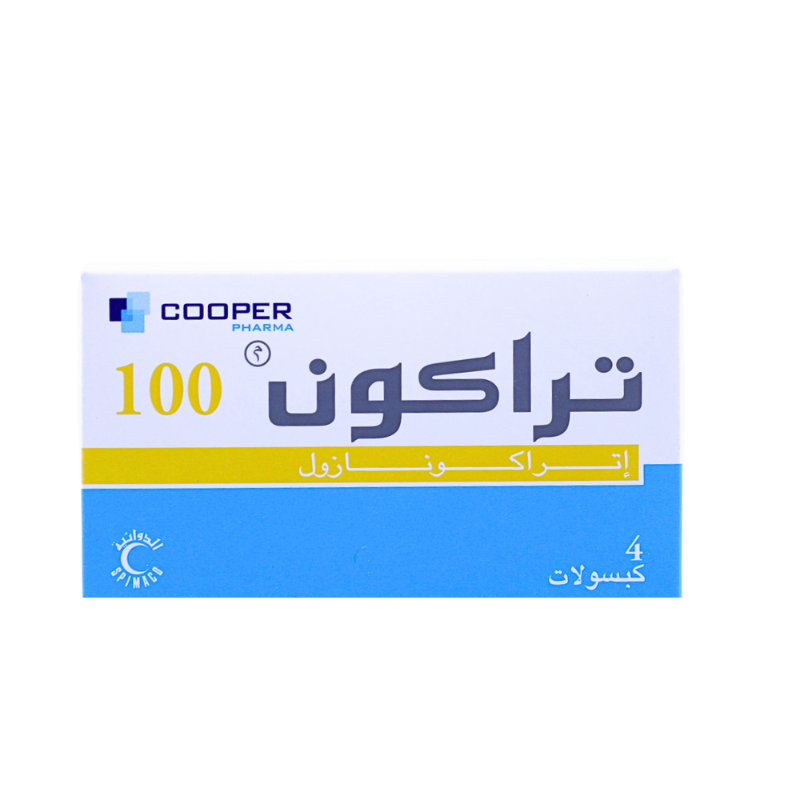
TRACON 100MG 4TAB
- Sku : I-006329
Key features
TRACON 100MG 4TAB is an oral capsule formulation containing itraconazole 100 mg per capsule. It inhibits fungal lanosterol 14-alpha-demethylase (CYP51), reducing ergosterol synthesis and disrupting fungal cell membrane structure and function, with primarily fungistatic (and occasionally fungicidal) activity depending on organism and concentration. It is used for the treatment of fungal infections such as onychomycosis and a range of mucocutaneous and systemic mycoses, including oropharyngeal/esophageal candidiasis and certain endemic or invasive infections (e.g., histoplasmosis, blastomycosis, aspergillosis). Supplied as 100 mg oral capsules in a pack of 4; prescription product.- Brand: TRACON
- Active Ingredient: ITRACONAZOLE
- Strength: 100mg
- Dosage Form: Capsule
- Pack Size: 4 Capsules
- Route: Oral use
- Prescription Status: Prescription
- Therapeutic Class: Anti-infective
- Pharmacological Group: Antifungals (Systemic)
- Drug Class: Triazole Antifungal (Systemic)
- Manufacturer: SPIMACO
- Country of Origin: Saudi Arabia
- SFDA Registration No.: 24-809-17
- Shelf Life: 36 months
- Storage: store below 25°c
- Application: Oral
Frequently bought together
Skin And Body Care > Moisturizers
Skin And Body Care > Moisturizers
Skin And Body Care > Moisturizers
Skin And Body Care > Facial Wash And Exfoliators
Skin And Body Care > Facial Wash And Exfoliators
Indications
Approved Uses
Depends on local SFDA-approved labeling for this specific product; generally approved uses for oral itraconazole capsules include onychomycosis and a range of mucocutaneous/systemic mycoses (e.g., oropharyngeal/esophageal candidiasis and certain endemic/systemic fungal infections such as histoplasmosis, blastomycosis, and aspergillosis).
Off-Label Uses
Off-label uses may include coccidioidomycosis, paracoccidioidomycosis, chromoblastomycosis, and selected prophylaxis strategies in high-risk immunocompromised patients (institution/specialist-directed).
Dosage & Administration
Dosing by Condition
Oropharyngeal candidiasis: 200 mg/day (either 200 mg once daily or 100 mg twice daily) for 1-2 weeks; may extend to 2 weeks. Esophageal candidiasis: 200 mg/day for at least 3 weeks and for 2 weeks after symptom resolution (may increase to 400 mg/day if needed). Vulvovaginal candidiasis: 200 mg twice daily for 1 day OR 200 mg once daily for 3 days. Tinea corporis/cruris: 200 mg/day for 1 week OR 100 mg/day for 2 weeks. Tinea pedis/manus: 200 mg twice daily for 1 week OR 100 mg/day for 4 weeks. Tinea versicolor: 200 mg/day for 7 days. Onychomycosis (toenail): 200 mg once daily for 12 weeks OR pulse 200 mg twice daily for 1 week/month for 3 pulses. Onychomycosis (fingernail): pulse 200 mg twice daily for 1 week/month for 2 pulses. Histoplasmosis/blastomycosis: typically 200 mg three times daily for 3 days (loading) then 200 mg once or twice daily for months (severity/site dependent). Aspergillosis: commonly 200 mg twice daily for at least several months (specialist-directed).
Initial Dose
100mg once daily (most indications); 200mg once or twice daily for serious systemic infections
Maintenance Dose
200-400 mg per day, given in one or two divided doses.
Maximum Dose
Maximum usual oral dose: 400 mg/day; in severe/life-threatening systemic infections some regimens use up to 600 mg/day short-term (e.g., loading).
Children's Dosage
Not routinely approved for children; pediatric use only when benefit outweighs risk. If used: 5mg/kg/day has been used in clinical studies. Consult specialist
Dose Adjustment Notes
Hepatic impairment: use with caution and monitor LFTs; avoid/stop if significant hepatotoxicity. Renal impairment: no routine dose adjustment, but use caution (especially severe renal dysfunction) due to variable exposure. Acid suppression/achlorhydria: capsule absorption is reduced-avoid PPIs/H2 blockers if possible or separate/acidify; oral solution (if available) is preferred when absorption is a concern.
How to Take
Swallow itraconazole 100 mg capsules whole with (or immediately after) a full meal; do not crush or chew; take at the same time each day.
Side Effects
Common Side Effects
Nausea, vomiting, diarrhea, abdominal pain/dyspepsia, headache, dizziness, rash/pruritus; possible elevated liver enzymes and edema (less common but clinically important).
Side Effect Frequency
Common (≥1% to <10%): GI upset (nausea, abdominal pain, diarrhea, dyspepsia), headache; liver enzyme elevations are commonly reported; serious but less common/rare: hepatotoxicity, congestive heart failure/worsening HF (boxed warning/contraindication in HF), hypokalemia/edema, severe cutaneous reactions, peripheral neuropathy.
Safety & Warnings
Contraindications
Contraindicated in: hypersensitivity to itraconazole; pregnancy (especially for treatment of onychomycosis or other non-life-threatening infections); coadministration with contraindicated CYP3A4 substrates that can cause serious events (e.g., cisapride, pimozide, quinidine, dofetilide; ergot alkaloids; simvastatin/lovastatin; oral midazolam/triazolam); and use for onychomycosis in patients with ventricular dysfunction/CHF history.
Warnings & Precautions
Key precautions: assess for CHF/ventricular dysfunction; baseline and periodic LFT monitoring; rigorous interaction screening (potent CYP3A4 inhibitor); avoid strong enzyme inducers; manage reduced capsule absorption with acid suppressants; discontinue if hepatotoxicity, neuropathy, or severe rash occurs; note capsule vs solution are not interchangeable mg-for-mg.
Age Restriction
No specific age restriction in adults; pediatric use is not routinely established-use in children only if benefit outweighs risk under specialist supervision.
Drug Interactions
Drug Interactions
Major interactions: strong CYP3A4/P-gp inhibitor-contraindicated with cisapride/pimozide/quinidine/dofetilide (QT/TdP), ergot alkaloids (ergotism), simvastatin/lovastatin (rhabdomyolysis), oral midazolam/triazolam (profound sedation); clinically significant with warfarin (↑INR), calcineurin/mTOR inhibitors (↑levels), digoxin (↑), calcium-channel blockers (↑edema/CHF risk), and strong enzyme inducers (rifampin/rifabutin/phenytoin/carbamazepine) which markedly ↓itraconazole; acid suppressants can ↓capsule absorption.
Interaction Severity
MAJOR/Contraindicated: strong CYP3A4 substrate interactions causing QT prolongation/arrhythmia (e.g., cisapride, quinidine, dofetilide, pimozide) and severe toxicity with certain statins (simvastatin, lovastatin), ergot alkaloids, and oral midazolam/triazolam. MODERATE/Significant: warfarin (↑INR), calcineurin/mTOR inhibitors (tacrolimus/cyclosporine/sirolimus; ↑levels), digoxin (↑levels), some calcium channel blockers (↑levels/edema; HF risk), and strong enzyme inducers (rifampin, carbamazepine, phenytoin) which markedly reduce itraconazole exposure (avoid). Absorption interactions: PPIs/H2 blockers/antacids reduce capsule absorption (manage timing/acid).
Food Interaction
Take itraconazole capsules with a full meal to increase absorption; avoid taking capsules on an empty stomach.
Special Populations
Pregnancy
Contraindicated
Breastfeeding
Consult Doctor
Children
Not routinely approved for children; pediatric use only when benefit outweighs risk. If used: 5mg/kg/day has been used in clinical studies. Consult specialist
Elderly
Standard adult dosing. Use with caution, considering the greater frequency of decreased hepatic, renal, or cardiac function.
Kidney Impairment
CrCl under 10; reduce dose by 50%. In peritoneal and hemodialysis patients, dosing is 100 mg every 12 to 24 hours, with no supplement.
Liver Impairment
No fixed dose adjustment defined; use with caution, avoid/limit in significant hepatic disease when treating non-life-threatening infections, and monitor LFTs closely.
Storage & Patient Advice
Stopping the Medicine
Do not stop “anytime”; stop only on clinician advice-complete the prescribed course unless adverse effects/contraindications occur.
Patient Counseling
Take capsules with or immediately after a full meal; swallow whole. Avoid acid-suppressing agents/antacids around dosing (separate by at least 2 hours; PPIs/H2 blockers can reduce capsule absorption). Report liver injury symptoms (jaundice, dark urine, severe fatigue) and heart failure symptoms (shortness of breath, ankle swelling, rapid weight gain). Tell your clinician/pharmacist about all medicines (many serious interactions). Complete the prescribed course.
Monitoring Requirements
Baseline and periodic liver function tests (especially if treatment >1 month or hepatic risk); assess for signs/symptoms of heart failure/edema; consider therapeutic drug monitoring (itraconazole trough) for serious/systemic infections, poor response, suspected malabsorption, or major interactions.
Pharmacology
Mechanism of Action
Inhibits fungal lanosterol 14-α-demethylase (CYP51), decreasing ergosterol synthesis and disrupting fungal cell membrane structure and function (primarily fungistatic, sometimes fungicidal depending on organism/concentration).
Onset of Action
Absorption/PK: peak plasma concentrations occur ~2-5 hours after a dose; steady state is typically reached in ~1-2 weeks. Clinical response varies by infection site and may take days to weeks (and nails months).
Duration of Effect
Drug persists in keratinized tissues: measurable levels remain for weeks after stopping (skin ~2-4 weeks; nails can persist for months).
Bioavailability
Itraconazole capsules: oral bioavailability is variable and generally ~55% when taken with food; absorption is significantly reduced in the fasting state and with reduced gastric acidity (e.g., PPIs/H2RAs).
Metabolism
Extensive hepatic metabolism primarily via CYP3A4 to multiple metabolites; the major active metabolite is hydroxy-itraconazole with comparable antifungal activity.
Product Information
Available Dosage Forms
Capsule, Oral solution, Tablet.
Composition per Dose
Each capsule: 100mg itraconazole
Generic Availability
Yes
OTC Alternatives
No OTC alternative for systemic antifungal therapy; topical OTC antifungals (clotrimazole, miconazole) available for superficial skin infections only
Application
Oral
Reviewed by Al Mujtama Pharmacy Medical Review Team. Last reviewed 01-06-2026
Similar Products
Medications > Painkillers and Antipyretics
Medications > Painkillers and Antipyretics
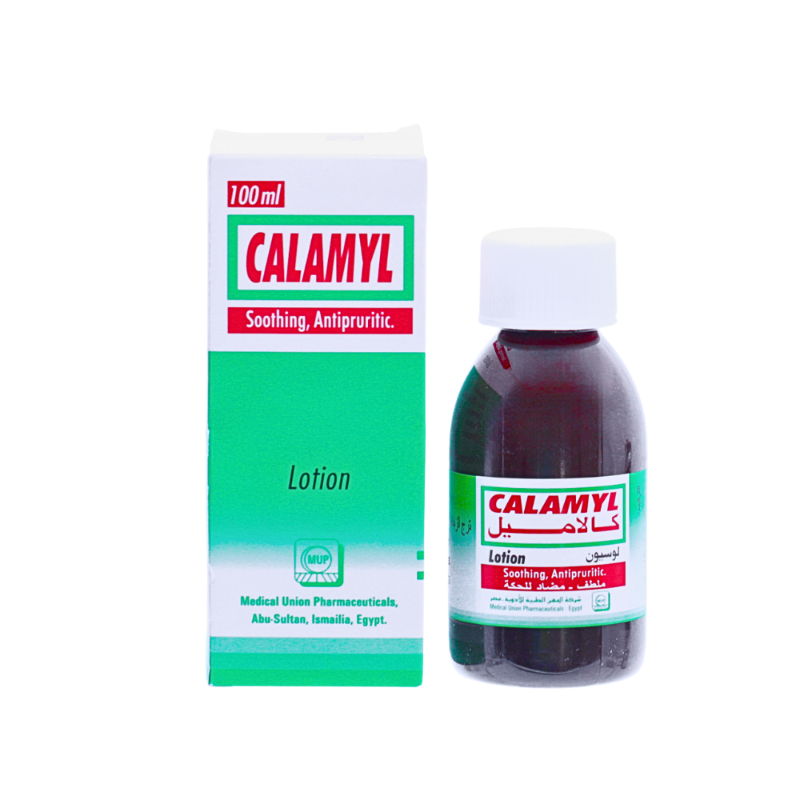
Medications > Dermatology Medications
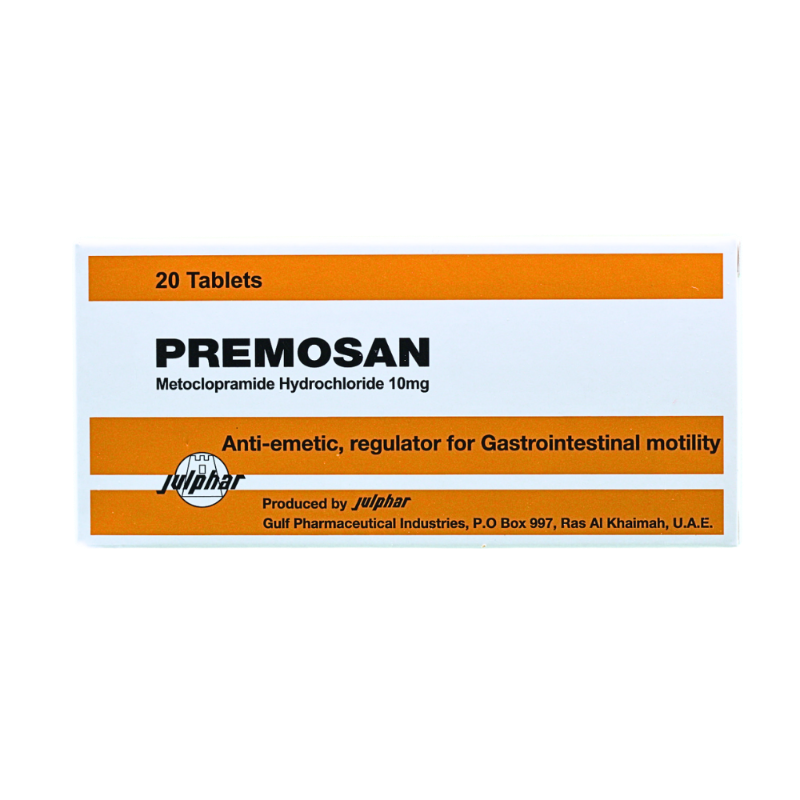
Medications > Gastrointestinal Medications
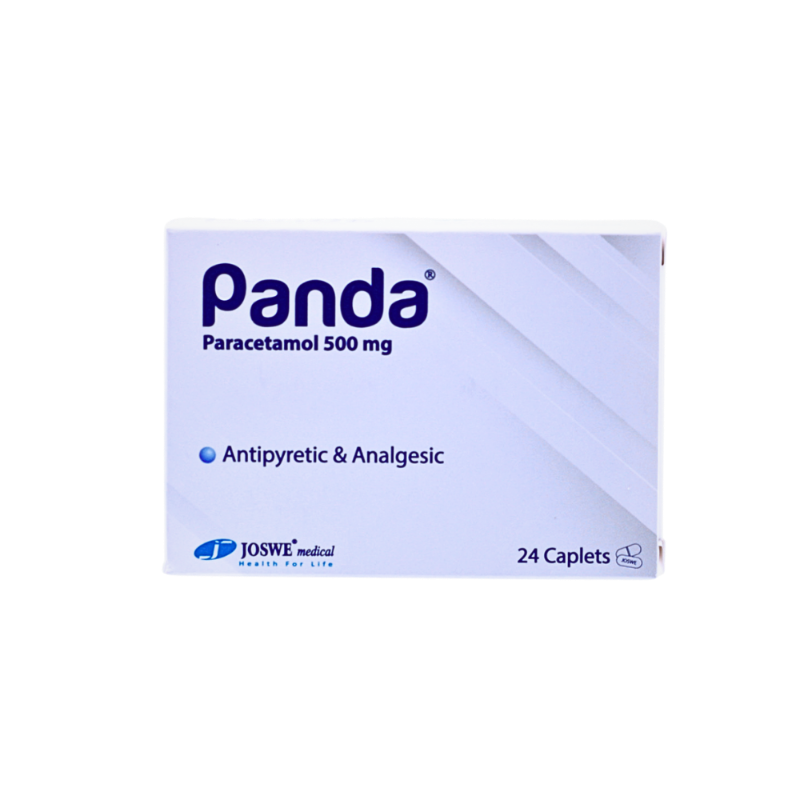
Medications > Painkillers and Antipyretics
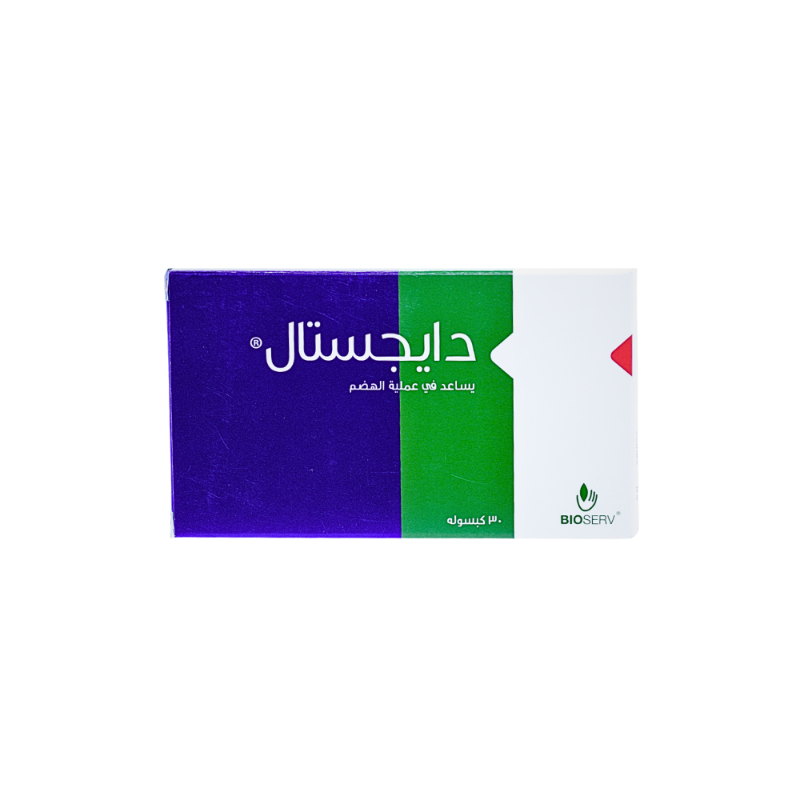
Medications > Gastrointestinal Medications
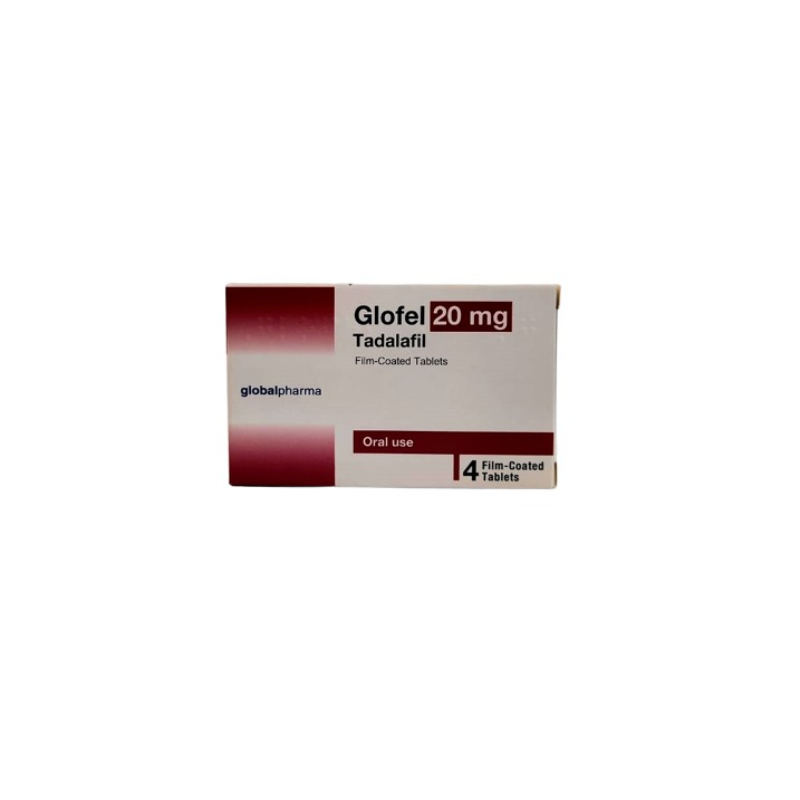
Medications > Sexual Health
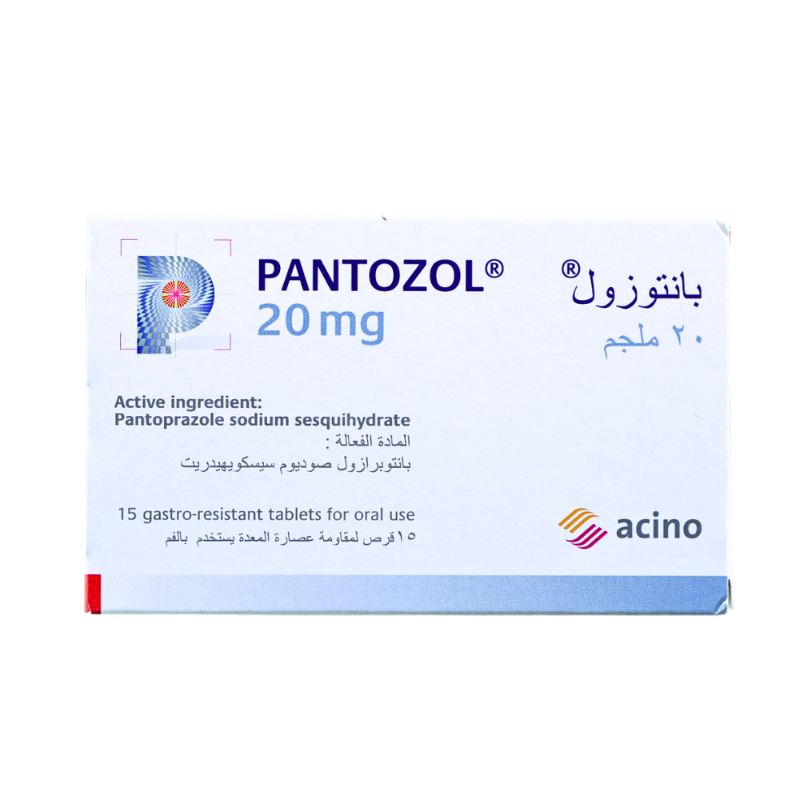
Medications > Gastrointestinal Medications
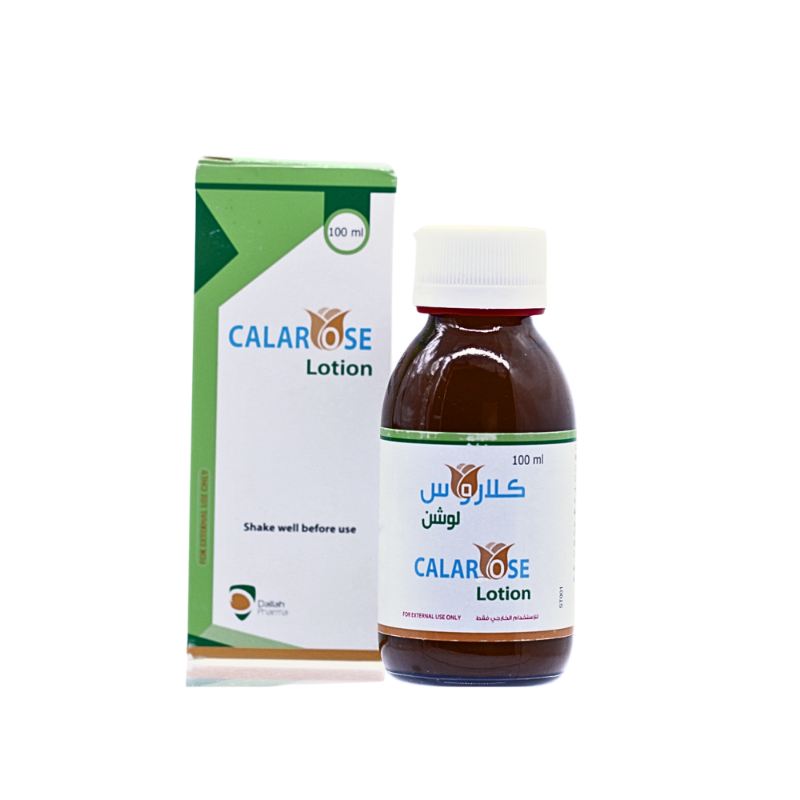
Medications > Dermatology Medications
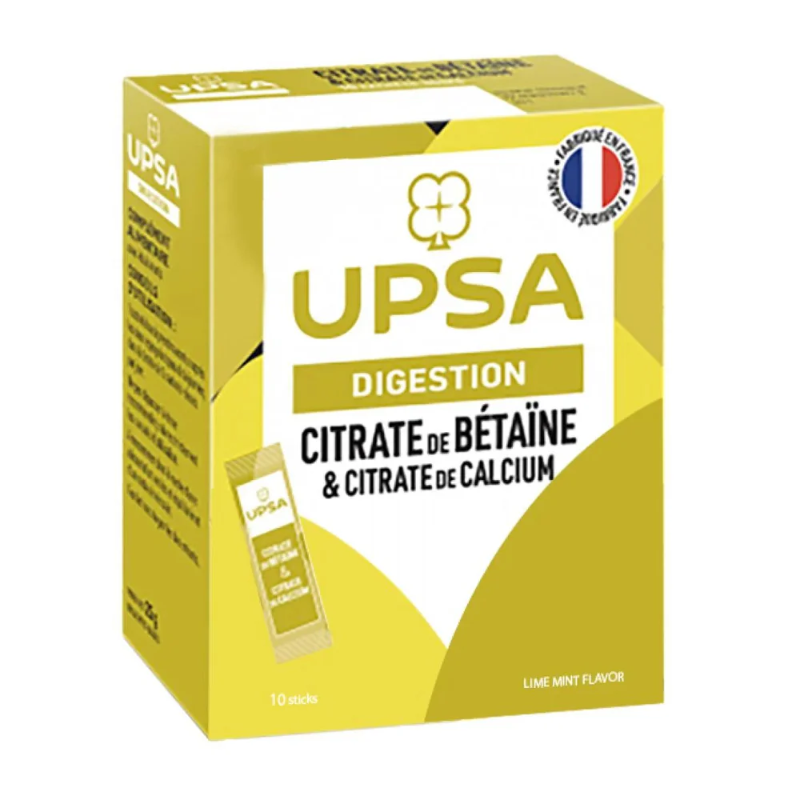
Medications > Gastrointestinal Medications
