
Use Code: SAVE26 And Get 30% OFF | Get Free Delivery With No Minimum Order
-1744229570.gif "Almujtama Pharmacy logo")




Frequently bought together
Vitamins & Supplements > Vitamins and Minerals
Vitamins & Supplements > Vitamins and Minerals
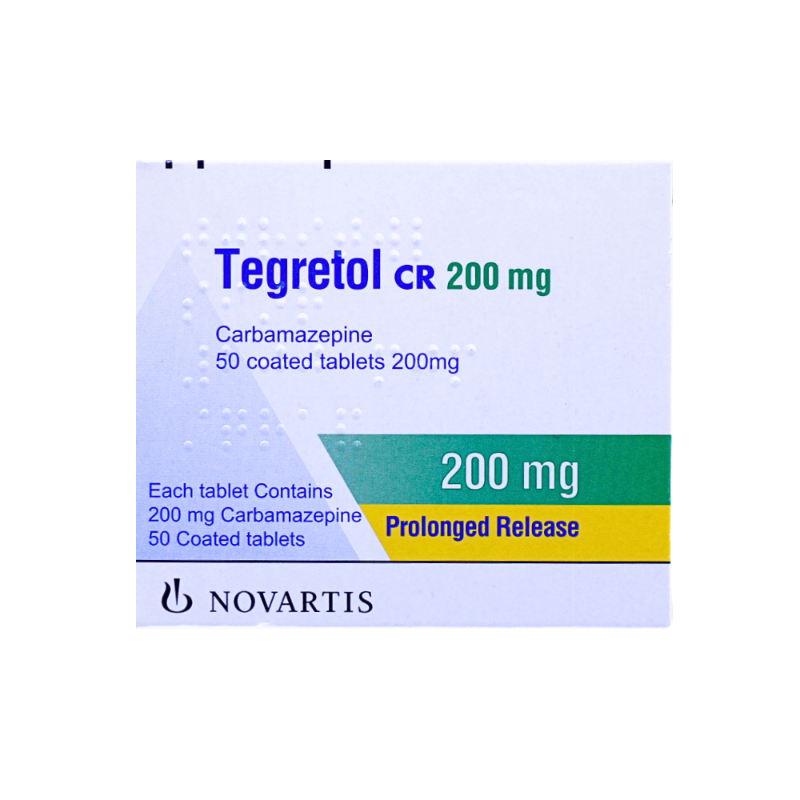
TEGRETOL CR 200/MG PR TAB 50/TAB
- Sku : I-006244
Key features
TEGRETOL CR 200 mg prolonged‑release tablets contain carbamazepine 200 mg as the active ingredient. It acts primarily by blocking voltage‑gated sodium channels to stabilize hyperexcitable neuronal membranes and also induces multiple hepatic CYP enzymes. It is indicated for epilepsy (focal/partial seizures, generalized tonic‑clonic seizures and mixed seizure patterns) and trigeminal neuralgia, and may be used for acute mania/bipolar disorder where locally licensed. Available by prescription as 200 mg prolonged‑release tablets in a pack of 50.- Brand: TEGRETOL
- Active Ingredient: CARBAMAZEPINE 200mg
- Strength: 200mg
- Dosage Form: Prolonged-release tablet
- Pack Size: 50 Tablets
- Route: Oral use
- Prescription Status: Prescription
- Therapeutic Class: Anticonvulsant
- Pharmacological Group: Antiepileptics
- Drug Class: Mood stabilizer [EPC]; anticonvulsant-voltage-gated sodium channel blocker; hepatic CYP enzyme inducer (CYP3A4, CYP1A2, CYP2B6, CYP2C9, CYP2C19).
- Manufacturer: NOVARTIS
- Country of Origin: Italy
- SFDA Registration No.: 1401268911
- Shelf Life: 24 months
- Storage: store below 30°c
- Also Used For: Neuropathic Pain, Mood Stabilization, Trigeminal Neuralgia, Bipolar Disorder, Alcohol Withdrawal, Restless Legs Syndrome, Diabetic Peripheral Neuropathy, Post-herpetic Neuralgia
Frequently bought together
Vitamins & Supplements > Vitamins and Minerals
Vitamins & Supplements > Vitamins and Minerals
Indications
Approved Uses
Epilepsy (focal/partial seizures and generalized tonic‑clonic seizures; mixed seizure patterns) and trigeminal neuralgia; also used for acute mania/bipolar disorder depending on local labeling.
Off-Label Uses
Common off‑label uses include neuropathic pain syndromes (e.g., diabetic neuropathy), alcohol withdrawal (adjunct), and other refractory neuropathic pain conditions; bipolar disorder/mania is off‑label only where not locally approved.
Dosage & Administration
Dosing by Condition
Epilepsy (adults, ER/CR): start 200 mg twice daily, increase by ~200 mg/day at weekly (or slower) intervals; usual maintenance 800-1200 mg/day in divided doses (some require up to 1600 mg/day). Trigeminal neuralgia: start 100 mg twice daily (or 200 mg/day), increase by 200 mg/day as needed; usual maintenance 400-800 mg/day; max commonly 1200 mg/day. Acute mania/bipolar (where approved): commonly start ~400 mg/day and titrate; usual range 400-1600 mg/day.
Initial Dose
100-200mg once or twice daily (epilepsy); 100-200mg twice daily (trigeminal neuralgia)
Maintenance Dose
800-1200mg/day in 2-3 divided doses for epilepsy; 400-800mg/day for trigeminal neuralgia
Maximum Dose
Adults (epilepsy): usual max 1200 mg/day; some patients may require up to 1600 mg/day under specialist supervision (higher doses are exceptional).
Children's Dosage
Children 6-12 years: Initial 100mg twice daily, increase by 100mg/week; Maintenance 400-800mg/day (20-30mg/kg/day); Children under 6 years: 10-20mg/kg/day in 2-3 divided doses; CR tablets not recommended for children under 6 years
Dose Adjustment Notes
Titrate gradually to minimize CNS adverse effects; CR/XR formulations are typically dosed twice daily; autoinduction of metabolism occurs over ~2-4 weeks so dose/levels may need reassessment; use caution and consider lower starting doses in elderly and in hepatic impairment; monitor serum concentrations when clinically indicated (typical therapeutic range ~4-12 mcg/mL).
How to Take
Swallow Tegretol CR (prolonged‑release) tablets with water; do not crush or chew. The 200 mg tablet is scored and may be broken in half to aid swallowing, but the halves should still be swallowed (not chewed). May be taken with or without food; taking with food can reduce GI upset.
Side Effects
Common Side Effects
Dizziness, drowsiness/somnolence, ataxia, nausea/vomiting, diplopia/blurred vision, headache, and rash; hyponatremia can occur (clinically important).
Side Effect Frequency
Very common (≥10%): dizziness, somnolence/drowsiness, ataxia, nausea/vomiting, diplopia/blurred vision. Common (1-10%): headache, fatigue, dry mouth, constipation, rash, leukopenia, elevated liver enzymes, hyponatremia. Rare/very rare: serious cutaneous adverse reactions (SJS/TEN, DRESS), agranulocytosis/aplastic anemia/thrombocytopenia, severe hepatitis/liver failure, pancreatitis, significant arrhythmias/SIADH.
Safety & Warnings
Contraindications
Contraindications: hypersensitivity to carbamazepine or tricyclic antidepressants; bone marrow depression; concomitant MAO inhibitor use (or within 14 days); atrioventricular block; acute hepatic porphyrias (e.g., acute intermittent porphyria).
Warnings & Precautions
Key warnings/precautions: screen for HLA-B*1502 in at-risk Asian ancestry before initiation; consider HLA-A*3101 where relevant; baseline and periodic CBC and LFTs; monitor for rash/systemic hypersensitivity (DRESS), suicidality, hyponatremia; avoid abrupt withdrawal; caution in cardiac conduction disease, glaucoma/urinary retention, hepatic/renal impairment; strong enzyme induction reduces hormonal contraceptive efficacy-ensure effective contraception; pregnancy requires risk-benefit counseling and folate.
Age Restriction
No absolute minimum age in labeling; use is pediatric-appropriate, but CR/XR tablets are generally not preferred in very young children (often <6 years) due to swallowing and need for flexible titration-use age-appropriate formulations and specialist guidance.
Driving Warning
May Cause Drowsiness
Drug Interactions
Drug Interactions
Major/clinically important interactions: MAO inhibitors (contraindicated); strong CYP3A4 inhibitors (e.g., macrolides like erythromycin/clarithromycin, azole antifungals, grapefruit) ↑ carbamazepine levels/toxicity; strong inducers (e.g., rifampin, phenytoin, phenobarbital, St John’s wort) ↓ carbamazepine levels; carbamazepine (a CYP3A4/2C/1A2 inducer per OpenFDA) reduces efficacy of oral contraceptives, warfarin, many antiretrovirals/immunosuppressants; valproate may ↑ carbamazepine-epoxide; lithium may ↑ neurotoxicity; avoid/contraindicated with voriconazole due to markedly reduced voriconazole exposure.
Interaction Severity
MAJOR/contraindicated: concomitant MAOIs (avoid; require washout), nefazodone (markedly increases carbamazepine/interaction risk), and strong CYP3A4 inhibitors (e.g., macrolides like erythromycin/clarithromycin) can cause carbamazepine toxicity; strong CYP3A4 inducers can reduce efficacy. MODERATE/clinically significant: oral contraceptives (failure), warfarin (reduced INR), many antiretrovirals/antifungals, and other antiseizure meds (e.g., phenytoin/valproate) with bidirectional level effects.
Food Interaction
May be taken with food to reduce GI upset; avoid grapefruit/grapefruit juice because it can increase carbamazepine concentrations via CYP3A4 inhibition.
Alcohol Interaction
Avoid
Special Populations
Pregnancy
Category D
Breastfeeding
Caution
Children
Children 6-12 years: Initial 100mg twice daily, increase by 100mg/week; Maintenance 400-800mg/day (20-30mg/kg/day); Children under 6 years: 10-20mg/kg/day in 2-3 divided doses; CR tablets not recommended for children under 6 years
Elderly
Start at lower doses (100mg once or twice daily), titrate slowly; increased risk of hyponatremia, cardiac conduction disturbances, and CNS side effects; monitor serum sodium and ECG
Kidney Impairment
No routine dose adjustment; use caution in severe renal impairment and monitor (clinical response, sodium, adverse effects, and-when indicated-drug levels).
Liver Impairment
Use with caution in hepatic impairment; no fixed adjustment provided-start low, titrate slowly, and monitor LFTs; avoid in acute hepatic porphyria and generally avoid/stop if significant hepatic dysfunction develops.
Storage & Patient Advice
Missed Dose
Take the missed dose as soon as remembered; if it is close to the next scheduled dose, skip the missed dose and resume the regular schedule; do not double doses.
Stopping the Medicine
Do not stop abruptly; taper gradually under medical supervision (schedule individualized; often over weeks).
Overdose
Symptoms: CNS depression (drowsiness, dizziness, ataxia, nystagmus), agitation/delirium, seizures, respiratory depression, hypotension, and cardiac conduction abnormalities/arrhythmias; Management: emergency care, airway/ventilation, ECG monitoring, activated charcoal (often multiple-dose), supportive care-no specific antidote; consider extracorporeal removal (e.g., hemodialysis/hemoperfusion) in severe/life-threatening poisoning per toxicology guidance.
Patient Counseling
Take exactly as prescribed; do not stop abruptly. For CR/XR tablets: swallow whole-do not crush/chew; scored tablets may be split only if the product is designed/scored for splitting. Take with food if GI upset. Avoid alcohol; use caution driving until effects known. Avoid grapefruit/grapefruit juice. Major interaction counseling: carbamazepine is a strong enzyme inducer-can reduce effectiveness of hormonal contraception; use effective contraception and discuss pregnancy risks. Seek urgent care for rash/blistering, fever/sore throat/mouth ulcers, unusual bruising/bleeding, jaundice, severe fatigue, or signs of infection. Keep all monitoring appointments (CBC, LFTs, sodium; drug levels as clinically indicated) and inform all healthcare providers due to extensive drug interactions.
Monitoring Requirements
Baseline and periodic: CBC (including platelets), liver function tests, and serum sodium; consider carbamazepine serum concentrations when starting, with dose changes, suspected toxicity, adherence concerns, pregnancy, or interacting drugs; monitor for rash/hypersensitivity and clinical CNS toxicity.
Pharmacology
Duration of Effect
Extended-release (CR/XR) tablets provide therapeutic effect for approximately 12 hours per dose (supports twice-daily dosing).
Half-Life
Initial single dose: 25-65 hours. Chronic dosing: 12-17 hours (due to autoinduction of metabolism).
Bioavailability
Oral bioavailability ~75-85%; prolonged-release (CR/XR) provides slower absorption with similar overall extent of absorption (AUC) compared with immediate-release.
Metabolism
Hepatic, primarily via CYP3A4, to an active metabolite (carbamazepine-10,11-epoxide). It is a potent autoinducer of its own metabolism.
Product Information
Available Dosage Forms
Oral formulations: immediate‑release tablets, chewable tablets, oral suspension, and extended/prolonged‑release tablets (e.g., CR/XR). No routine IV carbamazepine formulation is standard/marketed for Tegretol.
Composition per Dose
Each prolonged-release tablet: 200mg carbamazepine
Generic Availability
Yes
OTC Alternatives
No OTC alternative
Also Used For
Neuropathic Pain, Mood Stabilization, Trigeminal Neuralgia, Bipolar Disorder, Alcohol Withdrawal, Restless Legs Syndrome, Diabetic Peripheral Neuropathy, Post-herpetic Neuralgia
Reviewed by Al Mujtama Pharmacy Medical Review Team. Last reviewed 02-06-2026
Similar Products
Medications > Other Medicines
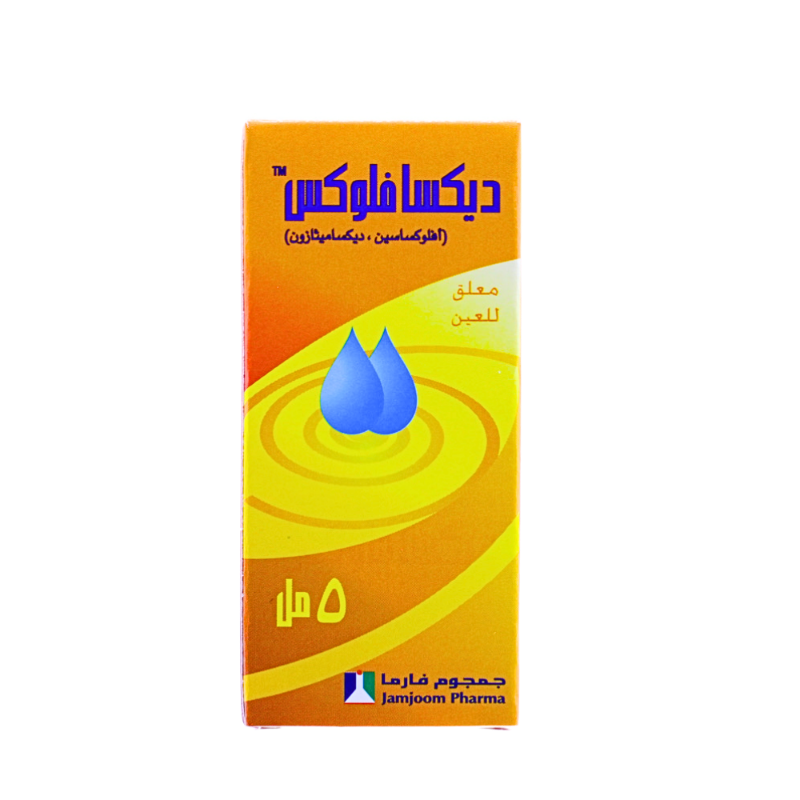
Medications > Eye and Ear Medications

Medications > Eye and Ear Medications
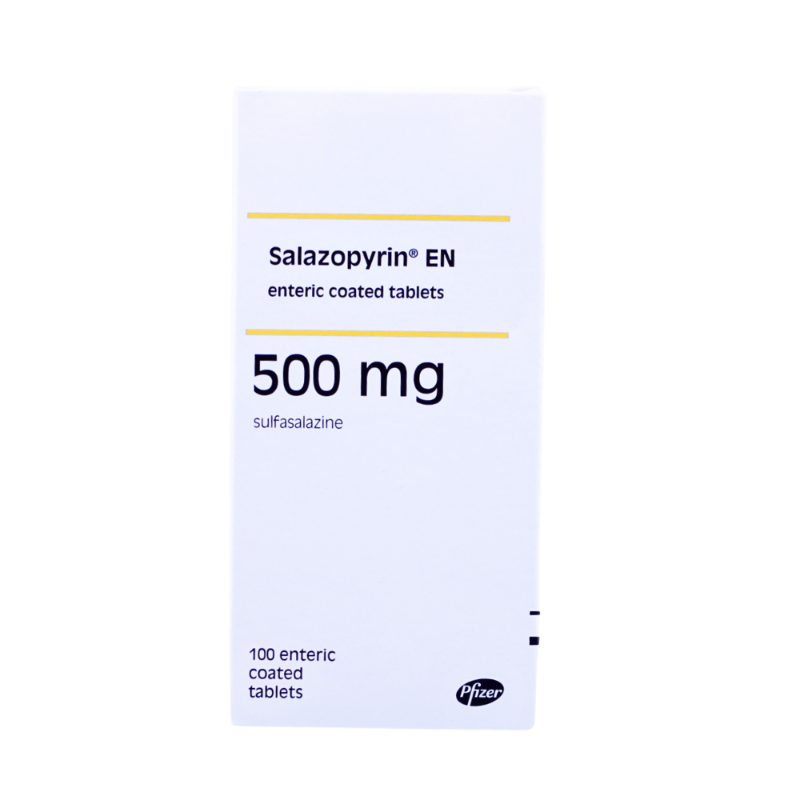
Medications > Gastrointestinal Medications
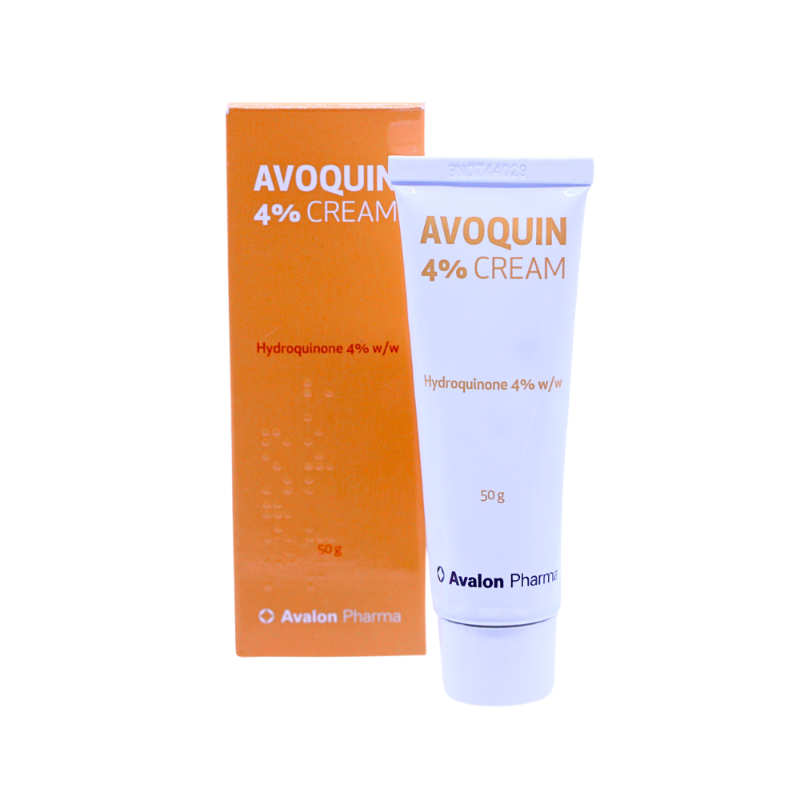
Medications > Dermatology Medications
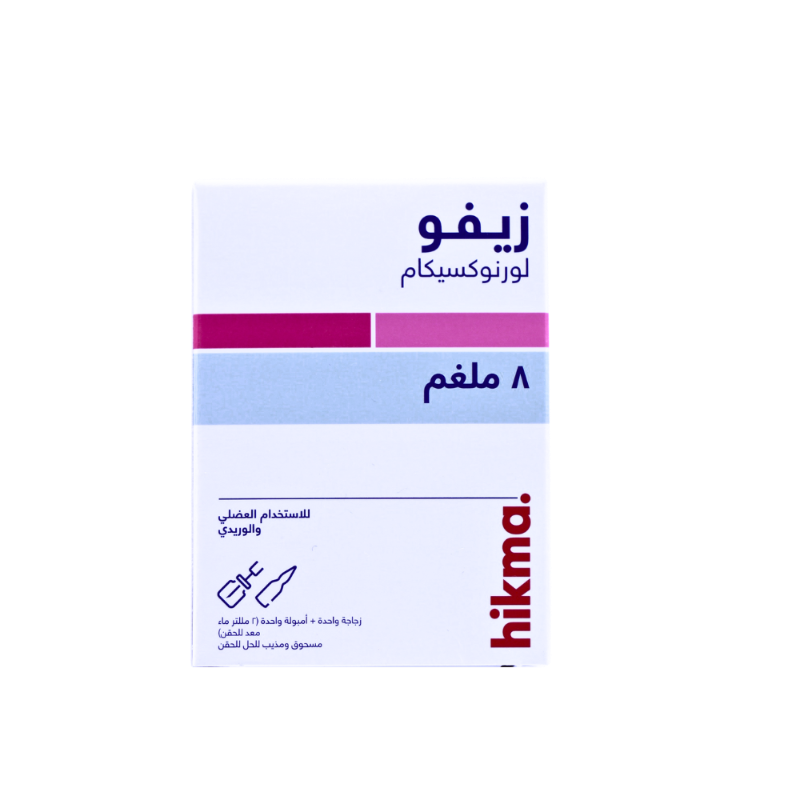
Medications > Painkillers and Antipyretics
Medications > Sexual Health
Medications > Painkillers and Antipyretics
Medications > Gastrointestinal Medications
Medications > Gastrointestinal Medications
