
Use Code: ND30 And Get 30% OFF | Get Free Delivery With No Minimum Order
-1744229570.gif "Almujtama Pharmacy logo")




Frequently bought together

Health Care & Wellness > Napkins

Health Care & Wellness > Napkins
Skin And Body Care > Eye Care
Skin And Body Care > Eye Care
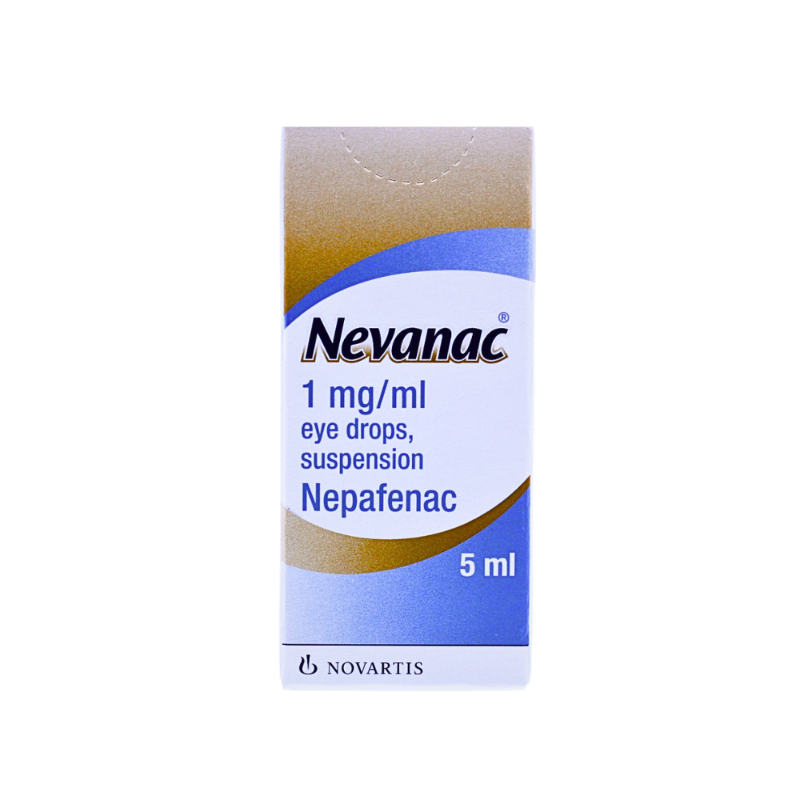
NEVANAC 1/MG EYE DROPS 5ML
- Sku : I-025704
Key features
NEVANAC 1 mg/mL eye drops are an ophthalmic suspension containing nepafenac (1 mg/mL). Nepafenac is a prodrug that penetrates the cornea and is converted to amfenac, which inhibits cyclooxygenase (COX-1/COX-2) to reduce prostaglandin synthesis and ocular inflammation and pain. It is indicated for the treatment of pain and inflammation associated with cataract surgery. Available as a 5 mL ophthalmic suspension and supplied by prescription.- Brand: NEVANAC
- Active Ingredient: NEPAFENAC 1mg/ml
- Strength: 1mg/ml
- Dosage Form: Eye drops, suspension
- Pack Size: 5 ml
- Route: Ocular use
- Prescription Status: Prescription
- Therapeutic Class: Ophthalmic
- Pharmacological Group: Anti-inflammatory (Eye)
- Drug Class: Ophthalmic Nonsteroidal Anti-inflammatory Drug (NSAID), COX-1/COX-2 Inhibitor
- Manufacturer: NOVARTIS MANUFACTURING NV
- Country of Origin: Belgium
- SFDA Registration No.: 1306233791
- Shelf Life: 24 months
- Storage: do not store above 30°c
- Target Organ: Eye
- Preservative Free: No
Frequently bought together
Health Care & Wellness > Napkins
Health Care & Wellness > Napkins
Skin And Body Care > Eye Care
Skin And Body Care > Eye Care
Indications
Approved Uses
Treatment of pain and inflammation associated with cataract surgery.
Off-Label Uses
Prevention/treatment of pseudophakic cystoid macular edema (including in higher-risk patients such as diabetes) is a common off-label use; other proposed uses (e.g., uveitis) are less established and should be specialist-directed.
Dosage & Administration
Dosing by Condition
Cataract surgery pain/inflammation (nepafenac 0.1%): Instill 1 drop in the affected eye(s) three times daily starting 1 day before surgery, on the day of surgery, and for 2 weeks after surgery; instill 1 additional drop 30-120 minutes before surgery.
Initial Dose
One drop in the affected eye(s) three times daily, beginning 1 day before cataract surgery.
Children's Dosage
Safety and effectiveness in pediatric patients have not been established.
How to Prepare
Shake well before each use; no reconstitution required.
Side Effects
Side Effect Frequency
Common (1-10%): capsular opacity, decreased visual acuity, foreign body sensation, increased intraocular pressure, ocular pain/discomfort; keratitis/punctate keratitis can occur. Less common/uncommon: corneal epithelial defect/keratitis; rare but serious: corneal ulceration/thinning/perforation (especially with risk factors).
Safety & Warnings
Warnings & Precautions
Shake well (suspension); avoid contact lenses during treatment; may delay healing and increase bleeding; cross‑sensitivity with aspirin/other NSAIDs; use caution in patients with corneal compromise (e.g., epithelial defects, diabetes, ocular surface disease, rheumatoid arthritis), complicated/repeat ocular surgery, or concomitant topical steroids/NSAIDs.
Age Restriction
Safety and effectiveness have not been established in pediatric patients (no approved pediatric age; use only if specialist deems necessary).
Drug Interactions
Drug Interactions
Additive risk with topical NSAIDs and with topical corticosteroids (healing/corneal risk); caution with drugs that prolong bleeding time (e.g., warfarin/antiplatelets); separate different ophthalmic drops by at least 5 minutes.
Interaction Severity
MODERATE: Concomitant topical NSAIDs and/or topical corticosteroids (increased risk of corneal adverse events and delayed healing). CAUTION: Agents affecting bleeding (e.g., anticoagulants/antiplatelets) may increase ocular bleeding risk around surgery. MINOR/ADMIN: Other eye drops may be washed out if not spaced by ≥5 minutes.
Special Populations
Children
Safety and effectiveness in pediatric patients have not been established.
Elderly
Standard adult dosing.
Kidney Impairment
No adjustment needed.
Liver Impairment
No adjustment needed.
Storage & Patient Advice
Storage Conditions
Do not store above 30°C; do not freeze; discard 4 weeks (28 days) after first opening.
Preparation Instructions
Shake well before each use; no reconstitution required.
Stopping the Medicine
Do not stop early without the prescriber; complete the prescribed post‑operative course (commonly up to ~2 weeks after cataract surgery) unless adverse effects occur.
Pharmacology
Mechanism of Action
Nepafenac is a prodrug that penetrates the cornea and is converted to amfenac, which inhibits cyclooxygenase (COX-1/COX-2; prostaglandin H synthase), reducing prostaglandin synthesis and ocular inflammation/pain.
Onset of Action
Analgesic effect may begin within 15-30 minutes; anti-inflammatory benefit develops over hours to days with continued dosing.
Duration of Effect
Not well-defined as a single per-dose duration; clinical effect is maintained with TID dosing.
Bioavailability
Low systemic absorption after ophthalmic administration; plasma levels are typically very low (often below quantification) with standard dosing.
Metabolism
Nepafenac is a prodrug converted by intraocular hydrolases to the active metabolite amfenac; any absorbed drug is further metabolized systemically.
Product Information
Available Dosage Forms
Eye drops, suspension (ophthalmic suspension).
Composition per Dose
Each mL of suspension: Nepafenac 1 mg (1 mg/mL)
Generic Availability
Yes
OTC Alternatives
No OTC alternative
Target Organ
Eye
Preservative Free
No
Reviewed by Al Mujtama Pharmacy Medical Review Team. Last reviewed 02-06-2026
Similar Products
Medications > Dermatology Medications
Medications > Cold, Cough, and Allergy Medications
Medications > Painkillers and Antipyretics
Medications > Other Medicines
Medications > Cold, Cough, and Allergy Medications
Medications > Cold, Cough, and Allergy Medications
Medications > Dermatology Medications
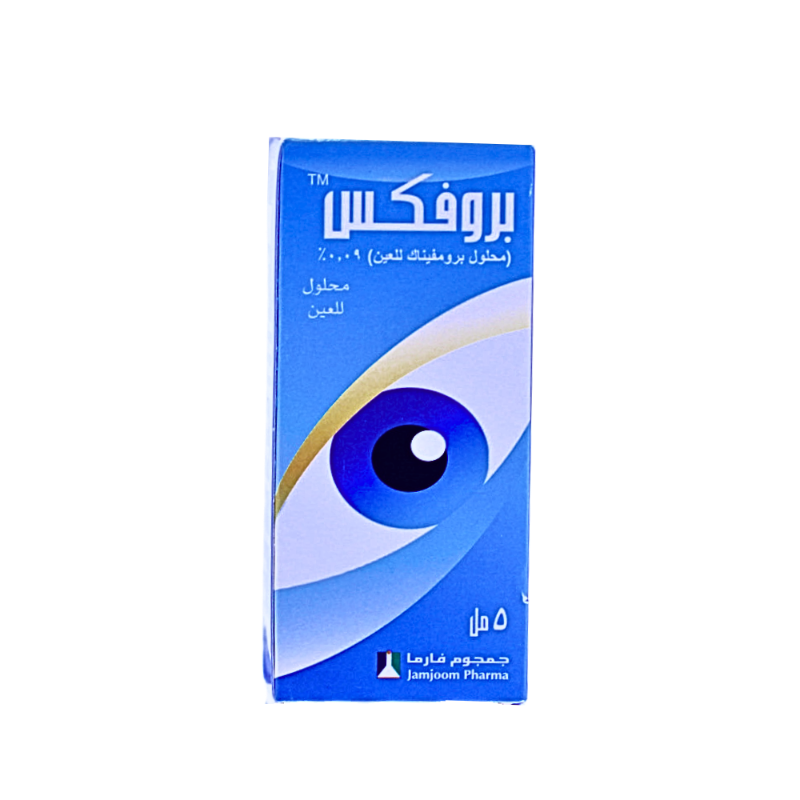
Medications > Eye and Ear Medications
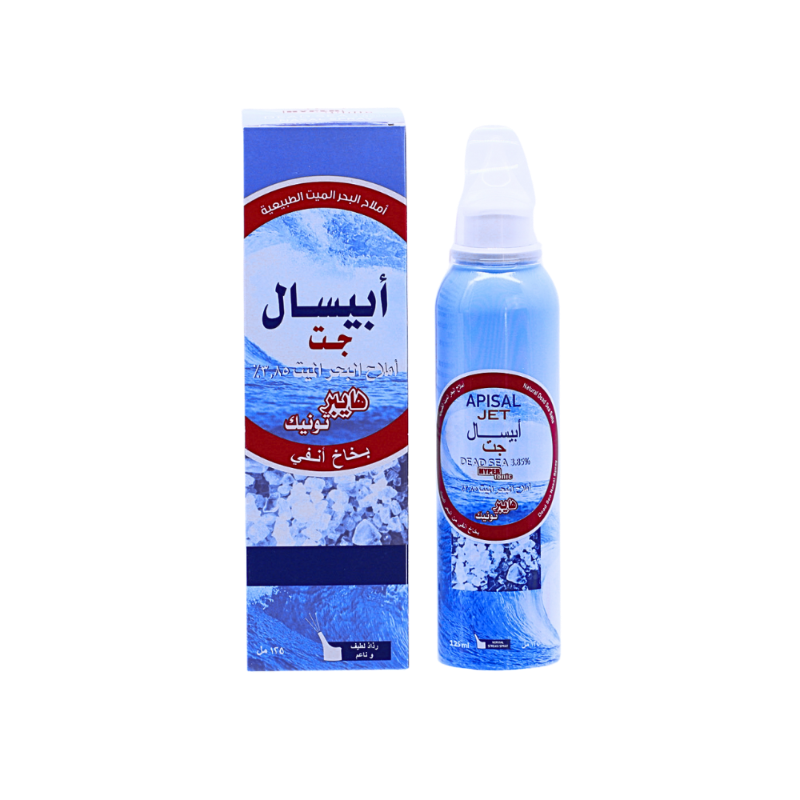
Medications > Cold, Cough, and Allergy Medications
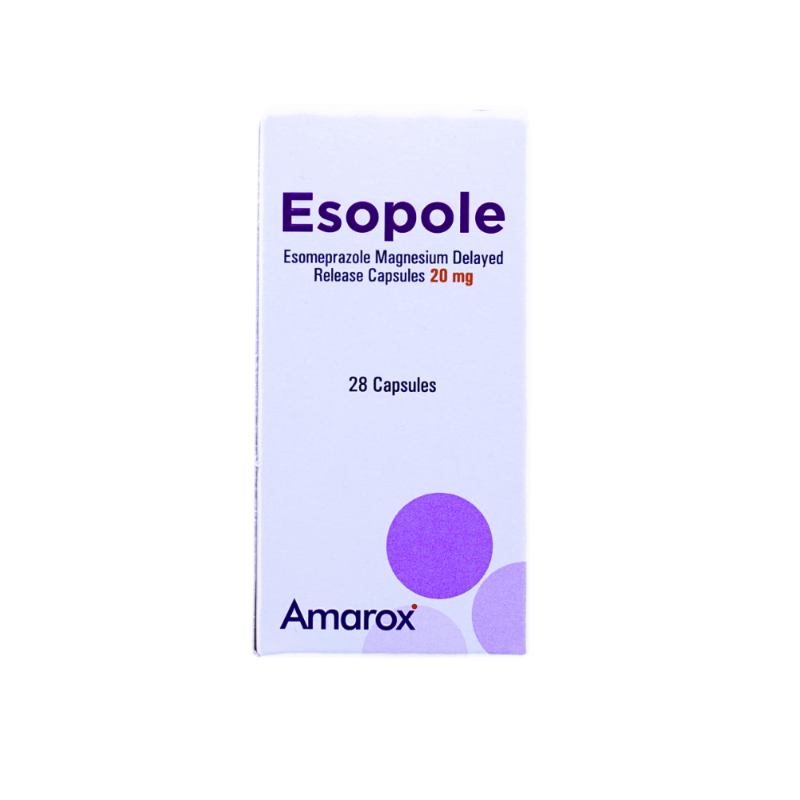
Medications > Gastrointestinal Medications
